
 EN (English)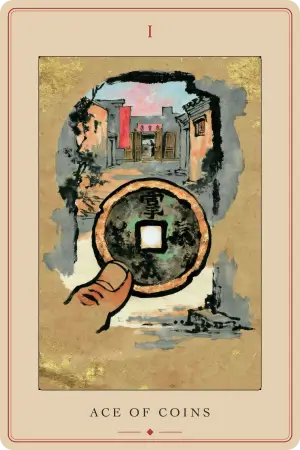

The Tarot of Beijing
Seventy-eight arcana redrawn in the hutongs of old Beijing.
A 78-card tarot built on the Rider–Waite–Smith skeleton and reset in old Beijing, with suits of Kites, Teacups, Brushes, and Coins. Feng Zikai–style ink arcana by the Tarot Academy collective, led by Olena Zhukova and Volodymyr Zhukov.
- Cards
- 78
- Major Arcana
- 22
- Minor Arcana
- 56
TT
What makes it matter
- 78 cards: 22 major arcana and 56 minors, every RWS meaning preserved
- Four Beijing suits: Kites (Wands), Teacups (Cups), Brushes (Swords), Coins (Pentacles)
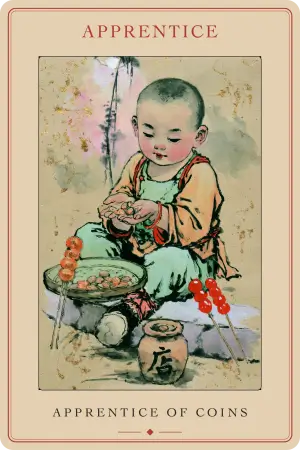
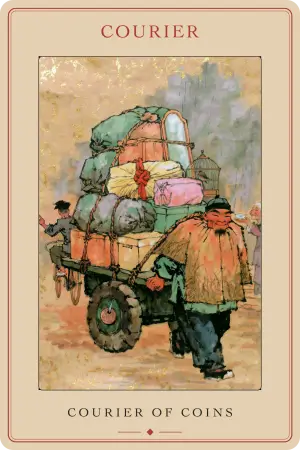
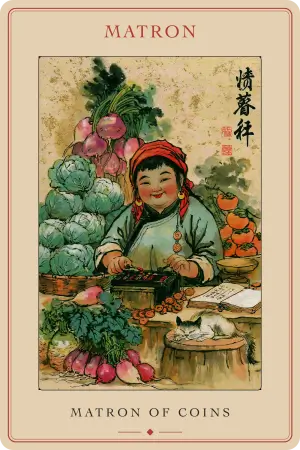
- Courts recast as Apprentice, Courier, Matron, and Master
- Strength sits at VIII as The Girl and the Lion, a New Year lion dance
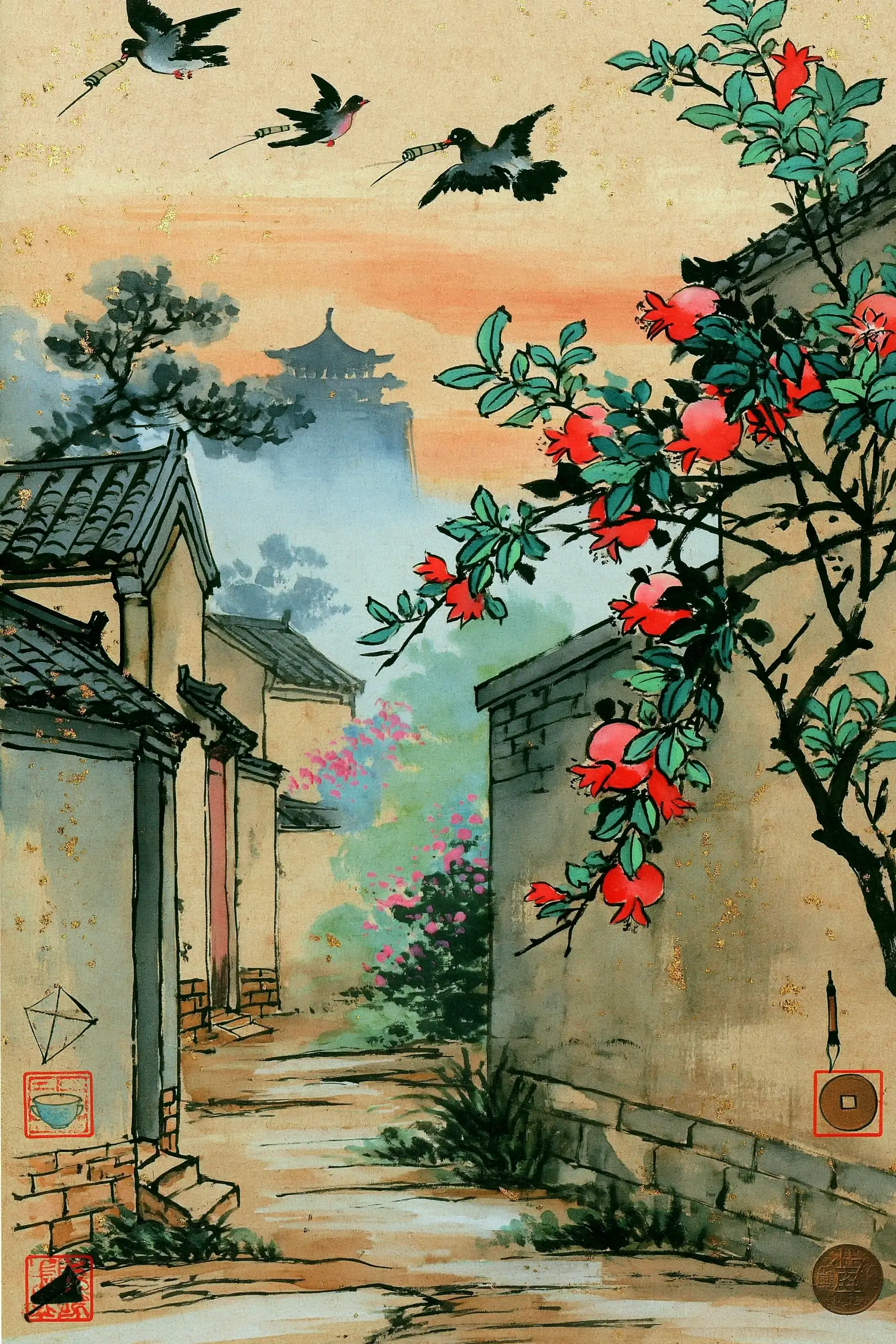
- Feng Zikai–style ink sketches: gray washes, vermilion and teal accents, gold-flecked kraft paper, a red seal on every card
- 19 content sections per card, from keywords and significator to a guided meditation
About the deck
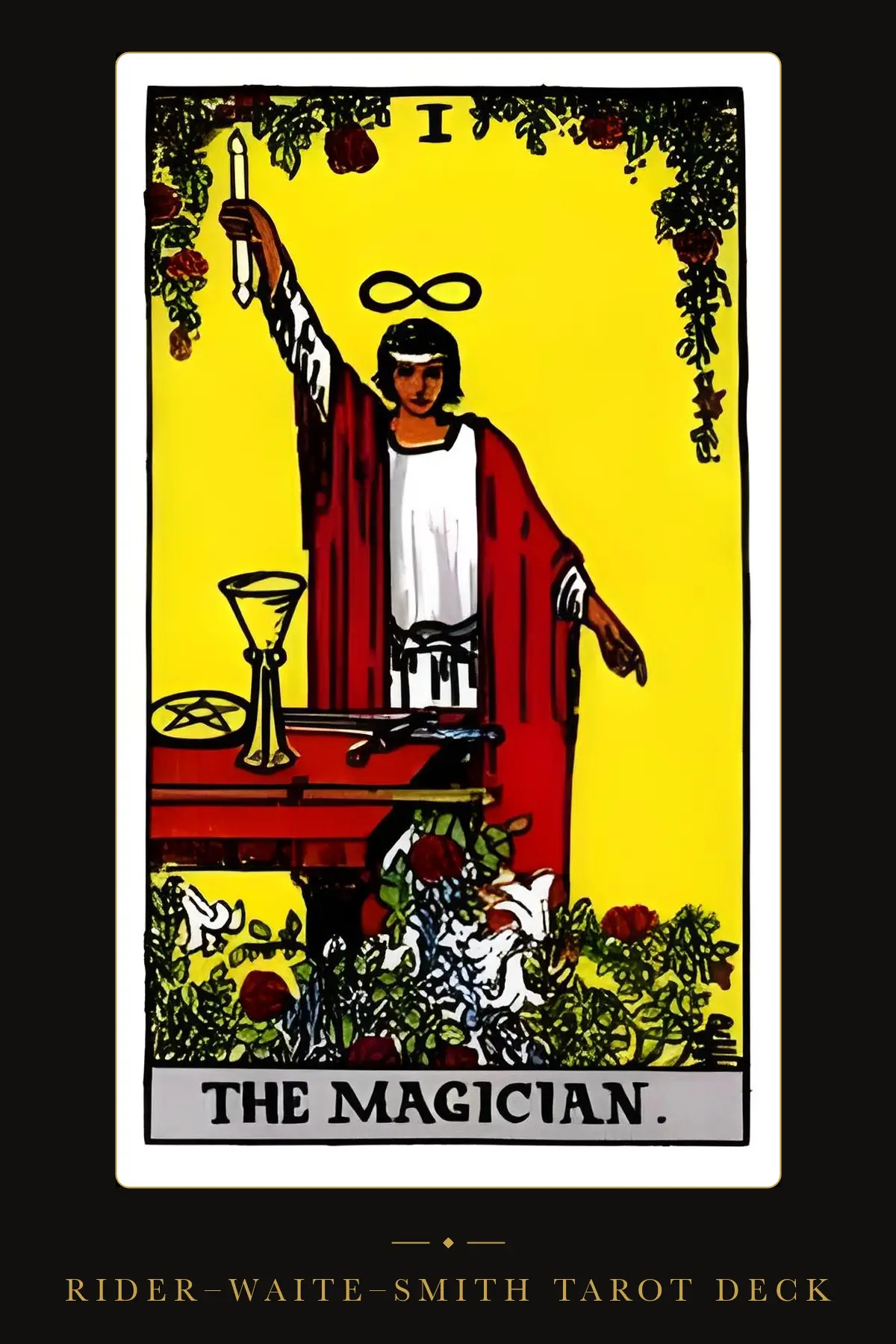
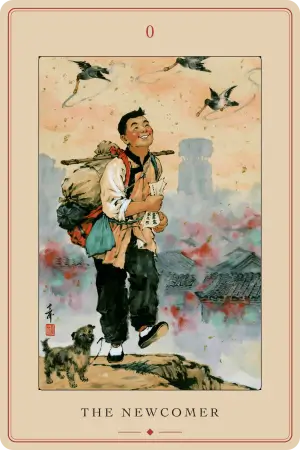
The Tarot of Beijing is a 78-card deck that keeps the complete Rider–Waite–Smith skeleton (22 major arcana, 56 minors, four suits with Apprentice-to-Master courts) and moves every scene into the hutongs, teahouses, temple fairs, and courtyards of old Beijing. The Fool becomes the Newcomer stepping out of Beijing Railway Station with a bedroll on his shoulder and a paper address in his fist; the Chariot is a rickshaw runner flying through evening rain between two swinging lanterns; the Tower is the dismantling of an old city gate, the open horizon appearing for the first time in five hundred years. Each traditional meaning stays intact under the new image, so anyone who reads RWS can read this deck on sight.
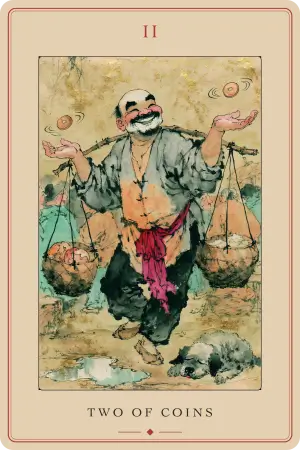
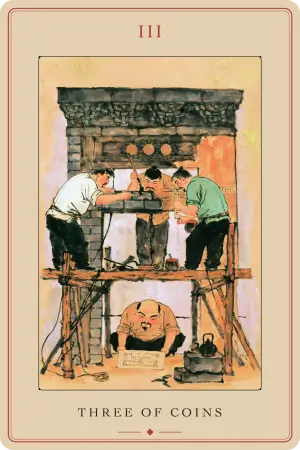
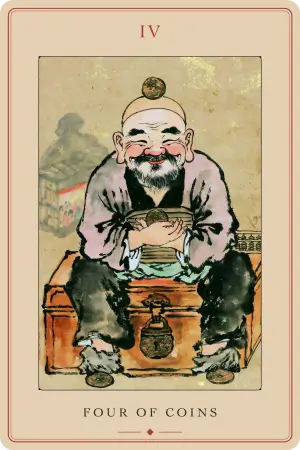
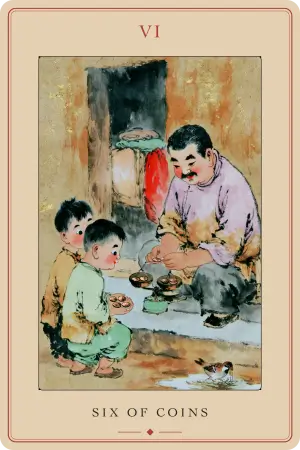
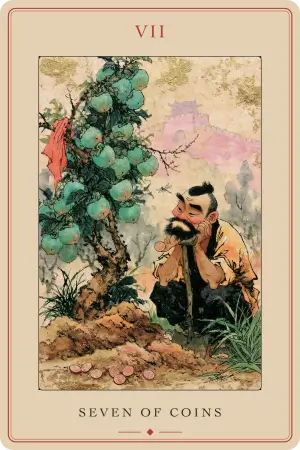
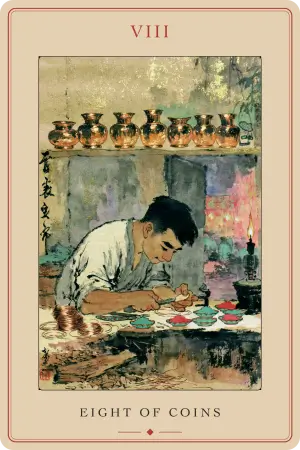
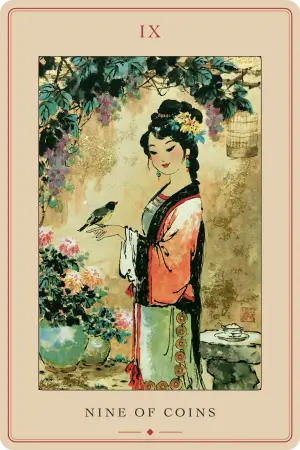
The suit system is the deck's central rewiring. Wands become Kites (风筝), the fire of will, ambition, and enterprise carried on the first wind of spring. Cups become Teacups (茶碗), water and feeling in a gaiwan offered with both hands across a threshold, because in Beijing an offered cup is an offered heart. Swords become Brushes (毛笔), the air of mind, words, and trials, where a single stroke of ink cannot be unmade. Pentacles become Coins (铜钱), the square-holed copper cash of work, body, and household: heaven round, earth square, opportunity exactly coin-sized. The court ranks are recast as Apprentice, Courier, Matron, and Master. Strength holds the RWS position at VIII as The Girl and the Lion, a New Year lion dance that lowers its huge head before a tiny child, because true strength is what makes strength kneel gladly. Justice keeps position XI as The Hand Scale.
The deck was created by the Tarot Academy collective, headed by Olena Zhukova and Volodymyr Zhukov, in the visual language of Feng Zikai: a handful of calm brush lines, muted black and gray washes with one or two accents of vermilion or teal, on warm aged kraft paper flecked with gold, and a small red seal in one corner of every card. There are no gods and thunderbolts here; the cosmic is always shown through the small and human. Every card carries the same 19-section content template, from keywords and topical spreads (money, business, work, romance, relationships, the physical self) to astrological and numerological correspondences and a guided meditation for connecting with the arcana's energy.
The Tarot of Beijing: the Rider–Waite–Smith deck redrawn in the hutongs
The Tarot of Beijing (also called the Beijing Tarot) is a 78-card deck created by the Tarot Academy collective under the direction of Olena Zhukova and Volodymyr Zhukov. It follows the Rider–Waite–Smith system exactly, with 22 major arcana, 56 minor arcana, four suits, and full court cards, while replacing every traditional scene with a moment of life in old Beijing: its lanes, teahouses, temple fairs, and courtyard homes. The skeleton is the classic deck and every meaning is preserved; only the clothing is the city's.
What is the Tarot of Beijing?
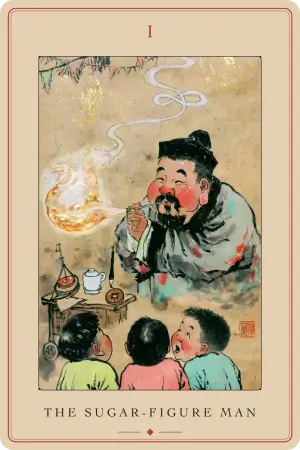
It is a full reading deck, not an art-only project. Each of the 78 cards carries the standard RWS meaning, expressed through a specific Beijing scene painted in the style of Feng Zikai. The Fool is the Newcomer arriving from the provinces, one stride from walking off the curb into the maze of hutongs. The Magician is the Sugar-Figure Man who blows molten sugar into a dragon and, from nothing but breath and heat, makes the world and sells it for a fen. The Hermit is the old man who walks his covered birdcage before sunrise, keeping his light covered until it is needed. Death is the single character 拆, "to be demolished," chalked on a gray wall while swallows already carry mud to build a new nest two streets away. A reader trained on the classic deck recognizes each card immediately; the images simply speak in ink and kraft paper.
How do the four suits map onto the city?
The minor arcana are rebuilt around four objects of everyday Beijing life:
- Kites replace Wands: fire, will, ambition, and enterprise. The Ace is a new swallow kite offered into the first wind of spring; the Ten is a man carrying ten wound spools on a shoulder pole, unable to see the road ahead over his own successes.
- Teacups replace Cups: water, heart, bonds, and feeling. The Three is three old women on low stools with tea, sunflower seeds, and thirty years of gossip and not one betrayal; the Ten is four generations under a grape trellis around a pot that never empties because someone always refills it.
- Brushes replace Swords: air, mind, words, and trials. The Nine is a scholar upright in bed at the third watch, brushes throwing shadows like the strokes of the character for grief; the Ten is a dismissed official face-down over his desk with the first gray-gold line of dawn at the window.
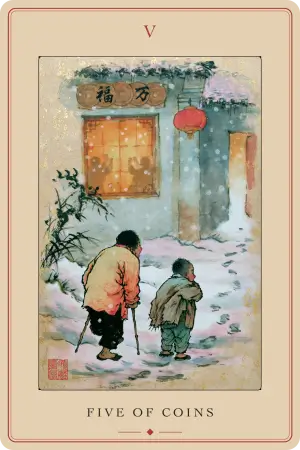
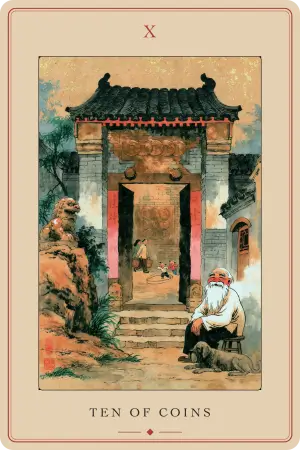
- Coins replace Pentacles: earth, work, body, and household. The Five is two beggars in the snow beneath a teahouse whose name-board reads "Ten Thousand Blessings," the door just around the corner; the Ten is a siheyuan so old its wealth has become architecture.
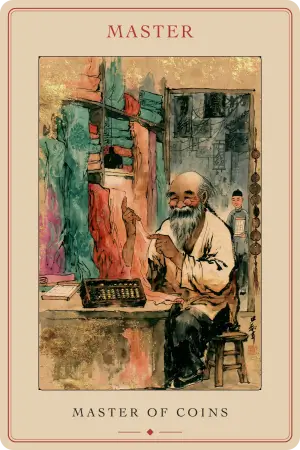
The court cards are recast as Apprentice, Courier, Matron, and Master. The Master of Coins, for instance, is the old proprietor of a Dashilan silk house who tests silk with two fingers and men with two questions, and has never confused price with worth, a direct translation of the traditional King of Pentacles.
Who created the deck?
The Tarot of Beijing is the work of the Tarot Academy collective, an artist group headed by Olena Zhukova and Volodymyr Zhukov. The collective built the deck as a complete system: alongside the imagery, every card is documented across 19 content sections, including keywords, spread interpretations for six life topics (money, business, work, romantic relationships, social relationships, and the physical self), personality profiles, professions, symbolism, astrological correspondence, numerology, archetype, philosophical and psychological readings, significator use, an arcana-of-the-day text, and a guided meditation.
Why is Strength called The Girl and the Lion?
Strength sits at VIII, the Rider–Waite–Smith position, as a New Year lion dance: the great silk lion lowers its huge head before a tiny girl in a red jacket, and she, unafraid, gently scratches its chin. Two grown men are inside the lion, but that is exactly the point — true strength is what makes strength kneel gladly. Justice keeps position XI as The Hand Scale, an old vendor weighing pears on a hand scale held high so the whole lane can see the balance point.
How were the other major arcana recast?
Every major keeps its number and its core meaning. The Empress is the Courtyard Grandmother under a pomegranate tree, whose hundred-seed fruit is her crown. The Emperor is the old man standing at dawn on Jingshan Hill on the Central Axis, gazing down at the Forbidden City like his own chessboard. The Hierophant is the Calligraphy Master in the Imperial Academy, guiding two boys' first brushstrokes hand over hand. The Wheel of Fortune is a pinwheel seller whose dozens of paper wheels all spin in the same wind. The Devil is a cricket-fighting den where no man is chained but none will notice the door standing open all night. The Tower is workers pulling down an old gate tower, terrible and necessary, and the sky very clean. The World is the view from Jingshan, the whole city on the Central Axis with the four seasons happening at once in its four corners, and the Newcomer from card 0 walking at the center, no longer lost.
How do you read with this deck?
Exactly as you would read Rider–Waite–Smith. The Fool (the Newcomer) is numbered 0, Strength is VIII, Justice is XI, and reversals are fully supported; most of the 19 content sections carry separate upright and reversed texts. The six topic-specific spread sections make the deck practical for focused questions. The meditation section on each card supports single-card contemplative practice as well as predictive spreads.
What does the artwork look like?
The imagery is Feng Zikai–style ink sketch: a handful of calm brush lines, muted black and gray washes with one or two accents of vermilion or teal, on warm aged kraft paper flecked with gold, and a small red seal in a corner of each card. The minors are fully illustrated scenes rather than pattern pips. The four suit emblems — kite, teacup, brush, and coin — appear together only twice in the whole deck: on the Magician's cart, where they are his tools, and hidden in the four corners of The World, where they have become the seasons. Seventy-eight cards, one city, drawn in ink and kraft paper.
The deck at a glance
- Created by
- Tarot Academy collective, headed by Olena Zhukova and Volodymyr Zhukov
- Illustrated by
- Tarot Academy collective
- First published by
- Tarot Academy
- Year
- 2026
- Country
- China
- Tradition
- Tarot Academy collective
- Also known as
- Beijing Tarot, Tarot of Old Beijing
- Influences
- Rider–Waite–Smith Tarot, Feng Zikai
- Court ranks
- Apprentice · Courier · Matron · Master
- Reversals
- Read upright and reversed
- Recommended spreads
- Daily Card, Three Card, Celtic Cross, Yes No
- Best for
- Beginner
Esoteric correspondences
Astrology
Numerology
Elements
All 78 cards
Every card links to its full page: meanings upright and reversed, symbolism, and readings across love, career and more.
Major Arcana
The Newcomer
The Sugar-Figure Man
The Fortune-Teller Behind the Curtain
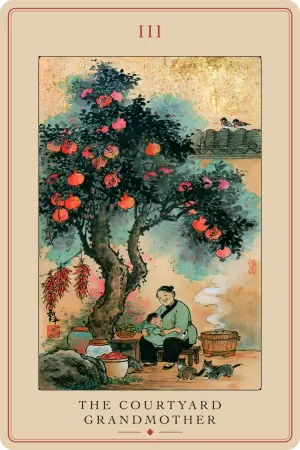
The Courtyard Grandmother
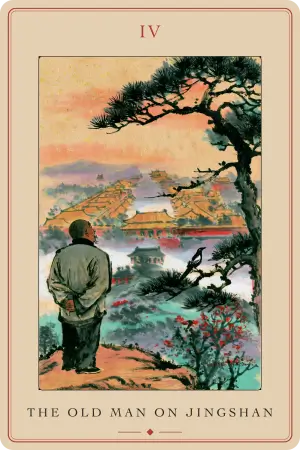
The Old Man on Jingshan
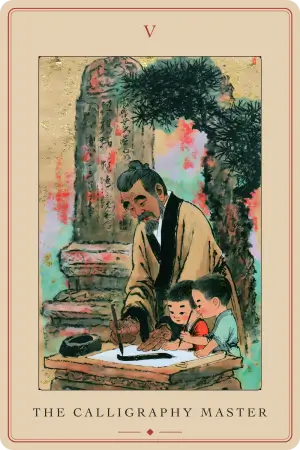
The Calligraphy Master
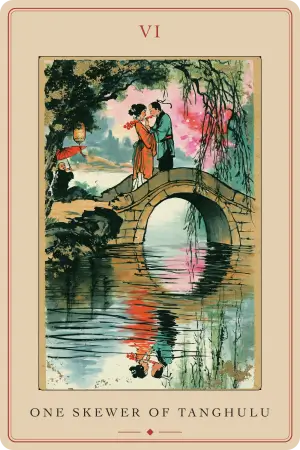
One Skewer of Tanghulu
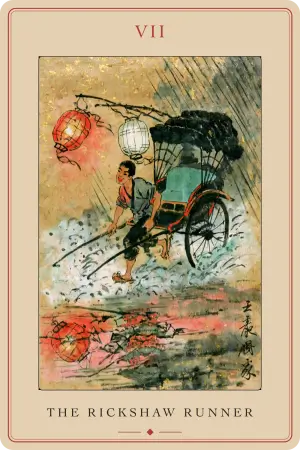
The Rickshaw Runner
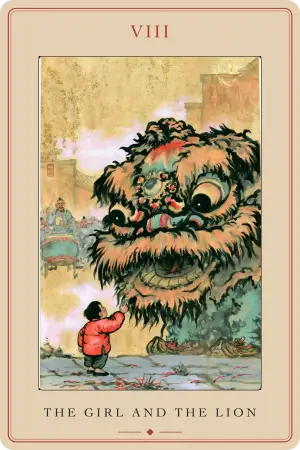
The Girl and the Lion
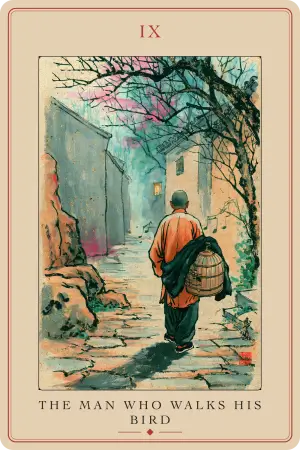
The Man Who Walks His Bird
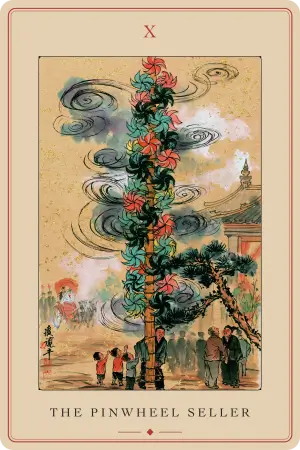
The Pinwheel Seller
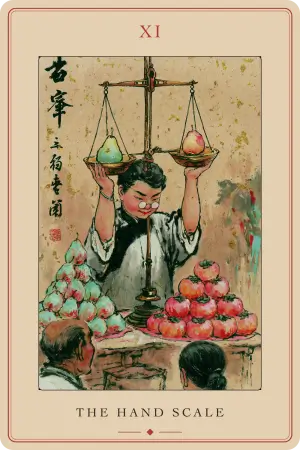
The Hand Scale
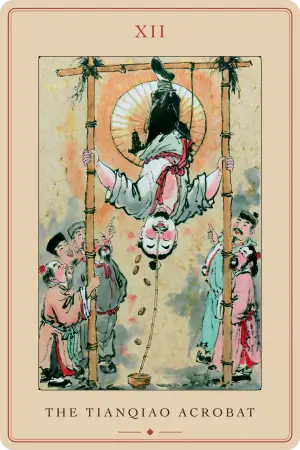
The Tianqiao Acrobat
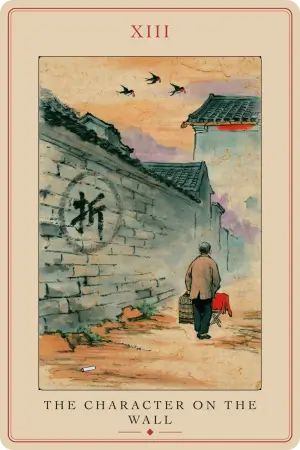
The Character on the Wall
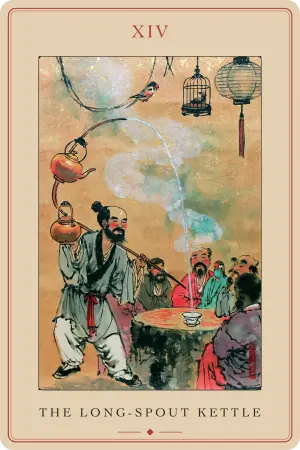
The Long-Spout Kettle
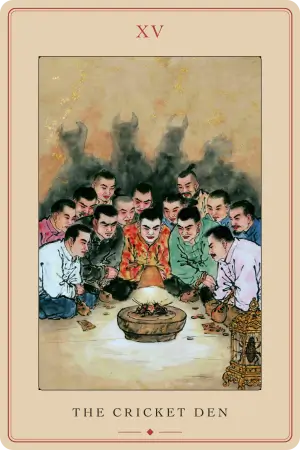
The Cricket Den
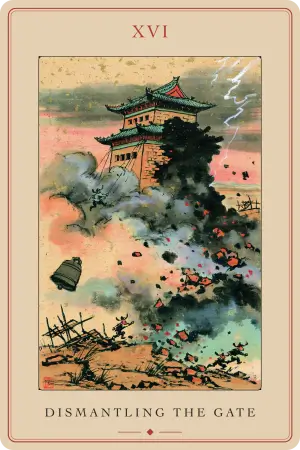
Dismantling the Gate
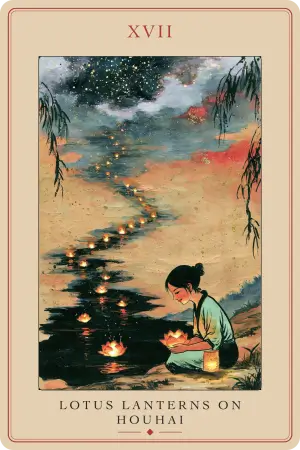
Lotus Lanterns on Houhai
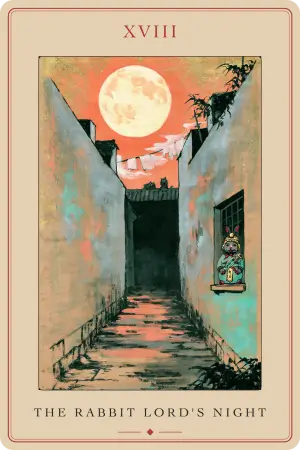
The Rabbit Lord's Night
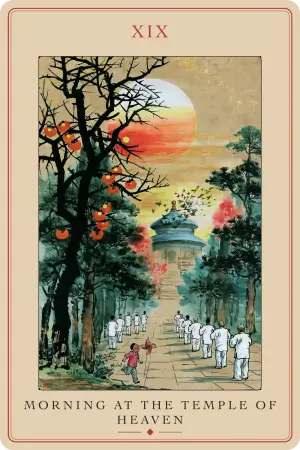
Morning at the Temple of Heaven
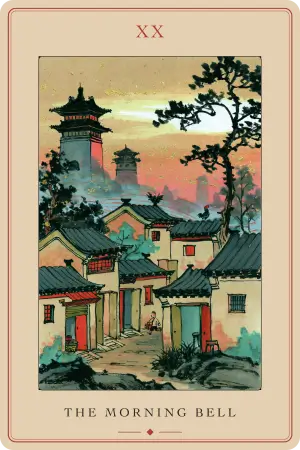
The Morning Bell
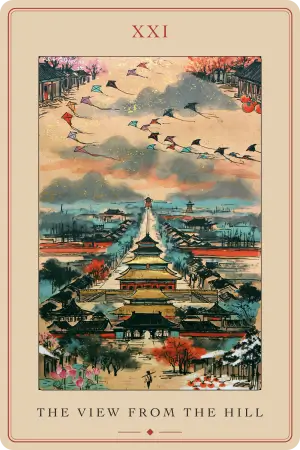
The View from the Hill
Kites
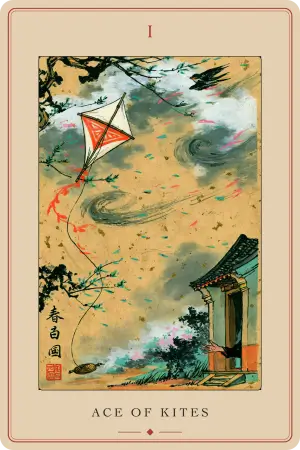
Ace of Kites
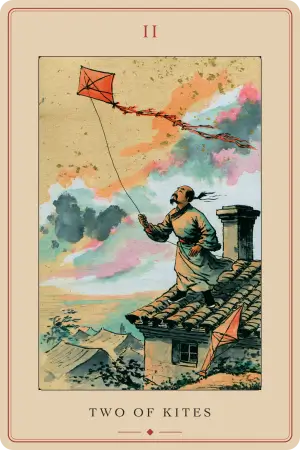
Two of Kites
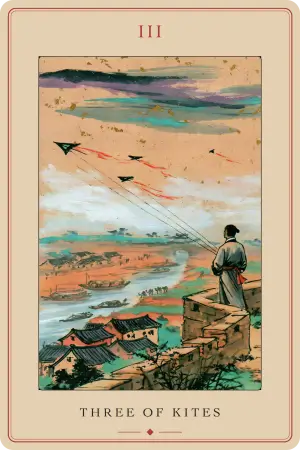
Three of Kites
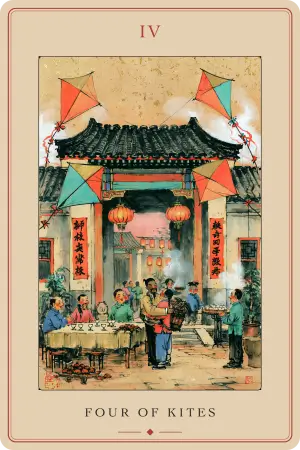
Four of Kites
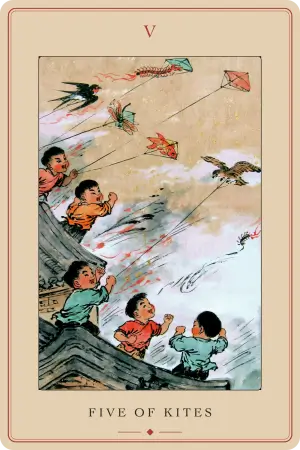
Five of Kites
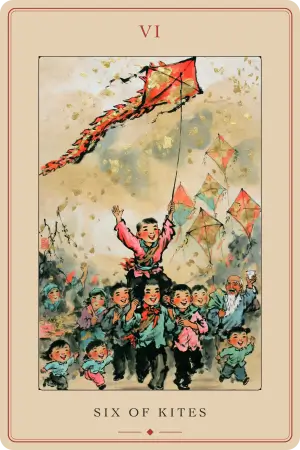
Six of Kites
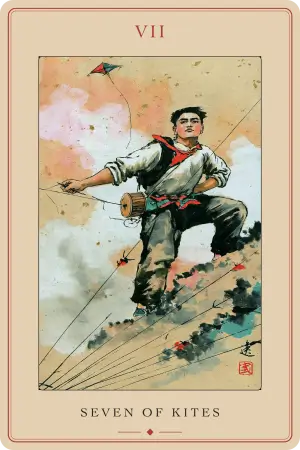
Seven of Kites
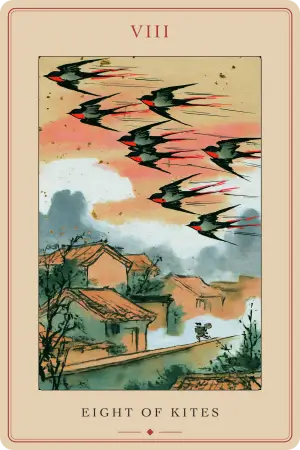
Eight of Kites
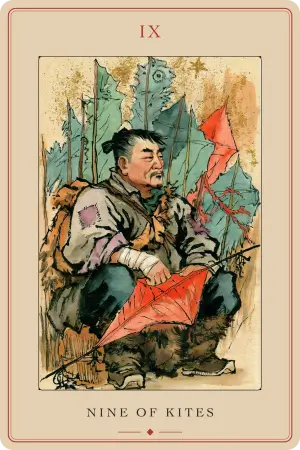
Nine of Kites
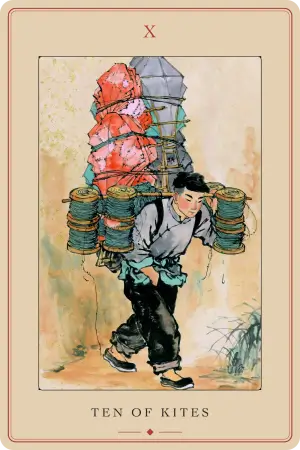
Ten of Kites
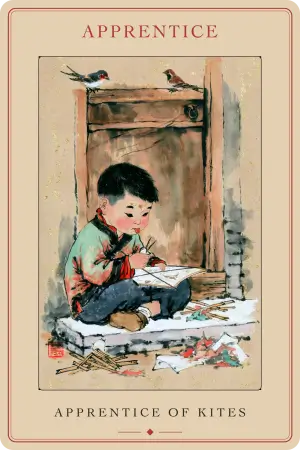
Apprentice of Kites
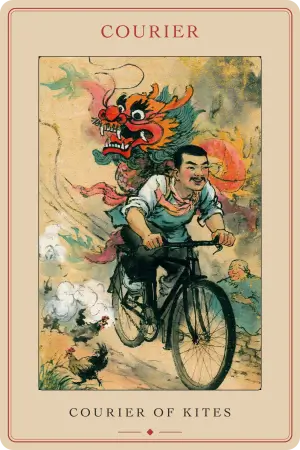
Courier of Kites
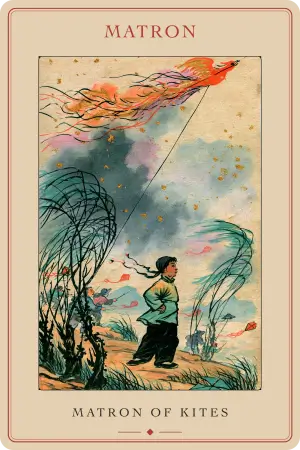
Matron of Kites
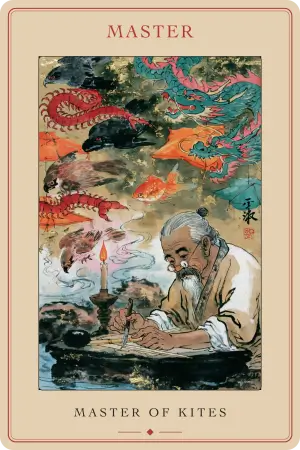
Master of Kites
Teacups
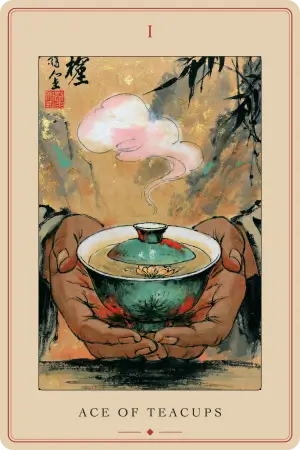
Ace of Teacups
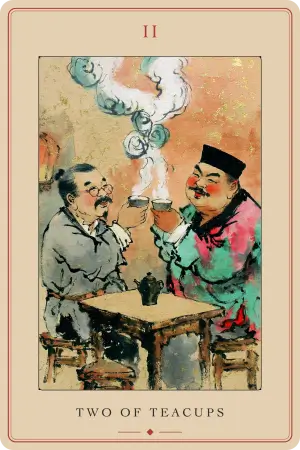
Two of Teacups
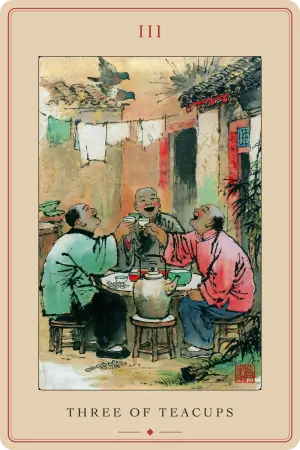
Three of Teacups
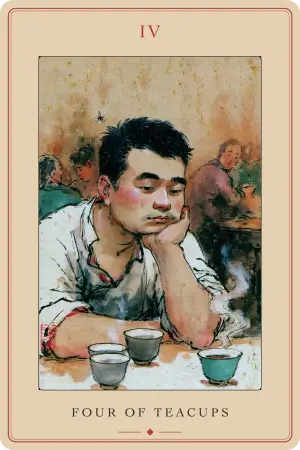
Four of Teacups
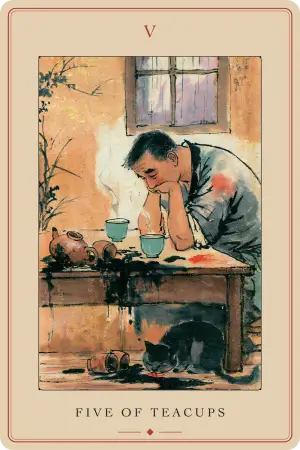
Five of Teacups
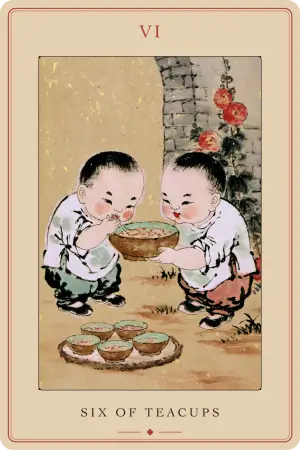
Six of Teacups
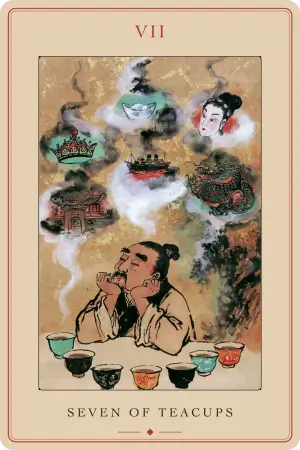
Seven of Teacups
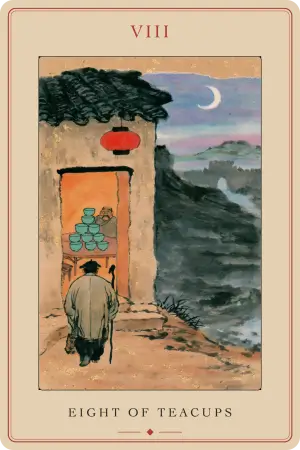
Eight of Teacups
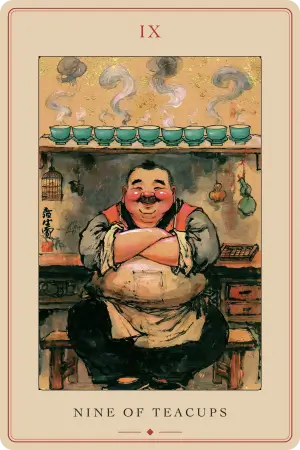
Nine of Teacups
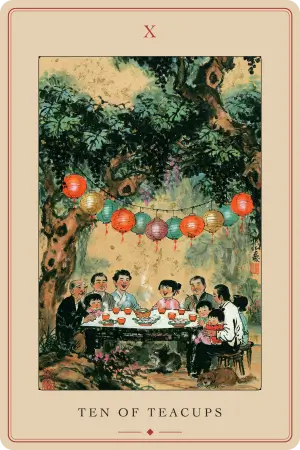
Ten of Teacups
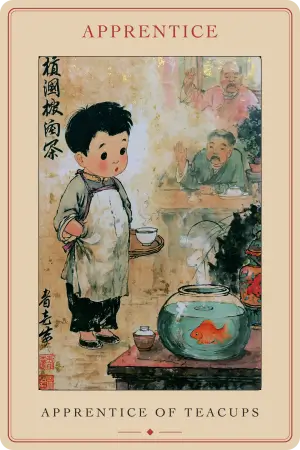
Apprentice of Teacups
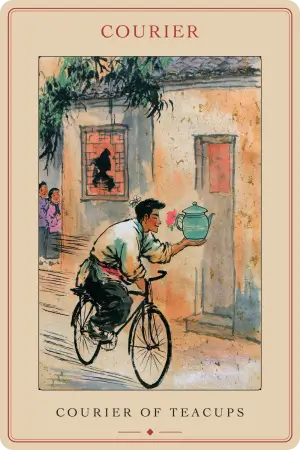
Courier of Teacups
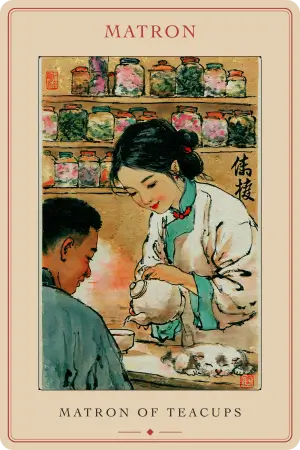
Matron of Teacups
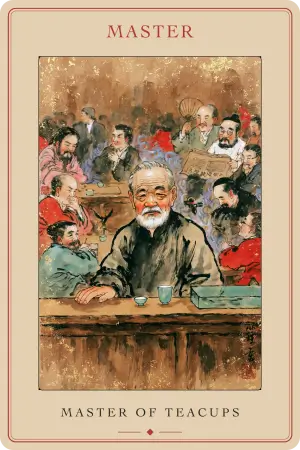
Master of Teacups
Brushes
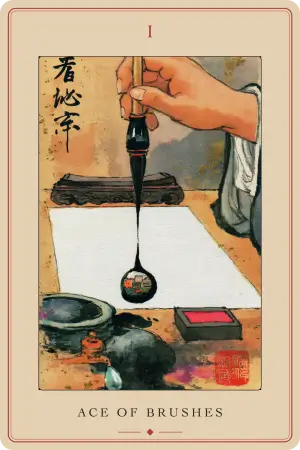
Ace of Brushes
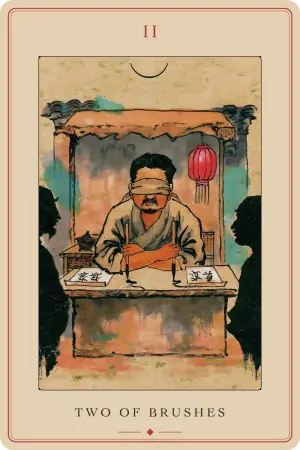
Two of Brushes
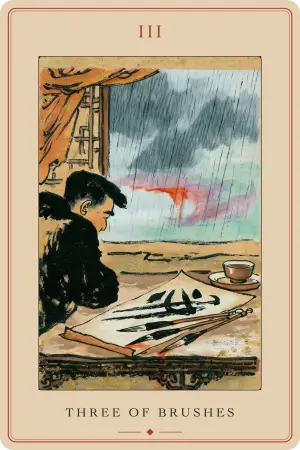
Three of Brushes
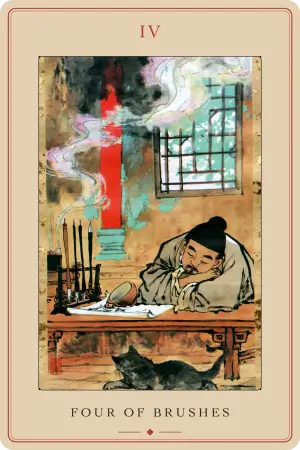
Four of Brushes
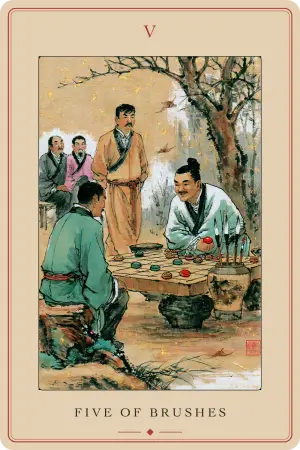
Five of Brushes
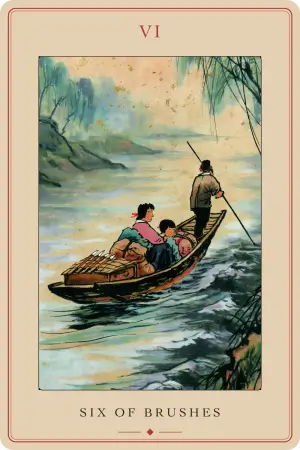
Six of Brushes
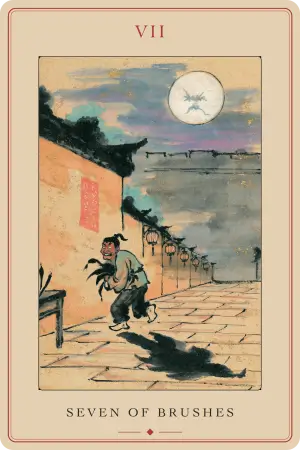
Seven of Brushes
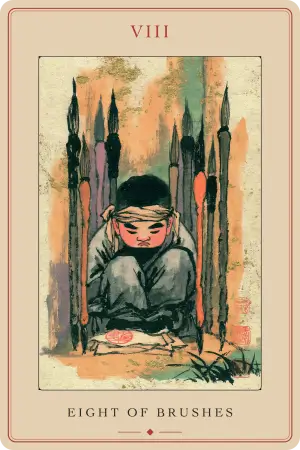
Eight of Brushes
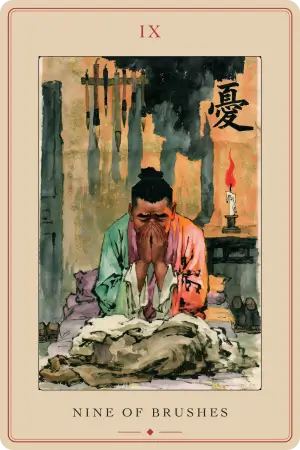
Nine of Brushes
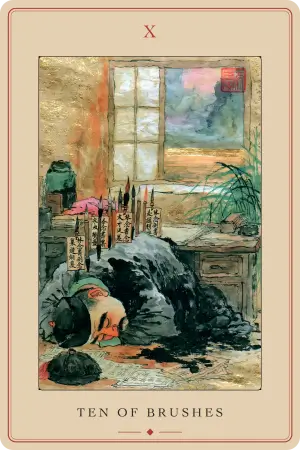
Ten of Brushes
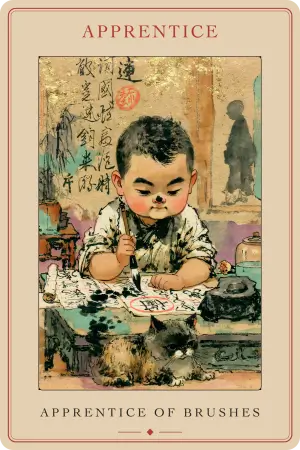
Apprentice of Brushes
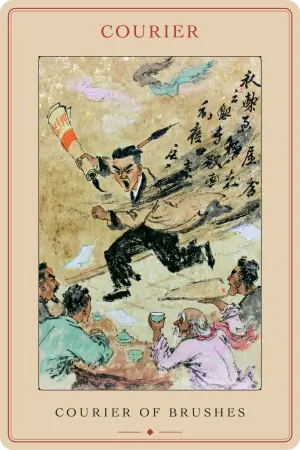
Courier of Brushes
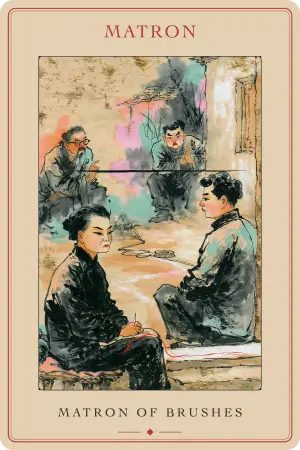
Matron of Brushes
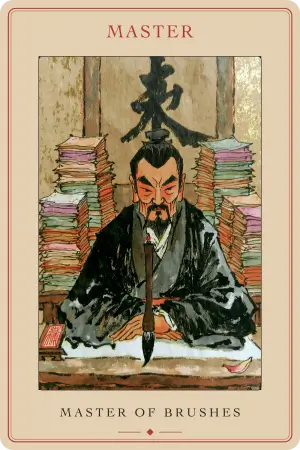
Master of Brushes
Coins
On every card page
Each of the deck's cards is described through the same set of lenses, so you can compare like with like.
Card at a glance
The card in each deck
Imagery and symbolism
Core meaning
Upright meaning
Reversed meaning
Historical notes
Correspondences
Psychological perspective
The card across decks
In combination and context
Questions for reflection
Frequently asked questions
More decks in the library
View all decksFrequently asked questions
Latest Posts
Discover the ancient wisdom of tarot cards and unlock the mysteries of your spiritual journey. Our blog is your gateway to understanding the rich symbolism, meanings, and practical applications of tarot reading.




















































