
 EN (English)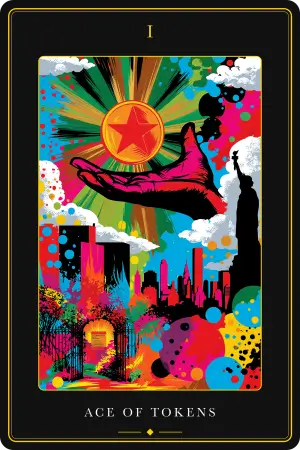

The Tarot of New York City
Seventy-eight arcana rewired for the five boroughs.
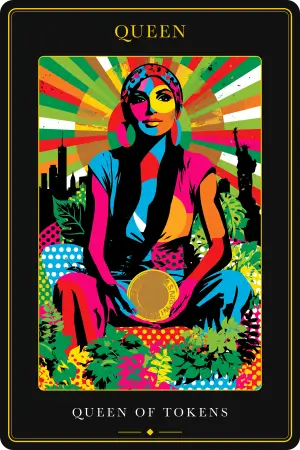
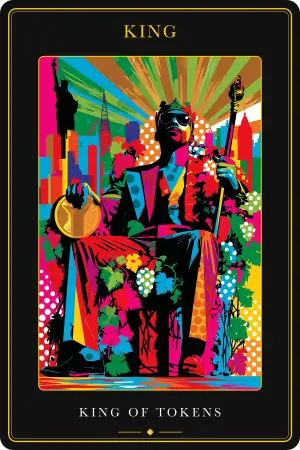
A 78-card tarot built on the Rider–Waite–Smith skeleton and reset in present-day New York City, with suits of Cranes, Cups, Subways, and Tokens. Pop-art arcana by the Tarot Academy collective, led by Olena Zhukova and Volodymyr Zhukov.
- Cards
- 78
- Major Arcana
- 22
- Minor Arcana
- 56
TT
What makes it matter
- 78 cards: 22 major arcana and 56 minors, every RWS meaning preserved
- Four city suits: Cranes (Wands), Cups (Cups), Subways (Swords), Tokens (Pentacles)
- Strength sits at VIII as Patience & Fortitude, the two New York Public Library lions
- Created by the Tarot Academy collective under Olena Zhukova and Volodymyr Zhukov
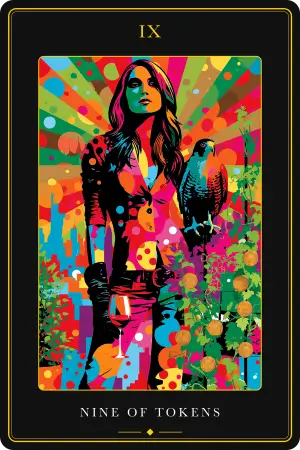
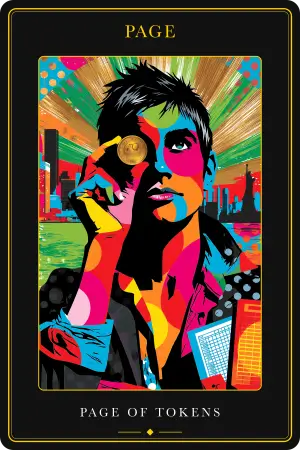
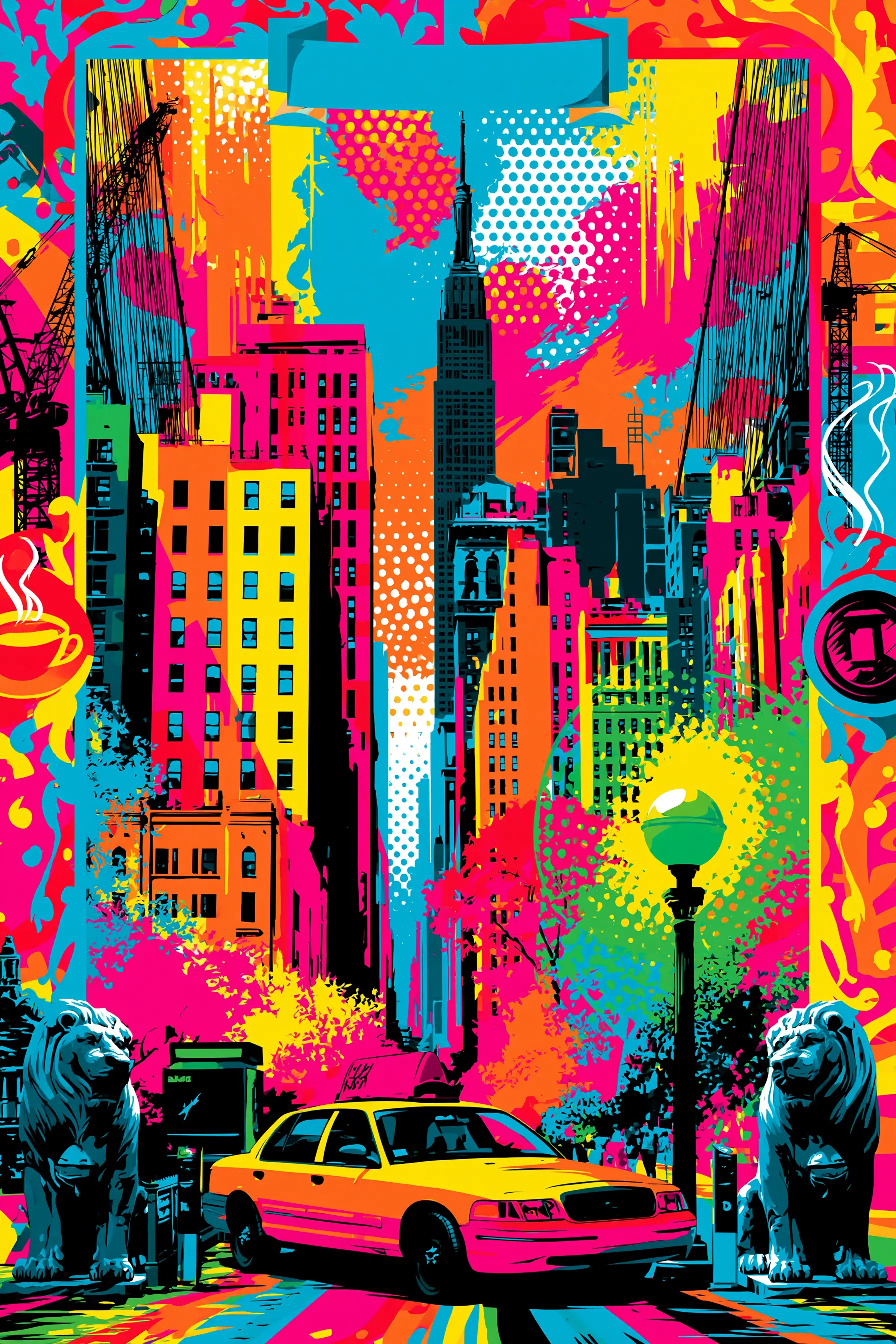
- Pop-art artwork: halftone dots, sunburst rays, black silhouettes on saturated primaries
- 19 content sections per card, from keywords and significator to a guided meditation
About the deck
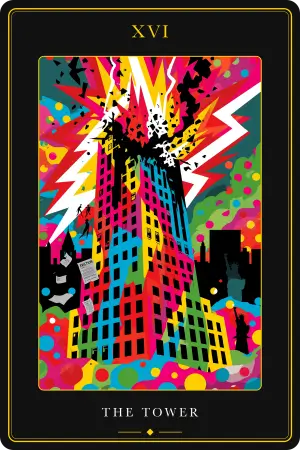
The Tarot of New York City is a 78-card deck that keeps the complete Rider–Waite–Smith skeleton (22 major arcana, 56 minors, four suits with Page-to-King courts) and moves every scene into the present-day five boroughs. The Fool becomes the Newcomer stepping off the bus at Port Authority with a phone at 12% battery; the Chariot is a yellow cab threading Midtown gridlock; the Tower is the 1977 blackout. Each traditional meaning stays intact under the new image, so anyone who reads RWS can read this deck on sight.
The suit system is the deck's central rewiring. Wands become Cranes, the fire of ambition and construction; Cups keep their name but take the shape of the blue Greek “We Are Happy To Serve You” coffee cup; Swords run underground as Subways, the suit of mind, conflict, and the daily grind; Pentacles circulate as Tokens: money, rent, and work. Strength holds the RWS position at VIII as Patience & Fortitude, named for the two marble lions on the New York Public Library steps.
The deck was created by the Tarot Academy collective, headed by Olena Zhukova and Volodymyr Zhukov, with pop-art imagery: halftone dot fields, sunburst rays, and black silhouettes of figures and skyline set against saturated color blocks. Every card carries the same 19-section content template, from keywords and topical spreads (money, business, work, romance, relationships, the physical self) to astrological and numerological correspondences and a guided meditation for connecting with the arcana's energy.
The Tarot of New York City: the Rider–Waite–Smith deck rebuilt for the five boroughs
The Tarot of New York City (also called the New York City Tarot or NYC Tarot) is a 78-card deck created by the Tarot Academy collective under the direction of Olena Zhukova and Volodymyr Zhukov. It follows the Rider–Waite–Smith system exactly, with 22 major arcana, 56 minor arcana, four suits, and courts of Page, Knight, Queen, and King, while replacing every traditional scene with a moment of contemporary New York life. The deck's own summary puts it plainly: same skeleton as the RWS deck, every meaning preserved, wearing the city's clothes.
What is the Tarot of New York City?
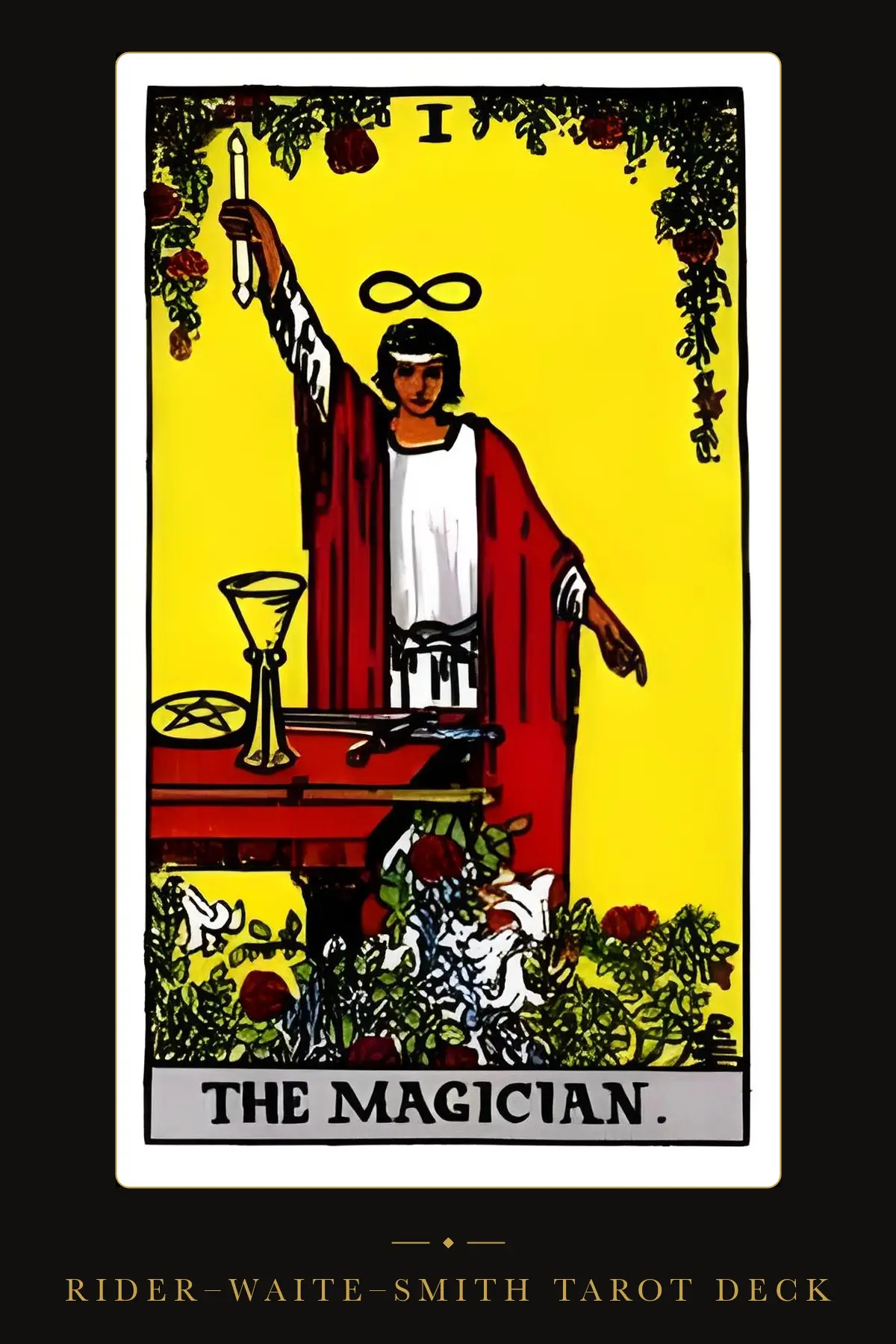
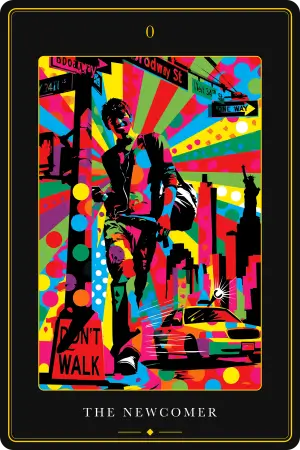
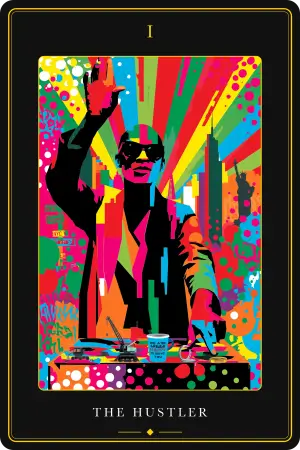
It is a full reading deck, not an art-only project. Each of the 78 cards carries the standard RWS meaning, expressed through a specific New York scene. The Fool is the Newcomer, a kid stepping off the bus at Port Authority with one duffel bag and no apartment. The Magician is the Hustler on Canal Street who can get you anything. The Hermit keeps the Little Red Lighthouse under the George Washington Bridge. Death is a forty-year-old diner going dark with paper over the windows and a promise of luxury condos. A reader trained on the classic deck recognizes each card immediately; a New Yorker recognizes each card personally.
How do the four suits map onto the city?
The minor arcana are rebuilt around four engines of the city:
- Cranes replace Wands: fire, ambition, creativity, the build. The Ace is a construction permit finally stamped after eight months; the Ten is a person who said yes to everything and now carries all of it across town at once.
- Cups keep their name and their water, poured into the blue Greek “We Are Happy To Serve You” paper coffee cup. Emotion, love, and community: the Three of Cups is a rooftop crew who got each other through the worst year.
- Subways replace Swords: mind, conflict, decisions, the grind. The Nine of Subways is the 3am anxiety loop; the Ten is rock bottom at the end of the line, with the first train of dawn coming in from the east.
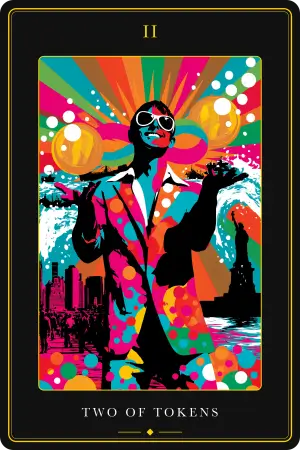
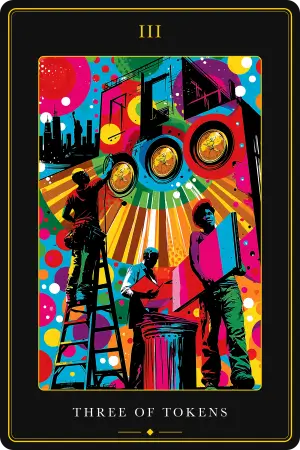
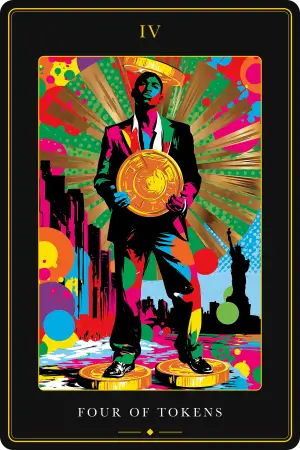
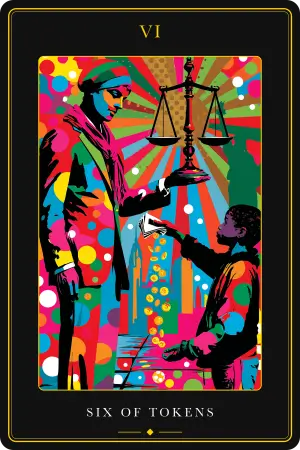
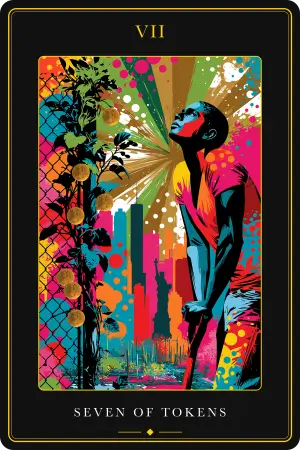
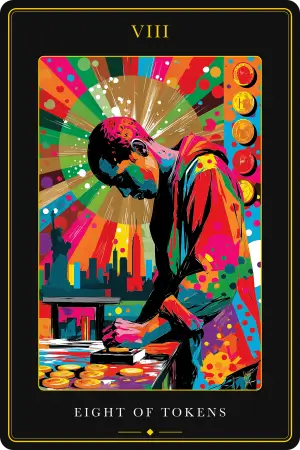
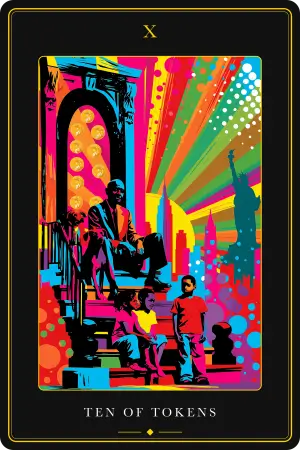
- Tokens replace Pentacles: money, rent, work, and material security. The Ten of Tokens is a brownstone held by one family for three generations.
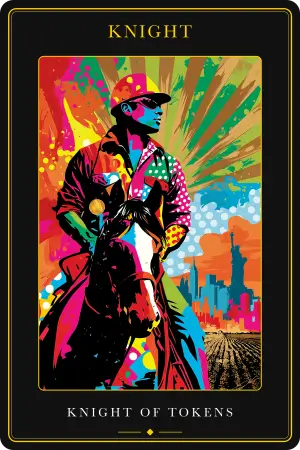
Court cards keep the classic four ranks. The Knight of Tokens, for instance, is the most reliable person on the job, never flashy, never late, which is a direct translation of the traditional Knight of Pentacles.
Who created the deck?
The Tarot of New York City is the work of the Tarot Academy collective, an artist group headed by Olena Zhukova and Volodymyr Zhukov. The collective built the deck as a complete system: alongside the imagery, every card is documented across 19 content sections, including keywords, spread interpretations for six life topics (money, business, work, romantic relationships, social relationships, and the physical self), personality profiles, professions, symbolism, astrological correspondence, numerology, archetype, philosophical and psychological readings, significator use, an arcana-of-the-day text, and a guided meditation.
Why is Strength called Patience & Fortitude?
Strength sits at VIII, the Rider–Waite–Smith position, and takes its name from the two marble lions on the New York Public Library steps — actually named Patience and Fortitude during the Depression, so the city would remember how to survive. The card shows soft power in a city register: a woman who stops a subway fight not by shouting louder but by staying calm enough that everyone else remembers themselves. Justice keeps position XI, set on the courthouse steps at Foley Square.
How were the other major arcana recast?
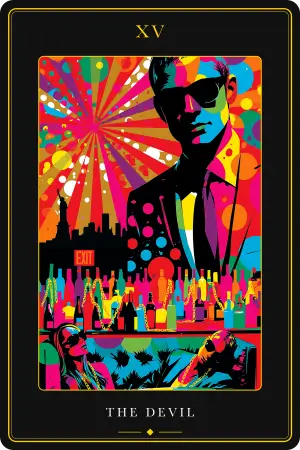
Every major keeps its number and its core meaning. The Empress is the Matriarch who runs a community garden on a lot the city forgot. The Emperor is the Developer on a top floor deciding where the shadow falls at 3pm. The Hierophant is the Old Guard, fifty-one years behind the same deli counter. The Wheel of Fortune spins as a turnstile and a bodega scratch-off. The Devil is bottle service, a lease signed unread, and a job that pays just enough to keep you. The Tower is the 1977 blackout, when the grid failed and the whole city dropped into the dark at once. The World is the observation deck at dusk, the whole organism laid out below: bridges lit, every borough breathing at once.
How do you read with this deck?
Exactly as you would read Rider–Waite–Smith. The Fool (Newcomer) is numbered 0, Strength is VIII, Justice is XI, and reversals are fully supported; most of the 19 content sections carry separate upright and reversed texts. The six topic-specific spread sections make the deck practical for focused questions: pull the Ten of Subways in a work reading and the material tells you directly what rock bottom and recovery look like on the job. The meditation section on each card supports single-card contemplative practice as well as predictive spreads.
What does the artwork look like?
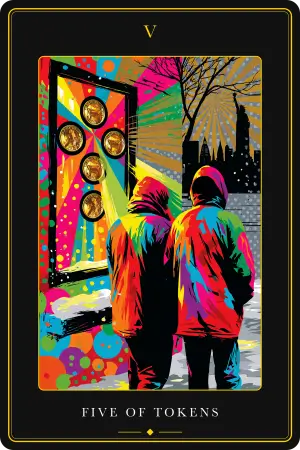
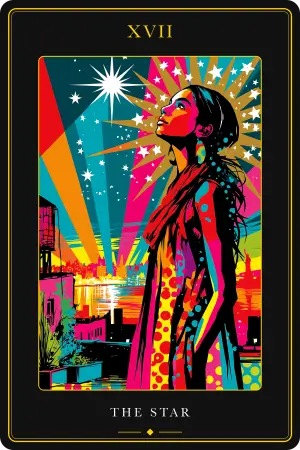
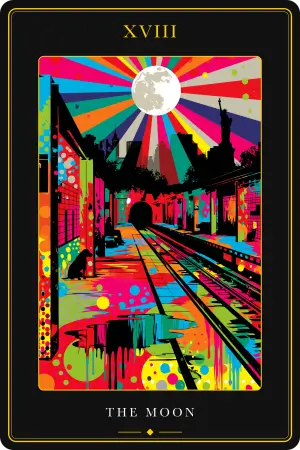
The imagery is pop art in the 1960s screen-print tradition: halftone dot fields, sunburst ray backgrounds, and hard black silhouettes of figures, bridges, and skyline against saturated reds, yellows, magentas, cyans, and greens. The minors are fully illustrated scenes rather than pattern pips, so the Five of Tokens reads as two people passing a lit window in the cold even before you check the book. Seventy-eight cards, one city, and a deck that asks you to shuffle accordingly.
The deck at a glance
- Created by
- Tarot Academy collective, headed by Olena Zhukova and Volodymyr Zhukov
- Illustrated by
- Tarot Academy collective
- First published by
- Tarot Academy
- Year
- 2026
- Country
- USA
- Tradition
- Tarot Academy collective
- Also known as
- New York City Tarot, NYC Tarot
- Influences
- Rider–Waite–Smith Tarot
- Court ranks
- Page · Knight · Queen · King
- Reversals
- Read upright and reversed
- Recommended spreads
- Daily Card, Three Card, Celtic Cross, Yes No
- Best for
- Beginner
Esoteric correspondences
Astrology
Numerology
Elements
All 78 cards
Every card links to its full page: meanings upright and reversed, symbolism, and readings across love, career and more.
Major Arcana
The Newcomer
The Hustler
The Librarian
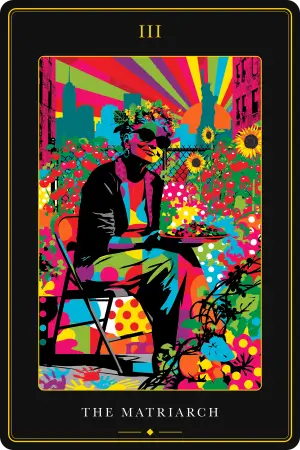
The Matriarch
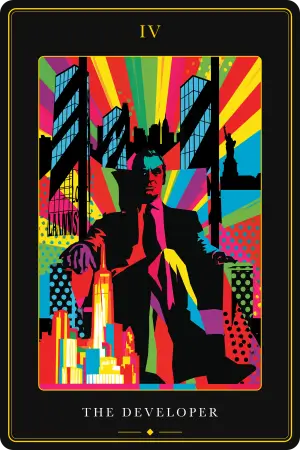
The Developer
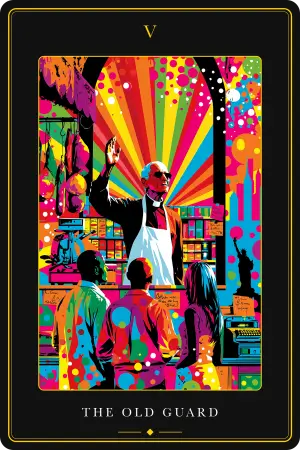
The Old Guard
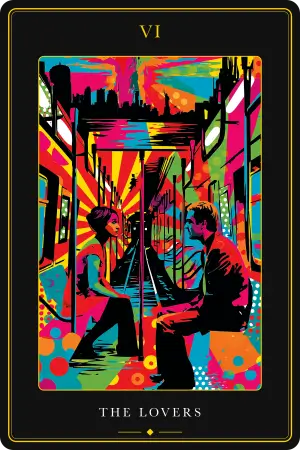
The Lovers
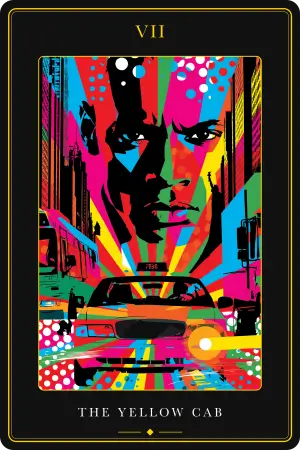
The Yellow Cab
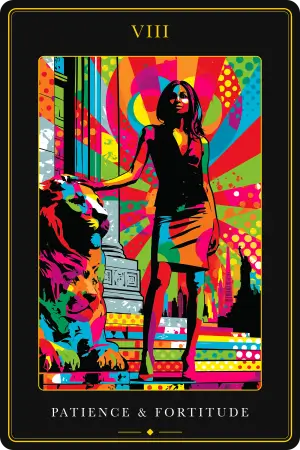
Patience & Fortitude
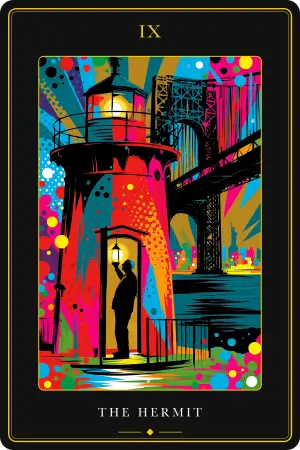
The Hermit
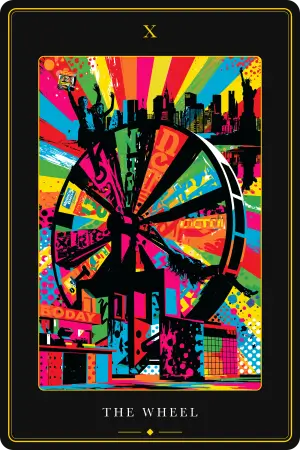
The Wheel
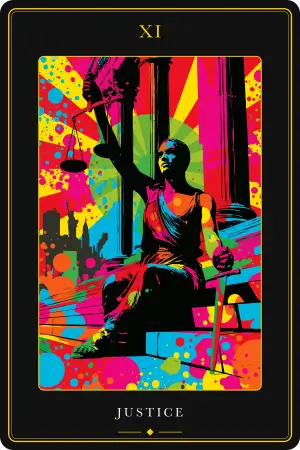
Justice
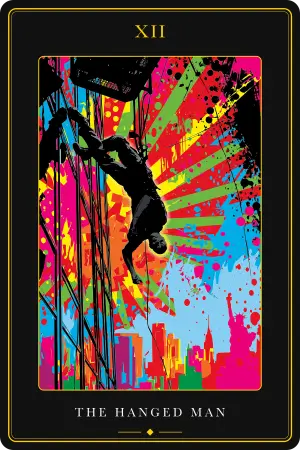
The Hanged Man
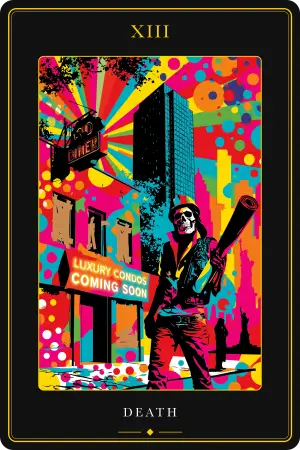
Death
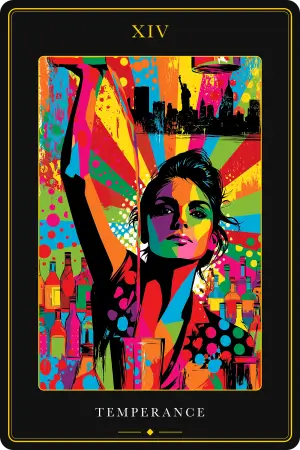
Temperance
The Devil
The Tower
The Star
The Moon
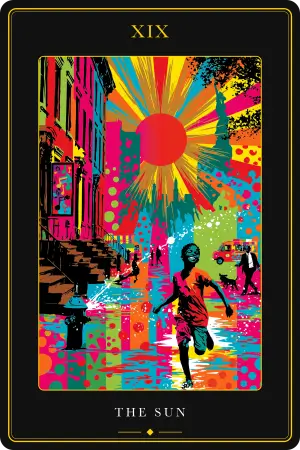
The Sun
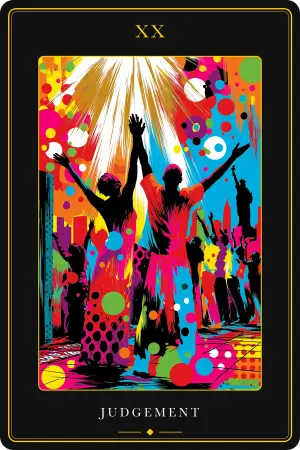
Judgement
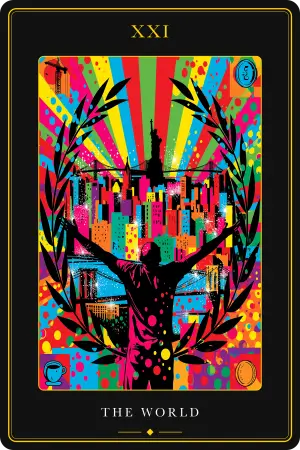
The World
Cranes
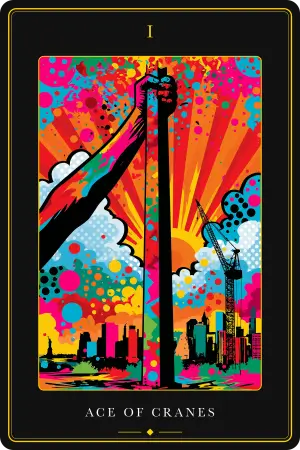
Ace of Cranes
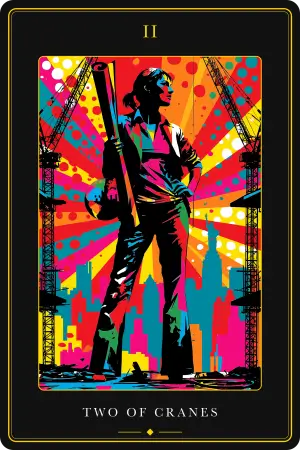
Two of Cranes
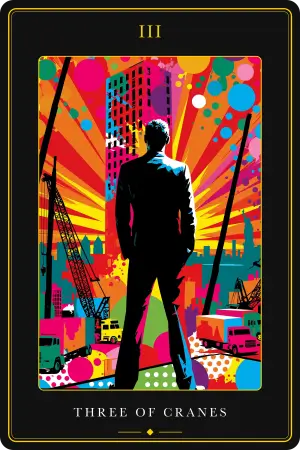
Three of Cranes
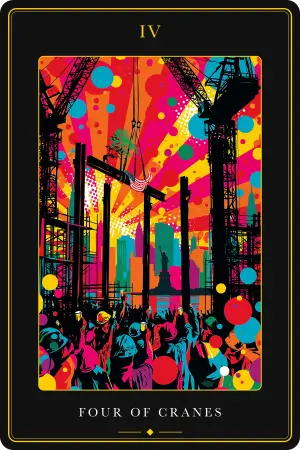
Four of Cranes
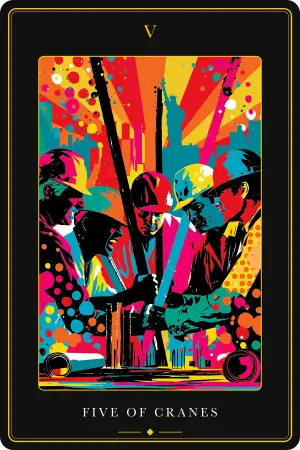
Five of Cranes
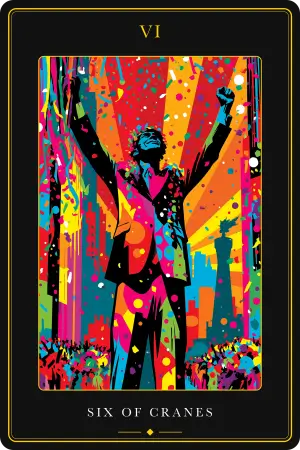
Six of Cranes
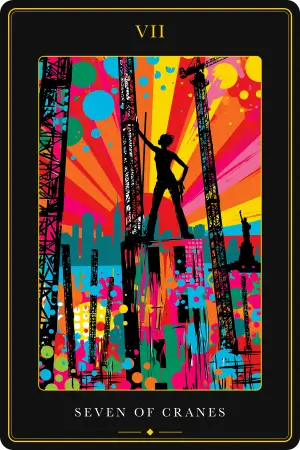
Seven of Cranes
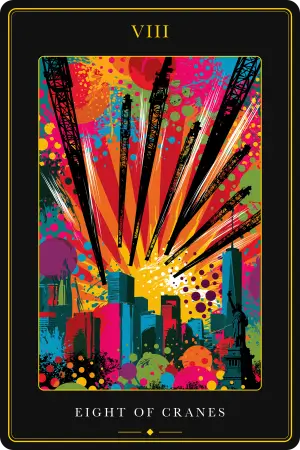
Eight of Cranes
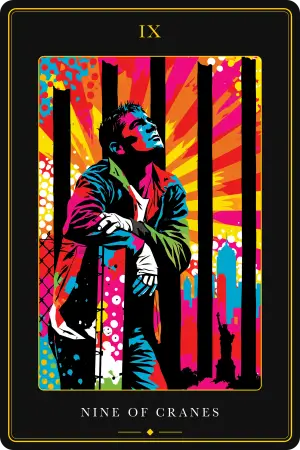
Nine of Cranes
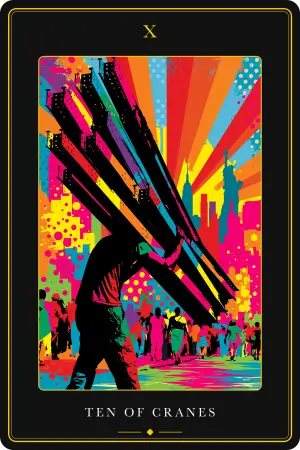
Ten of Cranes
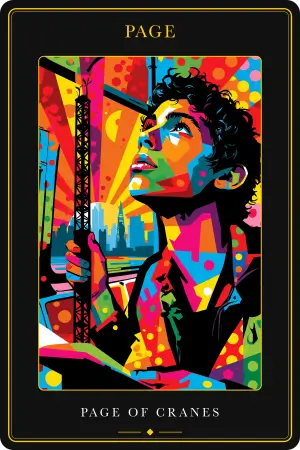
Page of Cranes
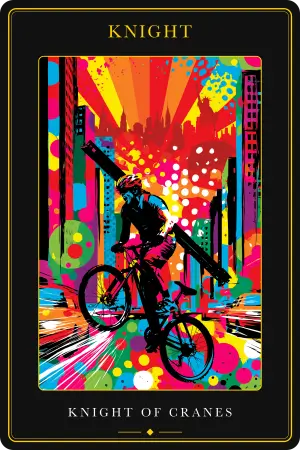
Knight of Cranes
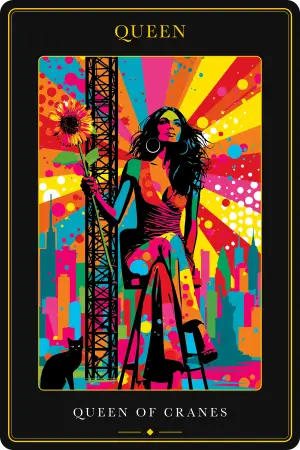
Queen of Cranes
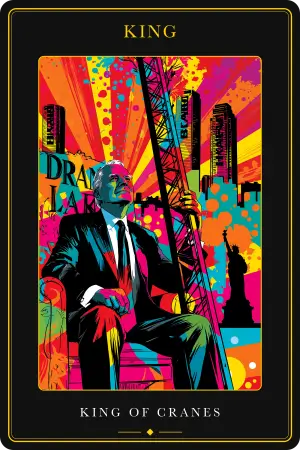
King of Cranes
Cups
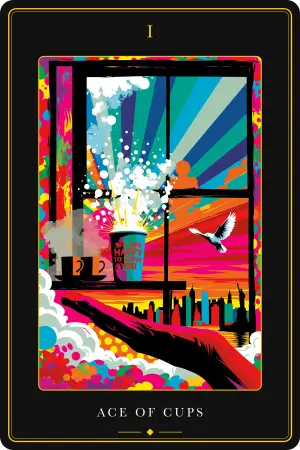
Ace of Cups
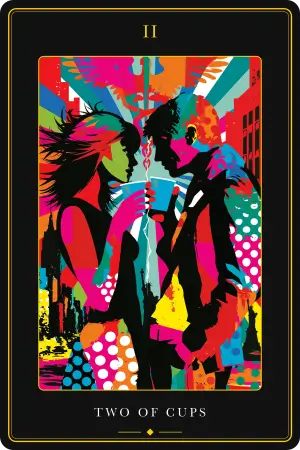
Two of Cups
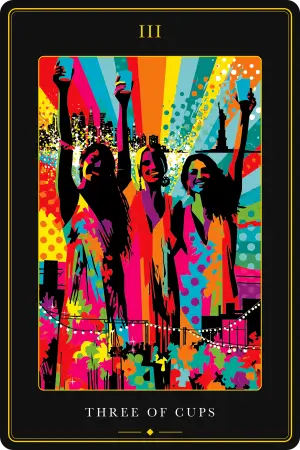
Three of Cups
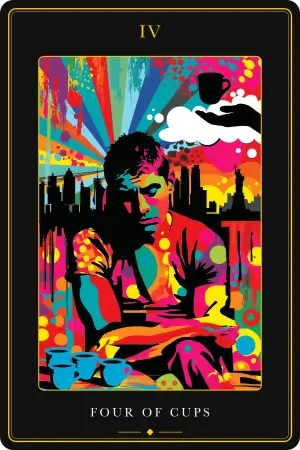
Four of Cups
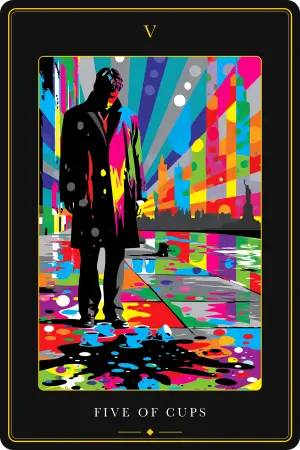
Five of Cups
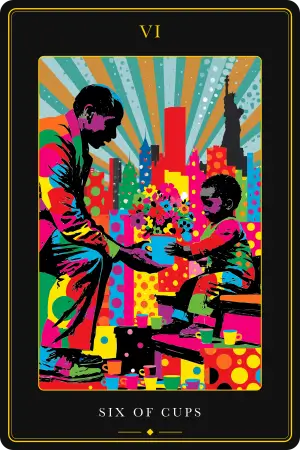
Six of Cups
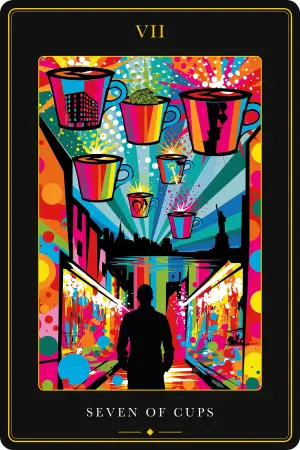
Seven of Cups
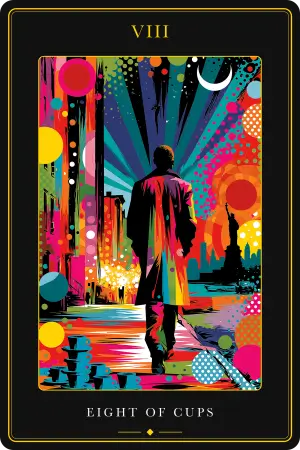
Eight of Cups
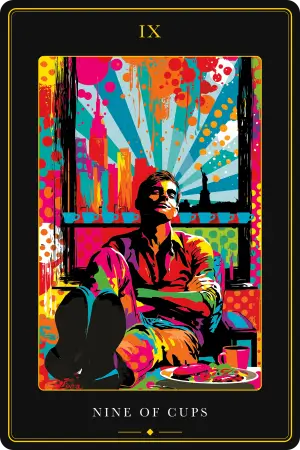
Nine of Cups
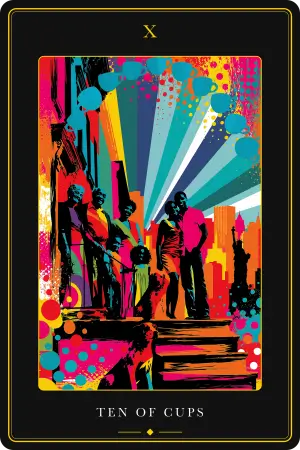
Ten of Cups
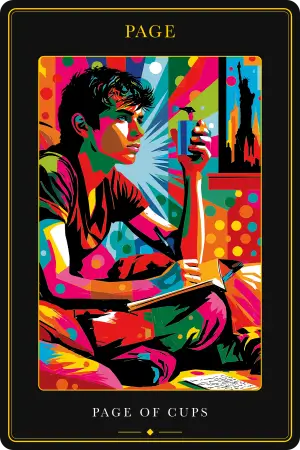
Page of Cups
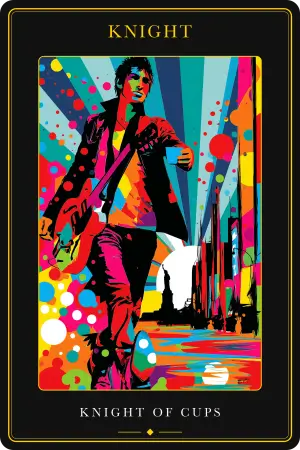
Knight of Cups
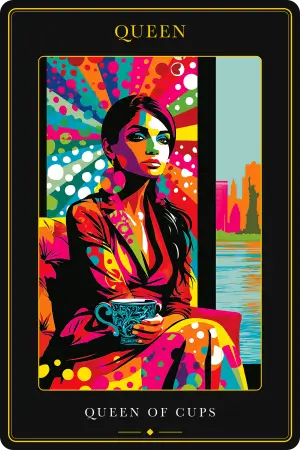
Queen of Cups
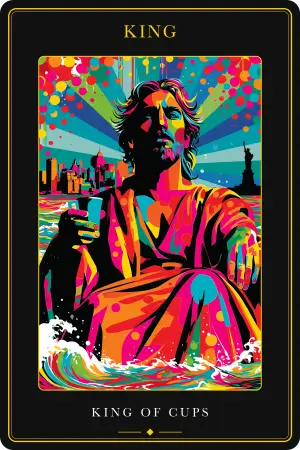
King of Cups
Subways
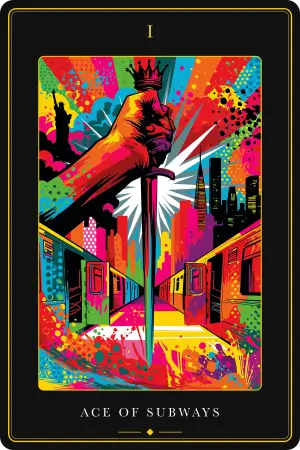
Ace of Subways
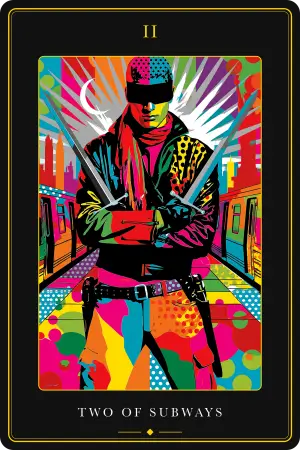
Two of Subways
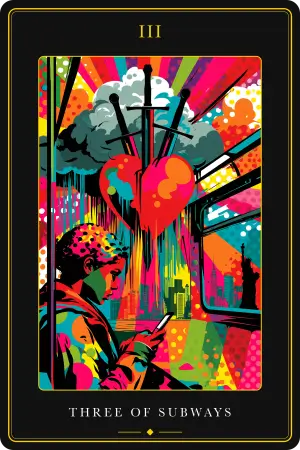
Three of Subways
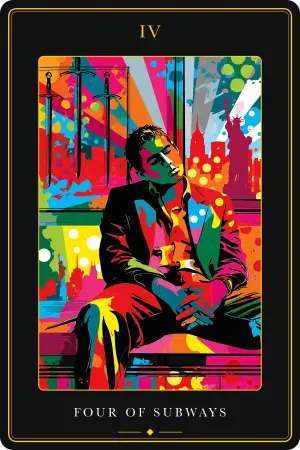
Four of Subways
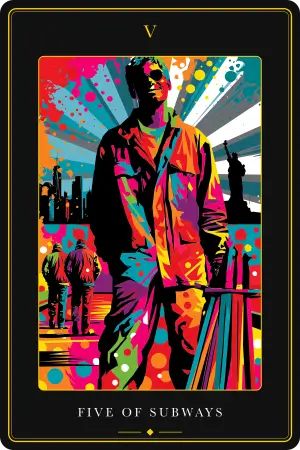
Five of Subways
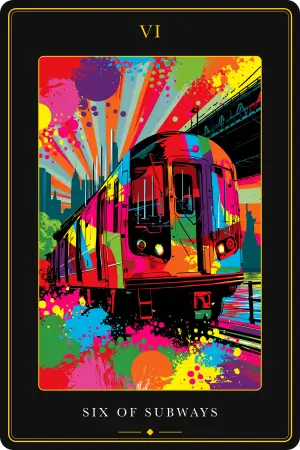
Six of Subways
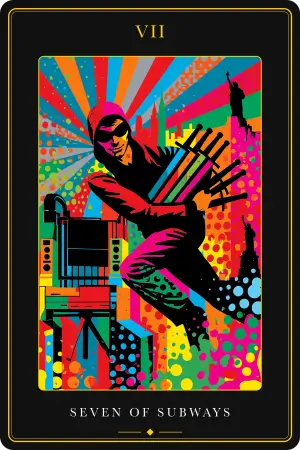
Seven of Subways
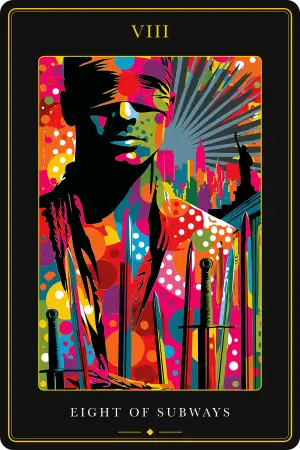
Eight of Subways
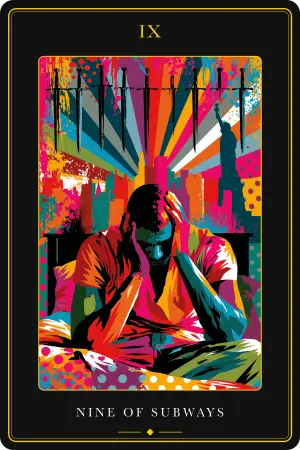
Nine of Subways
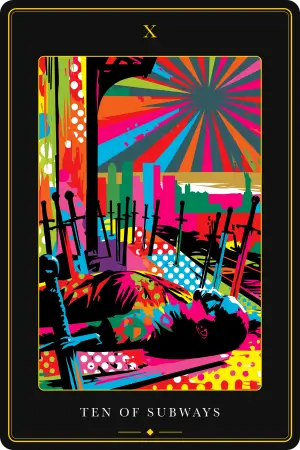
Ten of Subways
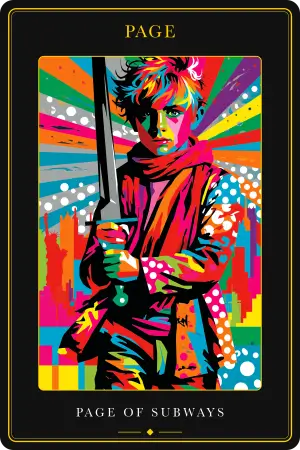
Page of Subways
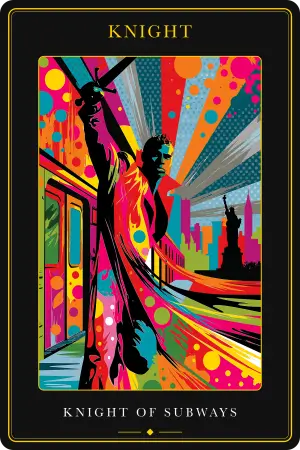
Knight of Subways
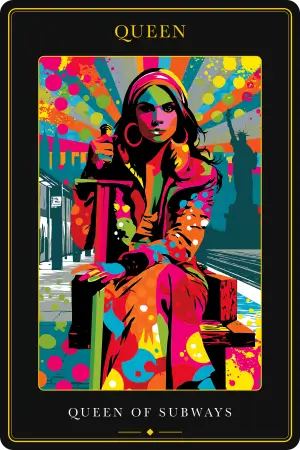
Queen of Subways
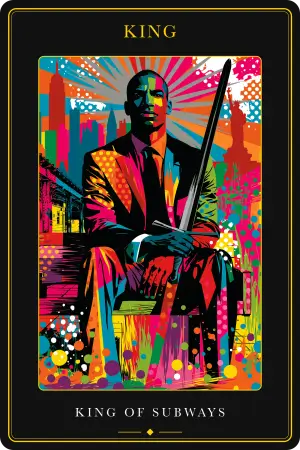
King of Subways
Tokens
On every card page
Each of the deck's cards is described through the same set of lenses, so you can compare like with like.
Card at a glance
The card in each deck
Imagery and symbolism
Core meaning
Upright meaning
Reversed meaning
Historical notes
Correspondences
Psychological perspective
The card across decks
In combination and context
Questions for reflection
Frequently asked questions
More decks in the library
View all decksFrequently asked questions
Latest Posts
Discover the ancient wisdom of tarot cards and unlock the mysteries of your spiritual journey. Our blog is your gateway to understanding the rich symbolism, meanings, and practical applications of tarot reading.




















































