
 TA (தமிழ்)



மைனர் அர்கானா · கப்ஸ் (நீர்)
கோப்பைகளின் ஏஸ்
ஸ்மித் கோப்பையை மேகத்திலிருந்து வெளிவரும் ஒரு கையில் வைத்தார், அதற்கு ஒன்றுக்குப் பதிலாக ஐந்து நீரோடைகளைக் கொடுத்தார், மேலும் நற்கருணை அப்பத்தை ஏந்தி வரும் ஒரு புறாவை அதற்குக் கீழே கொண்டு வந்தார்.
ஒரு பார்வையில் அட்டை
- எண் கணிதம்
- ஏஸ்
- பூதம்
- நீர்
- ஜோதிடம்
- நீர் மும்மை: கடகம், விருச்சிகம் மற்றும் மீனம்
- கபாலிஸ்டிக் பாதை
- கெதர் (கிரீடம்), இங்கு ஏஸ்கள் அமர்ந்துள்ளன
- காலம்
- ஒரு சுழற்சியின் கால அளவை விட அதன் தொடக்கம்
- ஆம் / இல்லை
- நேராக இருந்தால் ஆம், தலைகீழாக இருந்தால் இல்லை
நேரான நிலை
புதிய காதல்
உணர்ச்சிபூர்வமான புதுப்பித்தல்
ஆக்கபூர்வமான உத்வேகம்
உள்ளுணர்வு
ஆன்மீக அறிவொளி
நல்லிணக்கம்
வெளிப்படைத்தன்மை
உள் சமநிலை
தலைகீழ் நிலை
தடுக்கப்பட்ட உணர்ச்சிகள்
உணர்ச்சிபூர்வமான சோர்வு
தவறவிடப்பட்ட வாய்ப்புகள்
பதிலளிக்கப்படாத காதல்
ஏமாற்றம்
மனந்திறக்க பயம்
வெறுமை
நிலையற்ற தன்மை
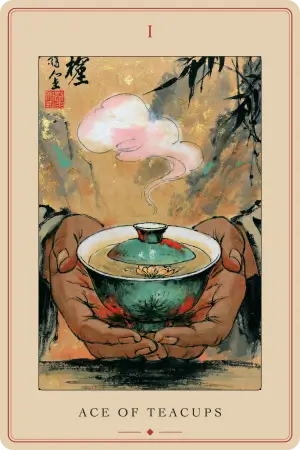
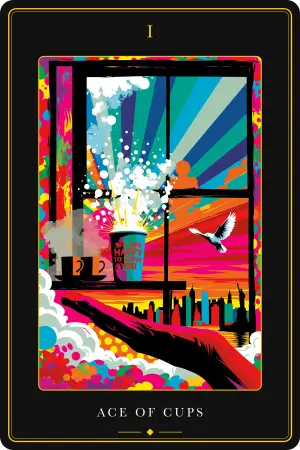
ஒவ்வொரு தொகுப்பிலும் கோப்பைகளின் ஏஸ்
ஒவ்வொரு தொகுப்பும் ஒரே மூலப்படிவத்தை மறுவடிவமைப்பு செய்கிறது. கலையை ஒப்பிட்டுப் பாருங்கள், பின்னர் அதன் முழு விளக்கத்தைப் படிக்க ஒரு தொகுப்பைத் திறக்கவும்.
படங்கள் மற்றும் குறியீடுகள்
பமீலா கோல்மன் ஸ்மித் இரவல் பெறப்பட்ட வழிபாட்டு முறையிலிருந்து இந்தக் கார்டை உருவாக்கினார். ஒவ்வொரு ஆர்.டபிள்யூ.எஸ் (RWS) ஏஸ் கார்டும் சாம்பல் நிற மேகத்திலிருந்து வெளிவரும் ஒரு கையாகும், இது தட்டையான சாம்பல் வானத்திற்கு எதிராக சூட்டின் சின்னத்தை நீட்டுகிறது. இந்த தட்டையான தன்மை வேண்டுமென்றே அமைக்கப்பட்டது: இது எந்தவொரு நபரின் சுதந்திர விருப்பமும் தொடுவதற்கு முந்தைய நடுநிலையான நிலையில் உள்ள தூய்மையான வாய்ப்பாகும். மேகம் வழங்குபவரை தெய்வீகமானவர் அல்லது ஆழ்மனதிற்குரியவர் என்று குறிக்கிறது, இது சாதாரண கணக்கீட்டிற்கு அப்பாற்பட்ட ஒரு மூலமாகும். மேலும் கை கோப்பையை ஒரு வெகுமதியாக இல்லாமல் சம்பாதிக்காத காணிக்கையாக நீட்டுகிறது.
கோப்பையே அலங்காரமானதாகவும் தங்க நிறத்திலும் உள்ளது, மேலும் முந்தைய மரபுகள் எதிலும் தேவைப்படாத ஒரு விஷயத்தை ஸ்மித் அதில் செய்தார். விளிம்பிலிருந்து ஐந்து தனித்தனி தெளிவான நீரோடைகள் ஊற்றுகின்றன. இவை பார்வை, ஒலி, தொடுதல், சுவை மற்றும் வாசனை ஆகிய ஐந்து உடல் புலன்களாகப் படிக்கப்படுகின்றன, இது கார்டை ஒரு படத்திற்குப் பதிலாக ஒரு வாதமாக மாற்றுகிறது: உணர்ச்சிபூர்வமான மிகுதியானது பாத்திரத்திலிருந்து நிரம்பி வழியும் வரை முழுமையடையாது மற்றும் உடலின் மூலம் பொருள் உலகத்தை அடைகிறது. புதிய தொடக்கம் முழு மனிதனையும் ஈடுபடுத்தும் என்ற அதே கருத்தை இந்த டெக் தெளிவாகக் கூறுகிறது.
கோப்பைக்கு மேலே ஸ்மித் ஒரு சிறிய சிலுவை குறிக்கப்பட்ட வட்டத்தை அதன் அலகில் ஏந்தியபடி இறங்கி வரும் ஒரு வெள்ளை புறாவை வைத்தார். மைனர் அர்கானாவில் வெளிப்படையாகக் காணப்படும் கிறிஸ்தவ இரவல் இதுவாகும். அந்த வட்டம் புனித அப்பம், நற்கருணை அப்பம், மற்றும் புறா பரிசுத்த ஆவியானவரைக் குறிக்கிறது. எனவே இங்கு வரையப்பட்ட தருணம் பாத்திரத்திற்குள் நுழையும் அருளாகும்: அன்பின் மூலம் புனிதமான மாற்றத்திற்கான சிலுவையுடன் கூடிய அப்பம், அமைதிக்கான புறா. புறா தீர்க்கதரிசனம், அற்புதம் மற்றும் பறவைகளின் மொழி ஆகியவற்றுடனான தொடர்பைக் கொண்ட ஒரு பழைய மறைபொருள் எடையையும் கொண்டுள்ளது. கோப்பையைச் சுற்றி எபிரேய எழுத்தான Yod வடிவிலான சிறிய துளிகள் விழுகின்றன. இது தெய்வீகத்தின் விதை அல்லது தீப்பொறி ஆகும், இது மூடுபனி போல இறங்குகிறது, இதனால் அந்த காணிக்கை சொர்க்கத்திலிருந்து அனுப்பப்பட்டதாகப் படிக்கப்படுகிறது.
கைக்கு அடியில் தாமரை மலர்கள் மற்றும் அல்லி இலைகள் நிறைந்த ஒரு அமைதியான ஏரி, அதாவது ஆழ்மனம் அமைந்துள்ளது. ஸ்மித் சில தாமரைகளை விரிந்த நிலையிலும் சிலவற்றை மொட்டாகவும் வரைந்தார், இது கார்டை முழுமையடைவதில் நிலைநிறுத்துவதைத் தடுக்கிறது: தற்போதைய மகிழ்ச்சியுடன் இன்னும் உணரப்படாத வளர்ச்சியின் ஒரு கையிருப்பு. தாமரை சேற்றில் வேரூன்றி நீர் மட்டத்திற்கு மேலே தூய்மையாக மலர்கிறது. இது பழைய இதய முறிவிலிருந்து எழும் மாசற்ற உணர்ச்சிபூர்வமான வாழ்க்கையின் ஒரு பிம்பமாகும். இந்த டெக் வாசிப்பில் தொலைதூர அடிவானத்தைச் சேர்க்கிறது, அங்கு பச்சை மலைகள் முயற்சியின் மூலம் மட்டுமே அடையக்கூடிய ஆன்மீக சிகரங்களைக் குறிக்கின்றன. ஏரியைச் சுற்றியுள்ள பச்சை நிலப்பரப்பு செழிப்பு மற்றும் அமைதியைக் குறிக்கிறது.
ஒரு விவரம் மட்டும் இதுவரை தீர்க்கப்படவில்லை. கோப்பையின் முகப்பில் தலைகீழான ஒரு எழுத்து உள்ளது, இது பொதுவாக நீர் (Water) அல்லது கருப்பைக்கான (Womb) W என்று படிக்கப்படுகிறது. சில நேரங்களில் தாய்க்கான (Mother) தலைகீழான M ஆகவும் கருதப்படுகிறது. எப்படி இருந்தாலும் இது ஏற்றுக்கொள்ளும் பெண்பால் கொள்கை மற்றும் கருவுறுதல் ஆகியவற்றைக் குறிக்கிறது. வலதுபுறத்தில் இருந்து தோன்றி இடதுபுறம் சுட்டிக்காட்டும் கை, இடமிருந்து வலமாகப் படிக்கும் கலாச்சாரங்களில், நினைவகம் மற்றும் கடந்த காலத்தின் மீதான இதயத்தின் பிடியாக சில நேரங்களில் படிக்கப்படுகிறது.
முக்கிய பொருள்
இந்த டெக் கோப்பைகளின் ஏஸ் கார்டை அடையப்பட்ட ஒன்றாக இல்லாமல், வழங்கப்படும் ஒரு புதிய தொடக்கமாகப் படிக்கிறது. மேலும் அதனுடன் வருவதைப் பட்டியலிடுகிறது: மகிழ்ச்சி, காதல், ஆழ்ந்த உணர்ச்சிபூர்வமான திருப்தி, ஆக்கபூர்வமான உத்வேகம், ஆன்மீக திறன்களின் வளர்ச்சி. வாழ்க்கையின் ஆழமான உண்மைகளுடனான இயல்பான தொடர்பு என்ற எண்ணம், சிந்தனைக்கு அடியில் ஓடும் ஒரு அறிதல் ஆகியவை இவற்றை ஒன்றாக இணைக்கின்றன.
இங்கு ஏற்றுக்கொள்ளும் தன்மையின் மீது முக்கியத்துவம் விழுகிறது. இந்த காலகட்டத்தின் ஆசீர்வாதங்களைப் பெற உங்களை அனுமதிக்கவும், உங்கள் சுற்றுப்புறங்களை உணரும் திறனுடன் இருக்கவும், வரும் விஷயங்களுக்கு நன்றியைக் காட்டவும் டெக் இந்தக் கார்டுக்கான பரிந்துரையாக கூறுகிறது. டாரோட்டில் வேறு இடங்களில் உள்ள ஏஸ் கார்டுகள் அந்த விஷயத்தைப் பற்றிக்கொள்ள வேண்டும் என்று பொருள்படும் நிலையில், இது ஒரு ஏஸ் கார்டுக்கு அசாதாரணமான அறிவுரையாகும். ஆர்.டபிள்யூ.எஸ் (RWS) படம் அதற்கான காரணத்தை விளக்குகிறது: வினவுபவர் கோப்பையை வைத்திருக்கவில்லை. வேறொருவர் வைத்திருக்கிறார், மேலும் கிடைக்கக்கூடிய ஒரே நகர்வு அதை ஏற்றுக்கொள்வது மட்டுமே.
இந்த டெக்கின் வகைகளில், கார்டு ஒவ்வொரு களத்திலும் அதே வழியில் செயல்படுகிறது. பணத்தில் இது செல்வத்திற்கான பாதையில் ஒரு புதிய தொடக்கம், வணிகத்தில் ஒரு யோசனையைச் செயல்படுத்துவதற்கான தருணம், வேலையில் ஒரு இனிமையான சலுகை அல்லது ஒரு படி முன்னேற்றம், காதலில் ஆழ்ந்த தொடர்புக்கான சாத்தியம், உடலில் நல்லிணக்கம் மற்றும் புதுப்பித்தலின் காலம். இந்த நிலைத்தன்மையே இங்கு முக்கியப் புள்ளியாகும். வினவுபவர் எங்குப் பார்க்கிறாரோ அங்கெல்லாம் தோன்றும் ஒரு திறப்பாகும்.
நேரான பொருள்
நேராக இருக்கும்போது, இந்த டெக் ஒரு நேர்மறையான உணர்ச்சிபூர்வமான காலகட்டத்தின் தொடக்கத்தைக் குறிக்கிறது: அரவணைப்பு, மென்மை, உணர்ச்சிபூர்வமான புதுப்பித்தல் மற்றும் மகிழ்ச்சி. இது ஒரு புதிய நட்பு, திருமணம் அல்லது தொடங்கும் ஒரு ஆக்கபூர்வமான திட்டத்தைக் குறிக்கலாம். இது சுறுசுறுப்பான உள் வளர்ச்சி மற்றும் ஆன்மீக புதுப்பித்தலின் நேரமாகவும், அதைச் சுற்றியுள்ள அனைத்தையும் வளப்படுத்தும் உணர்ச்சி ஆற்றலின் மிகுதியாகவும் டெக் விவரிக்கிறது. உங்கள் இதயத்தைப் பின்பற்றவும், உங்கள் உணர்ச்சிகளை நம்பவும், காலகட்டத்துடன் வரும் பாடங்களுக்குத் திறந்த மனதுடன் இருக்கவும் அறிவுரை வழங்கப்பட்டுள்ளது.
காதலில். ஒரு புதிய தொடக்கம் மற்றும் ஆழ்ந்த உணர்ச்சிபூர்வமான தொடர்புக்கான சாத்தியம், உறவுகள் மிகவும் திருப்திகரமாக மாறும். இது உங்கள் உணர்ச்சித் தேவைகளைப் பூர்த்தி செய்யும் திறன் கொண்ட ஒரு புதிய காதலாக இருக்கலாம் அல்லது ஏற்கனவே உள்ள பந்தத்திற்குள், பரஸ்பர புரிதலின் புதிய நிலைக்கு மாறுவதாக இருக்கலாம். புதிய ஆர்வத்துடன் மீண்டும் தூண்டப்பட்ட ஒரு பழைய கூட்டாண்மைக்கும் இந்த டெக் அனுமதிக்கிறது. உணர்ச்சிகளை தூரத்திலிருந்து நிர்வகிப்பதை விட அதனுள் மூழ்க வேண்டும் என்பதே இதன் அறிவுறுத்தலாகும்.
பொதுவான உறவுகளில். பொதுவான தொடர்புகளில் ஒரு புதிய கட்டத்தின் தொடக்கம்: ஒரு நட்பு, ஒரு ஒத்துழைப்பு, ஒரு சமூகத்தில் சேருவது. உணர்ச்சிபூர்வமான நெருக்கம், பரஸ்பர மரியாதை மற்றும் பச்சாதாபம் ஆகியவை இந்தப் பிணைப்புகளின் அடிப்படையாக அமைகின்றன. தகவல் தொடர்பு திருப்திகரமாக மாறும் காலகட்டமாகவும், நீங்கள் சுமந்து செல்லும் நன்னம்பிக்கை உங்களைச் சுற்றியுள்ள மக்களைப் பார்க்கக்கூடிய வகையில் பாதிக்கும் ஒரு காலகட்டமாகவும் டெக் இதைப் படிக்கிறது. குடும்ப உறவுகளை வலுப்படுத்துவதற்கும் நீடித்திருக்க வேண்டிய அடித்தளங்களை அமைப்பதற்கும் நல்ல நிலைமைகள் உள்ளன.
வேலையில். உண்மையான மகிழ்ச்சியைத் தரும் புதிய வாய்ப்புகள் மற்றும் சலுகைகள், இனிமையான வேலையிலிருந்து தனிப்பட்ட திட்டம் வரை ஏணியில் ஒரு படி முன்னேற்றம் வரை. சிக்கலான சவால்களைத் தீர்க்க உதவும் ஆற்றல் மற்றும் உத்வேகத்தின் எழுச்சி மற்றும் ஒரு குழுவிற்குள் திருப்தி மற்றும் நல்லிணக்கம் ஆகியவற்றை டெக் வலியுறுத்துகிறது. இது ஒரு புதிய தொழில் கட்டத்தின் தொடக்கத்தையும் உங்கள் முயற்சியை உண்மையில் ஆதரிக்கும் சூழலையும் குறிக்கிறது.
வணிகத்தில். உத்வேகத்தின் கார்டு மற்றும் உண்மையான வருமானத்தை உருவாக்கும் திறன் கொண்ட ஒரு யோசனையைச் செயல்படுத்துவதற்கான சரியான தருணம். டெக் இங்கு முதலீடு மற்றும் விரிவாக்கத்திற்கு சாதகமாக உள்ளது, மேலும் இந்த முயற்சி பணத்துடன் உணர்ச்சிபூர்வமான திருப்தியையும் தரும் என்று எதிர்பார்க்கிறது. பரஸ்பர நன்மை பயக்கும் ஒத்துழைப்புகள் மற்றும் கூட்டாண்மைகள் திறக்கப்படலாம்.
பணத்தில். மிகுதி மற்றும் செழிப்பு, பொருள் நன்மையைக் கொண்டுவரும் வாய்ப்புகளுடன். இந்தக் கார்டு நீரால் ஆளப்படுவதால், முற்றிலும் பகுப்பாய்வு சார்ந்த அணுகுமுறைக்கு பதிலாக நிதி முடிவுகளுக்கு உள்ளுணர்வு அணுகுமுறையை டெக் கேட்கிறது. இது லாபகரமான கூட்டாண்மைகள், நம்பகமான முதலீடுகள், ஒரு பரம்பரை சொத்து அல்லது வருமானத்தின் புதிய மூலத்தைக் குறிக்கலாம், இது பெரும்பாலும் ஒரு ஆக்கபூர்வமான யோசனையால் தூண்டப்படுகிறது. இந்த வாய்ப்புகளை உணர்ந்து கொள்ள முயற்சி மற்றும் பொறுமை தேவை என்பதை டெக் நேர்மையாக கூறுகிறது.
உடல் நிலையில். நல்லிணக்கம் மற்றும் நல்வாழ்வு, புதுப்பித்தல் மற்றும் குணப்படுத்துதல் ஆகியவற்றுடன் கிடைக்கிறது. இந்தக் கார்டு உணர்ச்சிபூர்வமான புதுப்பித்தலுடன் மிகவும் நெருக்கமாக இணைக்கப்பட்டுள்ளதால், இந்த டெக் உடல்ரீதியான மாற்றத்தை உணர்ச்சிபூர்வமான மாற்றத்தின் நேரடி விளைவாகப் படிக்கிறது. இது ஊட்டச்சத்து, ஓய்வு மற்றும் இயக்கம் ஆகியவற்றைச் சுற்றி சுய-கவனிப்பின் ஒரு கட்டத்தைத் தொடங்கலாம், மேலும் இது உடலை சரிசெய்யும் திட்டத்திற்குப் பதிலாக உங்கள் சொந்த உடலை உண்மையாக ஏற்றுக்கொள்வதை நோக்கிச் சுட்டிக்காட்டுகிறது.
தலைகீழான பொருள்
தலைகீழாக, ஓட்டம் நின்றுவிடுகிறது. ஏமாற்றம், சோகம் மற்றும் வெறுமை ஆகியவற்றை டெக் பட்டியலிடுகிறது, தனிப்பட்ட உணர்வுகள் புறக்கணிக்கப்படுகின்றன மற்றும் தகவல் தொடர்பு தோல்வியடைகிறது. இது தவறவிட்ட வாய்ப்புகள் மற்றும் இழந்த பிரமைகளைக் குறிக்கலாம், அல்லது உங்கள் வாழ்க்கை மற்றும் ஆன்மீக ஆற்றல் மீதான ஒரு சாதாரண அதிருப்தியைக் குறிக்கலாம். உணர்வின் இலக்கிற்குப் பதிலாக அதற்கான மூலத்தை உள்ளே தேட வேண்டும் என்பதே பரிந்துரை: பழைய காயங்களை ஆற்றவும், சில பற்றுதல்களை விட்டுவிடவும், அதை வழங்கக்கூடிய நபர்களிடமிருந்து ஆதரவைத் தேடவும், வாழ்க்கையின் பரந்த வடிவத்திற்கு எதிராக தற்போதைய இழப்பை மறுபரிசீலனை செய்யவும். டெக் இந்த ஏமாற்றங்களை ஒரு தீர்ப்பிற்குப் பதிலாகப் புதுப்பித்தலுக்கான சாத்தியமான வினையூக்கியாகக் கருதுகிறது.
காதலில். வெளிப்படுத்தப்படாத உணர்ச்சிகள், எங்கும் செல்லாத உறவுகள், மற்றும் அவற்றைப் பெயரிடும் அளவுக்கு உங்கள் சொந்த உணர்வுகளைப் புரிந்துகொள்வதில் உள்ள சிரமம். மனந்திறக்க ஏற்படும் பயம் ஒரு கூட்டாளருடனான தொடர்புப் பிரச்சினையாக மாறுவதை டெக் விவரிக்கிறது. இது உணர்ச்சிபூர்வமான தனிமை, நிராகரிக்கப்படும் என்ற பயம் மற்றும் திருப்தியை விட அதிக அசௌகரியத்தை உருவாக்கும் உறவு குறித்து எச்சரிக்கிறது. உண்மையான காதலை ஏற்றுக்கொள்வதற்கு முன்பு உணர்ச்சிபூர்வமான சுவர்கள் கீழே வர வேண்டும்.
பொதுவான உறவுகளில். பலவீனமான உணர்ச்சித் தொடர்பு மற்றும் மாறுபட்ட பார்வைக்கான சகிப்புத்தன்மை குறைவு. மோதல்கள் மற்றும் குளிர்ந்த உறவுகள் உண்மையான மன அழுத்தத்தை ஏற்படுத்துகின்றன, மேலும் அந்த சூழலில் ஆழமான பிணைப்புகளை உருவாக்குவது கடினம். அடக்கப்பட்ட உணர்ச்சிகள் தகவல் தொடர்பை வலிமிகுந்ததாக ஆக்குகின்றன என்பதையும், கருத்து வேறுபாடு நம்பிக்கையை முற்றிலுமாக இழக்கச் செய்யும் என்பதையும் டெக் குறிப்பிடுகிறது. மீட்புக்கு நேரத்தை விட மாற வேண்டும் என்ற உண்மையான விருப்பம் தேவை.
வேலையில். தற்போதைய வேலையில் உணர்ச்சிபூர்வமான திருப்தியின்மை. சக ஊழியர்களுடனான தொடர்பு மோசமாக இருக்கலாம் மற்றும் குழு நம்பிக்கையைத் தூண்டத் தவறலாம். இந்தச் சிரமங்களை வழக்கமாகத் தற்காலிகமானவை என டெக் கட்டமைக்கிறது மற்றும் கார்டை ஒரு கேள்வியாக மாற்றுகிறது: தொழில்ரீதியாக உங்களுக்கு எது உண்மையில் திருப்தி அளிக்கும்? பாத்திரத்தைப் பற்றிய மாயையைக் கட்டிக்கொள்வதை விட யதார்த்தத்தைப் புரிந்து கொள்ள இது உங்களிடம் கேட்கிறது.
வணிகத்தில். வளங்களின் குறைவு அல்லது உணர்ச்சிபூர்வமான அதிக சுமையால் பெரும்பாலும் தடைகள் மற்றும் தாமதங்கள் ஏற்படுகின்றன. அவசர நடவடிக்கை மற்றும் விவேகமற்ற முதலீட்டிற்கு எதிராக டெக் எச்சரிக்கிறது, மேலும் உத்வேக இழப்பை உண்மையான சேதமாகக் கொடியிடுகிறது. முன்னேறுவதற்கு முன், இடைநிறுத்தி, ஆபத்துகளைப் பெயரிட்டு, முந்தைய முடிவுகளை மறுபரிசீலனை செய்யுங்கள்.
பணத்தில். தவறவிட்ட வாய்ப்புகள், ஆதரவு இழப்பு அல்லது போராடும் முயற்சி. நிதி நெருக்கடி அல்லது நிலையான வருமானம் இழக்கப்படும் ஆபத்து மற்றும் எதிர்பார்த்ததைத் திரும்பத் தரத் தவறும் முதலீடுகள், குறிப்பாக ரியல் எஸ்டேட் அல்லது பங்குகளில் ஏற்படும் ஆபத்து ஆகியவற்றை டெக் பெயரிடுகிறது. தவறாக ஒதுக்கப்பட்ட வளங்கள் மற்றும் புறக்கணிக்கப்பட்ட அறிவுரைகளைத் தொடர்ந்து இழப்புகள் ஏற்படுகின்றன.
உடல் நிலையில். உடல் மற்றும் உணர்ச்சி நல்வாழ்வுக்கு இடையிலான ஏற்றத்தாழ்வு, சுய-கவனிப்பு புறக்கணிக்கப்படுதல் மற்றும் சிறந்த பழக்கங்களைத் தொடங்க தயக்கம். சோர்வு மற்றும் ஒரு குறிப்பிட்ட துண்டிப்பை டெக் விவரிக்கிறது: உங்கள் தோற்றம் நீங்கள் உள்ளே உணரும் விதத்துடன் இனி பொருந்தாது. உடல் உண்மையில் என்ன கேட்கிறது என்பதில் கவனம் செலுத்துவதே இதன் திருத்தமாகும்.
வரலாற்றுக் குறிப்புகள்
இந்த டெக் சரிசெய்த படம் பழையது அல்ல. 1760 ஆம் ஆண்டின் நிக்கோலஸ் கன்வர், பியர் மாடெனி, ஜீன் நோப்லெட் மற்றும் ஜாக்ஸ் வியவில் போன்ற டாரோட் டி மார்சேயில்ஸ் டெக்குகளில், மேகங்களில் இருந்து கை எதுவும் இல்லை மற்றும் இறங்கும் புறாவும் இல்லை. கோப்பைகளின் ஏஸ் ஒரு பெரிய கட்டிடக்கலை கோப்பையாகும், இது சுவர் கொண்ட நகரம், கதீட்ரல் அல்லது ரெலிகுவரி மான்ஸ்ட்ரன்ஸ் ஆகியவற்றுடன் நெருக்கமாக உள்ளது, கூர்மையான கோபுரங்கள் மற்றும் போர்க்களங்கள் உட்புறத்தை வெளியில் உள்ள அனைத்திலிருந்தும் அடைக்கின்றன. வரலாற்றாசிரியர்கள் அந்த கட்டமைப்பை 15 ஆம் நூற்றாண்டு இத்தாலியின் விஸ்கொன்டி-ஸ்ஃபோர்ஸா டெக்கிற்குத் தேடுகிறார்கள், அங்கு உலகக் கார்டில் இதேபோன்ற வடிவம் புதிய ஜெருசலேமைக் குறிக்கிறது. அந்த வழியில் படிக்கும்போது மார்சேயில்ஸ் ஏஸ் தனிப்பட்ட காதலை விட நித்தியமான மற்றும் சமூக காதல்களைக் கொண்டுள்ளது, மேலும் நவீன மார்சேயில்ஸ் வாசகர்கள் அந்த அடைப்பை நெருக்கத்தின் மீதான பயம் அல்லது ஒரு தனிமைப்படுத்தப்பட்ட குழுவின் எல்லையாகவும் கேட்கிறார்கள்.
மற்ற வரலாற்று ஏஸ்கள் முற்றிலும் வேறு எங்கும் சென்றன. 1830 இன் வெர்க்னானோ அதை பூக்கும் பூக்களின் கிண்ணமாக மாற்றுகிறது. 1880 இன் அவோண்டோ பிரதர்ஸ் டெக், சோப்ராஃபினோ மாறுபாடு, அப்ரோடைட்டுக்கு புனிதமான உயிரினங்களான பச்சை ஓங்கில்களால் வளையப்பட்ட ஒரு கலசத்தில் ஒரு செருப்பை அமைக்கிறது, இது கார்டைக் காதல் மற்றும் சிற்றின்ப இன்பத்தை நோக்கி இழுக்கிறது. கிளாட் பர்டலின் 1751 பதிப்பு அதே யோசனையின் மிகவும் வன்முறையான வாசிப்பாகும்: ஒரு பிரகாசமான சூரியனின் கீழ் நெருப்பிலிருந்து எழும் பீனிக்ஸ், உணர்ச்சிபூர்வமான மறுபிறப்பு எரிப்பு என அரங்கேற்றப்பட்டது.
அவற்றுக்கு எதிராக, வெயிட் மற்றும் ஸ்மித் ஒரு குறிப்பிட்ட தேர்வை மேற்கொண்டனர். அவர்கள் கோட்டையைக் கைவிட்டு திருப்பலியை இறக்குமதி செய்தனர். புறா, அப்பம், யோட் துளிகள் மற்றும் ஐந்து உணர்வு நீரோடைகள் ஆகியவை மூடப்பட்ட, சமூக காதலின் சின்னத்தை ஒரு நபரின் மீது இறங்கும் அருளின் சின்னமாக மாற்றுகின்றன. அந்த மாற்றத்தின் காரணமாகவே ஆர்.டபிள்யூ.எஸ் (RWS) ஏஸ் நெருக்கமானதாகப் படிக்கப்படுகிறது, மார்சேயில்ஸ் ஏஸ் அவ்வாறு இல்லை.
தொடர்புகள்
எண். ஒன்று. இந்த டெக் இதைத் தீட்சை, ஆண்பால் கொள்கை மற்றும் ஒரு புதிய சுழற்சியின் தொடக்கம் என்று படிக்கிறது, இது திருப்புமுனை, லட்சியம் மற்றும் தற்சார்பு ஆகியவற்றுடன் இணைக்கப்பட்டுள்ளது. ஒரு கோப்பையில் பயன்படுத்தப்படும்போது, அந்தத் தொடக்க சக்தி உள்நோக்கித் திரும்புகிறது: உணர்ச்சி விஷயங்களில் ஒரு புதிய தொடக்கம், உணர்ச்சிப் புரிதலின் புதிய நிலை, ஆழமான உணர்வால் வரையறுக்கப்பட்ட ஒரு பயணத்தின் தொடக்கம். இந்த எண் மந்திரவாதியின் மூல முகவர் தன்மையுடனும் எதிரொலிக்கிறது.
உறுப்பு. நீர், உணர்வு, உள்ளுணர்வு மற்றும் ஆழ்மனதின் உறுப்பு. நீரின் இரட்டை தன்மையை இந்த டெக் வலியுறுத்துகிறது. இது அமைதியாகவும் இனிமையாகவும் இருக்கலாம் அல்லது வலுவாக அழிவுகரமானதாகவும் இருக்கலாம், மேலும் இது ஒரு தடையைச் சுற்றிப் பாயும் அல்லது அதை உடைக்கும். கார்டின் ஆன்மீகம் சமமாக மாறக்கூடியது என்று விவரிக்கப்படுகிறது, இது உள் உலகம் மற்றும் வெளி நிகழ்வுகள் இரண்டிலிருந்தும் அழுத்தத்தின் கீழ் உருவாகிறது.
ஜோதிடம். ஏஸ் முழு நீர் உறுப்பையும் நிர்வகிக்கிறது மற்றும் அதன் மூன்று அறிகுறிகளுடன் இணைகிறது. கடகம் கார்டின் உணர்திறனைக் கொண்டுள்ளது, விருச்சிகம் தீவிரத்தையும் ஆர்வத்தையும் தருகிறது, மேலும் மீனம் ஆன்மீகப் பக்கம், உள்ளுணர்வு மற்றும் ஆழ்ந்த பச்சாதாபம் ஆகியவற்றைச் சேர்க்கிறது.
கபாலா. ட்ரீ ஆஃப் லைஃப் இல் ஏஸ்கள் கெதர், கிரீடம், உறுப்பு இறங்கும் முதல் புள்ளியில் அமர்ந்திருக்கின்றன. கோப்பைகளின் ஏஸ் என்பது வேறுபடுத்தப்படாத உணர்ச்சித் திறனாக வெளிப்படுத்தப்படும் அந்தப் புள்ளியாகும், அதனால்தான் இந்த டெக் இதை ஒரு விவரிக்கப்பட்ட உணர்விற்குப் பதிலாகத் தூய்மையான திறன் என்று அழைக்கிறது.
உறுப்பு கண்ணியம். ஒரு நீர் கார்டாக இது பூமியுடன் இணக்கமாக இயங்குகிறது மற்றும் நெருப்பைத் தணிக்கிறது, அதே நேரத்தில் அமைதியற்ற காற்று அதைச் சிதறடிக்கும் தன்மையைக் கொண்டுள்ளது.
உளவியல் பார்வை
நேரான கார்டுடன் இந்த டெக் இணைக்கும் நபர்கள் வசீகரமானவர்கள் மற்றும் உணர்ச்சிவசப்படுபவர்கள், பச்சாதாபம் அதிகம் உள்ளவர்கள் மற்றும் உள்ளுணர்வில் வலுவானவர்கள், தங்கள் இதயங்களைத் திறக்கவும் மற்றவர்கள் என்ன உணர்கிறார்கள் என்பதை உணரவும் தயாராக இருப்பவர்கள். யதார்த்தத்தை ஆன்மீகத்துடன் கலக்கும் அவர்களின் எளிமையையே டெக் தனிமைப்படுத்துகிறது, உணர்திறன் என்பது உண்மையான உளவியல் புரிதலுக்குப் பதிலாக அதனுடன் எடுத்துச் செல்லப்படுகிறது.
தலைகீழாக, அதே உருவப்படம் தங்கள் சொந்த உணர்ச்சித் தேவைகளைப் பூர்த்தி செய்யப் போராடும் நபர்களாகத் தலைகீழாக மாறுகிறது. நிலையற்ற தன்மை மற்றும் அங்கீகரிக்கப்படாத உணர்வு அவர்களை அன்பை ஏற்றுக்கொள்ளவோ அல்லது வெளிப்படுத்தவோ முடியாதபடி செய்கிறது. ஏமாற்றம் ஏற்படும் என்ற பயம் அவர்களை ஒரு புதிய உறவுக்கு மூடுகிறது, மேலும் மகிழ்ச்சிக்கான பாதையில் தோன்றும் உள் எதிர்ப்பை டெக் விவரிக்கிறது, அதாவது அவர்களுக்குள் ஏதோ ஒன்று அடுத்த கட்டத்தை மறுப்பதைப் போல. அதன் கூர்மையான கவனிப்பு கடைசி ஒன்றாகும்: இவர்கள் தங்கள் உள் உலகில் அதிக கவனம் செலுத்தும் நபர்கள், அவர்கள் வெளிப்புற யதார்த்தத்தை நிராகரிக்கத் தொடங்குகிறார்கள்.
அந்த இணைப்பதே கார்டின் உளவியல் உள்ளடக்கம் ஆகும். பெறும் அதே திறந்த பாத்திரம் வைத்திருக்கத் தவறலாம். நவீன வாசகர்கள் இந்த நிரம்பி வழிவதை உணர்ச்சிபூர்வமான ஒழுங்கின்மை, அதைத் தக்கவைத்துக் கொள்வதற்கான தளம் இல்லாமல் மோகத்தின் உச்சத்திற்குப் பின்னாலான துரத்தல் மற்றும் நெருக்கத்திற்கான ஒப்புதல் வாக்குமூலத்தின் ஆரம்ப வெள்ளத்தை தவறாகப் புரிந்துகொள்ளும் அதீதப் பகிர்வு என்று பெயரிடுகிறார்கள். டெக்கின் தினசரி வாசிப்பு எங்கு வருகிறதோ அது அமைதியானது. இதயத்திற்கு மதிப்புமிக்க ஒன்று வழங்கப்படுகிறது என்று அது கூறுகிறது, மேலும் அதைப் பெற நீங்கள் போதுமான அளவு திறந்திருக்கிறீர்களா என்பது மட்டுமே கேள்வி, இது பெறுவதை ஒரு மனநிலையைக் காட்டிலும் ஒரு திறமையாக மாற்றுகிறது.
டெக்குகள் முழுவதும் கோப்பைகளின் ஏஸ்
டாரோட் டி மார்சேயில்ஸ். கை மற்றும் புறா இல்லாத சுவர் கொண்ட கட்டிடக்கலை கோப்பை, விஸ்கொன்டி-ஸ்ஃபோர்ஸா புதிய ஜெருசலேம் வழியாக அதன் பரம்பரை இயங்குகிறது. ஒரு தனிப்பட்ட பரிசைக் காட்டிலும் அடித்தளம் மற்றும் சமூகம் என்ற காதல். சில ஆய்வாளர்கள் முழு மார்சேயில்ஸ் கோப்பைகளின் வரிசையையும், ஏஸின் சீல் செய்யப்பட்ட கோட்டையிலிருந்து ஒன்பது மற்றும் பத்தின் கடினமான வரிசைகள் வரை, படிப்படியாக சரணடைந்த தனித்துவத்தின் கதையாகப் படிக்கின்றனர்.
க்ரோலி-தோத். லேடி ஃப்ரீடா ஹாரிஸால் வரையப்பட்ட தோத் ஏஸ் மத உருவப்படங்களை நீக்குகிறது. இது ஒரு முடிவில்லாத நீரூற்று போல் நீரை மேல்நோக்கியும் வெளிநோக்கியும் வெடிக்கும் பிரகாசமாக ஒளிரும் ஒரு கிரெயில் ஆகும், மேலும் க்ரோலி இந்தக் கார்டிற்கு "உள் மற்றும் வெளி செல்வம்" என்று பெயரிட்டார். இங்கு எதுவும் ஐந்து உணர்வு நீரோடைகளாகப் பிரிக்கப்படவில்லை. நீர் ஒரு வரம்பற்ற மற்றும் ஆவியாகும் மூலமாகும், அதனால்தான் க்ரோலி கோப்பைகளின் இரண்டை பேச்சுவார்த்தை மூலம் உறவாக துருவப்படுத்தப்பட்ட அந்த சுதந்திரமாகப் பாயும் நீரோடையாக விவரிக்க முடிந்தது.
ரைடர்-வெயிட்-ஸ்மித். அந்த இரண்டிற்கும் இடையில், இந்தப் பக்கத்தில் உள்ள பதிப்பு வளர்க்கப்பட்ட ஒன்றாகும். இது மார்சேயில்ஸ் கோப்பையை வைத்திருக்கிறது, மார்சேயில்ஸ் டெக்கில் இல்லாத நற்கருணை காட்சியைச் சேர்க்கிறது, மேலும் தோத் டெக்கின் தூய நீரை புலன்களை இலக்காகக் கொண்ட ஐந்து அளவிடப்பட்ட நீரோடைகளாக மாற்றுகிறது. பரிசு மிகப்பெரியது, ஆனால் அது ஒரு உலகத்தின் மீது ஊற்றப்படுவதற்குப் பதிலாக ஒரு நபருக்கு வழங்கப்படும் ஒரு பகுதியாக வருகிறது.
கலவை மற்றும் சூழலில்
ஏஸ் ஒரு அடிப்படை வினையூக்கியாகச் செயல்படுகிறது, கடினமான கார்டுகளை மென்மையாக்குகிறது மற்றும் சூடானவற்றை பெருக்குகிறது. செங்கோல்களின் ஏஸ் உடன் இது தீவிர ஈர்ப்பு, திடீர் ஆர்வம் மற்றும் அடிக்கடி கருவுறுதலைக் குறிக்கிறது. பேரரசி உடன் இது வீட்டில் மகிழ்ச்சி மற்றும் வெற்றிகரமான கர்ப்பத்தின் முதன்மையான அடையாளமாகும், மேலும் பேரரசியுடன் பென்டக்கிள்களின் ராணி இணைந்திருப்பது ஏற்கனவே ஒரு கர்ப்பம் ஏற்பட்டதற்கான விதிவிலக்கான வலுவான குறிகாட்டியாகப் படிக்கப்படுகிறது. வாள்களின் மூன்று க்கு எதிராக இதய துடிப்பு குணப்படுத்துதலை நோக்கித் திரும்புகிறது, உடைந்த பாத்திரம் தூய்மையான உணர்வை ஊற்ற அனுமதிக்கிறது. வீல் ஆஃப் ஃபார்ச்சூன் இதை முதல் பார்வையில் காதலாக மாற்றுகிறது, டவர் பழமையான குழப்பத்தைத் தீர்க்கும் ஒரு திடீர் உணர்ச்சிபூர்வமான வெளிப்பாடாக, துறவி உணர்ச்சிகரமான தனிமையாக, இங்குப் பகிர்ந்துகொள்ள யாரும் இல்லாமல் கோப்பை நிரம்பியிருக்கிறது. பென்டக்கிள்களின் ஏஸ் க்கு அருகில் காதல் பொருள் பாதுகாப்பையும் வழங்குகிறது, மேலும் எந்த பென்டக்கிளும் வணிகத்தில் வெற்றிகரமாகப் பயன்படுத்தப்படும் உள்ளுணர்வாக அதை மாற்றுகிறது.
வாசகர்கள் மீண்டும் மீண்டும் கூறும் எச்சரிக்கை சமரசம் பற்றியது. ஏஸ் ஒரு விதை, மற்றும் ஒரு உறவுக்கு இரண்டு தேவை, இது கோப்பைகளின் இரண்டின் எண்கணிதமாகும். எனவே ஏஸ் மட்டுமே ஒரு உள் மாற்றத்தை விவரிக்கிறது, யாருக்கும் இன்னும் ஒதுக்கப்படாத உணர்வின் ஊற்றுக்கண், மற்றும் இது ஒரு நிகழ்வை விட ஒரு நிகழ்வைச் சுற்றியுள்ள உணர்ச்சிபூர்வமான வானிலையாக மிகவும் நம்பகத்தன்மையுடன் படிக்கிறது. யாராவது திரும்பி வருவார்கள் என்பதற்கான வலுவான சமிக்ஞைகள் கோப்பைகளின் ஆறு, தீர்ப்பு, அல்லது கோப்பைகளின் தலைகீழான எட்டு ஆகியவற்றுடன் நிலைமைகள் இப்போது வேறுபட்டவை என்ற எச்சரிக்கையுடன் உள்ளன. நிலையும் முக்கியமானது. ஒரு அறிவுரையாக, கார்டு சலுகையைப் பெறுங்கள் என்று கூறுகிறது; ஒரு முடிவாக, இது இன்னும் கட்டமைக்கப்பட வேண்டிய ஒரு தொடக்கத்தை உறுதியளிக்கிறது.
சிந்தனைக்கான கேள்விகள்
- இந்தக் கார்டில் உள்ள வினவுபவர் கோப்பையை ஒருபோதும் வைத்திருப்பதில்லை, அதை ஏற்றுக்கொள்வது மட்டுமே. நீங்கள் அணுகி எடுக்காத என்ன விஷயம் தற்போது உங்களுக்கு வழங்கப்படுகிறது?
- இந்த டெக் தலைகீழான கார்டை தங்கள் உள் உலகில் அதிக கவனம் செலுத்துபவராகப் படிக்கிறது, அவர்கள் வெளிப்புற யதார்த்தத்தை நிராகரிக்கத் தொடங்குகிறார்கள். சமீபத்தில் நீங்கள் அதை எங்கே செய்தீர்கள், எதைப் பாதுகாத்தீர்கள்?
- ஸ்மித் சில தாமரைகளை விரிந்த நிலையிலும் சிலவற்றை மொட்டாகவும் வரைந்தார். உங்கள் உணர்ச்சிபூர்வமான வாழ்க்கையின் எந்தப் பகுதி இப்போது பூத்துக்கொண்டிருக்கிறது, எந்தப் பகுதி இன்னும் காத்திருக்கிறது?
பொதுவான அர்த்தம் ரைடர்-வெயிட்-ஸ்மித் வாசிப்பைப் பின்பற்றுகிறது — டாரோ அகாடமி முழுவதும் பயன்படுத்தப்படும் குறிப்பு இதுவாகும். ஒரு குறிப்பிட்ட தொகுப்பின் சொந்த விளக்கத்திற்கு மேலே அதனைத் திறக்கவும்.
அடிக்கடி கேட்கப்படும் கேள்விகள்
டாரோவை ஆராயுங்கள்
சமீபத்திய இடுகைகள்
டாரோ அட்டைகளின் தொன்மையான ஞானத்தைக் கண்டறியுங்கள், உங்கள் ஆன்மிகப் பயணத்தின் மர்மங்களைத் திறந்து கொள்ளுங்கள். டாரோ வாசிப்பின் நிறைந்த குறியீட்டியல், பொருள்கள், நடைமுறைப் பயன்பாடுகளைப் புரிந்துகொள்ள எங்கள் வலைப்பதிவே உங்கள் நுழைவாயில்.




















































