
 TA (தமிழ்)


மைனர் அர்கானா · ஸ்வார்ட்ஸ் (காற்று)
தூரிகைகளின் மாஸ்டர்
உழைப்பு, பாதுகாப்பு, மற்றும் ஸ்திரத்தன்மை மூலம் உருவாக்கப்படும் உண்மையான செல்வம்.
ஒரு பார்வையில் அட்டை
- எண் கணிதம்
- மாஸ்டர் (ராஜா நிலை)
- பூதம்
- காற்று
- ஜோதிடம்
- கும்பம் · யுரேனஸால் ஆளப்படுகிறது
- கபாலிஸ்டிக் பாதை
- சோக்மா (ஞானம்)
- காலம்
- கடுங்குளிர்காலம் · கும்ப ராசி காலம்
- ஆம் / இல்லை
- உண்மைகளை அடிப்படையாகக் கொண்டிருந்தால் நேராக ஆம் · தலைகீழாக இல்லை
நேரான நிலை
அறிவுத்திறன்
புறநிலை
தீர்ப்பு
நீதி
துல்லியம்
அதிகாரம்
உண்மையைத் தேடுதல்
ஊழலற்ற தீர்ப்பு
தலைகீழ் நிலை
கடுமையான சட்டவிதிகள்
அதிகப்படியான தர்க்கம்
கையாளுதல்
முறைமை
குளிர்ச்சி
நம்பிக்கையின்மை
தனிப்பட்ட லாபத்திற்கான தீர்ப்புகள்
ஒவ்வொரு தொகுப்பிலும் தூரிகைகளின் மாஸ்டர்
ஒவ்வொரு தொகுப்பும் ஒரே மூலப்படிவத்தை மறுவடிவமைப்பு செய்கிறது. கலையை ஒப்பிட்டுப் பாருங்கள், பின்னர் அதன் முழு விளக்கத்தைப் படிக்க ஒரு தொகுப்பைத் திறக்கவும்.
காட்சி மற்றும் குறியீடு
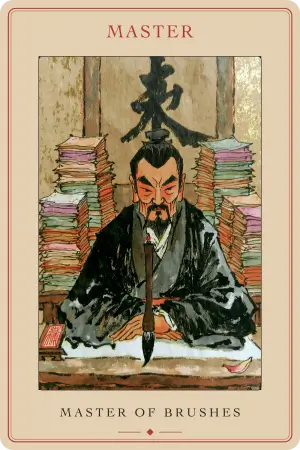
தலைமை அரச தேர்வாளர் மண்டபத்தின் மையத்தில் அமர்ந்துள்ளார். மற்ற சூட்களின் போர் அரசர்களைப் போலல்லாமல், அவருக்கு கவசமும் வாளும் தேவையில்லை. அவரது அங்கி காய்ந்து கொண்டிருக்கும் மையின் அடர்ந்த கருப்பு நிறத்தில் உள்ளது; இது அவரது லஞ்ச மறுப்பையும் முழுமையான நடுநிலையையும் குறிக்கிறது. அவருக்கு முன்னால் உள்ள கனமான மேஜையில் அவரது தீர்ப்புக்காக காத்திருக்கும் தேர்வு கட்டுரைகள் நேர்த்தியாக அடுக்கப்பட்டுள்ளன. அவர் தனது வலது கையில் நேராக ஒரு தூரிகையை வைத்துள்ளார். இந்த அமைப்பின் சமச்சீர்மை சார்புநிலையை நீக்கிய மனதைக் காட்டுகிறது. ஆனால் மேஜையின் கீழ் மூலையில் ஒரு பிளம் பூவின் இதழ் விழுந்து கிடக்கிறது; இது சரியான தர்க்கம் சில நேரங்களில் வாழும், சமச்சீரற்ற உலகிற்கு വഴியளிக்க வேண்டும் என்பதற்கான நினைவூட்டல்.
முக்கிய அர்த்தம்
உயர்ந்த நிலையில், இந்த அர்கானா (arcana) முன்னுதாரணங்களை சவால் செய்யும் விமர்சன சிந்தனையாளர். நேசத்துக்குரிய நம்பிக்கை உண்மையானதா அல்லது சிந்தனையின் வசதியான பழக்கமா என்று அவர் கேட்கிறார்; மேலும் உறுதிப்பட்ட அனுமானங்களை உணர்ச்சியால் எதிர்த்துப் போராடுவதை விட ஆதாரம் மற்றும் சரியான பகுத்தறிவால் வெல்ல வேண்டும் என்று வலியுறுத்துகிறார். அவரது அதிகாரம் முதலில் தன்னை நோக்கியே கடுமையாக உள்ளது. அது படிப்படியாகக் கட்டமைக்கப்பட்டது, அதன் அடக்கம் குளிர்ச்சியைக் காட்டிலும் சமநிலையையும், பேச்சாற்றலை விட துல்லியத்தையும் காட்டுகிறது.
எச்சரிக்கையும் அதே திறனில்தான் வாழ்கிறது. தர்க்கம் ஒரு தீவிரத்திற்கு எடுத்துச் செல்லப்படும்போது உணர்ச்சி ரீதியாக வறண்டு போகிறது. தூய பகுத்தறிவைப் பயன்படுத்தி உணர்வுகளைத் தவிர்த்து, இதயத்தை முறையாக அடக்குவதை இந்த அட்டை குறிக்கலாம். நெறிமுறைகள் மற்றும் இரக்கம் இல்லாமல், இந்த தொன்மம் காயமடைந்த ராஜாவாக சீரழிகிறது: மனித விலையைப் பொருட்படுத்தாமல் தனது இலக்கைக் குறிவைக்கும் குளிர்ச்சியான, கணக்கிடும் மனம்; மக்களைக் குழப்பி கையாளும் திறமையான நாக்கு; மற்றவர்களை மதிப்பிடுவதில் மிகவும் சோர்வடைந்து அவர்களைப் பார்ப்பதையே நிறுத்திவிட்ட நீதிபதி. மேஜையின் மூலையில் விழுந்த இதழ்தான் இதற்கான திருத்தம். அதை கவனிப்பதை நிறுத்தும் தேர்வாளர் இன்னும் துல்லியமானவர்தான், ஆனால் அவர் இனி நீதியானவர் அல்ல. வேலையை நேர்மையாக மதிப்பிடுவதும், அதே நேரத்தில் அந்த நபரைப் பார்ப்பதும் இதன் பணியாகும்.
நேரான அர்த்தம்
ரைடர்-வெயிட்-ஸ்மித். பாரம்பரிய வாள்களின் கிங் (King of Swords) கனமான கல்லால் ஆன அரியணையில் அமர்ந்துள்ளார். அவர் நேராகப் பார்த்து, இருபுறமும் கூர்மையான வாளை செங்குத்தாக வைத்துள்ளார். அரியணையில் உள்ள பட்டாம்பூச்சிகள் மற்றும் பிறை நிலவுகள் அவரது விறைப்பை மென்மையாக்குகின்றன. அவருக்குப் பின்னால் உள்ள தெளிவான வானம் மேகமற்ற சிந்தனையின் பகுதியைக் குறிக்கிறது. தூரிகைகளின் மாஸ்டர் அந்த நடுநிலையான பார்வையையும் மனதின் தேர்ச்சியையும் தக்கவைத்துக் கொள்கிறார், ஆனால் வாளுக்குப் பதிலாக தூரிகையை ஏந்தியுள்ளார்.
எட்டெய்லா மற்றும் மார்சேய் பாரம்பரியம். பழைய பிரெஞ்சு அட்டைகள் இந்த நபரை சட்டத்தின் மனிதர் என்று அழைத்தன, அவரது அதிகாரத்தை மாஜிஸ்திரேட் இருக்கையில் அமர்த்தின. பீஜிங் அந்த நீதித்துறை செயல்பாட்டைத் துல்லியமாகப் பாதுகாக்கிறது மற்றும் இருக்கையை ஏகாதிபத்திய தேர்வு மண்டபத்திற்கு மாற்றுகிறது.
க்ரோலி-தோத். க்ரோலி இந்த தொன்மத்தை வாள்களின் நைட் (Knight of Swords), காற்று மற்றும் தென்றல்களின் இறைவன் என்று மறுபெயரிட்டார். தலைப்பை மாற்றும்போது காற்றின் நெருப்பு என்ற கண்ணியத்தை அவர் தக்கவைத்துக் கொண்டார். பீஜிங் தலைகீழ் அட்டை க்ரோலி வலியுறுத்திய அதே நிழலை சந்திக்கிறது: பச்சாதாபத்திலிருந்து துண்டிக்கப்பட்டு கையாளுதலாக மாறிய புத்திசாலித்தனம்.
நவீன மறுவடிவமைப்புகள். சமகால அட்டைகள் ராஜாவை ஒரு போர் மன்னராக இல்லாமல் வழிகாட்டியாக, மூலோபாயவாதியாக அல்லது உண்மையைக் கூறுபவராக மாற்றியமைக்க முனைகின்றன. பீஜிங் டாரோட் அந்த இயக்கத்தைச் சேர்ந்தது; இது வாளை முழுமையாக தூரிகையால் மாற்றி, அட்டையின் அதிகாரத்தை அச்சுறுத்தலில் இல்லாமல் எழுத்தறிவு மற்றும் தீர்ப்பில் வைக்கிறது.
தலைகீழான அர்த்தம்
தூரிகைகளின் மாஸ்டர் தன்னைச் சுற்றியுள்ள அனைத்திற்கும் தெளிவான விலகலையும் ஊடுருவும் உண்மையையும் கொண்டு வருகிறார். வாள்களின் மூன்று (Three of Swords) அருகில், அவர் துயரத்தை அறிவுபூர்வமாக்குவதற்கும், இதய முறிவை அதிகமாக பகுப்பாய்வு செய்வதற்கும் எதிராக எச்சரிக்கிறார். வலியில் இருந்து வெளியேற தர்க்கரீதியாக உரையாடல்களை மீண்டும் இயக்குவதை அவர் தவிர்க்கச் சொல்கிறார்; அதேசமயம் அவர் ஒரு துரோகத்தை புறநிலையாக எதிர்கொள்ளவும் உறுதியான எல்லைகளை அமைக்கவும் தேவையான தைரியத்தை வழங்குகிறார். கோப்பைகளின் ஏழு (Seven of Cups) உடன், அவரது கூர்மை மாயை மற்றும் தூண்டுதலை நேரடியாக வெட்டி, குழப்பமான விருப்பங்களுக்கு மத்தியில் தேர்ந்தெடுக்கத் தேவையான தெளிவை அளிக்கிறது.
கோபுரத்துடன் (The Tower), அவரது ஆற்றல் அழிவை வேண்டுமென்றே ஆக்குகிறது: உடைந்த கட்டமைப்பை உண்மையின் அடிப்படையில் மீண்டும் கட்டியெழுப்ப வேண்டுமென்றே அதை அகற்றும் ஒரு அதிகாரபூர்வமான நபர். கோப்பைகளின் ஏஸ் (Ace of Cups) அல்லது இரண்டு (Two of Cups) அருகில், அவர் பாதுகாக்கப்பட்ட பாசமாகக் காணப்படுகிறார். ஒரு உண்மையான புதிய தொடர்பு தெளிவான கண்களுடனும் உறுதியான எல்லைகளுடனும் அணுகப்படுகிறது, இதனால் வாசிப்பைப் பெறுபவர் காதலின் வேகத்தில் தங்களை இழக்க மாட்டார். பிசாசு (The Devil) அல்லது வாள்களின் பத்து (Ten of Swords) உடன் இணைக்கப்படும்போது அவரது நிழல் மேலெழுகிறது, இது அறிவுசார் கையாளுதல் மற்றும் மனக் கூர்மை மூலம் செயல்படுத்தப்படும் கட்டுப்பாடு பற்றிய எச்சரிக்கையாகும்.
அதே சூட்டின் ராணி அவருடன் சேரும்போது, அவர்கள் மனங்களின் இறுதி சந்திப்பைக் குறிக்கிறார்கள். ஒரு முதிர்ந்த மற்றும் நேர்மையான ஜோடியான அவர்களின் தொடர்பில் வெப்பம் இல்லாமல் இருக்கலாம், ஏனெனில் இருவரும் உணர்வை விட கடமையையும் தர்க்கத்தையும் மதிக்கிறார்கள். அவர் ஒரு வாசிப்பில் தொடர்ந்து தோன்றும்போது, நீங்கள் தவிர்க்கும் விஷயத்தை முடிவு செய்ய ஒரு அறிவுறுத்தலாக அவரை கருதுங்கள்: முதலில் அனைத்தையும் படியுங்கள், ஒரு தரநிலையை சமமாகப் பயன்படுத்துங்கள், பின்னர் தீர்ப்பை ஒருமுறை தெளிவாக எழுதி முத்திரையிடுங்கள்.
வரலாற்று குறிப்புகள்
King of Swords-ஐச் சுற்றியுள்ள அட்டைக்கு, King of Dumplings ஒரு நங்கூரமாகச் செயல்படுகிறார். Swords-இன் கோட்பாடுகள் காற்றில் மிதக்கின்றன, ஆனால் Dumplings அவற்றைப் பிடித்து நிலத்தில் ஊன்றச் செய்கின்றன. இந்த இரண்டு அரசர்கள் சந்திக்கும்போது, தர்க்கம் நடைமுறை உண்மைகளைச் சந்திக்கிறது. அதேபோல், The Fool-க்கு அருகில் வரும்போது, எந்தவொரு புதிய தொடக்கமும் உறுதியான அடித்தளத்துடன் ஆரம்பிக்கப்பட வேண்டும் என்பதை இந்த அட்டை நினைவூட்டுகிறது.
தொடர்புகள்
கீழ்ப்படுத்தப்பட்ட நிலையில், இந்த அட்டை ஒரு எச்சரிக்கையாகச் செயல்படுகிறது. இது பொருள்முதல்வாதத்தின் தீவிரமான பக்கத்தைக் காட்டுகிறது, அதாவது செல்வத்தை சேகரிப்பதில் மட்டுமே கவனம் செலுத்துவது. உணர்வுபூர்வமான அல்லது ஆத்மார்த்தமான வாழ்க்கையைப் புறக்கணித்துவிட்டு பணத்தையே பிரதானமாகக் கருதும் மனநிலையை இது சுட்டிக்காட்டுகிறது.
உளவியல் கண்ணோட்டம்
உளவியல் ரீதியாக, இந்த அட்டை பாதுகாப்பையும் ஸ்திரத்தன்மையையும் விரும்பும் நம் உள் மனதின் குரலாக விளங்குகிறது. பல சமயங்களில் இது தந்தை போன்ற ஒருவரைக் குறிக்கலாம் அல்லது நாம் நமக்கே தந்தை போல இருந்து நம்மைப் பராமரிப்பதைக் குறிக்கலாம்.
பல்வேறு டெக்குகளில் தூரிகைகளின் மாஸ்டர்
பொதுவான டேரோ மரபுகளில், King of Pentacles ஒரு சிம்மாசனத்தில் அமர்ந்து தனது செல்வத்தை பெருமிதத்துடன் காட்டும் ஒரு அரசராகச் சித்தரிக்கப்படுவார். ஆனால் பெய்ஜிங் டெக் இந்த மன்னரை ஒரு சமையல் கலைஞராக, Dumplings செய்யும் ஒரு உழைப்பாளியாக, தனது கைவண்ணத்தால் உருவான பொருள்களை உண்மையான செல்வமாக மதிக்கும் ஒருவராகக் காட்டுகிறது.
சேர்க்கை மற்றும் சூழலில்
இந்த அட்டை மற்ற அட்டைகளுடன் வரும்போது அதன் அர்த்தம் மேலும் வலுப்பெறும். Ten of Pentacles-உடன் வரும்போது, தலைமுறைகளைக் கடந்து நிற்கும் செல்வத்தையும் குடும்ப பாரம்பரியத்தையும் குறிக்கிறது. The Empress-உடன் வரும்போது, படைப்பாற்றலும் பொருள்ரீதியான பாதுகாப்பும் ஒன்றிணையும் ஒரு வளமான காலத்தைக் குறிக்கிறது.
சிந்தனைக்கான கேள்விகள்
- உங்கள் புறநிலை இப்போது யாருடைய நலனுக்கு சேவை செய்கிறது, அதை சத்தமாகப் படித்தால் அது தாங்குமா?
- ஒரே பக்கத்தை மீண்டும் மீண்டும் படிப்பதன் மூலம் நீங்கள் தவிர்க்கும் தீர்ப்பு ஏதேனும் உள்ளதா, இறுதியாக அதில் கையெழுத்திட என்ன விலை கொடுக்க வேண்டும்?
- விதிப்புத்தகம் குறிப்பிடாத வாழும் விவரமான விழுந்த இதழ் உங்கள் மேஜையில் எங்கே உள்ளது, அதை கவனிக்க உங்களை அனுமதித்துள்ளீர்களா?
பொதுவான அர்த்தம் ரைடர்-வெயிட்-ஸ்மித் வாசிப்பைப் பின்பற்றுகிறது — டாரோ அகாடமி முழுவதும் பயன்படுத்தப்படும் குறிப்பு இதுவாகும். ஒரு குறிப்பிட்ட தொகுப்பின் சொந்த விளக்கத்திற்கு மேலே அதனைத் திறக்கவும்.
அடிக்கடி கேட்கப்படும் கேள்விகள்
டாரோவை ஆராயுங்கள்
சமீபத்திய இடுகைகள்
டாரோ அட்டைகளின் தொன்மையான ஞானத்தைக் கண்டறியுங்கள், உங்கள் ஆன்மிகப் பயணத்தின் மர்மங்களைத் திறந்து கொள்ளுங்கள். டாரோ வாசிப்பின் நிறைந்த குறியீட்டியல், பொருள்கள், நடைமுறைப் பயன்பாடுகளைப் புரிந்துகொள்ள எங்கள் வலைப்பதிவே உங்கள் நுழைவாயில்.




















































