
 BG (български)



Големи аркани · XV
Дяволът
Разхлабени железни окови и загуба на свобода, която можете да отмените в момента, в който осъзнаете, че клетката никога не е била заключена.
Read the complete guide: Картата Дяволът в Таро: Пълно ръководство за символика и значение
Картата с един поглед
- Нумерология
- XV
- Стихия
- Земя
- Астрология
- Сатурн · Козирог
- Кабалистичен път
- Аин (Ход → Тиферет)
- Време
- Зима · Сезонът на Козирог
- Да / Не
- Обикновено не · предупреждение да проучите какво ви обвързва
Права
зависимост
изкушение
материализъм
привързаност
пристрастяване
сексуална енергия
контрол
загубена невинност
Обърната
освобождение
осъзнатост
освобождаване
самоопределение
независимост
граници
пробуждане
Дяволът във всяка колода
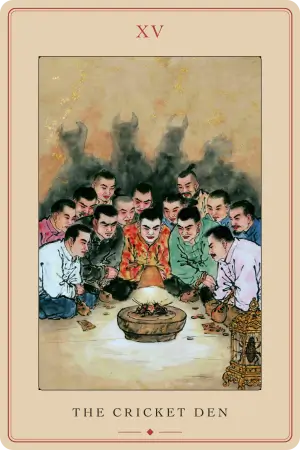
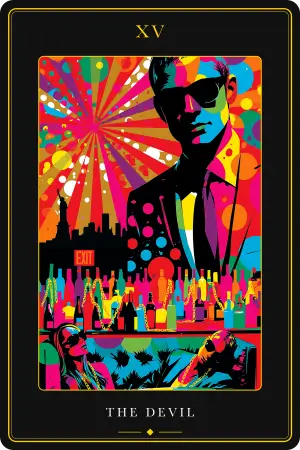
Всяка колода преосмисля същия архетип. Сравнете изкуството, след което отворете дадена колода, за да прочетете нейната пълна интерпретация.
Изображения и символика
Памела Колман Смит рисува Дявола от Райдър-Уейт директно по Бафомет на Елифас Леви от 1855 г. Фигурата е наполовина човек, наполовина козел с брадато чудовищно лице, прилепски крила, рошави кози крака и крака на харпия с нокти, клекнал върху квадратен черен пиедестал. В това тесте той се чете като владетел на материята и плътта. Полугол е, за да покаже липсата на граници, и гледа властно надолу към двете малки фигури, които приличат на негови роби. Препратката към Бафомет носи специфичен смисъл тук, тъй като символизира хармонията на противоположностите и осъзнаването на тъмната страна на личността.
Смит натоварва картата със символи, които тестето разчита съвсем точно. Обърнатият пентаграм на челото му показва пренебрегване на духовните ценности и господство на материята над духа. Факлата в ръката му е насочена надолу. Прочитът на Райдър-Уейт е категоричен по този въпрос, посочвайки анти-светлината, заблудата и грешния път. Вдигнатата му дясна ръка имитира подигравателно благословията на Йерофанта. Крилата принадлежат на нощна птица и представляват тъмнината, невежеството, загубата на невинност и подчинението на земните страсти. Извитите рога и вдигнатите опашки сочат към животинските инстинкти, които са взели връх.
Двете приковани фигури са Адам и Ева. Двойката от Влюбените се появява отново като зависимости, които трябва да бъдат преодоляни. Опашката на Ева завършва с грозд, символизиращ плодородието и земните връзки, а тази на Адам завършва с пламък за енергия и желание. Два детайла са собствен акцент на тестето. Първо, яките около вратовете им са достатъчно хлабави, за да бъдат свалени. Тяхната обвързаност е по-скоро избор да останат, отколкото истинска ключалка. Второ, зад тях черният фон разкрива проблясъци на по-светли тонове, загатващи за алтернативен духовен път, който остава невидим, защото материалната привързаност пречи на зрението. Черната земя и черното небе затвърждават тази идея, придавайки на цялата сцена плътността на един материален свят под властта на Дявола.
Основно значение
В тестето на Райдър-Уейт Дяволът е картата на страховете, привързаностите, пристрастяванията и несъзнателните желания, и най-вече на загубата на невинност и свобода. Тя показва силата на зависимостта и повърхностния начин на виждане на нещата, изкушението, временното удоволствие и свободата, предадена в замяна на комфорт. Картата изисква да преразгледате пътя си, да се освободите от страстите, които ви вредят, и да потърсите по-дълбоки ценности от предлаганите.
Всичко се върти около тези хлабави окови. Демоните биха могли да се оттеглят във всеки един момент, а изборът им да останат е връзката с нисшите страсти и неспособността да изберат освобождението. Дяволът на Райдър-Уейт е по-малко чудовище и повече диагноза за такова. Той назовава тъмната страна на личността, която остава непризната, нереализирания потенциал, и настоява, че признаването на слабостта е първата крачка към освобождаването от нея.
Значение в изправена позиция
В изправена позиция Дяволът сочи към неконтролируеми желания, страсти и привързаности, както и към частите от личността, които човек отказва да приеме. Той може да сигнализира за зависимост от вещества, връзка, изградена върху притежание, или просто насилствено господство. Може да разкрие и човек наблизо, който оказва негативно влияние. Като съвет картата е директна. Тръгнете срещу страха, бъдете честни за това, което ви държи в капан, и се освободете от привързаността, която ви нанася вреда.
В любовта. Дълбоко привличане и силна страст, които преминават в зависимост. Обещава топлина, но предупреждава за загуба на самоконтрол и превръщане в заложник на собствената ви нужда от другия човек. Сигнализира за манипулация, контрол, недоверие и прекалена привързаност към физическото удоволствие.
В кариерата. Привързаност към статус, доходи или комфорта на познатата работа. Страхът от промяна ви задържа в неподходяща, но печеливша роля. Може също да се разчете като истински устрем и желание да докажете своята компетентност в работна среда, белязана от авторитет и контрол.
Във финансите. Сериозна зависимост от материалните неща и силен стремеж към натрупване, който изкушава към нечестни преки пътища. Усещане, че сте блокирани или обвързани от споразумение, което ви спира.
В здравето и тялото. Телесните нужди са поставени над всичко. Физически магнетизъм и апетит, които в най-добрия случай мотивират, а в най-лошия прерастват в загуба на контрол, включително плътски крайности и пристрастяване.
Значение в обърната позиция
Обърнатият Дявол на Райдър-Уейт се насочва към освобождение, тъй като тежката енергия се вдига. Това означава разпознаване на самоналожените ограничения, възвръщане на свободата и сваляне на разхлабените окови. Може също да предупреди за слаба воля, самозаблуда и отказ от поемане на отговорност, затова разчитайте картата в контекст. В най-добрия си вид тя отбелязва пробуждането от илюзията, което изправената карта е очаквала.
В любовта. Обременяващите връзки се разхлабват и натрапчивото привличане избледнява. Може да осъзнаете ролята си на жертва и да напуснете връзка, която е носила повече страдание, отколкото радост, завръщайки се към истинската си същност.
В кариерата. Свобода от страха за доходи, статус или норми на работното място, облекчение от напрежението и стреса. Това е време да проучите нови възможности и да разрешите токсични конфликти, вместо да оставате заложници на заплатата.
Във финансите. Освобождаване от дългове или от нездравословна привързаност към притежания. Шанс да започнете отначало, съчетан с предупреждение да избягвате прибързани решения и скрити уловки в договорите.
В здравето и тялото. Възвръщане на контрола върху физически желания, или неговата сянка, когато апетитът все още е неконтролируем и води до преяждане, изтощение и негативна представа за себе си.
Исторически бележки
Дяволът достига до тестето на Райдър-Уейт от една странна празнина в историческите записи. Основните тестета на Висконти-Сфорца от средата на петнадесети век в Милано са оцелели без Дявол и без Кула, като историците в повечето случаи разчитат този пропуск като преднамерен. В средата на 1400-те години не съществува стандартизирано изображение на християнския дявол. Кодифицираната фигура, която ще закотви петнадесетия коз, се утвърждава в италианското производство на карти едва около век по-късно, така че вероятно въобще не е била част от най-ранните поредици от козове. След като картата придобива лице, записите от Венецианската инквизиция показват, че тя е използвана в принудителни любовни и похотливи ритуали от жени, които се обръщат към най-трансгресивната фигура в тестето. Това затвърждава дългата ѝ връзка със земната страст и подриването на моралния ред.
Артър Едуард Уейт и Памела Колман Смит придават на картата нейната най-разпознаваема и най-морално натоварена форма, когато тестето им се появява през 1910 г. Те изграждат своя Дявол изрично върху Бафомет на Леви от 1855 г. и превръщат картата в портрет на оковите на материализма, което е рязко скъсване с фрагментираната химера от Марсилската традиция. Майсторството на Смит е това, което прави символите на Райдър-Уейт четливи един по един, от обърнатия пентаграм до разхлабените окови. Тази яснота е причината нейната версия да се превърне в отправна точка за начина, по който Дяволът се разчита днес.
Съответствия
Нумерология. XV, петнадесет, което се редуцира до шест (1 + 5) и свързва Дявола с Влюбените като нейно плътно, сенчесто огледало. Това е същата двойка, видяна окована, вместо благословена. Шестицата също така изисква отговорност, което съвпада с призива на картата да отговаряте за собствените си страсти и избори.
Астрология. Козирог, със Сатурн зад него. Картата работи със сянката на силните страни на Козирога, където амбицията се превръща в алчност, дисциплината се втвърдява в контрол, а стремежът към сигурност се превръща в съкрушителен материализъм. Тя споделя упоритостта на знака при преодоляване на трудности, както и неговата склонност да засяда и да се съпротивлява на промяната.
Елемент. Земя, която заземява картата в тялото, парите, апетита и простия факт на обвързаността с плътта.
Кабала. Ивритската буква е Аин, „Око“, по пътеката от Ход (Великолепие) нагоре към Тиферет (Красота), участък, където самозаблудите биват извлечени на светло.
Да или не. Обикновено предупредително не, подтик да проучите какво наистина ви обвързва, преди да се ангажирате.
Психологическа перспектива
Дяволът в Райдър-Уейт е двигателят на тестето за работа със сянката. Това е срещата с несъзнаваното, с всичко, което съзнателният ум е потиснал, но което продължава да действа извън полезрението му. Игнорирането на тази тъмна страна не я заличава. В пътуването на Героя Дяволът е етапът, в който Героят се среща със своите зависимости, страхове и потиснати амбиции и вижда как тези проявления блокират пътя напред. Разпознаването им е първата стъпка и тя превръща конфронтацията със сянката в катализатор за растеж.
Като личност Дяволът често носи истински магнетизъм и жажда за живот, наред със силна воля и желания, на които е трудно да се устои. Тази сила има две остриета. Използвана добре, тя подхранва трансформацията и изцелението чрез силата на волята да се победи страхът и да се изгради оригинален път. Оставена без контрол, тя се превръща в крайност и самозаблуда, в човек, който отрича проблема и се плъзга към пристрастяване или нездравословна връзка, защото несъзнателните страсти са взели връх. Най-острият момент на картата е, че тези затворници сами са построили клетката си, а волята, която я е заключила, е същата воля, която може да я отвори.
Дяволът в различните тестета
Дяволът на Райдър-Уейт е моралната парадигма, в която оковите на материализма са направени четливи. Поставена до своите предшественици и съперници, нейните избори се открояват.
Марсилското таро. Най-старото от трите е най-странно. Това е синьокож, полусъзнателен звяр, фрагментиран на части, с пламтящ жезъл и две малки рогати дяволчета, приковани към пиедестала му. Този Дявол е самото хаотично несъзнавано, сляпа природна сила, която се чувства у дома си в тъмнината.
Таро на Тот (Кроули). Кроули и лейди Фрида Харис изцяло отхвърлят моралната рамка. Тяхният Дявол е козел с трето око пред огромен фалос, а човешките души се явяват като потенциал, задържан в тялото, очакващ раждането си. Следвайки максимата, че „думата за Грях е Ограничение“, картата възхвалява животинския нагон.
Модерни тестета. Съвременните версии продължават да обновяват клетката. Някои пренарисуват Дявола като машина с размерите на стена, към която неоковани фигури пристъпват по собствено желание, представлявайки картина на избраната дигитална зависимост. Други показват измършавели фигури, вързани с достатъчно хлабави окови, за да се освободят, но въпреки това избиращи познатото страдание. Това е логиката на разхлабената яка, която Райдър-Уейт прави известна.
В комбинация и контекст
Дяволът е обвързан с Влюбените с нещо повече от съвпадение на числата. Петнадесет се редуцира до шест и двете карти се четат като двойка от светлина и сянка, където невинната двойка от Влюбените се появява тук в окови като Адам и Ева. Когато двете карти се появят заедно, те обикновено отбелязват силно кармична връзка или такава между пламъци близнаци. Това е магнитно привличане, което същевременно принуждава всеки човек да отразява най-дълбоката неизлекувана сянка на другия. Работата при разчитането е да се разграничи любовта, която възвисява, от похотта, която обвързва.
Умереността, намираща се наблизо в поредицата, действа като противоотрова. Поставена до Дявола, тя твърди, че оковите са хлабави и могат да бъдат свалени чрез поставяне на граници и честно изцеление. За истински агресивен и насилствен човек опитните четящи често прескачат Дявола и търсят по-сурова карта, тъй като природата на Дявола тук е двойствена.
В позиция за съвет или резултат картата запазва диагностичната си острота. Тя ви приканва да назовете ползата, която ви държи в капан, и след това ви напомня, че яката винаги е била хлабава. Смущаващата част не е, че сте в капан, а че сте можели да се оттеглите по всяко време.
Въпроси за размисъл
- Коя от оковите около врата ви е достатъчно хлабава, за да бъде свалена днес, ако просто вземете това решение?
- Какво печелите от това, че оставате привързани към това положение, и какво се страхувате да не загубите, ако го пуснете?
- Къде по-светлите тонове зад вас са останали незабелязани, защото материалният комфорт е запълнил цялата рамка?
Общото значение следва интерпретацията на Райдър-Уейт-Смит, която е и отправната точка за Tarot Academy. Отворете конкретна колода по-горе за нейното собствено тълкуване.
Често задавани въпроси
Разгледайте Таро
Последни публикации
Открийте древната мъдрост на таро картите и отключете мистериите на вашето духовно пътуване. Нашият блог е вашата врата към разбирането на богатата символика, значения и практически приложения на таро четенето.




















































