
 SQ (shqip)

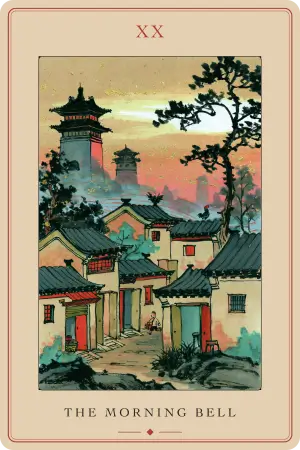
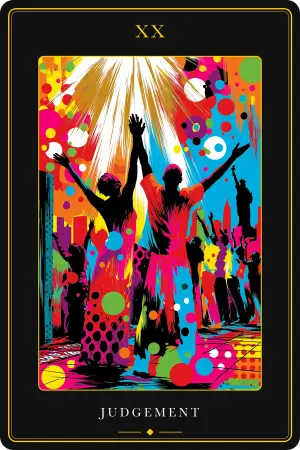


Arkana e Madhe · XX
Gjykimi
Familjet gri të Smithit ngrihen nga arkivolet lundruese, ndërsa trumbeta me krahë të kuq e Gabrielit çan qiellin mbi ta.
Read the complete guide: Karta e Gjykimit në Tarot: Udhëzues i Plotë për Simbolizmin dhe Kuptimin
Karta me një shikim
- Numerologjia
- XX
- Elementi
- Zjarr
- Astrologji
- Plutoni · bashkësundimtar i Akrepit
- Shtegu kabalistik
- Shin (Malkuth → Hod)
- Koha
- E papritur · një thirrje
- Po / Jo
- Një po kumbuese, nëse përgjigjeni me ndershmëri
Drejt
zgjim
rilindje
llogari
shfajësim
thirrje
ligji karmik
falje
shanse të dyta
Mbrapsht
zvarritje
vetëgjykim
rezistencë ndaj ndryshimit
mundësi të humbura
faj
injorimi i shenjave
Gjykimi në çdo pako
Çdo kuvertë riimagjinon të njëjtin arketip. Krahaso artin, pastaj hap një kuvertë për të lexuar interpretimin e saj të plotë.
Imazhet dhe simbolizmi
Ajo që Waite dhe Smith bënë në vitin 1909 ishte të merrnin treshen statike të Marsejës dhe ta kthenin të gjithë skenën në lëvizje, për ta ngarkuar pastaj çdo pjesë të saj me doktrinën e Agimit të Artë (Golden Dawn). Karta e Marsejës paraqiste tri figura të pozicionuara rreth një engjëlli. Smithi ofron gjashtë njerëz në dy grupe familjare, ujë nën arkivolet e tyre, male pas tyre dhe një engjëll me krahë të kuq.
Gabrieli mbush gjysmën e sipërme, lajmëtari hyjnor i besimeve abrahamike, i cili në traditën ezoterike mban ekuilibrin e përsosur të forcave universale dhe mbikëqyr pastrimin emocional. Krahët janë të kuq në këtë kuvertë dhe ajo ngjyrë bën një punë të caktuar: është thirrja për të vendosur, për të marrë një drejtim të ri dhe për ta shpenzuar atë energji në ndryshime reale në vend të kundrimit. Trumbeta e artë është instrumenti. Tingulli është një dridhje që thyen ngecjen e botës fizike, prandaj muzika dhe arti kapërcejnë mbrojtjet që argumenti nuk i arrin kurrë. Nota që ajo luan shtron një pyetje të panegociueshme: a do të ngriheni kur t'ju thërrasin, apo do të qëndroni në varr sepse aty është rehat?
Nga trumbeta varet një flamur i bardhë me një kryq të kuq, flamuri i Shën Gjergjit, duke iu referuar ringjalljes në trumbetën e fundit te 1 Korintasve 15. Krahët e tij të barabartë shënojnë pikën ku boshti vertikal i frymës kryqëzohet me boshtin horizontal të materies. Në leximin e vetë kësaj kuverte, flamuri përfaqëson pastrimin dhe çlirimin nga modelet negative, ku e bardha dhe e kuqja së bashku mbartin dëshirën për ndryshim.
Më poshtë, gjashtë figura ngrihen në dy grupe me nga tre, ku treshja në plan të parë është një burrë, një grua dhe një fëmijë. Të lexuara në një mënyrë, ato janë mendja e ndërgjegjshme, e nënndërgjegjshme dhe mbindërgjegjshme që bashkohen në një; të lexuara në një mënyrë tjetër, ato janë foshnjëria, rinia dhe pleqëria, gjithë forma ciklike e një jete. Ata janë të zhveshur me krahë të ngritur lart, gjë që kjo kuvertë e merr si pastërti, sinqeritet dhe hapje totale, ndërsa qëndrimi i ngritur tregon gatishmërinë për të marrë. Lëkura e tyre është një gri e zbehtë, një zgjedhje kromatike që heq ndasitë racore dhe etnike përballë së vërtetës përfundimtare dhe shënon gjendjen kalimtare midis një vetje të vjetër të vdekur dhe një të reje që ende nuk është forcuar.
Arkivolet janë kufijtë e vetëimponuar dhe paradigmat materialiste që i mbanin, dhe kapakët e tyre janë hapur nga jashtë. Ju duhet të dilni vetë, por gjëja që kris kapakun vjen nga përtej shtrirjes së egos. Arkivolet lundrojnë mbi ujë, nënndërgjegjja dhe thellësia emocionale, dhe një jehonë e Zbulesës 20 ku deti dorëzon të vdekurit e tij. Re të mëdha hapen pas Gabrielit për ndërhyrjen hyjnore dhe pastrimin e vendit për mendime të reja. Malet e kaltra të mbuluara me borë mbyllin horizontin, duke kujtuar qëllimisht majat e akullta të Budallait, kështu që qarku i gjatë i Arkanës së Madhe shihet qartë duke u kthyer në burimin e tij në një nivel më të lartë, si dhe duke qëndruar po aq fort për pamundësinë e shmangies së vlerësimit. E kaltra dhe e verdha dominojnë paletën: e kaltra për spiritualitetin, paqen dhe hyjninë, e verdha për dritën, të vërtetën dhe mprehtësinë.
Kuptimi thelbësor
Në këtë kuvertë Gjykimi është Mrekullia e Transformimit. Kur Heroi ka përmbushur çdo kërkesë të udhëtimit, mrekullia ndodh, dhe ajo i vjen vetëm atij që ka plotësuar kushtet dhe e pret atë me një zemër të pastër. Ky kornizim ka rëndësi, sepse e bën kartën më pak një vendim të dhënë nga lart dhe më shumë një prag të arritur.
Ajo që shënon kjo kartë është momenti i së vërtetës: veprimet e së kaluarës dalin në sipërfaqe, pesha e tyre më në fund vlerësohet dhe pastaj lihet mënjanë. Heroi i kupton veprimet e veta, merr përgjegjësi për to dhe kalon në një nivel ndërgjegjësimi ku gabimet e së kaluarës bëhen të dukshme dhe shërimi mund të fillojë. I gjithë raporti i tij me botën ndryshon me njohjen e faktit se sa ngushtë janë të lidhura e kaluara, e tashmja dhe e ardhmja. Misioni nga këtu është gjetja e së vërtetës, shërimi i plagëve të vjetra dhe rimendimi i rrugës.
Shërimi që vijon është thelbi: çlirimi, liria dhe paqja mendore, me qëllime dhe prioritete të reja të vendosura në anën tjetër, ndërsa besimi në forcën e vetvetes rikthehet. Piktura e Smithit e mban vetë kalimin në vend të secilit skaj të tij, prandaj figurat janë kapur në gjysmë të ngritjes me arkivolet ende të hapura poshtë tyre.
Kuptimi në pozicionin e drejtë
Në pozicionin e drejtë, kjo kartë tregon një kuptim të papritur, një vendim i rëndësishëm ose kalimin në një fazë të re të jetës. E kaluara bie poshtë dhe shfaqen mundësi të reja. Rrethanat kërkojnë ndërgjegjësim të vërtetë, prandaj ajo kërkon që të peshoni veprimet tuaja dhe të zgjidhni me vetëdije, si dhe mbart rivlerësim, ringjallje, pajtim dhe shpërblim për përpjekjet e bëra tashmë.
Këshilla është konkrete. Kthejeni kokën pas tek ajo që bëtë vërtet dhe nxirrni përfundime të ndershme. Praktikoni një vetëvlerësim të vërtetë. Kujtoni shkakun dhe pasojën dhe pranoni pjesën tuaj në to. Falni veten dhe falni të tjerët. Fati juaj është në duart tuaja këtu, kështu që hapeni horizontin vetë në vend që të prisni për leje.
Në dashuri. Një periudhë reflektimi, një shans i dytë ose rikthimi i një marrëdhënieje. Ndjenjat e vjetra rindenzen, lidhjet e lëna pas dore marrin vëmendje, gabimet e së kaluarës zgjidhen. Emocionet më të thella dhe më të vërteta dalin në sipërfaqe dhe nxisin një zgjedhje të vetëdijshme drejt dashurisë, duke lënë hapësirë për të sqaruar gjërat, për të mbyllur grindjet e vjetra dhe për të arritur një pajtim të mirëfilltë.
Në punë dhe karrierë. Rivlerësim i pozicionit tuaj aktual ose fushës së punës, dhe një ndërgjegjësim për thirrjen tuaj të vërtetë. Mund të nënkuptojë kalimin në një punë të re, avancim, një projekt të ri madhor, ose transformim të vërtetë brenda një organizate. Premton shpërblim për punën e kaluar: drejtësi, njohje dhe meritë, ku vendimet e mëparshme tani japin fryte. Në biznes, është momenti për një vendim që ndryshon drejtimin, i ndërtuar mbi përvojën dhe analizën e kaluar në vend të impulsit.
Në financa. Një vendim i rëndësishëm ose një periudhë kalimtare në çështjet e parave, duke mbartur drejtësi dhe shpërblim të merituar për punën e kaluar. Mund të tregojë një trashëgimi, një çështje gjyqësore, ose një pagesë sigurimi, si dhe mundësi të reja për fitim apo investim. Peshoni të mirat dhe të këqijat dhe vendosni me vetëdije.
Në shëndet dhe trup. Rivlerësim i stilit të jetesës, me një ndërgjegjësim më të madh për trupin dhe një tërheqje të brendshme drejt pastrimit, ripërtëritjes dhe ushqimit më të mirë. Forca e jetës riaktivizohet. Është një periudhë e punës aktive me veten dhe sportit ku rezultatet e përpjekjeve bëhen të dukshme.
Kuptimi i përmbysur
I përmbysur, Gjykimi tregon ngecje, frikë nga ndryshimi dhe një refuzim për të pranuar gabimet. Përgjegjësia shmanget dhe vendimet bëhen më të vështira, kështu që zgjedhjet e rëndësishme vonohen ose bllokohen plotësisht. Ai shfaqet si vetëvlerësim i ulët, faj, fiksim pas gabimeve të vjetra dhe ndonjëherë si frikë nga një vlerësim i ardhshëm apo nga gjykimi i ashpër i të tjerëve.
Rruga për të dalë nga kjo situatë nuk ka asgjë magjepsëse. Kapërceni frikën që po bllokon vendimin, shikojeni jetën tuaj mjaftueshëm objektivisht për të emërtuar gabimet dhe merrni përgjegjësi në mënyrë që ato të mos përsëriten. Gabimet janë pjesë e rritjes. Rivlerësoni të kaluarën për mësimet e saj të vërteta, pastaj mos e mbani më mendjen aty.
Në dashuri. Një mungesë gatishmërie për ndryshim dhe një mosdashje për të mbyllur plagët e vjetra. Pakënaqësitë e vjetra bllokojnë përparimin, një marrëdhënie zvarritet për shumë kohë ose mbetet në një rrugë pa rrugëdalje, dhe njëri partner nuk arrin të marrë vendimin ose të pranojë gabimin. Shmangia e konfliktit vetëm sa e shtyn dhe e bën atë më të rëndë.
Në punë dhe karrierë. Veprime të pamenduara mirë ose informacione të paverifikuara, me një vendim përfundimtar ende të parakohshëm. Paralajmëron për telashe në kalimin në një pozicion të ri ose në nisjen e një projekti, për vonesa që kërkojnë një plan më të fortë, dhe për trajtim të padrejtë apo pakënaqësi me gjendjen tuaj profesionale. Në biznes, metodat e vjetra nuk japin më rezultat dhe qasja e menaxhimit ka nevojë për rishikim.
Në financa. Kompensimi i drejtë vonohet, ose një vendim tek i cili po llogarisnit shtyhet ose zgjidhet ndryshe nga ç'pritej. Tregon një paaftësi për të vepruar, mundësi të humbura dhe hezitim për të marrë përgjegjësi, si dhe paralajmëron për rreziqe të peshuara keq.
Në shëndet dhe trup. Hezitim ose paaftësi për të ndryshuar zakonet rreth shëndetit dhe pamjes, me dyshime që shkaktojnë pavendosmëri dhe mungesë motivimi. Mund të ketë përtaci rreth stërvitjes, vetëvlerësim të ulët, ose thjesht mohim se trupi ka nevojë për vëmendje. Ndryshimi po vjen pavarësisht të gjithave, ndaj përgatituni për të.
Shënime historike
Waite dhe Smith trashëguan një kartë me katër shekuj ikonografi të ngulitur pas saj. Në Italinë e shekullit të pesëmbëdhjetë ajo quhej L'Angelo, Engjëlli, dhe vinte në skenë një moment të frikshëm të eskatologjisë së krishterë. Kuverta Cary-Yale Visconti e rreth vitit 1440 mban mbishkrimin e artë Surgite ad Judicium, 'Ngrihuni për Gjykim', me engjëj që i bien trumbetës lart dhe shpirtra të zhveshur që ngjiten nga varreza guri rozë poshtë një figure qendrore me mantel, e cila besohet të jetë Krishti. Kuverta Charles VI e rreth vitit 1460 tregon shtatë shpirtra që dalin, disa në ekstazë dhe disa me krahë të kryqëzuar nga frika. Visconti-Sforza e rreth vitit 1450 vuri Zotin në majë me një shpatë dhe një rruzull. Ndërsa shtypi me blloqe druri u bë dominues në fund të shekullit të pesëmbëdhjetë, turmat u rralluan: tarotet Rosenwald dhe Budapest e reduktuan skenën në një engjëll dominues dhe disa figura që linin varret e tyre.
Në Francë karta u bë Le Jugement, dhe Taroti i Marsejës vendosi standardin që zgjati për më shumë se dyqind vjet, duke konsoliduar turmat italiane në një treshe statike të një gruaje në të majtë, një burri në të djathtë dhe një figure qendrore me shpinë të kthyer. Në shtypjen Conver të vitit 1760 dhe atë Gassmann të vitit 1840, ajo figurë qendrore është blu ose gri për t'u përputhur me renë e engjëllit, dhe mban një model flokësh tonsurë që e identifikon atë si klerik. Shikimet janë të drejtuara qartë: gruaja shikon nga burri klerik, Kisha tokësore, ndërsa burri në të djathtë shikon drejt lart te lajmëtari.
Ajo që urdhri i vetë Waite-it bëri me të gjitha këto shpjegon pse karta Rider-Waite lexohet në këtë mënyrë. Urdhri Hermetik i Agimit të Artë hoqi kornizën dogmatike dhe të bazuar te frika të krishterimit, dhe e rindërtoi kartën si një proces të brendshëm alkimik. Thirrja tani vinte nga shkëndija hyjnore brenda individit, në vend të një hyjnie ndëshkuese, dhe figurat që linin varret ishin fryma që ngrihej mbi materializmin, kushtëzimin dhe injorancën, e jo kufoma që prisnin një jetë të përtejme binare. Ilustrimi i Smithit i vitit 1909 është vizatimi i asaj doktrine: struktura e Marsejës, përmbajtja e Agimit të Artë. Aty ku okultistët francezë si Oswald Wirth e kishin rishikuar tashmë skenën e Marsejës në një burrë, një grua dhe një fëmijë blu që përfaqësonin Budallain duke evoluar përgjatë udhëtimit, Smith e bëri grupin familjar qendrën emocionale të kartës.
Korrespondencat
Numri. Njëzet, shifrat e të cilit janë dyshi dhe zeroja. 2-shi mbart ekuilibër, partneritet dhe dualitet; 0-ja mbart potencial, pafundësi dhe një fillim të pastër, dhe zeroja shumëfishon çfarëdo pranë së cilës qëndron. Pra, njëzeti amplifikon ekuilibrin dhe kërkon rivlerësim, një zgjedhje midis së vjetrës dhe së resë. Gjithashtu reduktohet në dy, gjë që e lidh këtë kartë me Drejtësinë (Justice), llogarinë tjetër të kuvertës, XI-a e së cilës reduktohet në të njëjtën mënyrë. Së bashku, dyshi dhe zeroja pikturojnë një lëvizje nga individi drejt universales, dhe nga e fundmja te e pafundmja.
Astrologjia. Plutoni, dhe rrjedhimisht bashkësundimi i Akrepit përkrah Vdekjes. Plutoni qeveris transformimin e thellë, fundet, rilindjen, intensitetin dhe vullnetin, dhe sundon periudhat e ndryshimeve rrënjësore që rritja kërkon vërtet. Nën të, e kaluara transformohet dhe pakënaqësitë e vjetra e dështimet bien poshtë. Ky çiftim është i saktë: të dyja mbyllin borxhet dhe mësimet e vjetra për të pastruar terrenin, të dyja e shkatërrojnë plotësisht të vjetrën përpara se e reja të lindë, dhe të dyja funksionojnë si Feniksi që ngrihet nga hiri. Çdo gjë që është shtypur në hije thirret në sipërfaqe për t'u njohur dhe integruar.
Elementi. Zjarr, i një lloji të caktuar. Ky nuk është zjarri shkatërrues i drejtuar nga Marsi i Kullës, por zjarri kozmik, pastrues i frymëzimit hyjnor, i cili përqendrohet tek individi nga çdo anë për të djegur rrobat e varrit të kufizimit tokësor. Premisa prapa saj është se askush nuk ngjitet jashtë varrit të mjedisit të tij vetëm me fuqinë e vet; impulsi duhet të ndizet nga lart dhe t'i përgjigjet Vullnetit të Vërtetë brenda.
Kabala. Shkronja hebraike është Shin, një shkronjë nënë që do të thotë 'dhëmb'. Një dhëmb shpërbën ushqimin e ngurtë në mënyrë që trupi ta asimilojë, dhe kjo kartë shpërbën iluzionet e dendura të botës materiale në energji shpirtërore të përdorshme. Rruga e saj është e tridhjetë e para, duke lidhur Malkuth (Mbretërinë, realitetin fizik) me Hod (Shkëlqimin, intelektin dhe formën strukturore). Është shpesh e para rrugë që një i iniciuar ecën, zgjimi i parë tronditës i ndërgjegjes materiale ndijore drejt ekzistencës së intelektit më të lartë.
Koha dhe po/jo. E papritur, një thirrje në vend të një stine. Si po ose jo është një po kumbuese, e kushtëzuar nga përgjigjja me ndershmëri dhe bërja e punës së brendshme.
Këndvështrimi psikologjik
Një person që mbart energjinë e kësaj karte ka një kuptim të thellë të shkakut dhe pasojës, si dhe një qasje të drejtë ndaj vendimeve. Ata kanë një ndjenjë të fortë detyre, marrin përgjegjësi dhe analizojnë veten shpesh. Janë të mençur, të hapur për të mësuar, mjaftueshëm të ndershëm për të pranuar gabimet dhe të prirur për t'i trajtuar veprimet e kaluara si material për të ardhmen. Tiparet pozitive përfshijnë mprehtësinë, forcën e brendshme, bujarinë dhe mjaftueshëm kapacitet për vetëanalizë për të mbajtur përgjegjësi për çdo gjë që kanë bërë, me faljen të shtrirë në të dyja drejtimet.
Ana e hijes e të njëjtit temperament është e saktë. Faji dhe vetëkritika grumbullohen. Frika nga gjykimi i shoqërisë lind varësinë nga opinionet e njerëzve të tjerë dhe lënien pas dore të interesave të veta, ndërsa aftësia gjykuese bëhet tepër e ashpër ndaj vetes dhe të tjerëve, pa lejuar hapësirë për dobësinë reale njerëzore. Pranimi i së kaluarës bëhet i vështirë dhe mësimet e pakëndshme nuk kapërdihen. Më karakteristikja është se zakoni i vetëekzaminimit kthehet në një teprim të tij, dhe personi e analizon veten deri në paralizë. Refuzoni të ndryshoni në atë pikë dhe kjo ngurtësohet në ngecje.
Struktura e pikturës së Smithit përputhet me këtë. Gjashtë njerëz qëndrojnë në arkivole që dikush tjetër i hapi, me krahët tashmë të ngritur. Ngritja është e tyrja për t'u bërë, dhe ky moment nuk ofrohet dy herë.
Gjykimi në kuverta të ndryshme
Versioni Rider-Waite është ai që e përktheu një skenë teologjike në një të tillë psikologjike dhe e bëri atë standardin modern.
Kuvertat e hershme italiane. Nën titullin L'Angelo, skena fjalëpërfjalshme të Gjykimit të Fundit: engjëj të shumtë me trumbetë, varre të mbushura, Zoti me rruzull dhe shpatë, fytyra që tregojnë njëkohësisht tmerrin e mallkimit dhe shpresën e shpëtimit.
Taroti i Marsejës. Le Jugement e ngushton turmën në një treshe të disiplinuar nën një engjëll masiv, me një klerik me tonsurë në qendër. Pika teologjike është universaliteti: vetë përfaqësuesit e Kishës qëndrojnë nën të njëjtin vëzhgim si të gjithë të tjerët.
Crowley-Thoth. Pikturuar nga Lady Frieda Harris midis viteve 1938 dhe 1943, dhe riemërtuar Eoni (The Aeon). Crowley e gjeti kornizën e krishterë tepër dogmatike dhe e rindërtoi kartën rreth një zhvendosjeje kozmike nga Eoni i Osirisit, me strukturat e tij patriarkale dhe fetë e vetëflijimit, në Eonin e Horusit dhe vetëaktualizimin e tij dhe Vullnetin e Vërtetë. Varret dhe engjëjt zhduken. Perëndesha e harkuar me yje, Nuit, shtrihet në majë për makrokozmosin; disku i diellit me krahë, Hadit, digjet në qendër për farën e fshehtë të dëshirës; perëndia fëmijë binjak shfaqet si Ra-Hoor-Khuit pushtues dhe Harpocrates i heshtur, ndërsa tre embrione presin në fund për idetë e reja që po ushqehen. Në lexim, kjo lajmëron të njëjtin ndryshim masiv por heq gjykatësin e jashtëm, duke i kërkuar personit të braktisë 'këndvështrimin e tij të bretkosës' për një pikëpamje më të lartë.
Kuvertat moderne të fundit të shekullit të njëzetë. Të titulluara Judgement (Gjykimi) ose Rebirth (Rilindja), kuverta si Alchemical dhe Chrysalis zgjedhin uroburosin, kafka nga ku mbin gruri, feniksin dhe kërcimtarët e çliruar, duke kaluar theksin te transformimi i vazhdueshëm dhe autenticiteti i vetvetes.
Në kombinim dhe kontekst
Dy karta ngatërrohen me këtë të fundit, dhe të dyja dallimet ia vlen të mbahen mend. Drejtësia dhe Gjykimi të dyja reduktohen në dy dhe të dyja peshojnë të vërtetën, por Drejtësia është tokësore dhe ndërpersonale, me peshoret që pyesin nëse ishit të drejtë ndaj të tjerëve sipas rregullave, ndërsa kjo kartë është kozmike dhe e brendshme, ku trumbeta pyet nëse po jetoni në përputhje me shpirtin tuaj dhe nëse keni falur veten. Drejtësia sjell llogaridhënie. Gjykimi ofron shfajësim dhe një fletë të pastër.
Përballë Vdekjes dallimi është ritmi. Vdekja është e ngadaltë, organike dhe e parashikueshme, rrëzimi që e keni parë duke ardhur prej së largu dhe të cilit më në fund i ulni kokën. Gjykimi është i papritur dhe i paparashikueshëm, një shpërthim trumbete në një gjumë të deep, dhe nuk e shihni derisa e keni tashmë mbi vete. E pozicionuar pikërisht para Botës (The World), ky është zgjimi që duhet të ndodhë përpara integrimit përfundimtar.
Si një tregues, kjo kartë përshkruan dikë të gatshëm për ndryshime madhore ose që tashmë qëndron në prag të tij, i etur për të lënë pas të vjetrën, duke rishqyrtuar përvojën e kaluar dhe duke mësuar prej saj. I përmbysur, ai përshkruan dikë që injoron thirrjet, i frikësohet transformimit ose e refuzon atë haptazi, qëndron i fiksuar pas së kaluarës dhe përsërit të njëjtat gabime sepse mësimi nuk u përthith kurrë.
Në pyetjet rreth pajtimit, kjo kartë lexohet rëndom gabim. Imazhet e saj të ringjalljes e tundojnë një person plot shpresë të presë rikthimin e marrëdhënies së vjetër saktësisht siç ishte. Ndërsa, lexuesit me përvojë japin një përgjigje më të ashpër dhe më të dobishme: ajo dinamikë ka vdekur përgjithmonë, dhe ringjallja që ofrohet është një rilindje personale, e pavarur nga ish-partneri. Çdo bashkim i vërtetë mund të ndodhë vetëm pasi të dy personat të transformohen thellësisht dhe të nisin nga e para. Kapja pas versionit të vjetër është karta e përmbysur në veprim.
Ajo ka gjithashtu një reputacion si një 'kartë përndjekëse', Arkana që vazhdon të hidhet nga kuverta për javë të tëra. Kur ndodh kjo, leximi pothuajse universal është disonanca njohëse: personi tashmë e di se një cikël toksik duhet të përfundojë ose duhet bërë një hap i madh, ndërsa egoja vazhdon të refuzojë nga frika. Karta përndjek derisa të merret vendimi.
Pyetje për reflektim
- Kapakët e arkivoleve në pikturën e Smithit u hapën nga jashtë. Çfarë është hapur tashmë për ju, por ju ende po qëndroni i shtrirë brenda saj?
- Çfarë faji po mbani që i përket një versioni tuajin që nuk ekziston më?
- Nëse do të nxirrnit përfundime të ndershme rreth kapitullit të fundit në vend që ta mbronit atë, çfarë do t'ju duhej të ndryshonit nesër?
Kuptimi i përgjithshëm ndjek leximin e Rider-Waite-Smith — referenca që përdoret në të gjithë Tarot Academy. Hap një kuvertë specifike më lart për interpretimin e saj të veçantë.
Pyetjet e bëra më shpesh
Eksploroni Tarotin
Postimet e fundit
Zbuloni urtësinë e lashtë të kartave të tarotit dhe zhbllokoni misteret e udhëtimit tuaj shpirtëror. Blogu ynë është porta juaj drejt kuptimit të simbolikës së pasur, kuptimeve dhe aplikimeve praktike të leximit të tarotit.




















































