
 MK (македонски)

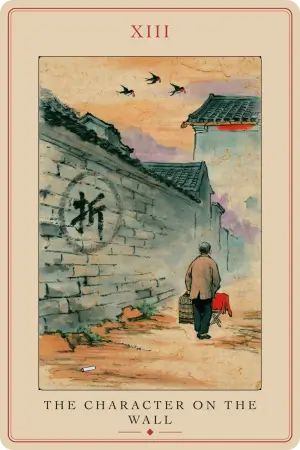
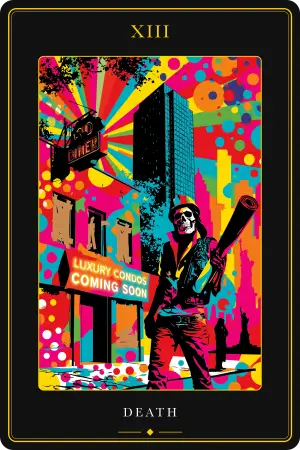


Голема аркана · XIII
Смрт
Оклопниот јавач на Смит: големото расчистување, крај кој го оплодува сето она што расте на негово место.
Read the complete guide: Картата "Смрт" во Таро: Комплетен водич за симболите и значењето
Картата на прв поглед
- Нумерологија
- XIII
- Елемент
- Вода
- Астрологија
- Шкорпија
- Кабалистички пат
- Нун (Тиферет → Нецах)
- Време
- Сезона на Шкорпија · околу 30 дена
- Да / Не
- Исправено да · обратно не
Исправено
трансформација
краеви
транзиција
ослободување
преродба
отпуштање
обновување
промена
Превртено
отпор
стагнација
прилепување
страв од промени
негирање
држење за минатото
Смрт во секој дек
Секој дек го реинтерпретира истиот архетип. Споредете ја уметноста, а потоа отворете го декот за да ја прочитате неговата целосна интерпретација.
Слики и симболизам
Памела Колман Смит го нацрта тринаесеттиот адут како сцена на коњ, наместо одечкиот косач од традицијата на Марсеј, а Артур Едвард Вејт го исполни нејзиниот дизајн од 1909 година со розенкројцерски и херметички детали. Во центарот, скелетна фигура јава елегантно на бел коњ. Скелетот е големиот израмнувач, ослободен од месо, пол, раса и статус, неуништливото јадро кое останува откако секоја привремена форма ќе се распадне. Смит го облече во црн железен оклоп, чиј изгравиран стил го следи Албрехт Дирер, а црната боја која ја впива целата светлина ја означува намерната и неизбежна природа на силата. Оклопот е од железо, метал управуван од Марс, па се чита како целосна неранливост: со космичката промена не може да се преговара или да се запре. Наспроти тоа црнило, белиот коњ носи чистота и чисти почетоци кои следат по уништувањето, а спарувањето функционира како визуелен јин-јанг, каде смртта и животот се прикажани како комплементарни половини на еден циклус. Уздата на коњот е од кожа украсена со мали черепи, потсетник за доминацијата на јавачот над материјалниот план.
Во десната рака, јавачот држи висок јарбол со црно знаме на кое е прикажана Мистичната роза, бел цвет со пет ливчиња. Овој розенкројцерски знак претставува духовна регенерација низ секоја фаза, од пупка до цветање, до распаѓање и преродба, а нејзините пет ливчиња одговараат на пентаграмот, човечкиот дух кој владее со четирите елементи. Белата роза е ветување дека прочистениот живот цвета од темната празнина.
Под копитата лежат четири фигури, избрани за да покажат како луѓето го пречекуваат крајот. Паднат крал лежи со згазена златна круна, доказ дека световната моќ е бескорисна против трансформацијата, а Рејчел Полак го толкува како крутото его соборено затоа што не сакало да се свитка. Бискуп во жолти и златни облеки клечи со скрстени раце, пречекувајќи ја смртта доброволно како транзиција. Девица во бело го врти лицето и се онесвестува, симбол на негирањето кое се држи до минатото. Дете клечи и му нуди цвеќе на јавачот, претставувајќи го чистото прифаќање кое сѐ уште не научило да се плаши.
Зад нив тече река како Стикс, а мал брод ја преминува, како чунар кој носи души преку водите на несвесното. На хоризонтот, златно сонце седи меѓу две кули-стражарници, истите столбови кои ја врамуваат Месечината, а Смит намерно оставила нејасно дали сонцето изгрева или заоѓа. За езотеричните друштва од кои Вејт црпел инспирација, таа сјајност е Новиот Ерусалим, светлината на бесмртноста.
Основно значење
Смрт е најзастрашувачката карта, но и една од најослободувачките. Таа ретко значи крај на телото. Претставува метафора за трансформација, отфрлање на застарениот идентитет и расчистување на психолошкиот отпад за да може да порасне нешто ново. Нејзината единствена тешка вистина е дека непостојаноста е единствената константа, а работата што ја бара е смрт на егото, ослободување на маските и приврзаностите за кои човекот се држи.
Вејт повлекол внимателна линија меѓу оваа карта и Обесен Човек пред неа. Во неговите дела, Обесениот човек е доброволна, внатрешна мистична смрт, предавање кое сами го избирате, додека Арканата XIII е недоброволно, апсолутно распаѓање на состојбата во која се наоѓате, без разлика дали се согласувате или не. Тоа е космичката коса која го сече она што е завршено, за да може почвата повторно да се искористи.
Исправено значење
Во исправена позиција, Смрт означува циклус кој одлучно го завршил својот тек и бара чист прекин наместо бавно крварење. Крајот што го именува е реален и често непријатен, но го чисти теренот за обновување, а картата фаворизира пречекување на таа промена со прифаќање наместо со страв.
Во љубовта. Врска која поминува низ радикална промена. Понекогаш тоа е дефинитивен крај на токсично партнерство кое ги ослободува двајцата, а понекогаш смрт на стара динамика внатре во врска која продолжува, како промената од лежерно излегување во вистинска посветеност. Во секој случај, наметнува искрени прашања за вашето исполнување.
Во кариерата. Работа или пат во кариерата кој завршил, со совет да се направи чист прекин наместо да се одолговлекува. Финансиски може да значи губење на приход или крај на потфат, врамено како поттик да го преиспитате целиот ваш однос со материјалната сигурност.
Во финансиите. Затворање на поглавје, згаснат потфат или исчезнат извор на пари, расчистено за да се направи простор за поинаква основа.
Во здравјето. Речиси никогаш не е буквално. Најчесто претставува повик за радикална промена на животниот стил, кршење на деструктивна навика или крај на долг период на болест, отфрлајќи ги старите шеми за да може да започне закрепнувањето.
Обратно значење
Во обратна позиција, Смрт претставува отпор кон крајот кој веќе пристигнал. Прашувачот се држи цврсто, а тоа држење чини многу повеќе енергија отколку прифаќањето. Тоа е стисокот кој држи нешто завршено исправено поради страв од празниот простор што следува.
Во љубовта. Држење за мртва врска од должност, козависност или страв да се остане сам, или пак прогонетост од стар љубовник и одбивање да се прекине деструктивната шема.
Во кариерата. Поврзаност со работа без перспектива, задржана поради илузија за сигурност, водена од страв, или финансиски пад влошен со одбивање да се прилагодат трошоците на поострата реалност.
Во финансиите. Тврдоглаво држење до старите бројки додека теренот се менува, пад кој е продлабочен со негирање наместо да се соочи директно.
Во здравјето. Длабоко негирање на хронична состојба или неподготвеност да се соочите со психолошките проблеми кои ви ја исцрпуваат виталноста, циклус на стагнација кој има итна потреба од прекинување.
Историски белешки
Картата произлегла од катастрофа. Црната чума стигнала во Европа во 1347 година и убила помеѓу третина и половина од населението, а западната уметност опсесивно се свртела кон макабритетното. Раните италијански шпилови како Висконти ди Модроне (Visconti di Modrone) од околу 1441 година ја насликале Смртта со сива кожа испружена преку коските, висцерална и буквална. Висконти-Сфорца (Visconti-Sforza) е единствениот историски шпил кој ја вооружил скелетната Смрт со лак и стрела, оружје кое долго време било поврзувано со брзиот и по случаен избор удар на чумата. Други рани шпилови, потпирајќи се на Книгата на Откровението, ја прикажувале Смртта како косач на блед коњ кој гази преку секој ранг, од цар до обичен човек.
До седумнаесеттиот век, Таротот од Марсеј се задржал на одечки косач со коса и познато ја оставил тринаесеттата карта неименувана (Arcane sans nom), бидејќи се сметало дека изговарањето на нејзиното име гласно ја повикува. Нејзините слики на жетва ја носеле пресвртната точка во значењето: косата подеднакво коси крунисана глава и обичен човек, но отсечени раце и глави никнуваат од почвата како нова пченица, претставувајќи ја Смртта како ѓубриво за следната генерација. Француските окултисти, вклучувајќи ги Леви (Lévi), Кристијан (Christian) и Вирт (Wirth), го зацврстиле тоа читање во доктрина. Во 1909 година, Вејт и Смит се одделиле од косачот од Марсеј и се вратиле на јавачот од петнаесеттиот век, потоа го надградиле со розенкројцерски и херметички симболизам за да го постават модерниот стандард.
Кореспонденции
Број. XIII, тринаесеттиот адут, насловен од Златната Зора како Дете на Големите Трансформатори, Господар на Портите на Смртта, име кое го врамува како тековен процес наместо конечна станица.
Астрологија. Шкорпија, фиксниот воден знак на длабочина, секс, смрт, регенерација и окултното, знак кој владее и со биолошката генерација и со уништувањето кое ослободува простор за неа. Израел Регарди (Israel Regardie) го поврзал влијанието на Шкорпија овде со хаотичната енергија на Апеп, египетскиот господар на хаосот.
Елемент. Вода, медиумот на емоциите и несвесните длабочини низ кои картата бара да поминете.
Кабала. Хебрејската буква е Нун, која како именка значи „риба“, а како глагол „да расте“ или „да никне“, вградувајќи го ветувањето за нов живот директно во буквата. Нејзината патека е дваесет и четвртата, која се протега од Тиферет (Убавина) долу до Нецах (Победа), спуштање на подредената свест во сурова инстинктивна природа.
Тајминг. Картата се наведнува кон сезоната на Шкорпија и Самаин, кога превезот е тенок, и често укажува на трајна промена во рок од околу триесет дена. Како одговор на прашања со да или не, таа одговара со да во исправена позиција, а не во обратна.
Психолошка перспектива
Рејчел Полак (Rachel Pollack), чија книга „Седумдесет и осум степени на мудроста“ го преобликуваше модерното читање, ја третира Смртта како точниот момент кога човекот се откажува од своите стари маски за да може да се случи вистинска трансформација. Таа го следи Обесен Човек со причина. Предавањето на Обесениот човек предизвикува специфичен терор: ако ги напуштам овие однесувања и овој идентитет, нема да остане ништо, ќе умрам. Смрт е соочување со тој страв, смрт на егото која мора да ѝ претходи на хармонијата на Умереност, картата која следи.
Најкорисната корекција во модерната практика е против површното ублажување, навиката да се смирува нервозниот прашувач инсистирајќи дека картата „значи само промена и пеперутки“. Една добро позната фраза од форумите јасно ја поентира работата: Смртта не е пеперутката, таа е гасеницата во кожурецот, која буквално се вари себеси во хаотична супа пред да може да се реформира. Трансформација од таков ред вклучува вистинска загуба, а прескокнувањето на тагата само го запира растот. Кога картата постојано се појавува во читањата, особено покрај Мечеви, тоа обично сигнализира стагнација, личност која премногу анализира нешто што веќе завршило и одбива да дозволи транзицијата да заврши.
Смрт низ шпиловите
Рајдер-Вејт-Смит како котва. Јавачот на Смит и Вејт од 1909 година е сликата која ја замислуваат повеќето модерни читачи: скелет на коњ со знамето на Мистичната роза и сонцето кое изгрева меѓу кулите, задржувајќи го теророт на сцената на површината, со вградено воскресение одоздола. Подоцнежните шпилови обично се толкуваат во однос на оваа слика.
Рани италијански шпилови. Најстарите верзии се најграфични, со сиво месо прилепено на скелетот, а Висконти-Сфорца е единствениот историски шпил кој ја вооружил својата Смрт со лак и стрела. Други рани италијански карти се потпирале на Книгата на Откровението и ја прикажувале Смртта како косач на блед коњ кој гази преку секој ранг.
Тарот од Марсеј. Овде картата оди неименувана како Arcane sans nom (Аркана без име), одечки скелет кој замавнува со коса преку поле, косејќи ги подеднакво крунисаната глава и обичниот човек, додека раце и глави никнуваат назад од почвата. Ова е жетварското толкување кое ја преформулира Смртта како обновување, и токму овој одечки косач Вејт намерно го тргна настрана кога се врати на јавачот.
Модерни и медиумски шпилови. Бидејќи сликата на РВС стана стандард, филмскиот и телевизискиот тарот обично ја менува наместо да измислува од почеток. „Бафи убиецот на вампири“ има ликови кои читаат од манипулиран шпил на Рајдер-Вејт, чии карти носат променети слики.
Во комбинација и контекст
Смрт најчесто се споредува со Кула, а разликата меѓу нив вреди да се разјасни. Смрт е органска и главно предвидлива, природен крај на циклус, слично како преминот од есен во зима, и обично му дава простор на прашувачот да се соочи со промената доброволно и да помине низ неа со одредена грациозност. Кула е ненадејна и не подлежи на преговарање, молња која руши цела структура без предупредување, и има тенденција да пристигне токму кога потивките предупредувања на Смртта биле игнорирани. Еден читач убаво ја опиша врската: ако не ѝ се придружите на Смртта доволно брзо, Кулата може да се вмеша и да ги промени работите наместо вас.
Околните карти го изоструваат читањето. Извлечена постојано покрај Мечеви, Смрт укажува на ум заглавен во прекумерна анализа на ситуација која веќе е завршена. Како единствена карта за одговор со да или не, таа се чита како да за крај или голема промена, која често се остварува во рок од еден месец. Во обратна позиција, таа значи не, статус-кво заглавен на место поради стравот на прашувачот од непознатото. Во позиција на исход, таа предвидува заклучок кој не можете да го избегнете, но сѐ уште можете да го пречекате под ваши услови.
Прашања за размислување
- Што е веќе завршено, а вие сѐ уште трошите енергија обидувајќи се да го одржите во живот?
- Кој идентитет или улога се плашите да го ослободите бидејќи стравувате дека нема ништо под него?
- Од четирите фигури на Смит, чија реакција кон јавачот е ваша во моментов: на кралот, на бискупот, на девицата или на детето?
Општото значење ја следи интерпретацијата на Rider-Waite-Smith — референцата што се користи низ Академијата за Таро. Отворете специфичен дек погоре за негова сопствена интерпретација.
Најчесто поставувани прашања
Истражи го Таротот
Најнови Објави
Откријте ја древната мудрост на таро картичките и отклучете ги мистериите на вашето духовно патување. Нашиот блог е вашата порта кон разбирање на богатата симболика, значењето и практичните апликации на читањето таро.




















































