
 EN (English)








Combinations · Rider–Waite–Smith Tarot
Death combinations
Death says a chapter is closing; the card beside it says which chapter, and what can grow in the cleared ground. Here is how card XIII reads beside each of the other cards in the deck, upright and reversed.
Card meaning: DeathCombinations are common patterns, not rules
The readings here describe how a pair most often reads. Check each one against two things before you apply it. The first is the question: the same pair says one thing about a relationship and another about a job offer, and the question decides which side of the pair matters. The second is the background, meaning what the querent already knows about the situation, the position each card holds in the spread, and the cards around the pair. When the question or the background points another way, go with them over the general reading. Each pair page lists the exceptions that come up most often.
Ask what is ending and what comes next, and a Death pair answers both halves. The skeleton on the white horse supplies the ending, organic and usually visible for some time before it lands, and the partner names either the thing being closed or the stage that follows. With the Fool, the cleared road gets its first step. With The Star, the hard part is over and hope comes back. With the Eight of Cups, the querent walks away on purpose from a life that still looks fine from outside.
Upright beside an upright card, almost every Death pair reads as harmonious, since the change makes room for something. The exceptions come from cards that make the ending itself hurt: the Three of Swords brings separation or betrayal, the Five of Swords a bitter fight, the Five of Pentacles a lean, cold stretch afterwards. The Tower is the partner people confuse with Death. Death closes things gradually and leaves time to join in; the Tower collapses them overnight, often after Death's quieter signals were ignored.
Reversed, Death clings. Fear of the unknown keeps a finished job, bond or habit on life support, and no partner, however bright, lifts that above mixed. Readers give Death about thirty days, so the change is rarely far off.
Death beside other cards in a spread
Beside Major Arcana cards
Most trumps read well beside Death because they describe the stage after the ending. The Fool supplies the first step, Temperance a paced recovery, The Star hope, The Sun a bright phase and Judgment an awakening. The Hanged Man comes just before it in the sequence and turns its ending into a calm transition. The Tower doubles it into a sudden collapse, The Moon hides what follows, and The Devil makes the thing ending hard to release.
Beside Wands
Water and Fire are contrary, yet upright the Wands give Death's ending a quick follow-through: the Ace starts a new project almost at once, the Eight opens the next stage as soon as the old one shuts, and the Six's win carries straight into what comes next. The Five, Seven and Ten add friction, a scramble for position, a defence against pushback or a heavy load carried to the end.
Beside Cups
Both are Water cards, so with the Cups the ending is felt before it is understood. The Ace reopens the heart, the Three gathers friends to mark the farewell, and the Six carries an old bond or skill forward with gratitude. The Eight walks away from stacked cups that still look fine. With the Four, Five and Seven the change has to cut through boredom, grief or a crowd of half-real options first.
Beside Swords
Air and Water are neutral, so a Swords pair sounds both cards at full strength, and the Swords bring the thinking around an ending. The Ace finds the insight that closes a chapter cleanly; the Four gives rest and the Six a move toward calmer circumstances. A run of Swords beside Death can mean a mind still turning over something that has already finished. The Three and Five make the ending itself painful, and the Ten makes it final.
Beside Pentacles
Earth and Water are friendly, so the coins give the change a practical shape. Upright they turn an ending into a new material opening with the Ace, a new craft with the Eight, a restructured estate or inheritance with the Ten, or a life rebuilt on the querent's own terms with the Nine. The Five of Pentacles leaves a cold, lean stretch behind the ending, though help is closer than it looks. The Two runs old and new side by side for a while.
Beside court cards
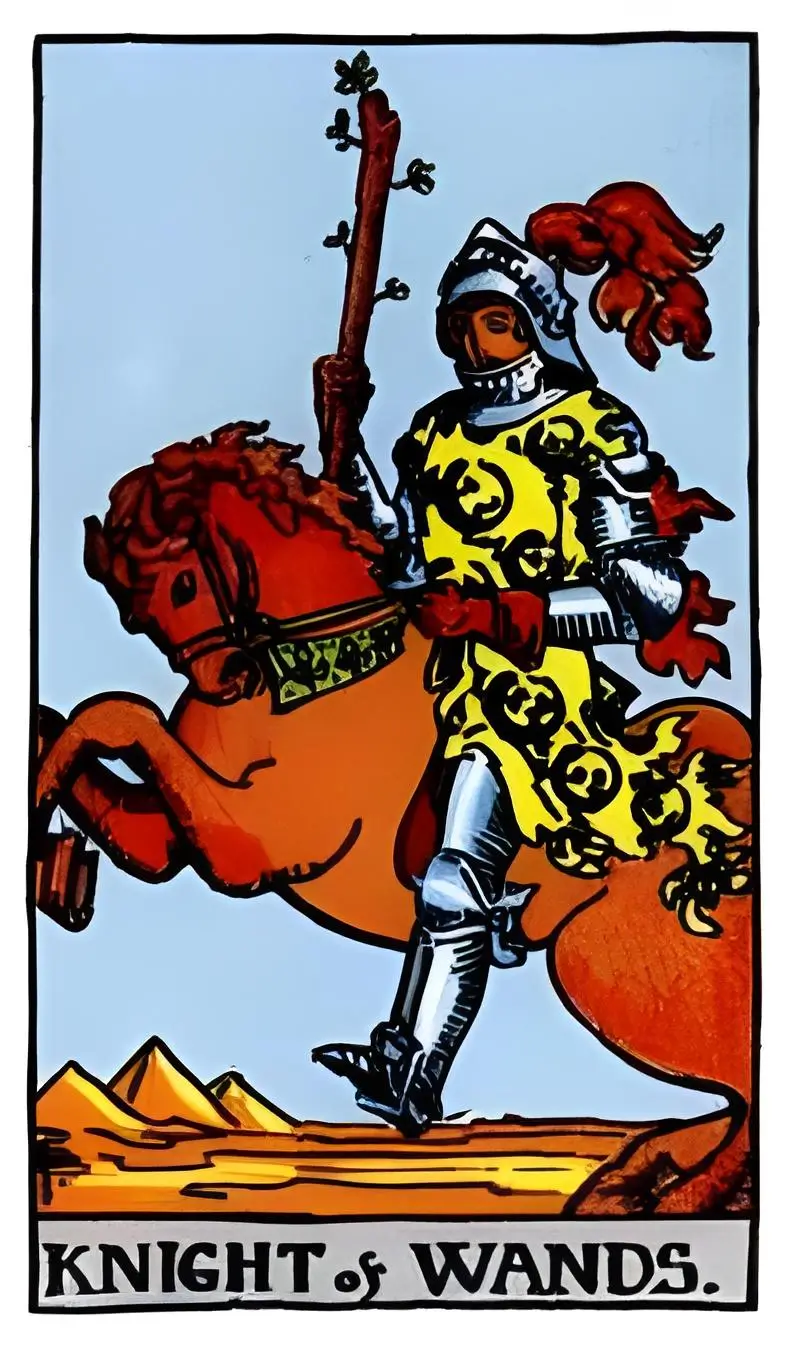
Courts carry no number, so there is no quintessence and the rank sets how the ending is handled. Pages bring the new interest, study or message that appears afterwards. Knights set the speed: the Knight of Swords ends things quickly and cleanly, the Knight of Pentacles carries change out slowly with a plan for each step. Queens and Kings tend to be the steady hand through a transition. Reversed, many of them make the ending rough or rash.
Beside a card of the same number
Death carries XIII, a number no suit card shares, so the same-number pair is Death with itself: a double ending that clears more than one area of life at once, with renewal just as wide. Thirteen reduces to four, the number of The Emperor, and beside him the ending is managed, an old structure closed on purpose so a sounder one can go up.
Beside reversed cards
With Death upright, a reversed partner whose own trouble is a weight tends to improve. The reversed Devil loses its chains for good, the reversed Five of Cups turns toward the cups still standing, and the reversed Three and Nine of Swords mark the worst as past. Where the reversal takes away what the next stage needs, as with the Magician, Strength, the Ace of Pentacles or the Two of Cups, the change comes before the querent is ready.
Death with every card
Each row gives the outlook in all four states, read from Death's side: Death first, then its partner.
Harmonious
Mixed
Challenging
↑ ↑
↑ ↓
↓ ↑
↓ ↓
 Strength
An ending faced with courage: the querent lets go cleanly and starts the next stage strong.
Strength
An ending faced with courage: the querent lets go cleanly and starts the next stage strong.
 The Sun
An ending clears the way for a bright, confident phase in which the effort finally pays off.
The Sun
An ending clears the way for a bright, confident phase in which the effort finally pays off.
 Nine of Wands
One last push finishes a long, hard cycle, and the guard can come down once it closes.
Nine of Wands
One last push finishes a long, hard cycle, and the guard can come down once it closes.
 Page of Wands
An ending clears the ground, and a new interest or idea sparks in the space it leaves.
Page of Wands
An ending clears the ground, and a new interest or idea sparks in the space it leaves.
 Page of Cups
An ending is complete, and a new tender feeling or creative idea surfaces in its place.
Page of Cups
An ending is complete, and a new tender feeling or creative idea surfaces in its place.
 Five of Pentacles
An ending leaves a lean, cold stretch behind it, and help is closer than it looks.
Five of Pentacles
An ending leaves a lean, cold stretch behind it, and help is closer than it looks.
Frequently asked questions
Latest Posts
Discover the ancient wisdom of tarot cards and unlock the mysteries of your spiritual journey. Our blog is your gateway to understanding the rich symbolism, meanings, and practical applications of tarot reading.




















































