
 LV (latviešu)



Mazie Arkāni · Zobeni (Air)
Zobenu trijnieks
Pamelas Kolmanas Smitas caurdurtā sirds: atklātas sirdssāpes zem pelēka lietus, sāpīga patiesība, kas ir jāizjūt, nevis jācenšas atrisināt ar prātu.
Read the complete guide: Trīs Zobeni Tarotā: Pilnīgs ceļvedis tā simbolikai un nozīmei
Kārts īsumā
- Numeroloģija
- 3
- Elements
- Gaiss
- Astroloģija
- Saturns Svaros
- Kabalas ceļš
- Binā (Izpratne)
- Laiks
- Oktobra sākums, Svaru sezonas vidus
- Jā / Nē
- Taisnā pozīcijā nē · Apgrieztā pozīcijā virzās uz jā
Taisni
Sirdssāpes
Sēras
Nodevība
Sāpīga patiesība
Šķiršanās
Bēdas
Zaudējums
Apgriezti
Dziedināšana
Piedošana
Sāpju atlaišana
Atveseļošanās
Izlīgums
Jūtu apspiešana
Atvērta brūce
Zobenu trijnieks katrā kavā
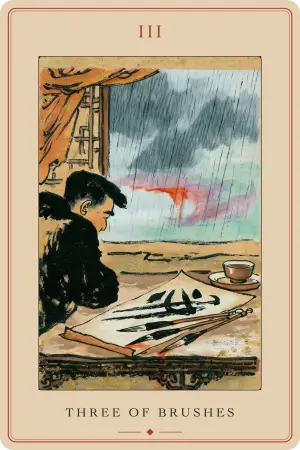
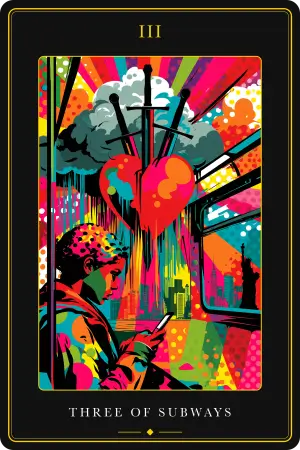
Katra kava to pašu arhetipu interpretē citādi. Salīdziniet mākslas darbus, tad atveriet kavu, lai izlasītu pilnu skaidrojumu.
Vizuālais tēls un simbolika
Starp visām ainām, ko Pamela Kolmana Smita (Pamela Colman Smith) radīja Raidera-Veita Mazajiem Arkāniem, šī ir viena no retajām, kurā nav cilvēka figūras. Viņa atstāja vienīgi brūci: lielu, vienkāršu sarkanu sirdi, ko caurdur trīs zobeni un kas karājas zem smagiem, pelēkiem lietus mākoņiem. Citu Zobenu masta kāršu tēlos māksliniece vienmēr rāda cilvēku, pozu vai novērstu skatienu. Šeit visa tā nav, tāpēc nav aiz kā paslēpties un nav ārēju apstākļu, ko vainot. Sāpēm ir ļauts būt tieši tādām, kādas tās ir.
Attēla detaļas atklājas pakāpeniski. Sirds iemieso mīlestību, jūtas un dvēseles centru, kas ir izturīgs, tomēr pilnībā atvērts dabas stihijām. Trīs zobeni pārstāv analītisko prātu, loģiku un asus vārdus: Gaisa elementu, kas simetriski un dziļi ievainojis emocionālo kodolu. Pelēkās debesis un negaisa mākoņi rada nomācošu bezcerības gaisotni, savukārt lietus vispirms vēsta par asarām un sērām, lai gan vienlaikus nes klusu attīrīšanās un atvieglojuma solījumu. Šīs kavas skaidrojumā zobeni caurdur sirdi, nevis prātu, tomēr tie simbolizē tieši prāta lomu ciešanās: stāstu par zaudējumu, tam piešķirto nozīmi un domas, kas nemitīgi atkārtojas. Tas ir šī attēla elementu paradokss, kad Gaiss ietriecas Ūdenī. Reāls notikums rada pirmo triecienu, bet atmiņu pārcilāšana un baiļu projekcijas dzen asmeņus vēl dziļāk.
Pamata nozīme
Zem šī attēla slēpjas vistiešākās sirdssāpes visā kavā: sēras, nodevība, zaudējums un asas saikņu saraušanas sāpes. Raidera-Veita kava atgādina par realitātes skarbumu un ciešanu neizbēgamību, prasot pretī iekšēju spēku notikušā izvērtēšanai un pieņemšanai bez ilūzijām. Zobeni simbolizē sāpīgu patiesību, kas pārdur jebkuru mierinošu stāstu, kurš līdz šim centies piesegt brūci. Ja skaitlis trīs parasti nozīmē izaugsmi un sintēzi, tad Zobenu mastā tas iegūst triādes graujošo pusi: uztraukumu, kritiku un sāpes.
Bieži vien kārts nāk kā tiešs patiesības vēstnesis. Asmeņi jau ir iedurti sirdī brīdī, kad tā parādās izkārtojumā; tās klātbūtne tikai apstiprina realitāti, par kuru jautātājs jau sen nojauta un no kuras centās izvairīties. Šī atteikšanās mīkstināt apstākļus ir arī tās vērtīgākā dāvana. Tiklīdz ilūzija sabrūk, paveras skaidrāks skats uz situāciju un brūce var sākt dzīt.
Nozīme taisnā pozīcijā
Taisnā pozīcijā Zobenu trijnieks vēsta par asām sirdssāpēm, pēkšņu šķiršanos, sērām, nodevību un vilšanos. Attiecībās tas ir viens no spēcīgākajiem šķiršanās, laulības sabrukuma vai galīga punkta signāliem. Darbā vai finansēs kārts norāda uz skarbu kritiku, sāpīgu zaudējumu, sliktām ziņām par kādu projektu vai negaidītiem rēķiniem. Tā aicina jautātāju atmest noliegumu un godīgi izdzīvot sāpes, nevis steigties meklēt pozitīvo pusi pirms emociju pieņemšanas.
Mīlestībā. Šķiršanās, atklāta neuzticība vai patiesība, kas pieliek punktu attiecībām. Kārts apstiprina pārdzīvojuma patiesumu un aicina jautātāju to pilnībā izsāpēt, nevis mēģināt notrulināt jūtas vai racionāli attaisnot notikušo.
Karjerā. Skarba kritika, noraidījums vai nepatīkamas ziņas par nozīmīgu darbu. Tas sāp un parasti apstiprina profesionālo realitāti, kas jau iepriekš bija daļēji nojaušama.
Finansēs. Negaidīts rēķins, finansiāls zaudējums vai nepatīkamas naudas ziņas. Kārts iesaka godīgi ieskatīties skaitļos, nevis bēgt no realitātes.
Veselībā. Ķermenī parādās reāla spriedze: spiedoša sajūta krūtīs, stresa izraisīts izsīkums vai salauztas sirds fiziskās sāpes. Asmeņu tēls var norādīt arī uz ķirurģisku operāciju vai smagu diagnozi, tāpēc ieteicams saudzēt sevi, atpūsties un meklēt profesionālu palīdzību.
Nozīme apgrieztā pozīcijā
Apgrieztā pozīcijā kārts enerģija mainās un asmeņi sāk atstāt brūci. Galvenais mūsdienu skaidrojums ir atveseļošanās un atbrīvošanās: negaisa mākoņi izklīst, asākās bēdas atkāpjas un jautātājs mostas bez pastāvīgām bailēm no sāpēm. Tas ir lēns, apzināts piedošanas darbs, piedodot pāridarītājam vai, tikpat bieži, pašam sev. Šeit pastāv arī brīdinājuma aspekts, un blakus esošās kārtis parāda konkrēto nozīmi. Sāpes var tikt apspiestas un ieslēgtas sevī, neļaujot tām dzīt, vai arī tiek uzplēsta sena, līdz galam nesadzijusi brūce. Kārts uzdod vienu būtisku jautājumu: vai zobeni nāk ārā, vai tomēr tiek virzīti vēl dziļāk?
Mīlestībā. Izlīgums, atvainošanās vai godīgs darbs, atlaižot aizvainojumu. Apgriezta kārts var arī brīdināt par pāridarījuma norakšanu sevī, nevis patiesu dziedināšanu.
Karjerā. Atgūšanās pēc neveiksmes un cerību pielāgošana realitātei. Asā vilšanās pamazām izplēn, lai gan neatrisināts rūgtums joprojām var saglabāties.
Finansēs. Pakāpeniska atgūšanās pēc zaudējumiem un stabilitātes atjaunošana ar nosacījumu, ka problēmas cēlonis tiek atrisināts, nevis ignorēts.
Veselībā. Sākas fiziska un emocionāla atlabšana, sirdij atkal atveroties cerībai. Tā joprojām brīdina par stresa apspiešanu un aicina dot jūtām iespēju izpausties.
Vēsturiskās piezīmes
Caurdurtā sirds ir daudz senāks motīvs par šo kavu. Tas atrodams ap 1490.–1491. gadu radītajā Sola-Buska taro (Sola Busca Tarot), senākajā saglabātajā pilnīgajā 78 kāršu kavā, kas iespiesta Venēcijā un bija pirmā kava ar pilnībā ilustrētiem Mazajiem Arkāniem. Tajā Zobenu trijnieks jau attēloja triju asmeņu caurdurtu sirdi, lai gan renesanses laikā šim tēlam nebija romantiskas nozīmes: tas simbolizēja klusēšanu, altruismu un brīvprātīgi uzņemtas ciešanas augstāku vērtību vārdā.
Raidera-Veita-Smitas kava bija divu cilvēku kopdarbs. Okultisma pētnieks Artūrs Edvards Veits (Arthur Edward Waite) izstrādāja kavas struktūru un pasūtīja zīmējumus; Pamela Kolmana Smita (Pamela Colman Smith) uzgleznoja visas 78 kārtis, un kava tika izdota Londonā 1909. gada decembrī (izdevniecība Rider & Company). Gatavojot ilustrācijas, Smita Britu muzejā bija redzējusi Sola-Buska kāršu izstādi, un Zobenu trijnieks ir viens no retajiem gadījumiem, kur viņa tiešā veidā pārņēma senākas kārts pamata motīvu. Gandrīz visur citur Mazajos Arkānos viņa radīja jaunas sižetiskas ainas vietās, kur senākās kavas rādīja tikai ģeometriskus masta simbolus. Viņas patiesais ieguldījums šajā kārtī bija vide: viņa atteicās no renesanses detaļām un ievietoja kailu sirdi starp pelēkiem lietus mākoņiem, nostiprinot kārts moderno nozīmi kā tīru sirdssāpju simbolu.
Ezotēriskās atbilstības
Skaitlis. Trīs parasti nozīmē izaugsmi un radošu sintēzi, taču Zobenu mastā tas vēršas pret triādes graujošo spēku: uztraukumu, kritiku un sāpēm. Tas iezīmē arī kritisko robežu, kad nepateikto vārdu spiediens beidzot pāraug lūzuma punktā.
Astroloģija. Saturns Svaros, Svaru otrais dekāns, aptuveni no 3. līdz 12. oktobrim. Saturns Svaros atrodas savā eksaltācijā, tāpēc tā ierobežojošais un karmiskais svars darbojas ar pilnu spēku, padarot sēras strukturētas un nepieciešamas, nevis nejaušas.
Elements. Gaiss, prāta un saziņas masts. Sāpes šeit ir mentāla apjausma, kas ietriecas emocionālajā ķermenī: Gaiss ietriecas Ūdenī.
Kabala. Kārts atrodas Binā (Binah), Izpratnē, kas ir trešā Sefira, Lielā Māte un formu devēja. Forma pieprasa robežas un nošķiršanu, tādēļ Binā sevī nes fundamentālas skumjas un tumšās jūras sēras.
Elementu saderība. Kā Gaisa kārts, kas ietriekusies jūtu pasaulē, tā asina un ievaino, bet tās skarbums mazinās, ja blakus esošās maigās Ūdens kārtis sniedz mierinājumu un dziedināšanu.
Psiholoģiskā perspektīva
Tā kā kārts pieder Gaisa mastam, lielā mērā tas ir prāts, kas ievaino pats sevi. Trīs asmeņi bieži simbolizē nožēlas pilnās domas par to, kā būtu vajadzējis rīkoties, kas turpina piesaistīt cilvēku sāpēm ilgi pēc paša notikuma. Kārts brīdina par šiem nebeidzamajiem prāta apļiem un pagātnes notikumu nemitīgo pārvērtēšanu. Smitas zīmējums to skaidri parāda krāsās: zobeni ieduras sirdī, taču tie ir intelekta instrumenti, tāpēc lasījums liek izvērtēt, vai jautātāja paša reakcijas un sliktāko scenāriju iztēlošanās nedzen asmeņus vēl dziļāk.
Mūsdienu praksē kārts kalpo kā atļauja izjust sāpes. Pretstatā kultūrai, kas prasa tūlītēju pozitīvā saskatīšanu, tā apstiprina tiesības vienkārši pārdzīvot bēdas un pretojas steigai atrast mācību pirms jūtu patiesas izdzīvošanas. Tā pārvērš sirdssāpes no pasīva upura stāvokļa aktīvā sastapšanās brīdī ar realitāti: nosauciet patiesību vārdā, sajūtiet to tur, kur patiešām sāp, un tad apzināti novērsiet prātu no fiksācijām, nevis turieties pie aizvainojuma. Secīgā lasījumā tā sagrauj Zobenu divnieka aizsieto acu noliegumu, un tam sekojošā skaidrība, lai cik sāpīga, ir visa procesa galvenā jēga.
Zobenu trijnieks dažādās kavās
Salīdzinājumā ar citām tradīcijām Raidera-Veita-Smitas kārts ir vistiešākā. Sarkanā sirds, trīs zobeni un pelēkais lietus padara sirdssāpes saprotamas no pirmā acu uzmetiena, bez sarežģītām šifrētām shēmām, ko mēdz pievienot ezotēriskās kavas.
Tota (Thoth) kava izvēlas pretēju ceļu. Lēdija Frīda Herisa (Lady Frieda Harris) sirds vietā novietoja baltu rozi, dvēseles atvēršanās un Veneras mīlestības simbolu, parādot to vardarbīgi caurdurtu un kaisot ziedlapiņas pār tumšu, kristalizētu jūru. Centrālais zobens ar Zālamana spalu slejas smags un taisns, kamēr divi izliekti asmeņi triecas iekšā no sāniem; Kroulijs šo kārti nosauca vienkārši par "Bēdām" (Sorrow), iezīmējot pasaules sāpes, kas caurauž visu materiālo realitāti. Modernās kavas biežāk pievēršas sekām, nevis pašam triecienam. Robina Vuda taro (Robin Wood Tarot) rāda tēlu ar aizsietām acīm, kurš meditē ar malā noliktiem zobeniem, savukārt Elenas Kenones Rīdas (Ellen Cannon Reed) kava pārvērš trīs zobenus par vārtiem, caur kuriem iziet, padarot sāpes par slieksni, nevis galamērķi. Ceļotāja taro (Voyager Tarot) šo kārti pat pārdēvē par "Radošumu" (Creativity), uzsverot izaugsmi, kas var sekot sagrautai paradigmai. Pretstatā visām šīm versijām Smitas izvēle izceļas ar lakonismu: viena sirds, trīs asmeņi un lietus.
Kombinācijās un kontekstā
Zobenu trijnieks savu precīzo nozīmi iegūst no blakus esošajām kārtīm un novietojuma izkārtojumā. Lasot pēc Zobenu divnieka, tas ir izrāviens, kas pieliek punktu strupceļam ar aizsietajām acīm: mokoša patiesība beidzot tiek pieņemta. Karjeras vai dzīves ceļa izkārtojumā Saturna un Svaru ietekme var liecināt, ka sen lolota sapņa īstenošana prasīs pacietību un sāpīgus kompromisus, mērķi drīzāk atliekot, nevis liedzot. Maigākas Kausu masta kārtis līdzās norāda uz mierinājumu un atveseļošanos; skarbākas Zobenu kārtis turpina uzturēt brūci atvērtu.
Pozīcija izkārtojumā piešķir lasījumam skaidrību. Pagātnes pozīcijā tas norāda uz zaudējumu, uz kura pamata veidojusies tagadne. Šķēršļa pozīcijā tās ir bēdas vai rūgtums, kas bloķē ceļu uz priekšu. Kā padoms kārts aicina pārtraukt attālinātu prātošanu un ļaut sev sajust to, kas patiešām sāp. Kā iznākums tā brīdina par sāpīgu noslēgumu, lai gan lietus attēlā atgādina, ka vētra reiz pāries. Jautājumos ar atbildi "jā" vai "nē" taisnā pozīcijā kārts parasti sniedz atbildi "nē", bet apgrieztā stāvoklī, asmeņiem atstājot sirdi, tā pamazām virzās uz "jā".
Jautājumi pārdomām
- Kādu sāpīgu patiesību es jau nojaušu un no kādas pilnīgas izjušanas joprojām cenšos sevi pasargāt?
- Vai es velku zobenus ārā ar piedošanu, vai arī dzenu tos dziļāk, nemitīgi pārcilājot notikušo?
- Kurās situācijās es par savām bēdām prātoju no droša attāluma, tā vietā lai ļautu sev sajust to, kas patiešām sāp?
Vispārējā nozīme izriet no Raidera-Veita-Smita skaidrojuma, kas ir pamata atsauce Tarot Academy. Atveriet konkrētu kavu augstāk, lai iepazītos ar tās interpretāciju.
Biežāk uzdotie jautājumi
Izpētīt Taro
Jaunākie raksti
Atklājiet seno Taro kāršu gudrību un atveriet garīgās ceļojuma noslēpumus. Mūsu blogs ir jūsu vārti uz Taro lasīšanas bagātīgās simbolikas, nozīmes un praktiskās pielietošanas izpratni.




















































