
 LV (latviešu)

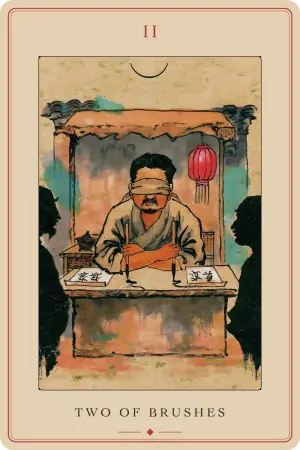
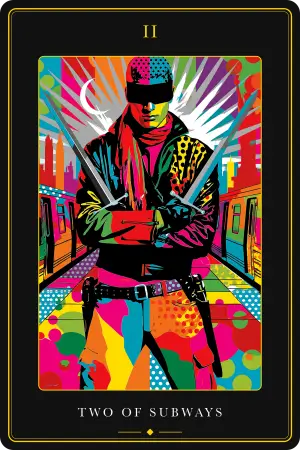


Mazie Arkāni · Zobeni (Air)
Zobenu divnieks
Sieviete ar aizsietām acīm pie sirds krusto divus asmeņus, un kava viņas nekustīgumu skaidro kā aizsardzību, nevis sakāvi.
Read the complete guide: Divu Zobenu Tarot karte: Pilnīgs ceļvedis par simbolismu un nozīmi
Kārts īsumā
- Numeroloģija
- Divi
- Elements
- Gaiss
- Astroloģija
- Mēness Svaros, pirmais dekāns (23. septembris–2. oktobris)
- Kabalas ceļš
- Hokma (Gudrība) Jecira pasaulē
- Laiks
- Svaru sezona, sākot no rudens ekvinokcijas
- Jā / Nē
- Taisnā pozīcijā vēl nē, apgrieztā pozīcijā nē
Taisni
Līdzsvars
Grūts lēmums
Neitralitāte
Aizsardzība
Objektīva analīze
Mierīga attālināšanās
Kompromiss
Pārdomas
Apgriezti
Realitātes noliegšana
Izvairīšanās no lēmumiem
Inerce
Bailes no pārmaiņām
Pašapmāns
Informācijas pārslodze
Interešu konflikts
Zobenu divnieks katrā kavā
Katra kava to pašu arhetipu interpretē citādi. Salīdziniet mākslas darbus, tad atveriet kavu, lai izlasītu pilnu skaidrojumu.
Tēlainība un simbolika
Pamela Kolmana Smita (Pamela Colman Smith) savam tēlam aizsēja acis, ko neviena senāka skaitļu kāršu tradīcija nebija darījusi. Raidera-Veita-Smita Zobenu divniekā vientuļa sieviete sēž ar diviem asiem zobeniem, kas sakrustoti pie sirds; aiz muguras plešas ūdens, bet debesīs redzams mēness sirpis. Šī kava attēlu skaidro kā līdzsvaru, mieru, aizsardzību un nošķirtību. Vienlaikus tas atklāj šīs pašas pozas skarbāko pusi: smagus lēmumus, vēsu loģiku un apspiestas emocijas.
Aizsietās acis ir kavas pirmais vēstījums. Sieviete ir noslēgusies no ārējās pasaules, lai vērstos iekšup, sekotu savām izjūtām un intuīcijai, izprotot problēmu pirms tās risināšanas. Divi sakrustoti zobeni nes divkāršu nozīmi. Tie sargā un aizsargā, veidojot barjeru pie sirds, kā arī simbolizē intelektu un loģiku, norādot, ka lēmumam jābalstās objektīvā analīzē, atbīdot jūtas malā. Abi zobeni kopā iemieso kompromisu un līdzsvaru, apliecinot, ka darbs notiek prātā. Šajā kārtī nekas netiek risināts ar fizisku spēku.
Pārējā aina iezīmē šī iekšējā darba apstākļus. Viņa sēž uz marmora sola, kas liecina par nepieejamību, izturību un vajadzību pēc vientulības pirms izvēles izdarīšanas. Viņas baltā kleita apzīmē tīrību, nevainību un nodomu patiesumu, savukārt paslēptās pēdas ietver klusu brīdinājumu: nevēlēšanos spert soli uz priekšu un bailes no pārmaiņām. Ūdens aiz muguras simbolizē emocijas un zemapziņu, kuras jāņem vērā pat tad, kad lēmumus pieņem ar asu prātu. Mazās saliņas fonā norāda, ka noslēgtas vietas veicina pārdomas, lai gan plašākā tradīcijā šie paši klinšainie rifi tiek uzskatīti par slēptiem zemūdens šķēršļiem. Skaidrās debesis virs ūdens nozīmē skaidru domāšanu un caurredzamu skatu uz situāciju, bet mierīgā jūras ainava vēsta par harmoniju. Mēness sirpis ir sievišķais spēks, intuīcija un spēja saskatīt to, ko situācija slēpj. Kalni pie horizonta apzīmē šķēršļus, kas joprojām stāv starp sievieti un viņas mērķi.
Raidera-Veita-Smita kompozīcija parāda sievieti, kura ir gatava pieņemt lēmumu, taču ir apstādinājusi jebkādu kustību: redze apzināti upurēta, sirds aizsargāta ar tēraudu, pēdas paslēptas skatienam.
Pamatnozīme
Šī kava Zobenu divnieku saista ar mirkli, kad jāizdara izvēle, bet trūkst skaidrības un nepieciešamās informācijas. Tā rezultātā rodas sastingums: divi vienlīdz derīgi varianti, biznesa strīds, emocionāls konflikts vai visas dzīves virziens, kurā nav vienkārša lēmuma. Kārts aicina izsvērt visus par un pret, saglabāt neitralitāti un rīkoties piesardzīgi.
Raidera-Veita-Smita versijas īpatnība ir tā, ka tā šo pauzi uzskata par pamatotu. Sols, vientulība, skaidrās debesis un mēness sirpis kalpo kā atbalsts domāšanai, nevis liecina par sakāvi. Kavas padoms ir novērtēt nogaidīšanas brīdi, izmantojot to faktu apkopošanai un iespējamo seku iztēlošanai. Vienlaikus tiek nosprausta robeža: neizlēmība nedrīkst pāraugt stagnācijā. Ir svarīgi pārvarēt inerci un rīkoties izlēmīgi, kad pienācis īstais brīdis.
Kārts brīdina par divām kļūdām vienlaikus: sasteigts lēmums būs nepārdomāts, bet, pārāk ilgi turot acu aizsēju, uzvarēs paslēpto pēdu bailes.
Nozīme taisnā pozīcijā
Taisnā pozīcijā kārts iezīmē kritisku izvēles brīdi, kurā tiek saglabāta apzināta neitralitāte. Kava apraksta cilvēkus, kuri prot noteikt robežas, līdzsvaro iekšējās vajadzības ar ārējām un saglabā prāta skaidrību sarežģītos apstākļos. Viņi bieži kļūst par starpniekiem citu strīdos, jo spēj uzklausīt abas puses bez aizspriedumiem. Risiniet konfliktus ar diplomātiju un iecietību, izvērtējiet jautājumu no dažādiem skatpunktiem un tikai tad pieņemiet lēmumu.
Mīlestībā. Izvēle starp diviem partneriem vai nepieciešamība tikt skaidrībā par savām jūtām pret pašreizējo. Spēcīgas emocijas pastāv līdzās nevēlēšanās rīkoties. Kārts norāda uz nenoteiktību, sastingumu un izvairīšanos no patiesības, aicinot uz atklātību, godīgumu un savu patieso jūtu pārvērtēšanu.
Karjerā. Sarežģīts lēmums darbā, kas pieprasa līdzsvaru un īslaicīgu mieru pirms svarīga soļa. Gaidāmas sarunas, izvēle starp diviem projektiem vai pretrunīgi sadarbības piedāvājumi. Pilnveidojiet konfliktu risināšanas prasmes, meklējiet abpusēju kompromisu un pirms galīgā soļa iedziļinieties detaļās. Šis ir izvērtēšanas laiks.
Biznesā. Lēmumi, kas prasa dziļu analīzi, bieži starp divām pievilcīgām stratēģijām ar būtiskiem ieguldījumiem abās pusēs. Kārts simbolizē arī aizsardzību: pasargājiet to, kas jau sasniegts, un nesteidzieties ar jauniem riskiem. Paļaujieties uz loģiku un racionalitāti, jo emocijas šobrīd nav drošs padomdevējs.
Finansēs. Līdzsvars, kā arī neizlēmība un kavēšanās. Šis ir plānošanas un izvērtēšanas posms, kur jāsaskaņo ienākumi ar izdevumiem vai jāizvēlas starp divām investīcijām. Var būt pienācis laiks nozīmīgam finanšu lēmumam, taču vispirms nepieciešama rūpīga analīze, lai pamanītu iespējamos riskus.
Veselībā. Būtisks lēmums par ķermeni: izvēle starp aprūpes stratēģijām, fiziskās formas iespējām vai sabalansētāku dzīvesveidu. Samērojiet savas vēlmes ar organisma robežām. Kava brīdina par kļūdu nošķirt jutekliskumu no saprāta vai skaistumu no funkcionalitātes, izvirzot līdzsvaru veselības centrā.
Nozīme apgrieztā pozīcijā
Apgrieztā pozīcijā kārts vēsta par izvairīšanos. Kava to pauž tieši: atteikšanās izlemt, realitātes noliegšana un ērtas ilūzijas izvēle patiesības vietā. Virsroku gūst bailes no sekām, izvēle šķiet tik biedējoša, ka rada paralīzi, un problēmas ignorēšana kļūst par aizsardzības mehānismu. Iekšējie un ārējie spēki zaudē līdzsvaru, līdzīgi kā loģika un emocijas. Padoms ir saņemties, ieklausīties intuīcijā un pieņemt, ka pat visrūpīgāk izsvērts lēmums prasa soli nezināmajā.
Mīlestībā. Aizvērtas acis uz problēmām, kamēr šaubas pieņemas spēkā. Dziļš noliegums un spītīga nevēlēšanās risināt jautājumus var novest pie šķiršanās vai tuvības zuduma, īpaši tad, ja domstarpības tiek noklusētas. Kārts atklāj plaisu starp sirdi un prātu.
Karjerā. Grūtības izšķirties vai tieša atteikšanās pieņemt lēmumu. Trūkst informācijas pareizai izvēlei, pārņem bezpalīdzības sajūta vai tiek pieņemts sasteigts un neefektīvs lēmums. Realitātes noliegšana un izvairīšanās no atbildības darba vidē rada konfliktus un apdraud projektus.
Biznesā. Domstarpības, interešu konflikti un sajūta, ka kontrole ir zaudēta. Neatrisinātie jautājumi krājas kaudzē. Spēles noteikumi mainās, radot diskomfortu un apjukumu. No dažiem plāniem var nākties atteikties, lai atbrīvotu resursus turpmākajai attīstībai.
Finansēs. Konflikti, bloķēta naudas plūsma un stagnācija, ko pavada nevēlēšanās vai nespēja pieņemt lēmumu. Kārts brīdina par neveiksmīgi ieguldītiem līdzekļiem un ievilktām sarunām. Šobrīd nepieciešama īpaša piesardzība ar jebkādiem ieguldījumiem.
Veselībā. Ķermeņa vajadzību pārpratums vai nevērība pret tām, iestrēgšana lēmumu pieņemšanas posmā un haotiska pieeja veselībai. Līdzsvars tiek izjaukts, ja vienam aspektam tiek veltīta visa uzmanība, bet cits paliek novārtā.
Vēsturiskās piezīmes
Sieviete ar aizsietām acīm nav sens tēls. Marseļas taro (Tarot de Marseille) Zobenu divnieks (Deux d'Épées) ir neilustrēta skaitļu kārts: divi liekti, jatagānam līdzīgi asmeņi, kas ietver ziedu motīvu, kā tas redzams Žana Noblē (Jean Noblet) kavā ap 1650. gadu. Marseļas lasītāji to uztvēra tieši, kā atelpu un atvieglojumu, pauzi cīņā, nevis psiholoģisku mezglu; atsevišķās franču tradīcijās apgrieztā pozīcijā tā nozīmēja strukturālu pretrunu vai pašiznīcinoša cikla sākumu.
Smita ainu uzzīmēja 1909. gadā Artūra Edvarda Veita vadībā. Mazo Arkānu izveidē viņa aizguva pilnībā ilustrētu skaitļu kāršu ieceri no 15. gadsimta itāļu Sola Busca kavas, apvienojot to ar Zelta Rītausmas ordeņa astroloģiskajām un Kabalas atbilstībām, kā arī franču okultistu Elifasa Levi (Éliphas Lévi) un Žana Batista Pituā (Jean-Baptiste Pitois) darbiem. Zelta Rītausmas ordenis kārtij bija devis nosaukumu "Atjaunotā miera valdnieks", ar to saprotot atgriešanos pie līdzsvara pēc cīņas. Aleisters Kroulijs (Aleister Crowley) iebilda, ka vārds "atjaunots" nav precīzs, jo kārts sakņojas Hokmas Sefirā, pirmajā spēka izpausmē, kur nekas vēl nav ticis izjaukts. Viņš to pārdēvēja par "Mieru" un norādīja uz iekšējo pretrunu: zobens pēc savas dabas ir ierocis, tādēļ šis miers ir nospriegots sastingums, kas pastāvīgi draud pārtrūkt.
Ezotēriskās atbilstības
Skaitlis. Divi, dualitātes un opozīcijas, garīgā un fiziskā līdzsvara, kā arī paritātes un simetrijas skaitlis. Numeroloģijā tas no vienas puses iemieso harmoniju, savienību un partnerību, bet no otras nes šaubas, vilcināšanos un apjukumu. Zobenu mastā, kas saistīts ar domāšanu un intelektu, divnieks iezīmē konfliktu starp loģiku un intuīciju, prātu un emocijām.
Astroloģija. Mēness Svaros. Caur Svariem kārts norāda uz diplomātiju un līdzsvara meklējumiem, zīmi, kas tiecas pēc miera, redz abas puses un izprot kompromisu. Tā pārvalda Svaru pirmo dekānu (aptuveni 23. septembris–2. oktobris), kas prasa lēmumu, kurā ņemta vērā plašāka perspektīva. Mēness piešķir jūtīgumu, emocionalitāti un pārvalda iekšējo pasauli, tādēļ izvēle nes līdzi emocionālu svaru. Harmonijā Mēness palīdz atrisināt iekšējos konfliktus, bet disharmonijā rada nedrošību un svārstīšanos.
Elements. Gaiss, kas saistīts ar domāšanu, komunikāciju, idejām un prāta procesiem. Tas iezīmē intelektuālu aktivitāti un lēmumu pieņemšanu; tā kā Gaiss pēc dabas ir kustīgs, kārts līdzsvars nekad nav pilnīgi nekustīgs.
Kabala. Hokma (Gudrība), otrā Sefira Jecira (Yetzirah) pasaulē, kas ir Gaisa un prāta veidojošā pasaule. Atrodoties tik augstu Dzīvības kokā, masta ierastais cīņas gars tiek neitralizēts pirmskonflikta līdzsvarā.
Elementu mijiedarbība. Būdama Gaisa kārts, tā uztur divu spēku spriedzi un atstāj tos neatrisinātus, mēdzot nobremzēt apkārtējo kāršu dinamiku, kamēr nav izdarīta izvēle.
Psiholoģiskais skatījums
Raidera-Veita-Smita attēls ataino prātu, kas pats sevi aizsargā. Zobeni ir sakrustoti pie sirds, nevis pacelti cīņai, un kava to skaidro kā aizsardzību un nošķirtību, nevis tiešu konfliktu. Cilvēks šeit uztur mieru, noslēdzoties no ārējās informācijas.
Reičela Polaka (Rachel Pollack) grāmatā "Septiņdesmit astoņi gudrības grādi" (Seventy-Eight Degrees of Wisdom) šo stāvokli raksturoja kā iestrēguma sajūtu, uzturot trauslu līdzsvaru caur atteikšanos risināt grūtāko jautājumu. Slazds slēpjas tajā, ka vilcināšanās šķiet neitrāla. Tā nav. Izvairīšanās no izvēles pati par sevi ir lēmums, turklāt parasti sliktāks par to, no kura tiek bēgts. Taro praktiķi to skaidro ar pašu attēlu: ja sieviete paliek sēžam krastā bezgalīgi, paisuma vilnis viņu aizskalos, un lēmumu pieņems citi cilvēki pēc savām vērtībām.
Paslēptās pēdas atklāj šī stāvokļa personīgo dabu. Kava tās skaidro kā nevēlēšanos virzīties uz priekšu un bailes no pārmaiņām, kas atšķiras no vienkārša apjukuma. Apjukums izklīst, iegūstot papildu informāciju. Bailes tā neizzūd, un šeit izpaužas kārts nozīme veselībā: apspiestas emocijas un trauksme uzkrājas ķermenī, pārvēršoties fiziskos simptomos, tādēļ izeja ir atklāta saruna un ievainojamības pieņemšana, ko nevar panākt ar analīzi vien.
Zobenu divnieks dažādās kavās
Salīdzinājumā ar citām tradīcijām Raidera-Veita-Smita pieeja izskatās mērķtiecīga. Marseļas taro attēlo divus izliektus zobenus ap ziedu motīvu bez cilvēka klātbūtnes, interpretējot to kā atelpu un pauzi konfliktā. Smita ieviesa cilvēka figūru un līdz ar to aizsietās acis, sargāto sirdi un paslēptās pēdas, kas šo versiju padara psiholoģisku, kamēr senākās kārtis palika ārējo apstākļu līmenī.
Tota (Thoth) kava dodas pretējā virzienā. Kroulijs un Frīda Herisa (Frieda Harris) cilvēka tēlu aizstāja ar sakrālo ģeometriju: divi zobeni krustojas pieclapu zilas rozes centrā, virs tiem uz dunča balansē Mēness, zem tiem uz dunča Svari, bet zobenu balstus rotā baloži un ceļos noslīkuši eņģeļi. Piecas ziedlapiņas simbolizē ebreju burtu He un dievišķo sievišķību, kas mīkstina aso mastu, kamēr nemanāmi vējdzirnavu spārni aiz miera virskārtas liecina par prāta nepārtraukto darbību. Mūsdienu kavas turpina pārveidot šo pašu motīvu. Light Seer's Tarot tēlu novieto tiešās krustcelēs zem tumšām debesīm ar diviem Odina kraukļiem, kur Hugins (doma) un Munins (atmiņa) velk pretējos virzienos. Hezicos Tarot izvēlas optimistiskāku skaidrojumu un rāda divus ceļus, kas saplūst vienā, atainojot divas puses, kuras atrisinājušas savas domstarpības.
Starp visām šīm interpretācijām Raidera-Veita-Smita kārts ir vienīgā, kas liek lūkoties sejā, kura nespēj atbildēt ar skatienu.
Kombinācijās un kontekstā
Šīs kārts statiskā enerģija viegli pakļaujas kaimiņu kāršu ietekmei. Līdzās kārtij Pasaule tā norāda uz attiecībām nozīmīgā pagrieziena punktā, kur iespējama cieša savienība, taču viens vai abi partneri vilcinās un iestrēgst pie pēdējā soļa. Kopā ar Pentaklu trijnieku tā ataino partnerību, kas ārēji funkcionē, kamēr emocionāls bloks vai neizdarīta izvēle kavē patiesu progresu. Blakus Zobenu astotniekam abu kāršu ietekme pastiprinās: cilvēks jūtas pilnībā iesprostots un paša domu paralizēts, bieži vien pārprasta pienākuma vai baiļu kādu sāpināt dēļ.
Citas kaimiņu kārtis šo sastingumu kliedē. Līdzās kārtij Saule patiesība nāk gaismā neatkarīgi no tā, cik cieši apsiets acu aizsegs, un noliegums vairs nespēj noturēties. Taro praktiķi šo kārti salīdzina arī ar Kausu četrinieku, jo abas noslēdzas no ārējās pasaules. Atšķirība slēpjas elementos: Gaiss atkāpjas apzināta lēmuma dēļ, noslēdzoties analīzei, savukārt Ūdens atkāpjas apātijas vai spēku izsīkuma dēļ.
Laika jautājumos kārts norāda uz Svaru sezonu un rudens ekvinokciju. Jautājumos ar atbildi "jā" vai "nē" tā reti dod viennozīmīgu atbildi. Ierastais vērtējums ir "vēl nē", aicinājums atkāpties soli atpakaļ un noskaidrot trūkstošo, paturot prātā brīdinājumu, ka nogaidīšana nedrīkst pārvērsties par pastāvīgu bēgšanu no atbildības.
Jautājumi pārdomām
- Šajā attēlā manas pēdas ir paslēptas. Pretim kam es nevēlos spert soli, un vai tas ir apjukums vai tomēr bailes?
- Acu aizsēju uz šīs kārts sieviete uzlika pati. Kādi fakti jau ir manā rīcībā, kurus es joprojām atsakos likt lietā?
- Ja es palikšu sēžam uz šī sola vēl mēnesi, kurš pieņems lēmumu manā vietā un pēc kādām vērtībām?
Vispārējā nozīme izriet no Raidera-Veita-Smita skaidrojuma, kas ir pamata atsauce Tarot Academy. Atveriet konkrētu kavu augstāk, lai iepazītos ar tās interpretāciju.
Biežāk uzdotie jautājumi
Izpētīt Taro
Jaunākie raksti
Atklājiet seno Taro kāršu gudrību un atveriet garīgās ceļojuma noslēpumus. Mūsu blogs ir jūsu vārti uz Taro lasīšanas bagātīgās simbolikas, nozīmes un praktiskās pielietošanas izpratni.




















































