
 LV (latviešu)



Mazie Arkāni · Zobeni (Air)
Zobenu četrinieks
Pamelas Kolmanas Smitas bruņinieks, kurš atveidots kapakmens skulptūrā un atpūšas zem miera vitrāžas, kamēr virs viņa gaida trīs zobeni.
Read the complete guide: Tarot kārts "Četri zobeni": Visaptverošs ceļvedis tās simbolikai un nozīmei
Kārts īsumā
- Numeroloģija
- 4
- Elements
- Gaiss
- Astroloģija
- Jupiters Svaros (trešais dekāns)
- Kabalas ceļš
- Hesed (Žēlsirdība)
- Laiks
- Trešais Svaru dekāns, oktobra vidus līdz beigas
- Jā / Nē
- Taisnā pozīcijā vēl ne, apgrieztā pozīcijā nē
Taisni
Atpūta
Atgūšanās
Vientulība
Meditācija
Pārdomas
Iekšējais līdzsvars
Atveseļošanās
Patvērums
Apgriezti
Izdegšana
Nemiers
Bezmiegs
Atmoda
Piespiedu atpūta
Stagnācija
Izvairīšanās
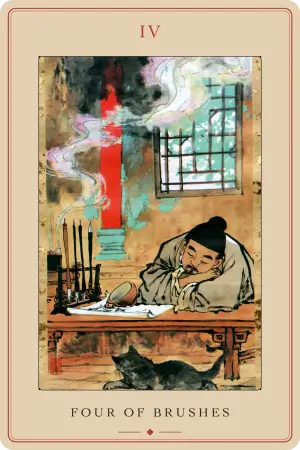
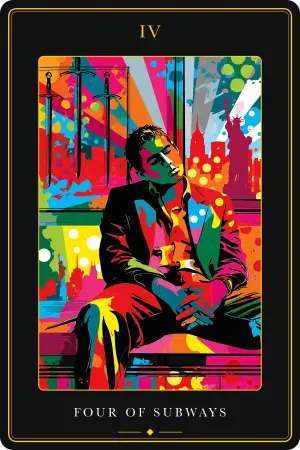
Zobenu četrinieks katrā kavā
Katra kava to pašu arhetipu interpretē citādi. Salīdziniet mākslas darbus, tad atveriet kavu, lai izlasītu pilnu skaidrojumu.
Tēlainība un simbolika
Pamela Kolmana Smita (Pamela Colman Smith) Zobenu četriniekam piešķir kapa pieminekļa veidolu, taču kārts būtība slēpjas faktā, ka šis miers ir tikai šķietams. Bruņinieks pilnā bruņojumā guļ izstiepies uz akmens kapa klusā baznīcā, rokas salicis lūgšanā pie krūtīm. Viņš ir iegremdēts atpūtā, nevis guldīts mūža mierā, sastingstot mierīgā pozā. Telpu veido pelēks akmens un ēnas, un vienīgais gaišais akcents attēlā ir vitrāžas logs augšējā kreisajā stūrī.
Zobenu izvietojums ir rūpīgi nolasāms simbols, kas sniedzas tālāk par vienkāršu skaitīšanu. Trīs zobeni karājas pie sienas virs viņa, asmeņu galiem pavērstiem uz leju pret viņa galvu un ķermeni. Šajā kavā tiem ir divējāda nozīme: tie brīdina par briesmām, bažām un neatrisinātiem konfliktiem, kas vēl gaida savu kārtu, un vienlaikus stāv sardzē pār viņu, iezīmējot šo telpu kā vietu pārdomām un nākamajiem soļiem. Ceturtais zobens guļ horizontāli līdzās kapam zem viņa, simbolizējot mieru, stabilitāti un pazemību. Tas var norādīt uz mentālo noturību, kas vajadzīga problēmu risināšanai, vai arī uz vēl neatrisinātu jautājumu sakni.
Logs ir vieta, kur šīs kavas vēstījums iegūst īpašu maigumu. Smita attēlo stāvošu un ceļos nometušos figūru, un stāvošās figūras nimbu rotā latīņu vārds PAX (miers). Ieskatoties tuvāk, tajā bieži saskata sievieti ar bērnu: mājas siltumu un drošību, mātes un bērna saikni, atgriešanos pie mātišķa mīļuma pēc grūta dzīves posma. Veita loks vitrāžu uzskatīja par dvēseles spoguli, kurā cilvēks ielūkojas, lai labāk izprastu sevi. Jebkurā gadījumā tā apliecina, ka atelpa ir pamatota un ka pēc tās sekos atveseļošanās.
Pamatnozīme
Kārts galvenā funkcija šajā kavā ir apzināta atkāpšanās no aktivitātēm, lai sakārtotu domas un jūtas. Raidera-Veita-Smita Zobenu četrinieks iezīmē pāreju uz jaunu izpratnes līmeni, taču uzsver, ka atgūšanās un pārdomas ir pirmajā vietā. Bruņinieks nav sakauts; viņš atgūst spēkus.
Straujajā un asajā Gaisa mastā šī ir kārts, kas apstādina kustību. Zelta Rītausmas ordenis to nodēvēja par "Atpūtas valdnieku pēc cīņas" (Lord of Rest from Strife), un šī nosaukuma žēlsirdība ietver visu vēstījumu: nogurušam prātam tiek dota stabila telpa atpūtai. Universālais atpūtas arhetips šeit ir skaidrs, taču šī kava īpaši uzsver domu kontroli un iekšējā līdzsvara saglabāšanu. Klusums un miers šeit ir disciplīna, ko bruņinieks praktizē apzināti, nevis piespiedu bezspēcība.
Nozīme taisnā pozīcijā
Taisnā pozīcijā Raidera-Veita-Smita Zobenu četrinieks aicina apstāties un atgūties pēc sarežģīta posma. Kārts mudina atslābināties, atjaunot enerģiju un izvērtēt notiekošo, lai nepārslogotu sevi pieaugoša stresa apstākļos. Izmantojiet šo pauzi meditācijai, klusām pārdomām vai vienkāršai atpūtai un ieklausieties sava ķermeņa signālos. Galvenais uzdevums ir sakopot spēkus un rūpīgi pārdomāt situāciju pirms tālākas rīcības.
Mīlestībā. Laiks apstāties, sakārtot jūtas un saprast, kādā stāvoklī attiecības patiesībā atrodas. Abiem partneriem ieteicams dot sev telpu, lai apdomātu savas vēlmes un kopsolī virzītos uz priekšu. Vientuļiem cilvēkiem tā norāda uz nepieciešamu pauzi no romantikas, lai labāk izprastu sevi pirms jaunu attiecību meklējumiem.
Karjerā. Atkāpieties soli atpakaļ un dodiet vietu plānošanai un dziļākai analīzei. Pārskatiet stratēģiju, izsveriet jaunas idejas un izmantojiet mierīgāko posmu mācībām vai prasmju pilnveidošanai. Ja projekts sasniedzis nozīmīgu posmu, novērtējiet paveikto un atjaunojiet resursus pirms nākamā cēliena.
Finansēs. Stabils posms, kurā labāk piebremzēt, atturoties no liekas steigas. Atlieciet lielus pirkumus un ieguldījumus, rūpīgi sekojiet situācijai, sargājiet kapitālu un izmantojiet klusumu budžeta pārskatīšanai un ilgtermiņa plānošanai, izvairoties no impulsīviem lēmumiem.
Veselībā. Miegs, klusums un lēnāks dzīves temps ir labākās zāles. Ķermenis prasa atpūtu, tāpēc dodiet priekšroku maigākām aktivitātēm, piemēram, jogai vai pastaigām, par prioritāti izvirziet miegu un laiku svaigā gaisā, un uztveriet atveseļošanos kā šī brīža galveno uzdevumu.
Nozīme apgrieztā pozīcijā
Apgrieztā pozīcijā kapa sargājošā robeža sabrūk un atpūta vairs nedod spēkus. Visbiežāk tas norāda uz ilgstošu spēku izsīkumu, kas pāraug izdegšanā, ignorējot nepieciešamību apstāties un turpinot dzīties pēc darba mērķiem. Pieaug trauksme, patiesa vienatne tā arī netiek piedzīvota, un galvenā problēma kļūst enerģijas trūkums un novārtā atstāta veselība. Otrs skaidrojums ir atmoda: dziedināšanās periods ir noslēdzies, un ir pienācis laiks pacelt zobenus un atgriezties pasaulē.
Mīlestībā. Nemitīga kustība bez atpūtas iztukšo vienu vai abus partnerus neatrisinātu jautājumu, personiskās telpas trūkuma vai pārāk strauja dzīves ritma dēļ. Tas var izpausties kā saziņas grūtības un nevēlēšanās atklāties. Tikai atklātība spēj atgriezt skaidrību.
Karjerā. Izdegšana atpūtas trūkuma dēļ vai pretējs slazds: pārlieka vilcināšanās, atbildības neievērošana un atlikti lēmumi, kas ļauj uzkrāties problēmām un palaist garām iespējas. Pārraujiet stagnāciju un atkal uzņemieties aktīvu lomu.
Finansēs. Bažas un naudas grūtības pēc pārmērīga enerģijas un resursu patēriņa. Kontrole pār situāciju zūd, un jūs varat tikt piespiesti rīkoties nepārdomāti, saskaroties ar līdzekļu trūkumu vai vajadzību pēc aizdevuma. Uztveriet finanšu sarežģījumus nopietni, pirms tie samilzt.
Veselībā. Pārpūle un izsīkums no pārmērīgas slodzes un nepietiekamas atpūtas, kas izpaužas kā bezmiegs, traucēts miegs, pazemināta imunitāte un pašsajūtas pasliktināšanās. Kārts prasa saudzīgāku attieksmi pret ķermeni un reālu laiku atveseļošanai.
Vēsturiskās piezīmes
Pamela Kolmana Smita (Pamela Colman Smith) Zobenu četrinieku uzzīmēja 1909. gadā Artūra Edvarda Veita (Arthur Edward Waite) vadībā, un kavu Londonā pirmo reizi izdeva apgāds "Rider & Company". Kapa ainas iedvesma gandrīz droši nāk no baznīcas kapa pieminekļiem Vinčelsijā (Winchelsea), netālu no Rajas Anglijā, kur Smita pavadīja laiku kopā ar aktrisi Elenu Teriju (Ellen Terry). Šī pati ainava veidoja viņas 1903. gada ilustrāciju "Sirds vēlēšanās kalns" (The Hill of Hearts Desire), kas bija priekšvēstnesis tēliem, ko viņa vēlāk radīja taro kārtīm. Bruņinieka poza balstās uz viduslaiku nakts nomoda tradīciju, vientuļas lūgšanas nakti, ko bruņinieks pavadīja pirms iesvētīšanas vai kaujas, kas šo kārti parāda kā garīgas sagatavošanās simbolu.
Taro pētnieku vidū populārs skaidrojums saista šo ainu ar Pentaklu trijnieku. Tajā redzami amatnieki, kas ceļ katedrāli, un teorija vēsta, ka baznīca ar šo kapu ir tā pati ēka pēc pabeigšanas. Saskaņā ar šo versiju katedrāli kā ziedojumu licis uzcelt skaidrā prāta Zobenu karalis, lai godinātu kritušo Zobenu bruņinieku, kura tēls tagad atveidots kapakmenī. Tas masta vēso loģiku vērš līdzjūtības virzienā, piešķirot dusošajam tēlam konkrētu vārdu un personisku stāstu.
Atbilstības
Skaitlis. Četri ir stabilitātes, kārtības un struktūras enerģija, kas šīs kavas numeroloģijā attēlota kā kvadrāts, kura malas uztur līdzsvaru. Tas simbolizē kontroli, disciplīnu un stabilu pamatu: pauzi un pārvērtēšanu, kas nepieciešama pēc pirmajiem trim soļiem pirms nākamā cēliena.
Astroloģija. Jupiters, kas pārvalda Svaru trešo dekānu (aptuveni no 13. līdz 22. oktobrim). Svari ir kardinālā Gaisa zīme, kas iemieso līdzsvaru, atturību un mērenību, bet Jupiters nes paplašināšanos un augstāko gudrību, tāpēc šis dekāns iezīmē dabas filozofa patiesības meklējumus un apzinātu mieru pirms rīcības.
Elements. Gaiss, domu, uztveres un komunikācijas masts. Četrinieks šo straujo elementu neierasti apstādina, aicinot uz dziļākām, objektīvākām pārdomām.
Kabala. Kārts atrodas Sefirotā Hesed (Žēlsirdība), ceturtajā sfērā un pirmajā stabilajā punktā zem Bezdibeņa, prāta veidošanas pasaulē Jecira (Yetzirah). Tā ir žēlsirdīga, strukturēta atelpa nogurušam intelektam, kādēļ Zelta Rītausmas ordenis to nosauca par atpūtu pēc cīņas.
Elementu mijiedarbība. Būdama stabilizēta Gaisa kārts, tā nomierina blakus esošās kārtis un veido spriedzi ar straujām, spēcīgām kārtīm, kas censtos pārtraukt pamieru pirms atpūtas beigām.
Psiholoģiskā perspektīva
Šajā kavā bruņinieks ir tēls cilvēkam, kurš vienatni izmanto kā darba rīku. Viņš pēc dabas ir piesardzīgs, gatavs atlikt rīcību un distancēties no situācijas, lai izpētītu savas domas un jūtas un izprastu savu iekšējo pasauli. Iekšējais miers palīdz saglabāt līdzsvaru grūtos brīžos. Tā ir kārts veselīgā puse.
Īpaši spilgti tā kontrastē ar Zobenu deviņnieku. Ja deviņnieks ir pusnakts trauksme un pret sevi vērsts prāts, tad četrinieks ir šo pašu nemierīgo domu apzināta nomierināšana un loģika, kas remdē bailes. Ja deviņnieks ir bezmiegs, tad četrinieks ir spēkus atjaunojošs miegs. Tomēr pastāv arī ēna, kuru vērts paturēt prātā. Atpūta var pāraugt atteikumā pamest komforta zonu, patvērumam kļūstot par paša uzceltu cietumu, kas slēpj mentālu slinkumu. Patiess jautājums šeit ir par to, vai pauze patiešām atjauno spēkus, vai tikai kalpo par attaisnojumu izvairībai.
Zobenu četrinieks dažādās kavās
Dažādas tradīcijas šo pašu atelpu atklāj atšķirīgās noskaņās, un šis skaidrojums balstās Raidera-Veita-Smita tēlā: bruņinieks uz kapa, trīs zobeni virs viņa un viens zem viņa, un miera vitrāža augšā. Šis naratīvais uzstādījums ir pašas Smitas ieguldījums, tādēļ šī kārts nes stāstu tur, kur senākas kavas rādīja tikai ornamentu.
Marseļas taro (Tarot de Marseille) cilvēku figūru nav vispār. Četri zobeni savijas mierīgā, simetriskā rakstā, veidojot aizsargājošu robežu, kas atpūtu rāda kā apzināti uzceltu aizsardzību pret ārējām prasībām. Kroulija-Tota (Thoth) kavā Alisters Kroulijs (Aleister Crowley) un lēdija Frīda Herisa (Lady Frieda Harris) kārti nodēvēja par "Pamieru" (Truce) un atgriezās pie ģeometrijas: četri zobeni ar asmeņu galiem satiekas zaļā četrdesmit deviņu ziedlapu rozē, veidojot Svētā Andreja krustu virs haotiskām dzeltenām mentāla nemiera līnijām. Kroulijs to saistīja ar Pirmā pasaules kara Ziemassvētku pamieru, mieru, kas uzspiests no augšas un tādēļ ir trausls, jo Gaiss pretojas skaitļa četri mieram. Mūsdienu kavas parasti saglabā Smitas pieeju prāta un ķermeņa vienotībai, uztverot kārti kā nepieciešamu atveseļošanos un atkāpšanos no trokšņa, vienlaikus saglabājot solījumu, ka laikus paņemta atpūta nes spēku atjaunotni pēc pamošanās.
Kombinācijās un kontekstā
Zobenu četrinieks vislabāk lasāms kā tilts starp Zobenu trijnieku un piecinieku. Trijnieks ir asa brūce, četrinieks ir atkāpšanās, lai apturētu asiņošanu un nomierinātu nervu sistēmu, bet piecinieks ir atgriešanās konfliktā un tā dārgā, tukšā uzvara. No tā izriet brīdinājums: ja atpūta šeit ir pārāk virspusēja, bruņinieks pamodīsies tikai tādēļ, lai ieietu piecinieka postošajā naidīgumā.
Blakus esošās kārtis piešķir papildu nianses. Kopā ar Vientuļnieku tā padziļinās introspekcijā, terapijā vai garīgā norobežotībā. Kopā ar Mīlētājiem tā atliek romantisku izvēli, norādot uz partneri, kurš jūt simpātijas, bet kuram vēl nav spēka rīkoties. Kopā ar Zvaigzni tā kļūst īpaši labvēlīga kā atpūta, kas ļauj notikt patiesai dziedināšanai. Kopā ar Velnu tā var nozīmēt atpūtu prom no toksiskas saiknes vai "atpūtas" izmantošanu, lai izvairītos no atbildības par kādu ieradumu. Jautājumos ar atbildi "jā" vai "nē" tā ir maigs "nē" jeb "ne tagad", izņemot gadījumus, kad jautājums ir par atpūtu vai atkāpšanos, kur kārts sniedz pārliecinošu "jā".
Jautājumi pārdomām
- Kurā cīņā es joprojām stāvu sardzē, kaut brūce sadzītu ātrāk, ja es vienkārši noliktu zobenu un ļautu tai aizvērties?
- Vai šī pauze patiešām atjauno manus spēkus, vai arī patvērums klusām kļuvis par vietu, kur slēpties no nepieciešamā riska?
- Ja vitrāžas logs kārtī ir dvēseles spogulis, ko es tajā ieraudzītu, ja apstātos pietiekami ilgi, lai patiešām ieskatītos?
Vispārējā nozīme izriet no Raidera-Veita-Smita skaidrojuma, kas ir pamata atsauce Tarot Academy. Atveriet konkrētu kavu augstāk, lai iepazītos ar tās interpretāciju.
Biežāk uzdotie jautājumi
Izpētīt Taro
Jaunākie raksti
Atklājiet seno Taro kāršu gudrību un atveriet garīgās ceļojuma noslēpumus. Mūsu blogs ir jūsu vārti uz Taro lasīšanas bagātīgās simbolikas, nozīmes un praktiskās pielietošanas izpratni.




















































