
 LV (latviešu)



Mazie Arkāni · Zobeni (Air)
Zobenu piecnieks
Pamelas Kolmanas Smitas attēlotā tukšā uzvara: uzvarētājs vāc zobenus, kamēr kaujas lauks ap viņu kļūst tukšs.
Read the complete guide: Piecu Zobenu Karte Taro: Pilnīgs Simbolikas un Nozīmes Ceļvedis
Kārts īsumā
- Numeroloģija
- 5
- Elements
- Gaiss
- Astroloģija
- Venera Ūdensvīrā, pirmais dekāns
- Kabalas ceļš
- Gevura (Bargums)
- Laiks
- Ūdensvīra pirmais dekāns, janvāra beigas
- Jā / Nē
- Taisnā pozīcijā nē, apgrieztā pozīcijā piesardzīgs nē
Taisni
Konflikts
Tukša uzvara
Negodīgs panākums
Dominēšana
Sakāve
Nesaskaņas
Agresija
Izolācija
Apgriezti
Sakāves pieņemšana
Izlīgums
Atkāpšanās
Apslēpts aizvainojums
Miers pēc konflikta
Piekāpšanās
Vaina un kauns
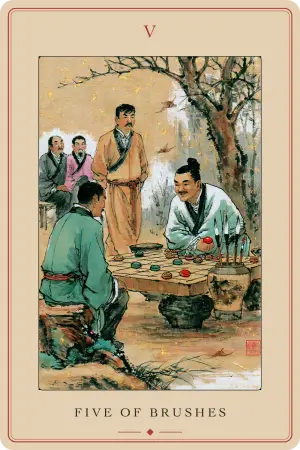
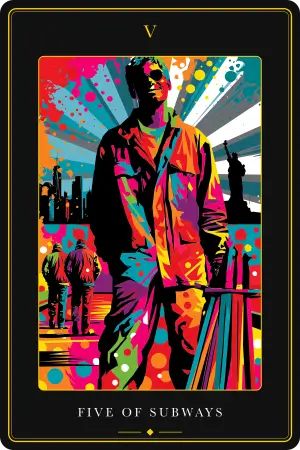
Zobenu piecnieks katrā kavā
Katra kava to pašu arhetipu interpretē citādi. Salīdziniet mākslas darbus, tad atveriet kavu, lai izlasītu pilnu skaidrojumu.
Tēlainība un simbolika
Pamela Kolmana Smita (Pamela Colman Smith) šo kārti veidoja kā nelielu teātra ainu, nevis shēmu. Viņas 1909. gada zīmējumā Artūram Edvardam Veitam (Arthur Edward Waite) piekrastes ainavā pēc kaujas priekšplānā stāv jauns vīrietis. Viņš ar pašapmierinātu vīpsnu vāc trīs zobenus, lūkodamies atpakaļ pār plecu. Aiz viņa ar noliektām galvām aiziet divas figūras, un vēl divi zobeni guļ pamesti zālē. Tā ir viena cilvēka uzvara pār diviem, panākums bez prieka, kas gūts ar smagām pūlēm un zaudējumiem.
Šīs kavas detaļas atklāj kārts dziļāko jēgu. Uzvarētājs trīs zobenus paņem negodīgā ceļā, tādēļ uzvara ir negodīga, iegūta nežēlīgā konkurencē un izmantojot citus. Viņa vīpsna rada triumfa iespaidu, taču paliek tukša: viņš jau tur trīs smagus asmeņus un nespēj visu guvumu viens pats aiznest mājās. Viņa rudie mati 20. gadsimta sākuma britu kultūras kontekstā iezīmēja strauju dabu un tieksmi uz kašķiem. Pelēkie mākoņi vēsta par tuvojošos vētru, grūtiem laikiem un neatrisinātu spriedzi. Smita tos novieto pret zilu debess strēli, kur pats kontrasts rada nestabilitātes sajūtu. Nemierīgā jūra pauž satrauktas emocijas, kur prāts ir izjaucis sirds mieru. Divas aizejošās figūras ir sakautie, kuri pagriezuši muguru uzvarētājam, simbolizējot nodevību un zaudējumu. Zemē atstātie zobeni nozīmē sabrukumu, neveiksmi un vērtību zaudēšanu, ieročus, ko nometuši cilvēki, kuri izvēlējušies cīņu neturpināt. Tukšā ainava ap uzvarētāju pauž vientulību pēc kaujas un psiholoģisko smagumu, kas gulstas uz visiem ainas dalībniekiem.
Pamatnozīme
Šajā kavā Zobenu piecnieks tiek skaidrots kā postījums, cīņa un sakāve, kas tomēr saglabā iespēju pārvarēt sarežģītu stāvokli. Tā ir uzskatāma Pīra uzvara: panākums par pārāk augstu cenu, kur uzvarētājs vāc savas trofejas un atstāj sakautos aiz muguras. Gaisa masta vidusposmā, kur skaitlis pieci sagrauj četrinieka bruņoto mieru, kārts iemieso kareivīgu intelektu un vēlmi par katru cenu paturēt taisnību. Zelta Rītausmas ordenis šo kārti dēvēja par Sakāves valdnieku (Lord of Defeat). Šī sakāve nenozīmē tikai zaudētu strīdu, bet visu tuvo cilvēku atgrūšanu, akli cenšoties pierādīt savu viedokli.
Tādēļ kārts uzdod vienu tiešu jautājumu: vai šī uzvara ir savas cenas vērta? Cīņa tikai uzvaras dēļ izsmeļ spēkus un laupa sabiedrotos. Trīs zobeni uzvarētāja rokās atgādina par Zobenu trijnieka sirdssāpēm, savukārt divi zobeni zemē norāda uz Zobenu divnieka diplomātiju, kas tika atstāta novārtā. Prasmīga konflikta vadība un labākā ceļa izvēle domstarpībās ir patiesā uzvara, uz kuru aicina šī kava.
Nozīme taisnā pozīcijā
Taisnā pozīcijā Zobenu piecnieks rāda, ka esat iesaistīts naidīgā konfliktā, nopietnās domstarpībās vai dramatiskā attiecību pārrāvumā, vai arī tikko no tā izejat. Kārts norāda uz ego sadursmi, iebiedēšanu, viltu un personisku ieguvumu uz citu rēķina. Padoms aicina izvērtēt ne tikai mērķi, bet arī metodes: ne katrs strīds ir pilnīgas iesaistes vērts, un ilgtermiņa zaudējumi bieži pārsniedz īslaicīgu ieguvumu. Reizēm ir prātīgāk pieņemt sakāvi, lai pasargātu sevi no smagāka posta nākotnē. Kārts atsedz arī trauksmes loku, prātam atkārtoti pārcilājot skarbos vārdus ilgi pēc tam, kad cīņa jau beigusies.
Mīlestībā. Domstarpības, strīdi un netaisnība, kad viens partneris dominē vai izmanto situāciju savā labā. Abi var ļaut ego gūt virsroku pār savstarpēju izpratni, un, jo vairāk kāds uzstāj uz savu, jo saspringtāka kļūst gaisotne. Atzīstiet savas kļūdas, jo gudrība šajā situācijā pieder tam, kurš prot atkāpties.
Darbā un karjerā. Konkurence, sāncensība un cīņa par varu, reizēm saspringta vide kolektīvā, kur konkurents kļūst par reālu draudu. Uzvara parasti nāk ar uzkrātās spriedzes rūgto pēcgaršu. Parādiet līdera dotības pat tad, ja tas izraisa neapmierinātību, taču rūpīgi izsveriet kompromisa un neatlaidības samēru.
Finansēs. Asi strīdi un pārpratumi naudas dēļ, bieži vien ar ģimeni vai partneriem, kur pārsteidzīgi lēmumi rada zaudējumus. Kārts mudina ievērot piesardzību darījumos un atklāti pārrunāt svarīgāko, brīdinot, ka cīņa par finansiālo kontroli parasti nes vēl lielākus zaudējumus.
Veselībā un ķermenī. Sarežģīts pārejas posms, cīņa starp veciem ieradumiem un jaunu dzīvesveidu. Reālas pārmaiņas prasa piepūli, vai tie būtu stingri treniņi, diēta vai prasīga sevis aprūpe. Harmonija starp ķermeni un prātu nenāk viegli.
Nozīme apgrieztā pozīcijā
Apgrieztā pozīcijā kārts parasti liecina par cīņas norimšanu: vēlmi pārvarēt konfliktu, rast kompromisu un noslēgt mieru, abām pusēm uzņemoties atbildību un dziedējot plaisu ar atklātu sarunu un piedošanu. Tā var iezīmēt atgūšanos pēc vilšanās un mācību gūšanu no neveiksmes, saglabājot cieņu. Tomēr zobeni joprojām ir klātesoši, tādēļ galvenais jautājums ir par to, vai tie nolikti padevībā vai tikai paslēpti aiz muguras. Apgriezta kārts bieži norāda uz apspiestu konfliktu un šķietamu izlīgumu: atvainošanās tiek izteikta vienīgi tādēļ, lai izvairītos no neērtībām, un nepārrunāts aizvainojums vēlāk uzpeld no jauna.
Mīlestībā. Atklāta konflikta beigas, iespēja izlīgumam un piedošanai, vai arī lēmums dot partnerim telpu un šķirties, ja situācija kļuvusi nepanesama. Svarīgi atlaist vecos pāridarījumus un nesaasināt nesaskaņas.
Darbā un karjerā. Izjaukti plāni un situācijas izslīdēšana no rokām, kad centieni pēc taisnīguma var maksāt autoritāti. Atkāpšanās ļauj iegūt laiku pārdomām un spēku atgūšanai. Kārts pauž arī naidīguma izbeigšanu un piedošanu, kad cīņa vairs nenes nekādu labumu.
Finansēs. Izaicinošs posms atkārtotu kļūdu un neskaidras situācijas dēļ. Vienlaikus tā ir iespēja atpazīt nepilnības naudas pārvaldībā, likt lietā gūtās mācības un atgriezties uz stabilitātes ceļa.
Veselībā un ķermenī. Nogurums no cīņas par veselību, atlabšana pēc slimības vai traumas un nepieciešamība pārvērtēt savu pieeju. Tas var radīt bezspēcības sajūtu un nedrošību par savu izskatu, tādēļ padoms ir tiekties pēc līdzsvara un sevis pieņemšanas, izvairoties no galējībām.
Vēsturiskās piezīmes
Zobenu piecnieks saistījās ar zaudējumu ilgi pirms tam, kad to uzzīmēja Smita. 18. gadsimta beigās Etella (Etteilla) kārtij taisnā pozīcijā piešķīra atslēgvārdu Perte (zaudējums) un ilustrēja to ar 3. gadsimta sadursmi starp Romas imperatoru Aureliānu un Palmīras karalieni Zenobiju, kuru viņš sakāva, sagūstīja un veda triumfa gājienā cauri Romai. Šīs alegorijas mācība vēsta, ka uzvara, kas balstīta uz cita pakļaušanu, ir saindēta ar zaudējumu. Apgrieztā pozīcijā Etella un tādas kavas kā Belina taro (Tarot Belline) to skaidroja ar vārdu Deuil (sēras un bēdas), solot dziedināšanu pēc cīņas beigām.
Zelta Rītausmas Hermētiskais ordenis (Hermetic Order of the Golden Dawn) visus pieciniekus piesaistīja Gevurai, Marsa pārvaldītajai barguma sfērai, un nosauca šo kārti par Sakāves valdnieku (Lord of Defeat), kur Zobenu četrinieka bruņoto mieru sagrauj gļēvums, nodevība vai sīki kašķi. Veits un Pamela Kolmana Smita (Pamela Colman Smith), būdami Zelta Rītausmas biedri, šo nosaukumu pārvērta tēlainā ainā. Kavu 1909. gadā izdeva apgāds "Rider and Company", un Veita 1911. gada pavadgrāmata "Taro ilustrētā atslēga" (The Pictorial Key to the Tarot) nostiprināja tās skaidrojumu. Viņš kārts taisnajai pozīcijai piešķīra degradācijas, negoda un zaudējuma nozīmi, bet apgrieztajai pozīcijai atvēlēja bēres un sēru rituālus. Smita ilustrēja visas 78 kārtis, tādēļ kavu mūsdienās precīzāk dēvē par Raidera-Veita-Smita taro, un viņas radītais tēlu stāsts kļuva par vispāratzītu kārts tēlu.
Atbilstības
Skaitlis. Pieci, pārmaiņu, nestabilitātes un pārejas skaitlis, kas izjauc četrinieka nostiprināto mieru. Atrodoties ceļa vidū no viens līdz desmit, tas iezīmē virsotni, kur vecais dod vietu jaunajam. Gaisa stihijā tas prasa elastīgu domāšanu un grūtu lēmumu, jo ierastā pieeja vairs nedarbojas.
Astroloģija. Venera Ūdensvīrā, Ūdensvīra pirmais dekāns, aptuveni no 20. līdz 29. janvārim. Venera ienes mīlestību un harmoniju, taču Ūdensvīrs jūtas filtrē caur aukstu intelektu, tādēļ harmonija tiek izkropļota un izpratnes meklējumi pāraug konfrontācijā. Kārts ietver ideālismu, uzticību oriģinalitātei un neparastus, atjautīgus paņēmienus savas pozīcijas aizstāvēšanai.
Elements. Gaiss, intelekta, saziņas un domāšanas masts. Gaiss ir dinamisks un pastāvīgā kustībā, atspoguļojot prāta mainīgos stāvokļus, un šeit tas izceļ intelektuālo pārākumu un loģiku kā uzvaras instrumentus.
Kabala. Kārts atrodas Gevurā (Bargums jeb Tiesa), piektajā Sefirā, kuru pārvalda Marss. Tas ir spēks, kas nocērt visu, kas vairs nav dzīvotspējīgs. Gaisa intelekts šajā kareivīgajā sfērā kļūst viegli uzliesmojošs.
Stihiju mijiedarbība. Būdama skarba Gaisa kārts, tā saasina un uzkurina blakus esošās kārtis, kļūstot maigāka tikai tad, ja līdzās atrodas Ūdens līdzjūtīgā ietekme.
Psiholoģiskā perspektīva
Figūras Smitas ainā sadala lasījumu starp divām pusēm, un pirmais uzdevums ir saprast savu lomu tajā. Ja esat uzvarētājs ar zobeniem, jums jāsaskaras ar savu nežēlību un lepnību; ja esat viena no aizejošajām figūrām, uzdevums ir izsērot zaudējumu un iemācīties sevi pasargāt. Kā personības raksturojums kārts bieži norāda uz neatkarīgu, mērķtiecīgu un neatlaidīgu cilvēku, kurš ātri pamana citu vājības un izmanto tās, vēlas uzvarēt par katru cenu un necieš zaudējumu. Šāda dziņa palīdz ieņemt vadošus amatus, taču atstāj cilvēku vientulībā, jo viņš ignorē apkārtējo jūtas, lai atvieglotu savu ceļu.
Zem ārējās bravūras kārts var liecināt par dziļu nedrošību un iekšēju karu ar sevi, kad paša konstruētas "patiesības" tiek vērstas pret savu pašvērtējumu un pēc tam bez pamata projicētas kā naidīgums pret kolēģiem vai partneri. Šajā gadījumā padoms ir pārtraukt cīņu ar neīsto pretinieku un saprast, ka doma cīnās pret jūtu pasauli. Ezotēriskais pretlīdzeklis ir Mērenība (Temperance), otra kārts, kuras skaitlis reducējas uz pieci: nolaist zobenus, savaldīt emocijas un ļaut empātijai mīkstināt aso intelektu. Mūsdienu skaidrotāji pievieno vēl vienu interpretāciju, saskatot kārtī drosmi nospraust stingru robežu un aiziet no toksiskas vides, pat ja nākas uzņemties vainīgā lomu.
Zobenu piecnieks dažādās kavās
Šis apraksts balstās uz Raidera-Veita-Smita tradīciju, kur Smitas veidotā aina ar vīpsnājošo uzvarētāju, nomestajiem zobeniem un diviem aizgājējiem zem plosītajām debesīm ir spilgtākais tukšas uzvaras tēls. Salīdzinājumā ar citām tradīcijām šī teātra pieeja ir īpaši pamanāma.
Kroulija un lēdijas Frīdas Herisas (Lady Frieda Harris) Tota taro atmet cilvēcisko melodrāmu un nodēvē kārti par "Sakāvi" (Defeat). Eņģeļu rokas tur zobenus aizsardzības sadursmē, kamēr trešais asmens triecas augšup, lai tos izkliedētu. Centrālais zobens ir salauzts, rādot zaudētu spēku uz duļķainu, haotisku krāsu fona. Caursisti Veneras rožu ziedlapu fragmenti birst caur asmeņiem, atainojot, kā auksta cīņa sarauj emocionālās saites. Senākās kartomantijas kavas Etellas tradīcijā, piemēram, Belina taro (Tarot Belline), izmanto atslēgvārdus bez izvērstām ainām, taisnā pozīcijā paužot zaudējumu un apgrieztā pozīcijā sēras. Modernās kavas attīsta spēcinošo skaidrojumu: Exile Tarot pārveido kārti par atbrīvošanos, kur reiz ieslodzīta dvēsele ar radikāliem paņēmieniem sarauj važas un paziņo, ka to vairs nevar apturēt, savienojot seno konflikta nozīmi ar mūsdienu vajadzību pēc pašatbrīvošanās.
Kombinācijās un kontekstā
Kārts ieņem noteiktu vietu masta kopējā attīstībā. Tā ir haotiska kulminācija un viltus uzvara, kas seko Zobenu četrinieka bruņotajam mieram, dodot vietu Zobenu sešnieka bēgšanai uz mierīgākiem ūdeņiem un pēc tam Zobenu septītniekam ar pārdomām un stratēģiju pēc atklāta konflikta. Tā veido asu kontrastu ar Zižļu piecnieku: Zižļi ir godīga, kaislīga cīņa starp līdzvērtīgiem, turpretī Zobeni ir personiska, aprēķināta un auksta sadursme ar nevienlīdzīgiem spēkiem un pārrautām saitēm.
Blakus kāršu ietekme precizē nozīmi. Kopā ar Kausu karalieni padoms ir saglabāt iekšēju mieru un vērību, paliekot nosvērtam un atsakoties atbildēt ar spēku. Kopā ar Taisnīgumu tā sola līdzsvara atjaunošanu caur karmu, taču tikai tad, ja saglabājat stingru godīgumu un atsakāties no atriebības. Jautājumos ar atbildi "jā" vai "nē" tā ir gandrīz viennozīmīga nolieguma kārts, bet izlīguma jautājumos tā norāda, ka plaisu nevar sadziedēt, kamēr kādu no pusēm vada ego.
Jautājumi pārdomām
- Šajā konfliktā vai es esmu figūra, kas vāc zobenus, vai viens no diviem aizgājējiem, un ko tas maina manā rīcībā?
- Vai tas, par ko cīnos, ir savas cenas vērts, vai arī sakāves pieņemšana šoreiz pasargātu vairāk, nekā atņemtu?
- Kurā situācijā es cīnos ar neīsto cilvēku, uzgrūžot savu iekšējo cīņu kādam, kurš to nav pelnījis?
Vispārējā nozīme izriet no Raidera-Veita-Smita skaidrojuma, kas ir pamata atsauce Tarot Academy. Atveriet konkrētu kavu augstāk, lai iepazītos ar tās interpretāciju.
Biežāk uzdotie jautājumi
Izpētīt Taro
Jaunākie raksti
Atklājiet seno Taro kāršu gudrību un atveriet garīgās ceļojuma noslēpumus. Mūsu blogs ir jūsu vārti uz Taro lasīšanas bagātīgās simbolikas, nozīmes un praktiskās pielietošanas izpratni.




















































