
 HI (हिन्दी)

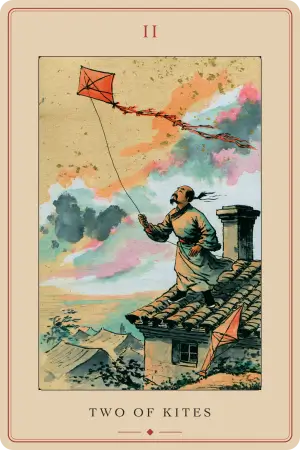
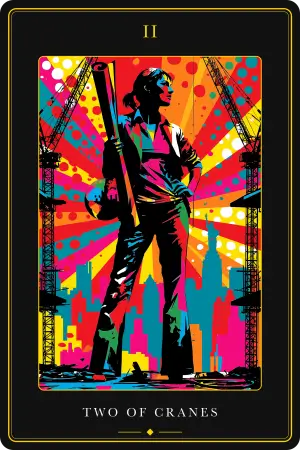


माइनर आर्काना · वैंड्स (अग्नि)
वैंड्स का दो
अपनी प्राचीर पर खड़ा एक व्यक्ति जिसके हाथ में दुनिया है: राइडर-वेट-स्मिथ चित्र में वह विराम जहां एक छड़ी दीवार से बंधी है और दूसरी स्वतंत्र रूप से हिलने-डुलने के लिए आजाद है।
Read the complete guide: टू ऑफ वांड्स टैरो कार्ड: इसके प्रतीकवाद और अर्थ की पूरी गाइड
कार्ड एक नज़र में
- अंक ज्योतिष
- दो
- तत्व
- अग्नि
- ज्योतिष
- मेष राशि में मंगल, पहला डेकन (21-30 मार्च)
- कब्बालिस्टिक पथ
- अत्ज़िलुथ में चोकमह (ज्ञान)
- समय
- मार्च के अंत में, मेष राशि का पहला डेकन
- हाँ / नहीं
- सीधा सशर्त हाँ · उल्टा नहीं
सीधा
योजना
दूरदर्शिता
दीर्घकालिक दृष्टिकोण
आधिपत्य
मार्ग का चयन
विस्तार
आत्मविश्वास
उल्टा
अज्ञात का भय
सुरक्षित खेलना
अनिर्णय
ठहराव
रणनीति का अभाव
चूका हुआ अवसर
अत्यधिक विश्लेषण से जड़ता
प्रत्येक डेक में वैंड्स का दो
हर डेक उसी मूलरूप को नए सिरे से रचता है। चित्रों की तुलना करें, फिर किसी डेक को खोलकर उसकी पूरी व्याख्या पढ़ें।
प्रतीकवाद और चित्रांकन
'द पिक्टोरियल की टू द टैरो' में वेट का अपना विवरण असामान्य रूप से सटीक है, और इस कार्ड को देखते समय इसे ध्यान में रखना सार्थक है: "एक लंबा आदमी एक किलेबंद छत से समुद्र और तट की ओर देख रहा है। वह अपने दाहिने हाथ में एक ग्लोब पकड़े हुए है, जबकि उसके बाएं हाथ की छड़ी प्राचीर पर टिकी है, और दूसरी छड़ी एक लोहे के छल्ले से बंधी है। बाईं ओर गुलाब, क्रॉस और लिली के प्रतीक दिखाई देते हैं।" इस कार्ड के बारे में लगभग हर बहस इन्हीं चार वस्तुओं के इर्द-गिर्द घूमती है।
ग्लोब (भूमंडल) वह तत्व है जो सबसे अधिक अर्थ वहन करता है। गूढ़ दृष्टि से यह सूक्ष्म जगत के भीतर समाया हुआ वृहद् जगत, सांसारिक महत्वाकांक्षा और साकार हुई क्षमता है। स्मिथ ने इसे जानबूझकर छोटा बनाया है। उस आकृति ने अपनी भूमि पर विजय प्राप्त कर ली है जबकि दुनिया खुद अभी भी विशाल बनी हुई है, और यह छोटा आकार ही वेट के उस संदर्भ को दर्शाता है जिसमें उन्होंने "दुनिया की धन-संपदा की भव्यता के बीच सिकंदर की व्याधि, उसकी ग्लानि और उसके दुख" की बात की थी। इस डेक की अपनी व्याख्या इस गोले को अधिक आशाजनक रूप से देखती है: एक ऐसी दुनिया जो खोजे जाने और जीते जाने की प्रतीक्षा कर रही है, और अपनी क्षमताओं पर आत्मविश्वास का प्रतीक है, जिसके नीचे की छड़ी इच्छाशक्ति और बुद्धि का प्रतिनिधित्व करती है।
दो छड़ियाँ (स्टाफ) इस कार्ड का इंजन हैं। एक छड़ी बाएं हाथ में पत्थर की प्राचीर पर शिथिल रूप से टिकी है, जिसे उठाने के लिए वह स्वतंत्र है, और यह खुले भविष्य तथा बाहर निकलने की इच्छा को दर्शाती है। दूसरी छड़ी उसके पीछे दीवार में लोहे की एक अंगूठी (रिंग) से बंधी है। वह स्थिर छड़ी अतीत की उपलब्धि और कम्फर्ट ज़ोन (सुविधा क्षेत्र) की सीमा है, जो इस डेक की व्याख्या में एक अनुस्मारक है कि अच्छे परिणाम समय के साथ लागू इच्छाशक्ति और बुद्धि से आते हैं। वह व्यक्ति इन दोनों के बीच थमा हुआ खड़ा है।
रंग बाकी भाव को पूरा करते हैं। उसने एक नई दुनिया की खोज की तीव्र इच्छा के लिए लाल लबादा पहना है, जो बुद्धि और ऊर्जा के लिए पीली शर्ट के ऊपर है। इस संयोजन को यह डेक सक्रिय मस्तिष्क के निर्देशन में अग्नि के रूप में देखता है। उसी आकृति की अन्य व्याख्याओं में सक्रिय इच्छाशक्ति के लिए लाल वस्त्र और व्यावहारिकता तथा धरातल से जुड़ाव के लिए भूरे रंग के ट्यूनिक का वर्णन किया गया है। पत्थर की किले की दीवार जिस पर वह खड़ा है, वह स्थिरता और स्थायित्व का प्रतीक है, साथ ही सुरक्षा की तलाश भी है, इसलिए उसकी यह ऊंचाई उसे नीचे की दुनिया से सीधे संपर्क की कीमत पर स्पष्टता और आधिपत्य प्रदान करती है।
प्राकृतिक परिदृश्य यात्रा की शर्तें तय करता है। शांत समुद्र और नीला आकाश निर्णय के पैमाने और आगे बढ़ने की गुंजाइश को दर्शाते हैं, जबकि नुकीले पहाड़ वास्तविक बाधाओं को चिह्नित करते हैं जिन्हें अभी पार किया जाना बाकी है और उपजाऊ घाटियाँ प्रतिफल का वादा करती हैं। किले के सामने की हरी वनस्पति विकास, साकार रूप और समृद्धि का प्रतीक है; हरा रंग स्वास्थ्य, शांति और सामंजस्य से जुड़ा हुआ है। उसके पैर पत्थर पर टिके हैं जबकि उसका सिर खुले आकाश की पृष्ठभूमि में दिख रहा है, जो इस चित्र का सीधा मर्म है: उसके विचार पहले ही बाहर पहुंच चुके हैं जबकि उसका शरीर अभी वहीं है।
निचले-बाएं कोने में स्मिथ ने सफेद लिली के साथ क्रास किया गया लाल गुलाब रखा है। गोल्डन डॉन और विक्टोरियन प्रतीकवाद में गुलाब वासना, इच्छा और सक्रिय पुरुष सिद्धांत है, जबकि लिली पवित्रता, अमूर्त चिंतन और ग्रहणशील स्त्री सिद्धांत है। उनका क्रास होना छड़ियों के क्रास होने को प्रतिबिंबित करता है। निर्णय लेने से पहले महत्वाकांक्षा को अनुशासित चिंतन के साथ संतुलित करना अनिवार्य है।
मुख्य अर्थ
इस डेक में वैंड्स का दो एक नई शुरुआत से पहले निर्णय लेने और योजना बनाने का प्रतीक है, जो बाधाओं के बावजूद अपने जीवन पर नियंत्रण प्राप्त करने से जुड़ा है। यह ज्ञान और बुद्धि के माध्यम से अपने भाग्य का संचालन करने की इच्छा है, और एक ऐसी यात्रा के लिए तत्परता है जो अभी शुरू नहीं हुई है।
राइडर-वेट चित्र मूल आद्यप्ररूप (आर्किटाइप) में जो जोड़ता है, वह है इसकी कीमत। उस आकृति के पास अपने जीवन पर पहले से ही अधिकार है। उसके पास अनुकूल स्थान (वेंटेज पॉइंट), ग्लोब और खुद बनाई हुई दीवार है। यह चित्र बताता है कि उस तरह का आधिपत्य एकाकी और बेचैन करने वाला होता है, और ऊंची प्राचीर की स्पष्टता ही दुनिया से दूरी का पर्याय है। उसने एक पहाड़ चढ़ लिया है और अब उसे यह तय करना है कि वहीं रहना है या किसी ऊंचे पहाड़ की तलाश में निकलना है।
ज्योतिषीय रूप से यह कार्ड मेष राशि में मंगल है (राशि चक्र की सबसे प्रत्यक्ष अग्नि), जो संख्या दो के चिंतनशील, द्वैतवादी दायरे में समाहित है। यही घर्षण कारण है कि यह कार्ड लगातार काम करने के बजाय योजना बनाने के रूप में पढ़ा जाता है। विजय प्राप्त करने की शक्ति पूरी तरह से मौजूद है और फिलहाल अगले कदम पर विचार करने में खर्च हो रही है।
सीधी स्थिति का अर्थ
सीधी स्थिति में, यह कार्ड योजना, दूरदर्शिता और अपनी क्षमताओं में विश्वास का संकेत देता है। नए अवसर सामने आते हैं जो दिशा के संबंध में निर्णयों की मांग करते हैं। यह जल्दबाजी के बजाय विचारशील, रणनीतिक चयन का पक्ष लेता है, और भविष्य की प्रमुख योजनाओं तथा क्षितिज के विस्तार की ओर इशारा करता है, चाहे यात्रा के माध्यम से हो या नए विचारों के माध्यम से। अपनी अंतर्दृष्टि और आंतरिक बुद्धिमत्ता को सुनें, विकल्पों को तौलें, और फिर किसी भी चीज़ को अमल में लाने से पहले अपने कार्यों में आत्मविश्वास का निर्माण करें। हाँ या ना के रूप में पढ़े जाने पर यह एक सशर्त हाँ है: संभावना अत्यंत अनुकूल है, लेकिन तभी जब आप वास्तव में एक विकल्प चुनते हैं और उसके प्रति प्रतिबद्ध होते हैं।
प्रेम संबंध में। चुनाव और साझी योजना का एक क्षण। यहाँ साझेदारों के बीच सामंजस्य और साझी संभावनाएँ मायने रखती हैं, साथ ही संयुक्त रूप से भविष्य की योजना बनाने और साझा मूल्यों को आधार बनाने की इच्छा भी। नई परियोजनाएँ, यात्रा या साझी रुचियाँ नई ऊर्जा लाती हैं, और जब महत्वपूर्ण प्रश्न उठते हैं तो एक-दूसरे की स्वायत्तता का सम्मान करना आवश्यक होता है। यह आकर्षण (इन्फैचुएशन) से किसी गंभीर और दीर्घकालिक संबंध में संक्रमण का प्रतीक हो सकता है। क्योंकि वैंड्स व्यक्तिगत प्रक्षेपवक्र (ट्रैजेक्टरी) पर चलते हैं, यह कार्ड कप्स के भावनात्मक मिलन की तुलना में अधिक व्यावहारिक है: यह पूछता है कि क्या दो दीर्घकालिक रास्ते एक ही गंतव्य की ओर ले जाते हैं। एकल (सिंगल) लोगों के लिए यह खोज के दायरे को व्यापक बनाने की सलाह देता है, क्योंकि सही व्यक्ति वर्तमान दायरे, पड़ोस या देश से बाहर होने की संभावना है। जोड़ों के लिए यह अक्सर लंबी दूरी की स्थितियों या स्थानांतरित होने के संयुक्त निर्णय के आसपास प्रकट होता है।
करियर में। योजना और विश्लेषण का समय, जिसमें नई संभावनाएँ खुलती हैं। कॉरपोरेट रणनीति और अंतरराष्ट्रीय विस्तार का कार्ड: साधक (क्वेरेंट) ने अपनी वर्तमान भूमिका में महारत हासिल कर ली है और उसमें ठहराव महसूस कर रहा है, और यह दो नंबर विदेश में देखने या पूरी तरह से एक नए रास्ते पर मुड़ने के लिए प्रेरित करता है। विस्तार योजनाओं, महत्वपूर्ण परियोजनाओं या नई साझेदारियों पर चर्चा और दो पेशेवर दिशाओं के बीच चयन की उम्मीद करें। अपने कौशल में सुधार करें और विकास के लिए एक रणनीति चुनें। अग्नि तत्व से जुड़े होने के कारण, यह अभी भी साकार होने की प्रतीक्षा कर रही क्षमता का प्रतिनिधित्व करता है।
वित्त में। धन और संसाधनों के इर्द-गिर्द रणनीतिक निर्णय लेना, जिसमें कमाई के नए अवसर और आपकी स्थिति को मजबूत करने वाले प्रस्ताव शामिल हैं। यह तौलने का चरण है: निवेश के विकल्प, आय के स्रोत और विभाजित रास्ते जिन पर निर्णय की आवश्यकता है। घर खरीदने के बारे में एक मंच (फोरम) की चर्चा में, पाठकों ने इस कार्ड को एक ज्ञात, आरामदायक स्थिति की सुरक्षा के खिलाफ अधिक लाभप्रदता को तौलने की सलाह के रूप में लिया। सभी रास्तों पर विचार करें, फिर सबसे आशाजनक रास्ता चुनें।
स्वास्थ्य में। शरीर के लिए एक योजना चरण। अपनी जीवन शैली बदलने, शारीरिक कौशल सीखने या अपनी शैली बदलने के विचार आकार लेने लगते हैं, और यह समय आपके वर्तमान स्वास्थ्य को गंभीरता से देखने और आगे की रूपरेखा तैयार करने का है। नई दिनचर्या शुरू करें: जिम जॉइन करें, डाइट शुरू करें, ट्रेनिंग रेजिमेन अपनाएं। यही सलाह रचनात्मक रुकावट (क्रिएटिव ब्लॉक) पर भी लागू होती है, जहाँ यह कार्ड वापस योजना चरण, स्केचबुक अभ्यास और बिना प्रेरणा के जबरन परिणाम निकालने के बजाय सामने दिख रही चीज़ों को चित्रित करने की ओर संकेत करता है।
उल्टी स्थिति का अर्थ
उल्टी स्थिति में, मेष राशि में मंगल की गरिमापूर्ण ऊर्जा बाधित या बिखर जाती है। अक्सर यह अज्ञात का भय होता है: साधक (क्वेरेंट) अन्वेषण की इच्छा महसूस करता है लेकिन किले को छोड़ने का साहस नहीं कर पाता, इसलिए वह अतीत की सुरक्षा की दीवार से बंधी छड़ी से चिपका रहता है, छोटे तालाब में बड़ी मछली बनने का आनंद लेता है और अपनी दुनिया को चुपचाप सिकुड़ते हुए देखता है। यह उल्टा प्रभाव दूसरी तरफ भी जा सकता है, जब मेष की उतावली अग्नि दो नंबर के रणनीतिक संयम पर हावी हो जाती है और कोई बिना किसी नक्शे, बिना संसाधनों और बिना किसी स्पष्ट दृष्टिकोण के काम शुरू कर देता है। दोनों ही मामलों में सलाह पीछे हटने, पुनर्मूल्यांकन करने और आगे कदम उठाने से पहले एक ठोस रणनीति बनाने की है। हाँ या ना के रूप में पढ़े जाने पर यह 'नहीं' की ओर झुकता है: समय गलत है, योजना दोषपूर्ण है, या अनिर्णय की स्थिति हावी है।
प्रेम संबंध में। चुने गए रास्ते के बारे में अनिश्चितता और संबंध के विकास में देरी क्योंकि एक महत्वपूर्ण निर्णय नहीं लिया जा रहा है। यह एक ऐसे साथी का प्रतीक है जो खुद को रोके हुए है या एक पैर दरवाजे से बाहर रखे हुए है। यह निराशा, अधूरी उम्मीदें और हितों के टकराव ला सकता है, या रिश्ता अटका हुआ महसूस होता है और विकसित होना बंद हो जाता है, जिससे इसके मूल्य पर सवाल उठते हैं। इसके विपरीत विफलता भी दिखाई देती है: अंतिम लक्ष्य पर किसी वास्तविक चर्चा के बिना चीज़ें बहुत तेज़ी से आगे बढ़ना। अपनी योजनाओं पर फिर से विचार करें, सोचें कि आप वास्तव में क्या चाहते हैं, और लचीले रहें।
करियर में। निर्णयों का डर और प्रतिबद्धताओं को लेकर आशंका। नियोजित परियोजनाएं ठप हो जाती हैं, और अनिर्णय की कीमत वास्तविक अवसरों के खोने के रूप में चुकानी पड़ती है। यह बड़ी जिम्मेदारियां या जोखिम लेने का समय नहीं है, लेकिन आवश्यक निर्णयों से बचने से अवसर छूट जाते हैं और पेशेवर ठहराव आता है। व्यवसाय में यह विस्तार के लिए अपर्याप्त तैयारी या खराब सोची-समझी रणनीति, ठप पड़ी परियोजनाओं से हताशा, और अज्ञात के डर से बढ़ने का मौका गंवाने वाले व्यवसाय के रूप में दिखाई देता है।
वित्त में। कोई योजना नहीं, चूके हुए अवसर, वित्तीय मामलों में ठहराव। असफल निवेश या जल्दबाजी में लिए गए फैसले नुकसान की ओर ले जाते हैं, और वित्तीय रास्तों के बीच चयन करने के डर से पैसों से जुड़ी महत्वपूर्ण चर्चाएँ टल जाती हैं। सतर्क रहें, जोखिम भरे निवेशों से बचें, और अनिर्णय को अपना फैसला बनाने देने के बजाय संदेह के बावजूद निर्णय लें।
स्वास्थ्य में। अनिर्णय और योजना का अभाव। शरीर की देखभाल की दिनचर्या शुरू करने या अपने रूप-रंग को बदलने के बारे में संदेह, शारीरिक लक्ष्यों तक पहुँचने के तरीके के बारे में अनिश्चितता, और कोई निर्णय न लिए जाने के कारण शरीर की उपेक्षा। यह उपेक्षा आत्म-सम्मान को ठेस पहुँचाती है। इसके पीछे जीवन के एक नए चरण का डर या लंबे समय से चली आ रही आदतों को बदलने की अनिच्छा हो सकती है। बाधाओं को पहचानना ही वह कदम है जो बदलाव की शुरुआत करता है।
ऐतिहासिक संदर्भ
स्मिथ द्वारा चित्रित इस दृश्य का कोई पूर्ववर्ती उदाहरण लगभग नहीं मिलता। टैरो डी मार्सिले (Tarot de Marseille) में, जो सत्रहवीं और अठारहवीं शताब्दी में फैला था, डियोक्स डी बेटन्स (Deux de Bâtons) एक बिना चित्र वाला पिप (संख्यात्मक) कार्ड है: अमूर्त पुष्प रूपांकनों के साथ बुनी हुई दो क्रास की गई लकड़ी की छड़ियाँ, केंद्र से निकलती चार पत्तियाँ और ऊपर-नीचे की संरचना बनाती दो उखड़े हुए फूल। इसका अर्थ श्रम और ऊर्जा के सूट (आर्काना) के द्वैत और चौराहे की संख्या के साथ जुड़ने से आया है, और एलेजांद्रो जोडोरोव्स्की तथा योआव बेन-डोव जैसे मार्सिले पाठक इसे मानवीय कथा के बजाय दृश्य पैटर्न और अंकशास्त्र के माध्यम से समझते हैं। दुर्लभ सोला बुस्का (Sola Busca), जो 1491 के आसपास फेरारा में उत्कीर्ण की गई थी और सबसे पुरानी पूर्ण 78-कार्ड डेक है, पूरी तरह से चित्रित माइनर आर्काना वाली पहली डेक थी, लेकिन इसके वैंड्स के दो में एक नग्न पुरुष आकृति दिखाई देती है जो अपने आसपास से अनजान है और इसमें योजना या आधिपत्य का कोई बाद का विषय शामिल नहीं है।
आधुनिक कार्ड को 1909 में आर्थर एडवर्ड वेट और पामेला कोलमैन स्मिथ द्वारा संहिताबद्ध किया गया था, जो दोनों हर्मेटिक ऑर्डर ऑफ द गोल्डन डॉन के सदस्य थे, और इसे लंदन में विलियम राइडर एंड सन द्वारा प्रकाशित किया गया था। वेट टैरो को उस चीज़ से बचाना चाहते थे जिसे वे भविष्यवक्ताओं का व्यापारिक साधन मानते थे और इसे रहस्यमयी तथा मनोवैज्ञानिक दीक्षा का एक माध्यम बनाना चाहते थे। इस कार्ड के लिए उनके दिव्य अर्थ स्पष्ट रूप से विभाजित हैं: एक तरफ "धन, भाग्य, भव्यता", तो दूसरी तरफ "शारीरिक कष्ट, बीमारी, निराशा, उदासी, ग्लानि"। 1911 की 'द पिक्टोरियल की टू द टैरो' में सिकंदर से जुड़ा संदर्भ ही उन्हें आपस में जोड़ता है, क्योंकि जो व्यक्ति दुनिया को अपने हाथ में थामे हुए है, वह वही व्यक्ति भी है जिसके पास चाहने के लिए कुछ नहीं बचा है।
स्मिथ की मूल कलाकृति, जिस पर 1909 के हस्ताक्षर और तिथि अंकित थी, 1964 में कॉर्नवाल के लिज़र्ड प्रायद्वीप पर स्थित पार्क गारलैंड के घर में लकड़ी के पैनलिंग के नवीनीकरण के दौरान मिली, जहाँ वे 1938 तक रही थीं।
पत्राचार और संबंध
संख्या। दो, संतुलन, सामंजस्य और द्वैत की संख्या: दो विरोधी पक्ष, आरोही और अवरोही ऊर्जाएं, सक्रिय और निष्क्रिय सिद्धांत। यह इक्के (ऐस) की एकल चिंगारी को एक विकल्प में विभाजित करती है और योजनाओं को लक्ष्यों के साथ संरेखित करने का आह्वान करती है। यह साझेदारी और कूटनीति को भी वहन करती है, और यह अंतर्दृष्टि तथा संवेदनशीलता से जुड़ी है, इसलिए यहाँ आंतरिक आवाज़ का महत्व है।
ज्योतिष। मेष राशि में मंगल, मेष राशि का पहला द्रेष्काण (0 से 10 डिग्री), लगभग 21-30 मार्च। गोल्डन डॉन ने ग्रहों के कल्डियन क्रम (Chaldean order) का उपयोग करते हुए 36 द्रेष्काणों को 2 से 10 तक के पिप्स सौंपे, और चक्र इसी के साथ खुलता है। मंगल मेष राशि का स्वामी है, इसलिए संघर्ष और प्रेरणा का ग्रह मुख्य अग्नि राशि के अपने घर में बैठा है: साहसी, अत्यधिक स्वतंत्र और लड़ाकू। हालाँकि अंकशास्त्र की दृष्टि से संख्या दो चंद्रमा के अधीन आती है, और मंगल के धक्के तथा चंद्र प्रतिबिंब के बीच का यही घर्षण इस कार्ड का पूरा तनाव है।
तत्व। अग्नि, अत्ज़िलुथ (Atziluth) में, जो उद्भव (एमनेशन) का आद्यप्ररूपी संसार और शुद्ध दिव्य अग्नि है।
कबला। अत्ज़िलुथ में चोक्मा (Chokmah), बुद्धिमत्ता, दूसरा सेफिरा (Sephirah)। चोक्मा अज्ञेय केथर (Kether) से ऊर्जा का पहला सक्रिय प्रवाह है, इसलिए यह कार्ड अपने शुद्धतम रूप में सूट की मूल शक्ति है और ब्रिया (Briah), यतिज़राह (Yetzirah) तथा असिया (Assiah) में उतरने से पहले शक्ति का आध्यात्मिक खाका (ब्लूप्रिंट) है। गोल्डन डॉन ने सिखाया कि संख्या दो सूट की सकारात्मक और नकारात्मक शक्तियों, राजा और रानी को एकजुट करती है, जिससे चिंतन और आध्यात्मिक दीक्षा उत्पन्न होती है।
द्रेष्काण जादू (डेकेनिक मैजिक)। मेष के पहले द्रेष्काण को पिकाट्रिक्स (Picatrix) और लिबर हर्मेटिस (Liber Hermetis) जैसे पुराने स्रोतों में एक बेचैन दो सिर वाली आकृति के रूप में, या एक कुल्हाड़ी या तलवार वाले प्रतिष्ठित व्यक्ति के रूप में वर्णित किया गया है जो एक ही समय में अतीत और भविष्य दोनों की ओर देखने के द्वैत का प्रतीक है। छठी शताब्दी की 'बृहज्जातक' इसे लाल या हरे कपड़े में एक टांग वाली महिला देती है, जो वसंत के रोपण और शिकार से जुड़ी है। आधुनिक अभ्यास में द्रेष्काण शेम हामेफोराश (Shem HaMephorash) के स्वर्गदूतों वेहुयाह (0 से 5 डिग्री) और जेलिएल (5 से 10 डिग्री) द्वारा शासित है।
तत्वीय गरिमा (एलिमेंटल डिग्निटी)। एक अग्नि कार्ड जो वायु के साथ मजबूत होता है और जल के साथ तनाव का सामना करता है, इसलिए पड़ोसी कार्ड तय करते हैं कि महत्वाकांक्षा रंग लाती है या नहीं।
मनोवैज्ञानिक दृष्टिकोण
यहाँ आंतरिक स्थिति दो प्रेरणाओं के बीच का घर्षण है: जीतने की मंगल ग्रह की तीव्र इच्छा और दो नंबर का चिंतनशील खिंचाव जो तौलना और प्रतीक्षा करना चाहता है। व्यक्ति के पास दुनिया को मुट्ठी में करने की शक्ति है और वह मैदान में कूदने के बजाय प्राचीर पर खड़ा होकर अगले कदम पर विचार कर रहा है।
इस ऊर्जा को वहन करने वाले व्यक्ति का राइडर-वेट चित्र विशिष्ट है। उनके पास संतुलन और नियंत्रण की भावना होती है, वे किसी स्थिति में सभी संभावनाओं को देखते हैं और रणनीतिक रूप से चुनाव करते हैं। वे आत्मविश्वास से कार्य करते हैं और एक बार चुनने के बाद प्रतिबद्ध रहते हैं। अक्सर वे परिवर्तन के दौर में होते हैं, पहले से ही जानते हैं कि वे कहाँ जाना चाहते हैं, अपने क्षितिज को बाहर की ओर धकेलते हैं और करियर बदलने या किसी नई जगह जाने जैसे वास्तविक बदलाव के रास्ते अपनाते हैं।
उल्टी स्थिति में यही मनोविज्ञान उलट जाता है। व्यक्ति के पास योजनाएं तो होती हैं लेकिन वह अपने सामने मौजूद विकल्पों में से चुन नहीं पाता, बाधाओं से टकराता है और अटक जाता है, और जीवन के एक नए चरण में प्रवेश करना बहुत जटिल पाता है। संदेह प्रेरणा को तब तक क्षीण करता है जब तक कि उन्हें अपनी क्षमताओं पर इतना संदेह न हो जाए कि वे निर्णय लेने से ही डरने लगें। ऑनलाइन पाठक इस बात पर अंतहीन बहस करते हैं कि क्या इस कार्ड का अर्थ क्रिया है या निष्क्रियता, और उपयोगी उत्तर यह है कि यह उनके बीच का द्वंद्व (डायलेक्टिक) है: छाया अत्यधिक विश्लेषण से जड़ता (एनालिसिस पैरालिसिस) है, और विकास भविष्य की योजना बनाने के लिए जानबूझकर एक स्थिर क्षण का उपयोग करना है।
विभिन्न डेकों में वैंड्स का दो
राइडर-वेट संस्करण को उसके समकक्षों के साथ रखें और जो बात अलग नज़र आती है वह यह है कि स्मिथ ने इसमें एक इंसान को बनाए रखा। टैरो डी मार्सिले डियोक्स डी बेटन्स सुप्त क्षमता के दो क्रॉस किए गए डंडे और पुष्प बीज हैं, जिन्हें पैटर्न और संख्या द्वारा पढ़ा जाता है, जिसमें क्रासिंग को सूट के बाद के कार्डों में विस्तार से पहले ऊर्जा के एक बैठक बिंदु के रूप में लिया जाता है। स्क्विड केक जैसे आधुनिक मार्सिले डेक उन प्रतिच्छेदित रेखाओं को कार्य-संबंधी या रचनात्मक शक्ति के संग्रह के रूप में पढ़ते हैं।
क्रॉली और लेडी फ्रीडा हैरिस का 1944 का थॉथ (Thoth) डेक इस कार्ड को "डोमिनियन" (आधिपत्य) शीर्षक देता है और छह लपटें फेंकने वाले दो क्रॉस किए गए तिब्बती दोर्जे (dorjes) के लिए मानव आकृति को पूरी तरह से हटा देता है। दोर्जे वज्र और हीरा है: अदम्य शक्ति और अविनाशिता। क्रॉली इसे विनाश का प्रतीक कहते हैं और फिर जोर देकर कहते हैं कि "विनाश को रचनात्मक प्रक्रिया में पहला कदम माना जा सकता है", इसलिए उनका दो नंबर वेट की उदासी के बिना केवल अपनी उपस्थिति से बाधाओं को नष्ट करने वाली शुद्ध इच्छाशक्ति है।
आधुनिक डेक मानव आकृति को हटाने के बजाय उसका पुनर्गठन करते हैं। लिसा स्टर्ले का मॉडर्न विच टैरो पुरुष व्यापारी को एक समकालीन महिला से बदल देता है, और रेडिट पर पाठक अक्सर उसके हाथ में मौजूद ग्लोब को एक स्मार्टफोन के रूप में देखते हैं, यानी हथेली में समाई हुई दुनिया, इस चेतावनी के साथ कि व्यक्ति गंतव्य पर जाने के बजाय ऑनलाइन खोजने में ही अपना जीवन बिता सकता है। द वाइल्ड अननोन मानव को पूरी तरह से हटा देता है और रंग की क्षैतिज पट्टियों पर क्रॉस करने वाली दो छड़ियाँ छोड़ता है: कच्चे रूप में ऊर्जा जो इसे निर्देशित करने वाली इच्छाशक्ति की प्रतीक्षा कर रही है। डिज्नी विलेन्स टैरो कार्ड को एक साधारण पिप के रूप में पदावनत करता है ताकि ध्यान प्रमुख आर्काना और कोर्ट कार्डों पर रहे।
इन सभी के मुकाबले राइडर-वेट वैंड्स का दो वही है जो मनोवैज्ञानिक कीमत पर जोर देता है। यह एकमात्र ऐसा संस्करण है जो आपको एक ऐसे व्यक्ति को दिखाता है जो पहले ही जीत चुका है।
संयोजन और संदर्भ में
यह कार्ड अपने पड़ोसियों से अपना रंग लेता है, क्योंकि यह एक तय परिणाम के बजाय एक निर्णय का वर्णन करता है। भारी कार्डों के बाद यह उनसे बाहर निकलने की धुरी बन जाता है। डेथ (मृत्यु) और फाइव ऑफ कप्स के साथ एक स्प्रेड में, फाइव का शोक और डेथ का अंत तब रास्ता दे देता है जब टू ऑफ वैंड्स अंत में आता है: शोक समाप्त हो गया है और साधक इसका उपयोग एक नया साहसी मार्ग बनाने के लिए ईंधन के रूप में कर रहा है।
इसकी सबसे उपयोगी तुलना सूट में इसके बगल वाले कार्ड से है। जहाँ दो नंबर खाका (ब्लूप्रिंट) है, वहीं वैंड्स का तीन रखी जा रही नींव है। दो में आकृति ग्लोब को थामे अपनी खुद की किले की दीवार तक सीमित है; तीन में छड़ियाँ खुले मैदान में गड़ी हैं और वह बंदरगाह में जहाजों की आवाजाही देख रहा है। एक पाठक का सादृश्य यह है कि दो नंबर उपन्यास लिखने का फैसला करना और दुनिया का निर्माण तथा पात्रों की सूची बनाना है, और तीन नंबर दस्तावेज़ खोलना और प्रारूप (ड्राफ्ट) लिखना है। दो पूछता है "मैं क्या करना चाहता हूँ?" और तीन पूछता है "मैं इसे कैसे करूँगा?"
कप्स के दो (Two of Cups) के खिलाफ अंतर मौलिक है। कप्स का दो भावनात्मक सामंजस्य और दो आत्माओं का मिलन है; वैंड्स का दो व्यक्तिगत जुनून और व्यक्तिगत प्रक्षेपवक्र है, इसलिए प्रेम पठन में यह बंधन के बजाय दृष्टिकोणों को संरेखित करने के बारे में है।
स्थिति इसे और निखारती है। सलाह के रूप में यह कहता है कि योजना बनाएं, सुरक्षा के मुकाबले जोखिम को तौलें, और फिर प्रतिबद्ध हों। एक बाधा के रूप में यह कम्फर्ट ज़ोन और इसे छोड़ने का डर है। एक परिणाम के रूप में यह वास्तविक पुरस्कार से जुड़े एक वास्तविक विकल्प का वादा करता है, जिसे केवल वही दावा कर सकता है जो दूसरी छड़ी को खोलने और दरवाजे से बाहर निकलने के लिए तैयार हो।
विचार के लिए प्रश्न
- इस चित्र की दो छड़ियों में से एक दीवार से बंधी है। मैंने लोहे के छल्ले से किस चीज़ को एक जगह स्थिर कर रखा है, और क्या वह मुझे सहारा दे रही है या मुझे रोक रही है?
- उसके हाथ में ग्लोब जानबूझकर छोटा बनाया गया है। मैंने वास्तव में दुनिया का कितना हिस्सा देखा है, और मैं प्राचीर से कितना आकलन कर रहा हूँ?
- क्या मैं वास्तव में योजना बनाने के विराम में हूँ, या चुनना छोड़कर केवल योजना बनाना ही मेरा काम बन गया है?
सामान्य अर्थ राइडर-वेट-स्मिथ की रीडिंग पर आधारित है, जिसे पूरी टैरो अकादमी में संदर्भ माना जाता है। किसी डेक की अपनी व्याख्या के लिए ऊपर उस डेक को खोलें।
अक्सर पूछे जाने वाले प्रश्न
टैरो एक्सप्लोर करें
नवीनतम पोस्ट
टैरो कार्ड्स की प्राचीन ज्ञान की खोज करें और अपनी आध्यात्मिक यात्रा के रहस्यों को अनलॉक करें। हमारा ब्लॉग टैरो रीडिंग के समृद्ध प्रतीकवाद, अर्थ और व्यावहारिक अनुप्रयोगों को समझने का आपका द्वार है.




















































