
 EN (English)


Card combinations
Rider–Waite–Smith Tarot card combinations
Pick any two cards to see how they read when they fall side by side: both upright, either one reversed, or both reversed. Each pair page also lists the cases where the usual reading does not hold.
- 78
- cards
- 3,081
- pairs, including a card with itself
- 4
- ways each pair can fall
Combinations are common patterns, not rules
The readings here describe how a pair most often reads. Check each one against two things before you apply it. The first is the question: the same pair says one thing about a relationship and another about a job offer, and the question decides which side of the pair matters. The second is the background, meaning what the querent already knows about the situation, the position each card holds in the spread, and the cards around the pair. When the question or the background points another way, go with them over the general reading. Each pair page lists the exceptions that come up most often.
Combinations by card
Open a card to see how it reads beside each of the 78 cards, and what it does next to whole groups of cards.
Major Arcana

The Fool

The Magician

The High Priestess

The Empress

The Emperor

The Hierophant

The Lovers

The Chariot

Strength

The Hermit

Wheel of Fortune

Justice

The Hanged Man

Death

Temperance

The Devil

The Tower

The Star

The Moon

The Sun

Judgment

The World
Wands

Ace of Wands

Two of Wands

Three of Wands

Four of Wands

Five of Wands

Six of Wands

Seven of Wands

Eight of Wands

Nine of Wands

Ten of Wands

Page of Wands
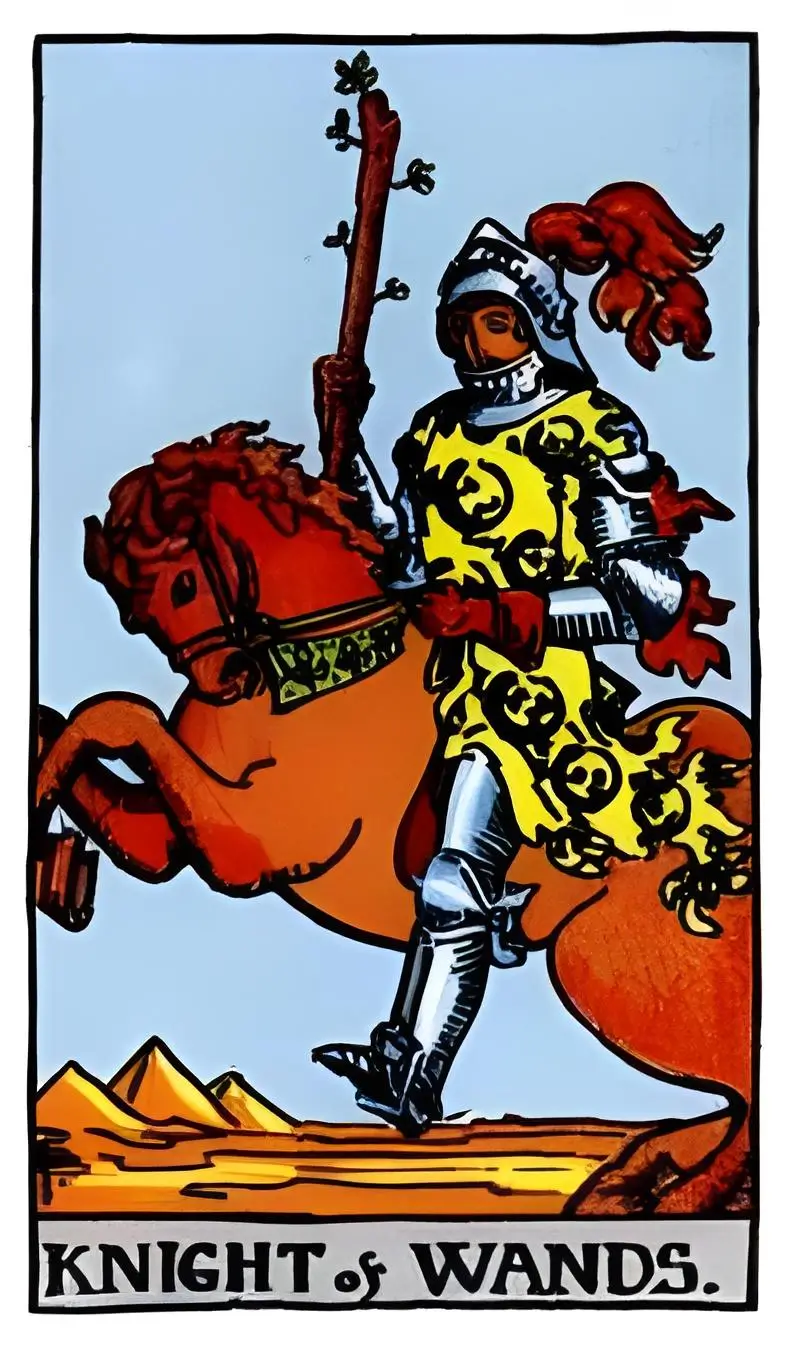
Knight of Wands

Queen of Wands

King of Wands
Cups

Ace of Cups

Two of Cups

Three of Cups

Four of Cups

Five of Cups

Six of Cups

Seven of Cups

Eight of Cups

Nine of Cups

Ten of Cups

Page of Cups

Knight of Cups

Queen of Cups

King of Cups
Swords

Ace of Swords

Two of Swords

Three of Swords

Four of Swords

Five of Swords

Six of Swords

Seven of Swords

Eight of Swords

Nine of Swords

Ten of Swords

Page of Swords

Knight of Swords

Queen of Swords

King of Swords
Pentacles
How two cards combine
Read each card on its own first, then ask what changes when they sit together. Often one card names the subject and the other sets its tone: the Ten of Pentacles says the question is about family money, and the card beside it says whether that money is secure, contested or about to change hands. When a Major Arcana card sits next to a Minor, the Major usually names the larger force and the Minor shows where it lands in daily life.
Upright and reversed in a pair
A pair can fall four ways: both upright, the first card reversed, the second card reversed, or both reversed. A reversed card is read here the way most modern readers use it: its energy is blocked, delayed, turned inward or overdone. One reversed card in a pair tends to show where the trouble sits. With both cards reversed, the whole theme is usually held back, and the reading becomes a question of what is in the way.
Elemental dignities
The Golden Dawn method weighs neighbouring cards by element. Cards of the same element strengthen each other. Fire and Air support each other, as do Water and Earth. Fire and Water weaken each other, as do Air and Earth, and the remaining pairs are neutral. A card's element comes from its suit, or for a Major Arcana card from its astrological attribution. Each pair page shows the result in its facts box.
The quintessence
Some readers add the numbers of the cards in a spread and reduce the total to a Major Arcana card, called the quintessence, which names the theme underneath. For a pair, the Fool counts as 0 and the World as 21, and pip cards count from Ace (1) to Ten. Court cards have no number, so a pair that includes one has no quintessence.
Neighbours and position
Cards lying next to each other in a spread read as one phrase. In a line of cards, the one on the left often reads as the cause or the earlier stage and the one on the right as what follows. In a set layout such as the Celtic Cross, each position adds its own frame, so a pair in the past and present positions tells a different story from the same pair as obstacle and outcome. The pair readings cover both cards in either order; the spread decides which one leads.
The same card twice
When a reader takes a significator from one deck and lays the spread from another, the significator's own card can turn up in the spread. A card paired with itself doubles its theme. Upright twice, the card's meaning is the main message of the reading. Reversed twice, its difficulty is the main message. One copy upright and one reversed shows the querent caught between the card's gift and its shadow.
Frequently asked questions
Latest Posts
Discover the ancient wisdom of tarot cards and unlock the mysteries of your spiritual journey. Our blog is your gateway to understanding the rich symbolism, meanings, and practical applications of tarot reading.




















































