
 MK (македонски)



Голема аркана · XIX
Сонце
Дете кое јава без седло под Сонцето со лице, излегувајќи надвор од ѕидот со ништо скриено и ништо задржано.
Read the complete guide: Тарот картата Сонце: Комплетен водич за симболизмот и значењето
Картата на прв поглед
- Нумерологија
- XIX
- Елемент
- Оган
- Астрологија
- Сонце · Лав
- Кабалистички пат
- Реш (Ход → Јесод)
- Време
- Лето · полна дневна светлина
- Да / Не
- Емпатично да
Исправено
радост
виталност
јасност
успех
самореализација
топлина
внатрешно дете
изобилство
Превртено
одложена радост
блокирана енергија
прегореност
лажна среќа
губење на јасност
пренагласено его
Сонце во секој дек
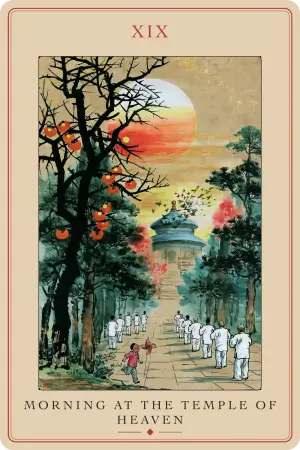
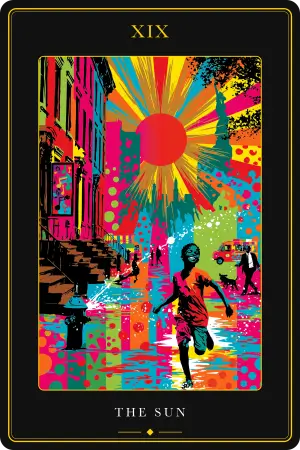
Секој дек го реинтерпретира истиот архетип. Споредете ја уметноста, а потоа отворете го декот за да ја прочитате неговата целосна интерпретација.
Слика и симболизам
Вејт направи намерно отстапување од традицијата што ја наследи. Секоја стандардна европска верзија на Сонцето во текот на четири века прикажуваше две деца пред ѕид, близнаците од Марсеј, а шпилот на Златната Зора исто така ги задржа. Во 1909 година, Вејт ја насочи Памела Колман Смит да го отстрани парот и да користи едно голо дете на бел коњ. Ова е слика што тој ја презеде од малку познатиот шпил Виевил (Vievil) отпечатен во Париз околу 1650 година. Овој избор е причината зошто Сонцето од Рајдер-Вејт-Смит не наликува на картата што ја познаваше поголемиот дел од Европа.
Самото сонце го исполнува горниот дел од картата и е персонифицирано со смирено човечко лице. Во толкувањето на овој шпил, тоа претставува просветлување и продирање на светлината во животот. Ја буди интуицијата и внатрешната мудрост, а неговиот сјај означува енергија која никогаш не пресушува. Некои толкувачи бројат дваесет и еден јасен зрак, по еден за секоја од другите карти од Големата Аркана. Со тоа што се изоставува од тоа броење, картата ја именува својата сопствена улога: таа е светлината преку која сѐ друго се гледа.
Под него, детето јава без седло и без узди, пречекувајќи ја високата вибрација на небесното тело горе. Голотијата претставува невиност и слобода, бидејќи ништо не може да се сокрие на толку силна светлина. Црвеното пердувче во косата е истото она што го носи Будалата, што покажува дека целиот лак на адутите се вратил на чудењето, носејќи ја со себе стекнатата мудрост. Белиот коњ симболизира чистота, благородство и храброст, а животинските нагони сега се носат доброволно. Јавањето без опрема во овој шпил се толкува како слобода комбинирана со контрола над внатрешниот свет.
Левата рака на детето држи големо црвено знаме кое означува животна сила и храброст, при што црвената боја е боја на прослава. Тоа го означува триумфот на виталноста над стагнацијата од претходните карти. Зад нив, низок ѕид од тули поминува низ картата. Тој претставува граница на познатиот свет и, во друга смисла, знак дека овој живот е заштитен и се потпира на сигурна основа. Четири огромни сончогледи цветаат покрај него симболизирајќи живот, радост и духовно будење. Тие ги носат четирите бои и четирите елементи во хармонија, свртени кон сончевиот центар. Нивните светлозелени лисја претставува плодност, здравје и раст. Небото горе е целосно чисто, што Смит го користи за да прикаже јасност на мислата и отвореност, додека целата позадина е преплавена со светлина.
Основно значење
Во шпилот Рајдер-Вејт-Смит, Сонцето е конкретно поврзано со остварување на вашата животна цел и капацитетот за напредок. Тврдењето на картата е дека животот е радосен и дека изобилството е веќе околу нас ако научиме да го цениме. Затоа, се толкува како прослава на животот која ги спојува светлината, вистината, енергијата и просветлувањето.
Сопствената белешка на Вејт е потесна од општото толкување на радоста. Тој ја опиша картата како премин од манифестираната светлина на овој свет во светлината на светот што доаѓа. Ова е состојба која му претходи на стремежот на Судот и се карактеризира со чистото срце на дете. Свесниот ум целосно преовладал над стравовите и илузиите на несвесното, што ја прави оваа карта директен одговор на Месечината.
Единствениот јавач на Смит го заострува тоа значење. Додека близнаците ја правеа картата да се однесува на пар внатре во градина, едно дете кое јава надвор ви дава автономен моментум напред и мајсторство над животинската природа. Ова е првото нешто што треба да се прочита кога оваа карта ќе се појави во распоред. Условите се транспарентни и ништо не стои на патот кон целта.
Значење во права положба
Право, ова е совршен момент за позитивна акција. Преземете иницијатива, дејствувајте според она што навистина го сакате. Останете отворени и искрени наместо да го криете она што го чувствувате и дозволете му на креативниот дел да се покаже. Трудот овде се наградува и го добивате она за кое сте работеле во која било област.
Во љубовта. Радост, јасност и хармонија, период на заедничка љубов и длабока поврзаност каде двајцата партнери чувствуваат привлечност и се подготвени да се грижат еден за друг. Врската е искрена и топла, а среќата во неа е вистинска, а не одглумена. Може да означи зрелост во врската, сигурност во изборот на партнер и високо ниво на доверба, со заеднички планови и заеднички донесени одлуки. Со другите луѓе генерално, носи лесна комуникација, великодушност и прослави.
Во кариерата. Просперитет, признание и самореализација. Работата носи задоволство и самодоверба, целта е јасно на повидок и знаете како да ја постигнете. Ова е време за лидерство и одлучна акција, а нов проект или иницијатива веројатно ќе бидат добро прифатени.
Во финансиите. Вистински момент за инвестирање, лансирање нов потфат или проширување. Укажува на заслужена награда за веќе вложениот труд, поволни зделки, раст на богатството и вистинска независност. Просперитетот е условен: тој доаѓа преку напорна работа и вешто управување со ресурсите, а не само преку среќа.
Во здравјето. Силна виталност и здрав изглед, здрава кожа и физичка енергија што вреди да се искористи. Често поттикнува кон повеќе дневна светлина и активно време поминато надвор, или нова физичка активност како танцување, трчање или јога. Ова е исто така меѓу најсилните сигнали за плодност во шпилот, особено покрај Царицата или Асот Стапови, и носи свесна грижа за телото, неговите рутини и љубов кон себе.
Значење во обратна положба
Обратно, светлината е сѐ уште тука, но нешто стои пред неа. Шпилот го толкува ова како затемнување: привремен период на мрак или неизвесност, со пречки, изгубена јасност и пад на ентузијазмот. Вербата во сопствениот потенцијал може да се изгуби на некое време. Советот е трпеливост и појасен поглед на она што навистина се случува, идеално од различен агол. Потоа следи постепено движење напред без очај.
Сонцето во обратна положба исто така станува заслепувачка светлина која ја прикрива реалноста наместо да ја открие, каде што настапуваат прегореноста и пренагласената самоважност. Кроули го постави истото предупредување подиректно: без длабочината на водата, сонцето ќе создаде пустина.
Во љубовта. Врските слабеат и чувствата губат дефиниција. Сѐ може да изгледа во ред додека нешто ја замаглува радоста: неизговорени работи, помала искреност и помалку разбирање отколку што имало претходно. Решението е да се именуваат проблемите и отворено да се разговара за нив.
Во кариерата. Одложувања, разочарување и работа која престанала да носи радост. Премногу енергија се троши на расчистување пречки за премал резултат, мотивацијата опаѓа, а наградите не ги исполнуваат очекувањата. Преоценете го пристапот, целите и начинот на кој се распределуваат енергијата и времето.
Во финансиите. Блокади и одложувања, погрешни пресметки, лоши инвестиции или долгови. Предупредува против зависноста од материјална сигурност која го истиснува остатокот од животот. Исто така предупредува на сознанието дека парите не ја донеле очекуваната среќа. Нови можности може сѐ уште да се кријат зад моменталните проблеми.
Во здравјето. Ниска енергија, замор, недостаток на витамини или занемарување на телото. Кожата го губи сјајот, здравјето се чувствува кревко, а одморот е навистина неопходен. Означува изгубена рамнотежа помеѓу менталниот и физичкиот живот и бара вистинско закрепнување наместо дополнително форсирање.
Историски белешки
Картата што Вејт и Смит ја ревидираа имаше долга и стабилна форма. Најраните зачувани верзии на Сонцето се класични. Во таротот Висконти-Сфорца од околу 1475 година, голо крилесто дете (putto) го поминува небото на стилизиран облак, држејќи светлечка маска на Хелиос над главата, без никакви земни фигури. Таротот Сола Буска од околу 1491 година ја завитка картата во хуманистичко и алхемиско знаење наменето за образованата елита.
Таротот од Марсеј потоа го постави стандардот што траеше четири века. Најраниот познат пример е произведен од Жан Нобле во Париз околу 1650 година: масивен соларен диск над две речиси идентични деца пред низок ѕид од тули, со капки влага повлечени нагоре кон сонцето за алхемиската работа на дестилација. Ѕидот создава затворена градина (hortus conclusus) каде што невиноста може да игра. Близнаците ги претставуваат Кастор и Полукс и соѕвездието Близнаци, означувајќи го братството и помирувањето на смртното со бесмртното.
Сопствениот ред на Вејт веќе ја систематизираше картата пред тој да ја редизајнира. Златната Зора ѝ ја даде титулата Господар на Огнот на Светот. Ја поврза со умирачките и воскреснати соларни богови Адонис и Балдер и ја дефинираше како точка каде што знаењето за повисоките царства станува достапно за пониското материјално јас. Нивниот шпил задржа голо момче и девојче пред ѕидот. Момчето стоеше на зелена трева претставувајќи ја Земјата, а девојчето во базен претставувајќи ја Водата. Паѓачките солзи беа заменети со Јодови, првата буква од Тетраграматонот во форма на пламен, означувајќи ги зраците како божествена благодат што влегува во физичкиот свет.
Вејт ја презеде доктрината, но ја отфрли сликата. Објавен од William Rider & Son во 1909 година и илустриран од Смит (двајцата иницијанти на Златната Зора), шпилот ги прескокна близнаците и се наврати на картата Виевил (Vievil) од околу 1650 година. Таму едно младо момче галопира низ поле на бел коњ држејќи кренато знаме. Тој мотив на автономен моментум и мајсторство над животинската природа е она што модерниот свет сега го замислува кога помислува на Сонцето.
Кореспонденции
Број. XIX. Цифрите даваат лидерство, независност и нови почетоци во 1, и завршување, мудрост и духовност во 9. Затоа, деветнаесет опфаќа процеси на отворање и затворање и носи полн циклус кој се одржува преку постојано движење напред. Се сведува прво на десет, поврзувајќи ја картата со Тркалото на Среќата како повисока октава на тие циклуси, совладани наместо само претрпени. Потоа се сведува на еден, обединетото јас на Магионичарот и оригиналната причина.
Астрологија. Самото Сонце, како и знакот Лав: фиксниот оган на самодоверба, креативно изразување, великодушност и отворен театрален апетит за видливост. Тоа владее со петтата куќа на играта, радоста и креативноста. Во астрологијата, Сонцето управува со срцето, духот и душата и претставува индивидуалност. Картата носи себеоткривање и свесност за вистинското јас, наспроти интроспективната Месечина која ѝ претходи.
Елемент. Оган, топлината што дава живот, но ако не се контролира, може да изгори.
Кабала. Хебрејската буква е Реш, што значи „Глава“ или „Лице“, со нумеричка вредност 200, свесниот ум кој директно се соочува со реалноста. Нејзината патека е триесеттата, која оди од Ход (Слава, рационалниот ум, на Столбот на Строгоста) надолу во Јесод (Основа, потсвеста и Ризницата на Слики). Сефер Јецира ја нарекува Собирачка Интелигенција, бидејќи ја собира силата на интелектот и ја проектира надолу за да ги стабилизира хаотичните астрални слики со рационална јасност. За разлика од Патеката 31 или Патеката 32 кои двете достигнуваат до Малкут, оваа патека никогаш не го напушта умот: тоа е умот што се осветлува самиот себе. Картата исто така е поврзана со Тиферет, шестата Сефира во центарот на Дрвото.
Време. Лето и полна дневна светлина. Како одговор со да или не, ова е емпатично, недвосмислено да.
Психолошка перспектива
Клучниот термин за оваа карта е просветлување, а во толкувањето на Рајдер-Вејт-Смит се манифестира како лична трансформација: самосвест која гради самодоверба, внатрешна слобода и исполнување. Личноста што ја носи нејзината енергија е балансирана и сигурна во себе. Знае што сака и ја има волјата да стигне дотаму. Се радува на секој нов ден, ја пречекува работата со ентузијазам, добро се справува со стресот и зрачи со доволно топлина за да ги привлече другите. Нивната среќа изгледа лесна, бидејќи нивната самодоверба ја прави таква.
Шпилот е подеднакво јасен и за негативниот аспект, кој претставува вишок од истата доблест. Некој што е премногу апсорбиран во сопствените идеи престанува да ги забележува проблемите. Оптимизмот на тоа ниво ја намалува будноста, вистинскиот ризик се потценува, а вербата во себе преминува во еготизам. Кроули ја именуваше истата опасност од перспектива на Тот како ароганција, самозадоволство и навика да се ветува многу, а да не се прави ништо.
Модерната практика ја изострува оваа граница уште повеќе. Онаму каде викторијанските окултисти гледаа нежна божествена благодат, современите читачи опишуваат остра светлина. Тоа е блескава светлина која ги согорува удобните илузии исто како што огнот на Шива ја согорува маја. Секој што се крие во самоизмама е изложен на сред бел ден, било да е тоа пријатно или не. Затоа сенката на картата се совпаѓа толку прецизно со токсичната позитивност, притисокот за „само добри вибрации“ кој ја посрамотува вистинската болка. И затоа најтешкиот случај е извлекувањето на Сонцето за време на депресија. Прочитано правилно, тоа не е потсмев. Тоа ја разоткрива лагата дека темнината е трајна и инсистира дека сонцето сѐ уште гори над облаците, барајќи радикално трпение додека зората не се врати.
Сонце низ различни шпилови
Верзијата на Рајдер-Вејт-Смит е исклучокот што стана стандард, а нејзиниот препознатлив потег е единствениот јавач онаму каде речиси сите други сликаа пар.
Висконти-Сфорца. Околу 1475 година, картата прикажува голо крилесто дете (putto) на стилизиран облак кое држи светлечка маска на Хелиос над главата. Картата е чисто небесна, без деца, ѕид или цвеќиња.
Тарот од Марсеј. Четиривековниот европски стандард: две речиси идентични деца пред ѕид од тули под огромно сончево лице со зраци. Алхемиската роса се крева кон светлината. Прикажана е заградената градина на невиноста и близнаците од соѕвездието Близнаци.
Златна Зора. Редот на Вејт остана со шаблонот од Марсеј: голо момче и девојче кои се држат за раце пред ѕидот. Момчето е на трева за Земјата, а девојчето во вода, додека хебрејските букви Јод паѓаат на местото на росата.
Кроули-Тот. Насликана од Лејди Фрида Харис помеѓу 1938 и 1943 година и објавена во 1969 година. Картата е поврзана со соларно-фаличната струја и манифестацијата на Вистинската Волја. Кроули ги задржа сјајот и цветањето, но го додаде предупредувањето дека без длабочината на водата, сонцето ќе создаде само пустина.
Модерни шпилови. Таротот на Робин Вуд (Robin Wood Tarot) тесно ги следи Вејт и Смит, но го намалува ѕидот од тули и ги врти сончогледите да гледаат кон детето наместо кон сонцето. Со тоа, разбуденото внатрешно дете сјае посилно од ѕвездата над него, а јавачот носи круна од бели рози со црвено пердувче. Таротот Војаџер (Voyager Tarot) ги заменува фигурите со купишта златни монети и златна маска обрабена со ливчиња од сончоглед што потсетува на Хелиос од Висконти. Поставена е меѓу калифорниски афион, пеперутки монарх и зајдисонце над Пацификот. Читачите на кои им е непријатно голото дете на Смит, кое форумите го нарекуваат „голо бебе на коњ“, посегнуваат по Light Seer's Tarot или Healing Light Tarot, кои ја носат истата соларна радост преку емоции, силуети и облечени фигури.
Во комбинација и контекст
Оваа карта е направена да се чита спроти Месечината, која се наоѓа веднаш пред неа. Месечината претставува магла, позајмена светлина и страв од она што се крие во мракот. За разлика од неа, Сонцето на Смит е небо без облаци и јавач кој нема што да сокрие. Затоа, парот заедно обично покажува илузија која се отстранува за да се заштити виталноста на прашувачот. Ова исто така го затвора лакот на закрепнување кој започнува од падот на Кулата и поминува низ кревката надеж на Ѕвездата.
Нејзината најкомплицирана употреба е во прашања за смирување, каде читачите често се разијдуваат во мислењата. И покрај својата репутација, во распоред за прекината врска Сонцето често функционира како брутална јасност, а не како повторно обединување. Може да значи дека вистинската среќа доаѓа само со самостојно продолжување напред. Тоа се случува откако прашувачот конечно ќе ја увиди сопствената вредност и ќе го цени својот мир повеќе од токсичната динамика. Или пак, повторното обединување пламнува радосно, а потоа истата остра светлина го разоткрива секој нерешен проблем што ја прекинал врската. Покрај Кралот на Стаповите, може да покаже поранешен партнер кој ужива во слободата без желба да се врати.
Во поедноставни контексти толкувањето е директно. Како исход, ветува радост, признание и фаза завршена под ваши услови. Во прашање за плодност, особено со Царицата или Асот Стапови, тоа е меѓу најсилните знаци за здрава бременост во шпилот. Како сигнификатор опишува личност преполна со енергија и оптимизам која интуитивно знае како да дејствува за да успее. Во обратна положба, опишува личност чии тешкотии го блокираат нејзиниот потенцијал.
Прашања за размислување
- Детето јава без седло и без узди. Каде во вашиот живот сѐ уште ги држите уздите за нешто што би ве носело одлично и без нив?
- Ѕидот зад сончогледите е истовремено и граница и заштита. Што од вашето е граница, а што заштита во моментов?
- Каде глумите радост која всушност не ја чувствувате и што би било потребно за да ја почувствувате навистина?
Општото значење ја следи интерпретацијата на Rider-Waite-Smith — референцата што се користи низ Академијата за Таро. Отворете специфичен дек погоре за негова сопствена интерпретација.
Најчесто поставувани прашања
Истражи го Таротот
Најнови Објави
Откријте ја древната мудрост на таро картичките и отклучете ги мистериите на вашето духовно патување. Нашиот блог е вашата порта кон разбирање на богатата симболика, значењето и практичните апликации на читањето таро.




















































