
 MK (македонски)

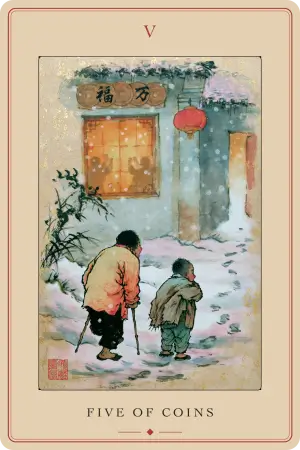
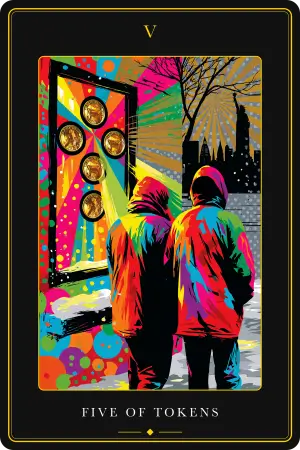


Мала аркана · Пентакли (Земја)
Петка Пентакли
Двајца питачи во снегот поминуваат покрај осветлен црковен прозорец: вистинска тешкотија, и помош која останува незабележана на само неколку чекори.
Read the complete guide: Петка на Пентакли Таро Карта: Целосен Водич за Нејзината Симболика и Значење
Картата на прв поглед
- Нумерологија
- Петка
- Елемент
- Земја
- Астрологија
- Меркур во Бик (0°–9°)
- Кабалистички пат
- Гевура (Строгост)
- Време
- Крајот на април, или студен период кој ќе помине
- Да / Не
- Исправена не · Обратна да
Исправено
Тешкотија
Загуба
Сиромаштија
Изолација
Несигурност
Лошо здравје
Исклучување
Недостаток
Превртено
Закрепнување
Олеснување
Надеж
Прифаќање помош
Исцелување
Пресвртна точка
Обнова
Петка Пентакли во секој дек
Секој дек го реинтерпретира истиот архетип. Споредете ја уметноста, а потоа отворете го декот за да ја прочитате неговата целосна интерпретација.
Сликовитост и симболизам
Памела Колман Смит илустрира една, непогрешлива сцена: две искинати фигури се влечат низ ноќна виулица, поминувајќи под светло осветлениот витраж на една црква. Едната, жена, е боса во длабок снег со тенка шамија повлечена цврсто; другата оди на дрвени патерици, со една нога во протеза, главата во завои. Вејт недвосмислено ја насочи темата како материјална неволја, сиромаштија и неред, а Смит ја направи веднаш читлива за обичниот читател без ниту еден збор езотерично објаснување.
Еден детаљ го носи најголемиот дел од тежината на картата. Мало ѕвонче виси на вратот на фигурата на патерици, средновековно ѕвонче за лепрозни или ѕвонче за чума. Бидејќи болеста можела да го оштети гркланот, на заболените со закон им се наложувало да ѕвонат со ѕвонче наместо да викаат, предупредувајќи ги здравите да се држат настрана. Тој единствен предмет ја подига картата од обична финансиска сиромаштија во социјално отфрлање, стигмата да бидеш обележан како недопирлив. Самиот снег е реткост во овој шпил, се појавува само овде и на Осаменикот, и тој наметнува изолација, замрзнати средства и пејзаж активно непријателски кон преживувањето.
Зад двете фигури свети витражот, пет златни пентакли изработени во раскошен дизајн кој потсетува на Дрвото на Животот, поставени во топли тонови како скапоцени камења наспроти црниот црковен камен. Белиот снег наспроти црниот камен се чита речиси како јин-јанг на страдањето и прибежиштето. Прозорецот е топлина, засолниште и институционална поддршка која стои на неколку инчи оддалеченост, а фигурите поминуваат покрај неа со наведени очи, очигледно несвесни. Во сопственото читање на овој шпил помошта од прозорецот постои во близина но останува незабележана или непобарана, а подлабоката поента е дека рамнотежата и закрепнувањето се наоѓаат во личноста, а не во надворешните околности. Палетата на картата останува темна и студена, држејќи ја тешката атмосфера на место додека едниот осветлен прозорец ја одржува можноста за олеснување видлива.
Основно значење
Во шпилот Рајдер-Вејт-Смит Петката Пентакли е колапс на материјалната сигурност која бојата ја градеше. По цврстото држење на Четворката, Петката е ненадејно повлекување: загуба, недостаток и стравот што доаѓа со нив, почувствуван во парите, во телото и во чувството на припадност. Вејт ја нарече материјална неволја, а Смит ѝ даде лице на таа неволја, двајца луѓе надвор во време кое не попушта.
Но сликата е изградена околу тензија, а не само пресуда. Прибежиштето е токму таму, осветлено и топло, а фигурите не се свртуваат кон него. Тоа е вистинското прашање на картата: колку од страдањето е самиот студ, а колку е наведената глава што не може да ја види вратата. Овој шпил ја чита тешкотијата како вистинска и привремена, искушение од кое може да се издигне, и ја лоцира пресвртната точка внатре во личноста, во подготвеноста да се погледне нагоре и да се прифати она што е близу.
Исправено значење
Исправена, Петката Пентакли сигнализира болна контракција: сериозен недостаток и повлекување на удобностите на кои некогаш се потпирало. Таа укажува на режим на преживување, каде сегашноста ја зема целата енергија, а иднината сѐ уште не може да се планира. Болката е реална, а советот на картата е да се тргне гордоста настрана и да се посегне по помошта што постои.
Во љубовта. Врска напната под надворешна тежина, проблеми со пари, невработеност или болест што ги исцрпува резервите на партнерството. Може да означува козависност или трауматско поврзување, двајца луѓе само еден со друг, интензивно лојална но потенцијално токсична динамика која живее на порции на изгладнување на наклонетост. За слободен прашувач укажува на чувства на несоодветност, отфрлање или исклучување.
Во кариерата. Тежок период: несигурност на работното место, вишок, недостаток на можности, болка од занемарување додека врсниците напредуваат. Советот на картата е практичен, оставете ја гордоста и побарајте институционална помош, без разлика дали се тоа грантови, репрограмиран долг или системите за поддршка за кои стои сјајниот прозорец.
Во финансиите. Акутна тешкотија, долг, исцрпени ресурси, финансии растегнати опасно тенко. Поттикнува на искрена проценка на она што го предизвикало кусокот и активни чекори кон помош наместо изолација.
Во здравјето. Едно од најдиректните предупредувања на шпилот за физички слом: исцрпеност, неисхранетост, лош сон, данокот на продолжената анксиозност и неспособноста да се стои на свои нозе. Таа ја означува изолацијата што толку често ги следи хроничните болести, и опасноста од занемарување на телото во потрага по сигурност.
Обратно значење
Обратно, картата обично се свртува кон закрепнување, иако потешко читање постои паралелно со него. Во својата доминантна смисла означува крај на острата зима: вратена работа, олеснување на долговите, враќање на здравјето, помош конечно пристигнува. Симболично тоа е моментот кога фигурата ја крева главата, конечно го гледа осветлениот прозорец и го прифаќа прибежиштето што секогаш било таму, заедно со внатрешното поместување подалеку од начинот на размислување за недостаток и ослободувањето од срамот.
Во љубовта. Обнова по напнатост, партнерство кое повторно застанува на нозе, или ослободување на стара рана што дозволила отуѓување да се всели. Се враќа подготвеноста да се биде помогнат и да се помогне.
Во кариерата. Нова работа, стабилизирање на приходот, кревање на тешкиот период. Минатите грешки стануваат лекции што ги водат следните чекори наместо да се повторуваат.
Во финансиите. Првите знаци на економско закрепнување, репрограмирани долгови, подем почнувајќи од најниската точка. Советот е да се обнови додека се одржува рамнотежа, и да се цени она што е веќе во рака.
Во здравјето. Закрепнување и враќање на силата, енергија што се обновува по период на исцрпеност. Алтернативното, потешко читање вреди да се именува: обратната положба може исто така да означува вкоренетост, сиромаштија на духот наместо на паричникот, тврдоглаво одбивање да се видат решенија и удобност земена во познатата улога на жртва.
Историски белешки
Сценската Петка Пентакли од 1909 година има директен предок. Во 1907 година семејството Буска-Сербелони (Busca-Serbelloni) донираше црно-бели фотографии од шпилот Сола Буска од 15-тиот век, најраниот комплетен шпил од 78 карти и првиот што целосно ги илустрира своите нумерички карти, во Британскиот музеј. Вејт и Смит ги проучуваа тие слики таму, и наративната традиција на нумеричките карти што тие ја презедоа оттаму ја овозможи модерната Петка Пентакли. Смит ја вкорени поставката во селата на југоисточна Англија, во Кент и Источен Сасекс што го нахрани целиот шпил.
Пред тоа, картата беше многу потивка. Шпиловите Висконти-Сфорца и Кери-Јејл прикажуваа пет обични монети за дворски игри, без никаква сцена на страдање. Таротот од Марсеј ги задржа монетите геометриски, опкружени со цветни мотиви, и ја читаше Петката како нарушување на стабилната четворка, императив да се троши или користи, а не како слика на пропаст. Подоцнежниот шпил Тот на Кроули отиде во друга насока, испуштајќи ги човечките фигури за пет напукнати дискови во превртен пентаграм над распукана земја, недвосмислено насловена „Грижа“ (Worry). Питачите оковани во снег на Смит се она што го фиксираше значењето на картата како сиромаштија и исклучување за модерниот читател.
Кореспонденции
Број. Пет: флукс, конфликт и промена што ја разнишува стабилната четворка. Каде што четири е основа и граница, пет го воведува дестабилизирачкиот петти термин што го вознемирува материјалниот поредок.
Астрологија. Картата го носи Меркур во првиот декан на Бик, 0° до 9°, приближно од 20 или 21 до 30 април. Бик е фиксна Земја со која владее Венера, сакајќи стабилност и сигурни ресурси; Меркур е брз, воздушен и аналитичен. Принуден во цврстата земја на Бик, Меркур ја губи својата агилност и се претвора во анксиозност за преживување, поради што Златната Зора ја наслови картата Господар на Материјалната Неволја, а Кроули ја нарече „Грижа“.
Елемент. Земја, елементот на телото, ресурсите и материјалниот свет.
Кабала. Како Петка таа припаѓа на Гевура, Строгост и Суд, управувана од боречката сила на Марс. Во бојата на Земјата ова е Гевура во Асија, рестриктивна, деструктивна строгост што дејствува директно на финансиите, ресурсите и телото, остро повлекување по милоста и акумулацијата на Чесед (Chesed) од Четворката.
Елементарно достоинство. Марс од Гевура што се судира со фиксната Земја на Бик ѝ го дава триењето на картата, сигурност под ненадеен, силен притисок.
Психолошка перспектива
Картата на Смит служи и како психолошко огледало, поради што модерната практика се потпира силно на неа во работата со сенките. Фигурите што поминуваат покрај топлиот прозорец стојат за оној дел од личноста тврдоглаво приврзан за сопственото страдање, и картата наметнува непријатно прашање: зошто да се одбие помошта што е токму таму? Одговорот често лежи во сигурноста на познатото. Ако идентитетот е изграден околу тоа да се биде вечна жртва или самопожртвуван маченик, прифаќањето помош значи демонтирање на тој идентитет, што може да се чувствува пострашно од студот.
Како карта што се повторува, таа има тенденција да укажува на начин на размислување за недостаток отколку на доаѓачки пад. Дури и некој материјално стабилен може да трупа, прекумерно да анализира мали трошоци на начинот на кој предвидува Меркур во Бик, или да живее под постојан страв на измамникот од пропаст. Постои и поостро читање кое вреди да се држи покрај психолошкото: прибежиштето не е секогаш бенигно. Институционалните засолништа, социјалната помош, здравството и корпоративните мрежи можат да бидат исклучувачки и условни, и за многумина црквата е место на осуда наместо прибежиште. Во тоа светло картата може да именува вистинско системско исклучување, и таа укажува на заедница и взаемна помош отколку потпирање на врата што никогаш не била отворена.
Петката Пентакли низ шпиловите
Строгоста на картата е константна додека нејзината сликовитост се ниша помеѓу буквалното и апстрактното. Во шпилот Рајдер-Вејт-Смит, верзијата што ја следи оваа страница, тоа се двајцата питачи во снегот под осветлениот црковен прозорец, поставката што го фиксираше нејзиното значење како сиромаштија, изолација и незабележано прибежиште. Поранешните шпилови Висконти-Сфорца и Тарот од Марсеј ги задржаа монетите геометриски, при што Марсеј ја читаше Петката како нарушување на стабилната четворка наместо како пропаст.
Шпилот Тот на Кроули целосно ја отстранува човечката сцена, насловувајќи ја картата „Грижа“: пет напукнати, нестабилни дискови во превртен пентаграм над распаѓачка земја, секој означен со Татва (Tattva) за да покаже како самото ткиво на материјалниот свет попушта. Современите шпилови ја туркаат психологијата подалеку, при што Таротот на Светлиот Трагач (Light Seer's Tarot) поставува прозрачен клуч што свети невиден зад фигура што плаче, речиси буквална слика на одбиена помош. Низ сите нив се задржува истиот полнеж, материјална криза што се среќава со човечката тенденција да не се погледне нагоре.
Во комбинација и контекст
Петката Пентакли се чита наспроти картите околу неа. Таа седи на најниската точка на наративна секвенца: Четворката Пентакли пред неа е цврстиот стисок што ја забрзува оваа загуба, колку е поцврсто држењето толку повеќе песокот се лизга. Покрај Шестката Пентакли што следи, таа се свртува кон пристигнувањето на помош, дадена или примена добротворност. Со Кулата или други карти на пресврт се продлабочува во ненадеен колапс; со карти за закрепнување во близина, осветлениот прозорец на сликата станува излез, а не пропуштен излез.
Позицијата го обликува советот. Како совет картата обично вели оставете ја гордоста и побарајте помош, бидејќи никој не е создаден да издржи целосна изолација; прочитано построго, таа може наместо тоа да заповеда издржливост, една нога пред друга додека сезоната не се сврти. Како пречка го именува размислувањето за недостаток и одбивањето да се биде помогнат. Како исход предупредува на слаб, студен период, иако ретко траен, бидејќи зимата што ја прикажува е циклична по природа.
Прашања за размислување
- Каде во мојот живот има осветлен прозорец покрај кој постојано поминувам, помош што е достапна, но не сум си дозволил да се свртам кон неа?
- Дали мојата тешкотија во моментов е самиот студ, или наведената глава што нема да погледне нагоре, и како би ја направил разликата?
- Што би ме чинело да ја ставам гордоста настрана и да побарам поддршка, и дали тој трошок навистина е поголем од останувањето надвор во снегот?
Општото значење ја следи интерпретацијата на Rider-Waite-Smith — референцата што се користи низ Академијата за Таро. Отворете специфичен дек погоре за негова сопствена интерпретација.
Често поставувани прашања
Истражи го Таротот
Најнови Објави
Откријте ја древната мудрост на таро картичките и отклучете ги мистериите на вашето духовно патување. Нашиот блог е вашата порта кон разбирање на богатата симболика, значењето и практичните апликации на читањето таро.




















































