
 UR (اردو)



مائنر آرکانا · سورڈز (ہوا)
سورڈز کا چار
پامیلا کولمین سمتھ کا نائٹ ایک مقبرے پر لیٹا ہے، امن کی کھڑکی کے نیچے آرام کر رہا ہے جبکہ تین تلواریں انتظار میں لٹکی ہوئی ہیں۔
ایک نظر میں کارڈ
- عددیات
- 4
- عنصر
- ہوا
- علم نجوم
- لبرا میں مشتری (تیسرا ڈیکن)
- قبالہ کا راستہ
- چیسیڈ (رحمت)
- وقت
- لبرا کا تیسرا ڈیکن، وسط سے آخر اکتوبر
- ہاں / نہیں
- سیدھا ابھی نہیں، الٹا نہیں
سیدھا
آرام
صحت یابی
پابجائی
مراقبہ
غور و فکر
اندرونی توازن
نقاہت
پناہ گاہ
الٹا
تھکن
بے چینی
بے خوابی
بیداری
مجبوراً آرام
جمود
گریز
ہر ڈیک میں سورڈز کا چار
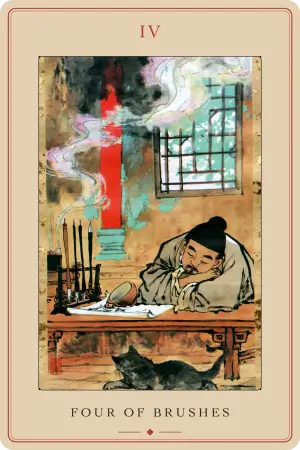
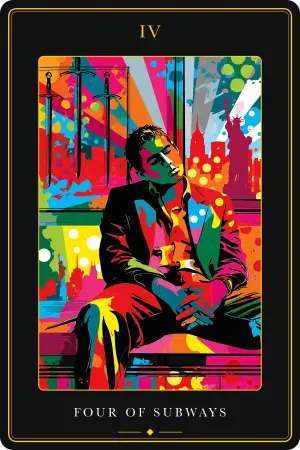
ہر ڈیک اسی آرکیٹائپ کو نئے انداز میں پیش کرتا ہے۔ فن پاروں کا موازنہ کریں، پھر کسی ڈیک کو کھول کر اس کی مکمل تعبیر پڑھیں۔
تصویر کشی اور علامت
پامیلا کولمین سمتھ سورڈز کے چار کو ایک جنازے کے مجسمے کی شکل دیتی ہیں، اور کارڈ کا پورا مقصد یہ ہے کہ یہ صرف ایک مجسمہ لگتا ہے۔ مکمل بکتر بند ایک نائٹ ایک خاموش گرجا گھر کے اندر پتھر کے مقبرے پر پھیلا ہوا ہے، اس کے ہاتھ اس کے سینے پر دعا کے لیے جڑے ہوئے ہیں۔ اسے دفن کرنے کے بجائے آرام کے لیے لٹایا گیا ہے، خاموشی میں تراشا گیا ہے۔ اندر کا حصہ سرمئی پتھر اور سائے سے بنا ہے، اور تصویر میں واحد روشن چیز اوپری بائیں جانب ایک داغدار شیشے کی کھڑکی ہے۔
تلواروں کو اس طرح ترتیب دیا گیا ہے کہ انہیں پڑھا جائے، صرف گنا نہ جائے۔ تین تلواریں اس کے اوپر دیوار پر لٹکتی ہیں، جن کی نوکیں اس کے سر اور جسم کی طرف مڑی ہوئی ہیں۔ اس ڈیک میں وہ ایک دوہرا مطلب رکھتی ہیں: وہ خطرات، پریشانیوں اور نامکمل تنازعات سے خبردار کرتی ہیں جو ابھی تک منتظر ہیں، اور ساتھ ہی وہ اس پر پہرہ دیتی ہیں، اس جگہ کو عکاسی اور آگے کیا کرنا ہے اس کی منصوبہ بندی کے لیے مختص جگہ کے طور پر نشان زد کرتی ہیں۔ ایک چوتھی تلوار اس کے نیچے مقبرے کے پہلو میں چپٹی پڑی ہے، افقی، امن، استحکام اور عاجزی کی حالت میں۔ اسے اس ذہنی استقامت کے طور پر پڑھا جا سکتا ہے جس کی اسے اپنے مسائل کا سامنا کرنے کے لیے ضرورت ہے، یا اس مسئلے کی جڑ کے طور پر جو ابھی تک حل نہیں ہوا ہے۔
کھڑکی وہ جگہ ہے جہاں اس ڈیک کا مطلب نرم ہو جاتا ہے۔ سمتھ نے ایک کھڑی شخصیت اور ایک جھکی ہوئی شخصیت بنائی ہے، جس میں لاطینی لفظ PAX، امن، کھڑی شخصیت کے ہالو میں شامل ہے۔ قریب سے پڑھنے پر اسے اکثر ایک عورت اور بچے کے طور پر سمجھا جاتا ہے: گھریلو سکون اور سلامتی، ماں اور بچے کے درمیان رشتہ، ایک مشکل دور کے بعد ماں کی گرمجوشی کی طرف واپسی۔ ویٹ کے حلقے نے کھڑکی کو روح کے آئینے کے طور پر دیکھا، ایک ایسا شیشہ جس میں آپ اپنے بارے میں کچھ جاننے کے لیے دیکھتے ہیں۔ دونوں صورتوں میں یہ وعدہ کرتا ہے کہ آرام کی منظوری دی گئی ہے اور صحت یابی اس کے دوسری طرف منتظر ہے۔
بنیادی معنی
اگر کارڈ کو اس ڈیک میں اس کے فنکشن تک محدود کیا جائے تو یہ اپنے خیالات اور احساسات کو ترتیب دینے کے مقصد سے سرگرمی سے پیچھے ہٹنے کے بارے میں ہے۔ رائڈر-ویٹ-سمتھ کا سورڈز کا چار افہام و تفہیم کی ایک نئی سطح پر جانے کی نشاندہی کرتا ہے، لیکن یہ اصرار کرتا ہے کہ صحت یابی اور عکاسی پہلے آتی ہے۔ نائٹ کو شکست نہیں ہوئی۔ وہ خود کو جمع کر رہا ہے۔
ہوا کے تیز، کاٹنے والے سوٹ کے اندر رکھا گیا، یہ وہ کارڈ ہے جو رک جاتا ہے۔ گولڈن ڈان نے اسے 'جھگڑے سے آرام کا رب' کا عنوان دیا، اور اس عنوان میں جو رحمت ہے وہی پورا پیغام ہے: ایک تھکے ہوئے دماغ کو اندر آرام کرنے کے لیے ایک ڈھانچہ دیا گیا ہے۔ قاری عام کارڈ سے آرام کے آرکیٹائپ کو پہلے ہی جانتا ہے۔ یہ ڈیک جو اضافہ کرتا ہے وہ خیالات پر قابو پانے اور اندرونی توازن برقرار رکھنے پر زور دینا ہے، یہ احساس کہ یہاں خاموشی ایک ایسا نظم و ضبط ہے جس کی نائٹ مشق کر رہا ہے، نہ کہ کوئی ایسی تقدیر جو اس پر آ پڑی ہو۔
سیدھا معنی
سیدھا، رائڈر-ویٹ-سمتھ کا سورڈز کا چار ایک مشکل دور کے بعد رکنے اور صحت یاب ہونے کا حکم ہے۔ یہ آپ سے آرام کرنے، اپنی توانائی کو بحال کرنے، اور بڑھتے ہوئے تناؤ کے درمیان دھکیلنے کے بجائے صورتحال کا جائزہ لینے کو کہتا ہے۔ وقفے کو مراقبہ، پرسکون عکاسی، یا محض آرام کے لیے استعمال کریں، اور سنیں کہ جسم کیا اشارہ دے رہا ہے۔ نقطہ یہ ہے کہ دوبارہ حرکت کرنے سے پہلے طاقت اکٹھی کریں اور صورتحال کے بارے میں سوچیں۔
محبت میں۔ رکنے اور اپنے احساسات کو ترتیب دینے اور یہ دیکھنے کا وقت کہ رشتہ اصل میں کہاں کھڑا ہے۔ دونوں شراکت داروں سے کہا جاتا ہے کہ وہ خود کو یہ سوچنے کی جگہ دیں کہ وہ کیا چاہتے ہیں اور چیزیں کس طرف جا رہی ہیں۔ کسی اکیلے شخص کے لیے، اسے دوبارہ دیکھنے سے پہلے خود کو سمجھنے کے لیے رومانس سے ضروری وقفے کے طور پر پڑھا جاتا ہے۔
کیریئر میں۔ پیچھے ہٹیں اور فعال کام کو منصوبہ بندی اور گہری تجزیہ کے لیے جگہ بنانے دیں۔ حکمت عملی کا دوبارہ جائزہ لیں، نئے خیالات کو تولیں، اور وقفے کو سیکھنے یا کوئی مہارت حاصل کرنے کے لیے استعمال کریں۔ اگر کوئی پروجیکٹ ایک اہم مرحلے پر پہنچ گیا ہے، تو آپ نے جو کیا ہے اس کا جائزہ لیں اور اگلی کوشش سے پہلے اپنے وسائل کو بحال کریں۔
مالیات میں۔ ایک مستحکم دور جہاں آپ پیچھا کرنے کے بجائے سست ہو جاتے ہیں۔ بڑی خریداریوں اور سرمایہ کاری کو روکیں، صورتحال کو قریب سے دیکھیں، اپنے سرمائے کی حفاظت کریں، اور خاموشی کا استعمال بجٹ پر نظر ثانی کرنے اور আবেগ پر عمل کرنے کے بجائے طویل مدتی منصوبہ بندی کرنے کے لیے کریں۔
صحت میں۔ نیند، خاموشی، اور سست رفتاری دوائی ہیں۔ جسم آرام مانگ رہا ہے، لہذا یوگا یا چہل قدمی جیسی نرم حرکت کی طرف جھکیں، نیند اور باہر کے وقت کو ترجیح دیں، اور صحت یابی کو لمحے کا اصل کام سمجھیں۔
الٹا معنی
الٹا، مقبرے کی حد ٹوٹ گئی ہے اور آرام کام کرنا بند کر دیتا ہے۔ اکثر یہ تھکن کے ایک طویل دور کی طرف اشارہ کرتا ہے جو برن آؤٹ کی طرف پھسل رہا ہے، رکنے کی ضرورت کو نظر انداز کرنے اور کام یا ہدف کے لیے آگے بڑھنے کی قیمت۔ بے چینی بڑھتی ہے، حقیقی تنہائی کبھی نہیں آتی، اور کم توانائی اور نظر انداز صحت کہانی بن جاتے ہیں۔ دوسری تشریح ایک بیداری ہے: شفا یابی کا عمل مکمل ہو گیا ہے، اور تلواریں اٹھانے اور دوبارہ دنیا میں داخل ہونے کا وقت آ گیا ہے۔
محبت میں۔ بغیر کسی آرام کے مسلسل حرکت ایک یا دونوں شراکت داروں کو نچوڑ دیتی ہے، چاہے وہ غیر حل شدہ مسائل سے ہو، ایک شخص دوسرے کو گھیر رہا ہو، یا رفتار خود۔ یہ بات چیت کے ٹوٹنے اور کھلنے سے ہچکچاہٹ کو ظاہر کر سکتا ہے۔ ایمانداری ہی وہ چیز ہے جو وضاحت واپس لاتی ہے۔
کیریئر میں۔ بہت کم آرام سے برن آؤٹ، یا بہت زیادہ ہونے کا مخالف جال: تاخیر، نظر انداز کی گئی ذمہ داریاں، اور ملتوی کیے گئے اقدامات جو مسائل اور ضائع شدہ مواقع کو جمع ہونے دیتے ہیں۔ جمود کو توڑیں اور دوبارہ فعال کردار ادا کریں۔
مالیات میں۔ بہت زیادہ توانائی اور بہت زیادہ وسائل خرچ کرنے کے بعد فکر اور پیسے کی پریشانی۔ کنٹرول کھسک جاتا ہے، اور آپ کو کارروائی کرنے پر مجبور کیا جا سکتا ہے، یہاں تک کہ کمی یا قرض لینا۔ مسائل کو بڑھنے دینے کے بجائے انہیں سنجیدگی سے لیں۔
صحت میں۔ بہت زیادہ کوشش اور بہت کم آرام سے ضرورت سے زیادہ تھکاوٹ، بے خوابی، پریشان نیند، کم قوت مدافعت، اور آپ کیسا دکھتے اور محسوس کرتے ہیں اس میں کمی کے طور پر ظاہر ہوتا ہے۔ کارڈ جسم کے لیے نرم رویہ اور صحت یاب ہونے کے لیے حقیقی وقت کا تقاضا کرتا ہے۔
تاریخی نوٹس
پامیلا کولمین سمتھ نے 1909 میں آرتھر ایڈورڈ ویٹ کی ہدایت پر سورڈز کا چار کھینچا، اور ڈیک پہلی بار لندن میں رائڈر اینڈ کمپنی نے شائع کیا۔ مقبرے کا منظر تقریباً یقینی طور پر انگلینڈ کے رائی کے قریب ونچیلسی میں گرجا گھر کی اصلی یادگاروں سے آیا ہے، جہاں سمتھ نے اداکارہ ایلن ٹیری کے ساتھ وقت گزارا۔ اسی زمین کی تزئین نے ان کی 1903 کی ابتدائی مثال 'دی ہل آف ہارٹس ڈیزائر' کو تشکیل دیا، جو ان ترتیبات کا پیش خیمہ ہے جو وہ بعد میں ٹیرو کے لیے بنائیں گی۔ نائٹ کا پوز قرون وسطیٰ کے جاگنے پر مبنی ہے، تنہائی کی دعا کی رات جو ایک نائٹ نے شروعات یا جنگ سے پہلے گزاری تھی، جو کارڈ کو روحانی تیاری کے طور پر فریم کرتا ہے۔
طالب علموں میں مقبول ایک پڑھائی اس پلیٹ کو تھری آف پینٹاکلز سے جوڑتی ہے۔ اس ابتدائی کارڈ میں کاریگروں کو ایک کیتھیڈرل بناتے ہوئے دکھایا گیا ہے، اور نظریہ یہ ہے کہ اس مقبرے والا گرجا گھر وہی عمارت ہے جو مکمل ہو چکی ہے۔ اس کے تحت، کیتھیڈرل ایک پیشکش ہے جسے کنگ آف سورڈز نے واضح طور پر گرے ہوئے نائٹ آف سورڈز کے اعزاز میں اٹھایا ہے، جس کا مجسمہ اب مقبرے پر پڑا ہے۔ یہ سوٹ کی سرد منطق کو ہمدردی کی طرف موڑ دیتا ہے، اور یہ آرام کرنے والی شخصیت کو ایک عام سونے والے چھوڑنے کے بجائے ایک نام اور ایک کہانی دیتا ہے۔
مطابقتیں
نمبر۔ چار، استحکام، نظم اور ساخت کی توانائی، جسے اس ڈیک کی علم الاعداد میں ایک مربع کے طور پر دکھایا گیا ہے جس کے اطراف ایک دوسرے کو توازن میں رکھتے ہیں۔ یہ کنٹرول اور نظم و ضبط، ایک بنیاد، اگلے مرحلے سے پہلے پہلے تین مراحل کے بعد ضروری توقف اور جائزہ لینے کی نمائندگی کرتا ہے۔
علم نجوم۔ مشتری لبرا کے تیسرے ڈیکن پر حکومت کرتا ہے، تقریباً 13 سے 22 اکتوبر۔ لبرا توازن، تحمل اور اعتدال کا کارڈنل ہوا کا نشان ہے، اور مشتری توسیع اور اعلیٰ حکمت لاتا ہے، لہذا ڈیکن ایک قدرتی فلسفی کی سچائی کی تلاش اور کارروائی سے پہلے ایک مستحکم، جان بوجھ کر پرسکون کے طور پر پڑھا جاتا ہے۔
عنصر۔ ہوا، سوچ، ادراک اور مواصلات کا سوٹ۔ چار اس تیز عنصر کو ایک غیر معمولی جمود میں لاتا ہے اور گہری، زیادہ معروضی عکاسی کا مطالبہ کرتا ہے۔
قبالہ۔ کارڈ چیسیڈ، رحمت پر بیٹھتا ہے، چوتھا دائرہ اور ابیس کے نیچے پہلا مستحکم نقطہ، یتزیراہ کے اندر، دماغ کی تشکیلی دنیا۔ یہ تھکی ہوئی عقل کو دی گئی ایک مہربان، منظم مہلت ہے، یہی وجہ ہے کہ گولڈن ڈان نے اسے تنازعہ سے آرام کا نام دیا۔
عنصری وقار۔ ایک مستحکم ہوا کے کارڈ کے طور پر یہ اپنے پڑوسیوں کو مستحکم کرتا ہے، اور یہ تیز، زبردست کارڈوں کے ساتھ تناؤ میں بیٹھتا ہے جو آرام مکمل ہونے سے پہلے جنگ بندی کو توڑ دیں گے۔
نفسیاتی تناظر
اس ڈیک میں نائٹ ایک ایسے شخص کی تصویر ہے جو تنہائی کو ایک آلے کے طور پر استعمال کرتا ہے۔ وہ فطرت کے لحاظ سے محتاط ہے، کارروائی کو ملتوی کرنے کے لیے تیار ہے، اور وہ اپنے اور صورتحال کے درمیان فاصلہ رکھتا ہے تاکہ وہ اپنے خیالات اور احساسات کا مطالعہ کر سکے اور اپنی اندرونی دنیا کو سمجھ سکے۔ اندرونی سکون ہی وہ چیز ہے جو اسے مشکل لمحے میں اپنا توازن برقرار رکھنے دیتی ہے۔ یہ کارڈ کا صحت مند قطب ہے۔
یہ نائن آف سورڈز کے خلاف سب سے زیادہ تیزی سے پڑھا جاتا ہے۔ جہاں نائن آدھی رات کی پریشانی اور ایک دماغ ہے جو اپنے خلاف ہو گیا ہے، فور انہی دوڑتے ہوئے خیالات کو جان بوجھ کر خاموش کرنا ہے، خوف کو کم کرنے کے لیے منطق لائی گئی ہے۔ اگر نائن بے خوابی ہے تو فور بحالی کی نیند ہے۔ تاہم، دیکھنے کے لیے ایک سایہ ہے۔ آرام سکون کے علاقے کو چھوڑنے سے انکار میں بدل سکتا ہے، پناہ گاہ ایک خود ساختہ سیل بن جاتی ہے، جو ذہنی سستی ہے جس کے بارے میں کچھ قارئین خبردار کرتے ہیں کہ یہ کارڈ چھپا سکتا ہے۔ ایماندارانہ سوال یہ ہے کہ کیا وقفہ طاقت کو دوبارہ بنا رہا ہے یا بچنے کا بہانہ بنا رہا ہے۔
مختلف ڈیکس میں سورڈز کا چار
روایات ایک ہی توقف کو مختلف کلیدوں میں فریم کرتی ہیں، اور یہ صفحہ اسے رائڈر-ویٹ-سمتھ پلیٹ کے ذریعے پڑھتا ہے: مقبرے پر بکتر بند نائٹ، اوپر تین تلواریں لٹکتی ہیں اور ایک نیچے، اوپر امن کی کھڑکی۔ وہ داستانی اسٹیجنگ سمتھ کی اپنی شراکت ہے، اور یہی وجہ ہے کہ کارڈ ایک کہانی لے کر جاتا ہے جہاں پرانے ڈیک ایک نمونہ لے کر جاتے ہیں۔
ٹیرو ڈی مارسیل میں بالکل کوئی اعداد و شمار نہیں ہیں۔ چار تلواریں ایک پرسکون، سڈول ترتیب، ایک حفاظتی حد میں آپس میں جڑتی ہیں جو آرام کو ایک ایسی چیز کے طور پر ظاہر کرتی ہے جسے آپ بیرونی مطالبات کے خلاف فعال طور پر بناتے ہیں۔ تھوتھ ڈیک میں ایلیسٹر کرولی اور لیڈی فریڈا ہیرس کارڈ کو 'جنگ بندی' کا عنوان دیتے ہیں اور اسے ہندسی شکل میں واپس لے آتے ہیں: چار تلواریں انچاس پنکھڑیوں کے سبز گلاب میں ان کے پوائنٹس پر ملتی ہیں، ذہنی انتشار کی افراتفری والی پیلی لکیروں پر سینٹ اینڈریو کراس بناتی ہیں۔ کرولی نے اسے پہلی جنگ عظیم کے کرسمس ٹروس سے باندھا، ایک امن جو اوپر سے مسلط کیا گیا تھا اور اس لیے نازک تھا، کیونکہ ہوا نمبر چار کی خاموشی کے خلاف مزاحمت کرتی ہے۔ جدید ڈیکس سمتھ کے دماغ اور جسم کی پڑھائی کو برقرار رکھنے کا رجحان رکھتے ہیں، کارڈ کو تجویز کردہ صحت یابی اور شور سے پسپائی کے طور پر مانتے ہیں جبکہ اس کے اس وعدے پر قائم رہتے ہیں کہ اب لیا گیا آرام جاگنے پر تجدید کی طرف جاتا ہے۔
امتزاج اور سیاق و سباق میں
سورڈز کا چار، تھری اور فائیو آف سورڈز کے درمیان پل کے طور پر سب سے بہتر پڑھا جاتا ہے۔ تھری شدید زخم ہے، فور خون بہنے کو روکنے اور اعصابی نظام کو آرام دینے کے لیے واپسی ہے، اور فائیو تنازعہ کی طرف واپسی اور اس کی مہنگی، کھوکھلی فتح ہے۔ انتباہ مندرجہ ذیل ہے: اگر یہاں آرام بہت کم ہے، تو نائٹ صرف فائیو کی خود کو شکست دینے والی دشمنی میں چلنے کے لیے جاگتا ہے۔
پڑوسی اسے سایہ دیتے ہیں۔ دی ہرمٹ کے ساتھ یہ خود شناسی، تھراپی، یا روحانی اعتکاف میں گہرا ہوتا ہے۔ دی لورز کے ساتھ یہ ایک رومانوی انتخاب میں تاخیر کرتا ہے، ایک ایسا ساتھی جو کچھ محسوس کرتا ہے لیکن اس کے پاس ابھی عمل کرنے کی گنجائش نہیں ہے۔ دی سٹار کے ساتھ یہ گہرا مبارک ہو جاتا ہے، وہ آرام جو حقیقی شفا یابی کو اترنے دیتا ہے۔ دی ڈیول کے ساتھ اس کا مطلب زہریلے رشتے سے دور آرام کرنا، یا کسی عادت کی ذمہ داری سے بچنے کے لیے 'آرام' کا استعمال کرنا ہو سکتا ہے۔ ہاں یا نہیں پڑھنے میں یہ ایک نرم نہیں، ایک 'ابھی نہیں' ہے، جب تک کہ سوال آرام کرنے یا پیچھے ہٹنے کے بارے میں نہ ہو، اس صورت میں یہ ایک زور دار ہاں میں بدل جاتا ہے۔
غور و فکر کے لیے سوالات
- میں ابھی تک اس لڑائی پر کہاں پہرہ دے رہا ہوں جو جلد ٹھیک ہو جائے گی اگر میں محض تلوار رکھ دوں اور اسے بند ہونے دوں؟
- کیا یہ وقفہ واقعی میری طاقت کو دوبارہ بنا رہا ہے، یا کیا پناہ گاہ خاموشی سے کسی خطرے سے چھپنے کی جگہ بن گئی ہے جس کی مجھے ضرورت ہے؟
- اگر کارڈ میں موجود کھڑکی روح کا آئینہ ہے، تو اگر میں دیکھنے کے لیے اتنی دیر تک حرکت کرنا بند کر دوں تو میں اصل میں اس میں کیا دیکھوں گا؟
عمومی معنی رائڈر-ویٹ-سمتھ کی تعبیر کے مطابق ہیں، جو پوری ٹیرو اکیڈمی میں حوالے کے طور پر استعمال ہوتی ہے۔ کسی مخصوص ڈیک کی اپنی تعبیر کے لیے اسے اوپر سے کھولیں۔
اکثر پوچھے گئے سوالات
ٹیرو دریافت کریں
تازہ ترین پوسٹس
ٹیرو کارڈز کی قدیم دانش دریافت کریں اور اپنے روحانی سفر کے اسرار کھولیں۔ ٹیرو ریڈنگ کی بھرپور علامت نگاری، معانی اور عملی اطلاق کو سمجھنے کے لیے ہمارا بلاگ آپ کا دروازہ ہے۔




















































