
 KK (қазақ тілі)



Кіші аркандар · Қылыштар (Ауа)
Қылыштар Тұзы
Бұлттан тік қылыш ұстаған қол шығады, ал адам өмір сүріп жатқан тұман жай ғана ғайып болады.
Read the complete guide: Таро картасындағы Қылыштың Тұмсығы: Символика мен мағынаны жан-жақты түсіндіру
Картаға қысқаша шолу
- Нумерология
- Тұз
- Элемент
- Ауа
- Астрология
- Ауа тригоны толығымен: Егіздер, Таразы және Суқұйғыш, жеке деканы жоқ
- Каббалалық жол
- Кетер, Тәж, Йецира аясында, ақыл-ойдың қалыптасу әлемінде
- Уақыты
- Жылдам. Бірнеше күн немесе әрі кетсе бірнеше апта
- Иә / Жоқ
- Тік күйінде иә, және бұл айналасындағы белгісіздікті кесіп өтетін иә. Кері позицияда жоқ
Тура
Серпіліс
Ой анықтығы
Объективтілік
Шындық
Жаңа интеллектуалдық жоба
Шешімділік
Ақыл-ой тәуелсіздігі
Әділеттілік
Төңкерілген
Шатасу
Шындықты бұрмалау
Бұғатталған ойлау
Шешім қабылдаудан қашу
Жаман жаңалық
Ақыл-ойды теріс пайдалану
Өзіне күмәндану
Әділдікті жоғалту
Әр колодадағы Қылыштар Тұзы
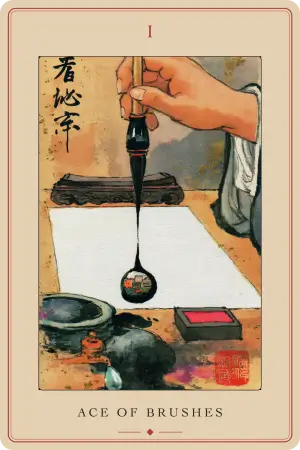
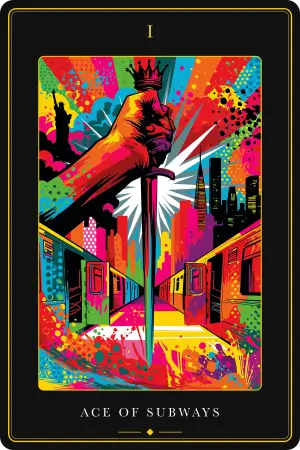
Әрбір колода сол бір архетипті қайта түсіндіреді. Өнерін салыстырып, оның толық түсіндірмесін оқу үшін колоданы ашыңыз.
Бейнелер және символизм
Бұл колода Қылыштар Тұзын интеллектуалдық бастамалар, түсінік және жаңалық ашу ретінде оқиды. Ол ойлау жүйесінің өзгеруін, шындықты кенеттен ұғынуды немесе бұрын болмаған жаңа стратегияның пайда болуын көрсетеді. Бұлттардан өткір қылыш ұстаған қол шығады. Бұл идеялар мен ойлардың мақсатқа жету құралы екенін анық білдіреді. Қол әмбебап шабыт пен билікті, сондай-ақ ақыл-ой өткірлігі мен логикалық күшті білдіреді. Ол шығатын бұлттар Құдайдың араласуын немесе Ғаламның бағыт беруін ұсынады – бұл интеллекттің шын мәнінде не істей алатынын еске салу.
Қылышқа тәж кигізілген, ал бұл комбинация жеңіс пен үстемдікті білдіреді. Тәж билік пен көшбасшылықпен байланысты, және карта ол арқылы сенімділік пен күш таратады. Қылыш жүзі жоғары қараған, бұл жағдайды қабылдаудың жаңа тәсілін және оған сәйкес әрекет етуге дайындықты білдіреді. Екі жағынан да қайралған жүз ақыл-ойдың екіжақтылығы мен ой құдіретін бірдей алып жүреді, сонымен қатар ол логика арқылы жеткен тепе-теңдік пен әділеттілікті көрсетеді. Тұтқасы крест пішінді, ол картаның рухани идеяларын және шындық пен әділеттілік үшін күресті меңзейді.
Тәжден екі жасыл бұтақ таралады. Олар қарама-қайшылықтардың тепе-теңдігін және ақыл мен эмоциялардың өзара әрекеттесуін білдіреді. Қылыштың негізінде алты сары жалын орналасқан, олар алты сезімді көрсетеді.
Мұның барлығының артында, алыстағы тау шыңдары өткір ақылдың жеңе алатын қиындықтарын бейнелейді. Оларды сыртқы кедергілер немесе өзін-өзі танудың ішкі тосқауылдары ретінде оқыңыз. Олардың үстіндегі аспан ашық әрі жарқын, және бұл анықтық картаның негізгі мәні болып табылады: менталдық мөлдірлік, көз бен көрінетін заттың арасында ештеңенің болмауы.
Негізгі мағынасы
Қылыштар Тұзы интеллект оянып, сана-сезім келетін сәтті белгілейді. Бұл шындықты ашу, шешілмей тұрған мәселені түсіну немесе жаңа оқу процесінің басталуы болуы мүмкін. Ол серпіліс жасау үшін логика, объективтілік және анық ойлауды қажет ететін жағдайды көрсетеді, және осы сыни ойлауға қабілетті ақыл-ойды қамтамасыз етеді. Жаңа түсінік деңгейі жақындап келеді. Ол сұрақтарға тек жауап беріп қоймай, оларды айқындайды.
Болжау оқуының астында құрылымдық оқу жатыр. Тұз ретінде бұл бүкіл мастьтың ұрығы және таза эманациясы, интеллект, ұтымды таным, тіл және абсолютті шындықтың қатаң ашылуын басқаратын Ауаның қоспасыз мәні. «Алтын Таң» ордені оны 1888 жылы Т кітабында «Ауа күштерінің тамыры» деп атады, ал колоданың өз бейнесі тікелей сол сипаттамадан бастау алады.
Қылыш жүзінің екі жақты болуының өз себебі бар. Бұл карта иллюзияның психологиялық байланыстарын үзіп, нақты интеллектуалдық анықтықты бере алады. Дәл сол жүз интеллектуалдық қатыгездікке, когнитивтік диссонансқа немесе ешкім сұрамаған жойқын аяқталуға айналуы мүмкін. Екеуі де картада бір уақытта өмір сүреді.
Тік мағынасы
Тік күйінде бұл колода беретін ұсыныс тікелей: өз ойларыңызды түсініңіз және парасаттылықты қолданыңыз. Өзіңізге және басқа адамдарға объективті және адал болыңыз. Идеяны жүзеге асыру үшін жеткілікті түрде батыл әрекет етіңіз, мәселеге есейген және негізделген көзқараспен қараңыз. Күтіп тұрған шешімдерді қабылдау және жобаларды бастау үшін ойлау қабілетіңізді пайдаланыңыз. Шындықпен бетпе-бет келіңіз, өз жолыңызды анықтаңыз және өткенге емес, болашаққа бағытталған шешімдер қабылдаңыз.
Махаббатта. Менталдық анықтық және шын мәнінде не қалайтыныңызды айқынырақ сезіну. Сіз өз қажеттіліктеріңіз бен келесі қадамды түсінесіз. Бұл бір серіктестің күрделі жағдайды шешуі немесе өз сезімдеріндегі шатасуды ретке келтіруі мүмкін серпіліс кезеңі. Ол қарым-қатынасты тереңірек деңгейге көтеру үшін менталдық күш пен объективтілікке сүйенеді. Әңгімелер әлдеқайда адал және тікелей болады, түсіністік жақсарады. Қарым-қатынас эмоционалды тартылыспен қатар өзара құрмет маңызды болатын интеллектуалдық байланысқа негізделген деңгейге өтуі мүмкін. Бұл талдау мен рефлексияның, мәселелерді логикамен шешудің кезеңі.
Мансапта. Жаңа ойлар, идеялар және интеллектуалдық бастамалар, сондай-ақ жылдам ұтымды ойлау мен мәселелерді шешуге шақыру. Кәсіби жоба ерекшелік пен жаңа көзқарастан басталады. Ой анықтығымен үйлескен табандылық жоспарларды жүзеге асырады және жұмыста нақты артықшылық жасайды – бұл жұмыс істеу тәсілін жақсартуды немесе дәстүрлі әдістерді толығымен өзгертуді білдіруі мүмкін. Тапқырлық пен жылдам реакция шешуші факторларға айналады. Бұл сондай-ақ шешімдер айқын болатын, толық сурет көрінетін және жеңілмейтіндей көрінген мәселе ақыры шешілетін түсінік сәті. Карта өзімен бірге әділеттілік сезімін әкеледі, сондықтан жұмсалған күш-жігер әдетте марапатталады. Бизнесте ол жаңа бастамалар төңірегіндегі сенімділік пен батылдықты білдіреді, ал жаңа технологияны немесе инновацияны енгізу қазіргі жұмыс барысын өзгертуі мүмкін.
Қаржыда. Ақшаға қолданылатын түсінік пен ой анықтығы. Бизнес немесе инвестиция туралы жаңа идеялармен бірге жағдайыңызды жақсартудың нақты жоспары қалыптаса бастайды. Карта қаржыңызға белсенді қатысуды және мұқият жоспарлауды ұсынады. Ол келіспес бұрын жан-жақты талдауды қажет ететін ұсынысты көрсетуі мүмкін. Мұндағы оң өзгеріс интеллект пен аналитикалық дағдыны іске қосудан келеді, әсіресе ақша жақсармас бұрын шешуді қажет ететін мәселе болса. Шешімдерді эмоцияға емес, логикаға негіздеңіз.
Денсаулықта. Өз денеңізді тереңірек түсіну және қабылдау кезеңінің басталуы. Ол физикалық жағдай үшін жаңа шараларды ұсынады: қарқынды жаттығулар, диетадағы жаңа компоненттер немесе ескі жағымсыз әдеттен ақыры арылу. Өзіңізді қалай көретініңізді қайта бағалауды және оған қатысты батыл әрекеттерді күтіңіз. Денеге назар аудару, сыртқы келбетіңізді қабылдау және күнделікті өмірге нақты тәртіп енгізу шешімі. Негізінде, бұл физикалық жағдай мен жалпы әл-ауқатқа қатысты ойлау жүйесінің өзгеруі.
Кері мағынасы
Кері позициядағы карта әділеттілік пен ұтымдылық қажет, бірақ қолжетімсіз жағдайды көрсетеді. Анықтықты табу қиынға соғады және идеялар қақтығысы туындайды. Интеллектуалдық күш жоқ немесе теріс пайдаланылады. Ойлау бұғатталады, шешімдер тоқтап қалады, ал анық ойды шешімсіздік көлегейлейді – бұл әдетте нақты жағдайды бейсаналық түрде жоққа шығаруды білдіреді. Жаңа идеяларды жүзеге асыруда кешігулерді күтіңіз.
Колоданың ұсынысы – шатасу арқылы әрекет етпей, заттарды анығырақ көруге және түсінбеушілікті жеңуге тырысу. Қорытындыларыңыздың құнды болуы үшін сізге көбірек зерттеу немесе қосымша ақпарат қажет болуы мүмкін. Асығыстықтан аулақ болыңыз. Сыни ойлау мен егжей-тегжейлі талдау қажет, сондай-ақ шешім қабылдамас бұрын ойлануға көбірек уақыт бөлу керек. Басқа пікірлерді шын ниетпен ескере отырып, өз идеяларыңызды қорғаңыз. Келіспеушілікке төзімділікпен қараңыз және салдары бар интеллектуалдық күшті қолдануда абай болыңыз.
Махаббатта. Түсінбеушілік, байланыстың жоқтығы немесе сезімдерді білдіре алмау. Алдау немесе қате түсінісу қарым-қатынасты тежеуі мүмкін, ал ойыңызды жаулаған қорқыныштар алға жылжуды бұғаттайды. Қақтығыстар пайда болып, рефлексия мен нақты жұмысты талап етеді. Коммуникация қиындықтары ойды серіктеске жеткізе алмау, тыңдағысы келмеу және ойланбай айтылған сөздерден туындаған қақтығыстар ретінде көрінеді. Екі серіктес те бір-бірін байқамайтын деңгейде өз нанымдарына тым берілген кезде, жағдайды объективті талдау қиындай түседі. Мұнда сабырлық пен дипломатия, сондай-ақ эмоционалдық жаққа көбірек назар аудару қажет.
Мансапта. Объективті шешімдерді қиындататын анықтықтың жоғалуы, және қате әрекеттерге әкелетін жағдайды дұрыс түсінбеу. Жұмыста ол әріптестерге немесе басшылыққа қатысты әділетсіздік, немесе лайықты бағаланбайтын еңбек түрінде көрінуі мүмкін. Жіберіп алған мүмкіндіктерді, дұрыс жеткізілмеген ойларды және толық дамымаған идеяларды күтіңіз. Ақпараттың шамадан тыс көптігі немесе шектен тыс сын ойлау процесін толығымен тоқтатуы мүмкін. Бизнестегі нақты тәуекел ақпараттың жетіспеуінен туындайды: бағыт пен мақсаттарда анықтық жоқ, күш-жігер шашырайды, ал дұрыс болып көрінген жоспардың бөліктері іс жүзінде олай болмауы мүмкін. Жасырын ақпарат немесе алдау табыстылыққа айтарлықтай әсер етуі мүмкін, сондықтан маңызды нәрселерді тексеріңіз.
Қаржыда. Қазіргі жағдайыңыз туралы анықтықтың болмауы. Мәмілелер немесе ресурстар туралы асығыс шешімдер қиындықтар туғызады, ал бақылауды жоғалту сезімі ақшаны басқаруды қиындатады. Тұрақсыздық пен тәртіпсіздікпен қатар, қақтығыстарды, күтпеген шығындарды және маңызды шешімдер қабылдаудағы қиындықтарды күтіңіз. Маманмен кеңесіңіз немесе жан-жақты талдау жасаңыз, кез келген инвестиция немесе үлкен сатып алу алдында оң және теріс жақтарын өлшеңіз. Тез әрекет етудің орнына тәуекелдерге уақыт бөліңіз.
Денсаулықта. Шаршау, ашуланшақтық және күйзеліс денеге деген теріс көзқараспен немесе фитнеске дұрыс емес қараумен байланысты. Шамадан тыс жаттығулардан, диетадан немесе қысымнан жүктеме жиналады, ал өзін-өзі жетілдіруге деген зиянды берілгендік титықтауға немесе жарақатқа әкеледі. Бұл сондай-ақ денені сол қалпында қабылдауға қарсылықты немесе қол жетпейтін мақсаттарды білдіруі мүмкін. Бұл позиция талап ететін нәрсе – демалыс, денеге құрметпен қарау және өзіне қойылатын талаптары азырақ өмір салты.
Тарихи ескертпелер
Қылыштар Тұзы Еуропаға ешқандай оккульттік мағынасыз жетті. Бұл масть Исламдық Мысырдың 14-ғасырдағы Мәмлүк ойын колодаларынан шыққан. Онда ол әскери шеберлік пен аристократиялық билікті білдіретін қисық семсерлер ретінде салынған. Еуропалық карта жасаушылар әр мастьтағы он төрт карталық құрылымды сақтай отырып, бұл семсерлерді тіке қылыштарға айналдырды.
Таро құрылымындағы ең ерте сақталған Қылыштар Тұзы Висконти-Сфорца колодасында кездеседі. Ол 1450–1460 жылдар аралығында Филиппо Мария Висконтидің, содан кейін Франческо Сфорцаның Милан сарайы үшін салынған, ал оның иллюстраторларының қатарында Бонифачо Бембо болды. Ондағы карта – алтын жалатылған және геральдикасы бар стильдендірілген негізден көтерілген жалғыз тік қылыш. Қайта өрлеу дәуірінің таро колодалары «тарокки» деп аталатын ойындар үшін пайдаланылды, ал Тұз ұпай санау тізбегін бастайтын жоғары құнды актив ретінде жұмыс істеді. Бедел бар, бірақ тарихта оккульттік мағына тіркелмеген. 1491 жылдар шамасында Феррараның Сола Буска Таросы қылышты соғыс құралы емес, ағарту құралы ретінде қарастыра бастады. Бұл материалдық қайта туылудың азапты циклдерін жоғары даналық арқылы бұзуға болатынын меңзеді.
Мағына кейінірек берілді. Антуан Кур де Жебелен 1781 жылы таро ежелгі мысырлық білімді сақтайды деп мәлімдегеннен кейін, Эттейла ретінде жұмыс істеген Жан-Батист Альетт 1780 жылдары болжауға арналған алғашқы колоданы жасады. Ол Қылыштар мастьын Ауа элементіне және адам интеллектінің саласына берді. Элифас Леви Dogme et Rituel de la Haute Magie (1854–1856) еңбегінде қылышты құдай еркі мен ғарыштық әділеттіліктің жалынды қылышы ретінде қайта жасады. Содан кейін «Алтын Таң» Герметикалық ордені 1888 жылы Т кітабында картаны «Ауа күштерінің тамыры» деген атаумен рәсімдеді. Онда бұлттардан шығып, қылыштың тұтқасын ұстаған жарқыраған ақ періште қолы сипатталған. А.Э. Уэйт пен Памела Колман Смит 1909 жылы осы сипаттамаға сүйенді. Сондықтан бұл колодадағы қол жай ғана ұстап тұрмайды, ол бұлттан шығып, мықтап қысып ұстайды.
Сәйкестіктер
Сан. Бір. Нумерологияда бұл сан бастамаларға, кіріспеге және біріншілікке сәйкес келеді. Бастапқы сан ретінде Тұз бірлік пен тұтастықты білдіреді. Бұл колода Бірді мастьтың белсенді энергиясынан көрінетін еркек бастамасымен сәйкестендіреді және оны күш пен бақылау ретінде оқиды. Оның екінші жағы да бар: сан шамадан тыс амбициядан немесе өзін-өзі көрсетуге деген бақылаусыз ұмтылыстан туындаған қақтығысты көрсетуі мүмкін – бұл мастьтың менталдық шайқастармен ұзақ байланысын қайталайды. Тұтастай алғанда, нумерология құмарлықтарды бақылау туралы ескертумен және тәуелсіз әрекет етуге шақырумен қатар, анық ой мен белсенділікпен ерекшеленетін жаңа интеллектуалдық циклді көрсетеді.
Астрология. Тұз Ауаның таза мәнін сақтайтындықтан, ол ешқандай жеке планетарлық деканға сәйкес келмейді. Оның орнына ол бүкіл Ауа тригонын басқарады. Егіздер өзін-өзі алдаудан және хаостық ойлаудан қорғайтын екіжақты ойлау мен саналы түсінікті әкеледі, сондай-ақ коммуникация мен ескі идеяларды қайта бағалауға баса назар аударады. Таразы тепе-теңдік, әділеттілік пен симметрияны қосады, шындықты іздеуді ынталандырады және түсінік арқылы қарама-қайшылықтарды татуластыруға көмектеседі. Суқұйғыш инновациялық идеяларды, жоғары мақсаттарды және болашаққа бағытталған көзқарасты ұсынады, және ол ой еркіндігі мен тәуелсіз пікірді қолдайды.
Элемент. Ауа. Ол менталдық және коммуникативтік салаларды, әлеуметтік өзара әрекеттесуді және әлемді егжей-тегжейлі түсінуді басқарады. Ауа құбылмалы және көрінбейді, жұмсақ қозғалысқа немесе тоқтатылмайтын күшке қабілетті. Ол классикалық элементтердің ішіндегі ең жылдамы болып есептеледі, сондықтан картаның әрекет ету уақыты өте қысқа.
Каббала. Кетер, Тәж, бірінші сефира, Йецираның ішінде – періштелердің, ақыл-ой мен Ауаның қалыптасу әлемінде. Кетер сараланбаған құдайлық әлеуетті және жаратылыстың алғашқы қозғалысын бейнелейді. Сондықтан Тұз – материалдық әрекеттің үйкелісіне немесе эмоционалдық турбуленттілікке түспес бұрынғы ойдың ең таза эманациясы. Қылыштың ұшындағы алтын тәж – көрінетін етіп жасалған сол сфера.
Элементтік қадір-қасиет. Тұз өзінің жанында тұрған кез келген нәрсеге назар мен шешім береді, бірақ бұл әрдайым мейірімділік емес. Ол Отты қайрайды және Суға қарсы кеседі, ал жұмсақ немесе екіұшты карталар жайылымында ол мәселені күштеп шешуге бейім.
Психологиялық перспектива
Бұл колода тік картаның астында сипаттайтын адамдар күшті интеллектуалдық қабілетке және нақты сыни ойлауға ие. Олар анықтыққа, шындық пен әділеттілікке деген қажеттіліктен туындаған логика мен рационализмге сүйенеді. Мақсатқа бағытталған және батыл бола отырып, олар идеяны талқылайды, содан кейін ол туралы нақты шешім қабылдайды, және кедергілер алдында батылдық көрсетеді. Олардың тапқырлығы мен логикасы сыни жағдайлардан алып шығады, олар мән-жайды тез бағалайды және өз құқықтары мен нанымдарын қорғауда белсенді ұстаным танытады. Аналитикалық ақыл оларға күрделі жұмысты басқаруға және ұсақ мәселелерге алаңдамай назарды ұстап тұруға мүмкіндік береді. Олар оқу мен өзін-өзі дамытуды бағалайды.
Кері позицияда сол темперамент басқа қырын көрсетеді: агрессия, қатыгездік, аяусыздық. Өмірге қанағаттанбайтын және оны қалай өзгертуді білмейтін олар жиі басқа адамдардың сөздерін шабуыл ретінде қабылдайды және қорғаныс реакциясын білдіреді – бұл қақтығыстарды бастайды. Одан кейін тұрақты түрде ойдың өзгеруімен және өткендегі шешілмеген істермен бірге шешімсіздік пен шатасу жүреді. Коммуникация қиындайды, сөйлеу тұйық әрі түсініксіз болады, ал асығыс таңдаулар кейде жойқын салдарға әкеледі және қатал сөздер түсінбеушілік тудырады. Назарды ұстап тұру қиын, ал ішкі қолайсыздық олар баса алмайтын жүйке жұқаруы ретінде бетке шығады.
Заманауи оқырмандар қылыштың қаталдығын пайдалы нәрсеге айналдырады. Ол қарудан гөрі редактордың қаламы немесе хирургтің скальпелі сияқты когнитивті бұрмалаулар мен шектеулі нанымдарды таза алып тастау құралына айналады. Тәжірибешілер мұны Дзеннің сёсин (жаңадан бастаушының ақылы) идеясымен байланыстырады. Бұл көптеген оқырмандардың Қылыштар мастьынан кез келген картаны тартқан кезде сезінетін үрейіне қарсы пайдалы құрал. Бұл үрейді атап өту керек, өйткені ол оқудың объективтілігін бұзатын мазасыздық циклін тудыруы мүмкін. Бұл карта әкелетін қақтығыс – жайлы иллюзияны бұзу үшін қажетті сындарлы үйкеліс.
Қылыштар Тұзы басқа колодаларда
Марсель Таросы. 18 ғасырдың қатаң ағаш гравюрасы. Қол ұшындағы тәжді тесіп өтетін үлкен қылышты қысып ұстап тұр, ал оны ботаникалық түрі көрсетілмеген, өрілген жапырақты бұтақтардан тұратын қарапайым шоқгүл қоршаған. Қылыш жүзі әдетте тұтас көк фонда қою қызыл түсті болады, және бұл қызыл түс бүкіл оқуды алып жүреді: кейінгі ағылшын колодалары енгізген періштелік жұмсартусыз, белсенді, өтіп кететін, бастапқы интеллект.
Райдер-Уэйт-Смит. Осы бетте сипатталған нұсқа. Смит Т кітабына сүйеніп жұмыс істейді, бірақ Каббалистік және Герметикалық материалды қолжетімді аллегорияға айналдырады: бұлт, мықтап ұстау, тәж кигізілген қылыш, крест пішінді тұтқа, екі жасыл бұтақ, алты жалын және арттағы тақыр шыңдар. Назар дөрекі күшке емес, теңгерімді шындық пен логика арқылы жеткен әділеттілікке аударылады.
Кроули-Харрис Тот. Кроули «Алтын Таң» атауын сақтап қалды және тәртіпке бағынбаған ақыл жоғары сананың басты жауы деп тұжырымдады. Бұл оның Қылыштар мастьының неге қайғы мен күйреуге толы екенін түсіндіруі. Оның Тұзы – дүниеқоңыздықты кесіп өтетін Жоғарғы Ақыл. Тұтқасы Венераның металы мыстан, ал жүзі Марстың металы болаттан жасалған, сондықтан шындыққа ұмтылу махаббатпен басқарылады, ал тұтқасында THELEMA сөзі жазылған. Жылан қылыш жүзін алты рет орайды, ал тұтқаның төменгі сферасы көтеріліп келе жатқан күннің ортасында орналасқан – екеуі де Тиферетті меңзейді. Қылыш жүзі жасыл түспен жарқырайды. Кроули мұны алхимиялық тұрғыдан сары (От) мен көктің (Су) синтезделіп, Ауаны құрауы деп түсіндірді. Тәжде 22 сәуле бар, бұл Тұзды 22 Үлкен Арканмен және Хокма даналығымен байланыстырады.
Эттейла. Ол бәрін төңкеріп көрсететіндіктен, оны білу маңызды. Үлкен Эттейла жүйесінде тік Қылыштар Тұзы негативті ретінде оқылады: шектен шығу, ашу-ыза, меншікшілдік, қатал ашу және ауыр тиетін хабарламалар. Кері күйінде ол позитивке айналады – сыйақыны, еңбек жемісін, физикалық тұжырымдама мен бала тууды білдіреді. Тарихи оқу қауымдастықтары әлі де осылай жұмыс істейді, сондықтан карта құнарлылық туралы талқылауларда жиі кездеседі.
Үйлесімде және контексте
Жалпы қарым-қатынас пен коммуникацияда бұл колода тік Тұзды ой анықтығы және мақсат қоя білу қабілеті ретінде оқиды. Бұл тікелей диалог құрудың, пікір айтудағы батылдықтың және шындыққа ашық болудың уақыты. Коммуникация болжамдардың орнына негізделген және шынайы мәлімдемелермен, объективті фактілерге, парасаттылық пен ашықтыққа негізделеді. Басқалар сіздің зиялылығыңызды мойындап, көзқарасыңызды құрметтейді. Мұндай фактілерге негізделген алмасу төңірегінде топтар құрылуы мүмкін. Кері күйінде, дәл сол позицияда өзара әрекеттесу шындықты айту агрессия ретінде қабылданатын дауларға айналады, сын күшейеді, ал коммуникация суық әрі оқшауланған болады.
Көршілес карталармен оқу күрт өзгереді. Императрица оны нақты өсуді тудыратын интеллектуалдық серпіліске айналдырады – бір нәрсенің емделуі үшін қылыш дұшпандық ортаны кесіп тастайды. Әділеттілік оны абсолютті шындық пен ғарыштық жауапкершілікке, эмоционалдық манипуляцияға орын қалдырмайтын, қатаң ережелерге сай, әділ әрі жылдам үкімге айналдырады. Шайтан қылышқа кесетін нақты бір нәрсе береді: тәуелділікті, зиянды қарым-қатынасты немесе өзін шектейтін нанымды сол қалпында танитын анықтық сәті. Өлім аяқталуды хирургиялық әрі қайтымсыз етеді – қатаң көзқарасқа орын босату үшін ескірген дүниетаным жойылады.
Сарай карталары да оған өз реңкін қосады. Қылыштар Патшасымен бұл менталдық шеберлік, мінсіз орындалған алғашқы ұшқын, дегенмен бұл жұп логикаға сүйенуді және екінші ұтымды пікірді іздеуді ескертеді. Қылыштар Серісімен ол абайсыз серпінге, жылдам қадамдар мен асығыс жасалған қорытындыларға, және қалай тез тұтанса, солай тез басылатын құмарлықтарға айналады.
Бір контекст жеке атап өтуді қажет етеді. Бұрынғы серіктес туралы оқуларда жаңадан бастаушылар көбіне Тұзды байланыстың жаңарғанының белгісі ретінде қабылдайды. Тәжірибелі оқырмандар оны керісінше түсінеді: бұрынғы серіктес объективті анықтыққа жетті, қарым-қатынас жұмыс істемейді деген қорытындыға келді және байланысты үзді. Егер байланыс орнаса, ол әдетте ащы шындықты жеткізу немесе логистиканы реттеу үшін жасалады. Қылыштар Патшасымен жұптасқанда бұл шекара логикалық және мызғымас; Серімен жұптасқанда ол біреудің айырылысу туралы асығыс қорытынды жасағанын білдіреді.
Ойлануға арналған сұрақтар
- Бұл картадағы бұлттар шынайы интеллекттің қайдан келетінін жасырады. Бүгін сіз ой қорытумен түсіндіре алмайтын қандай нәрсені ұғындыңыз?
- Қылыштың жүзі екі жағынан да қайралған. Келесі қиын әңгімеңіздің алдында, өзіңіздің анықтықтан ба, әлде жеңіске жету ниетінен әрекет етіп жатқаныңызды сұраңыз.
- Бұл картаның жоғарғы жағындағы екі жасыл бұтақ ақыл мен эмоцияны теңестіреді. Соңғы кезде осы екеуінің қайсысы көбірек сөйлеп жүр?
- Бүгін таңертеңгіге қарағанда осы кеште өзіңіз айқынырақ түсінген бір нәрсені атаңыз.
Жалпы мағынасы Tarot Academy бойынша қолданылатын Райдер-Уэйт-Смит оқуына негізделген. Өз түсіндірмесі үшін жоғарыдағы нақты колоданы ашыңыз.
Жиі қойылатын сұрақтар
Тароны зерттеу
Соңғы жазбалар
Таро карталарының ежелгі даналығын ашыңыз және рухани саяхатыңыздың құпияларын ашыңыз. Блогымыз - Таро оқуындағы бай символизмді, мағыналарды және практикалық қолданбаларды түсінудің есігі.




















































