
 HE (עברית)



ארקנה קטנה · חרבות (אוויר)
שמונה חרבות
כלא מחשבתי מתוצרת עצמית: כפותה ומכוסת עיניים בין חרבות, אף שהחבלים רפויים ובכלוב יש פרצות.
קראו את המדריך המלא: שמונה חרבות קלף טארוט: מדריך מלא לסמליות ומשמעות שלו
הקלף במבט חטוף
- נומרולוגיה
- שמונה
- יסוד
- אוויר
- אסטרולוגיה
- צדק במזל תאומים (הדקאן הראשון)
- נתיב קבלי
- הוד
- תזמון
- תקופת תאומים, שלהי האביב
- כן / לא
- ישר לא · הפוך נוטה לכן
ישר
הגבלה
תחושת מלכוד
חוסר אונים
אמונות מגבילות
חרדה
תודעת קורבן
חוסר החלטיות
כלא מחשבתי
הפוך
שחרור
התרה
נקודת מבט חדשה
קבלה עצמית
נטילת שליטה
פריצה החוצה
בהירות
שמונה חרבות בכל חפיסה
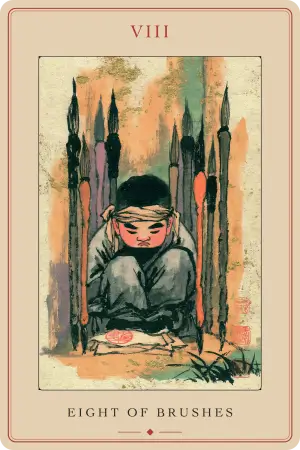
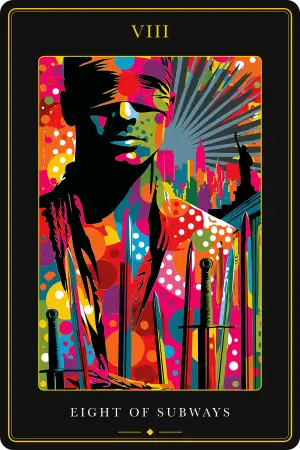
כל חפיסה מדמיינת מחדש את אותו ארכיטיפ. השוו את האמנות, ואז פתחו חפיסה כדי לקרוא את הפרשנות המלאה שלה.
דימויים וסמליות
בקלף של ריידר-ווייט-סמית עומדת אישה כפותה מכף רגל ועד ראש, עיניה מכוסות, ומוקפת בשמונה חרבות שננעצו באדמה. שלולית רדודה של מים עכורים מונחת לרגליה, וטירת אבן מתנשאת על צוק גבוה מאחוריה. הסצנה נקראת כהגבלה וכפגיעות, ובכל זאת כמעט כל סמל בה מערער בשקט את האימה שהוא משדר במבט ראשון.
החבלים. התבוננו מקרוב בקווי הרישום של פמלה קולמן סמית והכבלים קשורים ברפיון. הם הרתעה נפשית ולא בלתי אפשרות פיזית. לאישה יש די מרווח כדי לנער אותם מעליה אילו חדלה להיבהל, וזה הופך את הכבילה למטאפורה לגבולות שהיא מקבלת בלי לבחון אותם מעולם.
כיסוי העיניים. זו נקודת המוקד של הקלף והיפוך מכוון של שתי החרבות, שם דמות מכסה את עיניה מבחירה כדי לסנן רעש ולשפוט בהגינות. כאן אותו בד עצמו מגביל את השכל במקום לחדד אותו. הוא עומד לבורות מרצון ולסירוב לראות את טיבה האמיתי של הסביבה.
החרבות. שמונה להבים מקיפים אותה אך אינם נסגרים למעגל שלם. יש פרצות ברורות בגדר. אלה הפחדים והאמונות המגבילות שלה, והם נראים מאיימים ובה בעת נותרים סטטיים לחלוטין, תקועים בבוץ ולא תוקפים. החופש זמין דרך צעד ביניהם.
המים והטירה. השלולית הרדודה היא התת-מודע והאינטואיציה. רגליה יחפות וחופשיות בתוכה, תחת שלטונם המימי של הדגים, ולכן המילוט שלה טמון בהרגשת הדרך החוצה ולא בניתוח יתר. הטירה המרוחקת היא הביטחון שאבד, גלויה לצופה גם אם לא לדמות מכוסת העיניים, סימן לכך שהדרך חזרה מוסתרת ולא נהרסה.
משמעות הליבה
שמונה חרבות הן התמונה הבהירה ביותר בחפיסה של כליאה מחשבתית. השכל, שנבנה כדי לפתור בעיות, פונה פנימה ובונה מבוך של חרדה ושל חוסר אונים מדומה. במרכזו יושב עיוות קוגניטיבי אחד: האמונה שכוחות חיצוניים שאין להתגבר עליהם לכדו אתכם, בעוד המחסומים נוצקו ברובם בידי המחשבה עצמה.
ווייט תיאר את הקלף ב"מפתח המצויר לטארוט" משנת 1910 כ"כליאה זמנית ולא שעבוד שאין ממנו חזרה", וההבחנה הזאת נושאת את המשמעות כולה. אין כאן מאסר עולם. זהו מצב הגבלה שהאדם הביא על עצמו ואפשר להימלט ממנו. הדימוי מפחיד, אבל המסר שלו אופטימי בעקשנות: החרבות מותירות פרצות, החבלים רפויים, ואת כיסוי העיניים אפשר להתיר בכל רגע.
משמעות במצב ישר
במצב ישר הקיפאון פעיל ונמשך. אתם נתונים בשליטתם של העיוותים הקוגניטיביים, מרגישים משותקים וקורבנות של נסיבות שהמחשבה ניפחה הרבה מעבר לגודלן האמיתי. ווייט קרא את הקלף הישר כבשורות רעות, אבל, משבר ועימות. בפרקטיקה בת זמננו הוא פועל בעיקר כאבחנה: הוא מצביע על כך שאתם משמשים סוהרים של עצמכם.
באהבה. תחושת מלכוד בדינמיקה לא מספקת או רעילה, לצד אמונה שאין לכם המשאבים או ההצדקה לעזוב. אחרי פרידה הקלף מראה שאתם עדיין שבויים נפשית אצל האקס ומחזיקים מחסום שהצבתם בעצמכם על הלב. בתוך קשר נמשך זו עשויה להיות אימת עימות משתקת, שבה אתם מדחיקים את רגשותיכם האמיתיים ובונים כלא שקט של שתיקה.
בקריירה. תחושת נעילה בתוך עבודה או זהות מקצועית שאינן מתאימות עוד, לצד שכנוע עצמי שהשינוי בלתי אפשרי. זהו סמן מובהק של תסמונת המתחזה, שבה ההגבלה קוגניטיבית זמן רב לפני שהיא חומרית. אתם אומרים לעצמכם "אני לא יכול" בעוד בסתר לבכם אתם משתוקקים לנסות.
בכספים. תחושת כבילה בחוסר כסף, בחוב או במחסור חומרי. הקלף פועל כמבחן מציאות, משום שהמכשולים שמפחידים אתכם, כמו כישורים שאבדו או חורבן כלכלי, מנופחים בדרך כלל בידי פחד האגו מן הלא נודע.
בבריאות. חרדה, ערפל מחשבתי וחשיבת יתר. בתגובת איום גבוהה התפקוד הניהולי של המוח נעצר, וככל שתתאמצו יותר לחשוב את דרככם החוצה כך תרגישו לכודים יותר. זו חרדת היום, להבדיל מן הייאוש העמוק של תשע החרבות.
משמעות במצב הפוך
במצב הפוך כיסוי העיניים מתחיל להחליק. הערפל המחשבתי מתפזר ואתם מתעוררים אל האפשרויות ואל דרכי המילוט שהיו תמיד ממש מעבר לשדה הראייה ההיקפי. קוראים בני זמננו רואים בזה את אחד ההיפוכים המקלים ביותר בחפיסה, שחרור של פחדים ישנים וחזרת הביטחון עם השבת הכוח לידיכם.
קוראי הקלפים המוקדמים קראו אותו אחרת. ווייט קשר את הקלף ההפוך לאי שקט, לקושי, להתנגדות ולבגידה. הקונצנזוס המודרני נטה בחוזקה לכיוון השחרור, אף שהטעימה הראשונה של הבהירות עשויה לשאת עוקץ של חרטה על זמן שאבד לחבלה עצמית. הקלף כמעט צועק לכם לפעול על סמך הבהירות החדשה לפני שהספק העצמי יבנה מחדש את הכלוב.
באהבה. לראות סוף סוף דפוס רעיל בבירור ולמצוא את האומץ לעזוב, או לפתוח שוב את הלב אחרי שהחזקתם אותו מאחורי חומה. שיחה כנה מחליפה את השתיקה שכלאה אתכם.
בקריירה. ההכרה בכך שהכלוב המקצועי נבנה בידיכם, והיציאה ממנו. תסמונת המתחזה מרפה מאחיזתה ואתם עושים את הצעד שדיברתם את עצמכם מחוצה לו.
בכספים. לראות מצב כספי כפי שהוא באמת, לבקש עזרה ולגלות שהיציאה המעשית הייתה שם כל הזמן.
בבריאות. לולאת חשיבת היתר נשברת. החרדה מתרופפת כשאתם מאתגרים את הסיפור האסוני ועושים צעד קונקרטי אחד אל מחוץ לשיתוק.
הערות היסטוריות
בטארוט מרסיי, שקיבל את צורתו סביב שנת 1650, הקלפים המספריים לא היו סצנריים. שמונה החרבות הראו שמונה להבים מעוקלים שנשזרים בדגם צפוף וכמעט חונק, גאומטריה של דחיסה ושל גבולות. מבחינה נומרולוגית שאבו השמיניות של מרסיי מתח משני קלפי ארקנה גדולה: הצדק (VIII), קר ורציונלי, והירח (XVIII), לא רציונלי ומלא אשליה. הקלף ישב בנקודה שבה עובדות קשות מתנגשות בפחדי הלא מודע.
אטייה, שפעל בסוף המאה השמונה עשרה, נתן לו מילות מפתח של אירועים בלתי צפויים ושל מכשולים קטנים, ואילו גרסאות אחדות קשרו את היפוכו לתקווה ולתמיכה, רמז מוקדם לשחרור שקוראים מאוחרים יותר יבליטו. פאפוס, בתחיית האזוטריקה של שנות התשעים למאה התשע עשרה, נתן לו אויב שניצחונו "חלקי בלבד" ומותיר צוהר למילוט. מסדר שחר הזהב שיטתי אותו בספר ת׳ כ"אדון הכוח המקוצר" והזהיר מאנרגיה שמתבזבזת בעניינים קטנוניים. פמלה קולמן סמית וארתור אדוארד ווייט קיבעו את הדימוי הסצנרי המודרני בשנת 1909, בהוצאת ויליאם ריידר ובנו, ומאז מגדירה את הקלף המסגרת של ווייט, אותה "כליאה זמנית".
התאמות
מספר. שמונה, קשור להערכה, למבנה ולגבולות קארמתיים. בעץ החיים כל השמיניות נופלות אל הוד, הספירה השמינית.
אסטרולוגיה. הדקאן הראשון של תאומים, מזל אוויר משתנה שנשלט בידי מרקורי, כשצדק (יופיטר) הוא שליט הדקאן עצמו. צדק יושב כאן בשפלות: הוא רוצה להתרחב אל פילוסופיות רחבות בעוד תאומים מפזר את האנרגיה לאינספור מחשבות דואליות, והתוצאה היא עומס קוגניטיבי ושיתוק.
יסוד. אוויר, היסוד המהיר וחופשי התנועה של המחשבה, שהוא בדיוק מה שנלכד כשהוא פוגש את המבנה הנוקשה של הוד.
קבלה. הוד, שמשמעו תהילה או זוהר, בבסיס עמוד הדין. הוד הוא מבנה המחשבה, ההיגיון והקטגוריות שלה, וכשהחרבות חסרות הגבול נכנסות למרחב הנוקשה הזה המחשבות מוקפצות בחזרה אל עצמן אל תוך כלא מחשבתי צר.
כבוד יסודי. כחרב בין חרבות זהו אוויר כפול, שכל טהור שפונה נגד עצמו בלי יסוד אחר שימתן אותו.
תזמון וכן או לא. הקלף נוטה לשלהי האביב ולתקופת תאומים. ככן או לא הוא נקרא כלא במצב ישר, משום שהאנרגיה מוגבלת מכדי לשאת תוצאה חיובית, והוא מתרכך לכיוון כן במצב הפוך, כשהאחיזה המחשבתית מרפה.
נקודת מבט פסיכולוגית
זהו דיוקן החפיסה של חרדה קלינית ושל אמונה מגבילה. החרבות הן עיוותים קוגניטיביים, חשיבה אסונית והכללת יתר שנראים חדים כתער ומשכנעים אך עשויים מפחד ומהשלכה. הקלף לוכד בדיוק את התחושה של ערפל מחשבתי, שבה חרדה גבוהה פוגעת בתפקוד הניהולי ומאמץ מחשבתי גדול יותר רק מהדק את המלכודת.
בלבו מונחת מסירה של הכוח האישי. האדם מאמין באמת שאין לו אפשרויות ומחליק לתודעת קורבן, ומתפתה לחכות למציל מבחוץ במקום לפעול. הקלף עולה לא פעם כשמישהו הפנים כישלונות מן העבר או קולות ביקורתיים עמוק כל כך עד שהוא מפסיק לנסות מראש, וזה מה שהופך אותו לסמן חזק של תסמונת המתחזה.
הנתיב הטיפולי שבנוי בתוך הקלף משקף טיפול קוגניטיבי התנהגותי: לנקוב באמונה המגבילה ולאתגר אותה (להסיר את כיסוי העיניים), לשים לב שהאיום הנתפס בר התמודדות (לראות את הפרצות בין החרבות), לפנות לתמיכה ולעשות פעולה אמיצה ומסוימת אחת שתשבור את השיתוק. השמינייה היא חשיבת יתר של שעות היום, בשונה מתשע החרבות שהיא אימת הלילה נטול השינה.
שמונה חרבות בחפיסות שונות
טארוט מרסיי. שמונה להבים מעוקלים ששזורים בקשר גאומטרי צפוף, בלי דמות אנושית, והמשמעות נישאת בדחיסה ובכליאה ולא בנרטיב.
קראולי ותות. הקלף, שציירה ליידי פרידה האריס בשנת 1943 ונקרא מחדש "הפרעה", מוותר על האישה הכפותה כליל. שתי חרבות כבדות מצביעות מטה במרכז, וחוצות אותן שש חרבות קטנות ששאובות מתרבויות שונות, הקריס, הקוקרי, הסקרמסקס והפגיון, התנגשות של אידאולוגיות סותרות. קראולי קושר אותו לצדק בתאומים ומכנה את הכישלון מכני, "טעותה של טובת הלב כשטוב לב הוא אסון", המחשבה שמפריעה להיגיון של עצמה עד שהוא נעצר.
חפיסות מודרניות. חפיסת Wild Unknown של קים קראנס מראה פרפר כבול ברשת שתלוי מחרב אחת, ומוותרת על המילוט הקל כדי לבודד את התקיעות החונקת. Modern Witch Tarot של ליסה סטרל שומרת על החבלים הרפויים ומוסיפה יד שמונחת על כתפה של הדמות, כך שעזרה סמויה וקהילה כבר נמצאות שם. This Might Hurt של איזבלה רוטמן נשענת על שיבארי, שבו הכפות שומר על השליטה המכריעה, תזכורת לכך שיש לכם יותר כוח על המצב משנדמה. Tarot of Oxalia עוטפת את הדמות בגפנים שכובלות אותה וגם חוסמות את פיה, ומדגישה את האימה שבחוסר היכולת לומר את האמת שלכם.
בשילוב ובהקשר
קוראים מנוסים מתייחסים לשמונה החרבות כקלף הנקודה העיוורת: אתם מפספסים את הפתרון הפשוט והברור משום שגאווה, עקשנות או הדרמה של המצוקה משאירות את כיסוי העיניים במקומו. הכלים לשחרור כבר בידיכם ואתם בוחרים שלא להשתמש בהם.
לצד המגדל הקריאה מתחדדת. המגדל מסמן שינוי קטסטרופלי שאין להימנע ממנו, ואילו השמינייה מראה אתכם נאחזים מתוך פחד ביסוד כוזב שאתם מרגישים מחויבים לשמר. עם חמישה מטבעות, קלף של מצוקה חומרית, השמינייה מראה כיצד מלכוד מחשבתי מעמיק את הפחד הכלכלי, אף שחמישה מטבעות במצב הפוך לצדה נקראים כתפנית אל עזרה ואל התאוששות, הכבלים המחשבתיים שמתחילים להתרופף. אם הולכים אחרי אפיק המים שלרגליה, הדימוי מוביל היישר אל תשע החרבות, צעד עמוק יותר אל תוך החרדה שעדיין נחשב התקדמות הכרחית. בפריסת כן או לא הקלף הישר הוא לא ברור עד שנקודת המבט משתנה.
שאלות למחשבה
- אילו מן החרבות שסביבכם הן מגבלות אמיתיות, ואילו מהן פחדים שמעולם לא בחנתם באמת?
- אילו הסרתם את כיסוי העיניים ברגע זה, איזה צעד ברור ומתבקש הייתם רואים שסירבתם להביט בו?
- היכן אתם ממתינים שמישהו יחלץ אתכם ממצב שכבר יש בכוחכם לשנות?
המשמעות הכללית עוקבת אחר קריאת ריידר-וייט-סמית', הרפרנס המרכזי באקדמיה לטארוט. פתחו חפיסה מסוימת למעלה לקבלת פרשנות משלה.
שאלות נפוצות
גלו את הטארוט
פוסטים אחרונים
גלה את החוכמה העתיקה של קלפי הטארוט ופתח את סודות המסע הרוחני שלך. הבלוג שלנו הוא שערך להבנת הסימבוליזם העשיר, המשמעויות והיישומים המעשיים של קריאת טארוט.




















































