
 FA (فارسی)

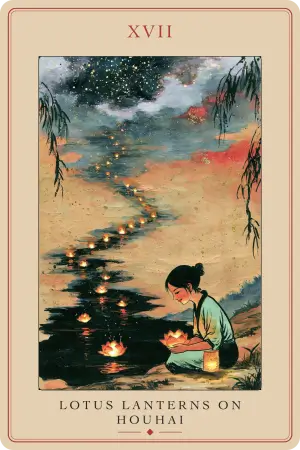
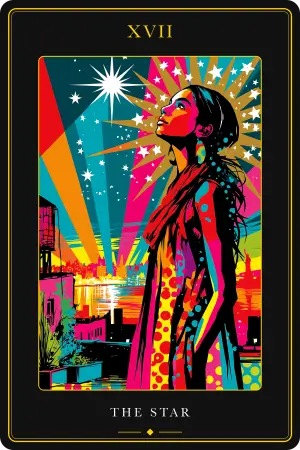


آرکانای بزرگ · XVII
ستاره
نور آرام پس از توفان؛ امید و شفایی که دوباره به جهان ریخته میشود.
راهنمای کامل را بخوانید: کارت ستاره در تاروت: راهنمای جامع برای نمادشناسی و معنا
کارت در یک نگاه
- عددشناسی
- XVII
- عنصر
- هوا
- طالعبینی
- دلو · زحل و اورانوس
- مسیر کابالایی
- تصادی (نتزاخ → یسود)
- زمانبندی
- اواخر زمستان · فصل دلو
- بله / خیر
- بلهای ملایم · با صبر
مستقیم
امید
شفا
نو شدن
ایمان
الهام
آرامش
اصالت
راهنمایی
معکوس
نومیدی
بحران ایمان
گسستگی
مثبتاندیشی سمی
امید واهی
تردید به خود
ستاره در هر دسته
دستههای مختلف، همان کهنالگوها را بازتفسیر میکنند. تصویرگریها را مقایسه کنید و برای خواندن تفسیر کامل، دسته مورد نظر را باز کنید.
تصویرسازی و نمادگرایی
زنی برهنه زیر آسمانی تابان در کنار برکهای زانو زده است. برهنگی او نکته اصلی است: پس از جان به در بردن از فروپاشی برج، بیهیچ ایگو، بیهیچ شرم و بیهیچ تصویر دروغینی برای نمایش دادن ایستاده است. یک پایش بر سطح آب تکیه دارد، ذهن سیال و شهودی، و زانوی دیگرش بر زمین فشرده شده، جهان آگاه و سفت، چنانکه کل حالت او پلی میان دو قلمرو است.
از دو کوزه آب میریزد. جریان دست راستش بر خشکی میریزد و آنجا به پنج جویبار برای پنج حس تقسیم میشود؛ بینش معنوی که در زندگی روزمره ریشه میگیرد. جریان دست چپش به برکه بازمیگردد، سرچشمه ناخودآگاه را دوباره پر میکند و پیوند با منبع را باز نگه میدارد. بالای سرش یک ستاره بزرگ هشتپر آویخته که هفت ستاره کوچکتر دورش حلقه زدهاند، و اغلب هفت چاکرا خوانده میشوند که با آن جوهر یگانه بالای سر روشن شدهاند.
پشت او، لکلک مقدس (ایبیس) بر درخت اقاقیا نشسته است. ایبیس از آنِ توت است، خدای مصری خرد و نوشتار، پس کارت را به کارتی از وضوح و بیان راستین بدل میکند، و این پرنده به خوشبینیاش مشهور است: آخرین پرندهای که پیش از توفان پناه میگیرد و نخستین که پس از گذشتنش بازمیگردد.
معنی اصلی
ستاره آن چیزی است که پس از فاجعه میآید. پس از آنکه برج هر ساختار دروغینی را فرومیریزد، خلأیی که بر جا میگذارد دقیقاً همانجایی است که حقیقت عریان ستاره میتواند پدیدار شود؛ کارت آرامش، شفا و همراستایی کیهانی بیسروصدا. بازگشت به اصالت است، خودی که از تصنع عاری شده و دوباره به سرچشمه پیوسته؛ نخستین پیکر بهراستی برهنه در کل توالی.
کار آن تطهیر گذشته و بارور کردن آینده است؛ بخشیدن آزادانه به جهان بیآنکه حساب نگه دارد. اما امیدی که پیشکش میکند آرزوی منفعل نیست. ستاره همانطور راه مینماید که ستارهای واقعی به دریانورد: نوری ثابت برای جهتگیری در شبی طولانی، و رسیدن به آن صبر میخواهد و کار پیوسته و مداومِ ریختن آبهای زندگی به جهان.
معنی مستقیم
در حالت مستقیم، ستاره آرامش است، ایمان تازهشده و شفا پس از گذاری سخت. امید و الهام را بازمیگرداند و به آیندهای اشاره دارد که بهراستی ممکن است، هرچند از پرسشگر میخواهد صبورانه به سوی آن راه بپیماید و انتظار یکشبه نداشته باشد.
در عشق. شفای واقعی پس از دلشکستگی، اما کارت هشداری ظریفتر هم دارد. ستاره دور و دستنیافتنی است و میتواند نشان «اثر پایه مجسمه» باشد: فرافکنی تصویری بینقص و تقریباً الهی بر کسی تا آنجا که واقعیت انسانیاش ناپدید شود. در این خوانش به احساسی یکطرفه اشاره دارد یا به عاشقِ پتانسیل یک رابطه بودن، به جای خودِ چیز واقعی و زمینی.
در شغل. الهام و ایمانی تازه به یک جهت؛ نوری راهنما پس از دورهای تردید. پیشرفت ممکن است، اما با پیمایش صبورانه میآید، نه با جهشی ناگهانی.
در امور مالی. بخت خوب آرام و انباشته، نه یک جایزه بزرگ. جایی که چرخ اقبال چرخشی ناگهانی میآورد، اقبال ستاره آهسته و پیوسته است و به صبر پاداش میدهد.
در سلامت. بهبودی، ترمیم و آرامش؛ کارت شفای دسته، بازگشت انرژی و صلح پس از فشار.
معنی معکوس
در حالت معکوس، ستاره بحران ایمان خوانده میشود. از یک سو از نومیدی و گسستگی هشدار میدهد و از سوی دیگر از توهم و مثبتاندیشی سمی: استیصالی که پس از رویدادی سخت به خیالی غیرواقعی میچسبد و حاضر نیست نشانههای خطرِ پیش چشم را ببیند.
خوانش ملایمتری هم هست. درمانگرانِ آگاه به آسیب یادآوری میکنند که ناامیدی همیشه دشمن نیست. در موقعیتی بهراستی آزارگر یا تکانناپذیر، رها کردن یک امید دردناک مشخص میتواند عملی برای حفظ خود باشد، و ستاره معکوس شاید فقط به پرسشگر بگوید خستگیاش معتبر است و رها کردن آن امید، شکلی از عشق به خود.
در عشق. از دست دادن ایمان به پیوند، یا چسبیدن به نسخه خیالی کسی و نادیده گرفتن آنچه واقعاً هست.
در شغل. دلسردی و از دست رفتن الهامی که کارت مستقیم با خود دارد، یا دنبال کردن رؤیایی که هیچ پایهای زیر آن نیست.
در امور مالی. خوشبینی غیرواقعی درباره پول، یا نومیدیای که وقتی نتیجه مورد امید نمیرسد از راه میرسد.
در سلامت. تهی شدن عاطفی و حس گسستگی، یا تحمیل مثبتاندیشی بر نیازی واقعی به استراحت و صداقت.
یادداشتهای تاریخی
آبآورِ زانوزده نسبتاً دیر از راه رسید. در دستههای ایتالیایی قرن پانزدهم این کارت هنوز جا نیفتاده بود: ویسکونتی-اسفورزا زنی پوشیده را نشان میداد که یک ستاره در دست دارد، دسته بوداپست زنی برهنه را که دست دراز میکند تا ستارهای را بگیرد، و کارتهای روتشیلد و دِسته سه مرد با کلاه فریگی را که به آسمان اشاره میکنند و بهآسانی مغان خوانده میشوند که ستاره بیتلحم را دنبال میکنند. دسته مینکیاته حتی مسافری تاجدار را نشان میدهد که جامی را به سوی ستارهای هشتپر بالا میبرد. تا قرنهای شانزدهم و هفدهم، دستههای فرانسوی به جای آن به ستارهشناسانی نشسته با پرگار روی آوردند که آسمان را اندازه میگیرند.
تصویر آشنا را تاروت مارسی تثبیت کرد که ستارهشناسان و مغان را کنار گذاشت و زنی برهنه را آورد که دو کوزه را کنار آب میریزد، با پرندهای بر درخت و یک ستاره بزرگ میان هفت ستاره کوچکتر. کهنترین پیشنمونه آن «ورق کری» از حدود سال ۱۵۰۰ است. ویت و پاملا کالمن اسمیت در سال ۱۹۰۹ این طرح را پرداخت کردند و ایبیس و جریانهای جداگانه بر خشکی و آب را افزودند، هرچند ویت به طرزی عجیب هنوز معانی فالگیرانه قدیمی کارت را از دست دادن و رهاشدگی ثبت کرد؛ خاطرهای از ایزدبانو آسترایا که جهانی فاسد را ترک میکند و فقط امید را بر جا میگذارد.
تناظرها
عدد. XVII، هفده، که به هشت تقلیل مییابد و ستاره را به قدرت پیوند میدهد. آسیبپذیری پیکر برهنه ضعف نیست؛ اینقدر گشوده ماندن، شجاعتی واقعی میخواهد.
نجوم. دلو، نشان هوایی ثابتِ رؤیاپرداز و انساندوست، که بهطور سنتی زحل بر آن حاکم است و در نجوم امروزی اورانوس. این نشان، آبآوری را بازمیتاباند که حقیقت را برای جمع بیرون میریزد.
عنصر. هوا، عنصر دلو؛ آسمان ذهنی روشن پشت آبهای شفابخش کارت.
کابالا. در نظام طلوع زرین، حرف عبری تصادی است، «قلاب ماهی»، ریشه واژه «تصدیق»، یعنی پارسا. این قلاب، ماهیگیری ذهنی است: انداختن نخ در آبهای ژرف ناخودآگاه برای بالا کشیدن حقیقتی برتر، در امتداد مسیر بیستوهشتم از نتزاخ به یسود. کرولی بعدها این را به هم زد: با خواندن جمله «تصادی ستاره نیست» در «کتاب قانون»، کارت را با امپراتور جابهجا کرد و آن را به حرف هه، «پنجره»، بر مسیر پانزدهم از چوکماه به تیفارت نسبت داد.
زمانبندی. فصل دلو، و آهنگی آهسته و صبورانه. در پرسش بله یا خیر، کارت بلهای ملایم است که از شما میخواهد به سوی هدف ادامه دهید.
دیدگاه روانشناختی
پیکر برهنه، تصویری از اصالت پس از مرگ ایگوست؛ کسی که دیگر به زره نیازی ندارد. اگر از دریچه تقسیم کار نیمکرههای مغز بخوانیم، دو دست او کار متفاوتی میکنند: دست راست، زیر فرمان نیمکره چپِ منطقی، بر خشکی میریزد و بینش را در واقعیت عملی ریشه میدهد، و دست چپ، زیر فرمان نیمکره راستِ شهودی، به برکه بازمیریزد و سرچشمه ناخودآگاه را پر نگه میدارد. سلامت در این کارت، تعادل میان این دو است.
آلخاندرو خودوروفسکی سایه کارت را دقیق نام میبرد. ستاره در بهترین حالت، کمال بخشش است: دادن به جهان بیآنکه چیزی در ازایش بخواهد. وقتی بد به کار رود، خونآشامی میشود: اگر پیکر فقط به برکه بریزد، به گذشته و مخزن زخمهای کهنه، به چاهی بیانتها از مطالبه عاطفی بدل میشود؛ همیشه حس میکند دوست داشته نمیشود و از همه اطرافیانش تأیید طلب میکند. تنهایی دلویی هم در کارت هست: بیگانهای که آب کیهانی را برای جمعی میآورد که هرگز کاملاً در آن حل نمیشود؛ دلبسته انسانیت، اما تماشاگرش از فاصلهای محتاط.
ستاره در دستههای مختلف
دستههای ایتالیایی و فرانسوی نخستین. پیش از آنکه آبآور جا بیفتد، کارت میان ستارهشناسانی با پرگار که فلک را اندازه میگرفتند و مغان ردادار با کلاه فریگی که به ستاره بیتلحم اشاره میکردند سرگردان بود؛ خوانشی عقلانی و آسمانی که بعدها جای خود را به پیکر زانوزده در کنار آب داد.
کرولی-توت. کرولی و لیدی فریدا هریس کارت را در الهیات تلمایی غوطهور میکنند. پیکر به نویت بدل میشود، ایزدبانوی آسمان شب بیکران و تمامیت امکان، که از جامی طلایی و جامی نقرهای میریزد تا انرژیاش را به جهان مادی هدایت کند، و پژواکهایی از بابالون دارد که همه تجربهها را میپذیرد. اینجا کارت، تحقق «اراده راستین» آدمی در پهنای فضاست.
بازپسگیریهای امروزی. دستههای کوئیر و فمینیستی مانند «تاروت جادوی مادر زمین» برهنگی را به عنوان آسیبپذیری بازتعریف میکنند، نه نمایش؛ قدرت آشکار و بیشرم زیستن، و اصرار دارند که آدمی برای سزاوار دیده شدن بودن لازم نیست کاملاً شفا یافته باشد. دیگران، مانند «تاروت آهسته» لیسی برایانت، شفای کارت را به سوررئالیسم خانگی آرام و وزن خاطرههای روزمره منتقل میکنند.
در ترکیب و زمینه
ستاره فقط در توالی معنای کاملش را مییابد. پس از برج میآید و پیش از ماه، و همین جایگاه خودِ خوانش است: برج خود دروغین را میکَند و ستاره خود اصیل است و آرامشی که پیش از فروریختن توهم نمیتوانست وجود داشته باشد. کنار چرخ اقبال، تضاد معنایش را تیزتر میکند، چون اقبال چرخ ناگهانی است و اقبال ستاره آرام، انباشته و به دست آمده با پیمایش صبورانه.
در چیدمانهای عشق، کارت رنگش را از همسایگانش میگیرد. در کنار چهار جام یا هشت جام اغلب احساسی یکطرفه را تأیید میکند؛ رابطهای که آرزویی دور میماند و نه واقعیتی زیسته، با پرسشگری شیفته آرمانی بر پایه مجسمه. به عنوان مانع، همان پایه مجسمه را نام میبرد: تصویر بینقصی که هیچ انسان واقعی با آن جور درنمیآید.
در پرسش بله یا خیر، نرم پاسخ میدهد. اگر برای پرسشی مضطرب کشیده شود، مثلاً اینکه آیا امتحان بد پیش میرود، کمتر پیشبینی است و بیشتر دلگرمی: تلنگری که دست از فاجعهسازی بردارید، به فرایند اعتماد کنید و بگذارید نتیجه به جای وحشت، شفا بیاورد.
پرسشهایی برای تأمل
- پس از آنچه از دست دادهاید، کدام بخش اصیل شما باقی مانده که دیگر لازم نیست پنهانش کنید؟
- انرژیتان را به زمین بارور اکنون میریزید، یا فقط به برکه زخمهای کهنه بازمیگردانید؟
- کجا امید شما ستارهای است برای راه یافتن، و کجا به خیالی بدل شده که درونش پنهان شدهاید؟
تفسیر عام کارتها بر اساس دسته رایدر–ویت–اسمیت آماده شده که مرجع اصلی آکادمی تاروت است. برای دیدن نگاه ویژه هر دسته، میتوانید آن را جداگانه باز کنید.
پرسشهای متداول
کاوش در تاروت
آخرین نوشتهها
حکمت باستانی کارتهای تاروت را کشف کنید و اسرار سفر معنوی خود را باز کنید. وبلاگ ما دروازه شما به درک نمادگرایی غنی، معانی و کاربردهای عملی خواندن تاروت است.




















































