
 ES (español)



Arcanos Mayores · V
El Hierofante
Tradición sagrada y enseñanza estructurada, el puente entre la sabiduría divina y la doctrina humana compartida.
Lee la guía completa: La Carta del Sumo Sacerdote en el Tarot: Guía Completa de Simbolismo y Significado
La carta de un vistazo
- Numerología
- V
- Elemento
- Tierra
- Astrología
- Tauro · regido por Venus
- Sendero cabalístico
- Vau (Chokmah → Chesed)
- Tiempo
- Primavera · temporada de Tauro
- Sí / No
- Neutral · busca consejo
Al derecho
tradición
institución
educación
conformidad
guía espiritual
mentoría
ortodoxia
pertenencia
Invertida
inconformismo
rebeldía
dogma
restricción
hipocresía
liberación
creencias personales
El Hierofante en cada baraja
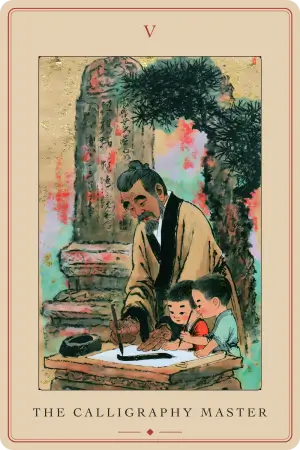
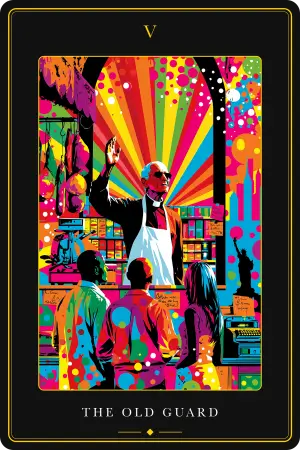
Cada baraja reinterpreta el mismo arquetipo. Compara el arte y abre una baraja para leer su interpretación completa.
Imaginería y simbolismo
El Hierofante de Rider-Waite-Smith está sentado en un trono de piedra entre dos pilares grises. Mientras que a La Sacerdotisa la enmarcan las columnas en blanco y negro de Boaz y Jachin, sus dos pilares grises funden los opuestos y representan la arquitectura asentada de la ley institucional. Lleva la tiara papal de tres niveles, leída hacia fuera como la Santísima Trinidad y hacia dentro como el dominio sobre la mente consciente, subconsciente y supraconsciente, y su forma evoca la letra hebrea Vav que da nombre a su sendero cabalístico.
Su mano derecha se alza en bendición, con dos dedos levantados y dos plegados, la señal de que parte de su conocimiento se ofrece abiertamente y parte se reserva. El gesto lo convierte en pontifex, constructor de puentes entre lo divino y lo humano, el mismo oficio que su título. En la mano izquierda sostiene la cruz triple, un báculo de tres travesaños para la transmisión ordenada de la enseñanza sagrada hacia el mundo.
Dos llaves cruzadas descansan en el suelo a sus pies, una de oro y otra de plata, la mente consciente solar y el subconsciente lunar que juntos abren misterios más profundos. Ante él se arrodillan dos acólitos tonsurados, uno vestido con rosas rojas por la pasión y el deseo, el otro con lirios blancos por la pureza y la claridad mental. Hacen de esta la primera carta de los Arcanos Mayores que muestra una comunidad, un anciano que transmite un conocimiento estructurado a discípulos dispuestos.
Significado central
El Hierofante es la tradición ortodoxa, la enseñanza institucional y la jerarquía que lleva la creencia de una generación a la siguiente. Su oficio más profundo es la traducción: toma la fuerza cegadora e incomprensible de la sabiduría divina y la convierte en una doctrina que una mente corriente puede sostener y usar sin peligro. Eso es lo que hace un pontifex, tender el puente entre el cielo y la tierra.
Se sienta entre El Emperador, que gobierna el mundo secular mediante la ley, y Los Enamorados, que toman su propia decisión autónoma. Su tarea evolutiva es enseñar la pertenencia: las tradiciones, la moral y las convenciones que permiten a una persona funcionar dentro de una comunidad. Sacarlo es verse remitido a una estructura establecida, un mentor, una fe o una institución, y preguntarse qué queda por aprender de quienes vinieron antes.
Significado al derecho
Al derecho, El Hierofante favorece la tradición, los valores compartidos y el aprendizaje dentro de un sistema establecido. Aconseja respetar las reglas, buscar un maestro cualificado y apoyarse en la sabiduría acumulada de una institución en lugar de improvisar en solitario. Hay un consuelo profundo en su estructura y su ritual, la seguridad de los caminos previsibles y probados.
En el amor. Una relación construida sobre creencias compartidas y compatibilidad cultural o religiosa, más inclinada a la estabilidad a largo plazo que a la pasión fugaz. La pareja tiende a ser fiable y tradicional, y la carta puede anunciar un hito formal, como un compromiso o una boda.
En el trabajo. Trabaja dentro del sistema. Busca un mentor, respeta la cultura de la empresa y usa las redes establecidas, porque aquí el éxito llega por ajustarse a una estructura probada y no por romper con ella.
En las finanzas. Conservador y de largo plazo. La carta favorece la banca tradicional, la acumulación constante y la planificación cuidadosa, y advierte contra las aventuras de alto riesgo.
En la salud. Confía en la atención convencional y probada. Es la carta del régimen establecido y del profesional cualificado, de seguir un tratamiento que generaciones de práctica ya han puesto a prueba.
Significado invertido
Invertido, El Hierofante se vuelve hacia lo no convencional. Puede marcar una rebeldía sana contra los guiones heredados, la decisión de seguir la propia conciencia o una vida que rechaza la plantilla estándar. Su cara más dura es el dogma y la hipocresía, la tradición convertida en arma para controlar o excluir.
En el amor. Una relación fuera del molde convencional, sea poliamorosa, queer o simplemente sin interés por el matrimonio y la familia nuclear. En lecturas más oscuras advierte de hipocresía, infidelidad o una pareja que usa roles de género rígidos para dominar.
En el trabajo. Sensación de asfixia por el papeleo, la burocracia o un lugar de trabajo inflexible. La carta puede empujarte hacia el trabajo por cuenta propia, hacia cuestionar una política obsoleta o hacia caminos que el sistema no respalda.
En las finanzas. Un alejamiento del manual conservador, hacia el trabajo independiente, los activos alternativos o acuerdos que las viejas instituciones miran con recelo.
En la salud. Cuestionar una prescripción estándar y explorar enfoques menos convencionales, o la trampa contraria de aferrarse tanto a un único método rígido que deja de servirte.
Notas históricas
Empezó como Il Papa, el Papa. En la baraja Visconti-Sforza de alrededor de 1450 se sienta entronizado con todos los atributos papales, la tiara triple, las llaves y un báculo, una imagen tomada directamente de una Iglesia que entonces gobernaba los Estados Pontificios como potencia política. Algunos estudiosos creen que la figura se inspiró en Amadeo VIII de Saboya, brevemente el antipapa Félix V y suegro del duque Visconti.
Normalizado en el Tarot de Marsella como Le Pape, se convirtió en un anciano barbado vestido de rojo y azul que bendice a dos acólitos tonsurados. Su imagen chocó a menudo con la censura: las regiones protestantes y anticlericales lo cambiaron por Júpiter en la baraja de Besançon, por Baco en la Vandenborre, y en Bolonia la propia Iglesia sustituyó las cuatro cartas de autoridad por reyes moros tras una ofensa en 1725.
El nuevo nombre llegó con el renacimiento ocultista francés. En 1781 Court de Gébelin reinterpretó al Papa como Le Grand-Prêtre y lo vinculó a un imaginario sacerdocio egipcio, y en 1856 Éliphas Lévi lo bautizó como el Gran Hierofante, con el título prestado del sumo sacerdote de los Misterios de Eleusis. El hierophantēs griego era quien mostraba las cosas sagradas a los iniciados, y con esa palabra la carta dejó el Vaticano por las antiguas escuelas de misterios.
Correspondencias
Número. Es el V, la quintaesencia que se eleva por encima de los cuatro elementos, y también el número de la inestabilidad, el conflicto y la fricción de tender puentes entre materia y espíritu. Los atribulados cincos menores, de Bastos, Copas, Espadas y Oros, son las perturbaciones que su estructura existe para contener.
Astrología. Lo rige Tauro, el signo fijo de tierra de la resistencia, la paciencia y la oposición al cambio brusco. Su regente, Venus, suaviza la autoridad y liga sus leyes y rituales a los valores compartidos, la comodidad y la armonía social, por lo que rige tanto el matrimonio como las instituciones de ladrillo y cemento.
Elemento. Tierra. El suyo es el suelo estable e inamovible que conserva los sistemas y sobrevive a las modas.
Cábala. Ocupa el sendero 16, de Chokmah (la Sabiduría) a Chesed (la Misericordia). Su letra hebrea es Vau, el clavo, y como un clavo que une dos tablas fija la verdad etérea al plano material y traduce la sabiduría divina en bruto en una doctrina misericordiosa y utilizable.
Dignidad elemental. Junto a los Oros, su estabilidad terrenal arraiga aún más en el dinero y las instituciones; junto a Los Enamorados apunta a un compromiso formal y refrendado.
Perspectiva psicológica
En el viaje del Loco, El Hierofante es el paso del hogar de la infancia a la sociedad. Tras conocer a La Emperatriz que nutre y a El Emperador que dicta las reglas como padres arquetípicos, El Loco se enfrenta ahora a la educación formal, al condicionamiento cultural y a los sistemas de creencias del grupo más amplio. Aquí aprende a pertenecer, a someter sus propios deseos caóticos a un código compartido, antes de estar listo para la elección independiente de Los Enamorados que sigue.
Jung lo presenta como el Viejo Sabio, el mentor que destila la experiencia en lecciones transmisibles, aunque la misma figura carga también con la Persona y toda la maquinaria de la creencia institucional. Es el camino exotérico y exterior hacia lo sagrado, el que ofrece ritual, escrituras y congregación, mientras que La Sacerdotisa es la vía interior e intuitiva. Su peligro central es quedarse atascado: delegar para siempre la brújula moral en una autoridad en lugar de hacer el trabajo solitario de pensar por uno mismo.
El Hierofante en distintas barajas
Tarot de Marsella. Le Pape conserva su forma papal, un anciano barbado de rojo y azul que alza la mano sobre dos acólitos arrodillados, la Iglesia convertida en triunfo.
Crowley-Thoth. Crowley lo planta con firmeza en Tauro, respaldado por un toro y un elefante y rodeado por los cuatro querubines de los Poderes de la Esfinge. Su vara lleva tres anillos entrelazados que representan los Eones de Isis, Osiris y Horus, el niño Horus cabalga en un pentagrama sobre su corazón, y ante él se alza una mujer ceñida con una espada, su Babalon.
Barajas modernas. El Wild Unknown de Kim Krans lo reduce a un cuervo posado sobre una llave mientras una descarga en zigzag la electriza desde arriba. Motherpeace lo convierte en una anciana sabia y maestra, y las barajas Hierophanies y Queer Witch lo reinterpretan como una persona mayor no binaria que inicia a otros en la familia elegida, recordatorio de que incluso las comunidades rebeldes construyen sus propias tradiciones.
En combinación y contexto
El peso fijo y terrenal de El Hierofante tiñe cada carta cercana. Junto a El Emperador se refuerza en puro control sistémico, autoridad moral fundida con poder legal, el rostro de la Iglesia y el Estado juntos. Emparejado con La Sacerdotisa equilibra su tradición exterior con el misterio interior de ella, y lo exotérico y lo esotérico se completan.
Con Los Enamorados se lee como matrimonio formal o como un vínculo arraigado en una moral compartida y en la aprobación social. Con La Muerte es el derribo doloroso y necesario de una vieja tradición, y con La Torre se convierte en el colapso de una institución de confianza o en una crisis de fe en toda regla. Junto a El Loco da un giro hacia una lección más salvaje: aprende las reglas a fondo para poder romperlas bien.
Como respuesta directa de sí o no se mantiene neutral y te manda primero a pedir consejo. Consulta al abogado, al médico o al mentor y contrasta la acción con las reglas establecidas; si encaja en el sistema la respuesta se inclina al sí, y si lo rompe, al no.
Preguntas para reflexionar
- ¿Qué tradiciones o enseñanzas te siguen sirviendo, y cuáles se te han quedado pequeñas?
- ¿Dónde estás entregando tu criterio a una autoridad en lugar de decidir por tu cuenta?
- ¿Qué reglas necesitas aprender bien antes de ganarte el derecho a romperlas?
El significado general sigue la lectura tradicional Rider-Waite-Smith, la referencia utilizada en Tarot Academy. Abre una baraja específica arriba para ver su propia interpretación.
Preguntas frecuentes
Explorar el Tarot
Últimas Publicaciones
Explora la sabiduría del tarot, su simbolismo y sus aplicaciones prácticas. Nuestro blog ofrece guías claras sobre el significado de las cartas para acompañar tu lectura personal.




















































