
 CS (čeština)



Velká arkána · VI
Milenci
Váha vědomé volby, v níž láska a soulad se sebou samým určují další cestu.
Přečtěte si kompletního průvodce: Karta Milenců VI v Tarotu: Kompletní průvodce symbolikou a významem
Přehled karty
- Numerologie
- VI
- Živel
- Vzduch
- Astrologie
- Blíženci · vládne Merkur
- Kabalistická stezka
- Zain (Binah → Tiphereth)
- Časové určení
- Pozdní jaro · sezóna Blíženců
- Ano / Ne
- Ano, pokud jsou hodnoty v souladu
Vzpřímená poloha
láska
spojení
volba
soulad hodnot
harmonie
partnerství
přitažlivost
zranitelnost
Obrácená poloha
nesoulad
nerozhodnost
disharmonie
nerovnováha
narušená důvěra
pokušení
rozpor hodnot
Milenci v každém balíčku
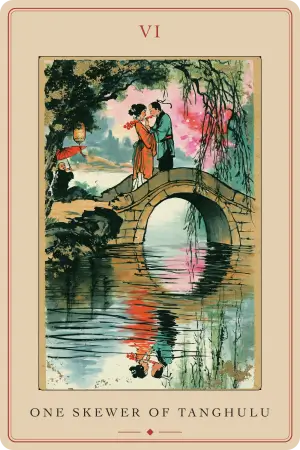
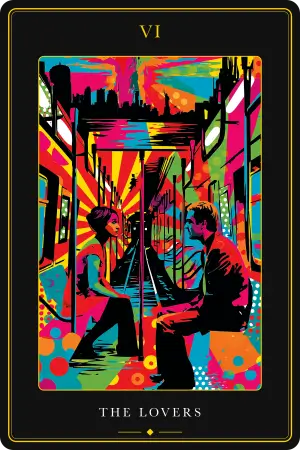
Každý balíček rozvíjí týž archetyp. Porovnejte ilustrace a otevřete balíček pro kompletní výklad.
Symbolika a obrazové motivy
Milenci v tarotu Rider-Waite-Smith ukazují Adama a Evu, kteří stojí nazí v zahradě Edenu. Nad nimi rozprostírá křídla k požehnání archanděl Rafael. Jeho jméno znamená „Bůh uzdravuje“ a jeho úřadem je vláda nad Vzduchem, což celý výjev spojuje s Blíženci. Jeho přítomnost označuje spojení pod ním za božsky posvěcené, za setkání lidského s božským.
Za Adamem roste Strom života s dvanácti plody ve tvaru ohnivých jazyků, které odpovídají znamením zvěrokruhu a aktivní, mužské životní síle. Za Evou stojí Strom poznání s hadem ovinutým kolem kmene: přijímající ženský princip a vstup duality, morální volby a smrtelnosti do lidského vědomí.
Pohledy postav vyprávějí vlastní příběh. Adam se dívá na Evu, zatímco Eva vzhlíží k Rafaelovi. Je to tichý nákres psychiky: vědomá, rozumová mysl nedosáhne k božskému přímo a musí projít skrze intuitivní, cítící mysl. Tím, že Waite dvojici odhalil, spojil tělesnou lásku s duchovní čistotou a učinil z intimity jednu z cest, na nichž se s božským skutečně setkáváme.
Základní význam
Milenci jsou mnohem víc než příslib romance. V jádru jde o kartu duality, váhy volby a sjednocení rozděleného já. Stojí na šestém stupni Bláznovy cesty, v prvním skutečném okamžiku individuace, kdy poutník přestává poslouchat Císařův zákon a Veleknězovo dogma a začíná si razit vlastní cestu.
Je to přechod od dětské závislosti k dospělé odpovědnosti. Karta vám předkládá opravdovou volbu, obvykle takovou, kterou za vás nerozhodne ani logika, ani cizí rady, a trvá na tom, že cokoli zvolíte, změní směr vašeho života. Její harmonie je skutečná, ale zasloužíte si ji teprve tehdy, když se vaše vnější jednání srovná s vnitřními hodnotami, když to, co děláte, konečně odpovídá tomu, čemu věříte.
Význam ve vzpřímené poloze
Ve vzpřímené poloze hovoří Milenci o lásce, spojení a harmonii, i když zkušení vykladači kladou větší důraz na volbu a soulad hodnot než na prchavý cit. Karta poukazuje na pouto tak hluboké, že vás obnaží, na partnera, který slouží jako upřímné zrcadlo a zároveň jako kelímek vašeho růstu.
V lásce. Vztah postavený na zranitelnosti a otevřené komunikaci, v němž dva lidé čelí svým zrcadleným chybám a skrze ně rostou. Může označovat vášnivou romanci, ale trvalá podoba přichází teprve tehdy, když se hodnoty opravdu shodují.
V kariéře. Partnerství nebo spolupráce, jejíž výsledek přesahuje to, co by kterákoli strana zvládla sama. Karta také otevírá těžší volbu mezi bezpečnou, dobře placenou cestou a cestou vedenou vášní a žádá vás, abyste následovali své nejhlubší hodnoty, protože peníze nesrovnaného ducha neutiší.
Ve financích. Rozhodnutí, které se odvíjí od toho, čeho si skutečně vážíte, a nikoli jen od tabulky. Společné podniky a sladěné priority prospívají; volby, jež zrazují vaši etiku, prosperují zřídka.
Ve zdraví. Pobídka k volbám, které vám opravdu slouží, a ke sjednocení mysli a těla. Pohoda tu plyne z toho, že ctíte, co sami víte, že potřebujete.
Význam v obrácené poloze
Obrácení Milenci varují před nesouladem. Vaše jednání a vaše hodnoty se rozešly, nebo vás volba, které se stále vyhýbáte, zanechala na mrtvém bodě a o vašem směru rozhodují vnější síly. Odmítnout volbu je také volba a obvykle končí stagnací.
V lásce. Narušená důvěra, disharmonie nebo pokušení. Jak napovídají marseillské kořeny karty, může naznačovat, že partnerův pohled zabloudil jinam a někdo potichu zvažuje zájem zvenčí. Dřív než někoho obviní, potřebuje ale podporu okolních karet.
V kariéře. Uvěznění v práci, která působí bezvýznamně a odřízla vás od vašeho pravého já, nebo partnerství, jež pod zdvořilým povrchem skrývá rozcházející se priority a rozleptanou důvěru.
Ve financích. Honba za jistotou na úkor ducha, nebo peněžní rozhodnutí učiněná proti tomu, čemu skutečně věříte.
Ve zdraví. Nevyřešený vnitřní konflikt, přehlížení toho, co tělo a mysl žádají, rovnováha, která se vychýlila.
Historické poznámky
Nejstarší Milenci pojednávali o manželství jako o smlouvě. Karta z balíčku Visconti di Modrone z doby kolem roku 1441 oslavuje sňatek Biancy Marie Visconti a Francesca Sforzy. Postavy jsou oděny v heraldice obou rodů pod baldachýnem s nápisem „Amor“ a u jejich nohou sedí bílý pes jako znamení věrnosti. Nejdůležitější byly sepjaté ruce: v Itálii patnáctého století manželství právně zpečetil stisk rukou, nikoli prsten. Pozdější italské karty, například Charles VI, rozšířily scénu na několik dvojic procházejících se pod mířícími Kupidy.
Marseillský tarot příběh změnil. Pod novým názvem L'Amoureux, tedy Milenec v jednotném čísle, ukazuje mladého muže na rozcestí mezi dvěma ženami, jednou přísnou a cudnou, druhou mladou a svůdnou, zatímco nad nimi se vznáší Kupid se zavázanýma očima. Je to Herkulova volba, ctnost proti rozkoši, a karta se tak proměnila v kartu těžkého mravního rozhodnutí, kde vydat se jednou cestou znamená vzdát se té druhé.
Moderní podoba přišla s balíčkem Rider-Waite-Smith v roce 1910. Waite a Pamela Colman Smith opustili rozpolceného muže s jeho dvěma ženami, vrátili se ke dvěma postavám v podobě Adama a Evy, posílili vazbu Blíženců na dvojčata a scénu naplnili kabalistickou symbolikou Edenu.
Korespondence
Číslo. Karta nese číslo VI, číslo harmonie a rovnováhy, ale také duality, kterou musí harmonie smířit. Jejím stínovým dvojčetem je Ďábel s číslem XV, jehož číslice se redukují zpět na šestku.
Astrologie. Kartě vládnou Blíženci, proměnlivé vzdušné znamení dvojčat, které řídí rychlý, sdílný Merkur. K této kartě o dvou pólech v rozhovoru a o volbách, jež mezi nimi proudí, se takové spojení hodí.
Prvek. Vzduch, říše mysli, řeči a rozboru, tentýž prvek jako barva mečů.
Kabala. Karta drží 17. stezku, vedoucí z Binah (Porozumění) dolů do Tiphereth (Krása). Jejím hebrejským písmenem je Zain, meč, nástroj dělení. Crowley proto zasadil celou kartu pod Oblouk mečů a spároval ji s kartou Umění, tedy Mírností, jako dvě poloviny zásady Solve et Coagula: Milenci rozdělují svět na protiklady a Umění je znovu spojuje.
Prvková důstojnost. Vedle mečů se mentální, rozhodovací ostří karty brousí a výklad se obrací k rozboru, který skutečná volba vyžaduje.
Psychologická perspektiva
Jung četl Milence jako obraz vnitřního sjednocení. Každá psychika nese protějšek opačného pohlaví, Animu u muže a Anima u ženy, a vyvážená dvojice pod Rafaelovými křídly představuje začlenění této skryté poloviny do celistvého já. Potíž je v tom, že dokud tuto práci nevykonáme vědomě, promítáme vnitřní postavu na skutečné lidi. To, čemu kultura říká zamilovat se do spřízněné duše, bývá často zamilování do vlastní nezačleněné Animy či Anima, jež se nám zrcadlí zpět.
Deziluze je v tom předem obsažená. Dříve či později se projekce roztříští o obyčejnou, frustrující skutečnost druhého člověka. Nezralou odpovědí je odejít, najít si nové plátno k promítání a celý cyklus zopakovat; zralou odpovědí je soucit, volba ukotveného partnerství, které přijímá oba partnery jako chybující a skutečné. Čtená takto karta snadno přeroste romanci: asexuální a aromantičtí čtenáři ji berou jako volbu o hodnotách a sebepřijetí, o coming outu či budování zvolené rodiny, a queer čtenáři používají její dvě postavy pro práci na smíření s vlastním tělem a identitou.
Milenci v různých balíčcích
Marseillský tarot. L'Amoureux zachovává mladého muže na rozcestí mezi cudnou a svůdnou ženou, nad hlavou Kupida se zavázanýma očima, Herkulovu volbu vyjádřenou obrazem.
Crowley-Thoth. Crowley staví Atu VI pod Oblouk mečů pro písmeno Zain a inscenuje Chymickou svatbu Černého krále a Bílé královny, jejíž naplnění odkládá až na pozdější kartu Umění. U paty čeká okřídlené orfické vejce a nezřetelné postavy v pozadí uchovávají jeho temnější čtení karty jako „Bratrů“, příběh Kaina a první krvavé oběti, s Kupidem, na jehož toulci stojí Thelema.
Moderní balíčky. Současní vykladači a queer umělci kartu od Adama a Evy zcela odpoutávají. Její spojení čtou jako zvolenou rodinu, sebepřijetí nebo proměnlivé energie uvnitř jediného těla a těžiště přesouvají k volbě a hodnotám místo heteronormativního páru.
V kombinacích a kontextu
Milenci se často staví proti Dvojce pohárů a na tom rozdílu záleží. Dvojka pohárů je malá arkána a všednodennost: sladká, udržitelná romance schůzek a prvních „miluji tě“, láska živená každodenní péčí. Milenci jsou velká arkána a archetyp, karmická srážka téměř protikladných lidí, které k sobě přitáhlo dokončení vzájemných lekcí, blíž Romeovi a Julii než útulnému namlouvání. Jedno je pozvání sdílet život; druhé je příkaz proměnit duši.
Jejich temným dvojčetem je Ďábel, tatáž nahá dvojice, nyní s rohy a v řetězech pod Bafometem. Kde jsou Milenci svobodnou volbou a vzájemným poutem, tam je Ďábel připoutaností hnanou strachem a posedlostí; jeho řetězy jsou dost volné, aby se daly shodit, a přesto je nosíme dobrovolně. Vytažené společně mohou obě karty značit traumatické pouto nebo návykovou chemii zaměněnou za osud, samou intenzitu a žádný klid.
V otázkách věrnosti se karta opírá o sousedy, než řekne cokoli tvrdého. Vedle Sedmičky mečů naznačuje plížení a klam, vedle Trojky mečů milostný trojúhelník a zlomené srdce, vedle Luny skrytá tajemství a vedle Rytíře holí neklidného hráče, který se honí za vzrušením. Sama o sobě nikoho neobviňuje; v této společnosti se z ní stává zkouška věrnosti.
Otázky k zamyšlení
- Jaké volbě se vyhýbáte a co vás odmítání rozhodnout stojí?
- Odpovídá vaše každodenní jednání skutečně tomu, co považujete za nejdůležitější?
- Jakou část sebe samých ve skutečnosti vidíte v člověku, který vás přitahuje?
Obecný význam vychází z tradice Rider-Waite-Smith, která tvoří referenční standard celé Tarot Academy. Podrobný výklad pro konkrétní balíček najdete po jeho otevření výše.
Často kladené otázky
Prozkoumejte Tarot
Nejnovější příspěvky
Objevte starověkou moudrost tarotových karet a odemkněte tajemství své duchovní cesty. Náš blog je vaším vstupem do porozumění bohaté symbolice, významům a praktickým aplikacím čtení tarotu.




















































