
 UR (اردو)



مائنر آرکانا · کپس (پانی)
کپس کا تین
سمتھ نے فصل کی زمین پر تین عورتوں کو دائرے میں کھڑا کیا، ان کے پیالوں کو ایک مشترکہ جشن کے لیے بلند کیا اور ان کے پیچھے ایک فیروزی آسمان بنایا۔
ایک نظر میں کارڈ
- عددیات
- 3
- عنصر
- پانی
- علم نجوم
- کینسر کا دوسرا ڈیکن (2–11 جولائی)، عطارد کے زیر اثر
- قبالہ کا راستہ
- بیناہ (تفہیم)، جہاں تھری بیٹھتے ہیں
- وقت
- کینسر کے درمیانی دس دن، فصل کٹائی کا عروج
- ہاں / نہیں
- سیدھا ہاں، الٹا نہیں
سیدھا
جشن
دوستی
کمیونٹی
مشترکہ خوشی
شکر گزاری
ٹیم ورک
مہمان نوازی
جذباتی اظہار
الٹا
تنازعہ
تنہائی
ٹوٹی ہوئی دوستی
گپ شپ
حد سے زیادہ لذت
کھویا ہوا اعتماد
فضول خرچی
مایوسی
ہر ڈیک میں کپس کا تین
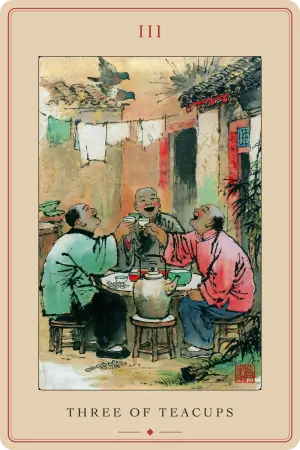
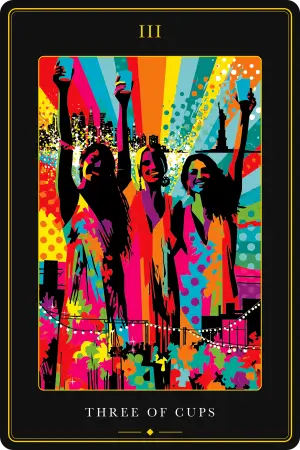
ہر ڈیک اسی آرکیٹائپ کو نئے انداز میں پیش کرتا ہے۔ فن پاروں کا موازنہ کریں، پھر کسی ڈیک کو کھول کر اس کی مکمل تعبیر پڑھیں۔
تصویر کشی اور علامت
پامیلا کولمین سمتھ نے اس کارڈ کو ایک جاری رقص کے طور پر پیش کیا۔ تین عورتیں باغ میں ایک حلقے میں کھڑی ہیں، ان کے بازو ایک دوسرے سے جڑے ہوئے ہیں اور ہر ایک نے سنہری پیالہ اٹھایا ہوا ہے تاکہ تینوں ایک دائرے کے اوپر مل سکیں۔ کوئی بھی اس حرکت کی رہنمائی نہیں کر رہا اور کوئی بھی اس سے باہر نہیں کھڑا۔ یہ تصویر مساوات کے درمیان جذبات کے تبادلے اور باہمی حمایت کو ظاہر کرتی ہے۔ یہاں کوئی بھی چیز ناظرین کے لیے پیش نہیں کی گئی۔
زمین کا حصہ بھی بہت اہم ہے۔ سمتھ نے باغ کو پکے ہوئے پھلوں، انگوروں، کدوؤں اور سیبوں سے بھر دیا ہے۔ اس سے مراد قدرتی زرخیزی اور یہ حقیقت ہے کہ مشترکہ کوششیں اچھے نتائج لاتی ہیں۔ کارڈ میں موجود خوشی خود پیدا نہیں ہوئی بلکہ یہ مل کر کیے گئے کام کا نتیجہ ہے۔
ان کے لباس کے بھی اپنے معنی ہیں۔ اس ڈیک میں انہیں زمین، فطرت اور زندگی کی توانائی سے جوڑا گیا ہے، جبکہ عورتیں خود تخلیقی توانائی اور گہرے احساسات کی نمائندگی کرتی ہیں۔ ایک نے جذبے، جرات اور عزائم کے لیے سرخ لباس پہنا ہوا ہے، جسے اکثر گروپ کی محرک قوت سمجھا جاتا ہے۔ دوسری نے گرمجوشی اور مشترکہ امیدوں کی پرورش کے لیے سنہری اورنج رنگ کے ساتھ سفید لباس پہنا ہوا ہے۔ تیسری خالص سفید لباس میں ہے جو سچائی اور معصومیت کو ظاہر کرتا ہے، حالانکہ کچھ لوگ اسے ایک ایسی رکن کے طور پر دیکھتے ہیں جسے صرف اس کی افادیت کی وجہ سے گروپ میں رکھا گیا ہے، جو کہ کارڈ کا تاریک پہلو ہے۔
ایک عورت نے پھولوں کا تاج پہنا ہوا ہے۔ اسے معصومیت، امید اور جذبے کے طور پر پڑھا جاتا ہے اور یہ شادی کی طرف بھی اشارہ کر سکتا ہے۔ ان کے پیچھے فیروزی آسمان ہے جو اس اجتماع کو ایک الہی پس منظر اور کھلے تبادلے کا احساس دیتا ہے۔ یہ جشن کسی کمرے کے اندر نہیں بلکہ کھلے آسمان تلے ہو رہا ہے۔
یہ ڈیک ان تین شخصیات کو دیوی کے تین پہلوؤں یعنی میڈن، مدر اور کرون کے طور پر بھی دیکھتا ہے جو کارڈ کو زندگی کے چکر، نشوونما اور تخلیق سے جوڑتا ہے۔ اس کے ساتھ سمتھ کا کلاسیکی ماخذ بھی موجود ہے۔ انہوں نے تھری گریسز یعنی ایگلیا (چمک)، یوفروزین (خوشی) اور تھالیا (گرمجوشی) کو بنیاد بنایا، جو یونانی دیویاں ہیں۔ یہ دیویاں کسی بھی اداس ماحول کو خوشگوار بنانے کی طاقت رکھتی ہیں، جس سے یہ ظاہر ہوتا ہے کہ خوشی صرف خوش قسمتی نہیں بلکہ ایک مشترکہ تخلیق ہے۔
بنیادی معنی
اس ڈیک کے مطابق یہ کارڈ خوشی، دوستی، مشترکہ جشن اور کمیونٹی کی اہمیت کو واضح طور پر بیان کرتا ہے۔ اس کا بنیادی زور شمولیت پر ہے۔ یہ کارڈ ایسے سماجی اجتماعات کی نشاندہی کرتا ہے جو باہمی تعامل پر مبنی ہوں، اور یہ کسی پروجیکٹ کی کامیاب تکمیل، ہم آہنگی کے دور یا ضرورت کے وقت ملنے والی باہمی حمایت کی طرف بھی اشارہ کر سکتا ہے۔
سیدھی حالت میں یہ نئی دوستیوں کے بننے یا پرانی دوستیوں کے گہرے ہونے کی طرف اشارہ کرتا ہے۔ یہ تخلیقی کاموں، تقریبات اور لوگوں کو اکٹھا کرنے کے لیے ایک سازگار وقت کی نمائندگی کرتا ہے۔ اس کا مشورہ یہ ہے کہ کمپنی سے لطف اندوز ہوں، جو کچھ حاصل کیا ہے اس پر شکر گزار ہوں اور اگلے کام کی طرف بڑھنے سے پہلے جشن منانے کے لیے وقت نکالیں۔
مختلف زمروں میں اس کا مطلب ایک جیسا ہی رہتا ہے۔ پیسوں کے معاملے میں یہ مشترکہ وسائل اور ان لوگوں میں تقسیم کیے گئے انعامات کی نشاندہی کرتا ہے جنہوں نے حصہ ڈالا۔ کاروبار میں یہ ایک کامیاب شراکت داری اور جشن منانے کے قابل سنگ میل ہے۔ کام پر یہ گروپ کی شمولیت اور ساتھیوں کے ساتھ بانٹی گئی کامیابیاں ہیں۔ محبت میں یہ ایسی رفاقت ہے جس کی بنیاد دوستی پر ہے۔ عام تعلقات میں یہ گرمجوشی، مہمان نوازی اور سماجی ہم آہنگی ہے۔ جسمانی صحت کے لحاظ سے یہ کمپنی کے ساتھ مل کر کی جانے والی ورزش ہے۔ یہ وہی تین پیالے ہیں جو چھ مختلف کمروں میں اٹھائے گئے ہیں۔
سیدھے معنی
سیدھی حالت میں یہ رابطے، مشترکہ خوشی اور شمولیت کو ظاہر کرتا ہے۔ ایسی تقریبات کی توقع کریں جو باہمی تعامل اور تفریح پر مبنی ہوں اور جن میں شرکت کرنا فائدہ مند ہو۔ یہ وہ وقت ہے جب آپ اپنے تعلقات کو مضبوط بنا سکتے ہیں، ان لوگوں کے لیے وقت نکال سکتے ہیں اور اپنی کامیابیوں کا اعتراف کر سکتے ہیں۔ اس کے ساتھ یہ بھی مشورہ دیا جاتا ہے کہ صرف دیکھنے کے بجائے حال میں شامل ہوں اور حصہ لیں۔
محبت میں۔ رفاقت اور گہرا جذباتی تعلق، جہاں رومانس اکثر موجودہ دوستی اور مشترکہ دلچسپیوں پر استوار ہوتا ہے۔ تعلقات میں تفریح اور باہمی افہام و تفہیم کا ایک نیا دور متوقع ہے، جو مستقبل کے مشترکہ منصوبوں کی طرف لے جا سکتا ہے۔ یہ ایک عام دوستی کے سنجیدہ ہونے اور ایک طویل مدتی رشتے میں تبدیل ہونے کا بھی اشارہ ہو سکتا ہے۔
عام تعلقات میں۔ گرمجوشی اور سماجی ہم آہنگی، دوستوں کے ساتھ تقریبات اور پارٹیوں میں اضافے کے ساتھ۔ یہ دور آپ کے وسیع حلقے کے ساتھ جذباتی اتحاد اور قربت کو ظاہر کرتا ہے۔ پرانے رشتے بحال ہو سکتے ہیں اور ماضی کی دوستیاں دوبارہ زندہ ہو سکتی ہیں۔ چونکہ بات چیت قبولیت اور شکر گزاری پر مبنی ہوتی ہے، اس لیے یہ مہمان نوازی کے لیے ایک بہترین وقت ہے۔
کام میں۔ گروپ کی شمولیت اور تخلیقی تعاون۔ یہ اکثر ان پیشہ ورانہ کامیابیوں کی نشاندہی کرتا ہے جنہیں اکیلے دعویٰ کرنے کے بجائے ساتھیوں کے ساتھ بانٹنا چاہیے۔ کسی نئے پروجیکٹ کے آغاز پر ٹیم کا مشترکہ کام اچھے نتائج لا سکتا ہے۔ معلومات کو بانٹنا ٹیم کو مضبوط بناتا ہے۔ یہ اچھے کام کے لیے رسمی جشن یا کیریئر کے نئے مواقع کھولنے والے سیمینارز کے ذریعے نیٹ ورک کے وسیع ہونے کی بھی نشاندہی کر سکتا ہے۔
کاروبار میں۔ کامیاب تعاون اور مضبوط ٹیم ورک، جہاں مشترکہ مقاصد کے گرد ایک منافع بخش شراکت داری بنتی ہے۔ گروپ کی کوششوں سے ایک اہم سنگ میل عبور ہونے کی توقع ہے، جیسے کسی بڑے پروجیکٹ کا مکمل ہونا یا نئے کلائنٹس کا ملنا۔ اس وقت آپس میں بات چیت بہت ضروری ہے اور ایک نتیجہ خیز ملاقات آپ کو نئے شراکت داروں یا سرمایہ کاروں سے جوڑ سکتی ہے۔
پیسے میں۔ تعاون اور مشترکہ کامیابی۔ اجتماعی کوششوں سے وہ خوشحالی حاصل ہوتی ہے جو تمام لوگوں میں تقسیم ہوتی ہے۔ یہ مشترکہ کاروبار کی طرف اشارہ کرتا ہے جہاں ممبران اپنے وسائل، وقت اور مہارت کو یکجا کرتے ہیں۔ تاہم یہ واضح رہے کہ مشترکہ کامیابی کے لیے سب کی مسلسل کوشش درکار ہوتی ہے۔
جسمانی صحت میں۔ باہمی تعاون کے فوائد، صحت کے مقاصد رکھنے والی کمیونٹیز جیسے یوگا اسٹوڈیوز یا اسپورٹس کلبز میں شامل ہونے کے مواقع۔ دوستوں کے ساتھ ورزش کرنا یا مل کر کھانے کا منصوبہ بنانا انتہائی مؤثر ثابت ہو سکتا ہے۔ سماجی زندگی کے ساتھ جسمانی صحت کے توازن پر زور دیا گیا ہے۔
الٹے معنی
الٹی حالت میں دائرہ ٹوٹ جاتا ہے۔ یہ تصادم، علیحدگی اور یکطرفہ احساسات کو بیان کرتا ہے جہاں ہم آہنگی ختم ہو جاتی ہے اور باہمی حمایت واپس لے لی جاتی ہے۔ غلط فہمیوں اور پرانی رنجشوں کی وجہ سے خاندانی اور دوستی کے رشتے آزمائش میں پڑ جاتے ہیں۔ ہو سکتا ہے کہ آپ کو تعاون میں رکاوٹوں کا سامنا کرنا پڑے، دوستوں یا کاروباری شراکت داروں کے ساتھ اختلاف ہو جائے، یا بغیر کسی خاص واقعے کے لوگوں سے دور ہو جائیں۔ اس کے علاوہ پوشیدہ اضطراب اور اندرونی کشمکش بھی ہو سکتی ہے۔
اس کا حل براہ راست ہے۔ جو کچھ چھپا ہوا ہے اسے سامنے لانے کے لیے اپنے احساسات کو کھلے اور ایمانداری سے بیان کریں، تنہائی میں جانے کے بجائے اعتماد بحال کرنے کی کوشش کریں، عدم توازن کی وجہ تلاش کریں، اور بحث جیتنے کے بجائے سمجھوتہ کرنے کے لیے صبر سے کام لیں۔
محبت میں۔ رابطے کا فقدان، جہاں غلط فہمیاں اور تنازعات محبت پر حاوی ہو جاتے ہیں۔ آپ یا آپ کا ساتھی روزمرہ کی روٹین سے تھک سکتے ہیں اور کچھ نیا چاہ سکتے ہیں۔ یہ کارڈ کسی تیسرے شخص، حسد یا بے وفائی کی بھی نشاندہی کر سکتا ہے۔ بعض صورتوں میں یہ مکمل علیحدگی کی طرف بھی اشارہ کرتا ہے، خاص طور پر اگر رشتہ غیر حقیقت پسندانہ توقعات پر مبنی ہو۔
عام تعلقات میں۔ تنہائی اور باہمی تعاون کی پیشکش سے انکار، اعتماد ٹوٹنا اور موجودہ حلقے سے عدم اطمینان۔ گروپ کی سرگرمیوں سے دستبرداری اور مشترکہ مقاصد کا کھو جانا، گرمجوشی کی جگہ حسد اور تباہ کن دشمنی جو بات چیت کو زہر آلود کر دیتی ہے۔ غیر ضروری مقابلہ جذباتی تنازعات کو بدتر بنا دیتا ہے۔ جھوٹے جشن اور کھوکھلی باتوں سے بھی خبردار کیا گیا ہے۔
کام میں۔ ٹیم میں تناؤ، دفتر کا ڈرامہ اور تنہائی کا احساس۔ ساتھیوں کے درمیان مسابقت اور دشمنی مشترکہ مقصد کو پٹڑی سے اتار دیتی ہے۔ ہو سکتا ہے کہ آپ کو نظر انداز کیا جائے یا آپ کی کامیابیوں کو تسلیم نہ کیا جائے۔ یہ کام کے بوجھ اور ذاتی حدود کی کمی کی بھی نشاندہی کرتا ہے۔ ہم مرتبہ افراد کے ساتھ نتیجہ خیز تعلقات بنانا اور ٹیم ورک کے نقطہ نظر پر نظر ثانی کرنا ضروری ہو جاتا ہے۔
کاروبار میں۔ حد سے زیادہ کام، ٹیم کے اندر مختلف آراء اور مفادات کا تصادم، جہاں شراکت داری مزید کام نہیں کر رہی۔ خراب بات چیت گروپ کی افادیت کو کم کرتی ہے اور ترقی کو روکتی ہے۔ ذاتی عزائم پر ضرورت سے زیادہ توجہ ٹیم کی ہم آہنگی کو نقصان پہنچا سکتی ہے۔ یہ اسٹیک ہولڈرز کے درمیان کارپوریٹ اختلاف یا کاروباری ثقافت کے ٹوٹنے کی بھی نشاندہی کر سکتا ہے۔
پیسے میں۔ مشترکہ مالیاتی منصوبوں میں مشکلات اور تعاون کا ٹوٹنا۔ اختلاف اور مشترکہ اہداف کی کمی کامیابی کی راہ میں رکاوٹ بنتے ہیں۔ دشمنی یا ناقص بات چیت کسی پروجیکٹ کو نامکمل اور غیر منافع بخش چھوڑ سکتی ہے۔ اپنے مفادات کو نظر انداز کر کے گروپ کے مطالبات کو پورا کرنا بالآخر مالی نقصان کا باعث بن سکتا ہے۔
جسمانی صحت میں۔ اپنی ظاہری شکل سے عدم اطمینان یا دوسروں کے مقرر کردہ معیارات پر بہت زیادہ انحصار کرنا۔ خوبصورتی کے رجحانات کا پیچھا کرنا توانائی ختم کر دیتا ہے۔ حد سے زیادہ سماجی سرگرمیاں جسمانی طور پر نقصان پہنچا سکتی ہیں، جیسے ورزش کو نظر انداز کرنا، تقریبات میں زیادہ کھانا پینا، یا تناؤ کی وجہ سے ضرورت سے زیادہ کھانا۔ اپنی سماجی زندگی اور جسم کی ضروریات کے درمیان توازن تلاش کریں۔
تاریخی نوٹس
سمتھ کی بنائی گئی تصویر پرانی نہیں ہے۔ 1450 کے آس پاس میلان کے دربار کے لیے بنائے گئے وسکونٹی-سفورزا ڈیک میں کپس کا تین ایک سادہ پپ تھا: ایک سادہ پس منظر کے خلاف مثلث میں ترتیب دیے گئے تین سجے ہوئے سنہری پیالے۔ اس میں کوئی انسانی تصویر، کوئی کہانی اور کوئی جذباتی پس منظر نہیں تھا۔ کارڈ کی صرف عددی اور عنصری اہمیت تھی؛ تین کا ہندسہ کثرت اور تکمیل کے بنیادی مرحلے کے لیے، اور کپ جذبات اور روحانی بہاؤ کے لیے۔ اس کا پس منظر قرون وسطیٰ کے مذہبی فن میں ملتا ہے جہاں پیالے اجتماعی دعوتوں اور الہی فراہمی کی نمائندگی کرتے تھے۔ اس سے پیچھے ممالیک پلے انگ کارڈز ہیں جو 1370 کی دہائی میں مصر سے یورپی تجارتی راستوں تک پہنچے اور ان کے سوٹ اطالوی سوٹ بن گئے۔
ان پپس کے معنی اوکلٹ کے احیاء کے دوران وضع کیے گئے۔ اٹیلا نے 1783 میں کپس کے تین کو کامیابی، شفا اور راحت کے طور پر بیان کیا، جو ٹیرو کو خاص طور پر فال بینی کے لیے ڈھالنے کی ابتدائی کوششوں میں سے ایک تھا۔ بعد میں پاپس نے اسے زہرہ کی محبت، خوبصورتی اور جذباتی توازن سے جوڑ دیا۔
رقص کرتی عورتیں 1909 میں آئیں۔ اے ای ویٹ کی نگرانی میں کام کرتے ہوئے سمتھ نے پپس کو انسانی شکلوں اور حقیقی سرگرمیوں سے مزین کیا، جس نے ہندسوں کی جدولوں کو یاد کیے بغیر باطنی مواد کو پڑھنے کے قابل بنایا۔ ویٹ نے سمتھ کو ایک انتہائی تخیلاتی اور غیر معمولی نفسیاتی فنکارہ قرار دیا۔ ان کی تصویر کشی ممکنہ طور پر پنرجہرن کے سولا بوسکا ڈیک اور 1903 کے ان کے اپنے کام 'دی ہل آف ہارٹس ڈیزائر' سے متاثر تھی۔
مصنف کے حوالے سے ایک سخت ستم ظریفی موجود ہے۔ سمتھ نے دوستی کی سب سے بہترین تصویر اس وقت بنائی جب وہ خود اس سے محروم تھیں۔ انہیں اور ویٹ کو ڈیک کے لیے بہت کم معاوضہ دیا گیا اور ان کا انتقال گمنامی میں ہوا۔ ان کی نظم 'تنہا' براہ راست ان کی تنہائی کی نشاندہی کرتی ہے۔ کارڈ پر موجود تین کا دائرہ جزوی طور پر اس لیے موجود ہے کیونکہ یہ اسے پینٹ کرنے والی عورت کی زندگی سے غائب تھا۔
مطابقتیں
عدد۔ تین۔ اس ڈیک میں اسے تخلیقی صلاحیت، سماجی تعامل اور خود اظہار کے طور پر پڑھا جاتا ہے، جسے یہاں اتحاد اور تخلیقی خوشی کی طرف موڑا گیا ہے۔ تین سے ٹرائیڈ بنتا ہے، وہ عمل جس میں دو عناصر مل کر تیسرا عنصر پیدا کرتے ہیں، اور کارڈ اس اجتماع کو ظاہر کرتا ہے۔ یہ عدد جسم، دماغ اور روح کے درمیان ہم آہنگی کی بھی نشاندہی کرتا ہے جو کہ اندرونی توانائی اور بیرونی ماحول کا توازن ہے۔
علم نجوم۔ کینسر کا دوسرا ڈیکن، تقریباً 2 تا 11 جولائی، جس پر عطارد کی حکمرانی ہے۔ اس ڈیک میں کینسر کی نفسیاتی گہرائی کو روح کی سطح پر بات چیت اور قریبی رشتوں میں ملنے والی خوشی کے طور پر پڑھا جاتا ہے۔ کینسر کا تعلق پانی سے ہے اور یہ چاند کے زیر اثر ہوتا ہے، جو فطری طور پر حفاظتی اور جذباتی ہوتا ہے۔ عطارد اس پرسکون پانی میں ذہنی چستی، سماجی میل جول اور تیز ردعمل لاتا ہے۔ اس کا نتیجہ ایک بدیہی کنکشن کی صورت میں نکلتا ہے: ایسے دوست جو ایک نظر میں کمرے کے پار پوری بات سمجھ لیتے ہیں۔
عنصر۔ پانی۔ یہ ڈیک کارڈ کو جذباتی فراوانی اور بات چیت کی خوشی سے جوڑتا ہے، جہاں گہرا تعلق سب سے آگے ہوتا ہے۔ تصویر بذات خود ایک پرسکون اور راحت بخش احساس دیتی ہے۔
کابالا۔ تمام تھری کا تعلق بیناہ (تفہیم) سے ہے، جو چوکمہ کی خام حرکیاتی قوت کو شکل دیتی ہے۔ چونکہ کپس پانی سے اور بریاہ کی دنیا سے مطابقت رکھتے ہیں، اس لیے یہ کارڈ بریاہ کا بیناہ ہے۔ زافقیل کے زیر اثر پانی کا بہاؤ ایک مستحکم کیفیت حاصل کرتا ہے جو جذبات کو بکھرنے سے روکتا ہے۔ گولڈن ڈان نے اسے محبت کے نتیجے میں کثرت کا نام دیا۔
رسمی وابستگیاں۔ اس کارڈ کی توانائی کے ساتھ کام کرنے والے اورنج رنگ اور آٹھ کے ہندسے کا استعمال کرتے ہیں، جس میں لوبان، اوپل، گندم اور شہد شامل ہیں، تاکہ دوستی، سکون اور فنکارانہ الہام کی برکتیں مل سکیں۔
عنصری وقار۔ پانی کا کارڈ ہونے کے ناطے، یہ زمین کے ساتھ مل کر چلتا ہے اور آگ کو نرم کرتا ہے، جبکہ بے چین ہوا اس کی گرمجوشی کو بکھیر دیتی ہے۔
نفسیاتی نقطہ نظر
جن لوگوں کو یہ ڈیک سیدھے کارڈ سے جوڑتا ہے وہ انتہائی ملنسار ہوتے ہیں اور دوستی قائم کرنے میں ماہر ہوتے ہیں۔ وہ دوسروں میں حقیقی دلچسپی لیتے ہیں، اپنے دوستوں کی کامیابیوں پر خوش ہوتے ہیں اور مشکل وقت میں ساتھ دیتے ہیں۔ وہ اپنے معاملات میں ہم آہنگی کو اہمیت دیتے ہیں، اپنا حلقہ وسیع رکھتے ہیں اور تقریبات منعقد کرنے سے لطف اندوز ہوتے ہیں۔ گرمجوشی، سخاوت اور جذباتی کشادگی ان کی پہچان ہے اور وہ اکثر کمرے کا مرکز بن جاتے ہیں۔
الٹی حالت میں یہ تصویر بدل جاتی ہے۔ یہ وہ لوگ ہیں جو تنہائی پسند ہیں، سماجی تقریبات سے بچتے ہیں اور بسا اوقات اپنے اور اپنے دوستوں کے درمیان فاصلہ رکھتے ہیں۔ ان کے لیے تعلقات میں ہم آہنگی برقرار رکھنا اور اپنی ضروریات کو پورا کرنا مشکل ہوتا ہے۔ وہ الگ تھلگ رہتے ہیں اور اپنے حقیقی احساسات کو چھپاتے ہیں جس سے چیزوں کا اشتراک کرنا قریباً ناممکن ہو جاتا ہے۔ ان کی ظاہری خوشی کے پیچھے ذاتی مایوسی چھپی ہو سکتی ہے جو کہ اکثر کمزور خود اعتمادی کا نتیجہ ہوتی ہے۔
سماجی پہلو کے نیچے ایک ترقیاتی پہلو بھی موجود ہے۔ کپس کا تین خود کو گروپ میں پھیلانے کی نشاندہی کرتا ہے: جہاں کپس کا دو محض دو کا اتحاد ہے، وہاں تیسرا عنصر تنہا رشتے کو ایک کمیونٹی میں بدل دیتا ہے۔ ریچل پولاک کے مطابق یہ اس بات کی پہچان ہے کہ انسان کا تعلق کسی چیز سے ہونے پر اس کی ذات مضبوط ہوتی ہے نہ کہ کمزور۔ کارڈ کا مطالبہ اس کی ظاہری شکل سے زیادہ خاموش ہے۔ یہ پوچھتا ہے کہ آپ کو کہاں سہارا مل رہا ہے اور کیا آپ حقیقت میں وہ مدد قبول کر رہے ہیں یا نہیں۔
مختلف ڈیکس میں کپس کا تین
وسکونٹی-سفورزا۔ سادہ پس منظر پر ہم آہنگ مثلث میں تین سنہری پیالے۔ کوئی انسان نہیں، کوئی منظر نہیں، کوئی جذبہ نہیں۔ کثرت، عنصر پانی اور عددی پھیلاؤ کے سوا کچھ نہیں۔
رائڈر-ویٹ-سمتھ۔ اس صفحے پر موجود ورژن وہی ہے جس نے کارڈ کو اس کی موجودہ شکل دی۔ سمتھ نے پیالوں کی مثلث کو فصل کے باغ میں رقص کرتی تین عورتوں میں بدل دیا، جس کا حوالہ تھری گریسز اور بوٹیسیلی سے لیا گیا۔ یہ خوشی، سسٹرہڈ، کمیونٹی اور جذباتی فتح کی نمائندگی کرتا ہے اور گولڈن ڈان کے عنوان لارڈ آف ایبنڈنس پر مبنی ہے۔
کرولی-تھوتھ۔ 1938 اور 1943 کے درمیان لیڈی فریڈا ہیرس نے اسے پینٹ کیا جس میں انسانی شکلوں کے بجائے مقدس جیومیٹری کو استعمال کیا گیا اور اسے کثرت کا نام دیا گیا۔ انار سے بنے تین پیالے جن میں سنہری کنول پانی ڈال رہے ہیں، کثرت اور زیر زمین دنیا سے تعلق کو ظاہر کرتے ہیں۔
جدید جامع ڈیکس۔ چونکہ سمتھ نے تین عورتیں کھینچی تھیں، اس لیے یہ کارڈ دہائیوں تک خواتین کی دوستی کی علامت رہا۔ جدید ڈیکس نے اسے مزید وسیع کیا ہے۔ ففتھ اسپرٹ ٹیرو اور رینبو ٹیرو اسے صنف کے بغیر اور کوئیر خوشی کے طور پر پیش کرتے ہیں۔ نیکسٹ ورلڈ ٹیرو اسے हाशیے پر موجود کمیونٹیز کے درمیان انقلابی محبت کے طور پر دیکھتا ہے۔ ون ورلڈ ٹیرو میں نسلی اور ثقافتی تنوع کو ظاہر کیا گیا ہے تاکہ یہ عالمی برادری کا عکاس ہو۔ ان ڈیکس میں یہ کارڈ محض پارٹی کے بجائے چنی ہوئی فیملی کا بیان بن جاتا ہے۔
ملاپ اور سیاق و سباق میں
چونکہ سمتھ نے تین شخصیات کو دکھایا ہے، محبت کی ریڈنگ میں اکثر لوگ تیسرے فریق کی طرف دھیان دیتے ہیں اور یہ کارڈ کا سب سے متنازع حصہ ہے۔ بہت سے تجربہ کار قارئین اس قیاس کو عدم تحفظ پر مبنی ایک نقصان دہ غلط فہمی قرار دیتے ہیں۔ ان کے مطابق، کارڈ اکثر اس بات کی نشاندہی کرتا ہے کہ ساتھی کو اپنے دوستوں کے ساتھ وقت گزارنے کی ضرورت ہے، یا یہ کہ جوڑا ہر کام کے لیے ایک دوسرے پر ضرورت سے زیادہ انحصار کر رہا ہے اور انہیں اپنے آس پاس کی کمیونٹی سے دوبارہ جڑنے کی ضرورت ہے۔ کسی پیچیدہ جذباتی کیفیت کو محض افراد کی گنتی کے طور پر پڑھنا اس کارڈ کے ساتھ ناانصافی ہے۔
تاہم مخصوص حالات میں یہ تصور بے بنیاد نہیں ہے، کیونکہ تین کا ہندسہ ایک جوڑے میں بیرونی عنصر کو ضرور متعارف کراتا ہے۔ الٹی حالت میں، یا دھوکہ دہی والے کارڈز کے ساتھ، اس کا امکان بڑھ جاتا ہے۔ مثلاً سورڈز کا تین اور سورڈز کا سات دل ٹوٹنے اور دھوکے کی نشاندہی کر سکتے ہیں۔ الٹی ہائی پریسٹس یا چاند خفیہ معاملات کی طرف اشارہ کرتے ہیں، جبکہ شیطان کا کارڈ زہریلی مثلث کو ظاہر کرتا ہے۔ ان کے بغیر، تیسرا عنصر اکثر ایک مداخلت کرنے والا سسرالی رشتہ دار، کوئی مشکل نوکری، یا ایک نیا فرد ہو سکتا ہے۔
زرخیزی کا سلسلہ بھی اسی سوٹ کے ذریعے چلتا ہے۔ کپس کا اکا جذبے کا بیج ہے، دو ان کا اتحاد ہے، اور تین تیسری زندگی کی تخلیق ہے، یہی وجہ ہے کہ یہ کارڈ حمل کی ریڈنگ میں آتا ہے اور اس کی فصل کٹائی کی منظر کشی اسے ملکہ (دی ایمپریس) سے جوڑتی ہے۔ سورج کے ساتھ یہ خوشگوار پیدائش کا اشارہ دیتا ہے اور کپس یا پینٹاکلز کا پیج نئی آمد کی خبر دیتا ہے۔
ابتدائی ڈیٹنگ میں اسے اکثر فرینڈزون سمجھا جاتا ہے کیونکہ اس کی محبت بنیادی طور پر افلاطونی ہوتی ہے۔ محتاط وانڈز کا نو کے ساتھ یہ ظاہر کرتا ہے کہ کوئی آپ کی صحبت سے لطف اندوز ہوتا ہے لیکن مزید آگے نہیں بڑھے گا۔ صلح کے حوالے سے جواب غیر واضح رہتا ہے: یہ کارڈ دوبارہ ملنے اور مشترکہ تاریخ کی نشاندہی تو کرتا ہے لیکن رومانوی رشتے کے بجائے ایک اچھی دوستی کی طرف زیادہ مائل ہوتا ہے۔ مشورے کے طور پر، یہ کہتا ہے کہ اجتماع کا بندوبست کریں، دوست کو معاف کر دیں اور کسی ٹھہری ہوئی صورتحال میں خوشی شامل کریں۔ ایک نتیجے کے طور پر، یہ جشن اور تعلق کا وعدہ کرتا ہے، بشرطیکہ آپ اس بات کا جائزہ لیں کہ آیا آپ کے آس پاس کی کمیونٹی آپ کو توانائی دیتی ہے یا چھینتی ہے۔
غور و فکر کے لیے سوالات
- سمتھ نے خوشی کو ایسی فصل پر کھڑا دکھایا ہے جسے کسی نے اگایا تھا۔ آپ اپنی زندگی میں کون سی خوشی منا رہے ہیں جس میں آپ نے وہ محنت محسوس نہیں کی جس سے وہ پیدا ہوئی؟
- یہ ڈیک سفید لباس والی عورت میں ایک ممکنہ معصوم رکن کو دیکھتا ہے، جسے حلقے میں صرف اس وقت تک رکھا جاتا ہے جب تک وہ مفید ہو۔ کیا آپ کبھی وہ رکن رہے ہیں، اور کیا آپ کو یقین ہے کہ اب آپ کے حلقے میں کوئی اور وہ رکن نہیں ہے؟
- یہ کارڈ پوچھتا ہے کہ آپ کو کہاں سہارا دیا جا رہا ہے۔ وہ کون لوگ ہیں جو آپ کے لیے اس لیے موجود ہیں کیونکہ وہ چاہتے ہیں، اور کیا آپ درحقیقت انہیں وہ سہارا دینے کی اجازت دے رہے ہیں؟
عمومی معنی رائڈر-ویٹ-سمتھ کی تعبیر کے مطابق ہیں، جو پوری ٹیرو اکیڈمی میں حوالے کے طور پر استعمال ہوتی ہے۔ کسی مخصوص ڈیک کی اپنی تعبیر کے لیے اسے اوپر سے کھولیں۔
اکثر پوچھے جانے والے سوالات
ٹیرو دریافت کریں
تازہ ترین پوسٹس
ٹیرو کارڈز کی قدیم دانش دریافت کریں اور اپنے روحانی سفر کے اسرار کھولیں۔ ٹیرو ریڈنگ کی بھرپور علامت نگاری، معانی اور عملی اطلاق کو سمجھنے کے لیے ہمارا بلاگ آپ کا دروازہ ہے۔




















































