
 UR (اردو)


مائنر آرکانا · وانڈز (آگ)
وانڈز کا نو
ایک پٹی بندھا چوکیدار اپنی پوری طاقت سے نویں چھڑی پر ٹیک لگائے کھڑا ہے، جبکہ آٹھ مزید چھڑیاں اس کے پیچھے باڑ کی طرح گاڑی گئی ہیں۔ وہ باڑ کی طرف دیکھنے کے بجائے دوسری طرف دیکھ رہا ہے، جیسے کسی ایسے حملے کا انتظار کر رہا ہو جو ابھی تک نہیں ہوا۔
ایک نظر میں کارڈ
- عددیات
- نو
- عنصر
- آگ
- علم نجوم
- قوس میں چاند، دوسرا ڈیکن (تقریباً 3–12 دسمبر)
- قبالہ کا راستہ
- اتزیلوت میں یسود (بنیاد)
- وقت
- انتظار اور رکنے کا وقت، سائیکل کے آخر میں، قوس کا دوسرا ڈیکن
- ہاں / نہیں
- سیدھا ایک محتاط ہاں بشرطیکہ آپ ڈٹے رہیں · الٹا نہیں، توانائیاں ختم ہو چکی ہیں
سیدھا
لچک
کامیابیوں کا دفاع
حدود
چوکسی
آخری کوشش
مشکل سے حاصل کردہ تجربہ
پیچھے ہٹنے سے انکار
الٹا
تھکاوٹ
حد سے زیادہ دفاعی رویہ
انتہائی تھکن
وہم
خود اعتمادی کا کھو جانا
ضد
جلدی ہار مان لینا
ہر ڈیک میں وانڈز کا نو
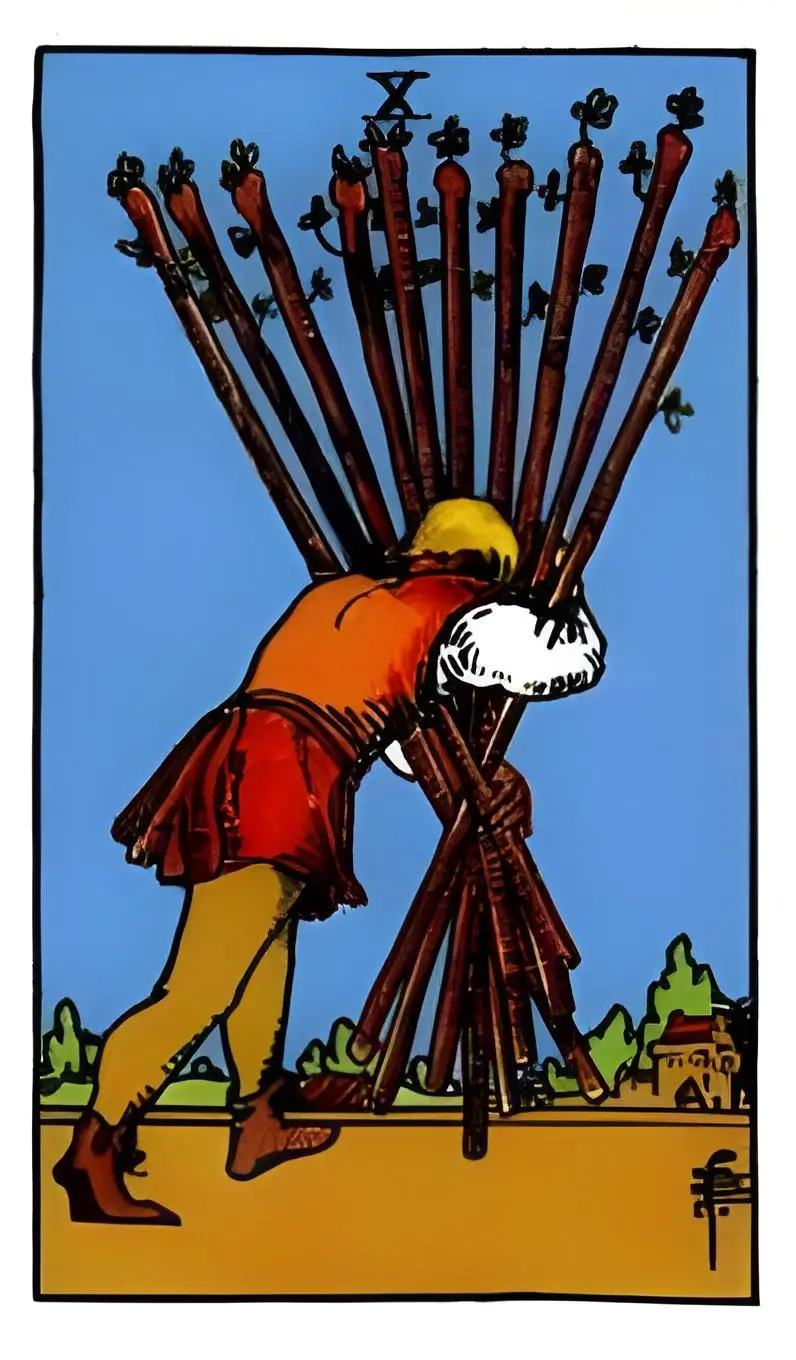
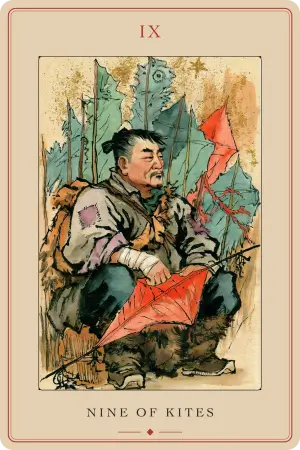
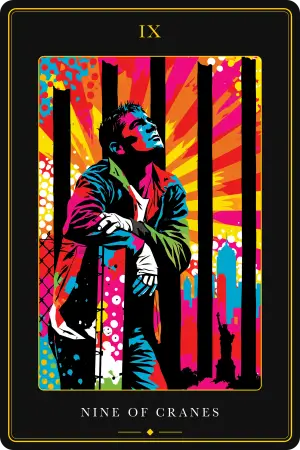
ہر ڈیک اسی آرکیٹائپ کو نئے انداز میں پیش کرتا ہے۔ فن پاروں کا موازنہ کریں، پھر کسی ڈیک کو کھول کر اس کی مکمل تعبیر پڑھیں۔
تصویر کشی اور علامت
ویٹ نے اس کارڈ کو ایک مختصر تصور دیا: مخالفت میں طاقت، ایک ایسی شخصیت جو کسی بھی حملے کا دلیری سے سامنا کرے، اور جسے ایک مضبوط حریف کے طور پر بنایا گیا ہو۔ پامیلا کولمین سمتھ نے جو تصویر بنائی، وہ اس جملے کے وعدے سے زیادہ غیر آرام دہ ہے۔ اس کا آدمی زخمی ہے۔ اس کے سر کے گرد ایک پٹی سختی سے بندھی ہوئی ہے، جو بعض پرنٹس میں ایک آنکھ کو بھی ڈھانپتی ہے، اس کے کپڑے پھٹے ہوئے ہیں اور اس کے گال پچکے ہوئے ہیں۔ وہ دونوں ہاتھوں سے ایک ہی چھڑی پکڑے ہوئے ہے اور اپنا سارا وزن اس پر ڈالے ہوئے ہے۔ اس کے پیچھے آٹھ مزید چھڑیاں ایک قطار میں سختی سے گڑی ہوئی ہیں۔ وہ ان کی طرف نہیں دیکھ رہا، اور نہ ہی وہ دیکھنے والے کی طرف دیکھ رہا ہے۔ وہ اپنے کندھے کے پیچھے، ایک طرف دیکھ رہا ہے۔
سر کا زخم تشریح کا زیادہ تر بوجھ اٹھاتا ہے۔ سر پر زخم تھکے ہوئے پٹھوں کے بجائے ذہنی اور جذباتی نقصان کی نشاندہی کرتا ہے، یہ ایک ایسے ذہن کی علامت ہے جسے ماضی کے درد نے مستقل چوکسی میں ڈھال دیا ہے۔ یہ ڈیک پٹیوں کو یہاں تک پہنچنے کی جسمانی اور اخلاقی قیمت کے طور پر پڑھتا ہے، اور یہ نتیجے کے بارے میں واضح ہے: زخموں نے اس کی روح کو نہیں توڑا، بلکہ انہوں نے اس کے عزم کو مضبوط کیا۔ پٹی اپنے آپ کی دیکھ بھال کی بھی ایک علامت ہے جو تصویر میں نظر آتی ہے۔ وہ ایک ہی وقت میں صحت یاب بھی ہو رہا ہے اور ڈیوٹی پر بھی ہے۔
وہ چھڑی جسے وہ پکڑے ہوئے ہے کارڈ کا ایک خاموش مذاق ہے۔ اس سوٹ میں ہر دوسری جگہ چھڑی ایک ہتھیار یا بنانے کا آلہ ہوتی ہے۔ یہاں اس کی ہمہ گیری ایک بیساکھی کے طور پر ظاہر ہوتی ہے، جو ایک تھکے ہوئے جسم کو سیدھا رکھنے والی واحد چیز ہے۔ اس کا انداز تھکا ہارا اور نڈھال ہے، لیکن ساتھ ہی سیدھا کھڑا ہے۔ اسے شکست نہیں ہوئی، اور یہ ڈیک اس انداز کو محض گرنے کے خلاف ایک ضد سمجھتا ہے۔
اس کے پیچھے کی آٹھ چھڑیاں ایک کارڈ پہلے ہوا میں تھیں۔ وانڈز کا آٹھ (Eight of Wands) میں سمتھ نے انہیں فریم میں کسی کی موجودگی کے بغیر اڑتے ہوئے دکھایا تھا؛ یہاں وہ اتر چکی ہیں، گاڑ دی گئی ہیں، اور ایک باڑ میں تبدیل کر دی گئی ہیں۔ یہ اس کی اپنی تاریخ ہے جو ایک دیوار میں چن دی گئی ہے: جیتی گئی فتوحات، اکٹھے کیے گئے وسائل، اور وہ اسباق جن کی کوئی قیمت ادا کی گئی تھی۔ یہ ڈیک اضافہ کرتا ہے کہ یہ رکاوٹ محض اس کی جائیداد کے دفاع کے لیے نہیں بلکہ اس کے اصولوں کے دفاع میں کھڑی کی گئی ہے۔ چونکہ وہ اس سے منہ موڑ کر کھلے حصے کو دیکھتا ہے، اس لیے یہ ترتیب باڑ کے نہ ڈھکے ہوئے زاویے سے کسی حملے کی توقع کو ظاہر کرتی ہے۔
زمین اور افق کو جان بوجھ کر بے میل رکھا گیا ہے۔ فرش ہموار اور بے جان سرمئی ہے، جو چوٹوں کی ویرانی اور انتظار کی یکسانیت کو ظاہر کرتا ہے۔ رکاوٹ کے پار کی زمین سبز اور زرخیز، پرسکون اور مستحکم ہے، جس میں دور پہاڑوں کی چوٹیاں ہیں جو پہلے ہی پار کیے گئے بڑے کاموں اور آنے والے کاموں کی علامت ہیں۔ یہ تضاد کارڈ کی دلیل ہے: ایک بھرپور زندگی آخری دفاع کی دوسری طرف آپ کی منتظر ہے۔
بنیادی معنی
اس ڈیک میں وانڈز کا نو (Nine of Wands) اس چیز کا دفاع ہے جو پہلے ہی حاصل کی جا چکی ہے۔ کامیابیاں بورڈ پر ہیں، اور کام ختم ہونے سے پہلے ہی رکاوٹیں ظاہر ہو گئی ہیں۔ یہ مطالعہ لچک کو محتاط رہنے کے ساتھ ملاتا ہے: مشکل سے نمٹنے کے لیے کافی طاقت اور توانائی، اور خطرے کا ایک مسلسل احساس جو کبھی پوری طرح ختم نہیں ہوتا۔
جو چیز رائڈر-ویٹ کے نقطہ نظر کو خاص بناتی ہے وہ یہ ہے کہ اس نے آرکیٹائپ کو ایک چہرے اور زخم کے ساتھ ایک شخص بنا دیا۔ سولا بوسکا نے زخم کو ایک علامت کے اندر بند کر دیا تھا اور مارسیل نے اسے کٹی ہوئی لکڑیوں کے طور پر چھوڑ دیا تھا۔ سمتھ نے سرمئی زمین پر ایک تھکے ہوئے آدمی کو رکھا اور آپ کو تھکاوٹ محسوس کرنے دی۔ یہی وجہ ہے کہ اب یہ کارڈ ایک اندرونی کیفیت کو بیان کرتا ہے، اور اس کا مشورہ نقشے کی میز پر بیٹھے کسی جنرل کو نہیں بلکہ اس شخص کو دیا جاتا ہے جو اپنے ذخائر کے اختتام کے قریب ہے۔
نو کا ہندسہ وقت کا تعین کرتا ہے۔ اس ڈیک کی علم الاعداد میں نو تکمیل اور سائیکل کے اختتام کی علامت ہے، ایک اعلیٰ روحانی توانائی کا نمبر جو کسی نئی چیز میں داخل ہونے کی نشاندہی کرتا ہے، یہی وجہ ہے کہ کارڈ برداشت کے ساتھ ساتھ تشخیص اور تیاری کے موضوعات بھی لاتا ہے۔ وانڈز اس اختتام میں تخلیقی آگ کا اضافہ کرتے ہیں: طاقت، جذبہ اور صورتحال کو تبدیل کرنے کی مہم، چاہے وہ کیسی بھی لگے۔ یہ مل کر آخری رکاوٹوں کے خلاف قائم کی گئی ثابت قدم قوت ارادی کو بیان کرتے ہیں، اور یہی وہ چیز تھی جو گولڈن ڈان کے ذہن میں تھی جب اس نے کارڈ کو 'عظیم طاقت کا رب' (Lord of Great Strength) کا نام دیا۔
سیدھے معنی
سیدھا کھڑا، آپ ایک ایسے مقام پر پہنچ گئے ہیں جہاں طویل، کٹھن راستہ تقریباً پیچھے رہ گیا ہے، اور کام مکمل ہونے سے پہلے کچھ رکاوٹ کھڑی ہو گئی ہے۔ یہ کسی مشکل سفر کا اختتام یا کسی حقیقی چیلنج سے فوراً پہلے کا وقفہ ہو سکتا ہے۔ آپ تھکن محسوس کر سکتے ہیں، اور مشکل حالات کے ساتھ آپ کا تجربہ ہی وہ چیز ہے جو آپ کو آگے لے جائے گی۔ اس ڈیک کی ہدایت عملی ہے: محتاط اور چوکنا رہیں، اپنی صلاحیت پر اعتماد رکھیں، جو آپ نے بنایا ہے اس کا دفاع کرنے کے لیے تیار رہیں، اور کسی رکاوٹ کے سامنے ہار نہ مانیں۔ صبر اور استقامت اسے انجام تک پہنچائیں گے۔
محبت میں۔ ایک قائم شدہ رشتے کے لیے، کارڈ اس بندھن کو واقعی مضبوط، ایک سائیکل کی تکمیل اور اگلی سطح پر منتقلی کے طور پر پڑھتا ہے۔ یہ مستحکم ہو گیا ہے کیونکہ اس نے چیلنجوں کا مقابلہ کیا ہے۔ تحفظ اکثر ایک ساتھی کے دوسرے کی حفاظت کرنے کے عزم کے طور پر ظاہر ہوتا ہے۔ ماضی کی جدوجہد کی تھکاوٹ حقیقی ہے لیکن آگے بڑھنے سے نہیں روکتی، کیونکہ دونوں افراد سمجھتے ہیں کہ یہ رشتہ کیا اہمیت رکھتا ہے۔ طویل عرصے تک رہنے والے خوف موجود ہیں لیکن ان کا اثر معمولی ہے۔ سماجی اور خاندانی تعلقات میں یہ کارڈ آپ کی پوزیشن اور آپ کے عقائد کے دفاع، دوسرے لوگوں کی حدود کا احترام کرتے ہوئے اپنی حدود کا خیال رکھنے، اور اپنے دفاع کے باوجود مشترکہ بنیادوں کے لیے کھلے رہنے کے بارے میں ہے۔
کیریئر میں۔ کام پر یہ وہ محافظ ہے جو آگے بڑھتا رہتا ہے۔ آپ ایک ایسے دور میں داخل ہو سکتے ہیں جہاں آپ کو اپنے خیالات یا اپنے پروجیکٹس کے لیے لڑنا پڑے گا، اور کارڈ ان آزمائشوں کو تسلیم کرتا ہے اور اگر حوصلہ اور اعتماد برقرار رہے تو نتائج کا وعدہ کرتا ہے۔ یہ ایک طویل مدتی منصوبے کے آخری مرحلے کی نشاندہی کرتا ہے، جہاں سب سے بڑی مشکل اکثر کامیابی سے فوراً پہلے آتی ہے۔ کاروبار میں، یہ ایک حقیقی کامیابی پر مبنی دفاعی موقف کے طور پر پڑھتا ہے: اہم چیلنج پہلے ہی ادارے کے پیچھے ہیں، اور یہ ایک اہم فیصلے سے پہلے تیاری اور تجزیہ کا دور ہے، جو آنے والے وقت کے لیے طاقت جمع کر رہا ہے۔ آپ کے پاس اگلے مرحلے میں جانے کے وسائل ہیں بشرطیکہ آپ اپنے مفادات کے دفاع کے لیے تیار ہوں۔
مالیات میں۔ ایک مالی ہدف سے ذرا پہلے ایک تقریباً مکمل کام۔ طویل کام سے تھکاوٹ کی توقع ہے، اور اب رکنا غلط اقدام ہے۔ کارڈ آپ کی دولت کو بیرونی خطرات سے بچانے کے لیے فعال خود دفاع کے طور پر پڑھا جاتا ہے، اور یہ آپ کو اپنی حیثیت کو بچانے اور مضبوط کرنے کے لیے ایک مضبوط پوزیشن میں رکھتا ہے، جو اکثر نئے آئیڈیاز کے ذریعے آپ کے سامنے آنے والی رکاوٹوں کو دور کرتا ہے۔ رکاوٹیں ظاہر ہونے پر دوبارہ جائزہ لینے کے لیے تیار رہیں، اور اپنے استحکام کے لیے لڑنے کے لیے تیار رہیں۔
صحت میں۔ فعال صحت یابی کا دور۔ طاقت بحال کرنے پر زور دیا جاتا ہے: خوراک کے لیے ایک محتاط نقطہ نظر، خود کی دیکھ بھال، نئی جسمانی سرگرمی، بیماری کے بعد یا جذباتی اور جسمانی دباؤ کے طویل عرصے کے بعد بحالی۔ بڑی کوشش پہلے ہی ہو چکی ہے اور یہ تقریباً مکمل ہو چکی ہے، اس لیے اچھی طرح کمایا گیا آرام قریب ہے۔ یہ ڈیک لمبی سیر، مراقبہ یا یوگا، اور جسم کے ساتھ ایک ہی وقت میں فعال اور نرم سلوک کی سفارش کرتا ہے۔
الٹے معنی
الٹا ہونے پر، دفاع یا تو منہدم ہو جاتا ہے یا سخت ہو جاتا ہے۔ یہ ڈیک دونوں صورتوں کو بیک وقت سامنے رکھتا ہے۔ ایک طرف یہ محض اندرونی کام کے ذریعے رکاوٹوں پر قابو پانا، نئی سطح تک پہنچنے کے لیے خوف اور شکوک و شبہات پر فتح پانا ہے، جس میں ماضی کی غلطیوں کو تسلیم کرنا اور ماضی کے اعمال کے نتائج سے نمٹنا شامل ہو سکتا ہے۔ دوسری طرف یہ گہری تھکاوٹ اور کم ہوتی ہوئی طاقت ہے، جہاں نامعلوم چیزیں خوفزدہ کرتی ہیں اور کمفرٹ زون چھوڑنا ناممکن محسوس ہوتا ہے۔ مشورہ دونوں کا احاطہ کرتا ہے: جو آپ کے پاس ہے اسے اکٹھا کریں اور اس سے بچنے کے بجائے اس کا سامنا کریں، اپنی غلطیوں کو تجربے کے طور پر قبول کریں، جاری رکھنے سے پہلے آرام کریں اور دوبارہ چارج ہوں، نیا حوصلہ تلاش کریں، اور اس چیز کو جانے دیں جو اب آپ کے کام نہیں آ رہی۔
محبت میں۔ تھکاوٹ، اور یہ تسلیم کرنا کہ رشتے میں کی گئی کوشش وہ نتائج نہیں دے رہی جس کی آپ نے امید کی تھی۔ ناکامی کا خوف یا ناگزیر نقصان کا خوف اس کے پیچھے آتا ہے۔ عدم اعتماد، ناراضگی، اور دردناک نتائج کا خوف آپ کو محفوظ رہنے کے لیے اپنے حقیقی جذبات کو چھپانے پر مجبور کر سکتا ہے۔ رشتہ جذباتی تھکاوٹ اور بار بار ہونے والے تنازعات کو ظاہر کرتا ہے جو مزید تناؤ پیدا کرتے ہیں۔ ایک ساتھی کے لیے اکیلے ہونے کا خوف ہو سکتا ہے، یا پرانے اعتماد کے مسائل ہر چیز کے نیچے بیٹھے ہو سکتے ہیں۔ آرام کریں، اپنی جذباتی صحت کا خیال رکھیں، اور بیرونی مدد پر غور کریں۔ وسیع تر تعلقات میں یہ تبدیلی سماجی زندگی سے مایوسی اور انخلاء لاتی ہے، جہاں تناؤ ہر گفتگو کو خطرے کی طرح محسوس کرواتا ہے، تنقید ناقابل برداشت ہو جاتی ہے، اور مسلسل دفاعی رویہ تنہائی اور سرد مہری میں بدل جاتا ہے۔
کیریئر میں۔ تھکاوٹ، بے بسی اور جذباتی بوجھ۔ ہو سکتا ہے کہ آپ کے پاس کسی طویل پروجیکٹ کو مکمل کرنے کی طاقت نہ ہو، اور توانائی کی کمی اکثر اس احساس سے آتی ہے کہ کوشش ضائع ہو گئی۔ تھکاوٹ کو تسلیم کریں اور وقفہ لیں۔ ساتھیوں کی مدد کے بغیر اکیلے سب کچھ کرنے کی کوشش کرنا کام کے بوجھ سے زیادہ نقصان پہنچا رہا ہے، لہذا اندازہ لگائیں کہ آپ دراصل کتنا بوجھ اٹھا سکتے ہیں اور ٹیم یا انتظامیہ سے مدد طلب کریں۔ اصل کام کے بجائے چھوٹے مسائل پر بکھری ہوئی توجہ ایک عام وجہ ہے۔ کاروبار میں، اپنے مفادات کے تحفظ کے لیے طویل عرصے سے مسلسل کوشش کی ضرورت پڑی ہے، اور انتباہ یہ ہے کہ جاری رکھنے کی طاقت نہ ہونے کی وجہ سے آپ وہ سب کچھ کھو سکتے ہیں جو آپ نے بنایا تھا۔ صحت اور وسائل کاروبار کی ضرورت بن جاتے ہیں۔ شراکت داروں یا حریفوں کے تئیں ناراضگی ظاہر ہو سکتی ہے جنہوں نے کبھی کام کی قدر نہیں کی، ساتھ ہی سب کچھ چھوڑ کر نئے سرے سے شروع کرنے کا لالچ بھی۔ ایک مختصر وقفہ آپ کو بحال کر سکتا ہے، اور اگر توانائیاں واقعی ختم ہو گئی ہیں، تو حکمت عملی پر دوبارہ سوچنے کی ضرورت ہے۔
مالیات میں۔ غیر متوقع رکاوٹوں کے خوف سے مالی منصوبوں کو ترک کرنا، جس کے بعد تاخیر، غیر فیصلہ کن صورتحال اور غیر یقینی پن آتا ہے۔ ناکامی اور ضائع شدہ مواقع کے خوف اس حد تک بڑھ جاتے ہیں کہ آگے کا راستہ نظروں سے اوجھل ہو جاتا ہے۔ تحفظ اور استحکام کی کمی کے باعث ترقی رک سکتی ہے، جس سے آمدنی میں تاخیر ہو سکتی ہے۔ یہ ڈیک اس رکاوٹ کو عارضی سمجھتا ہے اور بتاتا ہے کہ اصل میں پیسہ کہاں ضائع ہو رہا ہے، آپ سے فعال کوشش اور جو کچھ آپ کے پاس ہے اس کے محتاط تحفظ کے درمیان توازن قائم کرنے کو کہتا ہے۔
صحت میں۔ غفلت۔ خوراک، معمولات، سرگرمی اور نیند سب متاثر ہوتے ہیں، اور توانائی بھی گر جاتی ہے۔ جسم ایسے اشارے بھیج رہا ہے جنہیں نظر انداز کیا جا رہا ہے، جو بے ترتیب ظاہری شکل، بے قابو کھانے پینے، آرام کرنے سے انکار، یا بری عادتوں پر انحصار کی صورت میں ظاہر ہوتا ہے۔ حرکت کرنا شروع کریں، خوراک میں توازن لائیں، اور وہ آرام کریں جس کا جسم تقاضا کر رہا ہے۔
بیماری کے نیچے ایک نسخہ موجود ہے۔ یہ الٹا کارڈ آپ سے جان بوجھ کر چوکسی کم کرنے، ہر نئے شخص کو پرانا دشمن سمجھنا چھوڑ دینے، اور اس بات پر بھروسہ کرنے کو کہتا ہے کہ تنہائی ختم ہو رہی ہے۔ یہ ایک عاجزانہ اصلاح بھی ہے: اپنے دکھ کو دوسرے لوگوں کے سمجھے جانے والے فوائد سے تولنا بند کریں، اور اپنے چیلنجوں کو ایسے اساتذہ کے طور پر عزت دیں جو آپ کے پاس ہونے چاہئیں۔
تاریخی نوٹس
سمتھ کو ایک ایسا کارڈ وراثت میں ملا جس کی تاریخ پہلے ہی دو انتہاؤں کے درمیان جھول چکی تھی۔ پندرہویں صدی کے آخر کا سولا بوسکا (Sola Busca)، جو کہ مکمل طور پر مصور پپس کے ساتھ پہلا ڈیک تھا، نے وانڈز کا نو کو ایک واقعی پریشان کن تصویر دی: ایک عورت کے دل کو چھیدنے والی دو چھڑیاں، جن کے باہر نکلنے کے کوئی سرے نظر نہیں آتے۔ باطنی مورخین اسے ڈیک کے ذریعے بنے ہوئے ایک عددی کوڈ سے جوڑتے ہیں، جس میں یہ کارڈ خفیہ نمبر 2 سے وابستہ ہے۔ نتیجہ بند کیے گئے اندرونی زخم کی ایک تقدیر پرستانہ تشریح ہے۔ ٹیرو ڈی مارسیل (Tarot de Marseille) دوسری طرف گیا اور جیومیٹری کی طرف لوٹ آیا، آٹھ چھڑیاں ایک دوسرے کو عبور کر رہی ہیں جس کے نیچے یا درمیان ایک نویں چھڑی محفوظ طریقے سے رکھی گئی ہے، جسے تناؤ، برے واقعات کے خلاف مزاحمت، اور انتہائی چوکسی کے طور پر پڑھا جاتا ہے۔ مارسیل کا مشورہ یہ تھا کہ اگر آپ تبدیلیوں کا انتظار کر رہے ہیں اور نتائج کے بارے میں فکر مند ہیں، تو عذاب کو ترک کر دیں، کیونکہ ڈھانچہ قائم ہے اور تبدیلی بہتری کے لیے ہے بشرطیکہ آپ اپنی پوزیشن برقرار رکھیں۔ الٹا ہونے پر، وہ جیومیٹری تھکاوٹ اور شکوک و شبہات میں گر جاتی ہے۔
ویٹ اور سمتھ نے 1909 میں رائڈر-ویٹ ڈیک شائع کیا، اور ان کا ورژن وہ ہے جس پر اب باقی روایت بحث کرتی ہے۔ ویٹ کا تصور مخالفت میں طاقت تھا۔ سمتھ کی تخلیق نے بند علامت اور باڑ دونوں کو ایک جنگ زدہ انسان سے بدل دیا، اور ایسا کرتے ہوئے اس نے اس زخمی جنگجو کو ضابطہ بند کر دیا جو اب عصر حاضر کے ٹیرو پر حاوی ہے۔ اس کی شخصیت نے بھاری نقصان اور تاخیر کا سامنا کیا ہے اور پھر بھی ایک حتمی، ناقابل تسخیر دفاع کے قابل ہے، جو کہ سولا بوسکا کی تقدیر پرستی اور مارسیل کے مزاحمت کے تجریدی خاکے سے بالکل مختلف تجویز ہے۔
اس کارڈ کے پیچھے علم نجوم اور عنوان دونوں ہرمیٹک آرڈر آف دی گولڈن ڈان سے آئے ہیں، جس نے انیسویں صدی کے آخر میں ڈیکن کی صفات کو باقاعدہ بنایا اور اس کا نام لارڈ آف گریٹ اسٹرینتھ (Lord of Great Strength) رکھا۔ 1943 میں کرولی اور لیڈی فریڈا ہیرس نے تھوتھ ٹیرو (Thoth Tarot) مکمل کیا اور انسانی شکل کو دوبارہ ہٹا کر اس کارڈ کو سمتھ کی سمت سے بالکل مخالف سمت میں دھکیل دیا۔
مطابقتیں
نمبر۔ نو، تکمیل اور سائیکل کا اختتام، یہی وجہ ہے کہ یہ کارڈ نتیجہ، تشخیص اور آنے والے وقت کی تیاری کو ساتھ لاتا ہے۔ علم الاعداد میں نو روحانی توانائی کا ایک اعلیٰ چارج رکھتا ہے اور کسی نئی چیز میں منتقلی کی نشاندہی کرتا ہے، جس سے حکمت اور ایک وسیع نقطہ نظر ملتا ہے جو قوت ارادی کا تقاضا کرتا ہے۔ نائنز، ٹینز کی انتہا سے پہلے آخری امتحان بھی ہیں، اور یہاں کا تناؤ ایس (Ace) پر واپس آنے کی توقع کا تناؤ ہے جبکہ پہلے آنے والے وانڈز کے دس (Ten of Wands) کے بوجھ سے ڈرتا ہے۔
علم نجوم۔ قوس کے دوسرے ڈیکن میں چاند، دس سے انیس ڈگری تک، تقریباً 3–12 دسمبر۔ قوس متغیر آگ ہے جس پر مشتری کی حکمرانی ہے، آزادی، فلسفیانہ تحقیق اور کسی نامعلوم مستقبل کی طرف چھوڑے گئے تیروں کی علامت ہے۔ اس ڈیکن پر حکمرانی کرنے والا چاند، درکار طاقت کو سخت کے بجائے لچکدار بناتا ہے، جسے روایت میں تبدیلی کے درمیان طاقت کے طور پر بیان کیا گیا ہے، بالکل اس تیر انداز کی طرح جو اپنی کمان کھینچتا ہے۔ قمری اثر جذباتی گہرائی، وجدان اور لاشعور کا اضافہ کرتا ہے، اس کے ساتھ غیر مستحکم اور اتار چڑھاؤ والی توانائی کی سطحیں، اور یہ ڈیک نوٹ کرتا ہے کہ یہ نرمی اور دیکھ بھال کا بھی اضافہ کرتا ہے جو آگ کے زیادہ جارحانہ کھنچاؤ کو متوازن کرتا ہے۔ اس کارڈ کے تحت، منطق سے پہلے دل سے کام لیں۔ کرولی کی 777 ڈیکن کی جادوئی تصویر کو ایک ایسے آدمی کے طور پر درج کرتی ہے جو گایوں کی رہنمائی کر رہا ہے جس کے آگے ایک بندر اور ایک ریچھ ہے، یہ مسلط کرنے والے مشتری جانوروں اور قمری علامتوں کا ایک منظر ہے جو اچانک رکاوٹوں سے فوری ہم آہنگی کا تقاضا کرتا ہے۔
عنصر۔ آگ: عمل، پہل اور جذبہ، جو یہاں استقامت، قوت ارادی اور خود اعتمادی کی طرف مڑ گیا ہے۔ اس کا گہرا تعلق خود کے تحفظ اور اپنے اندرونی وسائل پر یقین سے ہے، وہ تخلیقی توانائی جو مشکل سے قطع نظر حل تلاش کر لیتی ہے۔
کابالا۔ یسود (Yesod)، بنیاد، نواں دائرہ، اتزیلوت (Atziluth) میں، آگ کی دنیا۔ اس چوراہے کے لیے گولڈن ڈان کا باطنی عنوان شاہ کی بنیاد (Foundation of the King) ہے، جس کا مطلب ہے کہ خودمختاری اور مہارت کی بنیاد سراسر طاقت ہے۔ یسود چاند کا دائرہ ہے اور لاشعور، وہموں، کوکبی جہان اور مادی دنیا کے نیچے موجود نفسیاتی مشینری پر حکومت کرتا ہے۔ اس قمری بنیاد میں ڈالی گئی آگ قوت ارادی کا ایک جبلتی ذخیرہ بن جاتی ہے، وہ نفسیاتی بنیاد جو اندھیرے میں انسان کو کھڑا رکھتی ہے۔
عنصری وقار۔ آگ کا ایک کارڈ جو دوسرے وانڈز اور آگ کے درباری کارڈز کو سپورٹ کرتا ہے اور ان سے سپورٹ حاصل کرتا ہے۔ تلواروں (Swords) کے آگے اس کا محتاط لہجہ سخت ہو جاتا ہے، جبکہ پانی اور زمین کے پڑوسی یا تو تھکاوٹ کو کم کرتے ہیں یا اسے گہرا کرتے ہیں۔
نفسیاتی نقطہ نظر
یہ کارڈ سیدھے ہونے پر جس شخص کو بیان کرتا ہے اس کے پاس ایک مضبوط اندرونی وسیلہ ہے اور وہ جانتا ہے کہ مشکل میں سے گزر کر کسی ہدف تک کیسے پہنچنا ہے۔ وہ کافی تجربہ اور چیزوں سے بچ نکلنے سے حاصل کردہ حکمت رکھتے ہیں، اور ان کی نمایاں خصوصیات انتہائی چوکسی اور تفصیل پر توجہ دینا ہیں۔ وہ خود انحصار اور خود تحفظ پر مرکوز ہیں، اور یہ ڈیک یہ شامل کرنے میں محتاط ہے کہ وہ اپنی زندگیوں کو بہتر بنانے اور ان کی تشکیل نو کی صلاحیت کو برقرار رکھتے ہیں۔ اس میں شامل فخر خاموش اور ثابت قدم ہے، ایک ایسا وقار جو زخم خوردہ انا پر چیخنے چلانے والے فخر کے بجائے اپنی زمین پر قائم رہتا ہے۔ اس کے پیچھے زخمی شفا دینے والا بیٹھا ہے، وہ شخصیت جو چائیرن سے وابستہ ہے، وہ شخص جو درد اور دھوکہ دہی سے گزرا، دل کے گرد اونچی دیواریں کھڑی کیں، اور اب اس درد کو ذاتی طاقت میں بدلنے کے سست کام میں ہے۔
الٹا ہونے پر، وہی مشینری اپنے مالک کے خلاف چلتی ہے۔ اپنے کام کا مسلسل دفاع کرنے سے تھک کر اور مایوس ہو کر، شخص تھک جاتا ہے اور خوف اور تناؤ کا بھاری بوجھ اٹھا لیتا ہے۔ وہ وہاں مسائل دیکھتے ہیں جہاں کوئی نہیں ہوتا، حقیقی خطرات کا زیادہ اندازہ لگاتے ہیں، اور مستقل اضطراب میں رہتے ہیں۔ خود پر شک منصوبوں کو مکمل ہونے سے روکتا ہے۔ لڑنے سے تھکے ہوئے اور اب بھی جو کچھ ان کے پاس ہے اس کے دفاع میں مگن، تھکاوٹ ضد میں بدل جاتی ہے یہاں تک کہ وہ ایسی لڑائیاں لڑ رہے ہوتے ہیں جن کا ہونا ضروری نہیں تھا۔ دیواریں اتنی اونچی ہو جاتی ہیں کہ کوئی اچھی چیز اندر نہیں آتی، اور نئے لوگ، مہربان ساتھی اور نئے مواقع سب پرانے دشمن سمجھے جاتے ہیں۔
سیلٹک کراس کی امیدوں اور خوف (Hopes and Fears) کی پوزیشن میں کارڈ کا میری کے گریر کا مطالعہ اس کا تیز ترین نفسیاتی استعمال ہے۔ ایمپیڈوکلیس اور محبت اور تنازعہ کی قوتوں کو کھینچتے ہوئے، وہ وہاں کارڈ کو ایک ایسی ذہنیت کے طور پر پڑھتی ہے جو دوبارہ زخمی ہونے کے خوفناک خوف اور ایک خاموش امید کے درمیان مفلوج ہے کہ دفاع برقرار رہے گا۔ چونکہ بنیادی جذبات بڑی حد تک سوچ کے لیے ناقابل رسائی ہوتے ہیں، اس وقت کا رویہ منطق اور حکمت عملی کو ایک طرف رکھ کر پرانے صدمے کے جبلتی ردعمل پر چلتا ہے، اور انتہائی چوکسی مصیبت کو دور کرنے کے لیے ایک کند آلہ بن جاتی ہے۔ گریر تھراپی کے حوالے سے لکھنے کے لیے کارڈ کو ایک اشارے کے طور پر بھی استعمال کرتی ہے، جہاں یہ بے نقاب ہونے کے خوف اور جو آپ دراصل محسوس کرتے ہیں اسے کہنے کے بجائے تجزیے کے پیچھے چھپنے کی عادت کو سامنے لاتا ہے۔ یہ جو سوال اٹھاتا ہے وہ مختصر ہے: میں کیا روکے ہوئے ہوں، اور کیوں۔
وانڈز کا نو دیگر ڈیکس میں
سولا بوسکا (Sola Busca)، پندرہویں صدی کے آخر سے، ایک عورت کے دل کو چھیدنے والی دو چھڑیاں دکھاتا ہے جن کے باہر نکلنے کے کوئی سرے نظر نہیں آتے، جو ڈیک کے پوشیدہ عددی کوڈ اور اس کے خفیہ نمبر 2 سے منسلک ہے۔ یہ نائنز کی ایک ظالمانہ تشریح ہے، جو برداشت سے زیادہ تقدیر پرستانہ زخم کے قریب ہے۔ ٹیرو ڈی مارسیل (Tarot de Marseille) منظر کو جیومیٹری کے لیے ترک کر دیتا ہے: آٹھ چھڑیاں آپس میں عبور کر رہی ہیں جن کے بیچ میں ایک نویں چھڑی رکھی گئی ہے، جسے تناؤ، مزاحمت اور چوکسی کے طور پر پڑھا جاتا ہے، اور جب ڈھانچہ الٹا ہو جاتا ہے تو یہ تھکاوٹ اور شکوک و شبہات بن جاتا ہے۔ رائیڈر-ویٹ-سمتھ، جس ورژن کی یہ صفحہ پیروی کرتا ہے، اس نے علامت اور باڑ دونوں کو باہر پھینک دیا اور چھڑی پر ٹیک لگائے ایک پٹی بندھا ہوا آدمی کھینچا، یہی وجہ ہے کہ یہ کارڈ اب اپنے آپ میں ایک نفسیاتی کیفیت کے طور پر پڑھا جاتا ہے۔
کرولی اور لیڈی فریڈا ہیرس کا تھوتھ ٹیرو (Thoth Tarot)، جو 1943 میں مکمل ہوا، انسان کی شکل کو دوبارہ ہٹا دیتا ہے۔ نو چھڑیاں تیر کے طور پر ظاہر ہوتی ہیں، ان میں سے آٹھ قمری اور نیچے کی طرف اترتے ہوئے، ایک مرکزی چھڑی کے گرد جو نیچے چاند کو اوپر سورج سے جوڑتی ہے۔ کرولی نے اسے ڈیک میں سب سے زیادہ رسومات والے کارڈز میں سے ایک سمجھا، جو سامیک کی رسم اور نفسیات کی حدود سے گزر کر ہولی گارڈین اینجل کی طرف جانے والے راستے سے منسلک ہے۔ کیمیائی طور پر مرکزی شافٹ مسٹیریم کنجکشنس (Mysterium Conjunctionis) ہے، جو شعور اور لاشعور کا مشکل ملاپ ہے، جو کارڈ کو جسمانی برداشت سے نکال کر روحانی آزمائش میں لے جاتا ہے اور اسے اندھیرے میں سے گزرنے والے تنہا زندہ بچ جانے والے کی مرضی بنا دیتا ہے۔
جدید ڈیکس سمتھ کی تنہائی کے ساتھ براہ راست بحث کرتے ہیں۔ آفٹر ٹیرو (After Tarot)، جو ہر RWS منظر کے فوراً بعد کا لمحہ کھینچتا ہے، اس شخص کو مدد کا ہاتھ پیش کرتے ہوئے دکھاتا ہے، یہ تجویز کرتا ہے کہ نو کی تنہائی عارضی ہے اور مدد قبول کرنا اگلا قدم ہے۔ اوسٹارا ٹیرو (Ostara Tarot) کارڈ کو میجر آرکانا 10 کے ساتھ رکھتا ہے تاکہ یہ دکھایا جا سکے کہ نائنز کی تھکاوٹ کو عبور کرنے سے دراصل کیا حاصل ہوتا ہے۔ خود مختار ڈیکس جیسے کہ فوکس فیری گاڈیس ٹیرو (Fox Fairy Goddess Tarot) اور میجسٹک ارتھ ٹیرو (Majestic Earth Tarot) شخصیت کو سرخ لباس پہناتے ہیں، جو ایک نڈھال جنگجو کو اپنے پیروں پر کھڑا رکھنے والے اندرونی تنازعے اور جذبے کو نمایاں کرتے ہیں۔
مجموعہ اور سیاق و سباق میں
پہلے اسے سوٹ میں اس کے پڑوسیوں کے خلاف پڑھیں۔ وانڈز کا سات (Seven of Wands) فعال دفاع ہے، نظر آنے والے چیلنجرز کے خلاف جسمانی مشقت، اور شاید یہیں سے سر کا زخم آیا ہے۔ نویں نمبر والا کارڈ غیر فعال انتظار اور کوئی کارروائی دستیاب نہ ہونے کی مایوسی ہے: تنازعہ اندر منتقل ہو گیا ہے، بغیر کسی پر وار کیے دائرہ کار کو سنبھالنے کی تکلیف میں۔ ایک قدم آگے، وانڈز کا دس (Ten of Wands) وہ بوجھ ہے جس کے لیے پہرے دار خود کو تیار کر رہا ہے، یہی وجہ ہے کہ اس کارڈ کا تناؤ جزوی طور پر اس خوف پر مبنی ہے کہ تکمیل کی کیا قیمت चुकانی پڑے گی۔
سورڈز کے پانچ (Five of Swords) کے خلاف تضاد تشخیصی ہے، اور قاری اسے بار بار ہونے والے ڈرامے یا زہریلے ماحول کے بارے میں سوالات میں مسلسل استعمال کرتے ہیں۔ فائیو آف سورڈز وہ بے رحم حملہ آور ہے جو لڑائی سے لطف اندوز ہوتا ہے اور کسی بھی قیمت پر جیتنا چاہتا ہے۔ نائن آف وانڈز وہ فکر مند فریق ہے جو ایک حد برقرار رکھنے کی کوشش کر رہا ہے۔ ہدایت یہ ہے کہ اپنی زمین پر قائم رہیں اور چارے کو مسترد کر دیں، بغیر ان چھوٹی موٹی لڑائیوں میں پڑے جو فائیو آف سورڈز اکسانے کی کوشش کر رہا ہے۔
سیاق و سباق لہجے کو نمایاں طور پر بدل دیتا ہے۔ پینٹاکلز کے نو (Nine of Pentacles) کے ساتھ یہ تعریف کے طور پر پڑھا جاتا ہے، بعض اوقات ایک پیڈسٹل پر رکھے جانے کی حد تک، گراؤنڈڈ اور خود کفیل کے طور پر دیکھا جاتا ہے۔ صحبت میں یہ تاثر دو دھاری ہے، کیونکہ وہی دفاعی دائرہ جو لوگوں کو اپنی طرف کھینچتا ہے انہیں یہ بھی محسوس کرواتا ہے کہ انہیں مسلسل یہ ثابت کرنا ہوگا کہ وہ کوئی خطرہ نہیں ہیں۔ پینٹاکلز کے چار (Four of Pentacles) جیسے جمود والے کارڈز کے ساتھ، یہ نئے ساتھی کو پرانے کی جگہ ماننے اور ایک جیسی حرکات دہرانے سے خبردار کرتا ہے کیونکہ زخم نہیں بھرے گا۔ الٹے شیطان (The Devil) جیسے کارڈز کے ذریعے واضح کیے گئے کیریئر کے مطالعے میں، کمیونٹی کی مشق اسے حفاظتی جال کو بلند رکھنے، محاصرے کو برداشت کرنے اور خاموشی سے تلاش کرنے، اور بغیر کسی لینڈنگ کے اچانک چھلانگ لگانے سے بچنے کا مشورہ سمجھتی ہے۔
عصر حاضر کے غیبی ماہرین اپولو 11 کی تصویر تک پہنچتے ہیں جب وہ ڈیکن کو ٹھوس بنانا چاہتے ہیں: دشمن کے اندھیرے میں سے چاند کی طرف ایک خطرناک سفر، جو صرف اور صرف چاہت کے تیر سے کارفرما ہوتا ہے۔ یہ ارادے کی وہ سطح ہے جو یہ کارڈ فرض کرتا ہے کہ آپ کے پاس پہلے سے موجود ہے۔
غور و فکر کے لیے سوالات
- سمتھ نے ایک ایسا آدمی کھینچا جو اس طرف دیکھ رہا ہے جسے اس کی باڑ کور نہیں کرتی۔ میں ابھی تک کس سمت کی حفاظت کر رہا ہوں، اور کیا وہاں سے کافی عرصے میں حقیقت میں کچھ آیا ہے؟
- شخصیت کے پیچھے موجود آٹھ چھڑیاں ایک کارڈ پہلے اڑ رہی تھیں۔ میں نے اپنی کون سی کامیابیوں کا استعمال بند کر کے انہیں دیوار میں بدل دیا ہے؟
- یہ ڈیک کہتا ہے کہ زخموں نے روح کو توڑنے کے بجائے عزم کو مضبوط کیا۔ سچ میں، میرے کون سے داغ کیا کر رہے ہیں؟
عمومی معنی رائڈر-ویٹ-سمتھ کی تعبیر کے مطابق ہیں، جو پوری ٹیرو اکیڈمی میں حوالے کے طور پر استعمال ہوتی ہے۔ کسی مخصوص ڈیک کی اپنی تعبیر کے لیے اسے اوپر سے کھولیں۔
اکثر پوچھے جانے والے سوالات
ٹیرو دریافت کریں
تازہ ترین پوسٹس
ٹیرو کارڈز کی قدیم دانش دریافت کریں اور اپنے روحانی سفر کے اسرار کھولیں۔ ٹیرو ریڈنگ کی بھرپور علامت نگاری، معانی اور عملی اطلاق کو سمجھنے کے لیے ہمارا بلاگ آپ کا دروازہ ہے۔




















































