
 SR (Српски)



Мала аркана · Новчићи (Земља)
Тројка пентакла
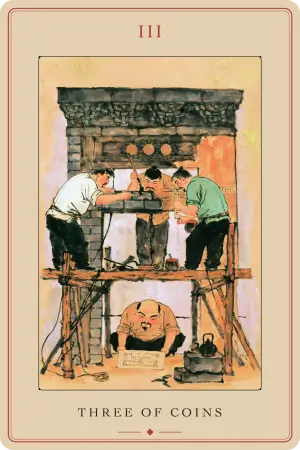
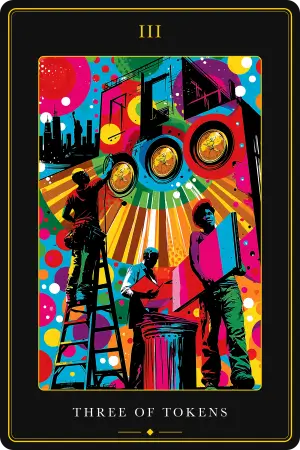
Зидар, монах и архитекта на послу у катедрали: признање вештине и заједнички план који поприма физички облик.
Read the complete guide: Trojka Pentakla Tarot Karta: Kompletan Vodič za Njenu Simboliku i Značenje
Карта у кратким цртама
- Нумерологија
- Три
- Елемент
- Земља
- Астрологија
- Марс у Јарцу (10°–19°)
- Кабалистичка стаза
- Бина (Разумевање)
- Време
- Почетак јануара или фаза изградње и шегртовања
- Да / Не
- Усправно да · Обрнуто не
Усправно
Сарадња
Шегртовање
Мајсторство
Признање
Тимски рад
Вештина
Учење
Изградња
Обрнуто
Несклад
Лош тимски рад
Просечност
Его
Одлагања
Отпор према критикама
Узалудан труд
Тројка пентакла у сваком шпилу
Сваки шпил реинтерпретира исти архетип. Упоредите уметност, а затим отворите шпил да бисте прочитали његову потпуну интерпретацију.
Визуелни приказ и симболика
Памела Колман Смит сместила је Тројку пентакла Рајдер-Вејт-Смит шпила унутар засвођених лукова камене цркве или манастира. Млади вајар стоји уздигнут на дрвеној клупи, са длетом у руци, обрађујући камен изнад своје главе. Испод њега, тонзурисани монах у тамној одори и друга прилика која држи архитектонски нацрт гледају нагоре и саветују се са њим. Смит се школовала за позориште и ове три фигуре поставља попут глумаца на сцени: свако има посебну улогу, а забележени тренутак управо је онај у коме се њихово деловање усклађује.
Тумачење ове сцене у шпилу одвија се истовремено на два нивоа, као подучавање и као заједнички посао. Посматрано на један начин, то су учитељ и ученик, где знање прелази са онога ко њиме влада на онога ко пажљиво слуша. Посматрано на други начин, реч је о три стручњака који удружују сопствена знања ради остварења циља који ниједан од њих не би могао постићи сам. Карта чува оба значења активним, због чега подједнако говори о шегртовању и о тимском раду.
Симболи ту тему урезују у камен. Уклесана у лук изнад фигура, три пентакла образују троугао усмерен кагоре, који одражава Најузвишенији троугао на врху кабалистичког Дрвета живота, са ружом у средишту обележеном крстом једнаких кракова елемента Земље: приземан, посвећен рад сам по себи представља пут ка висинама. Лук је праг, капија ка новом степену разумевања, а у њега урезани пентакли означавају труд којим се тај пролаз заслужује. Засвођени улаз у радионицу наговештава надахнуће и духовну подршку самом раду. Чврста камена грађа представља материјални темељ који ове три прилике постављају, док их камена грађевина смешта у градско окружење, друштвени амбијент у коме се знање размењује и руке удружују. Зидар стоји на клупи уместо на чврстом тлу, што је подсетник да се мајсторство у процесу ослања на привремену скелу и земаљску подршку. Чак и боје приповедају причу: тамно средиште означава мукотрпан рад и савладане препреке, док светлије окружење представља разумевање и материјалну награду коју тај труд доноси.
Основно значење
У Рајдер-Вејт-Смит шпилу Тројка пентакла тумачи се као спој учења, сарадње и занатског мајсторства. У општем смислу број три представља синтезу, тачку у којој апстрактна идеја поприма физички облик; овај шпил ту идеју приказује као конкретну људску сарадњу, где вешту руку води нацрт, под будним оком оних који посао познају. Карта означава тренутак када се отвара прилика за усавршавање вештине, учење заната или стварање нечег опипљивог у заједници са другима.
Ова верзија наглашава да се посао дели и да је квалитет пресудан. Она награђује спремност на учење, прихватање туђег погледа на сопствени рад и спајање духовне подршке, умног планирања и физичког рада у јединствено, усклађено деловање. Броју три је потребно друштво како би се испољио, па се ова карта супротставља идеји усамљеног генија: она указује на шегрта на клупи, нацрт у туђим рукама и резултат који је могућ искључиво кроз сарадњу. Сам рад представља иницијацију.
Значење у усправном положају
У усправном положају, Тројка пентакла најављује плодан период конструктивне сарадње, посвећеног учења заната и спровођења дугорочних планова у дело. Стручност добија заслужено признање, уз зрелу спремност да се саслушају ментори, саветници и колеге. Успех овде долази кроз прецизност, пажњу посвећену детаљима и ослањање на знање људи из окружења, уместо кроз усамљенички рад.
У љубави. Однос који се активно гради и који захтева стваран труд и усклађеност. Карта нагиње ка зрелим корацима попут заједничког живота, брака или оснивања породице, при чему оба партнера везу посматрају као нешто што заједно стварају и непрестано подржавају. Код новијих познанстава указује на поуздане, стабилне намере уместо на површну заљубљеност.
У каријери. Карта заната и стручног рада: ефикасан тимски рад, јавно признање стручности и почетак формалног школовања или праксе која доноси дугорочне резултате. Саветује коришћење професионалне мреже контаката, тражење потребних алата и услова за рад, као и отвореност за стицање нових знања док се ваша стручност потврђује.
У финансијама. Структурисан напредак кроз сарадњу и удружени труд, где новац пристиже из стрпљивог, заједничког рада, а не из брзе зараде. Савладавање нове вештине може директно повећати приходе, док дугорочни пројекти оправдавају уложена средства.
У здрављу. Период методичног рада на себи и свесног труда усмереног ка телесном стању кроз разрађен план и одговарајућу стручну подршку. Пошто овим деканатом влада исцелитељска богиња Хигија, карта погодује постепеном, вођеном опоравку, сарадњи са стручњацима и третирању оздрављења као трајног, удруженог процеса.
Значење у обрнутом положају
У обрнутом положају, сарадња која чини срж ове карте урушава се. Склад између зидара, архитекте и монаха претвара се у разилажење у циљевима, несклад и недостатак стручности. Карта упозорава на траљав рад, просечност и сујету, постављајући питање да ли его, лоша организација или неспремност за учење коче заједнички посао.
У љубави. Проблеми у комуникацији, несугласице и обострано неразумевање, при чему партнери нису у стању да постигну договор нити да заједно раде на побољшању односа. Осећања могу захладнети, уложени труд остаје непримећен, а неразјашњена питања стварају праву пометњу. Потребно је препознати и уважити труд друге стране, пронаћи заједнички језик и суочити се са проблемима као тим.
У каријери. Радно окружење обележено свађама међу колегама, лошим плановима и сталним исправљањем туђих грешака. Пројекти застају због мањка посвећености, изненадних промена или пропуста у вођству, улоге су лоше подељене, а истински труд остаје без признања. Студенти и људи на почетку каријере могу се осећати преоптерећено и без праве подршке.
У финансијама. Губитак новца услед неефикасног рада, партнерстава која никада нису заживела и циљева који нису били јасно дефинисани. Неискоришћени таленат и пропуштене прилике одликују ову карту, заједно са кашњењем исплата и уласком у лоше осмишљене подухвате.
У здрављу. Исцрпљеност услед претераног форсирања без довољно одмора, прерастање напора у сагоревање или изостанак напретка који урушава мотивацију. Дубоки отпор према учењу показује се кроз понављање истих грешака и игнорисање добрих савета. Решење је у смањењу интензитета, преиспитивању приступа и тражењу стручне помоћи.
Историјске белешке
Рајдер-Вејт-Смит шпил из 1909. године потпуно је прекинуо традицију апстрактних бројчаних карата. У Марсејском тароту и његовим претечама, као што је шпил Пјера Маденија из 1709. године, Тројка новчића је чиста геометрија: три цветна новчића у стубу или троуглу повезана витицама винове лозе, са темом материјализације и преласка у нову фазу развоја. Шпанска картомантија је за њу сачувала изразито повољно значење, као карту „срећне звезде“, сигурног профита и остварене среће.
Вејт и Памела Колман Смит, обоје чланови Херметичког реда Златне зоре, заменили су ту апстракцију инсценираном људском сценом, ослањајући се на учења реда и на шпил Сола Буска из 15. века, један од најранијих шпилова чије су бројчане карте имале комплетне фигуративне илустрације. Смит је у тај приказ унела сопствено искуство. Њене године проведене у позоришту Лицеум обликовале су начин на који је распоредила фигуре, а сматра се да су јој пријатељи и колеге глумци из тог позоришта послужили као модели за архетипе, док се њена наклоност према пределима Винчелсија у Кенту и Источном Сасексу огледа у позадинама читавог шпила. Вејт је утврдио астролошко и доктринарно значење; Смит је карти подарила топографију, ликове и позоришну композицију, чиме је Тројку пентакла у колективној свести трајно дефинисала као симбол веште сарадње.
Кореспонденције
Број. Три: синтеза, изражавање и друштвени импулс. Семе Аса и балансирање Двојке спајају се у стабилну трећу тачку, број који гради и коме је за то потребно друштво.
Астрологија. Карта влада другим деканатом Јарца, од 10° до 19°, отприлике од 31. децембра до 9. јануара, под владавином Марса. Марс је егзалтиран у Јарцу, па је његов ватрени полет прецизно каналисан дисциплином овог знака, што карти даје истрајност и способност за вешт, дуготрајан рад.
Елемент. Земља, елемент тела, рада и материјалног света.
Кабала. Као Тројка припада Бини, Разумевању, великој мајци форме која преузима сирову енергију и даје јој структуру и границе. У знаку Земље то је Бина у Асијаху, разумевање материјализовано у физичком занату.
Елементарно достојанство. Њена Земља се слаже са Водом и смирује немирну Ватру и Ваздух; њен егзалтирани Марс пружа карти необичну истрајност унутар спорог и густог света Пентакла.
Психолошка перспектива
Психолошки гледано, Тројка пентакла у Рајдер-Вејт-Смит шпилу говори о спремности да се буде ученик. Смит том тренутку даје физички облик: особа уздигнута на клупи, усред посла, очигледно још увек у процесу учења, док други посматрају њен рад. То означава развојну тачку у којој човек прихвата да је напредак постепен, да су грешке саставни део заната и да туђи поглед чини рад бољим. Она тражи скромност да будете виђени усред самог процеса, уместо да глумите да сте већ стигли до циља.
Њена сенка јесте его који то одбија. У обрнутом положају, карта показује отпор према повратним информацијама, неспособност да се вреднује допринос ширег тима и особу заглављену у понављању исте лекције јер ништа није усвојила из претходне. На суптилнијем нивоу, усправна карта показује и ка унутра, ка усклађивању противречних делова сопствене личности, тако да се сарадња коју описује одвија унутар нас подједнако као и у спољашњем свету.
Тројка пентакла кроз различите шпилове
Темељни шпилови тумаче Тројку Земље у распону од апстрактног до конкретног приказа, при чему се Рајдер-Вејт-Смит верзија налази на најексплицитнијем крају. У Марсејском тароту то је Тројка новчића, три украшена диска у троуглу повезана витицама лозе, као симбол остварења без људских фигура. Рајдер-Вејт-Смит шпил, чију верзију ова страница прати, ту геометрију претвара у сцену у катедрали са зидаром, монахом и архитектом испод три исклесана пентакла, и управо је та композиција утврдила значење карте као веште сарадње у савременој традицији.
У Кроулијевом Тотовом шпилу она постаје Тројка дискова са називом „Радови“ (Works), петостепена пирамида посматрана одозго са три диска који лебде у троуглу изнад ње, означена Сатурновим пешчаним сатом и масонским алатима: виском, угломером и либелом. Док Смит задржава људску драму људи који се саветују над нацртом, Тотова слика то уклања зарад саме механике градње: времена, стрпљења и математичке строгости која омогућава грађевини да се одупре гравитацији и пропадању. Војаџер тарот (Voyager Tarot) Џејмса Ванлеса преименује овај знак у „Светови“ и Тројци даје назив „Неговање“ (Nurturing), замењујући главног зидара органском сликом одржавања онога што је изграђено.
У комбинацијама и контексту
Тројка пентакла делује као практично упориште за карте које је окружују. Уз Љубавнике или Двојку пехара, она уклања сваку несигурност или недореченост односа и постаје здрава заједница способна да истовремено негује романтику и заједно гради будућност. Након Тројке мачева, она претвара сломљено срце у структурисан опоравак, где особа улаже стваран труд кроз терапију и подршку ради сопствене обнове, док уз Мага доноси моћ да се из рушевина обликује нова будућност. Уз Ђавола, она поприма тамније тонове златног кавеза, везе из користи која је постала замка или уносног, али израбљивачког посла. Поред Првосвештенице или Месеца, појачава мотив треће стране, тајних сарадњи, пословних тајни или прикривеног утицаја који још није испливао на видело.
Позиција у распореду такође мења значење. Као савет поручује да потражите менторство, ускладите се са другима и останете спремни за учење. Као препрека може указати на трвења у тиму, его који кочи напредак или пометњу коју трећа особа уноси у везу. Као исход обећава чврст резултат изграђен у сарадњи, који траје управо зато што су у њега уткане многе руке и заједнички план.
Питања за размишљање
- Где то покушавам да сам изградим нешто што би било чвршће у заједници са другима, и чију помоћ још увек нисам затражио?
- Када неко упути критику мом раду, да ли остајем отворен за учење или его затвара сва врата?
- Шта је то што тренутно градим, а за шта желим да траје годинама, и да ли су његови темељи заиста чврсти?
Опште значење прати читање Рајдер-Вејт-Смит шпила — референце која се користи широм Тарот Академије. Отворите одређени шпил изнад за његову сопствену интерпретацију.
Често постављана питања
Истражите Тарот
Најновије објаве
Откријте древну мудрост тарот карата и откључајте мистерије вашег духовног путовања. Наш блог је ваша капија ка разумевању богате симболике, значења и практичне примене тарот читања.




















































