
 MR (मराठी)


मायनर अर्काना · वँड्स (अग्नी)
नाईन ऑफ वाँड्स
डोक्याला पट्टी बांधलेला एक रक्षक आपले संपूर्ण वजन नवव्या काठीवर टाकून टेकलेला आहे, तर त्याच्या मागे आठ काठ्या एखाद्या कुंपणासारख्या उभ्या आहेत; तो दुसऱ्याच दिशेला, एका बाजूला पाहत अजून न झालेल्या हल्ल्याची वाट पाहत आहे.
कार्ड एका दृष्टीक्षेपात
- अंकशास्त्र
- नऊ
- तत्त्व
- अग्नी
- ज्योतिष
- धनु राशीतील चंद्र, दुसरे दशक (साधारणपणे ३–१२ डिसेंबर)
- कब्बलिस्टिक मार्ग
- येसोड (Foundation) अतिझिलुथमध्ये
- वेळ
- प्रतीक्षा आणि संयमाचा काळ, चक्राचा उत्तरार्ध, धनु राशीचे दुसरे दशक
- होय / नाही
- सरळ स्थितीत सावध होकार (जर तुम्ही टिकून राहिलात) · उलट स्थितीत नकार, ताकद संपलेली आहे
सरळ
लवचिकता
मिळवलेल्या यशाचे रक्षण
सीमा आणि मर्यादा
सतर्कता
अंतिम प्रयत्न
अनुभवातून आलेले शहाणपण
मागे हटण्यास नकार
उलट
बर्नआऊट
अतिसंरक्षक वृत्ती
शक्तीचा क्षय
संशय आणि भीती
आत्मविश्वासाचा अभाव
हट्टीपणा
वेळेपूर्वी हार मानणे
प्रत्येक डेकमध्ये नाईन ऑफ वाँड्स
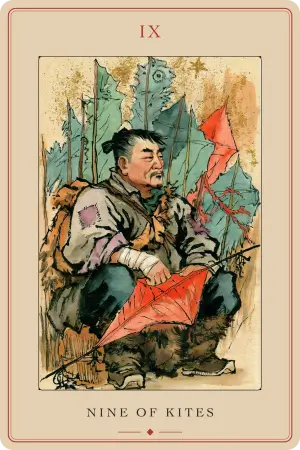
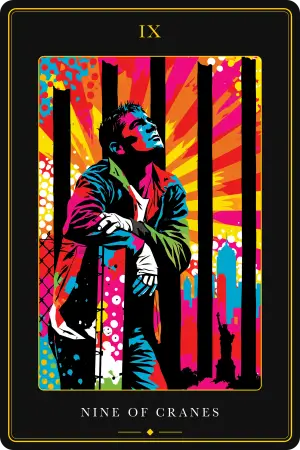
प्रत्येक डेक एकाच आद्यरूपाची वेगळ्या प्रकारे मांडणी करतो. चित्रांची तुलना करा आणि संपूर्ण अर्थ वाचण्यासाठी डेक उघडा.
चित्रे आणि प्रतीकवाद
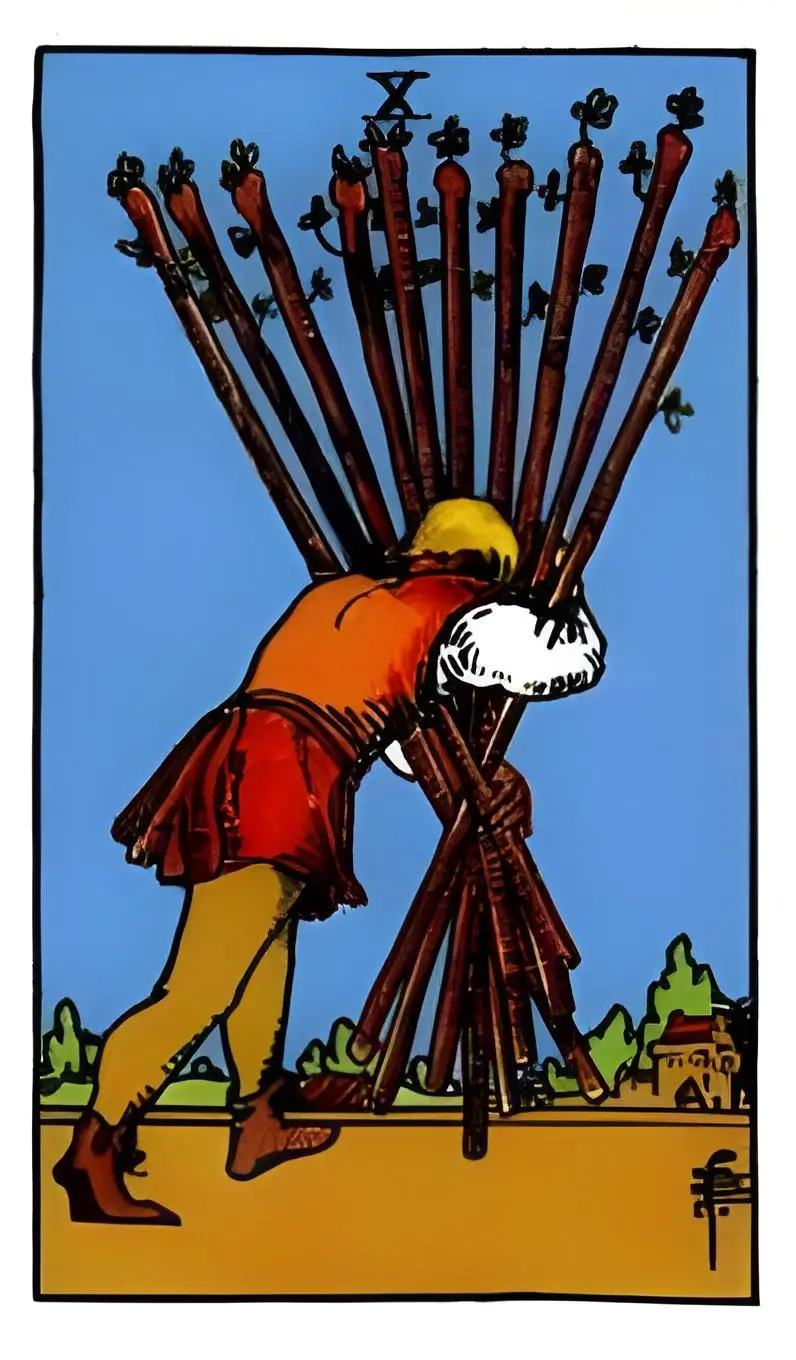
वेट यांनी या कार्डाचे संक्षिप्त वर्णन केले होते: विरोधातील ताकद, कोणत्याही आक्रमणाचा धैर्याने सामना करणारी आणि एक जबरदस्त प्रतिस्पर्धी म्हणून उभी राहणारी आकृती. पामेला कोलमन स्मिथने मात्र त्या वाक्यापेक्षा अधिक अस्वस्थ करणारे चित्र रेखाटले. तिचा माणूस जखमी आहे. त्याच्या डोक्याभोवती एक पट्टी घट्ट गुंडाळलेली आहे, काही मुद्रणांमध्ये ती एका डोळ्यालाही झाकते, त्याचे कपडे फाटलेले आहेत आणि गाल खचलेले आहेत. तो दोन्ही हातांनी एकाच काठीला घट्ट धरून आपले संपूर्ण वजन त्यावर टाकून उभा आहे. त्याच्या मागे आणखी आठ काठ्या एका घट्ट रांगेत जमिनीवर रोवलेल्या आहेत. तो त्यांच्याकडे पाहत नाही, आणि तो पाहणाऱ्याकडेही पाहत नाही. तो खांद्यावरून मागे वळून, एका बाजूला पाहत आहे.
डोक्यावरील जखम या कार्डाचा मुख्य अर्थ स्पष्ट करते. डोक्यावरील जखम ही थकलेल्या स्नायूंपेक्षा मानसिक आणि भावनिक आघाताचे प्रतीक आहे; भूतकाळातील वेदनांनी कायमस्वरूपी सतर्क बनवलेल्या मनाची ती खूण आहे. हा डेक या पट्ट्यांना इथपर्यंत पोहोचण्यासाठी चुकवावी लागलेली शारीरिक आणि नैतिक किंमत म्हणून पाहतो, आणि त्याचा परिणामही स्पष्ट सांगतो: जखमांनी त्याचे आत्मबल तोडले नाही, तर त्याचा संकल्प अधिक पक्का केला. ही पट्टी चित्रात दिसणारी स्वतःची काळजी घेण्याची खूणही आहे. तो एकाच वेळी सावरत आहे आणि कर्तव्यावरही उभा आहे.
त्याच्या हातातील काठी हे या कार्डाचे एक शांत वैशिष्ट्य आहे. या सूटमध्ये इतर सर्वत्र काठी हे एक शस्त्र किंवा निर्मितीचे साधन असते. येथे तिची उपयुक्तता एका आधारासारखी दिसते, जी एका थकलेल्या शरीराला सरळ उभे ठेवणारी एकमेव गोष्ट आहे. त्याची मुद्रा थकलेली आणि ओढलेली असली तरी ती ताठ आहे. त्याचा पराभव झालेला नाही, आणि हा डेक या भूमिकेला खाली पडण्यास स्पष्ट नकार देणारा हट्टीपणा मानतो.
त्याच्या मागील आठ काठ्या एका कार्डापूर्वी हवेत उडत होत्या. एट ऑफ वाँड्समध्ये स्मिथने कोणाही व्यक्तीशिवाय त्यांना हवेत उडताना दाखवले होते; येथे त्या जमिनीवर उतरल्या आहेत, रोवल्या गेल्या आहेत आणि त्यांचे एका कुंपणात रूपांतर झाले आहे. त्या एका भिंतीत रचलेला त्याचा स्वतःचा इतिहास आहेत: मिळवलेले विजय, गोळा केलेली संसाधने आणि ज्यांच्यासाठी मोठी किंमत चुकवावी लागली ते धडे. हा डेक सांगतो की हा अडथळा केवळ त्याच्या मालमत्तेच्या रक्षणासाठी नव्हे, तर त्याच्या तत्त्वांच्या रक्षणासाठी उभारला गेला आहे. तो कुंपणाकडे पाठ करून मोकळ्या बाजूकडे पाहत असल्यामुळे, हे कुंपण ज्या कोनाचे रक्षण करत नाही तिथून होणाऱ्या अचानक हल्ल्याची तो वाट पाहत असल्याचे दिसते.
जमीन आणि क्षितिज जाणूनबुजून विसंगत दाखवले आहेत. जमीन सपाट आणि निष्पन्न राखाडी आहे, जी जखमांचे दुःख आणि प्रतीक्षेचा एकसुरीपणा दर्शवते. कुंपणाच्या पलीकडे जमीन हिरवीगार आणि सुपीक, शांत आणि स्थिर आहे, ज्यावर दूरवरची पर्वतांची शिखरे दिसतात. ही शिखरे आधीच पार केलेली मोठी आव्हाने आणि अजूनही समोर उभी असलेली कामे दर्शवतात. हा विरोधाभास या कार्डाचा मूळ विचार मांडतो: एका शेवटच्या बचावाच्या पलीकडे, एक समृद्ध जीवन वाट पाहत उभे आहे.
मूळ अर्थ
या डेकमध्ये नाईन ऑफ वाँड्स म्हणजे जे आधीच कमावले आहे त्याचे रक्षण करणे. यशाची नोंद झालेली असते, पण काम पूर्ण होण्यापूर्वीच काही अडथळे समोर येतात. हे वाचन लवचिकता आणि सावधगिरीचा मेळ घालते: अडचणींचा सामना करण्यासाठी पुरेशी ताकद आणि ऊर्जा, आणि कधीही पूर्णपणे शांत न होणारी धोक्याची सततची जाणीव.
रायडर-वेटची मांडणी विशेष ठरते कारण तिने या आद्यरूपाला चेहरा आणि जखम असलेली एक जिवंत व्यक्ती बनवले. सोला बुस्काने ती जखम एका प्रतीकात बंद केली आणि मार्सेयने केवळ एकमेकांना छेदणाऱ्या काठ्या ठेवल्या. स्मिथने राखाडी जमिनीवर एका थकलेल्या माणसाला उभे केले आणि त्याचा थकवा स्पष्ट दिसू दिला. याच निर्णयामुळे हे कार्ड आता एका अंतर्गत मानसिक स्थितीचे वर्णन करते, आणि त्याचा सल्ला नकाशाच्या टेबलावरील सेनापतीला नव्हे, तर आपली उरलीसुरली ताकद पणाला लावणाऱ्या व्यक्तीला दिला जातो.
नऊ हा अंक वेळ दर्शवतो. या डेकच्या अंकशास्त्रानुसार नऊ म्हणजे पूर्णता आणि चक्राचा शेवट, उच्च आध्यात्मिक ऊर्जेचा अंक जो नवीन टप्प्यातील प्रवेशाची खूण करतो; म्हणूनच हे कार्ड सहनशीलतेइतकेच मूल्यमापन आणि तयारीचे विषय हाताळते. वाँड्स या शेवटाला सर्जनशील अग्नीची जोड देतात: परिस्थिती कशीही असली तरी ती बदलण्याची ताकद, आवड आणि प्रेरणा. एकत्र मिळून ते शेवटच्या अडथळ्यांसमोर अढळ इच्छाशक्तीचे वर्णन करतात, आणि म्हणूनच गोल्डन डॉनने या कार्डाला 'लॉर्ड ऑफ ग्रेट स्ट्रेंथ' (महान शक्तीचा स्वामी) असे नाव दिले होते.
सरळ अर्थ
सरळ स्थितीत, तुम्ही अशा टप्प्यावर पोहोचला आहात जिथे लांब आणि खडतर प्रवास संपत आला आहे, पण काम पूर्ण होण्यापूर्वीच एक नवीन अडचण उभी ठाकली आहे. हा एखाद्या कठीण प्रवासाचा शेवट किंवा मोठ्या आव्हानापूर्वीचा क्षणिक थांबा असू शकतो. तुम्हाला थकवा जाणवू शकतो, परंतु कठीण परिस्थितीचा तुमचा अनुभवच तुम्हाला पुढे नेईल. या डेकचा सल्ला व्यावहारिक आहे: सावध आणि सतर्क राहा, स्वतःच्या क्षमतेवर विश्वास ठेवा, तुम्ही जे निर्माण केले आहे त्याचे रक्षण करण्यास तयार राहा आणि अडथळ्यापुढे हार मानू नका. संयम आणि चिकाटीनेच हे काम पूर्ण होईल.
प्रेमात. दीर्घकालीन नात्यासाठी हे कार्ड एक मजबूत बंध दर्शवते, जिथे एक चक्र पूर्ण झाले आहे आणि नाते पुढील टप्प्यावर जात आहे. आव्हानांचा सामना केल्यामुळे ते अधिक दृढ झाले आहे. संरक्षण बऱ्याचदा एका जोडीदाराचा दुसऱ्याचे रक्षण करण्याच्या निर्धाराच्या रूपात दिसते. भूतकाळातील संघर्षांचा थकवा खरा असला तरी तो पुढील वाटचाल थांबवत नाही, कारण दोघांनाही नात्याचे मोल ठाऊक असते. मनातील जुनी भीती शिल्लक असली तरी तिचा प्रभाव नगण्य असतो. सामाजिक आणि कौटुंबिक संबंधांमध्ये हे कार्ड स्वतःची मते आणि विश्वासांचे रक्षण करणे, इतरांच्या सीमांचा आदर करताना स्वतःच्या मर्यादा सांभाळणे आणि सतर्क असतानाही संवादाची दारे उघडी ठेवणे याबद्दल बोलते.
करिअरमध्ये. कामाच्या ठिकाणी हा न थकता लढणारा रक्षक आहे. तुम्ही अशा टप्प्यात प्रवेश करत असाल जिथे तुम्हाला तुमच्या कल्पना किंवा प्रकल्पांसाठी लढावे लागेल; हे कार्ड परीक्षांची जाणीव करून देते आणि जर प्रेरणा व आत्मविश्वास टिकून राहिला तर यशाची खात्री देते. हे दीर्घकालीन प्रकल्पाचा अंतिम टप्पा दर्शवते, जिथे सर्वात मोठी अडचण अनेकदा यशाच्या अगदी आधी उभी राहते. व्यवसायात हे खऱ्या कामगिरीवर आधारित संरक्षणात्मक स्थिती दर्शवते: मोठ्या अडचणी आता मागे पडल्या आहेत, आणि हा एका महत्त्वाच्या निर्णयापूर्वी तयारी आणि विश्लेषणाचा काळ आहे, जिथे आगामी काळासाठी ताकद गोळा केली जात आहे. जर तुम्ही तुमच्या हितांचे रक्षण करण्यास तयार असाल तर तुमच्याकडे पुढील टप्प्यावर जाण्यासाठी पुरेशी संसाधने आहेत.
आर्थिक बाबींमध्ये. आर्थिक ध्येयाजवळ पोहोचलेले आणि जवळपास पूर्ण झालेले काम. दीर्घकाळ काम केल्यामुळे थकवा येणे स्वाभाविक आहे, परंतु आता थांबणे चुकीचे ठरेल. हे कार्ड तुमच्या संपत्तीवरील बाह्य धोक्यांविरुद्ध सक्रिय स्वसंरक्षण दर्शवते, आणि ते तुम्हाला तुमची स्थिती मजबूत करण्यासाठी भक्कम स्थान देते, बऱ्याचदा नवीन कल्पनांद्वारे जे अडथळे दूर करतात. अडचणी समोर आल्यावर परिस्थितीचे पुनर्मूल्यांकन करा आणि आपल्या आर्थिक स्थैर्यासाठी लढण्यास सज्ज राहा.
आरोग्यात. सक्रिय पुनर्प्राप्तीचा काळ. ऊर्जा आणि शक्ती परत मिळवण्यावर भर दिला जातो: आहाराकडे सजग लक्ष देणे, स्वतःची काळजी, नवीन शारीरिक व्यायाम, आजारपणानंतर किंवा दीर्घकालीन मानसिक आणि शारीरिक तणावानंतर सावरणे. तुम्ही आधीच खूप प्रयत्न केले आहेत आणि काम जवळजवळ पूर्ण झाले आहे, त्यामुळे हक्काची विश्रांती जवळ आहे. हा डेक लांब फेरफटका मारणे, ध्यान किंवा योगासने करणे आणि शरीराची काळजी घेण्याचा सल्ला देतो.
उलट अर्थ
उलट स्थितीत, संरक्षणाचे कडे एकतर कोसळते किंवा अतिशय कठीण बनते. हा डेक एकाच वेळी दोन्ही अर्थ मांडतो. एका बाजूने, हा निव्वळ अंतर्गत प्रयत्नांतून अडथळ्यांवर मात करणे, भीती आणि शंकांवर विजय मिळवून नवीन पातळी गाठणे असा आहे, ज्यामध्ये चुका मान्य करणे आणि भूतकाळातील कृतींचे परिणाम स्वीकारणे समाविष्ट असू शकते. दुसऱ्या बाजूने, हा तीव्र थकवा आणि ऊर्जेचा क्षय दर्शवतो, जिथे अज्ञात गोष्टींची भीती वाटते आणि सुरक्षित चौकटीतून बाहेर पडणे अशक्य वाटते. सल्ला या दोन्ही बाजूंना लागू होतो: जे उरले आहे ते गोळा करा आणि टाळाटाळ न करता परिस्थितीचा सामना करा, चुकांना अनुभव म्हणून स्वीकारा, पुढे जाण्यापूर्वी विश्रांती घेऊन नवी ऊर्जा मिळवा, नवीन प्रेरणा शोधा आणि जे आता उपयोगाचे नाही ते सोडून द्या.
प्रेमात. थकवा आणि अशी जाणीव की नात्यात घेतलेल्या कष्टांचे अपेक्षित फळ मिळत नाही. यानंतर अपयशाची किंवा अपरिहार्य नुकसानाची भीती निर्माण होते. अविश्वास, कटुता आणि दुःखद परिणामांची भीती यामुळे स्वतःला सुरक्षित ठेवण्यासाठी तुम्ही खऱ्या भावना लपवू शकता. नात्यात भावनिक थकवा आणि अधिक तणाव निर्माण करणारे वारंवार होणारे वाद दिसतात. एका जोडीदाराला एकटे राहण्याची भीती वाटू शकते, किंवा जुन्या अविश्वासाच्या जखमा या सगळ्याच्या मुळाशी असू शकतात. विश्रांती घ्या, स्वतःच्या भावनिक आरोग्याची काळजी घ्या आणि गरज पडल्यास बाहेरून मदत घ्या. व्यापक संबंधांमध्ये, हे उलट कार्ड निराशा आणि सामाजिक जीवनातून माघार आणते, जिथे तणावामुळे प्रत्येक संभाषण हा धोका वाटू लागतो, टीका सहन होत नाही आणि सततची बचावात्मक वृत्ती एकाकीपणात रूपांतरित होते.
करिअरमध्ये. थकवा, हतबलता आणि भावनिक ताण. दीर्घ प्रकल्प पूर्ण करण्यासाठी तुमच्याकडे ताकद उरलेली नसू शकते, आणि घेतलेले कष्ट वाया गेले या भावनेतून ऊर्जा नष्ट होते. थकवा ओळखा आणि विश्रांती घ्या. सहकाऱ्यांच्या मदतीशिवाय एकट्याने सर्व काही करण्याचा प्रयत्न कामाच्या ताणापेक्षा जास्त नुकसान करत आहे, त्यामुळे तुम्ही प्रत्यक्षात काय पेलू शकता याचे मूल्यांकन करा आणि संघ किंवा व्यवस्थापनाकडे मदत मागा. मुख्य कामाऐवजी छोट्या समस्यांमध्ये लक्ष विखुरले जाणे हे याचे एक सामान्य कारण आहे. व्यवसायात, स्वतःच्या हितांचे रक्षण करण्यासाठी दीर्घकाळ सतत प्रयत्न करावे लागले आहेत, आणि इशारा असा आहे की केवळ पुढे चालू ठेवण्याची ताकद नसल्यामुळे तुम्ही जे निर्माण केले आहे ते गमावू शकता. आरोग्य आणि संसाधने ही व्यवसायाची गरज बनते. कामाची कदर न करणाऱ्या भागीदारांबद्दल किंवा प्रतिस्पर्ध्यांबद्दल कटुता निर्माण होऊ शकते, तसेच सर्वकाही सोडून पुन्हा नव्याने सुरुवात करण्याचा मोह होऊ शकतो. एक लहान विश्रांती तुम्हाला पुन्हा ताजेतवाने करू शकते, आणि जर ताकद खरोखर संपली असेल तर रणनीतीचा पुनर्विचार करणे आवश्यक आहे.
आर्थिक बाबींमध्ये. अनपेक्षित अडथळ्यांच्या भीतीने आर्थिक योजना सोडून देणे, ज्यामुळे विलंब, अनिर्णय आणि अनिश्चितता निर्माण होते. अपयशाची आणि संधी गमावण्याची भीती इतकी वाढते की पुढे जाण्याचा मार्ग दिसेनासा होतो. संरक्षण आणि स्थैर्याच्या अभावामुळे प्रगती थांबू शकते, ज्यामुळे मिळकत मिळण्यास उशीर होतो. हा डेक या अडथळ्याला तात्पुरता मानतो आणि पैसा नेमका कुठे खर्च होत आहे ते दाखवून देतो, आणि जे आहे त्याचे काळजीपूर्वक रक्षण करतानाच सक्रिय प्रयत्न करण्याचा समतोल राखण्याचा सल्ला देतो.
आरोग्यात. दुर्लक्ष. आहार, दिनचर्या, व्यायाम आणि झोप या सर्व गोष्टी बिघडतात आणि त्यांच्यासोबत ऊर्जाही कमी होते. शरीर इशारे देत असते ज्यांच्याकडे दुर्लक्ष केले जाते, जे अस्ताव्यस्त राहणीमान, अनियंत्रित खाणे, विश्रांती घेण्यास नकार किंवा वाईट सवयींवर अवलंबून राहणे यात दिसून येते. हालचाल सुरू करा, आहाराचा समतोल साधा आणि शरीर मागत असलेली विश्रांती घ्या.
या समस्येखाली एक उपाय दडलेला आहे. हे उलट कार्ड तुम्हाला जाणूनबुजून स्वतःचा बचाव कमी करण्यास सांगते, प्रत्येक नवीन व्यक्तीला जुना शत्रू मानणे थांबवण्यास आणि एकाकीपण संपत आहे यावर विश्वास ठेवण्यास सांगते. ही एक नम्र शिकवण आहे: इतरांच्या काल्पनिक सुखांशी स्वतःच्या दुःखाची तुलना करणे थांबवा, आणि आपल्या समोरील आव्हानांना महत्त्वाचे शिक्षक मानून त्यांचा आदर करा.
ऐतिहासिक नोंदी
स्मिथला असा एक कार्ड वारशाने मिळाला होता ज्याचा इतिहास आधीच दोन टोकांमध्ये फिरत होता. पंधराव्या शतकाच्या उत्तरार्धातील सोला बुस्का या पूर्णपणे चित्रित पिप्स असलेल्या पहिल्या डेकने नाईन ऑफ वाँड्सला एक अत्यंत अस्वस्थ करणारी प्रतिमा दिली होती: दोन काठ्या एका स्त्रीच्या हृदयात आरपार गेलेल्या, ज्यांचे बाहेर पडणारे टोक दिसत नाही. गूढवादी इतिहासकार याला डेकमध्ये गुंफलेल्या एका संख्यात्मक कोडशी जोडतात, ज्यामध्ये हे कार्ड गुप्त अंक २ शी संबंधित आहे. याचा परिणाम अंतर्गत जखमेचे एक निराशावादी वाचन ठरतो. टॅरो डी मार्सेयने दुसरा मार्ग स्वीकारला आणि भूमितीकडे परत वळले: आठ काठ्या एकमेकांना छेदतात आणि नववी काठी त्यांच्या खाली किंवा मधोमध घट्ट रोवलेली असते; हे तणाव, वाईट घटनांचा प्रतिकार आणि अत्यंत सतर्कता म्हणून वाचले जात असे. मार्सेयचा सल्ला असा होता की जर तुम्ही बदलांची वाट पाहत असाल आणि परिणामांची चिंता करत असाल, तर ही चिंता सोडून द्या, कारण रचना टिकून आहे आणि जर तुम्ही आपली जागा सांभाळली तर बदल चांगल्यासाठीच होईल. उलट स्थितीत, हीच भूमिती थकवा आणि संशयामध्ये कोसळते.
वेट आणि स्मिथ यांनी १९०९ मध्ये रायडर-वेट डेक प्रकाशित केला, आणि त्यांची ही आवृत्ती आज संपूर्ण परंपरेचा पाया मानली जाते. वेट यांचे मूळ सूत्र विरोधातील ताकद हे होते. स्मिथने बंदिस्त प्रतीक आणि भूमितीय जाळी या दोन्हीच्या जागी युद्धात थकलेल्या एका माणसाला आणले, आणि असे करताना तिने समकालीन टॅरोमध्ये लोकप्रिय ठरलेल्या 'जखमी योद्ध्या'च्या (wounded warrior) प्रतिमेला जन्म दिला. तिच्या चित्रातील व्यक्तीने मोठे नुकसान आणि विलंब सहन केला आहे, तरीही ती एका अंतिम आणि अभेद्य बचावासाठी सक्षम आहे; हे सोला बुस्काच्या दैववादापेक्षा आणि मार्सेयच्या अमूर्त प्रतिकार रचनेपेक्षा पूर्णपणे वेगळे आहे.
या कार्डामागील ज्योतिषशास्त्र आणि पदवी दोन्ही हर्मेटिक ऑर्डर ऑफ द गोल्डन डॉनकडून आले आहेत, ज्यांनी एकोणिसाव्या शतकाच्या उत्तरार्धात दशकांच्या वाटपाचे औपचारिकीकरण केले आणि या कार्डाला 'लॉर्ड ऑफ ग्रेट स्ट्रेंथ' (महान शक्तीचा स्वामी) असे नाव दिले. १९४३ मध्ये क्रॉली आणि लेडी फ्रीडा हॅरिस यांनी थॉथ टॅरो पूर्ण केला आणि स्मिथच्या विरुद्ध दिशेने पाऊल टाकत मानवी आकृती पुन्हा काढून टाकली.
पत्रव्यवहार
संख्या. नऊ: पूर्णता आणि चक्राचा शेवट; म्हणूनच हे कार्ड निष्कर्ष, मूल्यांकन आणि पुढे काय वाढून ठेवले आहे याची तयारी दर्शवते. अंकशास्त्रात नऊ हा अंक उच्च आध्यात्मिक ऊर्जा बाळगतो आणि नवीन टप्प्यातील बदलाची खूण करतो, ज्यामुळे इच्छाशक्तीची मागणी करणारे शहाणपण आणि व्यापक दृष्टी मिळते. नऊ हे दहाच्या पूर्णतेपूर्वीची शेवटची परीक्षा देखील आहेत, आणि येथील तणाव म्हणजे पहिल्या कार्डाकडे (Ace) परत जाण्याची अपेक्षा करतानाच आधी येणाऱ्या टेन ऑफ वाँड्सच्या ओझ्याची भीती असणे हा आहे.
ज्योतिषशास्त्र. धनु राशीच्या दुसऱ्या दशकात चंद्र, दहा ते एकोणीस अंश, साधारणपणे ३–१२ डिसेंबर. धनु ही गुरूच्या अंमलाखालील द्विस्वभाव अग्नी राशी आहे, जी स्वातंत्र्य, तात्त्विक शोध आणि अज्ञाताकडे सोडलेल्या बाणांची राशी आहे. या दशकावर राज्य करणारा चंद्र आवश्यक ताकदीला ताठर बनवण्याऐवजी लवचिक बनवतो, ज्याचे वर्णन परंपरेत 'बदलातील ताकद' असे केले गेले आहे, जसे की धनुर्धारी आपले धनुष्य ताणतो. चंद्राचा प्रभाव भावनिक सखोलता, अंतर्ज्ञान आणि अंतर्मन जोडतो, सोबतच बदलती ऊर्जा पातळी आणतो; हा डेक नोंदवतो की यामुळे कोमलता आणि काळजीची भर पडते जी अग्नीच्या आक्रमकतेला संतुलित करते. या कार्डाखाली तर्कापेक्षा मनाचा कौल ऐकून कृती करा. क्रॉलीचे ७७७ या दशकाची जादुई प्रतिमा अशा माणसाच्या रूपात नोंदवते जो आपल्या पुढे एक वानर आणि अस्वल ठेवून गायींना पुढे नेत आहे, जे अचानक येणाऱ्या अडथळ्यांशी जुळवून घेण्याची मागणी करणारे दृश्य आहे.
मूलतत्त्व. अग्नी: कृती, पुढाकार आणि आवड, जे येथे चिकाटी, इच्छाशक्ती आणि आत्मविश्वासाकडे वळवले आहे. हे आत्मसंरक्षणाशी आणि स्वतःच्या आंतरिक क्षमतेवरील विश्वासाशी घट्ट जोडलेले आहे, ती सर्जनशील ऊर्जा जी अडचणींकडे दुर्लक्ष करून उपाय शोधून काढते.
कब्बलाह. येसोड (Foundation) अतिझिलुथमध्ये (अग्नीचे जग). या संयोगासाठी गोल्डन डॉनची गूढ पदवी 'राजाचा पाया' (Foundation of the King) अशी आहे, ज्याचा अर्थ सार्वभौमत्व आणि प्रभुत्वाचा पाया निव्वळ ताकद हा आहे. येसोड हे चंद्राचे क्षेत्र आहे आणि ते अंतर्मन, भ्रम, सूक्ष्म जग आणि भौतिक जगाखालील मानसिक यंत्रणेवर राज्य करते. त्या चंद्राच्या पायामध्ये मिसळलेला अग्नी इच्छाशक्तीचा एक नैसर्गिक साठा बनतो, तो मानसिक पाया जो अंधारातही माणसाला उभे ठेवतो.
मूलभूत आदर. हे एक अग्नी कार्ड आहे जे इतर वाँड्स आणि अग्नी कोर्ट कार्ड्सना आधार देते आणि त्यांच्याकडून आधार घेते. स्वॉर्ड्सच्या शेजारी याची बचावात्मक वृत्ती अधिक कडक होते, तर पाणी आणि पृथ्वीचे शेजारी एकतर थकवा शांत करतात किंवा तो अधिक वाढवतात.
मानसशास्त्रीय दृष्टिकोन
सरळ स्थितीत हे कार्ड ज्या व्यक्तीचे वर्णन करते तिच्याकडे भक्कम आंतरिक संसाधने असतात आणि अडचणींतून मार्ग काढून ध्येय कसे गाठावे हे तिला ठाऊक असते. कठीण प्रसंगांतून तावूनसुलाखून निघाल्यामुळे त्यांच्याकडे मोठा अनुभव आणि शहाणपण असते, आणि कमालीची सतर्कता व बारकाव्यांकडे लक्ष ही त्यांची प्रमुख वैशिष्ट्ये असतात. ते स्वावलंबी आणि आत्मसंरक्षणावर लक्ष केंद्रित करणारे असतात, आणि हा डेक स्पष्ट करतो की त्यांच्याकडे आपले जीवन सुधारण्याची आणि पुनर्रचित करण्याची क्षमता कायम असते. यातील स्वाभिमान शांत आणि स्थिर असतो, जो दुखावलेल्या अहंकारामुळे संतापण्याऐवजी स्वतःची जागा टिकवून ठेवणारी प्रतिष्ठा दर्शवतो. यामागे 'जखमी उपचारक' (Chiron शी संबंधित आकृती) उभा आहे, अशी व्यक्ती जी वेदना आणि विश्वासाघातातून गेली आहे, जिने हृदयाभोवती उंच भिंती उभारल्या आहेत आणि जी आता त्या वेदनेचे रूपांतर वैयक्तिक सामर्थ्यात करण्याच्या संथ प्रक्रियेत आहे.
उलट स्थितीत, हीच यंत्रणा तिच्या मालकाच्या विरोधात काम करते. आपल्या कामाचा सतत बचाव करून थकलेली आणि निराश झालेली व्यक्ती बर्नआऊटचा बळी ठरते आणि भीती व तणावाचे जड ओझे वाहते. जिथे समस्या नसतात तिथेही त्यांना समस्या दिसतात, ते खऱ्या धोक्यांचे अवाजवी मूल्यमापन करतात आणि सततच्या चिंतेत जगतात. आत्मसंदेहामुळे योजना पूर्ण होऊ शकत नाहीत. लढून थकलेले आणि जे आहे त्याचे रक्षण करण्यात मग्न असलेले, हा थकवा हट्टीपणात बदलतो आणि ते अशा लढाया लढू लागतात ज्यांची गरजच नसते. या भिंती इतक्या उंच होतात की कोणतीही चांगली गोष्ट आत येऊ शकत नाही, आणि नवीन व्यक्ती, निरुपद्रवी सहकारी व नव्या संधी या सर्वांना जुने शत्रू समजण्याची चूक केली जाते.
सेल्टिक क्रॉस स्प्रेडमध्ये 'आशा आणि भीती'च्या स्थानावरील या कार्डाचे मेरी के. ग्रीर यांचे वाचन हा याचा सर्वात सखोल मानसशास्त्रीय वापर आहे. एम्पेडोकल्स आणि प्रेम व संघर्षाच्या सिद्धांताचा आधार घेत, त्या या स्थानावरील कार्डाला पुन्हा जखमी होण्याच्या भयानक भीती आणि संरक्षणाची भिंत टिकून राहील या मूक आशेच्या मधोमध स्तब्ध झालेले मन म्हणून वाचतात. प्राथमिक भावनांवर विचारांचा फारसा प्रभाव पडत नसल्यामुळे, अशा वेळी वर्तन जुन्या आघातांच्या प्रतिक्रियेवर चालते जिथे तर्क आणि रणनीती बाजूला पडतात, आणि अतिसतर्कता हा ताण कमी करण्याचे एक साधन बनतो. ग्रीर या कार्डाचा वापर उपचारात्मक लेखनासाठी एक विषय म्हणूनही करतात, जिथे ते स्वतःच्या भावना उघड होण्याची भीती आणि प्रत्यक्ष भावना सांगण्याऐवजी विश्लेषणामागे लपण्याची सवय समोर आणते. हे कार्ड एक साधा प्रश्न विचारते: मी स्वतःला कशापासून रोखत आहे, आणि का?
नाईन ऑफ वाँड्स वेगवेगळ्या डेक्समध्ये
पंधराव्या शतकाच्या उत्तरार्धातील सोला बुस्का डेकमध्ये एका स्त्रीच्या हृदयात दोन काठ्या घुसलेल्या दिसतात ज्यांची दुसरी टोके दिसत नाहीत; हे दृश्य या डेकच्या गुप्त संख्यात्मक संकेताशी आणि गुप्त अंक २ शी जोडलेले आहे. हे नऊ अंकाचे अत्यंत कठोर वाचन आहे, जे सहनशीलतेपेक्षा नशिबाने दिलेल्या जखमेच्या अधिक जवळ जाते. टॅरो डी मार्सेय दृश्याऐवजी भूमितीचा वापर करतो: आठ काठ्या एकमेकांना छेदतात आणि नववी काठी त्यांच्या मधून जाते; हे तणाव, प्रतिकार आणि सतर्कता दर्शवते, आणि रचना उलट केल्यावर थकवा व संशय दर्शवते. रायडर-वेट-स्मिथ या आवृत्तीने (जी या पानावर स्पष्ट केली आहे) प्रतीक आणि जाळी दोन्ही बाजूला सारून एका काठीवर टेकलेल्या पट्टी बांधलेल्या माणसाचे चित्र काढले, ज्यामुळे हे कार्ड स्वतःच्या अधिकारात एक स्वतंत्र मानसिक अवस्था म्हणून वाचले जाते.
क्रॉली आणि लेडी फ्रीडा हॅरिस यांच्या १९४३ मध्ये पूर्ण झालेल्या थॉथ टॅरोमध्ये मानवी आकृती पुन्हा काढून टाकण्यात आली. नऊ काठ्या बाणांच्या रूपात दिसतात, ज्यातील आठ काठ्या चंद्राच्या आणि खाली उतरणाऱ्या आहेत, ज्या एका मध्यवर्ती काठीभोवती आहेत जी खालील चंद्राला वरील सूर्याशी जोडते. क्रॉलीने याला डेकमधील सर्वाधिक विधी-भारित कार्डांपैकी एक मानले, जे समेखच्या (Samekh) विधीशी आणि अंतर्मनाच्या सीमा ओलांडून 'होली गार्डियन एंजल'कडे जाण्याशी जोडलेले आहे. किमयाशास्त्राच्या दृष्टीने ही मध्यवर्ती काठी 'मिस्टेरियम कंजंक्शनिस' (Mysterium Conjunctionis) आहे, म्हणजेच जाणीव आणि अंतर्मनाचा कठीण विवाह, जो या कार्डाला केवळ शारीरिक सहनशीलतेकडून आध्यात्मिक परीक्षेकडे नेतो आणि अंधारातून वाट काढणाऱ्या एकाकी वाचकाची इच्छाशक्ती बनवतो.
आधुनिक डेक्स स्मिथच्या एकाकीपणावर थेट चर्चा करतात. आफ्टर टॅरो, जे प्रत्येक RWS दृश्यानंतरचा क्षण रेखाटते, या माणसाला मदतीचा हात दिला जात असल्याचे दाखवते, जे सुचवते की नाईनचे एकाकीपण तात्पुरते आहे आणि मदत स्वीकारणे हे पुढील पाऊल आहे. ओस्तारा टॅरो या कार्डाला मेजर अर्काना १० च्या शेजारी ठेवते, हे दाखवण्यासाठी की या थकव्यातून मार्ग काढल्याने शेवटी काय साध्य होते. फॉक्स फेअरी गॉडेस टॅरो आणि मॅजेस्टिक अर्थ टॅरो यांसारखे स्वतंत्र डेक्स या आकृतीला लाल कपडे घालतात, ज्यामुळे थकलेल्या योद्ध्याला उभे ठेवणारा अंतर्गत संघर्ष आणि उत्साह ठळकपणे समोर येतो.
संयोजन आणि संदर्भ
प्रथम या सूटमधील शेजारच्या कार्डांच्या संदर्भात हे वाचा. सेव्हन ऑफ वाँड्स हा सक्रिय बचाव आहे, दिसणाऱ्या विरोधकांशी शारीरिक मुकाबला, आणि बहुधा तिथूनच ही डोक्याची जखम झाली असावी. नाईन म्हणजे निष्क्रीय प्रतीक्षा आणि कोणतीही कृती हातात नसण्याचा उद्वेग: संघर्ष आता आत वळला आहे, जिथे कसलाही प्रतिकार न करता केवळ सीमा सांभाळण्याची अस्वस्थता आहे. एक पाऊल पुढे, टेन ऑफ वाँड्स हे ते ओझे आहे ज्यासाठी हा रक्षक स्वतःला तयार करत आहे; म्हणूनच या कार्डातील तणाव अंशतः काम पूर्ण करण्यासाठी मोजाव्या लागणाऱ्या किमतीची भीती आहे.
फाईव्ह ऑफ स्वॉर्ड्सच्या समोर हा विरोधाभास स्पष्ट होतो, आणि वाचक वारंवार उद्भवणारा वाद किंवा दूषित वातावरणाविषयीच्या प्रश्नांमध्ये याचा सतत वापर करतात. फाईव्ह ऑफ स्वॉर्ड्स हा निर्दयी आक्रमक आहे ज्याला भांडणात आनंद मिळतो आणि कोणत्याही किमतीत जिंकायचे असते. नाईन ऑफ वाँड्स ही स्वतःच्या सीमा सांभाळण्याचा प्रयत्न करणारी चिंताग्रस्त बाजू आहे. सल्ला असा आहे की आपली जागा सोडू नका आणि आमिषाला बळी पडू नका, तसेच फाईव्ह ऑफ स्वॉर्ड्स ज्या क्षुल्लक भांडणांना उकसवण्याचा प्रयत्न करत आहे त्यात अडकू नका.
संदर्भानुसार याचा सूर खूप बदलतो. नाईन ऑफ पेंटकल्सच्या शेजारी हे कौतुक म्हणून वाचले जाते, कधीकधी सन्मानाच्या उच्च स्थानावर बसवण्याइतपत, जिथे व्यक्तीला जमिनीशी जोडलेली आणि स्वावलंबी मानले जाते. प्रेमसंबंधांमध्ये हा दृष्टिकोन दुधारी असतो, कारण जी बचावात्मक चौकट लोकांना आकर्षित करते तीच त्यांना अशी जाणीव करून देते की आपण धोकादायक नाही हे त्यांना सतत सिद्ध करावे लागेल. फोर ऑफ पेंटकल्ससारख्या स्थिर कार्ड्सच्या शेजारी, हे नवीन जोडीदाराला जुन्या जोडीदाराची जागा न देण्याचा आणि जखम भरून न आल्यामुळे जुनीच चूक पुन्हा न करण्याचा इशारा देते. करिअर वाचनात द डेव्हिल उलट यासारख्या कार्डांसोबत, हे सुरक्षा जाळे कायम ठेवण्याचा, परिस्थिती शांतपणे सहन करत पर्याय शोधण्याचा आणि कोणताही आधार नसताना घाईघाईने उडी न मारण्याचा सल्ला देते.
समकालीन गूढवादी या दशकाला मूर्त रूप देण्यासाठी अपोलो ११ चे उदाहरण देतात: चंद्राच्या दिशेने प्रतिकूल अंधारातून केलेला एक धोकादायक प्रवास, ज्याला केवळ तीव्र इच्छेच्या बाणाचे बळ होते. हीच ती इच्छाशक्तीची पातळी आहे जी तुमच्याकडे आधीपासूनच आहे असे हे कार्ड गृहीत धरते.
चिंतनासाठी प्रश्न
- स्मिथने एका अशा व्यक्तीचे चित्र काढले आहे जो कुंपणाने संरक्षित नसलेल्या बाजूकडे पाहत आहे. मी अजूनही कोणत्या दिशेचे रक्षण करत आहे, आणि तिथे खरोखरच बऱ्याच काळापासून काही घडले आहे का?
- या आकृतीच्या मागे उभ्या असलेल्या आठ काठ्या एका कार्डापूर्वी हवेत उडत होत्या. मी माझ्या कोणत्या यशाचा वापर थांबवून त्याचे एका भिंतीत रूपांतर केले आहे?
- हा डेक सांगतो की जखमांनी आत्मबल तोडण्याऐवजी संकल्प अधिक दृढ केला. प्रामाणिकपणे पाहता, माझ्या जखमांपैकी कोणती जखम काय करत आहे?
सर्वसाधारण अर्थ रायडर-वेट-स्मिथ वाचनावर आधारित आहे — जो टॅरो अकादमीमध्ये संदर्भ म्हणून वापरला जातो. एखाद्या विशिष्ट डेकचा अर्थ समजून घेण्यासाठी तो उघडा.
वारंवार विचारले जाणारे प्रश्न
टॅरो एक्सप्लोर करा
नवीनतम पोस्ट
टॅरो कार्डांचे प्राचीन ज्ञान शोधा आणि तुमच्या आध्यात्मिक प्रवासातील रहस्ये उलगडा. टॅरो वाचनाचे समृद्ध प्रतीकशास्त्र, अर्थ आणि व्यावहारिक उपयोग समजून घेण्यासाठी आमचा ब्लॉग हे तुमचे प्रवेशद्वार आहे.




















































