
 MK (македонски)



Мала аркана · Мечеви (Воздух)
Шестка Мечеви
Скелето на Смит: наметнато семејство плови подалеку од немирите кон мирниот далечен брег.
Read the complete guide: Шестка на мечевите во Таро: Комплетен Водич за Нејзината Симболика и Значење
Картата на прв поглед
- Нумерологија
- 6
- Елемент
- Воздух
- Астрологија
- Меркур, втор декан на Водолија
- Кабалистички пат
- Тиферет (Убавина)
- Време
- Од крајот на јануари до почетокот на февруари, околу Имболк
- Да / Не
- Исправено ограничено да, Обратно не
Исправено
Транзиција
Заминување
Закрепнување
Помирни води
Преселба
Водена поддршка
Горчливо-слатко олеснување
Превртено
Заглавеност
Отпор кон промени
Враќање на проблемите
Стагнација
Тежок багаж
Откажано заминување
Страв од непознатото
Шестка Мечеви во секој дек
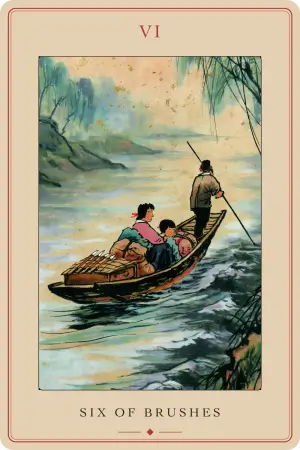
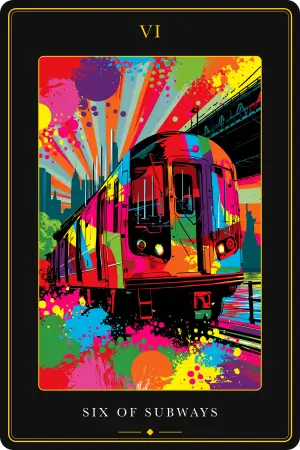
Секој дек го реинтерпретира истиот архетип. Споредете ја уметноста, а потоа отворете го декот за да ја прочитате неговата целосна интерпретација.
Слики и симболизам
Цртежот на Памела Колман Смит од 1909 година е една од најтивките сцени во шпилот. Наметната фигура, која обично се чита како жена, седи згрбавена покрај мало дете во рамен дрвен чамец, а скелеџијата стои на крмата и работи со долг стап за да го турка пловилото напред. Шест мечеви стојат исправени во предниот дел, а нивните сечила се забиени низ даските на подот. Палетата е пригушена: сиво небо, сива вода и низок далечен брег со планини на хоризонтот.
Она што овој шпил бара од вас да го прочитате е целиот чамец како семејство во транзиција. Скелеџијата гледа напред наместо назад, и во читањето на Рајдер-Вејт тој поглед напред е неговата одлучност и тивка доверба во рутата, бидејќи одлуката за преминување е донесена намерно. Наметнатата жена ја носи тежината на она што се остава: болката, стравот или жалоста обвиткана околу неа, делот од минатото што мора да патува уште малку пред да може да се спушти. Детето е спротивниот пол, иднината, надежта и свежиот почеток во истиот чамец. Помеѓу нив стојат шестте мечеви, мислите и тешките искуства кои се преживеани, но сѐ уште патуваат со нив, присутни и исправени.
Водата ја носи приказната од едната до другата страна. Таа е немирна и разбранувана во близина на стапот на скелеџијата како неодамнешната неволја, а стаклеста и мирна напред кон брегот. Патниците едвај се движат. Ова покажува дека преминот се случува со малку видлив напор и струјата ја врши работата. Планините зад нив ги означуваат најтешките искушенија како завршени. Појасот земја со дрвја што се издига на хоризонтот го ветува новиот почеток околу кој е изградена картата, враќање на просперитетот по тежок период. Сивото небо ги содржи двете читања: тешкотијата е веќе пребродена и постои подготвеноста за она што го носи далечниот брег.
Основно значење
Во шпилот Рајдер-Вејт-Смит, Шестката Мечеви е премин од место на големи тешкотии до место на безбедност и мир, претставен преку една единствена слика: семејство кое се пренесува преку водата. Веќе го знаете архетипот од канонската страница, транзиција и продолжување понатаму. Она што овој шпил го додава е акцентот на тоа кој е во чамецот и колку малку тие прават за да го придвижат. Патниците седат мирни. Преселбата е свесна, но самото движење е пасивно, препуштено на скелеџијата и на струјата.
Чамецот на Смит е транспорт во буквална и во подлабока смисла: премин во нова животна фаза или ново ниво на свест. Шестте мечеви кои стојат исправени во трупот се поентата на сликата, мислите и искуствата кои се надминати, но се носат во следното поглавје наместо да бидат фрлени преку палубата. Овој шпил ја чита картата како заздравување во движење, премин од конфликт кон стабилност. Бурата се третира како нешто што е веќе зад нив, а не како борба што сѐ уште трае. Нејзиниот наслов во Златната Зора, „Господар на заслужениот успех“, одговара на тонот: помирниот брег се достигнува преку преминот и не се добива бесплатно.
Исправено значење
Исправена, Шестката Мечеви од Рајдер-Вејт означува премин кон помирна, постабилна фаза по турбулентен период. Бара од вас да препознаете дека промената е неопходна и да се движите во новата насока без страв, бидејќи овде промената води кон подобар исход. Останете смирени, држете ја целта предвид и дозволете преминот да се случи со свое темпо, без разлика дали станува збор за физичка преселба или едноставно промена на околината.
Во љубовта. Премин кон помирна, постабилна фаза по конфликт, каде партнерите откриваат нова заедничка основа и ги оставаат старите поплаки на далечниот брег. Едното лице често му помага на другото низ тешките води, олеснувајќи ја транзицијата за врската да може да продолжи во поблага насока.
Во кариерата и работата. Транзициски период: нова работна локација, промена во тимот, нова позиција или свежа фаза во кариерата откако ќе стивнат споровите. Може да укаже на буквално патување или преселба за подобра можност, работа во странство или ново партнерство. Стабилноста се стекнува со преместување во средина која повеќе ви одговара.
Во финансиите. Надминување на тешкотиите и наоѓање нови можности, стабилно враќање кон мир по тензија. Може да означува преселба или промена на работа од финансиски причини, склучување договор или отплата на долг. Ситуацијата се смирува откако најлошото ќе помине. Управувајте со ресурсите мудро и читајте ги вашите перспективи реално.
Во телото. Премин кон поздрава, побалансирана состојба, движење од нездрава шема кон хармонична и фокус на рехабилитација и закрепнување. Патувањето поврзано со здравјето, како терапевтско или велнес повлекување, исто така може да се појави овде.
Обратно значење
Обратно, движењето на чамецот напред застанува. Овој шпил го чита тоа како неподготвеност да се остават проблемите зад себе или неможност да се прифати новата реалност: патникот е закотвен во немирната вода, не сакајќи да се ослободи од старите поплаки и емотивните рани, задржан во место од удобноста на познатото. Неочекувани пречки го блокираат патот до промената, а останувањето на истото место ве спречува да го преземете ризикот што би го барал свежиот почеток. Именувајте ги пречките, побарајте внатрешни ресурси или надворешна помош и решете го она што сте го избегнувале.
Во љубовта. Чувство на поврзаност со минатите врски на начин што ги блокира новите. Врската е заглавена во стара болка и раѓа недоразбирања. Бара од вас да работите на неподготвеноста да продолжите напред пред тензијата да премине во рутина.
Во кариерата и работата. Проблеми со промените или отворен отпор кон нив: страв од непознатото, тешкотии при прилагодување на ново работно место или одложено унапредување. Преселбата може да застане или да пристигне без подобрувањето на кое сте се надевале, поттикнувајќи ве да ги преиспитате вашите очекувања.
Во финансиите. Одложувања на патот кон подобри околности, задржани средства или планираните промени се покажуваат потешки од очекуваното. Предупредува на проблеми со долгови или непредвидени трошоци и повикува на внимателно планирање наместо враќање кон старите навики.
Во телото. Неподготвеност да ги направите промените што му се потребни на вашето здравје, премалку труд вложен во закрепнувањето или одолговлекување на важни одлуки. Старите навики тешко се отфрлаат, а новата рутина тешко се започнува. Пречките треба да се надминат пред да се подобри благосостојбата.
Историски белешки
Картата беше замислена од А. Е. Вејт и нацртана од Памела Колман Смит во 1909 година, а објавена од William Rider & Son од Лондон, куќата која му го дава на шпилот името „Рајдер“. Вејт ја постави езотеричната насока, а Смит ја обезбеди илустрацијата. Нејзините целосно сликовни нумерички карти, меѓу кои е и оваа сцена на скеле, го направија шпилот референтна точка каква што стана. Пред Вејт и Смит, повеќето шпилови ги оставаа нумерираните Мечеви како голи аранжмани на сечила без наративна сцена. Чамецот, патниците и преминот се главно придонес на Смит за тоа како картата сега се чита.
Сликата црпи од длабок митски извор. Скелеџијата потсетува на Харон кој ги пренесува душите преку реката Стикс, а чамецот на исцелувањето одекнува на ранетиот крал Артур, кој бил пренесен преку водата до Авалон за да закрепне и еден ден да се врати. Херметичкиот Ред на Златната Зора, кој го обликуваше системот на Вејт, ја стави картата на Тиферет на Дрвото на Животот и ја наслови „Господар на заслужениот успех“. Бројот шест и бојата исто така ја поврзуваат со хебрејската буква Вав (Vav), сврзник што значи „и“, нацртан од стара слика на весло. Тоа е инструментот што го носи патникот од едниот до другиот брег.
Кореспонденции
Број. Шест, бројот на Тиферет: хармонија, рамнотежа и синтеза на спротивностите, со нота на одговорност и служба. Во бојата Мечеви укажува кон решителност и волја за промена, ментална сила ставена во употреба за стабилност.
Астрологија. Меркур, кој владее со вториот декан на Водолија, приближно од 30 јануари до 8 февруари, период центриран околу Имболк и првото враќање на светлината. Водолија, фиксен Воздушен знак, носи широк поглед и отвореност кон нови идеи, додека Меркур додава брзина, флексибилност и движење помеѓу световите, што одговара и на физичката преселба и на менталниот премин од стари мисли кон нови.
Елемент. Воздух, бојата на интелектот и комуникацијата, овде поставена над Вода за да се покаже дека умот управува со емоциите. Фаворизира логична анализа наместо импулс, разбирање на ситуацијата пред да се избере патот.
Кабала. Картата седи на Тиферет, Убавина, централната шеста сфера поврзана со Сонцето и рамнотежата, во рамките на Јецира, формативниот свет на умот. Се чита како највисоката точка на воздушната боја, ретка оаза на јасност во низата тага и конфликт.
Елементарно достоинство. Како балансирана Воздушна карта, таа ги смирува и разјаснува нејзините соседи. Природно се спарува со карти за патување како Тројката Стапови за да се зајакне читањето за патување преку вода.
Психолошка перспектива
Преминот на сликата на Смит е когнитивно дистанцирање направено видливо. Физичкото оддалечување од болната сцена дава перспектива за јасно размислување за неа. Надворешното патување го отсликува внатрешното, умот кој се повлекува од нестабилна ситуација за да ја согледа во целост, наместо да остане заробен и немоќен да ја види шумата од дрвјата. Во традицијата на Тот, Кроули истата карта ја нарече „Наука“, од латинскиот scientia, знаење, токму поради таа способност да се набљудува со одредена дистанца.
Таа дистанца има и своја сенка. Претераното потпирање на студената логика може да стане излез од вистинската тага поради заминувањето, што анализите поврзани со Вилијам Блејк го нарекуваат „Њутнов сон“, губење на душата во чист емпиризам. Подлабокиот совет на картата е трпение со вашите сопствени одбрани. Мечевите се забиени низ даските на подот, па нивното извлекување среде преминот би пуштило вода внатре. Тешките механизми за справување изградени за преживување на бурата, исто така, засега го одржуваат чамецот на површина. Тие ѝ припаѓаат на безбедноста на далечниот брег, а не на средината на водата.
Шестката Мечеви низ шпиловите
Оваа страница ја следи верзијата на Рајдер-Вејт-Смит, наративната: наметнатото семејство, скелеџијата што гледа напред, шестте мечеви што стојат во трупот, немирната вода што ѝ отстапува место на тишината и шумовитиот брег на хоризонтот. Вејт и Смит претворија гола нумеричка карта во сцена, и таа сцена е причината зошто преминот стана стандардното читање.
Други шпилови ја врамуваат истата идеја поинаку. Во шпилот Тот на Кроули и Харис, картата е апстрактна и преименувана во „Наука“, каде шест мечеви се среќаваат на нивните врвови на розенкројцерски крст на балансирана позадина. Тие претставуваат фокус и објективна дистанца наместо физичко патување. Шпилот Мадерпис (Motherpeace) на Вики Нобл (Vicki Noble) ја истакнува сличната поента со шест жени издигнати во воздухот за да добијат перспектива. Модерниот шпил на Николета Чеколи го чита преминот како горчливо-слатко губење на детската невиност на патот кон светот на возрасните.
Сликата на Смит е исто така најдобро разбрана во споредба со нејзините братучеди. За разлика од Осумката Пехари, каде осамениот трагач заминува од емотивна празнина и ги остава пехарите зад себе, Шестката Мечеви бега кон безбедноста со саканите и го носи својот багаж со себе. За разлика од Кочијата, која е водена од силата на волјата, нејзиното движење е пасивно, предадено на скелеџијата. Каде што Шестката Стапови е јавно, радосно враќање дома, ова е тивко, неславено заминување под сиви небо, чиј триумф е триумфот на издржливоста.
Во комбинација и контекст
Шестката Мечеви ја зема својата точна тежина од нејзините соседи и нејзината позиција. Прочитана по Петката Мечеви, таа е бегство од конфликт кон помирна вода, природниот следен такт на бојата. Спарена со Тројката Стапови, читањето за патување се изострува во емиграција, преселба или започнување на нешто ново преку вода. Заедно со Смрт, добива конечност без враќање назад, обред на премин кој го менува животот со посветла зора на далечниот брег. Патеката на Смрт на Дрвото на Животот води директно во Тиферет, каде што живее оваа карта.
Позицијата дополнително ја рафинира. Во мината позиција, го именува преминот што го донел прашувачот овде. Како пречка, таа е тешкотијата на заминувањето, мечевите што го влечат чамецот надолу. Како совет вели да се препознае потребата за промена, да се прифати водството и да се придвижи. Како исход, ветува помирна вода достигната преку труд. Во читање со да или не, тоа е ограничено да, тивко „да, ако сте подготвени да продолжите напред и да ја оставите моменталната ситуација зад себе“.
Прашања за размислување
- Кој е во мојот чамец за овој премин и што носам за нив, како и за себе?
- Скелеџијата гледа напред, а не назад. Дали управувам кон помирниот брег или тивко го вртам чамецот наоколу бидејќи старата неволја е позната?
- Кој од моите мечеви во моментов не ѝ дозволува на водата да влезе во трупот и кој од нив би можел да го спуштам штом стигнам на суво?
Општото значење ја следи интерпретацијата на Rider-Waite-Smith — референцата што се користи низ Академијата за Таро. Отворете специфичен дек погоре за негова сопствена интерпретација.
Често поставувани прашања
Истражи го Таротот
Најнови Објави
Откријте ја древната мудрост на таро картичките и отклучете ги мистериите на вашето духовно патување. Нашиот блог е вашата порта кон разбирање на богатата симболика, значењето и практичните апликации на читањето таро.




















































