
 BE (беларуская)

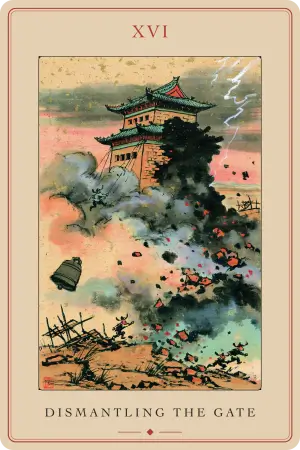
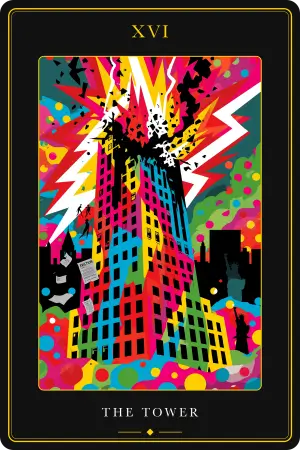


Старэйшыя Арканы · XVI
Вежа
Вежа Памэлы Колман Сміт, у якую б'е маланка, дзе адзін удар знішчае ўсё, што эга пабудавала на фальшывым падмурку.
Read the complete guide: Вежа Аркана ў Таро: Поўнае кіруючых сімвалаў і значэння
Кароткі агляд карты
- Нумералогія
- XVI
- Стыхія
- Агонь
- Астралогія
- Марс
- Кабалістычны шлях
- Пех (Ход → Нецах)
- Час
- Раптоўна · без папярэджання
- Так / Не
- Разбуральна · звычайна не для стабільнасці
Прамое становішча
раптоўная змена
узрушэнне
адкрыццё
крах
абуджэнне
вызваленне
ачышчэнне
прарыў
Перавернутае становішча
супраціў зменам
адкладзены крызіс
прыхіленне
страх перамен
адмаўленне
ўнутранае ўзрушэнне
Вежа ў кожнай калодзе
Кожная калода пераасэнсоўвае адзін і той жа архетып. Параўнайце мастацтва, а затым адкрыйце калоду, каб прачытаць яе поўную інтэрпрэтацыю.
Вобразнасць і сімвалізм
У калодзе Райдэра-Ўэйта Вежа перш за ўсё з'яўляецца прадуманым аб'ектам, і выбар Памэлы Колман Сміт нясе ў сабе столькі ж сэнсу, колькі і катастрофа, якую яна адлюстроўвае. Вежа стаіць адна на скалістай вяршыні без горада, без пейзажу, без нічога вакол. Больш раннія калоды часта намякалі на наваколле, але Сміт прыбрала ўсё гэта, і менавіта ў гэтай экстрэмальнай пустаце і заключаецца сэнс. Структура, адрэзаная ад любога прыроднага кантэксту, успрымаецца як штучны, псіхалагічны канструкт, а не нешта ўкаранёнае ў свеце.
Яна намалявала яе занадта высокай і вузкай, каб кагосьці схаваць. Яе прапорцыі самі па сабе сведчаць аб сляпой амбіцыі, якая перарасла свой уласны падмурак. Вежа пабудавана на скалістым, няроўным абрыве, што падкрэслівае неразважлівасць усяго пабудаванага на памылковых перакананнях. У гэтай калодзе вежа сімвалізуе ўсталяваную веру і асабістае эга, узведзеныя на фальшывай глебе, каб стварыць ілюзію бяспекі.
Маланка знаходзіцца ў самым цэнтры, накіраваная зверху злева ўніз на будынак. Гэта Дух, які сыходзіць у матэрыю, свядомы ўспышка праўды, накіраваная на тое, што яна знішчае. Яна збівае залатую карону з вяршыні і кідае яе ў цемру ўніз. У сваім «Ілюстраваным ключы да Таро» Ўэйт трактуе гэтую карону як матэрыялістычную думку, набытую танна і скінутую ўніз, што даказвае, што ніякі статус або багацце не абароняць ад касмічнага закона. З трох вокнаў вырываецца полымя. Аднак у алхімічнай граматыцы, у якой працавалі Ўэйт і Сміт, агонь ачышчае: ён спальвае ўсё састарэлае і пакідае сутнасць.
Там, дзе на марсельскай карце вакол вежы былі раскіданыя абстрактныя каляровыя шары, Сміт намалявала роўна дваццаць дзве залатыя кроплі ў форме яўрэйскай літары Ёд, іскры-семені Тэтраграматона. Гэтая колькасць невыпадковая. Дваццаць два супадае з козырамі Старшых Арканаў, літарамі яўрэйскага алфавіту і дванаццаццю знакамі задыяку, злучанымі з дзесяццю сефірот Дрэва Жыцця. Таму разбурэнне ўспрымаецца як касмічная падзея, а не лакальная аварыя. У файле значэнняў гэтай калоды тыя ж самыя кроплі называюцца дваццаццю двума агністымі камянямі, якія адначасова з'яўляюцца блытанымі думкамі ў момант нявызначанасці і агнём духоўнага абуджэння.
Дзве постаці падаюць галавой уніз на камяні, адна ў чырвоным, другая ў сінім. Гэта тая самая закаваная пара з карты Д'ябал, цяпер апранутая і адкінутая ўбок. Іх падзенне дагары нагамі, намаляванае Сміт, паказвае, што ўспышка перавярнула ўсё, што яны думалі пра сувязь паміж сваёй свядомасцю і падсвядомасцю.
Асноўнае значэнне
На хвіліну адкладзіце архетып як тое, што вы ўжо ведаеце: раптоўнае разбурэнне фальшывай парадыгмы. Карта Райдэра-Ўэйта дадае канкрэтнае сцвярджэнне пра міласэрнасць. Агонь, які здзяйсняе разбурэнне, з'яўляецца інструментам выратавання, накіраваным менавіта на тое, што было пабудавана на ілюзіі. Файл значэнняў калоды разглядае кожную сферу аднолькава. За разбурэннем тут заўсёды ідзе адраджэнне.
Месца карты ў паслядоўнасці расказвае гісторыю. Вежа ідзе за Д'яблам, і дзве падаючыя постаці з'яўляюцца тымі самымі людзьмі, якія стаялі там у ланцугах. Яны праменялі фізічную залежнасць ад інстынктаў на больш тонкую залежнасць ад інтэлекту. Тое, ад чаго чалавек не адмовіцца добраахвотна, Вежа выдаляе сілай. Падзенне палохае, але менавіта яно разрывае ланцугі. І ўсё, што будзе пабудавана пасля гэтага, нарэшце абапіраецца на трывалую глебу.
Прамое значэнне
У прамым становішчы Вежа Райдэра-Ўэйта азначае фундаментальныя і ў значнай ступені непазбежныя змены, крах таго, што было ўзведзена на хісткай глебе. Тлумачэнне калоды настойвае на павароце, які ідзе следам: якім бы моцным ні быў шок, пасля буры надыходзіць спакой. Пытаючы робіцца мудрэйшым, перажыўшы гэты агонь.
У каханні. Раптоўны разрыў, скандал або выкрыццё схаванай здрады, якія разбураюць падмурак партнёрства. Гэта таксама можа быць нечаканае ўсведамленне ўласнай вартасці, якое падштурхоўвае да неадкладнага сыходу. Калода абяцае, што пасля краху адносіны, якія выстаялі, становяцца больш моцнымі і сумленнымі.
У кар'еры. Нечаканая страта працы, скарачэнне, раптоўная рэарганізацыя кампаніі або прымусовае закрыццё праекта. Разбурэнне прыбірае тое, што вас стрымлівала, і пакідае чысты ліст для чагосьці больш сапраўднага.
У фінансах. Крах, няўдалае прадпрыемства, рэзкае падзенне або новае заканадаўства, якое непасрэдна б'е па вашых даходах. Карта вяртае фінансы да вытокаў і дае шанец адбудаваць іх на больш здаровай аснове.
У здароўі. Рэзкія змены ў целе або ладзе жыцця, няшчасны выпадак або напружанне, якое доўга назапашвалася і раптам вызвалілася. Не кожная Вежа з'яўляецца катастрофай. Шок можа быць і жаданым: нечаканая цяжарнасць, хвалюючы пераезд або чыстае завяршэнне таксічнай працы.
Перавернутае значэнне
У перавернутым становішчы выбухная энергія накіроўваецца ўнутр. Распаўсюджанае тлумачэнне гэта супраціўленне зменам, якія павінны адбыцца. Пытаючы ўжо адчувае пах дыму і ведае, што падмурак бурыцца, але трымаецца за мёртвыя перакананні з-за страху перад невядомым. Гэта не адмяняе трансфармацыю, а толькі ператварае яе ў павольны і выматвальны крызіс.
Іншае тлумачэнне больш спакойнае і поўнае надзеі. Узрушэнне адбываецца цалкам унутры і схавана ад чужых вачэй. Чалавек ставіць пад сумненне свае асноўныя перакананні і разбурае ўласныя ілюзіі да таго, як знешні крызіс прымусіць гэта зрабіць. У гэтым выпадку карта падбадзёрвае, бо правесці дэмантаж самастойна значна лепш, чым чакаць, пакуль ён прыйдзе звонку.
У каханні. Знаходжанне ў таксічных адносінах і захаванне бачнасці дабрабыту. Падаўленне незадаволенасці, якую вы ўжо заўважылі, замест чыстага разрыву, які прыносіць прамая карта.
У кар'еры. Трыманне за бесперспектыўную працу з-за страху перад невядомым, ігнараванне трывожных сігналаў, якія назапашваюцца.
У фінансах. Адмова ад змены стратэгіі, якая перастала прыносіць прыбытак. Падтрыманне дамоўленасці, якая ўжо церпіць крах.
У здароўі. Ігнараванне сур'ёзных сімптомаў або супраціўленне зменам у харчаванні і рэжыме, якіх відавочна патрабуе ваша цела.
Гістарычныя нататкі
Вежа Райдэра-Ўэйта з'яўляецца апошнім звяном у доўгім ланцугу. Ўэйт і Сміт захавалі некаторую спадчыну, непрыкметна адкінуўшы іншую. Вобраз бярэ пачатак ад Вавілонскай вежы. Святое Пісанне кажа толькі, што Бог змяшаў мовы будаўнікоў, але сярэднявечны фальклор хацеў больш жорсткага фіналу. Ён паказваў ганарыстага архітэктара Німрода, якога ўдарыла маланка і скінула ўніз, пакуль вежа гарэла. Гэтая карціна боскага гневу, падмацаваная Садомам і Гаморай, а таксама агнём з неба ў Кнізе Ёва, замацавала матыў падаючых фігур і нябеснага агню прыкладна з 1500 года.
Сярэднявечная Італія надала карце яе канкрэтную форму. Гарады накшталт Балонні і Сан-Джыміньяна былі ўсыпаны высокімі дамамі-вежамі. Іх узводзілі варагуючыя сем'і як прамыя сімвалы гонару, і з-за сваёй вышыні яны часта станавіліся мішэнямі для маланак. Таму назіранне за тым, як гарыць вежа тырана, успрымалася натоўпам як касмічная справядлівасць. Шаснаццаты козыр меў больш альтэрнатыўных назваў, чым любы іншы, сярод іх Страла, Агонь, Маланка і Дом Д'ябла. У Францыі замацавалася назва La Maison Dieu (Дом Божы), дзе зубчасты верх, які адвальваецца, успрымаецца як карона рэвалюцыі, а фігуры ўжо не расціскаюцца на зямлі, а падаюць у паветры. Пасля вяртання ў Італію назва змянілася на La Torre (Вежа). Калі Ўэйт і Сміт стварылі сваю версію ў 1909 годзе, яны атрымалі ў спадчыну марсельскую кампазіцыю і зрабілі адно характэрнае змяненне. Яны замянілі старыя раскіданыя шары на дваццаць два Ёды, якія ператвараюць палітычную катастрофу ў кабалістычную.
Адпаведнасці
Нумаралогія. XVI, шаснаццаць, што зводзіцца да сямі і робіць Вежу ценем Калясніцы. Уласная нумаралогія калоды ідзе яшчэ далей: лічба 1 сімвалізуе ініцыятыву і ролю асобы ў зменах, лічба 6 паказвае на баланс і адказнасць, якія пераварочваюцца. Іх сума дае 7, духоўнае разуменне, дасягнутае праз крызіс. Калясніца з'яўляецца сілай волі, якая ўпарта рухаецца да мэты. Вежа ж паказвае, што адбываецца, калі гэтая жалезная воля ўвесь час была накіравана ў няправільны бок.
Астралогія. Марс, моцная, ваяўнічая планета. Яе энергія прыносіць турбулентнасць, але яна таксама з'яўляецца грубым рухавіком прарываў. Калода называе Марс апекуном воінаў, што дае чалавеку сілу, неабходную для таго, каб сутыкнуцца са страхам і пачаць адбудову.
Стыхія. Агонь, ачышчальнае полымя, якое спальвае ўсё сапсаванае і пакідае сутнасць.
Кабала. Яўрэйская літара Пех, што азначае «рот». Гэта прама звязвае карту з Вавілонам і яго пакараннем у выглядзе змяшаных моў. Маўленне будуе велічныя ілюзіі, а Вежа іх разбурае. Пісьмовая форма літары нават нагадвае маленькі Ёд, заключаны ўнутры большай формы, захопленую душу, якая чакае вызвалення. Яе шлях дваццаць сёмы, паміж Ход (інтэлект) і Нецах (прырода). Гэта напамін пра тое, што ніякі розум не можа перасягнуць вышэйшыя сілы.
Час. Раптоўна і без папярэджання. У якасці адказу на пытанне «так ці не» карта ўспрымаецца як разбуральная, звычайна гэта «не» для ўсяго, што патрабуе стабільнасці.
Псіхалагічная перспектыва
У юнгіянскіх тэрмінах вежа ўяўляе сабой складаныя абароны эга, вежу з слановай косці чыстага інтэлекту і сцены, узведзеныя супраць уразлівасці. Маланка гэта момант, калі рэальнасць адмаўляецца адпавядаць чаканням эга. На больш старой мове гэтае ўзрушэнне называлася нервовым зрывам, але аналітыкі разглядаюць яго як дэкампенсацыю эга-комплексу, своеасаблівую смерць эга. Салі Нікалс у кнізе «Юнг і Таро» называе гэтую карту Удввром Вызвалення, бо менавіта крах гэтых абарон расчышчае шлях для індывідуацыі, доўгай працы па станаўленні цэласнай асобай.
Джозэф Кэмпбэл апісваў тую ж падзею як гром з яснага неба, які разбівае цесную эга-сістэму чалавека, нябачныя турэмныя сцены, што трымаюць яго ў мёртвых кар'ерах і адносінах. Паколькі амаль ніхто не разбурае гэтую турму добраахвотна, жыццё пасылае каталізатар: страту працы, развод або смерць. Гэта выбівае сцены і выштурхоўвае чалавека ў невядомасць. Яго парада для выжывання абапіралася на ніцшэанскае amor fati, любоў да ўласнага лёсу. Трэба ўспрымаць крах як ачышчэнне, якім ён і з'яўляецца, замест таго каб упадаць у роспач над абломкамі.
Уласны партрэт асобы Вежы ў гэтай калодзе ідэальна адпавядае гэтаму. Ён апісвае чалавека з сапраўднай сілай волі і перакананнямі. Яго ўпэўненасць застаецца сілай да таго часу, пакуль не прыходзяць змены. У гэты момант тая ж самая калянасць становіцца яго падзеннем. У лепшым выпадку ён ператварае крызіс у самааналіз і радыкальнае абнаўленне. У горшым ён адмаўляе ўсё, што не адпавядае яго здагадкам, і стварае хаос вакол сябе. Паслядоўнасць карт пацвярджае гэты ўрок: Вежа знаходзіцца паміж Д'яблам і Зоркай. Яна здзірае фальшывае «я», каб магло з'явіцца голае, сапраўднае «я» наступнай карты.
Вежа ў розных калодах
Параўнанне версіі Райдэра-Ўэйта з яе суседзямі паказвае, што Ўэйт і Сміт вырашылі пакінуць, а што прыбраць.
Раннія італьянскія калоды. На карце Сола Буска фігура названая Ненброта (сам Німрод), якога абпальвае агонь з неба, у той час як яго шлем і шчыт ляцяць уніз. На карце Карла VI намаляваны ўмацаваны замак з полымем, якое вырываецца з шчылін у камені. Старыя балонскія карты былі яшчэ больш змрочнымі: двое мужчын ляжаць ніцма на зямлі і вось-вось будуць раздушаныя падаючай муроўкай.
Марсельскае Таро. Пад назвай La Maison Dieu вярхушка ў выглядзе кароны збіваецца агнём з неба, а дзве фігуры падаюць скрозь поле каляровых сфер. Тры акна гэтай вежы нясуць у сабе легенду пра святую Варвару. Яна была зняволена ў вежы, дзе загадала прарубіць тры акна ў гонар Тройцы. Сміт захавала вокны і падаючую пару, але замяніла сферы на свае Ёды.
Варыянты і сучасныя калоды. Некаторыя французскія і бельгійскія калоды адмаўляюцца ад будынка на карысць La Foudre (адзінокага дрэва, расколатага маланкай). У той жа час Таро Парыжа паказвае Д'ябла, які б'е ў барабан перад пашчай Пекла. Сучасныя індзі-калоды абапіраюцца на энергію Марса, а некаторыя выкарыстоўваюць адкрыта фалічныя вобразы, каб падкрэсліць грубую сілу і раптоўную разрадку.
У спалучэнні і кантэксце
Вежа з'яўляецца гвалтоўным двайніком Смерці, і іх карысна разглядаць разам. Смерць прадстаўляе арганічны, прадказальны канец, які можна сустрэць з пэўнай годнасцю. Вежа з'яўляецца раптоўным крахам, які прыходзіць без папярэджання. Яна часта з'яўляецца менавіта тады, калі больш ціхія сігналы Смерці былі праігнараваныя. Карта таксама завяршае арку са сваімі суседзямі, знаходзячыся паміж Д'яблам і Зоркай. Д'ябал уяўляе кайданы, за якія вы трымаецеся. Вежа азначае прымусовае выгнанне з іх. А Зорка з'яўляецца мірам, які становіцца магчымым толькі пасля таго, як фальшывая структура знікла.
Выцягнутая ў якасці парады, а не прадказання, карта кажа вам самому стаць маланкай. Калі вы затрымаліся ў стагнацыі або шкоднай звычцы, яна раіць правесці кантралюемы знос. Скіньце фасад і свядома выйдзіце з зоны камфорту, пакуль сусвет не зрабіў гэта за вас. Таролагі часта называюць яе картай «адпусці гэта» і маюць на ўвазе аблягчэнне. Маштаб таксама можа быць невялікім: адменены рэйс або прарваная труба. Якім бы ні быў маштаб, супраціўленне толькі падаўжае боль. А прыняцце дазваляе вам пачаць адбудову на трывалай глебе.
Пытанні для роздуму
- Якую структуру ў сваім жыцці вы ўтрымліваеце толькі дзякуючы ўласным намаганням, са страхам чакаючы дня, калі яна нарэшце абрынецца?
- Калі Вежа ўсё роўна набліжаецца, дзе б вы маглі пачаць кантралюемы знос самастойна?
- Калі вашыя ўпэўненасці ў апошні раз былі разбітыя, што больш сапраўднае засталося стаяць пад імі?
Агульнае значэнне прытрымліваецца чытання па сістэме Райдэра-Уэйта-Сміт — эталону, які выкарыстоўваецца ў Tarot Academy. Адкрыйце канкрэтную калоду вышэй для яе ўласнай інтэрпрэтацыі.
Часта задаваныя пытанні
Даследуйце Таро
Апошнія Публікацыі
Адкрыйце старажытную мудрасць карт тарот і раскрывайце таямніцы вашага духоўнага падарожжа. Наш блог - гэта ваш шлях да разумення багатай сімволікі, значэнняў і практычнага прымянення чытання тарот.




















































