
 SK (slovenčina)



Malá Arkána · Meče (Vzduch)
Päťka mečov
Prázdne víťazstvo Pamely Colman Smithovej: víťaz zbiera meče, zatiaľ čo sa pole okolo neho vyprázdňuje.
Read the complete guide: Päť mečov v Tarote: Kompletný sprievodca symbolikou a významom
Karta v skratke
- Numerológia
- 5
- Živel
- Vzduch
- Astrológia
- Venuša vo Vodnárovi, prvý dekán
- Kabalistická cesta
- Gevura (Prísnosť)
- Načasovanie
- Prvý dekán Vodnára, koniec januára
- Áno / Nie
- V priamej polohe nie, v obrátenej opatrné nie
Priama
Konflikt
Prázdne víťazstvo
Nečestné víťazstvo
Dominancia
Porážka
Nezhoda
Agresia
Izolácia
Obrátená
Prijatie porážky
Uzmierenie
Odchod preč
Pochovaná horkosť
Mier po konflikte
Ústupok
Vina a hanba
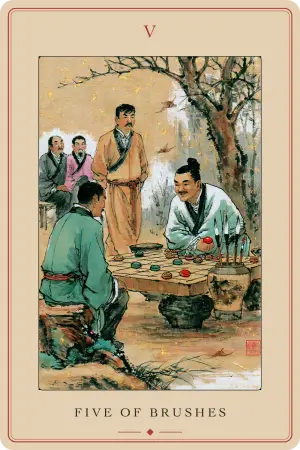
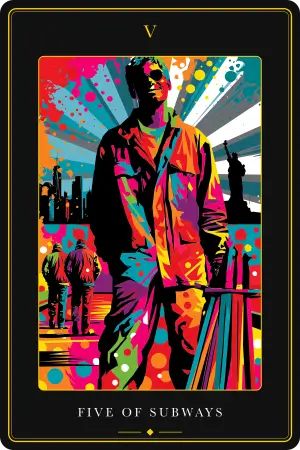
Päťka mečov v každom balíčku
Každý balíček reinterpretuje ten istý archetyp. Porovnajte umenie a potom si otvorte balíček, aby ste si prečítali jeho úplný výklad.
Obrazové motívy a symbolika
Pamela Colman Smithová túto kartu koncipovala skôr ako malé divadelné predstavenie než ako diagram. Na kresbe z roku 1909 pre A. E. Waitea stojí v popredí pobrežnej scény po boji mladý muž, ktorý so sebauspokojeným úškrnom a pohľadom cez plece zbiera tri meče. Za ním odchádzajú dve postavy so sklonenými hlavami a ďalšie dva meče ležia odhodené v tráve. Je to víťazstvo jedného nad dvoma, výhra bez radosti, dosiahnutá len za cenu veľkého úsilia a strát.
Detaily ilustrácie Rider-Waite-Smith odhaľujú hlbší význam. Víťaz získava tri meče nečestnými prostriedkami, takže jeho výhra je nepoctivá, založená na tvrdom boji a využití druhých. Jeho úškrn vyzerá ako triumf, zostáva však prázdny: drží tri ťažké čepele a celú korisť nedokáže pohodlne odniesť domov. Jeho ryšavé vlasy v britskej symbolike začiatku 20. storočia značili prudkú povahu a záľubu v potýčkach. Sivé mraky signalizujú blíziacu sa búrku, ťažké časy a nevyriešený konflikt. Smithová ich stavia do kontrastu s pásom modrej oblohy, čím vytvára dojem nestability. Rozbúrené more predstavuje narušené emócie, keď rozum prevládol nad srdcom. Dve ustupujúce postavy sú porazení, ktorí sa k víťazovi otáčajú chrbtom, a symbolizujú zradu aj stratu. Meče ležiace na zemi znamenajú skazu, neúspech a stratu hodnôt či presvedčení, ide o zbrane zanechané ľuďmi, ktorí sa rozhodli boj vzdať. Pustá krajina okolo víťaza nesie prázdnotu a osamelosť nasledujúcu po boji, psychologickú záťaž zanechanú na všetkých účastníkoch.
Základný význam
Tento balíček číta Päťku mečov ako skazu, zápas a porážku, ktorá však stále nesie šancu na prekonanie ťažkej situácie. Je to stelesnenie Pyrrhovho víťazstva: výhra odkúpená príliš vysokou cenou, pri ktorej víťaz zbiera trofeje a zanecháva porazených za sebou. Uprostred mečovej farby Vzduchu, kde číslo päť triešti ozbrojený mier štvoriek, predstavuje karta intelekt zmenený na bojovnosť a potrebu mať pravdu za každú cenu. Zlatý úsvit ju nazval „Vládca porážky“. Porážka, ktorú pomenúva, nepredstavuje prehratý argument, ale zahnanie všetkých blízkych ľudí v snahe dokázať svoju pravdu.
Karta preto kladie priamu otázku: stojí to víťazstvo za tú cenu? Výhra pre samotné víťazstvo vás vyčerpáva a pripravuje o priateľov. Tri meče v rukách víťaza odkazujú na zlomené srdce Trojky mečov a dva meče na zemi na ignorovanú diplomaciu Dvojky mečov. Skutočným víťazstvom, na ktoré tento balíček ukazuje, je múdre zvládnutie konfliktu a voľba najlepšej cesty v spore.
Význam v priamej polohe
V priamej polohe ukazuje Päťka mečov, že ste sa ocitli v nepriateľskom konflikte, vážnej roztržke alebo dramatickom rozpade vzťahov. Ide o súboj ega, zastrašovanie, klamstvo a osobné víťazstvo získané na úkor druhých. Karta radí zvážiť použité metódy, nie iba cieľ: nie každý spor si vyžaduje plné nasadenie a dlhodobé straty často prevýšia dočasný zisk. Niekedy je múdrejšie prijať porážku, aby sa predišlo väčším škodám v budúcnosti. Karta odhaľuje aj špirálu úzkosti, keď mysľou dookola znejú ostré slová dlho po skončení boja.
V láske. Nezhody, hádky a nespravodlivosť, kde jeden z partnerov dominuje alebo využíva situáciu. Oba brehy môžu nechať ego prevládnuť nad porozumením, pričom čím viac niekto tlačí na pílu, tým toxickejšou sa situácia stáva. Uznajte vlastné chyby, pretože múdrosť tu patrí tomu, kto vie ustúpiť.
V práci a kariére. Súťaživosť, rivalita a boj o dominanciu, niekedy toxický tím, v ktorom sa konkurent mení na hrozbu. Víťazstvo prichádza s horkou pachuťou nahromadeného napätia. Prejavte vodcovstvo, aj keď vyvoláva nespokojnosť, no starostlivo zvážte kompromis voči vytrvalosti.
Vo financiách. Ostré spory a nedorozumenia ohľadom peňazí, často s rodinou či partnermi, kde neuvážené rozhodnutia vedú ku strate. Karta nabáda k opatrnosti pri obchodoch a otvorenej diskusii o tom, na čom záleží, s varovaním, že boj o finančnú kontrolu zvyčajne končí ešte väčšou stratou.
V zdraví. Náročný prechod, boj medzi starými zvykmi a novým spôsobom života. Skutočná zmena si vyžaduje úsilie, či už ide o prísne cvičenie, diéty alebo náročnú starostlivosť o seba, pričom harmóniu tela a mysle nemožno získať ľahko.
Význam v obrátenej polohe
V obrátenej polohe karta zvyčajne znamená, že boj utícha: túžbu prekonať konflikt, uzavrieť kompromis a zakopať vojnovú sekeru, pričom obe strany prijímajú zodpovednosť a hoja roztržku cez úprimný rozhovor a odpustenie. Môže označovať posun vpred po sklamaní a poučenie sa z neúspechu so zachovanou dôstojnosťou. Meče však stále zostávajú na obraze, takže skutočnou otázkou je, či boli zložené na znak kapitulácie, alebo len schované za chrbtom. Obrátená karta často ukazuje na potlačený konflikt a falošné uzmierenie, kde ospravedlnenia slúžia len na vyhnutie sa nepohodliu, a horkosť pochovaná bez prevzatia zodpovednosti má tendenciu znova vyplávať na povrch.
V láske. Koniec otvoreného konfliktu, priestor na uzmierenie a odpustenie, prípadne rozhodnutie dať partnerovi priestor a rozísť sa, ak je situácia neúnosná. Nechajte staré krivdy odísť namiesto ich vyostrovania.
V práci a kariére. Narušené plány a situácie vymykajúce sa z rúk, keď vás snaha o spravodlivosť stojí autoritu. Ústup môže získať čas na prehodnotenie a zotavenie. Karta tiež prináša odpustenie a zanechanie nepriateľstva, keď boj stráca zmysel.
Vo financiách. Náročné obdobie spôsobené opakovanými chybami a neprehľadnou situáciou, spolu s príležitosťou rozpoznať chyby v riadení financií, uplatniť lekcie z minulosti a vrátiť sa na cestu k stabilite.
V zdraví. Únava z boja o zdravie, zotavovanie sa z choroby či zranenia a potreba prehodnotiť svoj prístup. Môže priniesť pocit bezmocnosti a neistoty ohľadom vzhľadu, preto je radou rovnováha a sebaprijatie namiesto extrémov.
Historické poznámky
Päťka mečov niesla význam straty dlho predtým, než ju Smithová nakreslila. Koncom 18. storočia jej Etteilla priradil v priamej polohe kľúčové slovo Perte (strata) a ilustroval ju stretom z 3. storočia medzi rímskym cisárom Aureliánom a kráľovnou Zenobiou z Palmyry, ktorú porazil, zajal a predviedol v sprievode naprieč Rímom. Poučenie z tejto alegórie hovorí, že víťazstvo postavené na podmanení druhého je poškvrnené stratou. V obrátenej polohe ju Etteilla aj balíčky ako Tarot Belline čítali ako Deuil (smútok a žiaľ), s prísľubom postupného hojenia po ukončení bojov.
Hermetický rád Zlatého úsvitu priradil všetky päťky k sefíre Gevura (Prísnosť), ktorej vládne Mars, a nazval túto kartu „Vládca porážky“, teda ozbrojený mier Štvorky mečov narušený zbabelosťou, zradou či malichernými spormi. Waite a Pamela Colman Smithová, obaja členovia Zlatého úsvitu, premenili tento názov na konkrétny výjav. Balíček vydalo vydavateľstvo Rider and Company v roku 1909 a Waiteova sprievodná kniha The Pictorial Key to the Tarot z roku 1911 upevnila výklad: priamej karte priradila významy degradácie, nečestnosti a straty, zatiaľ čo pohrebné obrady vyhradila pre obrátenú polohu. Smithová ilustrovala všetkých 78 kariet, preto sa balíček dnes presnejšie nazýva Rider-Waite-Smith, pričom jej prístup založený na príbehu a postavách sa stal obrazom, ktorý si vybaví väčšina moderných čitateľov.
Korešpondencie
Číslo. Päťka, číslo zmeny, nestability a prechodu, ktoré narúša ustálený mier štvoriek. Leží v strede cesty od jednotky po desiatku a predstavuje bod, v ktorom staré prenecháva miesto novému. V živle Vzduchu si vyžaduje flexibilné myslenie a náročné rozhodnutie, keďže doterajší prístup nefunguje.
Astrológia. Venuša vo Vodnárovi, prvý dekán Vodnára, približne od 20. do 29. januára. Venuša prináša lásku a harmóniu, no Vodnár prefiltrováva cit cez chladný intelekt, čím sa harmónia skresľuje a snaha o porozumenie sa mení na konfrontáciu. Karta nesie idealizmus, vernosť originality a obratné, nekonvenčné spôsoby presadzovania konfliktu.
Živel. Vzduch, farba intelektu, komunikácie a myslenia. Vzduch je dynamický a v neustálom pohybe, pričom zrkadlí meniace sa stavy mysle. Tu uprednostňuje mentálnu prevahu a logiku ako nástroje víťazstva.
Kabala. Karta sa nachádza na sefíre Gevura (Prísnosť alebo Súd), piatej sfére ovládanej Marsom, čo je sila oddeľujúca to, čo už nie je životaschopné. Vzdušný intelekt sa v tejto marsovskej sfére stáva výbušným.
Živlová dôstojnosť. Ako drsná vzdušná karta zostruje a podnecuje svoje susedné karty, pričom sa zjemňuje iba vtedy, keď blízko stojí vodný, súcitný vplyv.
Psychologická perspektíva
Postavy na Smithovej výjave rozdeľujú výklad medzi dvoch ľudí a prvou úlohou je určiť, ktorým z nich ste. Ak ste víťazom s mečmi, úlohou je čeliť vlastnej krutosti a pýche. Ak ste jednou z ustupujúcich postáv, úlohou je odtrpieť stratu a naučiť sa chrániť. Ako charakter karta často ukazuje na niekoho nezávislého, odhodlaného a vytrvalého, kto rýchlo odhalí slabosti druhých a využije ich, chce vyhrať za každú cenu a nenávidí prehry. Táto dravosť privádza takýchto ľudí do vedenia, no zanecháva ich osamotených, keďže odkladajú pocity druhých, aby si zametli vlastnú cestu.
Pod predvádzaním sa môže karta označovať hlbokú neistotu a myseľ vo vojne so sebou samou, ktorá používa „pravdy“ ako zbrane proti vlastnej sebaúcte a potom bez dôkazov projektuje nepriateľstvo navonok na spolupracovníkov či partnera. Radou je prestať bojovať s nesprávnou osobou a pochopiť, že myšlienka bojuje s citom. Ezoterickým liekom je Miernosť, druhá karta redukujúca sa na číslo päť: zložiť meče, regulovať sám seba a nechať empatiu zjemniť intelekt. Moderní čitatelia pridávajú druhý výklad, kedy kartu chápu ako odvahu stanoviť pevné hranice a odísť z toxickej situácie aj za cenu toho, že budete zobrazení ako zloduch.
Päťka mečov naprieč balíčkami
Táto stránka nadväzuje na výklad Rider-Waite-Smith, kde Smithovej divadelná scéna uškŕňajúceho sa víťaza, odovzdaných mečov a dvoch mužov kráčajúcich preč pod roztrhanou oblohou predstavuje definujúci obraz prázdneho víťazstva. V porovnaní s inými tradíciami táto dramatická voľba vyniká.
Balíček Thoth Aleistera Crowleyho a Lady Friedy Harrisovej odstraňuje ľudskú melodrámu a kartu nazýva „Porážka“ (Defeat). Anjelské ruky zvierajú meče v obrannom strete, zatiaľ čo tretia čepeľ vyráža nahor, aby ich rozptýlila, pričom centrálny meč je zlomený na znak straty moci, to všetko na pozadí kalných a zmätených farieb. Roztrhané ružové lístky Venuše padajú medzi zbrane, čo vyjadruje chladný boj trhajúci citové väzby. Staršie kartomantické balíčky v línii Etteilla, ako napríklad Tarot Belline, pracujú skôr s kľúčovými slovami než s plnou scénou, pričom v priamej polohe nesú stratu a v obrátenej smútok. Moderné a nezávislé balíčky posúvajú výklad k posilneniu osobnosti: Exile Tarot pretvára kartu na oslobodenie, kde si raz uväznená duša krajnými opatreniami rozbíja reťaze a vyhlasuje, že ju nemožno zastaviť, čím spája starý význam konfliktu s novšou potrebou sebaoslobodenia.
V kombináciách a kontexte
Karta sa nachádza v jasnom oblúku mečovej farby. Predstavuje chaotické vyvrcholenie a falošné víťazstvo nasledujúce po ozbrojenom mieri Štvorky mečov a ustupuje Šestke mečov, úniku k pokojnejším vodám, a následne Sedmičke mečov, sebareflexii a stratégii po otvorenom konflikte. Výrazne sa odlišuje od Päťky palíc: Palice predstavujú férovú, vášnivú potýčku medzi rovnocennými súpermi, zatiaľ čo Meče sú osobné, kalkulujúce a chladné, so nerovnomernými súpermi a prerušenou komunikáciou.
Doplňujúce karty spresňujú jej význam. S Kráľovnou pohárov radí pasívnu ostražitosť, zostanie v pokoji a odmietnutie opätovaného úderu silou. So Spravodlivosťou sľubuje obnovenie rovnováhy cez karmu, no len vtedy, ak si zvolíte poctivú cestu s prísnou čestnosťou a odplatu necháte tak. Pri otázkach typu áno/nie ide o takmer univerzálne nie a pri otázkach na uzmierenie hovorí, že roztržka sa nezhojí, kým obe strany vedie ego.
Otázky na zamyslenie
- Som v tomto konflikte postavou zbierajúcou meče, alebo jednou z dvoch odchádzajúcich, a čo to mení na tom, čo musím urobiť?
- Stojí to, za čo bojujem, za tú cenu, alebo by prijatie straty v tomto prípade zachránilo viac, než čoho sa vzdá?
- Kde bojujem s nesprávnou osobou a prenášam boj z vlastnej hlavy na niekoho, kto si to nezaslúži?
Všeobecný význam vychádza z výkladu Rider-Waite-Smith — referencie používanej v celej Tarot Academy. Ak chcete zistiť interpretáciu pre konkrétny balíček, otvorte si ho vyššie.
Často kladené otázky
Preskúmať Tarot
Najnovšie príspevky
Objavte starodávnu múdrosť tarotových kariet a odomknite tajomstvá svojej duchovnej cesty. Náš blog je vašou bránou k pochopeniu bohatej symboliky, významov a praktických aplikácií čítania tarotu.




















































