
 JA (日本語)



小アルカナ · ワンド (火)
ワンドの3
背を向けて丘の上に立つ男性。1本のワンドを手に持ち、2本を傍らに根付かせ、自ら送り出した3隻の船が海を進む様子を見つめる。
Read the complete guide: ワンドの3タロットカード:その象徴と意味の完全ガイド
カードの概要
- 数秘術
- 3
- エレメント
- 火
- 占星術
- 牡羊座の太陽、第2デカン(3月31日〜4月10日)
- カバラの小径
- アツィルトのビナー(理解)
- 時期
- 4月上旬、牡羊座の第2デカン
- YES / NO
- 正位置は「はい」 · 逆位置は「いいえ」
正位置
先見の明
拡大
期待
起業家精神
進歩
自信
長期的なビジョン
準備完了
逆位置
遅延
失敗した計画
拡大への恐れ
先見の明の欠如
停滞
膨らんだ期待
方向性の喪失
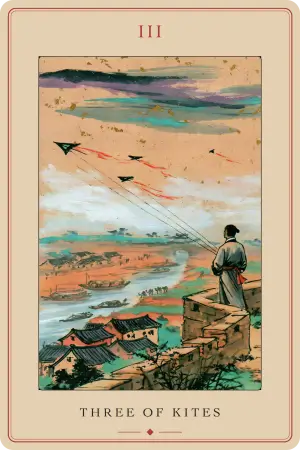
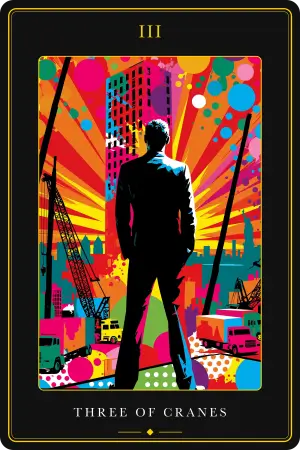
各デッキのワンドの3
どのデッキも同じアーキタイプを再解釈しています。アートワークを比較し、デッキを開いて詳細な解説を読みましょう。
描画と象徴性
スミスは男性の後頭部だけを描き、残りの想像を読み手に委ねています。上美な旅行用マントをまとった男性が丘の頂に立ち、読み手に背を向けて、3隻の帆船が進む海を見つめています。黄金色の霞の向こうには紫色の山々が聳え立っています。1909年のデッキにおいて、人物の表情が完全に隠されている数少ないカードの一つであり、この効果は意図的です。彼の表情を読み取ることができないため、読み手は彼と同じ立ち位置に置かれ、彼が見つめる先を見つめざるを得なくなります。
ワンドはこのデッキが最も詳しく解読する部分であり、一般的な解説とは一線を画しています。彼の周囲に3本のワンドが立っています。彼はそのうち1本を手に持っており、手にしたワンドは目の前の資源や機会を実際に活用する能力、すなわち理論ではなく手の中にある創造的エネルギーを表しています。残る2本は地面に固定されており、築き続けるための安定性と基盤を象徴しています。同じ絵柄に対する他の解釈では、3本すべてが柔らかい土に刺さっており、人物は支えとして1本に寄りかかっているだけであると説明されます。これは必要に応じてすぐに引き抜いて持ち運べる安定性を意味し、木から生え出た緑の葉は計画が根付き成果を生み始めた証拠とされます。どちらの解釈も結論は同じです。何かが固定され、何かが依然として彼の手に握られているということです。また、これら3本は過去・現在・未来、あるいは一つの人生における精神・肉体・感情の3側面という三位一体の解釈も担っています。
3隻の船は、彼がすでに送り出した目標や願望です。船の下に広がる海は、交易や旅、そして地方の野心を成長可能な場所へと運ぶ大きな流れの世界を表しています。占い師たちの間では一世紀にわたり、船が旅立っているのか帰港しているのかについて議論が続いています。この曖昧さは実用的な役割を果たしています。なぜなら、どちらにしても計画は不可逆的に動き出しており、丘の上の男はもはやコントロールできない結果を受け入れなければならないからです。ウェイト自身の解説では、この人物は海外へ商品を発送し、自らの艦隊を待ちながら冒険の境界線に立つ豪商として描かれています。
色彩は、他の多くの小アルカナ以上に重要な役割を果たしています。赤い衣装は情熱、エネルギー、権力、達成を表し、彼を丘の頂へと押し上げた気質を示しています。周囲の黄色と緑の風景は楽観、成長、繁栄、前向きな思考を読み取らせ、ワンドの足元の緑の地面は安定性、信頼性、回復力を示します。「ワンドの2」が人物を灰色の石畳の上に配置したのに対し、「ワンドの3」は命ある大地の上に立たせています。彼の視線は前方の地平線に向けられており、未来への注視とこれから訪れるものへの確信という、このカードの最も明快なメッセージを伝えています。
2つの詳細な点も注目に値します。彼の左肩からは黒と黄色(印刷によっては黒と白)の格子柄のサッシュが斜めにかかっており、オカルティストはこの模様をフリーメイソンのロッジの市松模様の床、すなわち光と闇、秩序と混沌の二元性と結びつけています。胸元に公然と着用されていることは、対立する力が着用者によって調和されたことを示しています。マントの下には別の層の衣類が見えます。肩の緑色は火のエネルギーを物質的な成果へと定着させ、右袖の青色は商業的な仕事を行いながらも高い義務を見失わない姿勢を保っています。そして彼は、「黄金の夜明け団」の参入儀式で用いられる履物である赤いスリッパを履いています。これはウェイトもスミスも内部から熟知していたものでした。
基本的意味
このデッキにおいて「ワンドの3」は、アイデアの実現、計画、先見の明、自らの能力への自信、そして成功への信念を意味します。最初の一歩はすでに踏み出されており、努力が具体的な成果となって実を結ぼうとしています。そのため、このカードは達成そのものというよりも期待感として現れることがよくあります。収穫の瞬間ではなく、展望を見渡すプロセスを描いているのです。
ライダー・ウェイト版の絵柄が素のアーキタイプに加えているのは、人物が立っている場所の描写です。彼は室内や壁の後ろにおらず、世界の模型を手に持っているわけでもありません。彼は目の前に本物の海が広がり、自らの船が浮かぶ開かれた屋外の大地に立っています。「エース」が生の火花であり、「ワンドの2」が手すりの上で吟味された計画であったのに対し、ここでの計画は彼の手を離れ、世界がそれに応答し始めています。
このカードに対するデッキ自身のアドバイスは、注意深さを伴う忍耐です。決断を下す前にすべての可能性を考慮し、それぞれの見通しを天秤にかけ、今日の行動が明日の状況をどのように形作るかを考えることです。長期的な視点を見失うことなく細部に時間を費やすこと。これこそが絵の核となる規律であり、丘の頂が休息の場ではなく作業の拠点として読める理由なのです。
正位置の意味
正位置の「ワンドの3」は、計画と待機の時期を表します。問いが投げかけられ、行動が起こされ、今や結果が近づいています。旅行、新たな事業、新しい同盟などを通じて視野が広がり、拡大の余地が生まれます。プロジェクトの最初のステップが成功した後に訪れる独特の自信をもたらします。イエス・ノー占いでは、特に長期的な計画、海外旅行、野心的なキャリアの転換において明確なYESを意味します。申請、提案、連絡の結果を待っている場合、その知らせは間もなく届き、良い結果である可能性が高いでしょう。
恋愛運。 活発なコミュニケーションと真の相互理解を伴う、計画と期待の時期です。試練に共に向き合い、乗り越えることで関係に自信が生まれます。会話は旅行、同棲、結婚など未来の話題へと向かいます。選択がなされ、絆はより大きな安定へと落ち着き、パートナーへの強い関心と前進したいという共通の願いが育まれます。距離や地理との結びつきから、遠距離恋愛、旅先での出会い、あるいは異なる文化的背景を持つ二人を結ぶパートナーシップを示すことも多くあります。シングルへのアドバイスは、いつもの好みや身近な範囲の枠を超えて目を向けることです。
仕事運。 計画、期待、そして拡大を示します。視野が広がる段階であり、次のレベルへのステップアップや重大なプロジェクトの始まりを意味します。前進は長期的で緻密に考え抜かれており、準備が整っていれば活動の領域は大きく広がります。必要な作業は完了しているため、届く結果に対して心を開きつつ待つ時期です。本格的な労力はこれからですが、事前の準備は万全です。
ビジネス。 拡大、成長、そして新しい作業段階を表し、大規模なプロジェクトの始動を伴うことが多くあります。計画は明快で、将来性が信頼され、取り組みには力強いエネルギーが宿っています。国際ビジネス、パートナーシップ、市場開拓に適しており、全員が共通の目標に向かって協力する姿勢を示します。同僚やパートナーからの支援も期待でき、今形成される強固なパートナーシップは持続可能な事業の基盤となり得ます。
金運。 お金に対する先見の明を表します。決断への自信に支えられ、将来的に利益をもたらすものへ資源が投じられます。ビジネスの発展や財政基盤の拡大に向けた機会が訪れ、即座のリターンよりも戦略的な計画が報われます。新しい提案を行い、投資を開始し、良い取引を成立させる好機です。
健康運(身体)。 快適ゾーンからの踏み出しと、行動へのシグナルです。スポーツへの注力、新しいトレーニング技術の導入、食生活の改善など、取り組む領域を広げましょう。同じことの繰り返しではなく探索を行い、自らの身体状態に責任を持つことが求められます。前向きな変化が期待できる時期です。
逆位置の意味
逆位置になると、船が悪天候に見舞われたことを意味します。カードは遅れ、計画の延期、叶わない期待へと傾きます。選んだ方向性が望む成果をもたらしていないか、根底にある計画の薄さによってプロジェクトが破綻しつつあります。その背景には、失望感や、動きを阻害する成功や失敗への恐れが存在しています。イエス・ノー占いではNOに転じます。意識を目標からプロセスへと戻し、計画を再検討して具体的な障害を特定し、すべての計画を実行する必要はないと受け入れることが大切です。休息のための余白を残しましょう。
恋愛運。 優柔不断や一人のパートナーに集中できないことが原因で、関係の発展が停滞します。果たされない約束や裏切られた期待が生じます。前に進むためのエネルギーや熱意が失われ、将来の計画や役割分担をめぐって意見の対立が表面化します。関係の行く末に対する不確実性や行き詰まり感が漂い、その根底には大きな一歩への恐れが存在しています。時には状況が自然なペースで展開するのを待つことが賢明であり、次の段階に達するには時間が必要な場合もあります。
仕事運。 遅延、延期、そして完全な停滞を表します。拡大の試みは障害にぶつかり、具体的な戦略が必要な場面で方針が曖昧になります。新しい試みへの恐れが躊躇を生み、成長の貴重な機会を逃してしまいます。未完了の業務が前進を妨げ、誰からの支援も得られていないと感じる中で、期待が満たされない苛立ちが募ります。実際に利用可能なリソースに対して目標が非現実的であることを警告しています。
ビジネス。 停滞とプロジェクトのブロック感を示します。リソースの見誤りや計画不足が原因であり、リスクを取るのをためらう姿勢や、進行の遅さに対する焦りが生じています。焦りは自ら障壁を作り出します。チーム内の意見対立や、手段に見合わない過度に野心的な計画に対しても警告を発しています。戦略と基準を見直し、無理に推し進めずに待つ姿勢が必要です。
金運。 損失や予期せぬ出費、ビジネスの遅れ、投資の凍結、そして実現しないプロジェクトを表します。軽率な決定や戦略の欠如が主な原因です。優柔不断さによって資金が停滞します。急いではいけません。ここでの性急な行動は重大な財政的損失につながるため、慎重な判断と手元の資源の厳密な管理が求められます。
健康運(身体)。 必要な変化に対する遅れと抵抗を表し、それは冷静な判断というよりも恐れに根ざしています。モチベーションが低下し、コンフォートゾーンにとどまろうとする心理が勝ってしまいます。食生活や運動習慣が成果を生まず、リアルな失望感を味わうことになります。障害を計画の放棄ではなく再検討の機会として捉えましょう。即効性を求めた解決策はここでは持続しません。
歴史的背景
1909年以前、このカードには風景の場面が描かれていませんでした。マルセイユ版タロットでは「Trois de Bâton(ワンドの3)」と呼ばれ、数札には人物も風景もなく、ただスートのシンボルが配置されているだけでした。3本のバトンが交話し、通常は2本がX字を形成し、3本目がそれを垂直に二分します。本来は枯れ木である木々から葉や花が芽吹く様子は、熱意とアイデアが葉を広げ始める兆しを示していました。マルセイユ版の読み手はこれを、理論的知識から実践的実行への移行、展望が開けコンフォートゾーンを脱する後押しと受け止めました。同様の構図はスート「Bastos」を共有するスペインのトランプにも現れ、フィレンツェのミンキアーテ版デッキではワンドの3が得点組み合わせに組み込まれており、こうしたスートと数字の組み合わせが近世ヨーロッパの習慣にどれほど深く定着していたかを示しています。
情景を描いたバージョンは、1909年にロンドンのウィリアム・ライダー・アンド・サン社から出版されたウェイトとスミスによるものであり、制作者も作画者も「黄金の夜明け団」のメンバーでした。ウェイトはこの人物を、自らの商品を海外へ発送し艦隊を待ちながら冒険の境界線に立つ豪商として位置づけ、スミスはそれを風景、衣装、海を備えた完全な物語的絵画へと仕上げました。この象徴的イメージは急速にオカルトの枠組みを超えて広まりました。T.S.エリオットは1922年の詩集『荒地』の中で「3本の杖を持つ男」に言及し、注釈の中で彼を漁夫王(Fisher King)と関連づけました(エリオット自身はこの関連づけをきわめて恣意的なものだと主張しました)。批評家たちはそれ以来、獲物を待つ豪商と荒廃した土地の回復を待つ傷ついた王との類似性に惹かれ、この点について議論を続けています。
対応関係
数字。 3。始まり、中間、終わりを一つのプロセスへと結びつける三位一体であり、1における開始、2における発展、3における完成を表します。始まりとインスピレーションの象徴である数字の1が3倍になることで生み出されます。ワンドのスートと結びつくことで、成長へと突き進む強烈で迅速なエネルギーを発生させるため、明確な目標と方向性が求められます。また、3は表現力豊かな協力の数字でもあるため、チームワーク、社会的つながり、他者を計画に巻き込む能力を促します。
占星術。 牡羊座の太陽、第2デーカン(3月31日〜4月10日)。牡羊座は十二星座の最初のサインであり、開拓的で決断力に満ちた活動宮の火のサインです。太陽はここで高揚(エグザルテーション)し、最も名誉ある位置に置かれます。太陽はこのデーカンを支配し、根底にある火を補強する自信、生命力、自己表現、内なる光をもたらします。これらが合わさることで、前進の推進力、新たな機会、停滞からの完全な脱却が生まれ、意図を完成させるために力があらかじめ存在しているという理解がもたらされます。
エレメント。 火(アツィルトの世界、純粋な霊的火と流出の原初世界)。ここでの火はエネルギー、行動、想像力、そして発展と未開の地への推進力を意味します。
カバラ。 アツィルトの世界における第3のセフィラ、ビナー(理解)。ビナーは生命の樹における「偉大なる母」であり、生のエネルギーを受け止めて実用的な形態を与える受容と構造化の力です。ビナーに捉えられた火は散乱するのをやめ、方向性を持つようになります。これこそが、クロウリーがこのカードに与えたタイトルの背後にある数学的構造です。
エレメンタル・ディグニティ。 風のカードの隣で強化され、水との間で緊張を生む火のカードです。そのため、隣接するカードによって事業が加速するか停滞するかが決定されます。
心理学的視点
このエネルギーを携えた人物は勇敢で鋭い知性を持ち、意図を持って目標へと一歩一歩進み、常に視野を広げようと努力します。現在の状況をしっかりと把握し、未来に対する優れたビジョンを持っています。計画は形成され、期待は高く、実行のための適切な時期を待っています。リスクを厭わず、すでに確立された人脈や実績ある事業を頼りに、自らの未来への揺るぎない信念を持ってリードします。
逆位置になると、同じ人物がフラストレーション、恐れ、不確実性を抱えるようになります。障害や遅れが絶望感や優柔不断を生み出し、向かうべき明確なビジョンとともに自信も失われます。夢は達成不可能に思え、自分を突き動かしていた情熱が失われたように感じられます。未知への恐怖や変化への準備不足を感じ、継続する困難によって消耗しています。高い期待は、成果が努力に見合わない場合に失望へと変わります。
ライダー・ウェイト・スミス版の絵柄は、これに独特の心理的質感を与えています。背を向けた男性は、真逆の2通りに解読できるからです。あなたと共に築く未来を熱心に見つめている人物とも読めれば、背を向けてあなたが関与していない地平線に没頭している人物とも読めます。実際の鑑定でも両方のケースに遭遇します。希望に満ちたスプレッドでは期待や共有された展望を意味し、緊張した関係や破局後のスプレッドでは冷淡な距離感やすでに下された決断を意味します。また、このカードは自身の人生のペースに焦りを抱く人のもとに何度も繰り返し現れるカードとしても知られています。その場合、カードは通常2つのメッセージのいずれかを携えています。すでに海へと乗り出した力を細かく管理するのをやめるか、崖の上で夢を見るのをやめて自ら船に乗り込むか、です。
デッキごとの「ワンドの3」
マルセイユ版タロットの「Trois de Bâton(ワンドの3)」は、幾何学的な配置のみを保持しています。3本のバトンが交話し、2本がX字を形成し、3本目が中央を貫き、端から葉が芽吹いています。中央の交差点は秘教的に人間の欲望とエレメントのエネルギーの交錯として読まれ、枯れ木に生えた葉は休眠状態から抜け出そうとするアイデアを意味していました。後にスミスが風景や衣装として表現したすべての要素が、そこにはパターンと数字として存在していました。
クロウリーとフリーダ・ハリスによる1944年のトート・タロットでは、このカードに「Virtue(美徳)」というタイトルを与え、人物を完全に排除してエレメントの幾何学模様に置き換えています。クロウリーの体系において、彼が「Dominion(支配)」と呼んだ「2」の混沌としたエネルギーは、3の安定させる力と出会って調和へと落ち着き、「エース」の火は自らが何を担うべきかをようやく理解します。彼はこれを、大規模な事業を開始するための理想的な前提条件とみなしました。光の側面は成就、自信、正当な誇りであり、影の側面は気まぐれ、自惚れ、傲慢、頑固さ、そして自らの能力に対する危険な過大評価です。
ライダー・ウェイト版をこれら2つのデッキと対比させると、その際立った特徴は明白です。待機という状態に身体、衣装、そして眺望を与えた唯一のカードであるということです。マルセイユ版はアイデアの構造を与え、トート版はその倫理を与えます。スミスは、すでに船を送り出し、海を見つめて準備を整える以外にすることのない、赤いマントを着た丘の上の男を描きました。このカードを再構築する現代のデッキも、たとえ立っている人物を変えたり人物を排して刺さった杖だけにしたりした場合でも、外を見つめる姿勢とスケール感を正確に保持する傾向があります。
コンビネーションと文脈
最も重要な比較は、すぐ前のカード(ワンドの2)との比較です。初心者の読み手はこの2枚を頻繁に混同します。どちらも背を向けた人物がワンドを手に持ち、外を見つめているからです。違いは時間的および物理的な点にあります。「2」では、男性は低い石壁の背後にある囲まれたバルコニーに立ち、1本のワンドが鉄のリングで石壁に固定され、小さな地球儀を手に持ちながら、行くべきかどうかをまだ問いかけています。「3」では、彼はバルコニーを離れて開かれた大地に出ており、ワンドは石に固定されるのではなく柔らかい土に刺さっており、「2」ではロジスティクス上のアイデアに過ぎなかった船が水上に浮かんでいます。「2」は構想であり、「3」は実行であり、すでに動き出した未来の管理です。ある読み手の言葉を借りれば、「2」は『何をしたいか』を問い、「3」は『それをどう実行するか』を問うのです。
カップの8との対比は、時間的というよりも感情的です。どちらの人物も立ち去りますが、「8」は悲しみと不可逆性をもって状況を離れ、築いたものを犠牲にして他で感情を満たそうとします。「ワンドの3」は自信を持って立ち去り、逃避するのではなく領土を拡大します。
大アルカナのカードは、このカードを鮮明に再フレーム化します。運命の輪の隣では、運命対主体的行動という対比になります。変化は外部から訪れますが、このカードはそれを見越して計画を立てる先見の明と度胸があることを伝えます。塔の隣では、崩壊を更地へと転換し、幻想が打ち砕かれることで温められていた計画がようやく建設可能になります。恋愛のスプレッドでは、3という数字に不安を覚えた読み手が第三者の存在を恐れることがありますが、コミュニティのコンセンサスとしては、裏切りではなく関心の分散を指すとされています。パートナーが自身のキャリア、学業、未来に没頭しており、他の異性ではなく野心によって余裕を失っている状態です。文字通りの不貞は「ソードの3」のようなカードに属するか、あるいは「ソードの7」や「月」のような欺瞞的なカードによって強く修飾された場合にのみ当てはまります。
位置による解釈として、アドバイスの位置では、顔を上げて陸地が見えるのに備えて準備を整えるよう伝えます。障害の位置では、大きすぎるように思える地平線への恐れとなります。結果の位置では、あなたが設定したタイムテーブルではないものの、すでにあなたに向かって航行している成果を約束します。
内省のための質問
- この絵では、2本のワンドが地面に根付き、1本が彼の手に握られています。私自身の取り組みのうち、どれが土台であり、どれを今も積極的に動かしているでしょうか?
- スミスは船が旅立つところなのか戻るところなのかを明かさずに描きました。私がすでに送り出したものは何であり、不安のうちどれが単にまだ結果が届いていないことによるものでしょうか?
- 彼は赤いマントを纏い緑の地に立ち、地平線を見つめています。私は自分の未来を期待をもって見つめているでしょうか、それとも恐れを抱いて見つめているでしょうか?
一般的なカードの意味は、Tarot Academy全体で標準として採用されているライダー・ウェイト・スミス版に基づいています。独自の解釈については、上記の各デッキページをご覧ください。
よくある質問
最新の投稿
タロットカードの意味や象徴、実践的な活用法を解説するブログです。日々のリーディングや学習に役立つ知識をお届けします。




















































