
 FA (فارسی)

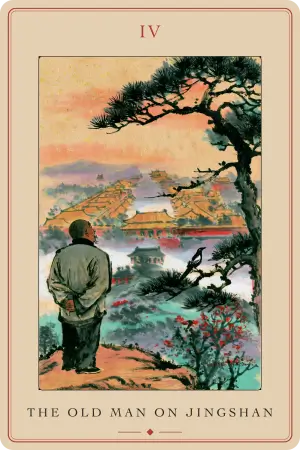
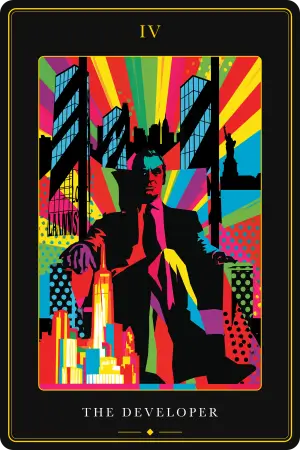


آرکانای بزرگ · IV
امپراتور
اقتداری که انرژی خام را با انضباط و مرزبندی به ساختاری پایدار بدل میکند.
راهنمای کامل را بخوانید: کارت امپراتور در تاروت: راهنمای کامل نمادشناسی و معنا
کارت در یک نگاه
- عددشناسی
- IV
- عنصر
- آتش
- طالعبینی
- حمل · تحت حاکمیت مریخ
- مسیر کابالایی
- هه (چوکماه → تیفارت)
- زمانبندی
- بهار · فصل حمل
- بله / خیر
- بله
مستقیم
اقتدار
ساختار
ثبات
انضباط
رهبری
حمایت
نظم
کنترل
معکوس
استبداد
خشکی
سلطهجویی
سوءاستفاده از قدرت
از دست دادن کنترل
بیقدرتی
لجاجت
امپراتور در هر دسته
دستههای مختلف، همان کهنالگوها را بازتفسیر میکنند. تصویرگریها را مقایسه کنید و برای خواندن تفسیر کامل، دسته مورد نظر را باز کنید.
تصویرسازی و نمادگرایی
امپراتور رایدر-ویت-اسمیت بر تختی سنگی و عظیم نشسته که چهار سر قوچ، نشان برج حمل، بر آن تراشیده شده است. زیر ردای سرخ و پرشورش زره کامل بر تن دارد، نشان فرماندهی که آماده میدان است. در یک دست عصای شاهی دارد که اغلب به شکل آنخ کشیده میشود و در دست دیگر گویی؛ نشانههای فرمانروایی بر جهانی که اداره میکند. ریش بلند سفیدش نشان سن، تجربه و خردی جاافتاده است.
سرزمین پشت سرش رشتهای خشن از کوههای سرخفام و بیحاصل است. این سرزمین مریخی است، ناهموار و خشک، بیهیچ نشانی از آب بارآوری که در باغ امپراتریس جاری است. این صحنه بهروشنی میگوید نظم او با اراده محض بر زمینی سخت تحمیل شده است؛ قلمرویی فتحشده و نگهداشته، نه قلمرویی که خودبهخود میروید.
معنی اصلی
امپراتور اقتدار، ثبات و ساختار است؛ نیروی سازماندهنده تمدن در برابر باروری وحشی امپراتریسِ پیش از او. جایی که او سرزندگی است، امپراتور نظم است: قانون، مرزها و شکلدهی عقلانی جهان مادی. او پدر کهنالگویی است، تعریفکننده و قانونگذاری که داربستی را میسازد که یک جامعه برای کار کردن به آن نیاز دارد.
عدد او، IV، خود عدد بنیان است؛ چهار دیوار، چهار فصل و چهار جهت، انرژی خام که به شکلی جامد و اندازهپذیر فشرده شده است. امپراتریس جرقه خلاق را تأمین میکند، اما این امپراتور است که به آن ظرف و هدف میدهد. بی این ساختار، به قول خوانش قدیمی، رسیدگی امپراتریس بر شاخه میپوسد.
معنی مستقیم
در حالت مستقیم، امپراتور کارتی قوی برای شغل، کسبوکار و پول است و دستاوردی را وعده میدهد که از راه انضباط و راهبرد به دست میآید، نه از راه شانس. او از شما میخواهد مالکیت جاهطلبیهایتان را به دست بگیرید و برای درازمدت بر بنیانی محکم بسازید. این انرژی به دست گرفتن کنترل، مرز گذاشتن و تحمیل نظمی کارآمد بر زندگیتان است.
در عشق. شراکتی تثبیتکننده و قابل اتکا و آرزویی مشترک برای ساختن چیزی پایدار. او میتواند خویشتنداری عاطفی هم خوانده شود؛ شریکی که با سر پیش میرود نه با دل، و به جای دنبال کردن احساسی گذرا، مرزی محکم نگه میدارد.
در شغل. بسیار خوشیمن. موفقیت از راه کار سخت و برنامهای روشن میرسد، و این کارت اغلب به چهرههای صاحب اقتدار اشاره میکند، یک رئیس، یک مربی یا یک نهاد، جایی که احترام به سلسلهمراتب نتیجه میدهد.
در امور مالی. ثروتی که با انضباط پیوسته و راهبرد دوربرد ساخته میشود. این کارتِ برقراری امنیت، ساختاربندی منابع و پیریزی شالودهای است که دوام میآورد.
در سلامت. فراخوانی به ساختار و روال. ثبات و دستی محکم بر عادتهای روزانه اینجا بیش از هر مداخله چشمگیری کار میکند، و به دست گرفتن کنترل یک وضعیت آشفته خودِ درمان است.
معنی معکوس
در حالت معکوس، امپراتور سقوط از نظم به آشوب را نشان میدهد. ساختارهایی که زمانی امن به نظر میرسیدند، ستمگر یا نامطمئن میشوند، و کارت از سوءاستفاده از قدرت، استبداد آشکار، یا خشکیای چنان شدید هشدار میدهد که هر رشدی را خفه میکند. ظرف به قفس بدل شده است.
در عشق. نشانه خطر. میتواند شریکی سلطهجو یا خودشیفته را نشان دهد که با اهرم عاطفی یا مالی کنترل میکند، و توصیه بیپرده فالگیران این است که از آن رابطه بگریزید.
در شغل. رئیسی مستبد یا نظامی خشک که شما را خفه میکند، یا شکست مقابل: ناتوانی از برقراری هر نظمی و زندگیای که آشفته رها شده است.
در امور مالی. بیثباتی ناشی از کنترلی که به بیراهه رفته، چه به معنای بینظمی بیپروا باشد و چه چنگی خشک و سفت که انبار میکند به جای آنکه بسازد.
در سلامت. آشوب ناشی از نبود ساختار، یا فشار وارونه کنترل افراطی؛ تحمیل انضباطی چنان سخت که خودش منبع استرس میشود.
یادداشتهای تاریخی
نخستین امپراتورها پادشاهانی واقعی بودند. کارت ویسکونتی-اسفورزا در قرن پانزدهم پادشاهی ریشدار را با گوی و عصای شاهی نشان میدهد، و عقاب امپراتوری روی سپرش ابزاری سیاسی و معنادار بود که ویسکونتیها تنها پس از آنکه جان گالئاتزو در سال ۱۳۹۵ عنوان دوکی را خرید، به کار گرفتند. سپس تاروت مارسی مشهورترین حالت او را تثبیت کرد: نشسته در نیمرخ با پاهایی که به شکل عدد چهار روی هم افتادهاند، حالتی که در تاریخ نشان بالاترین مرد حاضر در مجلس و حق او برای صدور حکم قانونی بود.
سیاست در انقلاب فرانسه دوباره او را از نو شکل داد، وقتی چاپخانهداران ناگزیر شدند نمادهای سلطنتی را از قالبهای چوبی خود بزدایند. تاجش کلاه آزادی فریگی شد، عصای شاهیاش گلی بیآزار، و عقاب از سپرش ناپدید شد؛ برخی دستهها او را یکسره با یک مغربی جایگزین کردند. در همین حال علومغریبهدانان قرن نوزدهم معنایی تازه در آن حالت قدیمی خواندند، و لوی و ویرت در پاهای رویهمافتاده و بالاتنه راست او نشان کیمیاگرانه گوگرد را دیدند: روح که بر ماده حکم میراند.
کارت امروزی با دسته رایدر-ویت-اسمیت در سال ۱۹۰۹ رسید که پیوند با سلطنت اروپایی را برید. ویت و پاملا کولمن اسمیت او را بر تختی سنگی با چهار سر قوچ نشاندند، زره بر تنش کردند و در چشماندازی از کوههای سرخ و بیحاصل جایش دادند؛ فرمانروایی سیاسی را به پیکری از اقتدار کیهانی و برآمده از برج حمل بدل کردند.
تناظرها
عدد. او IV است، عدد بنیان و واقعیت مادی: چهار جهت، چهار عنصر، چهار فصل، چهار دیوار. قلمرو او جهان جامد و اندازهپذیری است که ایدهها در آن به شکل فشرده میشوند.
نجوم. او به برج حمل پاسخ میدهد، نشان آتشین کاردینال تحت حاکمیت مریخ، که رانه پیشگام و سرسختش را سرهای قوچ روی تختش آشکار میکنند. خورشید در حمل به شرف خود میرسد و پیوند کارت با فرماندهی بااراده و خودابرازگر را ژرفتر میکند.
عنصر. آتش. آتش او گرمای رزمی و آهنگرانهای است که زمین را فتح میکند و نگه میدارد.
کابالا. حرف عبری او هه است، پنجره، و در درخت زندگی مسیر چوکماه به تیفارت را میپیماید. کرولی بعدها این حرف را با ستاره جابهجا کرد و به امپراتور تصادی، قلاب ماهی، را داد، هرچند بیشتر خوانندگان همان هه قدیمیتر را نگه میدارند.
وقار عنصری. در کنار چوبدستها، رانه آتشین او شدت میگیرد و راهبرد را به کنشی پرزور و هدفمحور بدل میکند.
دیدگاه روانشناختی
از نگاه روانشناختی، امپراتور «فرمانروا»ی ناخودآگاه جمعی یونگ است، پدرِ تمدن در خوانش سالی نیکولز، پژواکی از زئوس، ژوپیتر، اودین و اوزیریس. او ایگو-آگاهی است که هویتش را استوار میکند و بر سطح مادی مسلط میشود؛ عمل ضروری ساختن یک «خود» پیش از آنکه بتوان با رازهای ژرفتر روبهرو شد. جسیکا دور قدرت واقعی او را توانایی پایدار و سنجیده ماندن در دل آشوب و نایقینی میداند؛ امتناعی بالغانه از اینکه تکانه بر او حکم براند.
سایهاش هرگز دور نیست. همان رانه نظم میتواند به استبداد و آنچه سنت توت «استبداد عقلانی» مینامد بدل شود؛ زندانی بیخون از منطق ناب که قانون را بالاتر از اخلاق مینشاند. خوانندگان ترقیخواه اغلب او را چهره پدرسالاری میبینند، هرچند باتجربهترهایشان هشداری میافزایند: بیزاری شدید از امپراتور معمولاً به دعوایی حلنشده با اقتدار درون خود خواننده اشاره دارد، و وقتی او پیاپی ظاهر میشود، آن را دعوتی بخوانید به اینکه از واکنش نشان دادن دست بکشید و زندگی خودتان را به دست بگیرید.
امپراتور در دستههای مختلف
تاروت مارسی. امپراتور کلاسیک در نیمرخ نشسته، پاها به شکل چهار روی هم افتاده، سپر عقاب در کنارش؛ تصویر تمامعیار فرمانروایی که حق داوری دارد.
کرولی-توت. کرولی حرف عبری او را در جابهجایی مشهور با ستاره از هه به تصادی، قلاب ماهی، تغییر داد و سایه این کهنالگو را استبداد عقلانی نقاشی کرد؛ فرمانرواییای تهی از احساس.
دستههای مدرن. آفرینندگان تازه میکوشند هسته حمایت و ساختار این کارت را از بار سلطنتیاش نجات دهند. جن کاونی و فیونا لنسولت استدلال میکنند امپراتور لازم نیست مرد یا حتی انسان باشد و به همان آسانی میتواند کنترلکننده آرام ترافیک هوایی یا کمربند ایمنی در پروازی ناآرام باشد. دیگران او را کشتزاری منظم از شقایق در تاروت Spacious، شطرنجبازی که چند حرکت جلوتر را میاندیشد در دسته Anna K، یا سروی همیشهسبز با ریشههای ژرف که زمستان را تاب میآورد در Botanical Deck تصویر میکنند.
در ترکیب و زمینه
امپراتور هر چیدمانی را که در آن میافتد لنگر میاندازد و به سوی کنترل، مسئولیت و انضباط میکشد. در کنار امپراتریس یک کل را کامل میکند؛ مرزهای او به خلاقیت بیکران امپراتریس جایی امن برای شکل گرفتن میدهد. با هیروفانت، اقتدار دنیوی را بر سنت معنوی سوار میکند؛ نشانهای برای کار کردن درون ساختار تثبیتشده یا آموزش رسمی.
آتش او با پیشروی و ابتکار جمع میشود. در کنار ارابه به ارادهای تقریباً توقفناپذیر بدل میشود، راهبرد پیوسته به رانه، و با آس سکه به آغاز محکم کسبوکاری سودآور و خوشساخت اشاره میکند.
در چیدمانهای عشق، همسایگانش آشکار میکنند که آیا مرز سالم است یا نه. با چهار شمشیر و هشت جام، او فردی بالغ خوانده میشود که خطی را نگه میدارد و از وسوسه دور میشود؛ با شش جام، معشوقی از گذشته است که با مهر به عقب نگاه میکند اما خویشتنداری را در فرمان نگه میدارد. وقتی پیاپی در خوانش ظاهر میشود، او را نه نیرویی بیرونی بلکه تلنگری بدانید برای ساختن روال و بازپسگیری جای پایتان.
پرسشهایی برای تأمل
- در کجای زندگیتان نبود ساختار برایتان هزینه دارد، و کدام روال میتواند آن را استوار کند؟
- از اقتدار خود برای حمایت و جا باز کردن برای دیگران استفاده میکنید، یا برای کنترل آنها؟
- مالکیت چه چیزی را آمادهاید به دست بگیرید و بر زمینی محکم بسازید؟
تفسیر عام کارتها بر اساس دسته رایدر–ویت–اسمیت آماده شده که مرجع اصلی آکادمی تاروت است. برای دیدن نگاه ویژه هر دسته، میتوانید آن را جداگانه باز کنید.
پرسشهای متداول
کاوش در تاروت
آخرین نوشتهها
حکمت باستانی کارتهای تاروت را کشف کنید و اسرار سفر معنوی خود را باز کنید. وبلاگ ما دروازه شما به درک نمادگرایی غنی، معانی و کاربردهای عملی خواندن تاروت است.




















































