
 FA (فارسی)



آرکانای کوچک · جامها (آب)
پادشاه جام
اقتدار آرام بر احساس: تختی که بر دریایی توفانی استوار مانده است.
راهنمای کامل را بخوانید: کارت پادشاه جامها در تاروت: راهنمای کامل نمادها و معانی آن
کارت در یک نگاه
- عددشناسی
- پادشاه
- عنصر
- آب
- طالعبینی
- ۲۰ دلو تا ۲۰ حوت (سپیدهدم زرین)
- مسیر کابالایی
- چوکماه (حکمت)
- زمانبندی
- اواخر زمستان، از دلو تا حوت
- بله / خیر
- بله، با سری خونسرد پیش بروید
مستقیم
تعادل عاطفی
شفقت
دیپلماسی
اقتدار آرام
حکمت
مهار احساس
مربیگری
معکوس
دستکاری
بیثباتی
سردی
دمدمیمزاجی
همدلی بهمثابه سلاح
سرکوب
فریب
پادشاه جام در هر دسته
دستههای مختلف، همان کهنالگوها را بازتفسیر میکنند. تصویرگریها را مقایسه کنید و برای خواندن تفسیر کامل، دسته مورد نظر را باز کنید.
تصویرسازی و نمادگرایی
پادشاه جام رایدر-ویت-اسمیت بر تختی سنگین و سنگی نشسته است که مستقیم روی دریایی متلاطم و توفانی شناور است. موجها به پای تختش میکوبند، اما بدنش رها مانده و چهرهاش تأملی آرام دارد. جایی که ملکه جام تختش را امن بر ساحل نگه میدارد، تخت پادشاه بر آب باز سوار است و سنگ سفت او را از آشوب زیر پایش جدا نگه میدارد. تمام تز کارت همین است: تسلط عاطفی یعنی در میانهٔ تلاطم در مرکز و در حال مشاهده ماندن.
در دست راستش جامی بزرگ دارد، ظرف احساس، که بیتکلف روی رانش تکیه داده؛ در دست چپ عصای کوتاه سلطنتی، نشان اقتدار اجرایی و اراده. لباسش همان دو طبیعت را حمل میکند. جامهٔ آبی روانی که نماد آب و شهود و ناخودآگاه است، و بر روی آن ردایی زرین و سنگین که نماد آتش، آگاهی هشیار و فرمانروایی فعال است.
دو جزئیات در پسزمینه توضیح میدهند که او چگونه کار میکند. در یک سو کشتیای با بادبانهای سرخ بر موجهای خشن سوار است؛ در سوی دیگر ماهیای از آب بیرون میجهد. ماهی جهنده تکانهای ناخودآگاه است که سطح را میشکافد و به آگاهی میرسد، و کشتی هدایت هدفمند است، توان بالا آوردن یک پیام از ژرفا به جهان بیداری. این دو با هم میگویند او در تماسی روان با زندگی درونیاش میماند و شهود خام را بیآنکه واژگون شود به حکمتی بهکاربستنی بدل میکند.
معنی اصلی
پادشاه جام اوج بلوغ عاطفی است، پیکرهای که ساختار هشیار پادشاهی را بر قلمرو بیکران و آشوبناک ناخودآگاه به کار میبندد. تمام ژرفای تجربهٔ انسانی را حس میکند و همچنان با خویشتنداری عقلانی عمل میکند، بیآنکه توفان اطرافش پریشانش کند. در معنای باطنی او آتشِ آب است، اراده و کنش هدایتشده که بر احساس سیال اعمال میشود، ترکیبی که میگذارد دیگران را از دل بحران عاطفی رهبری کند بیآنکه جای پای خودش را از دست بدهد.
کنار ملکه جام، او نیرو است و ملکه صورت. ملکه خود اقیانوس است که احساس را در خود میگیرد و هدایت میکند؛ پادشاه موجشکن و فانوس دریایی است. نمیگذارد احساس ببلعدش. آن را هضم میکند و با هر حس آنقدر کار میکند تا هیچ تکانهٔ سرگردان یا زخم التیامنیافته نتواند ارادهٔ هشیارش را بدزدد. تسلط عاطفی اینجا مهاری است که از فهم عمیق زاده میشود، نه دیوار کشیدن دور دل.
معنی مستقیم
پادشاه جام در حالت مستقیم بندرگاه امن است، همان که خوانندگان امروزی درمانگر و مشاور و مربی میخوانندش. از نظر عاطفی در دسترس و بالغ است، ژرفای واقعی و توصیهٔ استوار پیشکش میکند بیآنکه احساسهای حلنشدهٔ خودش را سر دیگران خالی کند. انرژیاش آرام و خنک و زمینگیرکننده است، سری خونسرد برای هر کسی که از گذاری پرتلاطم میگذرد.
در عشق. جنس شریک بلندمدت: لنگری پایدار برای خانه و خانواده، گویندهای شیوا که از دل حرف میزند و آنقدر خوب گوش میدهد که شریکش حس کند واقعاً دیده شده است. عشقش قطعی و پیوسته است نه شیفتگیای زودگذر.
در شغل. فراخوانی به رهبری از راه دیپلماسی و روحیهٔ تیم، نه از راه پرخاشگری یا تصمیمهای سرد. آدمهایتان را دلگرم کنید، اعتبار را تقسیم کنید، و تعارض را با پاسخ دادن به آنچه هرکس بیصدا لازم دارد حل کنید. مشاوره، آموزش، میانجیگری و هر نقشی را که باور محکم را با بیان همدلانه متعادل میکند مساعد میداند.
در امور مالی. مدیریتی پیوسته و خونسرد. تصمیمها از آرامش میآیند نه از وحشت، و کارت هوادار رسیدگی محتاطانه و مسئولانه به منابع است.
در سلامت. تنظیم عاطفی و پایگاهی امن. اغلب خانهتکانیای تحتاللفظی و استعاری تجویز میکند، پاک کردن شلوغی و رابطههای فرساینده برای ساختن جای پایی پایدار، و بعد پردازش خاطرههای دردناک به جای سرکوبشان.
معنی معکوس
در حالت معکوس، تسلط پادشاه بر احساس ترش میشود و به ابزاری برای کنترل بدل میگردد.
در عشق. دستکارگر چیرهدست و گازلایتر، همان «شکارچی حساسنما»ی تاروت امروزی. چون احساس را خوب میخواند، سایهاش دقیقاً میداند چطور آن را به سلاح بدل کند: آسیبپذیری ساختگی، کلمات شاعرانه و بمباران عاشقانه برای خلع سلاح کردن هدف، و بعد کنارهگیریای ناگهانی که طرف را به شک در واقعیت خودش میاندازد. کنار هفت شمشیر، سه شمشیر، ماه یا شیطان، نشان خیانتکاری است که پشت نمایی دلربا چند رابطه را با هم میچرخاند.
در شغل. اقتداری که حال و هوا بر آن حکم میراند نه داوری. رهبری بیثبات، کینهجو و نابالغ که بیثباتیاش را پشت خوشزبانی پنهان میکند.
در امور مالی. تصمیمهایی که از احساس پردازشنشده، غم خوردن و تکانه میآیند، نه از سری صاف.
در سلامت. آدمی سرگردان و بیلنگر، بلعیدهشده در همان موجهایی که قرار بود بر آنها فرمان براند، غرق در نشخوار توهینهای کهنه و ناتوان از بخشیدن. میتواند به معنای احساس سرکوبشده و بریده هم باشد، زیر نقاب برتری فکری، که از صمیمیت واقعی میگریزد.
نکات تاریخی
این کهنالگو از دستههای دستنگار میلان قرن پانزدهم آغاز میشود، ویسکونتی-اسفورزا و خویشاوندانش، جایی که پادشاه جام صرفاً پادشاهی پرشکوه با جامی در دست بود، بیهیچ نجوم یا قبالای بعدی. دستههای نخستین سیال بودند: در دستهٔ بازسازیشدهٔ شارل ششم، تصویری که امروز برای پادشاه جام به کار میرود نخست برای پادشاه سکه در نظر گرفته شده بود. تاروت مارسی بعدها تصویری پرطرفدار را تثبیت کرد، پادشاه در نیمرخ، جامش را به سوی خورشید بالا میبرد و نگاهش کمی به چپ چرخیده است، به سوی ناخودآگاه.
خال جام در ورق بازی معمولی به دل بدل شد، پس پادشاه جام پسرعموی پادشاه دل است، همان «پادشاه خودکشی» مشهور که انگار سرش را با خنجر میزند. آن تصویر خشن یک تصادف است: قالبهای چوبی نخستین در روئن او را در حال بالا بردن تبرزین نشان میدادند، و همچنان که قالبها در طول دههها ساییده شدند، سرِ تبر ناپدید شد و دستهاش با یک شمشیر یکی شد. سپیدهدم زرین بعدها داربست باطنی کارت و لقب «خداوندگار موجها و آبها، پادشاه لشکرهای دریا» را به آن داد. چون ویت در ۱۹۰۹ نامهای کهن رتبهها را از مارسی نگه داشت، پادشاه جام او در واقع با رتبهٔ آتشی شوالیه در نظام سپیدهدم زرین متناظر است، و به همین دلیل آتشِ آب خوانده میشود، در حالی که شاهزاده جام موازی در دستهٔ کرولی هوایِ آب است.
تناظرها
عدد. او پادشاه است، و رتبهاش نیروی مردانه و آغازگر خال خودش است، همان ارادهٔ اجرایی که بر عنصرش کنش میکند.
نجوم. به عنوان آتشِ آب، سپیدهدم زرین از درجهٔ بیستم دلو تا درجهٔ بیستم حوت را به او میدهد، تقریباً ۹ فوریه تا ۱۰ مارس. فاصلهگیری دلوی میگذارد در ژرفای غرقکنندهٔ همدلی حوتی حرکت کند، و همین است که کهنالگوی درمانگر را میسازد. اگر به جایش او را شاهزاده و هوایِ آب بخوانید، این بازه به میزان تا عقرب جابهجا میشود.
عنصر. آب، عنصر احساس و شهود در این خال، که اینجا آتش فعال رتبهاش بر آن فرمان میراند.
کابالا. همهٔ پادشاهان بر چوکماه مینشینند، پدر آسمانی، نخستین جهش فعال آفرینش. در جهان آبی بریا او نیروی پیشبرنده در قلمرو احساس است.
کرامت عنصری. سپیدهدم زرین او را به آی چینگ هم پیوند میزند و دو تریگرام «چن» و «توئی» را در او یکی میکند، جایی که شور را غریزهای برتر مهار میکند و حریف با شادی و دیپلماسی به دست میآید. به عنوان پاسخ بله یا خیر، در حالت مستقیم بلهای است به مسیری خونسرد؛ در حالت معکوس از دستکاری هشدار میدهد و خیر است.
دیدگاه روانشناختی
تخت بر دریای توفانی روشنترین تصویر روانشناختی این خال است. پادشاه ثابت میکند که اقتدار بر احساس، سرکوب احساس نیست، فقط توان زمینگیر ماندن است وقتی آب میخروشد. با احساس مثل نیرویی خام رفتار میکند که باید پردازش و استفاده شود نه اینکه به آن واکنش نشان داده شود، و کشتی و ماهی جهنده نشان میدهند که حاضر است تاریکترین ژرفاهای ناخودآگاه را لایروبی کند، به خاطرهٔ دردناک برگردد و با چیزی بهدردبخور بازگردد.
خوانش امروزی او را به دو تیپ تیز شکافته است. در حالت مستقیم، انجمنها و سازندگان محتوای سبک زندگی او را شریک ایدهآل و مربی تنظیمشدهٔ عاطفی جشن میگیرند، کسی که مشورت خوب میدهد بیآنکه زخمهای خودش را روی دیگران بریزد. در حالت معکوس، به تجسم همدلی بهمثابه سلاح بدل میشود، همان دستکارگری که در فاز گرم نقشهٔ نقطهضعفهایتان را کشید و بعد از آنها علیه شما استفاده میکند. هر دو خوانش بر یک واقعیت تکیه دارند: تسلط کامل بر احساس میتواند التیام دهد یا کنترل کند، و کارت میپرسد آدم آن را به کدام سو نشانه میرود. قوس رشد او چهار جام تکمیلشده است. آنجا که آن کارت از احساس پیش رویش سر بازمیزند و در بیتفاوتی فرو میرود، پادشاه همان حس را شاهد است، میفهمدش و به نیرو بدلش میکند.
پادشاه جام در دستههای مختلف
تاروت مارسی. پادشاه در نیمرخ ظاهر میشود و جامش را چنان به سوی خورشید بالا میبرد که انگار نور میگیرد، و نگاهش به چپ و به سوی ناخودآگاه چرخیده است. این حرکت قدرت دنیوی یک پادشاه را با پذیرندگی یک عارف درمیآمیزد.
توث کرولی. در پیروی از ساختار سختگیر سپیدهدم زرین، این انرژی به شکل شاهزاده جام ظاهر میشود، هوایِ آب. جنگاوری است که تنها بخشی از تنش را زرهی پوشانده که انگار روییده باشد نه ساخته شده، عقابی بر کلاهخودش، و ارابهای میراند بر دریایی درخشان. تصویرگری بر بلروفون سوار بر پگاسوس در پی رنگینکمانها و بر جستوجوی جام مقدس تکیه دارد، و کارت را به تعقیب حقیقت نهایی عاطفی گره میزند.
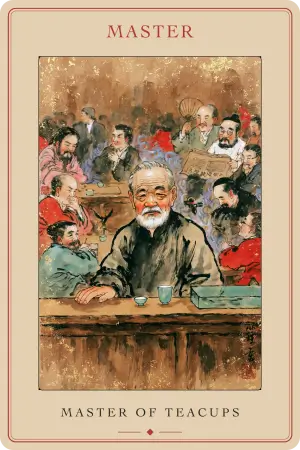
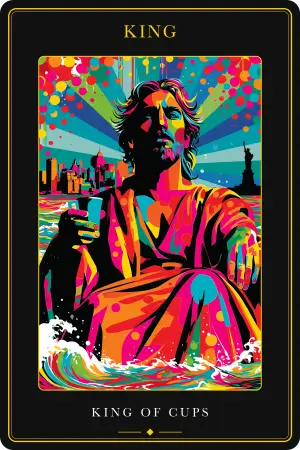
دستههای امروزی. آفرینندگان متأخر این نمادگرایی را به سمتهای خودشان میکشند. تاروت خورشید و ماه جام مقدس و دلفینی روشنبین به او میدهد، تاروت مار زرین ماری طلایی را دور جامش میپیچد و طوماری به دستش میدهد که آبهایش را شفابخش و در عین حال سمی مینامد، و تاروت رؤیاهای بیکران او را در سبز دریایی میپوشاند، پیش اقیانوسی کوبنده و با سازی آمادهٔ نواختن، موسیقیای که در جانش است.
در ترکیب و زمینه
پادشاه را بهتر است در برابر ملکه جام خواند. هر دو همان ژرفای عاطفی را دارند اما در دو جهت مخالف حرکت میکنند. ملکه درونی میکند، وزن روانی آدمهای دور و برش را در خود میگیرد و مشورتی صمیمی پیشکش میکند؛ پادشاه بیرونی میکند و بر احساس کنش اجرایی انجام میدهد تا ساختار و مرز بسازد. در بحران، ملکه کسی است که ضربهٔ عاطفی را میگیرد و فضا نگه میدارد، و پادشاه کسی است که چشمانداز بلندمدت را میچیند و محیط را امن نگه میدارد. ملکهها انرژی را هدایت میکنند و پادشاهان مدیریتش میکنند.
در برابر دو جام، تفاوت در پختگی است. دو جام جرقهای جوان و دوسویه از پیوندی تازه است، و پادشاه با قطعیتی جاافتاده و شناخت از خود عشق میورزد. به عنوان تکامل چهار جام، او همان نقطهٔ پایان مطلوب است، احساسی که بالاخره شاهدش بودهاند و درونش کردهاند به جای اینکه نادیدهاش بگیرند.
در حالت معکوس، همنشینیاش بیشترین اهمیت را دارد. کنار هفت شمشیر، سه شمشیر، ماه یا شیطان، پادشاه سایه به معنای فریب پیچیده، بیوفایی یا بندگی سمی خوانده میشود. همان جذابیتِ به سلاح بدلشده در خوانشهای سیاسی هم بزرگ میشود، جایی که او رهبر بیثباتی است که کلمات آرامبخش عمومیاش آرام میکند در حالی که تصمیمهای ویرانگر دور از چشم گرفته میشوند.
پرسشهایی برای تأمل
- وقتی دریای عاطفی دور و برتان خشن میشود، چه چیزی تخت شما را استوار نگه میدارد؟
- از توانتان در خواندن احساس دیگران برای پشتیبانی از آنها استفاده میکنید، یا برای هدایت کردنشان؟
- به کدام احساس پردازشنشده هنوز واکنش نشان میدهید، به جای اینکه کنارش بنشینید و بفهمیدش؟
تفسیر عام کارتها بر اساس دسته رایدر–ویت–اسمیت آماده شده که مرجع اصلی آکادمی تاروت است. برای دیدن نگاه ویژه هر دسته، میتوانید آن را جداگانه باز کنید.
پرسشهای متداول
کاوش در تاروت
آخرین نوشتهها
حکمت باستانی کارتهای تاروت را کشف کنید و اسرار سفر معنوی خود را باز کنید. وبلاگ ما دروازه شما به درک نمادگرایی غنی، معانی و کاربردهای عملی خواندن تاروت است.




















































