
 FA (فارسی)



آرکانای کوچک · سکهها (خاک)
چهار سکه
چنگ زدن و نگه داشتن: امنیت، کنترل و مرزهایی که هم میتوانند پناه بدهند و هم زندان شوند.
راهنمای کامل را بخوانید: کارت چهار سکه تاروت: راهنمای کامل سمبلها و معناها
کارت در یک نگاه
- عددشناسی
- چهار
- عنصر
- زمین
- طالعبینی
- خورشید در جدی (۲۰ تا ۲۹ درجه)
- مسیر کابالایی
- حسد (رحمت)
- زمانبندی
- اواسط ژانویه، یا دورهای از نگه داشتن و تحکیم
- بله / خیر
- مستقیم بلهٔ مشروط، معکوس خیر
مستقیم
امنیت
ثبات
پسانداز
کنترل
مرزها
حفظ کردن
صرفهجویی
چنگ زدن
معکوس
رها شدن
دست کشیدن
بخشندگی
زیان مالی
آز
ولخرجی
تملکطلبی
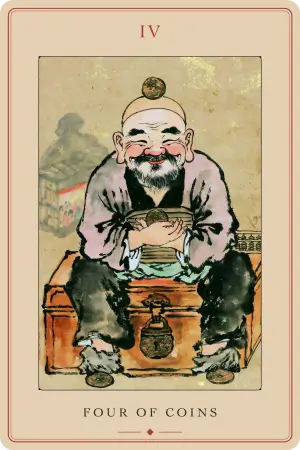
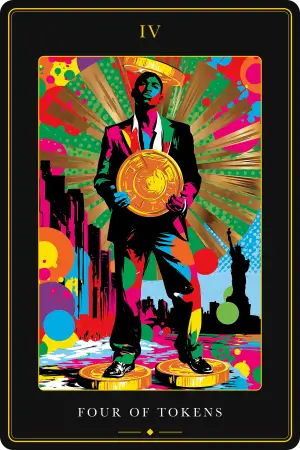
چهار سکه در هر دسته
دستههای مختلف، همان کهنالگوها را بازتفسیر میکنند. تصویرگریها را مقایسه کنید و برای خواندن تفسیر کامل، دسته مورد نظر را باز کنید.
تصویرسازی و نمادگرایی
در تصویر رایدر-ویت-اسمیت، پیکرهای تاج بر سر، که اغلب پادشاهی کوچک خوانده میشود، بر تخت سنگی ساده و جعبهمانندی به رنگ خاکستری نشسته است. هیچ گیاهی در کار نیست، فقط محیطی عقیم و ساختهشده که در آن ثروت از چرخههای طبیعی رشد بریده شده. پشت سرش شهری پرجنبوجوش بالا آمده و او پشتش را به آن کرده است. مستقیم به بیننده نگاه میکند، ویژگیای نادر در آرکانای صغیر، که انرژی کارت را در رضایتی لجوجانه از وضع موجود میخکوب میکند.
حالت بدن تمام پیام است. پیکره چهار سکه را روی مراکز انرژیاش نگه داشته. یک سکه بر تاجش تعادل یافته، ذهنی که یکسره زیر فرمان دغدغهٔ مادی است و از آگاهی بالاتر بریده. یکی را با هر دو بازو به سینه و گلو فشرده، سپر قلب و خاموشکنندهٔ احساس صادقانه، انگار عاطفه چیزی محدود باشد که باید نگهبانی شود. دو تای دیگر زیر کف پاهایش خوابیدهاند و او را در ثروت زمینگیر میکنند، اما هر گامی رو به جلو را ناممکن میسازند. چون اینقدر محکم میفشارد، از حرکت افتاده است. لباس تیره از احتیاط و ترس خبر میدهد، و طلای سکهها بر زمینهٔ خاکستری چشم را همزمان به ثروت و به تهی بودن پیرامونش میکشاند.
معنی اصلی
چهار سکه لنگر خال مادی است، همان نقطهای که توان انتزاعی به واقعیتی عینی سفت میشود. عدد چهار ساختار و مرز میآورد: پس از بذر آس، تعادل دو و همکاری سه، اینجا میوهٔ آن کار یکجا جمع و نگه داشته میشود. ثباتی است که جسم پیدا کرده.
نیروی کارت در یک نقطهٔ چرخش نهفته است. همان چنگی که آدم را در امان نگه میدارد، میتواند به دامی بدل شود که گرفتارش میکند. اگر خوب به کار رود، این معمار امنیت است، همان صرفهجویی و مرزگذاری که به کسی اجازه میدهد بگوید «به قدر کافی دارم، در امانم». اگر بیش از حد سفت گرفته شود، سفت و متحجر میشود و به قلعهای بدل میگردد که گور است، جایی که ترس از دست دادن زندگی درونی را گرسنه میگذارد و ثروت دیگر ابزار زیستن نیست. کارت میپرسد چنگ شما در خدمت رشدتان است یا فقط ترستان را مدیریت میکند.
معنی مستقیم
چهار سکه در حالت مستقیم از تمرکزی قوی بر انباشت مادی و نگه داشتن سرسختانهٔ وضع موجود خبر میدهد. عادتهای صرفهجویانه، هوش مالی و محافظت موفق از آنچه دارید را نشان میدهد. هشدارش این است که همان غریزه میتواند به رکود و ریسکگریزی منجمد شود، چنگ زدن به آشنا، مدتها پس از آنکه دیگر به کارتان نمیآید.
در عشق. اینجا بهندرت کارت آسانی است. به در دسترس نبودن عاطفی و قلبی سپرگرفته اشاره دارد، به احساسی که مثل کالایی محدود انبار میشود. در بدترین حالت شریکی کنترلگر یا تملکطلب را نشان میدهد که میخواهد طرف مقابل وابسته و زمینگیر بماند تا منابعی برای رفتن نداشته باشد.
در شغل. موقعیتی امن و تثبیتشده که نیازهای مادی را مرتب برآورده میکند. احتیاطش جدی است: ماندن در شغلی بیرمق فقط از سر ترس یعنی معاوضهٔ رشد واقعی با میانمایگی تضمینشده.
در امور مالی. بانکداری که نگهبان ثروت انباشته است. پسانداز، کنترل مالی و لذت بردن از ثبات مادی را نشان میدهد، و میتواند تحکیمی محتاطانه در مسیر هدفی مشخص باشد نه صرفاً خست.
در سلامت. هشداری دربارهٔ چنگ زدن به الگوهای کهنه یا زخمهای کودکی که حالا روی تن و ذهن سنگینی میکنند. دعوتی است به رها کردن تنش جسمی، باز کردن مشت، و کمک گرفتن به جای زرهپوشتر شدن.
معنی معکوس
در حالت معکوس آن چنگ ریشهدوانده باز میشود و رهایی به دو راه میرود. بسته به شرایط پرسشگر، میتواند گشایشی واقعی باشد یا از دست رفتن کنترل.
در عشق. در بهترین حالت دیوارها فرو میریزند: قلب باز میشود، آمادگی برای آسیبپذیر بودن پیدا میشود، و وقت و محبت سخاوتمندانه خرج میشود. در بدترین حالت تملکطلبی سرریز میکند و کنترل به جای شل شدن سفتتر میشود و پیوند را خفه میکند.
در شغل. خوانش مثبت این است که دست از دویدن دنبال جایگاه برمیدارید تا ارزش واقعی خودتان را بسازید. خوانش سایه فرسودگی است، خرج کردن بیش از حد انرژی برای نقشی پرتوقع تا جایی که آن ساختار دقیق نگهداشتهشده رخنه بردارد و خستگی از راه برسد.
در امور مالی. گشایش یعنی شل کردن چنگِ برخاسته از ذهنیت کمبود و اجازه دادن به منابع که دوباره جاری شوند. فروپاشی نقطهٔ مقابل تحکیم است: ولخرجی تکانشی، سرمایهگذاری بد، حتی ورشکستگی، ثروتی که بیمهار بیرون میریزد.
در سلامت. رها کردن تنش ریشهدار و کنار گذاشتن اجتناب میتواند تسکینی واقعی بیاورد. اما زیادهروی در خرج کردن منابع ناملموس، ریختن انرژی در کارهایی که دوام نمیآورند، به خستگی عاطفی و جسمی میانجامد.
نکات تاریخی
در بخش بزرگی از سدهٔ نوزدهم چهار سکه تا حد کارت «خسیس» تخت شد، تمثیلی ساده دربارهٔ آز. در تاروت مارسی چهار سکه انتزاعی است، چهار سکه در چیدمانی هندسی و متوازن بیهیچ پیکرهٔ انسانی، نشانی از تحکیم مادی و نه یک صحنه.
دستهٔ رایدر-ویت-اسمیت در ۱۹۰۹ آن احتکارگر تاج بر سر را به کارت داد. ویت و پاملا کولمن اسمیت آگاهانه «پادشاهی کوچک» را به خال زمین افزودند و مراکز انرژیاش را با سکهها بستند، و کارت را از راه عدد به امپراتور (چهار) گره زدند و، چون ۱۳ به ۴ کاهش مییابد، به مرگ، هشداری آرام که منبعی که از جریان میافتد در خطر نکروز است. کرولی در دستهٔ توث نام کارت را «قدرت» گذاشت، خداوندگار قدرت زمینی، و آن را قلعهٔ قانون مستقر خواند، آسایشی که با تلاش به دست آمده و به محض چیره شدن دلبستگی به ترس از دست دادن ترش میشود. دستههای مستقل امروزی روانشناسی کارت را جلوتر میبرند: وایلد آنکنون چهار سکه را به الماسی نفوذناپذیر میبندد، و دویانت مون بر وحشت بدوی از دست دادن داشتهها درنگ میکند.
تناظرها
عدد. چهار: ثبات، تحکیم و مرز، عدد چهار فصل و چهار جهت و چهار عنصر. پس از آس و دو و سه، نقطهٔ قطعیای است که انرژی مادی در آن به ساختار چگال میشود.
نجوم. کارت بر دههٔ سوم جدی فرمان میراند، از ۲۰ تا ۲۹ درجه، زیر حکم خورشید. جدی نشان زمینی و کاردینال جاهطلبی و سلسلهمراتب است و زحل بر آن فرمان میراند، و خورشید اینجا هم رانهٔ قدرت زمینی را روشن میکند و هم وحشت زحلی از دست دادن آن را.
عنصر. زمین، عنصر بدن و پول و جهان مادی.
کابالا. به عنوان یک چهار به حسد تعلق دارد، رحمت، سپهر چگالش و ساختار تثبیتکننده. در خال زمین این یعنی حسد در عسیا، شکوهی که به انضباط سختگیرانه سفت شده و در بدترین حالت به تملکطلبی.
کرامت عنصری. زمینِ ثابت و سنگینش در برابر سیالیت آب و جنبش هوا مقاومت میکند؛ ساکنترین بیان این خال است، قدرتی که به جای خرج شدن تدافعی در ذخیره نگه داشته میشود.
دیدگاه روانشناختی
پژوهش امروزی تاروت مدتهاست از خوانش «خسیس» گذشته است. ریچل پولاک چهار سکه را ذهنی میخواند که ساختار لازم را بر آشوب تحمیل میکند، و میگوید پس از آسیب روانی، دورهای از محافظت مادی و روانی از خود خودخواهی نیست بلکه برای بقا لازم است، همان سدی که نمیگذارد خودِ شکننده فرو بریزد. خوانش درمانی، که با نام لیندزی مک شناخته میشود، کارت را «دایرهٔ نمک سفید» میبیند که آدم دور وقت و سلامت و انرژیاش میکشد، تأییدی بر حق انسان به حفظ منابع و پاسداری از مرزها در فرهنگی که در دسترس بودن دائمی میطلبد.
در هر روایتی، دشواری کار خودآگاهی است نسبت به لحظهای که پناهگاه به زندان بدل میشود. مفسران دیگر کارت را اجتناب عاطفی میخوانند، چنگ زدن به دارایی یا دستاورد برای بالشتک کردن دردی حلنشده، پروراندن قدرت بیرونی دقیقاً به این دلیل که آدم درون خود را ناتوان حس میکند. کار واقعی این است که مرزی التیامبخش را از دیواری برخاسته از ترس تشخیص دهید.
چهار سکه در دستههای مختلف
دستههای بنیادین چهار زمین را از انتزاع تا روانشناسی میخوانند. در تاروت مارسی چهار سکه است، چهار قرص در چیدمانی هندسی و متوازن، تصویری از تحکیم مادی بیهیچ پیکرهٔ انسانی. در دستهٔ رایدر-ویت-اسمیت پیکرهٔ تاج بر سری است که چهار سکه را به تن فشرده و پشتش به شهر است، همان روایتی که این صفحه دنبال میکند و همان که معنای کارت را در امنیتی نگهبانیشده و منجمد تثبیت کرد.
در دستهٔ توث کرولی به چهار قرص بدل میشود با عنوان «قدرت»، قلعهای که با هندسهٔ ترسیمی کشیده شده، دژی از قانون مستقر که در ذخیره نگه داشته میشود. دستههای مستقل امروزی انسان را برمیدارند تا خودِ آن حالت را جدا کنند: وایلد آنکنون از کیم کرانس چهار سکه را به الماسی سخت و نفوذناپذیر میبندد که خطوط پسزمینه از آن نمیگذرند، و دویانت مون از پاتریک والنزا به سنگینی سوررئال نگه داشتن تکیه میکند. در همهٔ آنها مضمون ثابت میماند: مرزی سنگین که برای امن کردن منابع ساخته شده و در نهایت سازندهاش را درون خود گرفتار میکند.
در ترکیب و زمینه
چهار سکه با همسایههایش جابهجا میشود. با چهار چوبدست کسی را نشان میدهد که به خاطرهای آرمانی از پیوندی گذشته چنگ زده در حالی که در واقعیت امروز گیر افتاده. با ده سکه از خست به پسانداز محتاطانه در مسیر آیندهای پایدار و پربار میچرخد. با آس جام هشدار میدهد، قلبی نگهبانیشده یا تملکطلبیای که سرریز عاطفی وعدهدادهٔ آس را خفه میکند. آموزندهترین همسایهاش همانی است که در خال پس از آن میآید: پنج سکه. تاروتخوانها گذر از چهار به پنج را علّی میبینند، چون هرچه چنگ سفتتر، شن بیشتری از لای انگشتها میریزد، و سر باز زدن از سازگاری همان زیانی را جلو میاندازد که چهار از آن میترسید.
جایگاه معنا را تیز میکند. در جایگاه توصیه میتواند یعنی مرزی محکم بگذارید و ذخیره کنید، یا برعکس یعنی چنگتان را شل کنید؛ کارتهای اطراف تعیین میکنند. در جایگاه مانع نام فلج برخاسته از ترس و ذهنیت کمبود است. در جایگاه پیامد ثبات را وعده میدهد، با این پرسش باز که آن ثبات پناهگاه است یا قفس.
پرسشهایی برای تأمل
- چه چیزی را چنان سفت نگه داشتهام که خودِ این چنگ زدن به جای محافظت به مسئله بدل شده؟
- مرزی که نگه میدارم دایرهٔ نمکِ التیام است، یا دیواری که از ترس از دست دادن ساخته شده؟
- اگر باور داشتم منابع دوباره به سمتم برمیگردند، امروز رها کردن چه چیزی برایم ممکن میشد؟
تفسیر عام کارتها بر اساس دسته رایدر–ویت–اسمیت آماده شده که مرجع اصلی آکادمی تاروت است. برای دیدن نگاه ویژه هر دسته، میتوانید آن را جداگانه باز کنید.
پرسشهای متداول
کاوش در تاروت
آخرین نوشتهها
حکمت باستانی کارتهای تاروت را کشف کنید و اسرار سفر معنوی خود را باز کنید. وبلاگ ما دروازه شما به درک نمادگرایی غنی، معانی و کاربردهای عملی خواندن تاروت است.




















































