
 TE (తెలుగు)



మేజర్ ఆర్కానా · XII
ది హ్యాంగ్డ్ మ్యాన్
స్మిత్ ఎంచుకున్న సస్పెన్షన్: మరింత నిజమైన, విలోమ వీక్షణ కోసం నిటారుగా ఉండే నియంత్రణను వదులుకునే ప్రశాంతమైన వేలాడదీత.
కార్డు ఒక చూపులో
- సంఖ్యాశాస్త్రం
- XII
- మూలకం
- నీరు
- జ్యోతిష్యం
- నెప్ట్యూన్ · మీనం
- కబాలిస్టిక్ మార్గం
- మెమ్ (గెవురాహ్ → హోద్)
- సమయం
- చలికాలం చివరలో · మీన రాశి కాలం
- అవును / కాదు
- ఇంకా కాదు · ఒక విరామం
నిలువు
చేతన త్యాగం
లొంగుబాటు
విలోమ దృక్పథం
సస్పెన్షన్
సహనం
పునః మూల్యాంకనం
ఆధ్యాత్మిక వృద్ధి
వదిలేయడం
తిరగబడిన
స్తబ్దత
మొండితనం
మార్పు భయం
వాయిదా వేయడం
బలిదానం
మారడానికి నిరాకరించడం
క్రియారాహిత్యం
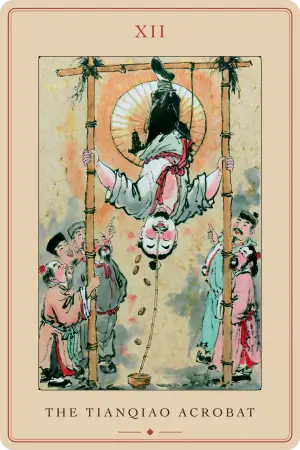
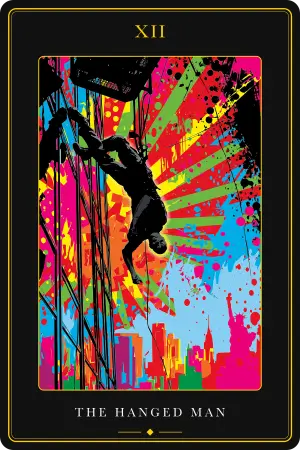
ప్రతి డెక్లో ది హ్యాంగ్డ్ మ్యాన్
ప్రతి డెక్ ఒకే మూలరూపాన్ని పునర్నిర్మిస్తుంది. కళను సరిపోల్చండి, ఆపై దాని పూర్తి వివరణను చదవడానికి డెక్ను తెరవండి.
చిత్రాలు మరియు ప్రతీకవాదం
ఎ. ఇ. వైట్ దర్శకత్వంలో 1909 నాటి రైడర్-వైట్ డెక్ కోసం పమేలా కోల్మన్ స్మిత్ గీసిన ఈ కార్డ్, చెక్క పుంజం నుండి ఒక చీలమండతో వేలాడదీయబడిన యువకుడిని చూపుతుంది. అతని స్వేచ్ఛా కాలు మరొక కాలు వెనుక నాలుగు సంఖ్య ఆకారాన్ని తయారు చేయడానికి క్రాస్ అవుతుంది, అతని చేతులు వెనుక భాగంలో దాచబడ్డాయి, మరియు ప్రకాశవంతమైన పసుపు కాంతి కిరణాలు అతని తల చుట్టూ ఉన్నాయి. ఈ భంగిమ హింసగా కనిపిస్తుంది, అయినప్పటికీ అతని కళ్ళు తెరిచి ఉన్నాయి మరియు ముఖం ప్రశాంతంగా ఉంటుంది. ఆ వైరుధ్యమే ఈ కార్డ్: ఇది అతను ఎంచుకున్న సస్పెన్షన్, అతనిపై బలవంతంగా రుద్దబడిన శిక్ష కాదు.
ది పిక్టోరియల్ కీ టు ది టారోలో, స్మిత్ గీసిన జ్యామితిని వైట్ నిర్దేశించాడు. ఉరికొయ్య ఒక టౌ క్రాస్, ఇది సెయింట్ ఆంటోనీ ది గ్రేట్ మరియు సన్యాసుల వైరాగ్యం యొక్క T- ఆకారపు క్రాస్, మరియు ఇది ఇప్పటికీ ఆకులు పెరుగుతున్న సజీవమైన చెక్కతో తయారు చేయబడింది, ఇది మరణ సాధనాన్ని భూమిని మరియు స్వర్గాన్ని అనుసంధానించే ట్రీ ఆఫ్ లైఫ్ గా మారుస్తుంది. ఈ కష్టమైన సస్పెన్షన్ కూడా వృద్ధిని తెస్తుందని చెప్పడానికి పుంజం నుండి ఆకుపచ్చ మొలకలు విచ్ఛిన్నమవుతాయి.
స్మిత్ మిగిలిన వాటిని రసవాదంగా ఎన్కోడ్ చేసింది. మనిషి తన సొంత తలక్రిందుల ధోరణి నుండి చూసినప్పుడు, అతని క్రాస్ చేయబడిన కాళ్ళు అగ్ని త్రిభుజంగా పైకి చూపుతాయి, అయితే అతని చేతులు మరియు తల నీటి త్రిభుజంగా క్రిందికి వస్తాయి, మరియు ఈ రెండూ కలిసి మధ్య-పరివర్తన యొక్క క్రియాశీల సూత్రం అయిన సల్ఫర్ కోసం రసవాద చిహ్నాన్ని గీస్తాయి. అతని కాళ్ళు ఫైల్ఫోట్ క్రాస్ను కూడా ఏర్పరుస్తాయి, ఇది ఆదిమ విశ్వ శక్తి అయిన శక్తికి సంబంధించిన పురాతన హిందూ చిహ్నం. రంగుల ప్యాలెట్ అదే సమతుల్యతను కలిగి ఉంటుంది: నీరు, నిష్క్రియాత్మకత మరియు లోతైన ఉపచేతన కోసం నీలిరంగు ట్యూనిక్, అగ్ని మరియు ధైర్యం కోసం ఎరుపు రంగు లెగ్గింగ్స్. ఒక రిబ్బన్ అతని కుడి కాలును చెట్టుకు బంధిస్తుంది, ఎడమ కాలు స్వేచ్ఛగా వేలాడుతుంది, మరియు మెరుస్తున్న హాలో అనేది భంగిమ చివరకు ఉత్పత్తి చేసే జ్ఞానోదయం.
ముఖ్యమైన అర్థం
ఈ డెక్లో హ్యాంగ్డ్ మ్యాన్ అనేది చేతన స్వీయ-త్యాగం మరియు వాస్తవికత యొక్క విలోమ వీక్షణ, అంతర్దృష్టి కోసం ఒక క్రూసిబుల్గా పనిచేసే పరివర్తన విరామం. దీని తర్కం మార్పిడి: శాశ్వతమైన విలువ తక్షణ సౌకర్యం యొక్క లొంగుబాటును కోరుతుంది. ఇష్టపూర్వకంగా వేలాడదీయడం అంటే తాడు ఒక ఉచ్చు కాకుండా కట్టి ఉంచే బంధం అని నమ్మడం, నిటారుగా ఉండటానికి కష్టపడటం మానేసి, ప్రపంచాన్ని తలక్రిందులు చేయనివ్వడం ద్వారా మీరు దానిని అవతలి వైపు నుండి చూడవచ్చు.
అతను మేజర్ ఆర్కానాలో, స్ట్రెంగ్త్ తర్వాత మరియు డెత్ ముందు, అహం పూర్తిగా క్లియర్ కావడానికి ముందే దాని లొంగుబాటులో ఒక పివోట్ వద్ద కూర్చుంటాడు. అతని సంఖ్య, పన్నెండు, మూడింటికి తగ్గుతుంది మరియు అతన్ని ది ఎంప్రెస్తో ముడిపెడుతుంది: ఆమె సృష్టి పాత్ర అయితే, అతను దాని లోపల ఉన్న పదార్థం, అది పునర్జన్మ పొందే ముందు కరిగిపోయి మరియు పునర్వ్యవస్థీకరించబడుతుంది. ఆధునిక జీవితం చాలా ప్రతిఘటించే ఒక విషయం, ఒక ఉద్దేశపూర్వక విరామం కోసం కార్డ్ అడుగుతుంది మరియు ఆ నిలుపుదలను తప్పించుకోవాల్సిన సమస్యగా కాకుండా అంతర్గత మార్పు కోసం ఒక అవకాశంగా పరిగణిస్తుంది.
నిటారుగా ఉన్న అర్థం
నిటారుగా ఉన్నప్పుడు, ది హ్యాంగ్డ్ మ్యాన్ మీపై బలవంతం చేయబడిన లేదా నిజంగా అవసరమైన ఆలస్యాన్ని సూచిస్తాడు, మీ విలువలను పునఃపరిశీలించడానికి మరియు పరిస్థితి పక్వానికి రావడానికి ఒక విరామం. ఇది రాడికల్ అంగీకారాన్ని అడుగుతుంది మరియు సమయాన్ని బలవంతం చేసే అహంకారానికి వ్యతిరేకంగా హెచ్చరిస్తుంది. పోరాటానికి లొంగిపోవడం వల్ల కలిగే ప్రతిఫలం కొత్త దృక్పథం, మిమ్మల్ని మీరు కొంతకాలం తలక్రిందులుగా వేలాడదీయడం ద్వారా మాత్రమే వచ్చే మార్పు.
ప్రేమలో. నిరీక్షణ మరియు భావోద్వేగ సస్పెన్షన్. మీరు మీ భావాలను పునఃపరిశీలించేటప్పుడు సంబంధం నిలిపివేయబడుతుంది, మరియు ఈ దశ తరచుగా భాగస్వామి కోసం నిజమైన స్వీయ-త్యాగాన్ని అడుగుతుంది. ఒకరి భావాల కోసం చదివినప్పుడు, అది లోతైన చింతనను చూపుతుంది, వెనక్కి తీసుకున్నది మరియు చర్య తీసుకోవడానికి ఇంకా సిద్ధంగా లేదు, అయితే ఉదాసీనత కాదు.
కెరీర్లో. మీ పథాన్ని పునఃపరిశీలించుకోవడానికి సమయంగా అంగీకరించాల్సిన బలవంతపు స్తబ్దత కాలం. దీర్ఘకాలంగా ఎదురుచూస్తున్న మార్పులు రావడానికి ఇంకా ఎక్కువ సమయం పడుతుంది. మీరు మరింత ఆశాజనకమైన దీర్ఘకాలిక మార్గంపై దృష్టి పెట్టడానికి ప్రస్తుత ప్రాజెక్ట్లను వదులుకోవచ్చు లేదా తక్షణ సౌకర్యాన్ని త్యాగం చేయవచ్చు.
ఆర్థిక విషయాలలో. మీ వ్యవహారాలలో సస్పెన్షన్ మరియు తక్షణ స్థిరత్వం కోల్పోవడం. కొత్త పెట్టుబడులు లేదా పెద్ద ఒప్పందాలను నిలిపివేయండి మరియు చాలా పెద్ద దీర్ఘకాలిక లక్ష్యం కోసం స్వల్పకాలిక నగదును వర్తకం చేయాలని ఆశించండి.
ఆరోగ్యంలో. మీ అలవాట్లను తిరిగి పరీక్షించుకోవడానికి పూర్తి విరామం. తీవ్రమైన మార్పులను ఆలస్యం చేయండి, ఆహారం మరియు వ్యాయామం పట్ల మీ ప్రామాణిక విధానాన్ని విలోమం చేయండి మరియు బలవంతపు చర్య చేయలేని పనిని ఉద్దేశపూర్వక విశ్రాంతి చేయడానికి అనుమతించండి.
తలక్రిందులుగా ఉన్న అర్థం
తలక్రిందులుగా ఉన్నప్పుడు, లొంగుబాటు మొండి స్తబ్దతగా మరియు దృక్పథాన్ని మార్చడానికి క్రియాశీల తిరస్కరణగా మారుతుంది. క్వెరెంట్ గతంలో చిక్కుకుపోయాడు, కీలకమైన నిర్ణయాన్ని నివారిస్తాడు, వాడుకలో లేని భయాలు వారిని స్థానంలో లంగరు వేయడం వల్ల నిస్సహాయతతో పక్షవాతానికి గురవుతాడు. తరచుగా విరామం కేవలం వాయిదా వేయడం లేదా కింద ఉన్న అసలు సమస్యను నివారించడానికి పురోగతిగా వేషం వేసుకున్న బిజీగా మారుతుంది.
ప్రేమలో. విషపూరితమైన స్తబ్దత మరియు రాజీపడటానికి నిరాకరించడం. ఒక భాగస్వామి ప్రతిదీ త్యాగం చేస్తాడు, మరొకరు ఏమీ ఇవ్వరు, ఆగ్రహాన్ని పెంచుతారు, మరియు నిరీక్షణ ఉదాసీనతగా క్షీణించింది. బలిదాన పాత్రను విడిచిపెట్టాలి.
కెరీర్లో. మొండితనం మరియు అనుసరించడానికి నిరాకరించడం, ఫలించని నిరీక్షణలో వృధా అయిన సమయం. వ్యూహాలను మార్చాలనే సంకల్పం లేనందున ప్రక్రియలు ఆగిపోతాయి మరియు మార్పు భయంతో అవకాశాలు దాటిపోతాయి.
ఆర్థిక విషయాలలో. ఆర్థిక వాస్తవికతను ఎదుర్కోవటానికి నిరాకరించడం మరియు నిజమైన అవసరాలు మరియు కోరికల మధ్య రేఖ లేకపోవడం, ప్రణాళిక లేకుండా అప్పుల కుప్ప ద్వారా రేపటి ఖర్చుతో జీవించడం.
ఆరోగ్యంలో. శరీర హెచ్చరిక సంకేతాలను నిర్లక్ష్యం చేయడం, విస్మరించబడిన నిద్ర మరియు ఆహారం మరియు స్పష్టంగా జరగాల్సిన పరివర్తనకు అహంకార ప్రతిఘటన.
చారిత్రక గమనికలు
ఈ కార్డ్ శిక్షగా ప్రారంభమైంది. దీని చిత్రాలు ఇటాలియన్ పిట్టురా ఇన్ఫామంటే నుండి వచ్చాయి, ఫ్లోరెన్స్, బోలోగ్నా మరియు మిలన్లోని మునిసిపల్ ప్రభుత్వాలు పద్నాలుగో శతాబ్దం నుండి పదహారవ శతాబ్దం వరకు న్యాయం నుండి పారిపోయిన దేశద్రోహులు, రుణగ్రస్తులు మరియు మోసగాళ్లను అవమానించడానికి నియమించిన 'పరువు తీసే చిత్రం'. ఒక కాలుతో ఒక వ్యక్తిని తలక్రిందులుగా వేలాడదీయడం తన యజమానికి ద్రోహం చేసిన కొండోటియెర్కు ప్రామాణిక ఉద్దేశ్యం, మరియు ఈ రకమైన బహిరంగ అవమానం మరణం కంటే ఘోరమైనదిగా పరిగణించబడుతుంది. బొటిసెల్లి 1478లో బార్గెల్లో గోడలపై పాజ్జీ కుట్రదారులను ఈ విధంగా చిత్రించాడు.
ప్రారంభ కార్డులు ఆ వ్యక్తిని నేరుగా ఇల్ ట్రాడిటోర్, 'ది ట్రైటర్' అని పేర్కొన్నాయి. పదిహేనవ శతాబ్దపు చార్లెస్ VI డెక్లో అతను రెండు భారీ మనీ బ్యాగులను పట్టుకున్నాడు, ఈ చిత్రాన్ని ఏ భక్తుడైన ఇటాలియన్ అయినా జుడాస్ ఇస్కారియోట్ మరియు అతని ముప్పై వెండి నాణేలుగా చదువుతాడు. నేరపూరితం కాలక్రమేణా మృదువుగా మారింది. విస్కోంటి-స్ఫోర్జా డెక్ అతన్ని బ్యాగ్లు లేని ప్రశాంతమైన, బంగారు జుట్టు గల వ్యక్తిగా, మించియాటే డెక్లు రెండు రౌండెల్స్ పట్టుకున్న అక్రోబాట్గా చేశాయి, మరియు టారో డి మార్సెయిల్స్ నాటికి అతని వ్యక్తీకరణ ప్రశాంతమైన ట్రాన్స్గా మారింది. స్మిత్ మరియు వైట్ ఈ డెక్ కోసం పరివర్తనను పూర్తి చేశారు, ఉరికొయ్యను సజీవ కలపతో చేసిన టౌ క్రాస్గా మరియు మొత్తం దృశ్యాన్ని మునిసిపల్ మరణానికి బదులుగా స్వచ్ఛంద ఆధ్యాత్మిక వైరాగ్యంగా చదివారు.
కరస్పాండెన్సులు
సంఖ్య. XII, పన్నెండు, ఇది మూడింటికి తగ్గుతుంది మరియు ది హ్యాంగ్డ్ మ్యాన్ను ది ఎంప్రెస్తో ముడిపెడుతుంది, ఆమె సృష్టి పాత్ర మరియు అతను దాని లోపల కరిగిపోయే విషయాలు.
జ్యోతిష్యం. నెప్ట్యూన్, కలలు, భ్రమ, మార్చబడిన స్థితులు మరియు ఆధ్యాత్మిక లొంగుబాటు యొక్క పాలకుడు, పన్నెండవ గుర్తు మరియు దాని ఉపచేతన, ఒంటరితనం మరియు స్వీయ-రద్దు ఇల్లు అయిన మీనం ద్వారా పనిచేస్తాడు. కొంతమంది ఆధునిక రీడర్లు సాధారణ సమాజం వెలుపల జీవించడానికి కార్డ్ సుముఖత కోసం సర్పెంట్-హ్యాండ్లర్ మరియు అవుట్సైడర్ 'పదమూడవ గుర్తు' అయిన ఒఫియుకస్ను జోడిస్తారు.
మూలకం. నీరు, ప్రతిబింబం, భావోద్వేగం మరియు ఉపచేతన యొక్క మాధ్యమం, కార్డ్ యొక్క హిబ్రూ అక్షరం ద్వారా ఇక్కడ స్థిరపరచబడింది.
కబాలాహ్. ఈ డెక్లోకి తీసుకువెళ్లబడిన గోల్డెన్ డాన్ వ్యవస్థలో, అక్షరం మెమ్, అంటే 'నీరు' అని అర్థం, మరియు దాని మార్గం గెవురాహ్ (తీవ్రత) ని హోద్ (వైభవం) తో కలుపుతుంది, పాత ఊహలు కరిగిపోవాల్సిన సృష్టి నీటిలో మునిగిపోతుంది. ఎలిఫాస్ లెవి యొక్క పాత ఫ్రెంచ్ పాఠశాల బదులుగా లామెడ్ అక్షరాన్ని కేటాయించింది, ఇది సంప్రదాయాల మధ్య చీలిక యొక్క సుదీర్ఘ బిందువు.
ఎలిమెంటల్ డిగ్నిటీ. అవును లేదా కాదు అనే ప్రశ్నలకు, కార్డ్ 'ఇంకా కాదు' అని సమాధానమిస్తుంది, ఇది తీర్పు కాకుండా విరామం. ఎయిట్ ఆఫ్ వాండ్స్ వంటి వేగవంతమైన కార్డ్ పక్కన ఇది ఆ కార్డ్ త్వరణానికి బ్రేక్గా చదువుతుంది.
మానసిక దృక్పథం
జంగ్ కోసం, ది హ్యాంగ్డ్ మ్యాన్ అనేది సిలువ వేయబడిన అహం మరియు ఉపచేతనలోకి దాని అవరోహణ. వాస్తవాలను మరియు విజయాలను పోగుచేసుకోవడం ద్వారా సంకలనం ద్వారా కాకుండా, తప్పుడు ఖచ్చితాలు మరియు రక్షణ ముసుగులు పడిపోవడానికి అనుమతించడం ద్వారా, వ్యవకలనం ద్వారా చేతన పరిపక్వం చెందుతుందని అతని అంతర్దృష్టి. అందుకే ఈ భంగిమ బాధిస్తుంది. ఆధునిక ప్రపంచం నిశ్చలతను బలహీనతగా పరిగణిస్తుంది మరియు స్థిరమైన కదలిక ద్వారా విలువను కొలుస్తుంది, కాబట్టి అహం ఏదైనా ఆలస్యంకి వ్యతిరేకంగా వక్రీకరిస్తుంది మరియు తక్షణ చర్యను డిమాండ్ చేయడం ద్వారా తన స్వంత ఉచ్చును బిగించుకుంటుంది.
కార్డ్ వివరించే స్థితి భరించలేని మధ్యస్థం, పాత నమూనా యొక్క మరణం మరియు తదుపరి పుట్టుక మధ్య ఉన్న లిమినల్ అంతరం. జంగ్ యొక్క యాక్టివ్ ఇమాజినేషన్ పద్ధతి ఉద్దేశపూర్వకంగా ఈ భూభాగంలో పనిచేసింది, అహం నిర్దేశించకుండా అణచివేయబడిన పదార్థాన్ని పైకి రానిచ్చింది. ఉపచేతన దానంతటదే అదే చేస్తుంది: మేల్కొనే జీవితంలో సమస్యను చాలా కష్టంగా బలవంతం చేయండి మరియు అది చిక్కుకుపోయినట్లు, విలోమమైనట్లు లేదా మునిగిపోతున్నట్లు కలలతో ప్రతిస్పందిస్తుంది, మిమ్మల్ని మరో వైపు నుండి చూసేలా చేయడానికి ది హ్యాంగ్డ్ మ్యాన్ను ప్రదర్శిస్తుంది. దారి టావో యొక్క అప్రయత్నమైన నాన్-యాక్షన్ అయిన వు వీ కి దగ్గరగా ఉంటుంది, మీరు తాడుతో పోరాడటం మానేసినప్పుడు అది పట్టుకుంటుందని నమ్మడం.
డెక్ల అంతటా ది హ్యాంగ్డ్ మ్యాన్
ఈ డెక్ యొక్క వెర్షన్ ఒక సుదీర్ఘ మృదువైన ముగింపు, కాబట్టి దీనికి ముందు మరియు తర్వాత వచ్చిన వాటికి వ్యతిరేకంగా ఇది బాగా చదువుతుంది.
ప్రారంభ ఇటాలియన్ డెక్లు. విస్కోంటి-స్ఫోర్జా అతన్ని బ్యాగ్లు లేకుండా బంగారు-జుట్టు గల వ్యక్తిగా శాంతింపజేయడానికి ముందు, మరియు చిత్రం నుండి అవమానం పోవడానికి ముందు, పురాతన సంస్కరణలు ఇల్ ట్రాడిటోర్ యొక్క మనీ బ్యాగ్లను చూపుతాయి, ద్రోహి మరియు జుడాస్ కు స్టాండ్-ఇన్.
టారో డి మార్సెయిల్స్. సస్పెండింగ్ తాడు లేదా కత్తిరించిన శాఖ తరచుగా ఒక చిన్న చెంచా ఆకారంలో ఉంటుంది, ఇది రసవాద పరివర్తనకు ఆమోదం, మరియు ఉరికొయ్య ప్రతి వైపు ఆరు ఎరుపు రంగు శాఖల స్టంప్లను కలిగి ఉంటుంది, పన్నెండు రక్తపాత కోతలు తాంత్రికవాదులు రాశిచక్రం యొక్క పన్నెండు సంకేతాలతో కట్టివేస్తారు. జాక్వెస్ వియెవిల్లే వెర్షన్లో కార్డ్ను చదవడానికి నిటారుగా తిప్పాలి, ఇది సౌర మరియు చంద్ర మట్టిదిబ్బలను ఫిగర్ తల పక్కన వీక్షణకు తెస్తుంది.
స్మిత్ కార్డ్ ఎక్కడ భిన్నంగా ఉంటుంది. స్టంప్స్ లేదా మనీ బ్యాగ్లకు బదులుగా, స్మిత్ పుంజంకు సజీవ ఆకులను మరియు ఫిగర్కు హాలో ఇస్తుంది మరియు ది పిక్టోరియల్ కీలో వైట్ స్పెల్ అవుట్ చేసిన ఫైల్ఫోట్ క్రాస్, ఎలిమెంటల్ త్రిభుజాలు మరియు సల్ఫర్ గుర్తును ఎన్కోడ్ చేస్తుంది. తరువాత కలుపుకొని పోయే డెక్లు దానిని మళ్లీ నెట్టివేస్తాయి: నెక్స్ట్ వరల్డ్ టారో మరియు స్టార్ స్పిన్నర్ టారో అతన్ని 'ది హ్యాంగ్డ్ వన్' అని పేరు మార్చాయి మరియు ఫిగర్ను పోల్ డాన్సర్గా పునర్విమర్శించాయి, స్వచ్ఛంద విలోమాన్ని శారీరక స్వయంప్రతిపత్తికి చిహ్నంగా మార్చాయి.
కలయిక మరియు సందర్భంలో
ది హ్యాంగ్డ్ మ్యాన్ టైమింగ్ యొక్క కార్డ్, మరియు ఇది పొరుగువారిని నెమ్మదింపజేయడం ద్వారా రంగులు వేస్తుంది. ఎయిట్ ఆఫ్ వాండ్స్ పక్కన ఉంచబడితే, వేగం మరియు వేగవంతమైన ప్రత్యుత్తరాలు అన్నీ వ్యతిరేకతను సూచిస్తాయి, ఇప్పుడే త్వరిత కదలిక తప్పు అని చెప్పే సస్పెన్షన్. డెత్తో ఉంచబడినప్పుడు, ఇది క్రమంలో దానిని నేరుగా అనుసరిస్తుంది, ఇది క్లియర్ కావడానికి ముందు లొంగిపోవడం, పాత రూపాన్ని కత్తిరించడానికి ముందే అహం దాని పట్టును సడలించడం. ఒక అబ్సెసివ్ అటాచ్మెంట్ చుట్టూ ది లవర్స్తో గీయబడితే, ఎవరినైనా గెలుచుకోవడానికి నిజమైన అవమానాన్ని సహించడానికి సిద్ధంగా ఉన్న వ్యక్తి గురించి హెచ్చరించగలదు, చాలా అసమతుల్యమైన బంధం.
స్ప్రెడ్ పొజిషన్ పఠనాన్ని పదును పెడుతుంది. ఒక ఫలితంలో ఇది తప్పనిసరి విరామాన్ని అంచనా వేస్తుంది, ఇప్పటికీ సంకేతాలు ఉన్న విషయం ఇప్పుడు పని చేయడం మాత్రమే చెడిపోతుంది. ఒక అడ్డంకిగా ఇది దృక్పథాన్ని మార్చడానికి అహం యొక్క తిరస్కరణకు పేరు పెట్టింది, ఆ చిక్కును విచ్ఛిన్నం చేయడానికి కార్డ్ ఉనికిలో ఉంది. ఇది ఎక్కడ చేరినప్పటికీ, సూచన వర్తిస్తుంది: బలవంతం చేయడం ఆపివేయండి, కాసేపు వేలాడదీయండి మరియు నిటారుగా ఉండే ప్రయత్నం చూపించలేని దాన్ని విలోమ వీక్షణ మీకు చూపించనివ్వండి.
ఆలోచన కోసం ప్రశ్నలు
- మీరు దానిని విభిన్నంగా చూడటానికి తగినంత కాలం పాటు సెట్ చేయగల నిటారుగా ఉండటానికి మీరు దేనిని పట్టుకుంటున్నారు?
- మీరు కోపగించుకుంటున్న విరామం అసలు డెడ్ ఎండ్, లేదా ఇంకా సిద్ధంగా లేని విషయం గురించి సంకేతం ఇస్తుందా?
- ఈ పరిస్థితి అడుగుతున్న నిశ్చలతను నివారించడానికి మీ బిజీ ఎక్కడ ఒక మార్గంగా మారింది?
సాధారణ అర్థం రైడర్-వైట్-స్మిత్ రీడింగ్ను అనుసరిస్తుంది; టారో అకాడమీ అంతటా ఉపయోగించే సూచన ఇదే. దాని స్వంత వివరణ కోసం పైన ఉన్న నిర్దిష్ట డెక్ను తెరవండి.
తరచుగా అడిగే ప్రశ్నలు
టారోను అన్వేషించండి
తాజా పోస్ట్లు
టారో కార్డుల ప్రాచీన జ్ఞానాన్ని కనుగొనండి, మీ ఆధ్యాత్మిక ప్రయాణంలోని రహస్యాలను ఆవిష్కరించండి. టారో రీడింగ్లోని గొప్ప ప్రతీకవాదం, అర్థాలు, ఆచరణాత్మక ఉపయోగాలను అర్థం చేసుకోవడానికి మా బ్లాగ్ మీ ప్రవేశద్వారం.




















































