
 RO (română)



Arcana Majoră · IX
Eremitul
Înțeleptul cu felinar din pachetul Rider-Waite, care își poartă propria lumină cu câte un pas atent pe rând.
Read the complete guide: Cardul de Tarot Pustnicul: Ghid complet pentru simbolism și semnificație
Cartea pe scurt
- Numerologie
- IX
- Element
- Pământ
- Astrologie
- Fecioară · guvernată de Mercur
- Calea cabalistică
- Yod (Chesed → Tiphereth)
- Timp
- Iarnă · Sezonul Fecioarei
- Da / Nu
- Poate · nu încă
Dreaptă
introspecție
singurătate
lumină interioară
înțelepciune
autoanaliză
răbdare
autodescoperire
discernământ
Inversată
izolare
însingurare
retragere
stagnare
evitare
încăpățânare
detașare
Eremitul în fiecare pachet
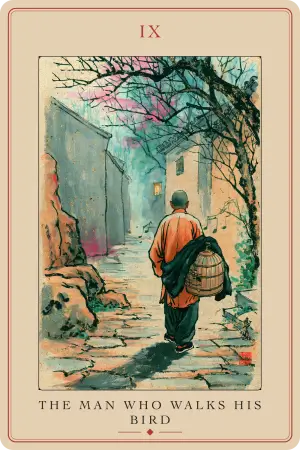
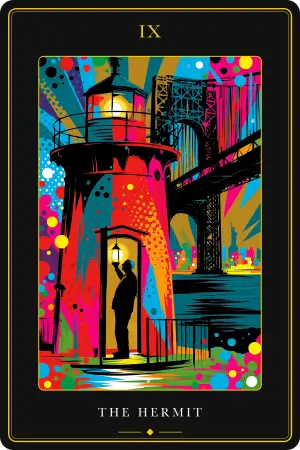
Fiecare pachet reinterpretează același arhetip. Compară ilustrațiile, apoi deschide un pachet pentru a citi interpretarea sa completă.
Imagine și simbolism
Pamela Colman Smith l-a desenat pe Eremitul din Rider-Waite ca pe un bătrân înalt, cu barbă, singur pe un vârf înzăpezit, înfășurat din cap până în picioare într-o mantie simplă, gri, cu glugă. El ridică un felinar în mâna dreaptă și se sprijină pe un toiag lung în mâna stângă, având întregul corp întors spre stânga privitorului, direcția trecutului și a lumii interioare. Este postura cuiva aflat la capătul unui urcuș lung, care se oprește pentru a privi în urmă și a aduna înțelesuri din drumul deja parcurs.
Felinarul reprezintă centrul imaginii. Acesta conține o stea cu șase colțuri, Pecetea lui Solomon, iar lumina sa luminează doar pasul următor, nu întreaga pantă. Revelația vine prin contemplare, iar calea este parcursă prin încredere. Toiagul din mâna stângă îi oferă stabilitate și echilibru, sprijinul pe care experiența dură îl oferă pe un teren accidentat. Culoarea sa galbenă este intenționată în acest pachet: galbenul semnifică înțelepciune, energie spirituală și intelect, astfel încât sprijinul pe care se bazează este propria sa înțelegere acumulată.
Mantia gri poartă o mare parte din semnificația cărții. Griul reprezintă neutralitatea, permițându-i Eremitului să se confunde cu ceața și să rămână detașat de tentațiile exterioare. Țesătura îi ascunde corpul în întregime, un semn al retragerii din lumea materială, fără a purta vreun însemn de rang sau statut, indicând discret că treburile lumești cântăresc mai puțin decât viața spiritului. Chiar și pliurile numeroase ale materialului au o semnificație aici, reprezentând numeroasele căi pe care le-a parcurs în drumul spre cunoașterea de sine. Barba sa lungă și albă este înțelepciunea adunată de-a lungul anilor. Troienele de zăpadă albă din jurul său reprezintă puritatea gândului și a acțiunii, iar vârful în sine este o înălțime spirituală atinsă doar după o urcare grea. El ține felinarul ridicat în loc să-l ascundă, deoarece lumina sa interioară este menită să-i ghideze și pe alții. În acest pachet, el este deopotrivă ghid și înțelept.
Semnificație fundamentală
Eremitul din Tarotul Rider-Waite este căutătorul adevărului care se retrage în singurătate pentru a-și găsi răspunsurile. Este nevoie de curaj pentru a privi în interior și a căuta adevărurile personale în ciuda obstacolelor, iar aceasta este tocmai căutarea pe care cartea o indică: întoarcerea spre sine și permiterea înțelegerii să apară prin răbdare și autoanaliză cinstită. El este în primul rând o figură a înțelepciunii și reflecției, amintind că unele revelații ies la suprafață doar după ce zgomotul lumii este oprit.
Numărul său, IX, este ultimul dintre cifrele unice, finalizarea unui ciclu chiar înainte de reluarea acestuia. El adună totul de la unu la opt și lasă experiența acumulată să rodească, motiv pentru care cartea este citită ca un prag: sfârșitul unei căi și începutul unei noi înțelegeri asupra vieții. Eremitul preferă drumul solitar spre adevăr în locul iluziilor opiniei de masă, insistând că ceea ce oamenii caută în lumea exterioară se află deja în interior.
Semnificație în poziție dreaptă
În poziție dreaptă, Eremitul îndeamnă la singurătate și concentrare interioară, o perioadă solemnă, dar pozitivă, de meditație și reflecție dedicată căutării adevărului. Răspunsurile dorite nu se află în mulțime sau în opiniile celorlalți; ele trebuie extrase din propriile profunzimi. Acesta este un moment pentru răbdare și discreție, pentru retragerea din agitația zilnică și evaluarea cinstită a propriei persoane și situații, nu pentru grabă sau acțiuni publice îndrăznețe.
În dragoste. O perioadă de reflecție interioară autentică, de stabilire a limitelor personale și de înțelegere a propriilor sentimente înainte de a merge mai departe. Cartea aduce înțelepciunea relațiilor trecute în alegerile prezente și cere spațiu pentru a respira, fie că este vorba despre singurătate între parteneri, fie despre spațiu respectat într-o relație existentă.
În carieră. Muncă profundă, concentrată și independentă, în locul rețelelor de contacte și al autopromovării. Cartea favorizează cercetarea, studiul, planificarea și perfecționarea treptată a meseriei, putând indica un expert sau un mentor care ajută la clarificarea părților mai dificile ale muncii.
În finanțe. O perioadă de gândire clară și planificare atentă. Respectați bugetul, analizați situația, cântăriți noile oportunități fără grabă și lăsați deciziile chibzuite să construiască economii reale și stabilitate viitoare.
În sănătate. Odihnă și muncă interioară, liniștea de care corpul și mintea au nevoie. Cartea susține meditația, yoga și alte practici lente și conștiente, precum și o ascultare mai atentă a nevoilor reale ale corpului.
Semnificație în poziție întoarsă
În poziție întoarsă, singurătatea Eremitului devine nocivă. Aceasta poate indica o introversie excesivă și teama de a fi neînțeles, o persoană care și-a pierdut calea sau a mers într-o direcție greșită și respinge acum ajutorul oferit de ceilalți. Se poate transforma în încăpățânare, în lipsa dorinței de a comunica sau de a vedea un alt punct de vedere. Cartea vorbește în continuare despre nevoia de autodescoperire, dar avertizează împotriva unei izolări atât de profunde încât singurătatea încetează să mai fie restauratoare și începe să blocheze.
În dragoste. Izolare care ridică ziduri între parteneri, o persoană simțindu-se respinsă sau ambii alunecând într-un sentiment general de înstrăinare și lipsă de dorință de a împărtăși emoții. Poate indica pe cineva prea preocupat de propriile temeri pentru a se deschide și avertizează împotriva retragerii în noțiuni idealizate despre dragoste care se încheie cu dezamăgiri.
În carieră. Retragere față de colegi, supraanaliză până la pierderea oportunităților sau o epuizare care cere de fapt odihnă. Poate arăta o ezitare în a se adapta și o teamă de necunoscut, lecția fiind menținerea deschiderii către idei noi în loc ca lipsa de flexibilitate să limiteze dezvoltarea.
În finanțe. Prudență excesivă, indecizie și stagnare, blocaj în temeri financiare și refuzul schimbărilor cu adevărat necesare. Cartea cere hotărâre și o cale de ieșire din impas.
În sănătate. Evitarea autocontrolului și o abordare superficială a obiceiurilor, sau opusul, fixarea asupra corpului în detrimentul tuturor celorlalte lucruri. În ambele cazuri, indică o deconectare de la corp și cere o reascultare a acestuia.
Note istorice
Waite și-a conceput Eremitul parțial contrazicându-i pe ocultiștii dinaintea sa. A respins interpretarea simplistă a lui Court de Gébelin, care vedea în carte doar un om înțelept în căutarea adevărului și dreptății, și a înlăturat versiunea lui Éliphas Lévi, în care Eremitul reprezenta izolarea ocultă și protejarea magnetismului personal față de cei neinițiați. Acea idee de a ascunde secrete trecuse în martinismul francez sub numele de "Filosofia Tăcută și Necunoscută", mantia unui filosof ascuns care păstrează misterele departe de cei din afară.
Waite a formulat o perspectivă diferită față de toate acestea. Pentru el, Misterele Divine se protejează singure, deoarece cei nepregătiți nu le pot înțelege chiar dacă le sunt arătate, astfel încât nu este nevoie de niciun paznic uman care să ascundă lumina. Eremitul său este o figură a realizării spirituale, care își ridică felinarul intenționat ca pe o stea călăuzitoare. Arhetipul nu își reține iluminarea; el declară că acolo unde stă Eremitul, orice căutător dornic poate ajunge. Desenul Pamelei Colman Smith codifică direct această interpretare, felinarul ridicat fiind oferit spre exterior, nu ascuns sub mantie.
Corespondențe
Număr. Este numărul IX, ultimul număr dintr-o singură cifră și finalizarea unui ciclu înainte de a reveni la zece. Nouă adună esența fiecărui număr dinaintea sa, astfel că această carte marchează momentul în care experiența acumulată aduce roade. De asemenea, poartă universalitate, generozitate și sacrificiu de sine, alături de dorința de a-i ajuta pe cei aflați în nevoie, împreună cu o înclinație spre solitudine care se îndepărtează de conștiința de masă către un adevăr interior.
Astrologie. Este guvernat de Fecioară, semnul de pământ analitic și orientat spre serviciu, care caută adevărul prin observație atentă și muncă constantă, temeinică. Fecioara urmărește ordinea și perfecționarea prin cunoaștere, ceea ce se potrivește unui Eremit care analizează fiecare pas al drumului său. Guvernatorul său, Mercur, apare aici într-o ipostază solitară și investigativă, mai degrabă decât una comunicativă.
Element. Pământ, terenul stabil și meodic în care munca lentă a Eremitului își prinde rădăcinile.
Cabala. Litera sa ebraică este Yod, mâna, mica sămânță din care cresc celelalte litere, și el străbate calea de la Chesed (Milă) la Tiphereth (Frumusețe). Pentru perioade de timp, scena sa înzăpezită indică iarna și sezonul Fecioarei, cerul său fără lună indică Luna Nouă, iar numărul său indică intervale de nouă zile, săptămâni sau luni.
Demnitate elementală. Ca răspuns afirmativ sau negativ, înclină spre "poate, nu încă", o pauză pentru mai multă reflecție înainte de a lua o decizie.
Perspectivă psihologică
Eremitul este arhetipul Bătrânului Înțelept. Eroul ajunge la maturitate, îndeplinește așteptările societății și apoi se întoarce să întrebe cine este cu adevărat și de ce a venit pe lume. Această întrebare se poate coace doar în tăcere, unde procesul de căutare contează mai mult decât orice premiu. Cartea îi cere eroului să se separe de lumea exterioară, să coboare în propriile profunzimi și să-l întâlnească pe înțeleptul interior care îi dezvăluie adevărul despre cine este.
Cineva care poartă această energie ascultă cu atenție o voce interioară și o urmează cu încredere, căutând înțelepciunea în loc de bogăție și rămânând calm în fața opiniei publice. Darurile sunt autoreflecția, o profunzime reală a vieții interioare și răbdarea care face o astfel de persoană să devină un sfătuitor de încredere. Umbra se află aproape. Dragostea de singurătate poate aluneca spre înstrăinare și izolare, autoanaliza spre frământări legate de acțiunile trecute până când generează vinovăție, iar gândirea profundă într-un obicei care omite treburile simple și practice ale vieții. Singurătatea aici este aleasă și disciplinată, dar menținută prea mult timp începe să erodeze chiar claritatea pe care trebuia să o restaureze, avertisment transmis clar de cartea în poziție întoarsă.
Eremitul în diferite pachete
Eremitul din Rider-Waite reprezintă un ghid treptat: un felinar care luminează doar pasul următor, un toiag pentru terenul dificil, o figură care își ridică lumina pentru alții. Plasarea lui alături de alte tradiții scoate în evidență alegerile Pamelei Colman Smith.
Tarot de Marseille. L'Ermite este un bătrân ridat, cu un toiag roșu și o flacără roșie în felinar. Acea pată de roșu, culoarea vitalității, arată că focul său interior arde puternic sub exteriorul retras, în timp ce versiunea Rider-Waite temperează aceeași idee în tonuri de gri, alb și un toiag galben al înțelepciunii.
Crowley-Thoth. Crowley abstractizează figura aproape dincolo de uman. Eremitul său poartă un felinar fațetat ce conține un mic soare, un ou orfic înfășurat cu un șarpe se odihnește în fața lui, iar Cerberus stă ghemuit la picioarele sale ca paznic al subconștientului. Un spermatozoid stilizat urcă pe piciorul său, sămânța brută a vieții, legându-l de litera Yod, mâna și sămânța tuturor literelor. Aici Eremitul este un magician al semințelor care știe că acestea trebuie plantate în întuneric pentru a crește.
Între tradiții. Indiferent cum este desenată figura, elementul constant este o singură lumină ridicată în întuneric și un călător solitar care are încredere în ea pentru a-i arăta drumul.
În combinații și context
Eremitul este cel mai adesea alăturat Marii Preotese, deoarece ambele sunt cărți ale tăcerii și cunoașterii ascunse, iar începătorii le confundă adesea. Metodele lor sunt opuse. Ea lucrează prin subconștient, Apă și Lună, și deține deja răspunsurile în interior, o cunoaștere pasivă ce întreabă de ce continui să cauți când știi deja. El lucrează prin mintea conștientă, Pământ și Mercur, și trebuie să caute adevărul în mod activ, parcurgând drumul pas cu pas și iluminându-l pe măsură ce înaintează.
Alături de Nebunul, alăturarea pare o contradicție și se rezolvă într-o sinteză. Nebunul este saltul orb al potențialului pur, Eremitul este studiul atent al fiecărui pas. Împreună, ei cer misticul metodic, cineva pregătit să deschidă drumuri noi purtând înțelepciune dobândită cu greu, sau în dragoste să facă un salt real doar după o vindecare solitară ce previne repetarea vechilor greșeli. Întoarse împreună, ele avertizează asupra capcanei: ascunderea în izolare pentru a evita un nou început sau aruncarea acelei înțelepciuni într-un impuls nechibzuit.
Acolo unde cărțile din jur înclină spre Spade, latura analitică a Eremitului se ascută spre studiu și gândire precisă. Acolo unde împing spre viteză și acțiune publică, postura sa orientată spre stânga, spre interior, este o amintire a cât de mult cere această carte să te îndepărtezi de zgomot înainte de a decide ceva.
Întrebări pentru reflecție
- Ce răspuns cauți la ceilalți pe care doar propria ta singurătate ți l-ar putea oferi?
- Este retragerea ta un refugiu ales care te restaurează sau o evitare mascată în înțelepciune?
- Care este singurul pas următor pe care felinarul ți-l arată chiar acum, înainte ca întregul drum să fie clar?
Semnificația generală urmează interpretarea Rider-Waite-Smith — referința folosită la Academia de Tarot. Deschide un pachet specific de mai sus pentru propria sa interpretare.
Întrebări frecvente
Explorează Tarotul
Ultimele Postări
Descoperă înțelepciunea antică a cărților de tarot și deblochează misterele călătoriei tale spirituale. Blogul nostru este poarta ta de acces pentru a înțelege simbolismul bogat, semnificațiile și aplicațiile practice ale citirii tarotului.




















































