
 IT (italiano)



Arcani Minori · Spade (Aria)
Cavaliere di Spade
L'intelletto alla carica: pura velocità mentale e convinzione feroce, il pensiero che collassa in un'azione immediata e inarrestabile.
Leggi la guida completa: La Carta del Cavaliere di Spade nei Tarocchi: Una Guida Completa al Suo Simbolismo e Significato
La carta a colpo d'occhio
- Numerologia
- Cavaliere
- Elemento
- Aria (Fuoco dell'Aria)
- Astrologia
- Dall'ultimo decano del Capricorno ai 20 gradi dell'Acquario
- Sentiero cabalistico
- Tiphereth (Bellezza) in Yetzirah
- Tempistica
- Stagione dell'Acquario, pieno inverno
- Sì / No
- Al dritto un sì rapido, al rovescio no
Diritto
azione rapida
ambizione
schiettezza
convinzione
intelletto
capacità di decidere
assertività
tagliare dritto
Capovolto
avventatezza
impulsività
arroganza
burnout
slancio disperso
parole dure
nessun seguito
Cavaliere di Spade in ogni mazzo
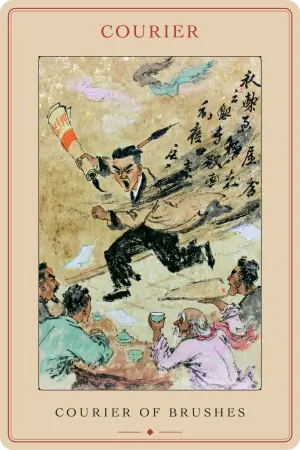
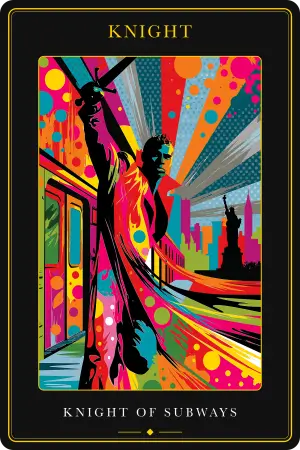
Ogni mazzo reinterpreta lo stesso archetipo. Confronta le illustrazioni, poi apri un mazzo per leggerne l'interpretazione completa.
Iconografia e simbolismo
La carta Rider-Waite-Smith mostra un cavaliere in armatura completa che carica attraverso un paesaggio spoglio su un cavallo bianco al galoppo pieno, con gli occhi sbarrati dall'adrenalina della corsa. È probabilmente la carta più veloce del mazzo, l'immagine della massima energia cinetica.
Il cavallo bianco. Il bianco è purezza d'intenzione ed energia intellettuale non corrotta. Il cavaliere è mosso da una fede fanatica nella giustezza della propria causa e carica su una cavalcatura che non porta compromessi.
La spada alzata e il mantello rosso. La lama è puntata in alto nell'aria, mentre il mantello rosso e i pennacchi rossi dell'elmo alato gli fluttuano indietro nella raffica. Il rosso è slancio infuocato e ambizione aggressiva, l'aspetto di Fuoco della sua natura. La visiera è sollevata e gli scopre il viso, segno di visione limpida e di uno scontro con la realtà senza protezioni. Guarda il proprio bersaglio negli occhi.
Il vento e le nuvole. Gli alberi radi si piegano nella stessa direzione della sua carica, quindi lui si muove con gli elementi invece che contro, come una forza della natura circoscritta. Le nuvole frastagliate e spezzate sono le stesse formazioni stratus fractus disegnate nel Cinque di Spade, e legano il cavaliere alla natura battagliera e polemica dell'Acquario. Carica da destra verso sinistra, una risposta rapida e reattiva rivolta al passato.
Significato centrale
Il Cavaliere di Spade è l'avanguardia dell'elemento Aria, la pura velocità dell'intelletto quando non lo appesantiscono l'esitazione emotiva o la prudenza materiale. Fra le carte di corte i Cavalieri sono gli agenti del cambiamento, e questo porta idee astratte e parole non dette dritte dentro l'azione immediata, con la forza di un ariete.
Sul piano elementale è il Fuoco dell'Aria, un accoppiamento notoriamente esplosivo. Se l'Aria è una stanza satura di idee ossigenate, il Fuoco è la scintilla che la fa detonare. L'archetipo porta con sé una vera doppiezza: il rivoluzionario eroico che taglia attraverso l'inganno e la corruzione per scoprire la verità, e lo zelota distruttivo il cui dogmatismo lascia dietro di sé danni collaterali. Frequentarne a lungo l'energia è come camminare dentro una bufera, esaltante e sfibrante insieme. Quando compare, il tempo della deliberazione è finito e l'azione decisa deve cominciare adesso.
Significato al dritto
Al dritto la carta segnala un'ondata di energia mentale rapida e concentrata, saldata a un'ambizione feroce e a una convinzione che parte dal profondo. Chi ne incarna l'energia crede fino in fondo nella direzione che ha preso, armato di un intelletto affilato e di una passione per il dibattito. Il mandato è smettere di soppesare e muoversi.
In amore. Una dinamica elettrica, veloce e carica sul piano intellettuale, che tiene alla chiarezza e all'onestà schietta più che al sentimento. Non è il romanticismo poetico delle Coppe: qui l'intimità si forgia con conversazioni serrate e discussioni vivaci. Il consiglio è comunicare in modo diretto, fare la dichiarazione o la richiesta precisa e non ammorbidirla in un comodo forse.
Nel lavoro. Un segno molto esigente ma favorevole. Una spinta rapida, una proposta aggressiva o una trattativa dura vanno a segno se ti impegni fino in fondo. Taglia attraverso le finzioni e la burocrazia, chiude accordi e consegna il lavoro mentre gli altri sono ancora fermi in commissione.
Nelle finanze. Mosse audaci con un vero potenziale di rendimento. Sostiene i rischi calcolati una volta fatti i conti e verificata la logica, e favorisce chi è rapido e assertivo rispetto a chi è prudente.
Nella salute. Uno stato che gira ad adrenalina e cortisolo. L'energia intensa va incanalata in un allenamento cardiovascolare impegnativo o in un lavoro mentale concentrato, per bruciare la carica nervosa prima che il riposo che rigenera diventi possibile. Come sì o no è un sì rapido e privo di sfumature.
Significato al rovescio
Al rovescio la velocità resta intatta ma lo sterzo si rompe. La carica decisa diventa una fuga scomposta, e la mente analitica corre furiosa in più direzioni sbagliate contemporaneamente. È velocità fine a se stessa e sicurezza senza alcun sostegno nei fatti.
In amore. Molto distruttiva. L'intelletto affilato diventa un'arma e la spada taglia per il gusto di tagliare, non per fare chiarezza. Le liti crescono più in fretta di quanto la relazione riesca a reggere, e uno dei due o entrambi si fissano sull'avere ragione, mettendo la supremazia intellettuale davanti all'empatia. La carta avverte di ultimatum taglienti e di parole che passano sopra i confini altrui.
Nel lavoro. Avventatezza grave e autosabotaggio: il lancio affrettato di un prodotto difettoso, le dimissioni date d'impulso per rabbia, un investimento rischioso fatto per impazienza invece che per studio. Se un affare sembra troppo urgente, quell'urgenza è già di per sé il campanello d'allarme. Il rimedio è una pazienza imposta.
Nelle finanze. Decisioni impulsive e mal documentate, clausole sfuggite, rischi presi perché la testa ha scavalcato la logica.
Nella salute. Un avvertimento lampeggiante di burnout. Uno stress prolungato e un'ipervigilanza che impedisce il riposo portano all'insonnia e a disturbi legati alla tensione. Il corpo ha bisogno di quel riposo che la mente si rifiuta di concedere.
Note storiche
La comprensione moderna della carta deve quasi tutto all'Ordine Ermetico della Golden Dawn, fondato nel 1888, che si propose di unificare l'occultismo occidentale in un sistema unico, capace di legare le carte alle lettere ebraiche, allo zodiaco, ai pianeti e all'Albero della Vita. Le letture precedenti venivano dalla tradizione francese di Court de Gebelin, Etteilla ed Eliphas Levi, le cui corrispondenze con le lettere la Golden Dawn rielaborò usando l'astrologia come chiave.
Samuel Liddell MacGregor Mathers formulò il densissimo «Book T», che fissò le corrispondenze astro-alfa-numeriche delle carte di corte e trasformò il Cavaliere di Spade in una coordinata energetica precisa. Prima di tutto questo i Tarocchi di Marsiglia offrivano un più semplice Cavalier d'Epee, il Cavaliere di Spade, una figura di cavalleria fatta di energia marziale grezza, letta in modo pragmatico come il difendere una causa e lo sferrare il colpo decisivo, l'istante in cui il pensiero collassa in azione rapida. Waite e Pamela Colman Smith diedero alla carta la sua immagine atmosferica di cavaliere nella tempesta nel 1909.
Corrispondenze
Rango. Il Cavaliere, il crociato della corte, che porta l'energia del seme fuori nel mondo come slancio e azione estrema.
Astrologia. Fa da ponte fra due segni invece di governarne uno, e tiene l'ultimo decano del Capricorno e i primi due dell'Acquario. Dal Capricorno prende una struttura rigida e ambiziosa, poi si ribella a quella rigidità e irrompe nello spazio aereo rivoluzionario dell'Acquario. Il suo decano centrale, Venere in Acquario, è il Cinque di Spade, da cui viene la sua natura battagliera e polemica, con una corrente marziale di Marte che sale da Geburah, mentre il decano di Mercurio in Acquario gli dà un ragionamento scientifico e freddo.
Elemento. Il Fuoco dell'Aria, la scintilla che accende l'intelletto in un movimento aggressivo in avanti.
Cabala. Come aspetto d'Aria della corte si lega alla lettera Vau e al mondo formativo di Yetzirah, che riguarda la formulazione delle idee e l'imposizione della volontà. I Cavalieri riposano in Tiphereth, la sfera della Bellezza e dell'armonia, quindi sotto la velocità caotica l'obiettivo di fondo resta la verità e l'allineamento, anche quando il metodo è duro.
Tempi e sì o no. Tende alla stagione dell'Acquario, nel pieno dell'inverno. Come sì o no al dritto è un sì rapido e definitivo, che diventa un no al rovescio, quando lo slancio perde il proprio bersaglio.
Prospettiva psicologica
Il Cavaliere di Spade è una meditazione sul potere e sul pericolo di una mente senza ancoraggio. La sua lezione è l'allineamento: la lama va puntata prima di essere calata, perché la velocità senza saggezza è un treno impazzito diretto al deragliamento. Diretta ed equilibrata, quella stessa energia feroce diventa una delle forze più efficaci per sfondare le barriere e arrivare alla chiarezza.
La pratica moderna ne legge l'ombra attraverso ansie che conosciamo bene. Nella posizione dei sentimenti di qualcuno segnala spesso repressione emotiva e iperintellettualizzazione, una persona che fa a fette i propri sentimenti e resta sveglia alle tre del mattino a cercare di superare in astuzia il proprio cuore invece di ascoltarlo. Messa sotto pressione, una personalità di Spade sputa lava verbale invece di ammettere di essere ferita. Le comunità online leggono anche la versione fatta di parole della carta come un archetipo attuale: affilata e coinvolgente nella conversazione, ma volubile ed emotivamente indisponibile, capace di dare uno stimolo intenso e di sparire quando arrivano richieste emotive vere. Quando compare può essere il via libera a smettere di intellettualizzare e a passare ai fatti, oppure l'avvertimento che una forza emotivamente distante sta per imporre un conflitto.
Il Cavaliere di Spade nei diversi mazzi
Tarocchi di Marsiglia. Il Cavalier d'Epee, un semplice cavaliere militare senza nulla della drammaticità atmosferica o della geometria dei mazzi successivi, letto come energia grezza che difende una causa e sferra il colpo decisivo.
Crowley-Thoth. Crowley e Lady Frieda Harris ribattezzarono questa energia Principe di Spade e la intitolarono l'Aria dell'Aria, l'intelletto isolato nel proprio elemento. Invece di un solo cavallo in carne e ossa guida un carro trainato da bambini alati e capricciosi che saltano dove vogliono, senza redini, così il carro si muove con facilità ma quasi mai in una direzione definita. Tiene una spada in una mano e una falce nell'altra, e la falce evoca la doppia creazione e distruzione di Saturno e la mente-scimmia che abbatte le idee con la stessa rapidità con cui le produce. Una Croce Rosata gialla al centro e un cerchio inscritto in un quadrato cifrano la missione: sezionare le strutture della realtà per trovare la verità eterna che vi si nasconde dentro.
Mazzi e letture moderne. I lettori contemporanei conservano la forza del cavaliere nella tempesta e insistono sul suo costo nei rapporti. La carta diventa uno specchio per l'ansia da produttività e per l'assertività, capace di ispirare e di irritare in egual misura, la figura fin troppo logica che costringe il consultante a fare i conti con il conflitto.
In combinazione e nel contesto
Il Cavaliere di Spade è pura velocità, quindi le carte intorno diventano il binario su cui corre, il muro contro cui si schianta o la meta che cerca. Con La Torre è molto instabile: al dritto è un'illuminazione intellettuale improvvisa che manda in frantumi un vecchio paradigma e raggiunge l'obiettivo a una velocità che spaventa; al rovescio accanto a La Torre o a un Carro rovesciato è l'avvertimento severo di uno schianto catastrofico per eccesso di velocità. Con La Morte segnala una fine rapida e clinica, l'intelletto che dichiara morta una situazione e taglia i legami senza indugiare. Con Il Diavolo indica una corsa a capofitto dentro una situazione tossica, accecati dall'arroganza intellettuale e sordi a segnali evidenti, e pretende un esame di sé senza sconti.
Le letture concrete ne mostrano l'ampiezza. Interrogata sui sentimenti di un partner riguardo a un trasferimento all'estero, la carta si è letta come determinazione positiva e intensa, un impegno pieno a caricare in avanti nonostante l'agitazione naturale. Interrogata sull'inviare o meno un messaggio carico di emozione a un ex, la sua carica verso sinistra, all'indietro, si è letta come l'avvertimento a non precipitarsi a comunicare in modo reattivo su ciò che è passato. In una stesa sì o no la carta al dritto è un sì deciso.
Domande di riflessione
- Dove ti stanno chiamando a smettere di soppesare e ad agire finalmente, e la tua mira è chiara prima che tu cali la lama?
- Quando usi parole affilate e taglienti per vincere una discussione invece che per arrivare alla verità?
- Lo slancio che hai adesso ti sta portando verso una meta reale, o è velocità fine a se stessa?
Il significato generale segue la lettura Rider–Waite–Smith — il riferimento canonico utilizzato in Tarot Academy. Apri un mazzo specifico qui sopra per la sua interpretazione dedicata.
Domande frequenti
Esplora i Tarocchi
Ultimi Articoli
Esplora il simbolismo, i significati e le applicazioni pratiche della lettura dei tarocchi.




















































