
 HU (magyar)



Nagy Arkánumok · XIV
A Mértékletesség
A Rider–Waite angyala, aki addig önti oda-vissza a lelket, amíg az ellentétek egyetlen harmonikus áramlattá nem egyesülnek.
Read the complete guide: A Mérleg Kártya a Tarotban: Teljes Útmutató Szimbolikájához és Jelentéséhez
A lap dióhéjban
- Numerológia
- XIV
- Elem
- Tűz
- Asztrológia
- Nyilas · a Jupiter uralma alatt
- Kabbalisztikus ösvény
- Szamech (Yesod → Tiferet)
- Időzítés
- Kora tél · a Nyilas hava
- Igen / Nem
- Igen, de lassan · idővel
Álló
egyensúly
mértékletesség
gyógyulás
megbékélés
alkalmazkodás
céltudatosság
türelem
belső béke
Fordított
mértéktelenség
egyensúlyvesztés
türelmetlenség
stagnálás
elkerülés
döntésképtelenség
önkényeztetés
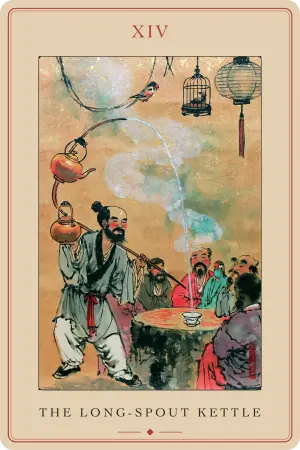
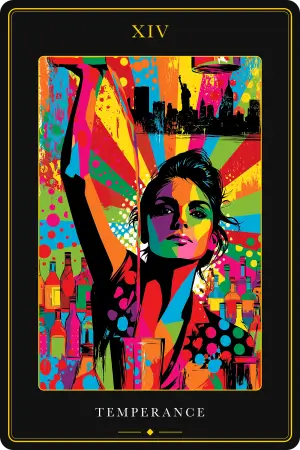
A Mértékletesség az egyes paklikban
Minden pakli ugyanazt az archetípust értelmezi újra. Hasonlítsd össze az illusztrációkat, majd nyiss meg egy paklit a teljes értelmezés elolvasásához.
Képi világ és szimbolika
Pamela Colman Smith 1909-es ábrázolása az a kép, amely a legtöbb olvasó lelki szemei előtt megjelenik a kártya nevének hallatán, és a kompozíció alapos vizsgálatot érdemel. Egy szárnyas angyal áll a parton: egyik lábát a szilárd földre, a másikat a csobogó vízbe helyezi, ezzel áthidalva az anyagi világot és az érzelmi mélységeket, miközben uralja a köztük lévő áramlást. Az alak mögött vörös szárnyak emelkednek a magasba, lábánál pedig zöld fű terül el. A pakli e két színt egymással összefüggésben értelmezi: a vörös a szenvedélyt, a vágyat és a cselekvést jelképezi, a zöld a növekedést, a termékenységet és a gyógyulást mutatja, a kettő együtt pedig az aktív és a passzív élet közötti egyensúlyt követeli meg.
Az angyal két kelyhet tart a kezében, és folyamatos vízsugárban önti a vizet az egyikből a másikba, ami az életerő áramlását és a szüntelen változást, valamint az alkalmazkodást fenntartó végtelen körforgást testesíti meg. Mellkasán egy négyzetbe foglalt háromszög látható, amely a szellem és az anyag egyesülését, a klasszikus „ahogy fent, úgy lent” hermetikus elvét jelöli. Az angyal homlokán ragyogó nap a megvilágosodást, az intuíciót és a bölcsességet, az isteni és a földi találkozását szimbolizálja, míg a glória a figura szent eredetét jelzi.
A háttér magát az utazást jeleníti meg. A folyópartot sárga íriszek borítják, amelyek a kommunikáció, valamint a gondolatok és érzések harmonikus cseréjének virágai, sárga színük pedig az intellektust és az inspirációt tükrözi. Az angyal mögött felragyogó fényes csillag a spirituális útmutatás és a remény szimbóluma. Egy kanyargó ösvény vezet a távoli hegycsúcsok felé: ez az önismeret hosszú útja, ahol a csúcsok a férfias és nőies minőségek megbékélését, valamint azokat a kihívásokat jelképezik, amelyeket csak a belső egyensúly megtalálásával lehet meghódítani.
Alapvető jelentés
A Rider–Waite pakliban ez a kártya a mértékletességre és az ellentétek teljességgé kovácsolására épül. Megértést, céltudatosságot, belső békét és megbékélést hordoz: a szemben álló erők közötti egyensúly keresését, a türelmet, az alkalmazkodást és az igazságosságot, vagyis a mértéktartás művészetét az élet minden területén.
A pakli a Hős útjának kiemelkedő állomásaként mutatja be ezt a lapot. Az előző kártya által hozott egóhalál és a mélyreható átalakulás után a Hős a külső növekedés helyett a belső fejlődés felé fordul, és A Mértékletesség éppen ezt a fordulatot jelzi. Archetípusa az Angyal, a Lélekvezető és a Gyógyító, aki ismeri a biztos utat az elveszett teljesség felé. A feladat nem a bennünk élő ellentétek elpusztítása, hanem azok összehangolása: a teljes lemondás és a túlzó mértéktelenség addig csiszolódik, amíg középen találkoznak. Az egyensúly itt a szellem és a test, a tudatos és a tudattalan közötti energiák harmonikus áramlását jelenti, a kártya gyógyító ereje pedig pontosan ebben áll: helyreállítja a kapcsolatot az ember széttöredezett részei között.
Jelentése álló helyzetben
Álló helyzetben a kártya mértékletességre, türelemre és az arany középút megtalálására int. Az erőlködés helyett a folyamatos, szerves fejlődést támogatja, és gyakran egy valódi gyógyulási folyamatot jelez, amelyben a szélsőségekbe hajló energiák visszatalálnak a helyes kerékvágásba. A lap hatása alatt álló személy ott is megőrzi az egyensúlyát, ahol mások elveszítik, és higgadt belső békéből hoz megfontolt döntéseket.
Szerelemben. Kölcsönös adok-kapok, amely a bizalomra, a tiszteletre és a vonzalomra épül, miközben a kapcsolat a maga természetes ütemében fejlődik. A sárga íriszek az őszinte kommunikációra emlékeztetnek: a kötelék a gondolatok és érzések nyílt cseréje révén marad harmonikus.
Karrierben. Diplomácia és a versengő érdekek körültekintő kezelése. Az előrelépés türelemmel és csapatmunkával érhető el, nem pedig hirtelen erőfitogtatással. Ha túlterheltnek érzed magad, a kártya azt tanácsolja, hogy lépj hátra, és állítsd helyre a munka és a pihenés egyensúlyát.
Pénzügyekben. Az arany középút választása a kockázatos spekulációkkal és az impulzív költekezéssel szemben. Megfontolt, nyugodt megközelítést kér, ahol a bevételek és a kiadások arányban maradnak egymással.
Egészségben. Megújulás és felépülés. A kártya támogatja a pihenést, a józanságot és a korábbi megterhelések lassú feldolgozását, előnyben részesítve a mértéktartó táplálkozást és mozgást a szélsőséges kúrákkal szemben.
Jelentése fordított helyzetben
Fordított helyzetben az alkímiai folyamat megakad. A két kehely már nem táplálja egymást, az áramlás elakad vagy kiömlik, így az értelmezés az egyensúlyvesztésre, a mértéktelenségre és a belső nyugalom elvesztésére terelődik.
Szerelemben. Egyoldalú kapcsolat, ahol az egyik fél kimeríti a másikat. Heves érzelmi ingadozások és a kölcsönös tisztelet hiánya jellemzi, ami megbontja a kapcsolat stabilitását.
Karrierben. Türelmetlenség és az eredmények erőszakolt sürgetése, miközben azoknak még időre lenne szükségük. Jelezheti a másik végletet is: a harmóniára való túlzott törekvést, amely stagnálássá és az új kihívások elutasításává merevedik.
Pénzügyekben. Túlköltekezés és kockázatos szerencsejátékok, szélsőségekbe hajló pénzkezelés a kiegyensúlyozott, arányos megközelítés helyett.
Egészségben. Romboló mértéktelenség vagy fizikai egyensúlytalanság, amelyet csak a pihenéshez és a mértéktartáshoz való visszatérés képes helyrehozni. A legfinomabb szinten a lap elkerülést jelez: a béke jelszava mögé bújva térünk ki a szükséges döntések és konfliktusok elől, és ezt a bénultságot próbáljuk egyensúlynak nevezni.
Történeti háttér
A Mértékletesség eredetileg földi erényként indult. A 15. századi olasz paklikban, mint például a Visconti–Sforza és a VI. Károly kártyákon, egy halandó nőként jelenik meg, aki bort hígít vízzel, mint a négy sarkalatos erény egyike az Igazságosság és az Erő mellett. Ez a gesztus gyakorlati volt, mielőtt szimbolikussá vált volna, hiszen a reneszánsz kor nyers borát gyakran vízzel kellett hígítani a fogyaszthatósághoz, így az arisztotelészi arany középút és a vágyak kordában tartásának jelképévé vált.
Franciaországban a Marseille-i Tarot ezt a nőt szárnyas angyallá formálta. A sorrendben közvetlenül a Halál után következő angyal pszichopomposzként, a fizikai halálon túl a lelket üdvözlő kísérőként értelmezhető, a víz és a bor keverése pedig az eucharisztia szakrális jelentését kapta. A 19. századi okkult megújulás azután alkímiai tartalmakkal gazdagította a lapot. Etteilla 1789-es, kifejezetten jóslásra szánt paklija napot festett az angyal homlokára, lábait pedig a sót és ként jelképező sziklákra helyezte. Oswald Wirth később egy arany és egy ezüst urna között öntötte a „vitális folyadékot”, ábrázolva a solve et coagula elvét, a szoláris ráció és a lunáris képzelet egyesítését. Waite és Pamela Colman Smith mindezt egyesítette az 1909-es kompozícióban: megtartották a homlokon lévő napot, a két kehely közötti vízfolyamot, valamint a földön és vízben álló angyalt, megalkotva azt az alapmintát, amelyhez minden későbbi pakli igazodik.
Megfelelések
Szám. XIV, a tizennegyedik adu, a gyógyító és megújító pihenő A Halál és Az Ördög között.
Asztrológia. Nyilas, a Jupiter által uralt változó tüzes jegy. A kezdők gyakran azt várják, hogy A Mértékletesség a Mérleg serpenyői alá tartozzon, ám ez a kártya az illékony energiák aktív vegyítését jelenti, nem pedig a tények passzív mérlegelését. A kentaurként ábrázolt Nyilas, aki félig ember és félig állat, pontosan az intellektus és az ösztönök összehangolását tükrözi. A jegy távoli távlatok, új ismeretek és az igazság keresése iránti vágya adja a kártya növekedést, toleranciát és mély életszemléletet hordozó témáit, megteremtve az egyensúlyt a társadalmi beilleszkedés és az egyéni törekvések között.
Elem. Tűz, a szenvedély és az életerő, amelyet a lap megtanul nem elfojtani, hanem finoman nemesíteni és megszelídíteni.
Kabbala. A héber betű a Szamech, amelynek jelentése „támasz” vagy „támaszték”. Ez a huszonötödik ösvényhez tartozik, amely függőlegesen fut Jeszod (Alapzat, a Hold) szférájából Tiferet (Szépség, a Nap) felé. A Próbatétel Intelligenciájaként ismert ösvény az a próbatér, ahol a lélek a kovácsműhelyben formált acélhoz hasonlóan hevül és hűl, hogy elég erőssé váljon az isteni fény befogadására, ugyanakkor kellően rugalmas maradjon ahhoz, hogy ne törjön el.
Időzítés. A kártya a Nyilas időszakára, valamint a lassú, szerves kibontakozásra utal. Igen vagy nem kérdésekben a válasza: igen, de csak lassan, idővel, mivel a helyzetnek be kell érnie.
Pszichológiai nézőpont
A Rider–Waite értelmezés szerint ez a kártya egy érett személyiséget mutat be, aki képes uralni és kiegyensúlyozni saját érzelmeit, miközben egyszerre őrzi meg stabilitását érzelmi, fizikai és spirituális szinten. Keresi a harmóniát és elkerüli a romboló helyzeteket, irányítja az érzelmeit ahelyett, hogy azok uralkodnának rajta, higgadtsága és megfontolt döntései pedig vonzóvá teszik mások szemében. Képes megtalálni az egyensúlyt ott is, ahol mások elveszítik, ezért kapcsolja a pakli ezt az alakot a gyógyuláshoz.
A kártyának azonban van egy árnyoldala is, amelyet a lap nyíltan megnevez. A harmóniára való túlzott törekvés korlátozhatja a kockázatvállalási hajlandóságot és az új kihívások elfogadását, ami könnyen stagnálásba és az élet megtorpanásába torkollhat. Megnyilvánulhat döntésképtelenségként vagy a változástól való félelemként is. A belső egyensúly keresése észrevétlenül a valóság elkerülésének eszközévé válhat: ha valaki mindenáron kerüli a konfliktusokat és a nehéz döntéseket, a látszatbéke megőrzése a problémák elhallgatásához vezet, ami csak újabb gondokat szül. A kártya hangsúlyozza, hogy az igazi egyensúly nem a szenvedélyek óvatos középszerbe való tompítását jelenti.
A Mértékletesség a különböző paklikban
A Rider–Waite–Smith angyala lett az a viszonyítási pont, amelyhez a későbbi paklik viszonyulnak, így sajátosságai az összehasonlítások révén válnak igazán világossá.
Marseille-i Tarot. A szárnyas angyal közvetlen előképe, amelyet Smith átvett: közvetlenül a Halál után áll, és folyadékot önt két edény között. Waite megőrizte a lélekvezető alakját és a kevert vizeket, de a temetési felhang helyett az alkímiai olvasatot helyezte előtérbe.
Crowley–Thoth. Crowley és Lady Frieda Harris a lapot „Művészet” (Art) névre keresztelte, és a mértékletességtől a teljes metamorfózis felé tolta el a hangsúlyt. Egy kétarcú alkímiai androgün lény, az Uralkodó és az Uralkodónő fúziója tüzet és vizet önt össze egy forrásban lévő aranyüstbe. Ez a solve et coagula legdinamikusabb ábrázolása a tarot történetében, miközben a Rider–Waite változat ugyanezt a folyamatot nyugodtnak és folyamatosnak mutatja.
The Wild Unknown. Kim Krans teljesen elhagyja az angyali alakot. Egy nagy kék gém áll, egyik szárnyát egy élénk narancssárga láng fölé terjesztve, miközben kék vízcseppek hullanak felé. A madár szilárd jelenlétének köszönhetően egyik elem sem pusztítja el a másikat, ami természeti formában tükrözi azt az egyensúlyt, amelyet Smith angyala tart fenn a föld és a víz között.
Istennő- és modern paklik. A Motherpeace Tarot egy beavatott sámánként ábrázolja a kártyát, aki uralja az ellentéteket. Ellen Lorenzi-Prince Dark Goddess Tarot-ja Brigidhez, a kovácsműhely és a szent forrás ír istennőjéhez köti a lapot, aki egyszerre tűz és víz, elmozdítva a képet a Rider–Waite angyali megváltásától a velünk született, földközeli gyógyulás felé.
Kombinációk és kontextus
A Mértékletesség jelentése még pontosabbá válik a környező kártyák tükrében. Az Ördög mellett, amely a sorban közvetlenül utána következik, ellenméregként működik: azt jelzi, hogy a kérdezőt fogva tartó láncok valójában lazák, és határozott határok felállításával, valamint gyógyulással levethetők. Fordított helyzetben az Ördög mellett azonban az ellenkezőjét erősíti meg: valódi függőséget vagy elmélyülő mérgező köteléket jelez, ahol a traumán alapuló kötődést tévesen szenvedélynek hiszik.
Az Igazságossággal együtt a kétféle egyensúly megosztja a feladatot: Az Igazságosság a törvény és a következmények külső, objektív rendje, míg A Mértékletesség az intuíción és az időn keresztüli belső, szubjektív összehangolódás. Együttesen arra intenek, hogy hangold össze külső cselekedeteidet a belső érzelmi igazságoddal. A Bolonddal társulva „ihletett cselekvést” alkot, vagyis egy bátor ugrást, amelyet kellő türelemmel és biztonsági hálóval hajtanak végre, bár fordított helyzetben ez a páros heves ingadozásra figyelmeztet a vakmerőség és a bénultság között. A Mágussal kiegészülve kitartást és pontos formulát biztosít, amely a kezdeti akarati szikrát tartós eredménnyé formálja.
A Mértékletesség gyakran bukkan fel visszatérő lapként is a kirakásokban, hogy rávilágítson a felborult életvitelre: józanságra int, a rohanás leállítását és a kiégés előtti pihenést követeli meg, olykor pedig figyelmeztet, hogy ideje abbahagyni a kártyák megszállott húzását, és engedni kell az események természetes kibontakozását.
Elmélkedési kérdések
- Önmagad melyik két ellentétes része között próbálsz győztest hirdetni ahelyett, hogy engednéd őket békében együtt létezni?
- Életed mely területén vált a harmóniára való törekvés észrevétlenül elkerüléssé, ahol a látszatbéke érdekében elhallgatod a problémát?
- Mi az az életedben, aminek most újabb erőltetés helyett lassú, türelmes csiszolásra és érlelésre van szüksége?
Az általános jelentés a Rider–Waite–Smith értelmezést követi — ez a Tarot Akadémia kanonikus alapja. A pakli saját értelmezéséhez nyiss meg egy konkrét paklit fent.
Gyakran Ismételt Kérdések
Fedezd fel a Tarot-t
Legújabb bejegyzések
Fedezd fel a tarot kártyák ősi bölcsességét, és tárd fel spirituális utad rejtélyeit. Blogunk a tarot olvasás gazdag szimbolikájának, jelentéseinek és gyakorlati alkalmazásainak megértésének kapuja.




















































