
 EN (English)









Combinations · Rider–Waite–Smith Tarot
Six of Wands combinations
A laurelled rider parades through a cheering crowd, and the card beside him shows what the applause rests on and what follows it. Every Rider-Waite pair is read here with the Six upright and reversed.
Card meaning: Six of WandsCombinations are common patterns, not rules
The readings here describe how a pair most often reads. Check each one against two things before you apply it. The first is the question: the same pair says one thing about a relationship and another about a job offer, and the question decides which side of the pair matters. The second is the background, meaning what the querent already knows about the situation, the position each card holds in the spread, and the cards around the pair. When the question or the background points another way, go with them over the general reading. Each pair page lists the exceptions that come up most often.
Most partners of the Six of Wands answer one question: what comes after the parade? The rider already has his laurel, a second wreath tied to the raised wand and a crowd lifting staves on both sides, so with an upright partner the pair usually starts from a win in hand. The partner shows where it goes. The Four of Wands takes the success home to be celebrated, the King of Pentacles settles it into a respected position, and the Ace of Wands turns it into confidence for the next venture. The Seven of Wands puts the rider on a hill with challengers below him, and the Ten of Wands turns his new authority into a load he carries alone.
A smaller group darkens even the upright pair. The Devil makes status a hook, The Tower shakes the ground the reward was meant to crown, and the Five of Cups or the Five of Pentacles sets a private loss or a lean season beside the public win. Reverse those partners and the Six reads as a comeback, a recovery other people can see.
The reversed Six withholds the applause. One face is self-doubt with the credit missing; the other is pride that has outgrown the win. Beside a steady upright partner it usually reads as a delay, and the partner supplies what holds the querent up until recognition arrives.
Six of Wands beside other cards in a spread
Beside Major Arcana cards
Upright, most trumps give the win a frame. The Chariot is the drive that earned it, Justice weighs it on fair terms, Temperance keeps the celebration in proportion, and The World makes it a milestone that marks a stage of life. The Sun adds a joy that needs no audience. The Devil, The Tower and The Moon cloud the parade even when both cards stand upright: praise becomes an attachment, the ground under the reward shakes, or the triumph needs checking before anyone celebrates it.
Beside Wands
All Fire, and the suit tells the story around the parade. The Three of Wands is the planning that paid off, the Five the contest the rider won, the Four the party at home. After the Six, the Seven defends the won ground against challengers, the Eight brings the news or the offer sooner than expected, and the Ten shows authority piling up as workload. Reversed, the Ten lets the rider hand part of that load to others and keep the credit.
Beside Cups
Water and Fire are contrary, so the Cups test whether the win feels as good as it looks. The Two of Cups gives it a partner and a proud shared milestone, the Ten a settled home, and the Six of Cups people from the querent's past to share it with. Upright, the Four of Cups leaves a reached goal strangely flat, the Eight feels a pull to leave at the height of recognition, and the Seven crowds the win with options, some of them fantasy.
Beside Swords
Air feeds the Six's Fire, and the Swords show what the mind does with a win. The Ace brings the breakthrough idea behind it, the Four of Swords asks for a real rest after the effort, and the Knight wants the next ground taken while it is open. Upright, four Swords trouble the parade. The Five wins at someone's cost, the Seven builds success that may not bear scrutiny, the Eight keeps the querent frozen short of the goal, and the Nine costs sleep over keeping it.
Beside Pentacles
Earth sits neutrally beside Fire, and the coins turn applause into something you can count: a contract or seed money with the Ace, savings and status with the Four, independence with the Nine, family security with the Ten. The Eight rewards skill built at the bench, and the Six of Pentacles asks who receives the reward. Upright, the Five of Pentacles keeps money short while praise comes in. The reversed Two shows success setting off overload and a slipping budget.
Beside court cards
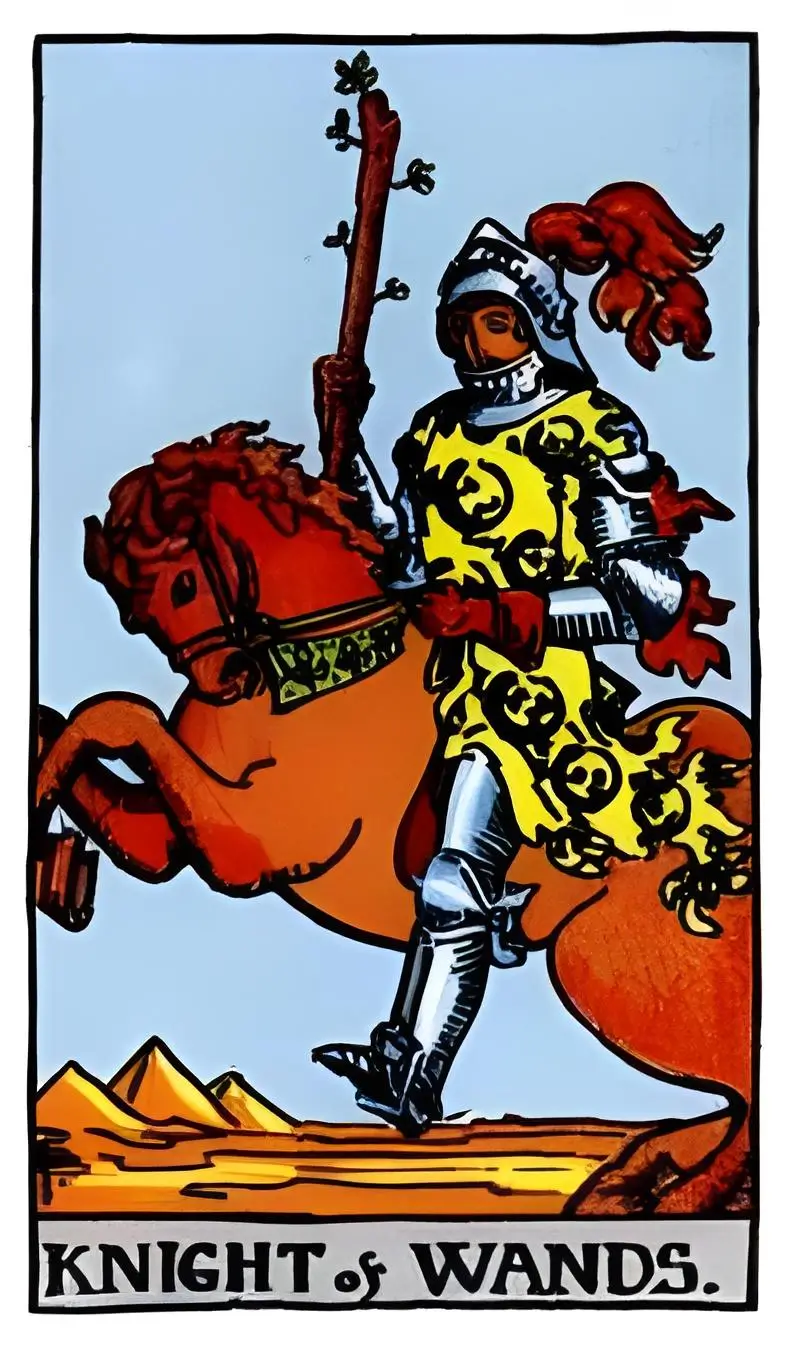
A court card shows how the winner carries the win. Pages and Knights pick up its momentum: the Page of Wands starts something new on it, the Page of Pentacles turns it into training or a first job, and the Knight of Wands rides into the next adventure. Queens and Kings turn success into standing, from the King of Wands' long-term plan to the King of Swords' authority held by clear reasoning. Reversed, the King of Swords slides toward control and coldness, and the Knight of Cups toward romantic fantasy.
Beside a card of the same number
Any two Sixes add up to twelve, so the Hanged Man is the quintessence with each of them, a pause and a fresh angle under the success. All four Sixes sit on Tiphareth. The Six of Cups shares the win with people from the querent's past, the Six of Swords follows it with a move or a calmer chapter, and the Six of Pentacles asks whether the reward is handed out evenly. Reversed together, these pairs lean toward living on old glory, a repeated setback or an exchange gone sour.
Beside reversed cards
With the Six upright, a reversed partner often lifts a weight off the win. The reversed Five of Cups, Three of Swords, Ten of Swords and Five of Pentacles turn recovery into a comeback others notice, the reversed Four of Cups wakes interest up, and the reversed Devil makes leaving a trap the victory itself. Other reversals spoil the gain: the reversed Two of Pentacles drops balls under new demands, the reversed Queen of Wands slips into vanity, and the reversed Four of Swords refuses the rest the effort earned.
Six of Wands with every card
Each row gives the outlook in all four states, read from Six of Wands's side: Six of Wands first, then its partner.
Harmonious
Mixed
Challenging
↑ ↑
↑ ↓
↓ ↑
↓ ↓
 Four of Pentacles
A success is consolidated into savings, status and a solid base for the long term.
Four of Pentacles
A success is consolidated into savings, status and a solid base for the long term.
Frequently asked questions
Latest Posts
Discover the ancient wisdom of tarot cards and unlock the mysteries of your spiritual journey. Our blog is your gateway to understanding the rich symbolism, meanings, and practical applications of tarot reading.




















































