
 EN (English)









Combinations · Rider–Waite–Smith Tarot
Five of Wands combinations
Five young men swing sprouting staves and nobody bleeds, so the Five of Wands is a contest whose temperature the partner card sets. Each of the 78 partners is read here in both orientations.
Card meaning: Five of WandsCombinations are common patterns, not rules
The readings here describe how a pair most often reads. Check each one against two things before you apply it. The first is the question: the same pair says one thing about a relationship and another about a job offer, and the question decides which side of the pair matters. The second is the background, meaning what the querent already knows about the situation, the position each card holds in the spread, and the cards around the pair. When the question or the background points another way, go with them over the general reading. Each pair page lists the exceptions that come up most often.
Waite called this scuffle mimic warfare, and the partner card usually decides how long it stays mimic. Five unarmoured youths swing leafing staves on a sunny hillside and nobody is hurt, so upright the card most often reads as a test of strength: a pitch, a promotion race, a couple arguing over who leads. The Six of Wands shows where a contest handled with purpose can end, in a public win. The Seven of Wands shows the stage after it, one person holding won ground against challengers. Beside The Lovers or the Page of Cups the rivalry turns into teasing and a headstrong chase, while the Five of Swords is the warning case, where a fair scramble hardens into a win at any cost.
Reversed, the Five has two faces, and its own meanings list both. One is reconciliation: compromise, a settled dispute, victory in an argument. The other is fatigue: a struggle that has drained the spark, avoidance of a confrontation that needs having, a refusal to defend one's own interests. The partner usually shows which face is turned up. Justice, the Hierophant or the King of Swords upright give the settlement a fair shape. The Ten of Wands or the Nine of Swords upright show what the tired face costs, in extra weight carried or in arguments replayed at night.
Five of Wands beside other cards in a spread
Beside Major Arcana cards
Trumps usually decide who referees the fight. The Hierophant sets rules for it, Justice judges it on evidence, and Strength, the Leo card beside this Saturn-in-Leo Five, wins it by composure instead of force. The Devil turns rivalry into a struggle for control, The Moon hides the real cause under a noisy surface argument, and The Tower lets a long feud end in an open break. The Hanged Man asks the querent to step out of the scramble and look at it again.
Beside Wands
All Fire, so these pairs run at full heat and mostly describe the stage a contest has reached. The Ace drops a new idea into a crowded field, and the Four is a stable base with lively arguments inside it. The Six is the parade a purposeful contest can earn, the Seven a won position under siege, the Eight the momentum that follows once the arguing is done. The Nine and the Ten show stamina running short as challenges keep coming, and the upright Knight relishes the whole scramble.
Beside Cups
Water and Fire are contrary, so Cups either cool the quarrel or show what it costs in feeling. The Two of Cups gives an equal bond disagreements worth talking through, the Ten of Cups a sound family that is still noisy, and the King of Cups a calm leader who steadies the melee. The Five of Cups mourns what the fight spilled. Upright, the Four of Cups sits out a contest others are entering, and the Seven scatters effort across prizes that may be illusions.
Beside Swords
Air fans Fire, and the Swords show where an argument goes when it turns sharp or turns clear. The Five of Swords hardens the scramble into a win at any cost, the Nine carries daytime quarrels into sleepless nights, and the Ten marks a rivalry pushed past its limit. On the clearer side, the Ace distils a debate into one decisive idea, the Four of Swords asks for rest before the next round, and the King of Swords rules on facts while others shout.
Beside Pentacles
Earth neither feeds nor dampens the Five's Fire, and the coins tie the contest to money, skill and resources. With the Five of Pentacles it becomes a fight over scarcity. The Three turns team friction into a better design, the Eight rewards whoever has put in the practice, and the Page treats each scrimmage as training. The Knight ploughs on at his own pace while others scramble, and the King meets the contest calmly from a strong position.
Beside court cards
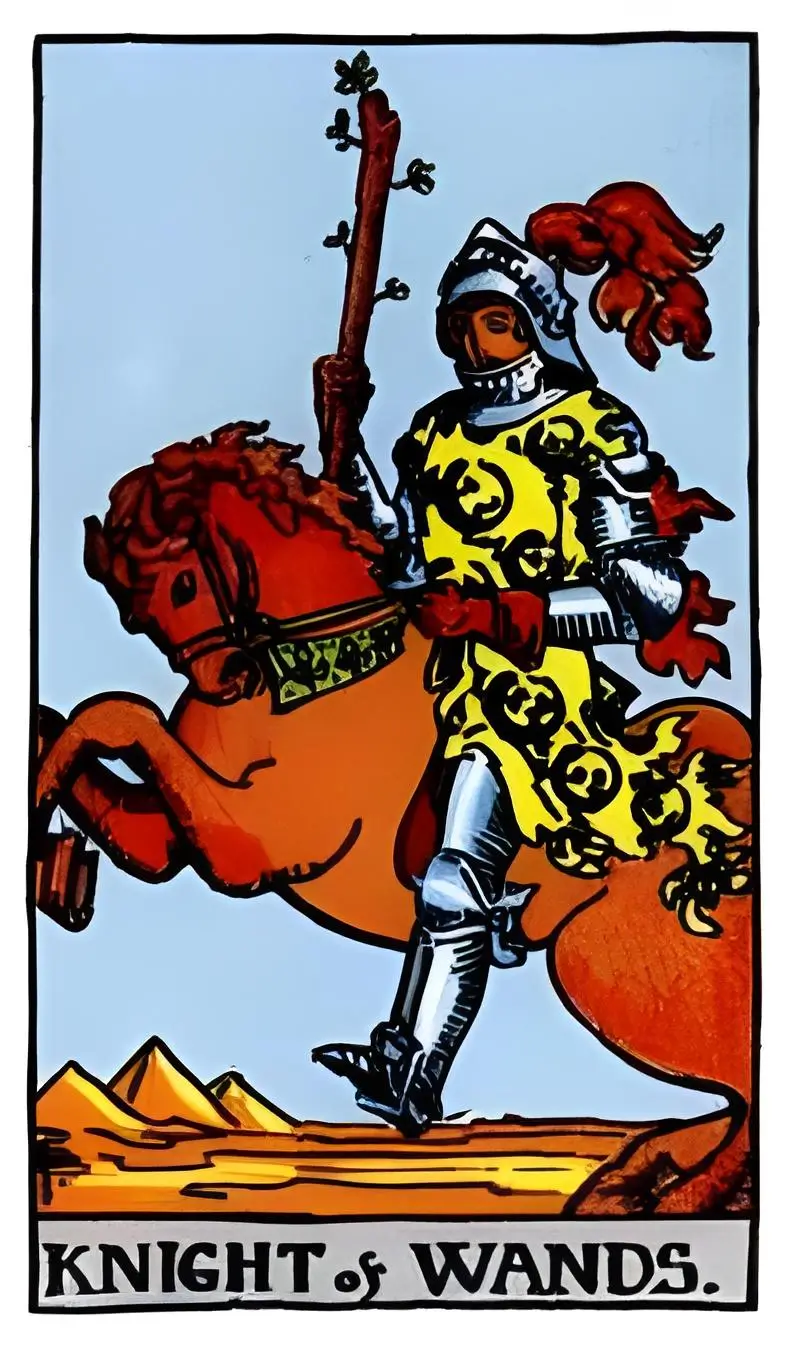
A court card usually names who steps into the melee. The Knights of Wands and Swords lend the speed and nerve a contest rewards, though reversed either one turns rivalry into open hostility. Kings give the fight a shape: the King of Wands a goal, the King of Cups composure, the King of Swords a fair ruling. The Page of Cups brings flirtation, or an apology once the Five is reversed, and the reversed King of Swords tilts the field toward whoever holds the power.
Beside a card of the same number
Five and five make ten, so the Wheel of Fortune is the quintessence with each of the other Fives, and positions in these contests keep turning. The Five of Swords is the same fight played cold and personal, with a winner who loses friends. The Five of Cups mourns what a quarrel cost, and the Five of Pentacles makes rivalry a struggle for scarce resources. When both cards are reversed, all three lean toward forgiveness, recovery and people pooling what they have.
Beside reversed cards
With the Five upright and the partner reversed, the contest often becomes the way back in. The reversed Five of Cups and Five of Pentacles show recovery giving the querent an appetite to compete again, and the reversed Four of Cups wakes up to an offer worth fighting for. Other reversals spoil the game: reversed Strength turns a mock battle into real hostility, reversed Justice bends the rules, the reversed Moon breeds suspicion of rivals, and the reversed Eight of Wands lets delays feed the arguments.
Five of Wands with every card
Each row gives the outlook in all four states, read from Five of Wands's side: Five of Wands first, then its partner.
Harmonious
Mixed
Challenging
↑ ↑
↑ ↓
↓ ↑
↓ ↓
 The Hermit
A noisy contest is under way, and the querent steps back to think before choosing a side.
The Hermit
A noisy contest is under way, and the querent steps back to think before choosing a side.
 The Tower
Ongoing rivalry escalates into an open break, and the old arrangement does not survive it.
The Tower
Ongoing rivalry escalates into an open break, and the old arrangement does not survive it.
 Eight of Wands
Friction gives way to momentum: the contest sharpens ideas and then events move fast.
Eight of Wands
Friction gives way to momentum: the contest sharpens ideas and then events move fast.
 Queen of Wands
You lead with confidence amid competition, though the constant contest drains energy.
Queen of Wands
You lead with confidence amid competition, though the constant contest drains energy.
Frequently asked questions
Latest Posts
Discover the ancient wisdom of tarot cards and unlock the mysteries of your spiritual journey. Our blog is your gateway to understanding the rich symbolism, meanings, and practical applications of tarot reading.




















































