
 CS (čeština)

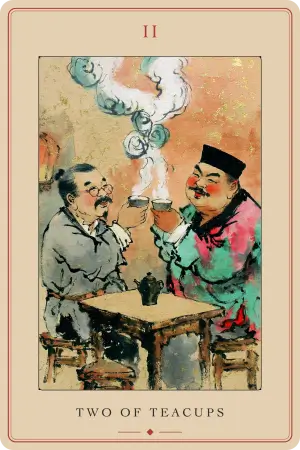
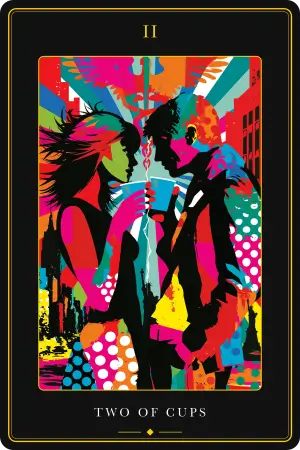


Malá arkána · Poháry (Voda)
Dvojka pohárů
Dva kalichy zdvižené ke slibu: alchymie dvou, kteří se stávají jedním.
Přečtěte si kompletního průvodce: Tarotová karta Dva poháry: Kompletní průvodce její symbolikou a významem
Přehled karty
- Numerologie
- Dvojka
- Živel
- Voda
- Astrologie
- Venuše v Raku (první dekan)
- Kabalistická stezka
- Chokma (Moudrost)
- Časové určení
- Časné léto, první dekan Raka
- Ano / Ne
- Vzpřímeně ano · Obráceně ne
Vzpřímená poloha
Vzájemná přitažlivost
Partnerství
Sjednocení
Vzájemnost
Spojení
Soulad
Spřízněná duše
Usmíření
Obrácená poloha
Nerovnováha
Odcizení
Rozchod
Nedorozumění
Spoluzávislost
Jednostranná láska
Napětí
Dvojka pohárů v každém balíčku
Každý balíček rozvíjí týž archetyp. Porovnejte ilustrace a otevřete balíček pro kompletní výklad.
Symbolika a obrazové motivy
Na obrazu Rider-Waite-Smith stojí venku mladík a dívka tváří v tvář a každý zdvihá zlatý kalich, aby stvrdil slib. Poháry se potkávají ve stejné výšce, což prostě říká, že jde o pouto mezi rovnými. Oba nosí květinové věnce a vavříny, staré symboly vítězství a rozkvétající náklonnosti. Jejich pestré tuniky leží na čistě bílém spodním šatu a stavějí tak světskou touhu proti upřímnosti jejich vnitřních úmyslů.
Mezi nimi se vznáší klíčový znak karty, Hermův kaduceus: střední hůl ovinutá dvěma stoupajícími hady, tady korunovaná červenou okřídlenou lví hlavou. Propletení hadi jsou souladem protikladných sil, mužská hůl a ženská hadí energie se setkávají a vyvažují. Hůl zvedá lidské spojení z čistě životného tahu k duchovní výměně. Okřídlený lev přidává odvahu a prvotní oheň řízený duchem, náznak, že opravdové sjednocení tvoří třetí sílu silnější než ty dvě zvlášť a že splynutí jednoho života s druhým nese skutečné riziko stejně jako zisk.
Základní význam
Dvojka pohárů je setkáním dvou v souladný celek. Zlatý úsvit ji nazval „Pánem lásky“ a umístil ji do Chokma, do tvořivé síly sahající ven, tady vyjádřené vodou citu. Je činnou vůlí ke spojení, popudem překonat vzdálenost mezi sebou a druhým a utvořit opravdové pouto.
V jádru je karta vzájemnou přitažlivostí a vzájemností. Výměna běží oběma směry a ani jeden z dvojice druhého neovládá ani nevysává. Je každodenní praxí milovat druhého člověka, ne osudovou událostí jednou za život, a právě proto jí vykladači věří jako znamení zdravého spojení. To, co popisuje, může být milostné, ale táž vzájemná energie sedí i na přátelství, na spolupráci nebo na usmíření dvou lidí, kteří si přestali rozumět.
Význam ve vzpřímené poloze
Ve vzpřímené poloze je Dvojka pohárů vřelou předzvěstí souladu a blízkosti. Ohlašuje vzájemnou přitažlivost, citovou vzájemnost a prohlubující se pouto, ve kterém se oba lidé cítí vidění. Často se jí říká karta „spřízněné duše“ a ukazuje na skutečné setkání srdcí, byť slibuje kvalitu spojení, ne zaručené manželství na celý život.
V lásce. Dva lidé přitažení k sobě na rovné noze, s citem, jenž teče oběma směry. Je to vášeň a něha v rovnováze, jiskra nového vztahu nebo obnova stávajícího a někdy zacelení trhliny.
V kariéře. Silné znamení pro partnerství: obchodní spojenectví, dvojice spoluzakladatelů nebo spolupráce, kde se doplňující se dovednosti sečtou na víc, než by dokázal kdokoli sám. Dohody stojí na vzájemné důvěře a odměna se dělí spravedlivě.
Ve financích. Peněžní věci pod touhle kartou se daří skrze sdílené prostředky a poctivé ujednání na podání ruky spíš než skrze soupeřivé smlouvy. Přeje spojení sil s někým, komu věříte, aby zisk připadl oběma stranám.
Ve zdraví. Nota rovnováhy a opory, uklidňující účinek pečujícího vztahu během zotavování. Symbolicky se pojí se souladným sjednocením a vnímavým nošením, takže může nést jemný, příznivý náboj i ve výkladech o početí a domově.
Význam v obrácené poloze
V obrácené poloze se rovnováha karty ztrácí a její spojující proud je zablokovaný nebo rozlitý. Běžně se čte jako odcizení, nedorozumění nebo skutečná neslučitelnost dvou lidí, jako pouto, kde se rovné dávání a braní zvrhlo ve vysávání, v nadvládu nebo v pomalou citovou studenou válku. Obraťte plný pohár a obsah se vylije: cit tam pořád může být, jenže nádoba selhala.
V lásce. Napětí, špatná komunikace nebo jednostranná vazba. Umí značit rozchod nebo vztah, v němž se jeden opírá o druhého, aby ho spravil, tedy spoluzávislý tah, jenž zaplňuje vnitřní prázdno místo setkání dvou rovných.
V kariéře. Partnerství, které se rozešlo v ose, kde nedůvěra nebo nerovné úsilí podkopávají společnou práci. Karta se ptá, jestli spolupráce ještě slouží oběma stranám, nebo už jen jedné.
Ve financích. Sdílená ujednání napjatá zlomenou důvěrou nebo nestejným přispěním. Varuje před spojováním prostředků s někým, s kým už výměna není spravedlivá.
Ve zdraví. V lékařské kartomancii může obrácení ukazovat na tělo, jež se namáhá druhého přijmout nebo s ním splynout, a ve výkladech o těhotenství je signálem, s nímž se zachází opatrně, protože může značit tělesnou zátěž nebo odmítnutí. Na citové rovině odráží tíhu, kterou přetržené spojení klade na pohodu.
Historické poznámky
Než přišel výjev dvou milenců z Rider-Waite-Smith, vyprávěl marseillský tarot tuhle kartu řečí alchymie. Jeho starší obraz staví dva poháry nad podzemní komoru, kde andělské postavy pracují u alembiku, u destilační nádoby, v níž fénix prochází ohnivým znovuzrozením, a celek završuje podivná květina rašící rybí hlavy. Je to hermetická „chemická svatba“, ve které se sjednocení dvou lidí stává posvátnou nádobou pro proměnu duše.
Balíček RWS, který nakreslila Pamela Colman Smith pod vedením A. E. Waita, přenesl výjev nad zem do pastýřského slibu a přidal kaduceus a okřídleného lva. Thothský tarot Crowleyho a Lady Friedy Harris šel třetí cestou, lidské postavy vypustil a nechal dva kalichy sycené lotosem, kolem jehož stonku se proplétají dva delfíni, stříbrný a zlatý, tedy spojený lunární a sluneční proud. Moderní balíčky důraz dál posouvají: verze Morgan-Greer dává muži panovačnější postoj a balíčky jako This Might Hurt zdůrazňují, že ačkoli jde o kartu „svatby“, žádná karta nemůže slíbit navždy.
Korespondence
Číslo. Dvě: první rozdělení a spárování, natažení z jediného bodu k druhému. V barvě Vody se z toho stává popud milovat.
Astrologie. Karta je prvním dekanem Raka (0 až 10 stupňů), jemuž vládne Venuše. Venuše, planeta přitažlivosti a souladu, usazená v pečujícím, ochranitelském znamení Raka plodí hluboce osobní, zakořeněnou náklonnost spíš než ohnivou vášeň.
Prvek. Voda, živel citu, intuice a vztahu.
Kabala. Na Stromu života náleží všechny Dvojky Chokma, Moudrosti, druhé sféře a prvnímu činnému vylití síly. Ve Vodě se tenhle pohyb ven prožívá jako touha spojit se a obnovit jednotu.
Živlová důstojnost. Jako vodní karta se dobře snáší se Zemí a umí mírnit Oheň, kdežto neklidný Vzduch její rovnováhu spíš rozhoupe.
Psychologická perspektiva
Psychologicky je Dvojka pohárů láskou prožívanou jako zrcadlení. Cit, který popisuje, se potvrzuje tím, že se vrací zpátky: je to láska, jak se projeví a jak se opětuje, a proto karta patří k ranému rozpoznání spíš než ke zralému, samostatnému citu. Dva lidé se v sobě navzájem vidí a cítí se potkáni.
Karta má i čtení obrácené dovnitř. Skrze vazbu na alchymickou nádobu umí značit smíření dvou částí jediné psychiky, setkání vědomé mysli s ponořeným nevědomím nebo srovnání vnitřní hodnoty s vnějším projevem. Tohle vnitřní sjednocení bývá první. Schopnost natáhnout lásku ven má kořen ve vnímavosti k sobě, takže karta často říká, že se vnitřní rozpor rozplétá a člověk se stává dost celistvým na to, aby se s někým spojil čistě. Jejím stínem je projekce: tahat tuhle kartu znovu a znovu pro někoho nedostupného může odrážet spíš vlastní touhu po spojení než skutečnost toho pouta.
Dvojka pohárů v různých balíčcích
Základní balíčky nesou kartu každý po svém. V marseillském tarotu sedí dva poháry nad alchymickou pecí a fénix s alembikem dělají ze sjednocení dílo duchovní destilace, ne romanci. V balíčku Rider-Waite-Smith je pastýřským slibem mladíka a dívky pod kaduceem a okřídleným lvem, tedy verzí, kterou sleduje tato stránka.
V balíčku Thoth nahrazují Crowley a Lady Frieda Harris postavy dvěma kalichy na klidném moři, sycenými lotosem, kolem něhož se vinou stříbrní a zlatí delfíni, obraz překypující radosti a spojených lunárních a slunečních sil. Crowley ji svázal se svou zásadou „Láska je zákon, láska pod vůlí“ a s rovnicí 0 = 2, kde se jednota dělí ve dva vyvážené protiklady a láska je aktem obnovy té ztracené jedinosti. Moderní balíčky sahají od panovačnějšího postoje u Morgan-Greer po přepisy, které si nechávají hady a okřídleného lva a přitom varují, že žádná karta nezaručí trvalost.
V kombinacích a kontextu
Dvojka pohárů se často zaměňuje s Milenci, jenže obě karty pracují v jiném měřítku. Milenci jsou kartou Velké arkány o osudové, karmické volbě a vnitřním souladu, občas intenzivní, a přesto krátkodeché. Dvojka pohárů je skutečností Malé arkány, každodenní citovou výměnou, a spolehlivějším znamením zdravého pouta, protože stojí na činné účasti, ne na osudu. Uvnitř vlastní barvy je základem, na kterém staví Desítka pohárů, kdežto následující Trojka pohárů uzavřenou dvojici otevírá do širšího přátelství a oslavy.
Ve výkladech o usmíření karta vybízí k opatrnosti. Obklopená kartami odchodu a pohnutí dál, jako je Šestka mečů nebo Osmička holí, může ukazovat, že si bývalý partner tvoří nové pouto s někým jiným, místo aby se vracel. Vedle Viselce může značit shledání, jež by stálo tvrdě vydobytou samostatnost. Mnoho vykladačů ji v takovém kontextu bere jako pozvání usmířit se sám se sebou. Záleží i na pozici v rozkladu: jako rada říká vyjděte druhému vstříc a nechte výměnu být rovnou, jako výsledek slibuje spojení postavené na opravdové vzájemnosti.
Otázky k zamyšlení
- Je ve vašem nejbližším vztahu právě teď výměna opravdu rovná, nebo jeden z vás nalévá víc, než dostává?
- Kde možná vidíte odraz vlastní touhy místo skutečného člověka, který před vámi stojí?
- Jaké vnitřní smíření by vás udělalo dost celistvými na to, abyste někoho potkali jako rovný rovného?
Obecný význam vychází z tradice Rider-Waite-Smith, která tvoří referenční standard celé Tarot Academy. Podrobný výklad pro konkrétní balíček najdete po jeho otevření výše.
Často kladené otázky
Prozkoumejte Tarot
Nejnovější příspěvky
Objevte starověkou moudrost tarotových karet a odemkněte tajemství své duchovní cesty. Náš blog je vaším vstupem do porozumění bohaté symbolice, významům a praktickým aplikacím čtení tarotu.




















































