
 DA (dansk)



Store Arkana · I
Magikeren
Fokuseret vilje, der gør råt potentiale til bevidst handling.
Read the complete guide: Magikeren Kort i Tarot: En Omfattende Guide til Dets Symbolik og Betydning
Kortet i korte træk
- Numerologi
- I
- Element
- Luft
- Astrologi
- Merkur · Tvillingerne & Jomfruen
- Kabbalistisk sti
- Beth (Kether → Binah)
- Tid
- Hurtigt · snart
- Ja / Nej
- Opretstående ja · Omvendt nej
Retvendt
manifestation
viljestyrke
fokuseret intention
færdighed
opfindsomhed
handling
selvtillid
mesterskab
Omvendt
manipulation
bedrag
uudnyttet talent
selvtvivl
bedragersyndrom
spredt energi
fupmageri
Magikeren i hvert kortsæt
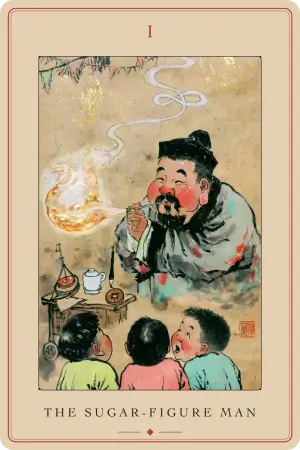
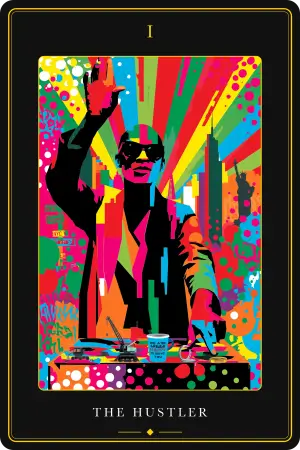
Hvert kortsæt genfortolker den samme arketype. Sammenlign kunsten, og åbn derefter et kortsæt for at læse dets fulde fortolkning.
Billedsprog og symbolik
Rider-Waite-Smith-Magikeren står i en dyrket have med den ene arm hævet og den anden sænket. Med højre hånd løfter han en hvid stav med to ender mod himlen, mens hans venstre pegefinger peger mod jorden, en direkte illustration af den hermetiske sentens "Som foroven, således forneden" fra Hermes Trismegistus' Smaragdtavle. Positionen gør ham til en kanal, der trækker åndelig energi ned og forankrer den i den materielle verden.
Over hans hoved svæver lemniskaten, det liggende uendelighedstegn, og en ouroboros-slange bider sig selv i halen ved hans talje. Begge tegn står for evigheden og den endeløse tilførsel af energi, han kanaliserer. På alteret foran ham ligger fire redskaber: en stok, en mønt, et sværd og et bæger. De står for Lille Arkanas fire kulører og for de fire klassiske elementer ild, jord, luft og vand, de råmaterialer, han arrangerer efter eget ønske.
Hans dragt bærer kortets centrale spænding. Den hvide inderkjortel læses som renhed og enstrenget fokus med et strejf af uprøvet uerfarenhed. Den røde yderkappe tilføjer drivkraft, lidenskab og vilje, men også risikoen for ego og destruktiv ærgerrighed, hvis den vilje bliver fordærvet. Rundt om og under ham gror røde roser og hvide liljer, "stræbsomhedens kultur", der viser et ønske, som dyrkes, til det blomstrer til et fysisk resultat.
Kernebetydning
Magikeren er arketypen på aktiv vilje og bevidst intellekt, det første punkt, hvor grænseløst potentiale tager bevidst form. Nummereret I åbner han rækken af intentionel skabelse: hvor Narren er uformet mulighed, der træder ud i tomrummet, er Magikeren øjeblikket, hvor muligheden får en plan og et par hænder.
Moderne læsere beskriver ham som Narren efter faldet, den samme ånd, der nu bærer færdigheder og livserfaring. Når han dukker op, er budskabet, at du allerede har alle de redskaber, ressourcer og evner, situationen kræver. Intet mangler undtagen beslutningen om at bruge dem. Han er broen mellem en idé og dens udtryk, en påmindelse om, at et begreb, der holdes klart i sindet, kan bygges om til ydre virkelighed.
Opretstående betydning
I opretstående position er Magikeren det fornemste kort for manifestation, viljestyrke og personlig handlekraft. Det bekræfter, at du har et klart overblik over de veje, der ligger foran dig, og fokus til at forpligte dig på én. Planlægnings- og drømmefasen er forbi. Det er tegnet på at handle, at holde op med at vente på muligheden og begynde at skabe den.
I kærlighed. Udstråling og nærvær bærer læsningen. Du kan sige, hvad du mener, og drage andre mod dig, og en forbindelse kan formes med vilje i stedet for at blive overladt til tilfældighederne. Om en partner peger kortet på en, der møder op med klarhed og initiativ.
I karrieren. Et stærkt varsel om succes i arbejdslivet. Det taler for at lancere virksomheden, bruge sine talenter med selvtillid og gå fra strategi til udførelse. Forfremmelser, nye foretagender og kreative projekter står under en gunstig stjerne, når du handler på dem.
I økonomien. Penge vokser gennem strategi, opmærksomhed og kreativ udnyttelse af naturlige talenter. Kortet belønner bevidste, opfindsomme skridt frem for passiv venten, så sæt dine færdigheder i arbejde i stedet for at håbe på held.
I helbredet. Fokuseret intention støtter kroppen. At tage aktive, overvejede skridt mod velvære og stole på sin evne til at påvirke sin egen tilstand er Magikerens tilgang til heling.
Omvendt betydning
I omvendt position, eller i en udfordringsposition, bliver den samme beherskelse til manipulation og illusion. Evnen til at arrangere de fire elementer kan lige så let vendes mod andre mennesker. Det er spindoktoren og gaslightingens arkitekt, charmøren, der bygger en alternativ virkelighed, hvor almindelig dømmekraft sættes ud af kraft. Det kan også pege indad, mod et talent, der ikke bruges, og en nagende frygt for at blive afsløret som bedrager.
I kærlighed. Et rødt flag. Den omvendte Magiker kan være den karismatiske performer, der siger præcis det, du vil høre, mens han skjuler sine egentlige motiver og tilbyder illusionen af dybde for at sikre sig et privat mål.
I karrieren. Potentialet går til spilde. Store ord erstatter egentlig udførelse, eller bedragersyndromet sætter ind, og du tvivler på redskaber, du faktisk har. Vær på vagt over for planer, der gør meget væsen og giver lidt.
I økonomien. Dårlig planlægning, illusioner om hurtig rigdom og spildte ressourcer. Penge glider væk, når selvtilliden overhaler kompetencen, eller når et glat salgsfremstød dækker over en hul plan.
I helbredet. Spredt energi og ringe tillid til sig selv. Det omvendte kort kan vise undgåelse, forklædt som kontrol, eller en vægring mod at se i øjnene, hvad kroppen faktisk siger.
Historiske noter
Magikeren begyndte langt fra templet. I Visconti-Sforza-sættet fra midten af 1400-tallet, tilskrevet Bonifacio Bembo (omkring 1460), er han en siddende mand, der leger med bægre og bolde, et almindeligt fingerfærdighedsnummer. Den italienske tradition kaldte ham Il Bagatto, gøgleren eller kvaksalveren, og i kortspillet Tarocchi var han Pagat, den laveste trumf. Mantegna-gravyrerne kalder den tilsvarende figur Artixano, Håndværkeren, nær bunden af samfundets rangstige. Tarot de Paris fra omkring 1625 sætter ham blandt en hund, en abe og en lille flok mennesker, og franskmændene kaldte ham Le Bateleur. Hans redskaber var dengang terninger, spillebægre og knive, et markedssvindlers arbejdsudstyr.
Det franske okkulte opsving i 1800-tallet skabte ham om. Eliphas Levi og de forfattere, der fulgte efter, gjorde Tarot til krypteret oldtidsvisdom, og gadetrylleren blev et aspekt af Hermes-Thoth, den guddommelige kommunikator. Spillebordet blev et helligt alter, og de snydende rekvisitter blev elementsymboler. Da Arthur Edward Waite og Pamela Colman Smith udgav Rider-Waite-Smith-sættet i december 1909, fjernede de de sidste rester af tricksteren og efterlod den højtidelige adept, som de fleste læsere ser for sig i dag.
Korrespondancer
Tal. Kortet er trumf I, den enkelte begyndelse på den nummererede rejse. Dets hebraiske bogstav Beth har værdien 2, som indfører dualitet: subjektet, der handler, og objektet, der handles på.
Astrologi. Merkur styrer Magikeren, og gennem Merkur stjernetegnene Tvillingerne og Jomfruen. Tvillingerne bidrager med overtalelsesevne og verbal smidighed, Jomfruen med analyse og trin-for-trin-metode.
Element. Han behersker alle fire. Stokken, mønten, sværdet og bægeret på hans alter er ild, jord, luft og vand, lagt ud som spillebrikker, han kan arrangere.
Kabbala. Magikeren har Livets Træs 12. sti, broen fra Kether (Kronen) til Binah (Forståelse). Ældre tekster kalder den Gennemsigtighedens Intelligens: adepten arbejder bedst som en klar linse, der lader den guddommelige vilje passere uforvrænget af egoet.
Elementær værdighed. Ved siden af Sværd forstærkes hans luftige, merkuriske side, og læsningen vender sig mod kommunikation, netværk og intellekt.
Psykologisk perspektiv
Psykologisk set er Magikeren det udviklingsmæssige øjeblik, hvor man gør krav på sin handlekraft. Han repræsenterer beherskelse af intellekt, lidenskab, følelse og ressourcer, det punkt, hvor et menneske holder op med at reagere på livet og begynder at forfatte det. Klinisk litteratur om lægers udbrændthed har endda brugt kortet til at markere fasen, hvor man generobrer personlig og professionel handlekraft efter institutionel skade.
Skyggen sidder tæt på. Fordi Magikeren er afhængig af skinnet af kompetence, er hans omvendte udtryk frygten for at blive afsløret, afmagten hos gøgleren, der frygter, at publikum gennemskuer tricket. Presses det den anden vej, hærder den samme trang til kontrol til grandiositet og narcissisme, og empatien tynder ud, indtil andre mennesker ligner redskaber på alteret frem for selvstændige liv. Persona-spillene læner sig op ad netop dette spænd og lader Magiker-arkanen gå til figurer, der kæmper med mindreværd og følelsen af at være blevet efterladt.
Magikeren på tværs af kortsæt
Tarot de Marseille. Den ældre Le Bateleur gemmer sit uendelighedstegn i randen af en bred hat i stedet for at lade det svæve over hovedet. Han står ved et midlertidigt bord på tre ben, holder sin stav i venstre hånd og tegnes ofte med seks fingre, en anomali, som læsere tager som tegn på kræfter ud over almindelig menneskelig rækkevidde. Det manglende fjerde ben inviterer betragteren til at fuldende scenen, og en enkelt lille plante med yonisk form gror ved hans fødder i stedet for RWS-haven.
Crowley-Thoth. Aleister Crowley omdøbte kortet Magus og lod Lady Frieda Harris male det mellem 1938 og 1943. Figuren er androgyn og dynamisk og jonglerer med elementerne gennem åbent rum i stedet for at lade dem hvile på et alter. Nær ham sidder Cynocephalus, Thoths abe, en påmindelse om, at i det øjeblik sandheden lægges i ord, bliver den en forvrængning. Merkur og kaduceus forankrer designet.
Moderne sæt. Lisa Sterles Modern Witch Tarot genforestiller adepten som en kvindelig udøver og bringer renæssancegøglerens legende showmanship tilbage. Mary-El- og William Blake-tarotsættene omarbejder billedsproget til deres egen æstetik, og budskabet om selvbeherskelse overlever hver ny tegning.
I kombination og kontekst
Magikeren får sin skarphed af kortene omkring ham. Han er den naturlige modpart til Ypperstepræstinden (II): han er ydre handling, aktiv og verbal, hvor hun er indre viden, modtagende og tavs. En hel adept bruger hendes intuition til at afgøre, hvad der skal manifesteres, og sin egen vilje til at udføre hvordan.
Stillet over for Vognen (VII) markerer han et andet stadie. Magikeren er hensigtens gnist, arkitekten, der tegner planen, mens han står stille bag sit alter. Vognen er momentumets slid, generalen, der driver planen gennem modstand til dens fuldførelse.
Sammen med Sværd styrkes Tvillingernes luftige strømning, og fokus skærpes mod kommunikation og intellekt. Sammen med relationskort læses han som regel som personlig magt frem for en fælles sjælskontrakt, da hans energi i sit væsen er individuel. I en udfordringsposition eller omvendt kan du forvente, at manipulationens og illusionens skygge træder i forgrunden.
Spørgsmål til refleksion
- Hvor i dit liv har du allerede alle de redskaber, du har brug for, og hvad forhindrer dig i at tage dem op?
- Når du overbeviser andre, kanaliserer du så klar intention, eller bøjer du sandheden for at få din vilje?
- Hvilken idé er du klar til at flytte fra planlægning til handling i denne uge?
Den generelle betydning følger Rider-Waite-Smith-læsningen — referencen, der bruges i hele Tarot Academy. Åbn et specifikt kortsæt ovenfor for dets egen fortolkning.
Ofte stillede spørgsmål
Udforsk tarot
Seneste Indlæg
Opdag den gamle visdom fra tarotkort og lås op for mysterierne i din spirituelle rejse. Vores blog er din indgang til at forstå den rige symbolik, betydninger og praktiske anvendelser af tarotlæsning.




















































