
 ZH (简体中文)



小阿卡纳 · 权杖 (火)
权杖四
四根饰有花环的木杖如拱门般矗立,两人在其下方挥舞花束,护城河对岸城堡屹立:丰收已至,跨越这道门槛的时刻到了。
Read the complete guide: 四根权杖塔罗牌:象征意义和释义的完整指南
卡牌一览
- 数字命理
- 四
- 元素
- 火
- 占星
- 白羊座金星,第3旬(4月11日至20日)
- 卡巴拉路径
- 创造界(Atziluth)中的慈悲(Chesed)
- 时机
- 4月中旬,白羊座第3旬
- 是/否
- 正位:是 · 逆位:否
正位
稳定
庆祝
归家
巩固
盟约
胜利
休整
家庭幸福
逆位
不稳定
计划受阻
不和
脆弱的联盟
缺乏支持
热情消退
归属感缺失
各牌组中的 权杖四
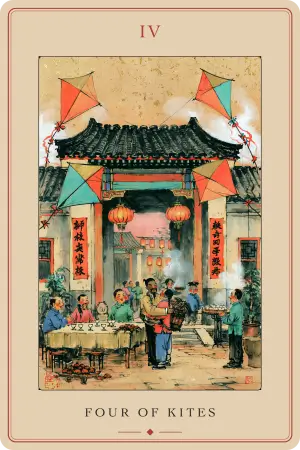
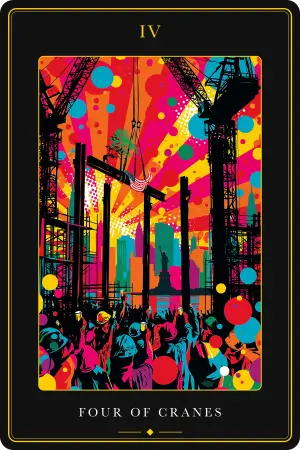
每副牌组都在重新诠释同一个原型。对比牌面艺术,然后打开具体牌组阅读完整解读。
图像与象征意义
帕梅拉·科尔曼·史密斯将这张牌搭建成一个具有三重景深的舞台场景。在前景中,四根高大的木杖牢固且对称地扎根于大地,顶部由果实、树叶和鲜花编织成的繁茂花环连接。在中景里,两位人物举起双手,挥舞着小花束。在他们身后矗立着一座坚固的石造城堡,人们聚集在跨越护城河通往庄园的桥梁上欢庆。饰有花环的木杖直接借鉴了犹太婚礼花棚(chuppah),这就是为何这副牌中的这张卡牌与婚姻、人生过渡仪式以及正式典礼紧密相连。
这副牌对自身的道具赋予了严谨的寓意。四根权杖框出由月桂枝编织的花环,象征着胜利与成功,代表朝向目标的阶段性完成,而欢庆者头戴的花冠则进一步强化了这一主题。四根权杖本身构筑了一个封闭空间,代表家园、结构与秩序:它们奠定了基础,标志着前一阶段的圆满与下一阶段的开启。城堡代表通过努力获得的稳定、安全感与物质丰盈。丰收则象征着凭辛勤付出换来的精神与物质成果。
色彩烘托出整幅画面的基调。黄色背景代表能量、活力、庆典与喜悦;贯穿画面的黄绿色调传递出财富、繁荣与丰盈;欢庆者身着红绿相间的服饰,标志着欲望、行动、激情、新生与富足。郁郁葱葱的树木与节日盛装营造出欢快融洽的氛围。
史密斯的构图还有一层深意,常被现代塔罗解读所讨论。观察者置身于场景之外,被前方的权杖拱门与后方的护城河与这场庆典隔开。前景构成了入口门槛,中景的人物展示着欢庆仪式,背景的城堡则象征着庇护所。伟特的设计邀请你跨过桥梁加入其中,但这种构图同样容许一种更为冷静的视角:隔水观望一场公开的喜庆展示,而这正是该牌隐藏在外表下的暗面滋生之处。
核心牌意
在莱德·伟特牌中,权杖四代表繁荣、稳定以及家庭的和谐:地位的巩固、动荡过后的宁静、目标达成的喜悦以及共同努力带来的满足感。黄金黎明教团将这张牌称为“完美工作之主”(Lord of Perfected Work),伟特与史密斯在1909年所做的,就是将这一抽象概念转化为人人都能理解的人类生活里程碑。作物已安全归仓,领地已确立,群体准备好休整与欢聚。
数字四为原本躁动不安的火元素提供了第一个稳固的载体。如果说权杖王牌点燃了火花,权杖二制定了规划,权杖三远眺航船,那么权杖四则是将木杖插入大地并饰以花环。这是在权杖五的冲突到来之前一次有意的停顿与结构化的中场休息,其带来的稳定在此时此刻是真实而可靠的。
这副牌给出的建议清晰明确:承认并庆祝已取得的成就,充分享受休息,并与挚爱之人共度时光。即便尚未达成最终目标,阶段性的成果同样值得铭记。珍惜当下的稳定与安全感,借此加深与亲友及家园的联系。
正位牌意
正位时,这张牌描绘了一段稳定且平稳的时期,付出终于换来了切实的回报。它指向坚实的基础、紧密的纽带与现阶段的成就,并强烈倾斜于家庭与归属:安全感、根基的建立以及在朋友间感受到的温馨归宿。它标志着结盟、聚会、共同开创未来的准备、家庭的组建或家庭项目的启动。在单牌正否占卜中,它代表肯定的回答(“是”)。作为每日牌,它提示你暂缓奔波,与亲友相聚,让喜悦成为让努力变得有意义的回报。
感情方面。 稳定、和谐与相互尊重,关系建立在深厚的双向情感之上,双方平等投入。这是亲密无间、婚姻或长期恋情的经典象征,预示着幸福的家庭、共同参加的社交活动与庆祝,甚至可能代表同居。接下来的时期平静而充满安全感,并得到共同目标与愿景的支持。
事业方面。 成果展现与局面掌控:项目的圆满落幕或职业生涯阶段性目标的达成,往往伴随着升职、获奖或行业认可的好消息。工作带来满足与自豪感,此刻适合与同事欢聚,分享凝聚力。在商业领域,它显示出基于坚实根基的增长、家族或团队企业、可持续的合作关系,以及在休整后拓展新方向的有利时机。
财务方面。 成功、稳定与成果巩固:一段财务状况良好的时期,包含稳定的现金流、阶段性成果或项目的盈利以及投资回报。未来充满稳定与丰盈,卡牌赋予你一个安全的立足点去安安享受劳动成果。庆祝活动可能会带来丰厚的礼物,但也伴随着相应的开支。
健康方面。 通过日常照料实现稳定与滋养:保持规律的锻炼自律,与身体及其机能保持和谐,开展如瑜伽、普拉提或跑步等实践。在运动与均衡饮食中感受喜悦,倾听身体的需求,让自我关怀成为庆祝的一部分,而非另一项负担。
逆位牌意
逆位时,这张牌所承载的和谐遭到破坏。解读转向焦虑与不稳定:过往的成功不再带来满足感,计划变得前途未卜,家庭感或归属感发生摇摆。可能出现家庭内部的分歧、缺乏家庭温馨感、无法落地的项目以及难以达成一致的困境。在单牌正否占卜中,它倾向于否定的回答(“否”)。这副牌给出的建议是积极解决问题而非哀叹现状:重新审视你在重要关系中的位置,改善沟通,调整方案,保持耐心,避免让一时失落掩盖大局。
感情方面。 不稳定、紧张或显性冲突:内心的不安、不满或对承诺的恐惧。共同目标出现偏差,热情减退,甚至感觉其中一方承受了过多负担。卡牌提示双方坦诚面对问题,在必要时给予彼此空间,避免做出冲动的决定或施加不健康的压力。
事业方面。 工作场所面临挑战:辛勤付出未获应有回报、项目未能达成预期、感到被团队孤立,或者个人及家庭事务干扰了工作。单调与职业倦怠达到顶峰,亟需引入新的活力或视角。在商业上,它警示团队分歧、规划不足、合伙人失和以及合作停滞;在原有架构进一步受损前,有必要开展深入沟通。
财务方面。 在原本以为稳固之处出现停滞或动荡。曾经安全的领域受到威胁,看似牢固的结构显得脆弱,收益令人失望,开销超出预期,或者预期的利润延迟到来。需重新评估财务策略,审查预算计划,在风险演化前做好应对准备。
健康方面。 对自身身体状况关注不足:饮食失控、作息无规律、缺乏体育锻炼。卡牌警示放纵或疏忽带来的后果,呼吁全面回归健康的生活基础,因为此时受到动摇的正身体根基。
历史渊源
在伟特与史密斯之前,这张牌并无具体的场景描述。马赛塔罗牌(Tarot de Marseille)中的四根杖交织成坚固的网格或延伸至牌角交叉图案,花朵从其缝隙中伸展而出,印证了严谨的秩序依然能孕育出自然的生长。在17世纪比利时马赛牌组杰拉德·博德(Gerard Bodet)版本中,甚至出现了一起印刷意外:蓝色油墨泼洒在这一张火元素卡牌的底部,后世的诸多解牌者反而珍视这一画面,将其视为炽热火元素突然得到冷却与平复的象征。
黄金黎明教团的手册《T之书》(Book T)所规定的画面远比乡村舞蹈奇异得多:两只出自云端的白色天使之手,以第一阶的秘密握手姿势相交,握着四根交错的木杖,交叉处燃着火焰,上方和下方较小的木杖上刻有金星和白羊座的符印。教团的色彩体系(在新西兰瓦雷拉神殿/Whare Ra中保存下来)要求在血红色的背景与紫色云彩下绘制翡翠绿色的木杖,并将这张牌与炼金术中的“煅烧”(Calcination,即“红化”阶段)联系起来,在这一过程中杂质被烧尽,显现出稳固的核心。
伟特与史密斯在1909年做出的革命性改变,就是将这种神秘学机制转变为极具人性色彩的场景:城堡大门前的丰收庆典、婚礼花棚以及仿佛触手可及的欢聚人群。阿莱斯特·克劳利(Aleister Crowley)的托特塔罗牌(Thoth Tarot)后来回归了几何构图,将该牌命名为“完成”(Completion),并将顶端分别缀有白羊座公羊与金星鸽子的四根木杖交错,围拢在一团受控的火焰周围。然而,正是莱德·伟特版本,让“完美工作之主”化为了普通人触手可及的欢欣岁月。
神秘学对应
数字。 数字四代表稳定、平稳与沉静:对应四大元素、四个方位与四季,在大阿尔卡纳中与皇帝牌相连。在这副牌的数字学中,四将权杖的能动力量框定在稳固与可靠的基础之内,标志着任务的完成以及辛勤付出后理应享有的休息;在社会层面上,它代表群体、协议以及共同达成目标后的喜悦。
占星对应。 白羊座金星,即白羊座第3旬(4月11日至20日),该区间传统上由木星掌管,木星的扩张特质放大了庆祝与幸运的主题。金星在白羊座处于落陷位置,代表爱的行星置身于战神火星的领地,而这副牌对这一组合给出了积极的解读:金星赋予了和谐、盟约、吸引力以及分享成功的愿望,而第3旬则为白羊座注入了充沛的自信与务实的战斗意志。这种喜悦是热烈、直接且充满激情的,但并非永恒不变的静态。
元素。 创造界(Atziluth)中的火元素,即纯粹意志与神圣流出的世界。在此,烈火被引入室内的炉膛,带来温暖、安全以及凝聚人群的场所。
卡巴拉。 创造界(Atziluth)中的第四个源质慈悲(Chesed):深渊之下的第一个显化阶段,神圣意志在此开始构建理想的结构。该星宿的天使主宰纳奈尔(Nanael)与尼萨尔(Nithael)共同构成了卡牌承诺的两重内涵:纳奈尔将炽热的灵感扎根于哲学理解之中,而尼萨尔则守护着合法的权威与庇护所的稳定。
元素尊卑。 作为一张火元素卡牌,它与风元素协同强化,与水元素相遇则产生张力,因此相邻的卡牌决定了这场庆祝是固若金汤还是摇晃不定。
心理学视角
展现实力正位能量的人处于一种通过勤奋与坚韧换来的和谐与稳定状态。他们对目标有着清晰的愿景并具备落实的动力,擅长团队协作,具备全局视野,能够在多线推进项目的同时保持务实。逆位时,同一个人则面临着不断消耗热情、动力与方向的障碍,直至陷于停滞;对改变的恐惧使部分人止步不前,而动荡与混乱填补了原本长期目标所在的位置。他们需要外界的支持或引导来重新站稳脚跟。
这张牌更深层的心理内涵在于让里程碑真正落到实处。火元素性格的人往往在完成一项任务后便马不停蹄地奔向下一个,并在半途耗尽能量。而这张牌打断了这一恶性循环,要求人们停下脚步,聚会并毫无愧疚地安享已完成的成果。它赞美婚礼、毕业典礼等重大时刻,也同样肯定微小的里程碑:熬过极其艰难的一周、终于完成了一场艰难的对话、或者享受一个安全宁静的周六。未经分享的喜悦容易消逝,而在群体中共享的喜悦方能生根发芽。
该牌的影子恰恰在于容器本身。亚历汉德罗·佐杜洛夫斯基(Alejandro Jodorowsky)曾警告,数字四的隐患在于停滞而不演进:艺术家永远重复着同一幅画,伴侣间的激情沦为僵化的习惯。缺乏新燃料的炉火终将熄灭,曾经带来安全感的城堡高墙也可能变成镀金的笼牢。充分沉浸于抵达的喜悦中,随后亦要勇于从你步入的拱门重新出发。
不同牌组中的权杖四
与其他牌组对比,莱德·伟特版本的独特之处在于其待客之道:它是唯一将“完美工作”描绘为一场任何人都能融入的欢庆派对的经典呈现。马赛塔罗牌保持着纯粹的几何构图,四根花纹杖呈网状开花,通过图案与数字传递秩序。黄金黎明《T之书》版本则是金星与白羊座符印下天使之手与火焰木杖的神圣愿景,彰显的是神圣的裁决而非人世的欢愉。克劳利的托特塔罗牌将其命名为“完成”(Completion),在封闭的高压回路中围绕着中央受控的火焰,平衡着好斗的白羊公羊与和平的金星鸽子。
现代牌组将RWS的场景推向了新的方向。帕特里克·瓦伦扎(Patrick Valenza)的《偏执之月塔罗牌》将四根权杖化为一对新人怪诞新居的立柱,将卡牌与家庭生活及房产的联系具象为建筑结构。金·克兰斯(Kim Krans)的《野性未知塔罗牌》将木杖抽象为交错的树枝,围拢着蓝色的直觉核心,构成能量交汇与沉淀的入口。丽莎·斯特勒(Lisa Sterle)的《现代女巫塔罗牌》用一群好友停下脚步享受生活、自主选择的同伴与自我关怀取代了丰收祭典与婚礼花棚。而史蒂芬妮·普伊-蒙·劳(Stephanie Pui-Mun Law)的《花影塔罗牌》则将建筑融化在狐狸、水彩与自然和谐之中。每副牌都延续了史密斯构图的核心:值得庆祝的稳定,以及与你共庆的陪伴。
组合与语境
解牌者最常混淆的组合是权杖四与圣杯三(这副牌中另一张代表庆祝的大牌),而两者的区别源于元素属性。圣杯三属于水元素:流动、社交、显于言表的喜悦,本质上带有短暂性。权杖四则是扎根于结构之中的火元素,其核心在于确立长久的基础:依法组建家庭的婚礼、房屋过户的交割、企业的正式成立。前者庆祝的是聚会当下的氛围,而这张牌庆祝的是扎根立足。
牌阵组合能进一步明确其意涵。在健康问询中,当它与月亮同现时,它不再是预测而是处方:月亮带来的焦虑需要权杖四所提供的切实归家体验、家人相伴、稳定的环境以及病后或出院后的居家休养。在感情解读中,若与逆位的权杖骑士一同逆位出现,则描绘了一个因害怕承诺而逃避关系基础构建、拖延计划并保持距离的人。而该牌本身的场景构图也给出了最严苛的组合解读:当它逆位且周围环绕着象征欺瞒或紧张的卡牌时,这场庆祝可能只是一场粉饰,一场隔着护城河向外界展示的虚假团结,而私下的真实矛盾却被置之不理。
按牌阵位置来看,作为建议,它提示你停下脚步、标注里程碑并与人分享;作为障碍,它警示舒适区或过早的庆祝正将你卡在门槛之上;作为结果,它承诺了一段稳定的抵达,而史密斯画笔下远处的城堡则提醒你,派对过后,前方的旅程仍在延续。
反思问题
- 史密斯将我置于场景之外,隔着护城河望着这场庆祝。在我生活中,有哪些喜悦是我正从外部观望的?我需要跨过怎样的桥梁才能融入其中?
- 四根木杖支撑起的是花环,而非屋顶。在必须使其变为永久存在之前,我现在建成了什么值得当下庆祝的东西?
- 城堡矗立在派对身后,而非派对之中。我仍在迈向怎样的宏大安全感?在旅途中我是否能允许自己停下休整?
通用牌意基于韦特塔罗(Rider-Waite-Smith)的解读标准 —— 这是塔罗学院全程采用的参考基准。如需查看特定牌组的独特诠释,请在上方打开具体牌组。
常见问题
最新文章
探索塔罗牌的古老智慧,揭开您精神之旅的神秘面纱。我们的博客是您了解塔罗阅读的丰富象征、含义和实际应用的门户。




















































