
 TH (ไทย)

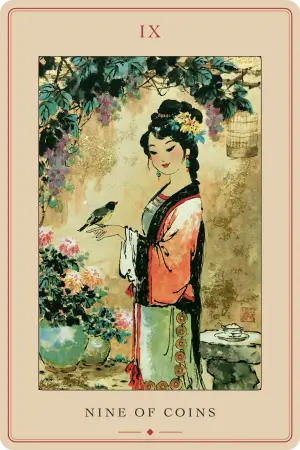
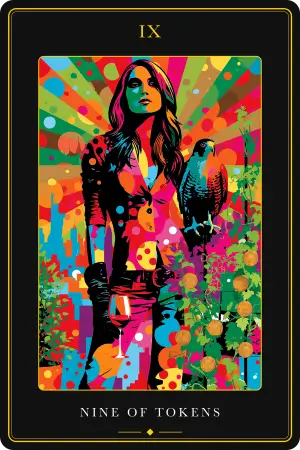


ไพ่ชุดเล็ก · เหรียญ (ธาตุดิน)
เก้าเหรียญ
หญิงสาวในสำรับ Rider-Waite ผู้อยู่ตามลำพังในสวนองุ่น: ความอุดมสมบูรณ์ที่ได้รับมาจากความพยายามและเพลิดเพลินกับมันในแบบของเธอเอง
Read the complete guide: ไพ่เหรียญเก้าในทาโรต์: คู่มือความหมายและสัญลักษณ์ครบถ้วน
ข้อมูลไพ่โดยย่อ
- ศาสตร์แห่งตัวเลข
- เก้า
- ธาตุ
- ธาตุดิน
- โหราศาสตร์
- ดาวศุกร์ในราศีกันย์ (ช่วงที่สอง)
- เส้นทางคาบาลาห์
- Yesod (รากฐาน)
- ช่วงเวลา
- ต้นฤดูใบไม้ร่วง ช่วงราศีกันย์
- ใช่ / ไม่ใช่
- ตั้งตรง ตอบใช่ · กลับหัว ตอบไม่ใช่
หัวตั้ง
พึ่งพาตนเองได้
ความอุดมสมบูรณ์ที่ได้รับจากความพยายาม
ความเป็นอิสระ
ความหรูหรา
ความมีวินัย
การพักผ่อน
ความมั่นคงทางการเงิน
ความรู้สึกขอบคุณ
กลับหัว
การทำงานหนักเกินไป
การใช้ชีวิตเกินตัว
ความฉาบฉวย
ความไม่มั่นคงทางการเงิน
การรักษาภาพลักษณ์
ความโดดเดี่ยว
ความอิจฉา
เก้าเหรียญ ในแต่ละสำรับ
สำรับไพ่ทุกชุดตีความแบบแผนเดียวกันใหม่ เปรียบเทียบงานศิลปะ จากนั้นเปิดสำรับเพื่ออ่านคำอธิบายที่สมบูรณ์
ภาพสัญลักษณ์
ภาพจากสำรับ Rider-Waite-Smith เป็นฉากที่คุ้นเคย หญิงสาวในชุดหรูหรายืนอยู่ตามลำพังในสวนองุ่นที่มีกำแพงล้อมรอบและได้รับการดูแลอย่างดี มีเหรียญเก้าชิ้นแทรกอยู่ตามเถาองุ่นรอบตัวเธอ มือข้างหนึ่งที่สวมถุงมือถือ เหยี่ยว ที่สวมหมวกคลุมหัว ส่วนมืออีกข้างวางอย่างแผ่วเบาบนหนึ่งในเหรียญเหล่านั้น มี หอยทาก กำลังคลานช้าๆ บนพื้นใกล้กับเท้าของเธอ และมี คฤหาสน์หรือปราสาท ตั้งอยู่ไกลออกไปเบื้องหลัง
สำรับนี้ตีความรายละเอียดอย่างใกล้ชิด หมวกประดับ ที่เธอสวมบ่งบอกถึงสถานะทางสังคมที่สูง และ เสื้อคลุมสีสว่าง ของเธอเป็นตัวแทนของความบริสุทธิ์ในเจตนารมณ์และการคุ้มครอง ชุดสีทอง ของเธอมีลวดลายดอกไม้สีแดงเล็กๆ ที่มีรูปทรงเหมือนสัญลักษณ์ของดาวศุกร์ ซึ่งเป็นดาวเคราะห์ที่ปกครองไพ่ใบนี้และควบคุมเรื่องความงาม ความพึงพอใจ และการเห็นคุณค่าในตนเอง เธอสวมใส่ชุดหรูหรานี้เพื่อตัวเอง ไม่ใช่เพื่อให้ใครมอง เหยี่ยว เป็นตัวแทนของพรสวรรค์และการจัดการความคิดและความทะเยอทะยานอย่างมีวินัย หมวกคลุมหัวช่วยให้มันสงบและไม่วอกแวกจนกว่าจะถึงเวลาล่าสัตว์ นกตัวนี้จึงสื่อถึงสัญชาตญาณดิบที่ถูกนำมาอยู่ภายใต้การควบคุม และถุงมือหนังที่หนาช่วยปกป้องเธอจากกรงเล็บของมัน สำรับนี้ยังตีความว่านกตัวนี้คือความสามารถของเธอในการมองสถานการณ์จากหลายมุมมองและนำทักษะมาใช้ให้เกิดประโยชน์ หอยทาก ทำให้นึกถึงบทพูดของ Rosalind ในบทละคร As You Like It ของเชกสเปียร์ ที่ว่าหอยทากมาอย่างเชื่องช้าแต่มีบ้านเป็นของตัวเอง ซึ่งเป็นภาพสะท้อนของผู้หญิงที่พกพาความมั่นคงมาด้วยตัวเอง นอกจากนี้ยังสื่อถึงจังหวะที่เชื่องช้าของความมั่งคั่งทางโลก เปลือกของมันลากเส้นโค้งก้นหอยตามหลักเรขาคณิตศักดิ์สิทธิ์ และยังเป็นนัยถึงศัตรูพืชตัวเล็กๆ ที่อาจกัดกินความอุดมสมบูรณ์หากปล่อยปละละเลย องุ่น ที่สุกงอมส่งสัญญาณถึงวุฒิภาวะและความมีชีวิตชีวา สวนที่ปิดล้อม คือความปรารถนาของเธอที่จะอยู่ในโลกที่สะดวกสบายและปลอดภัยซึ่งเธอสร้างขึ้นมาด้วยตนเอง และ ปราสาท ที่อยู่ห่างออกไปคือความมั่นคงและปลอดภัยที่ได้รับมาแล้ว
ความหมายหลัก
ไพ่เก้าเหรียญคือไพ่แห่งความอุดมสมบูรณ์ที่ได้รับจากความพยายามและการพึ่งพาตนเอง ไพ่ใบนี้อยู่ในตำแหน่งรองสุดท้ายของไพ่ธาตุดิน เป็นจุดสูงสุดของความพยายามที่ยาวนานก่อนจะถึงความมั่งคั่งที่ส่งต่อถึงคนรุ่นหลังในไพ่หมายเลขสิบ กลุ่ม Golden Dawn ตั้งชื่อไพ่ใบนี้ว่า Lord of Material Gain ผู้หญิงคนนี้สร้างความสะดวกสบายของเธอผ่านความมีวินัย การออม และการศึกษา ตอนนี้เธอเพลิดเพลินกับรางวัลเหล่านั้นโดยไม่ต้องพึ่งพาการยอมรับจากใคร
ในสำรับนี้ความโดดเดี่ยวของเธอสื่อถึงความพึงพอใจมากกว่าความเหงา และสวนที่ปิดล้อมคือโลกที่ปลอดภัยซึ่งเธอสร้างขึ้นมาเพื่อตัวเอง บนต้นไม้แห่งชีวิต (Tree of Life) หมายเลขเก้าเป็นของ Yesod หรือรากฐาน ซึ่งเป็นขอบเขตที่จินตนาการเริ่มเป็นรูปเป็นร่างก่อนที่จะกลายเป็นความจริงที่จับต้องได้ ในไพ่ธาตุดิน สิ่งนี้หมายความว่าแผนการหรือความฝันได้กลายเป็นความจริงอย่างมั่นคง ทำให้มีรากฐานที่แข็งแกร่งให้ยืนหยัด ไพ่ใบนี้คือช่วงเวลาที่สวนเติบโตเต็มที่และคนทำสวนมีอิสระที่จะเดินเล่นในนั้น
ความหมายไพ่ตั้งตรง
เมื่อไพ่ตั้งตรง ไพ่เก้าเหรียญบอกว่าความพยายามที่ผ่านมาได้ผลตอบแทนแล้ว วินัยและความเสียสละได้เติบโตเป็นความมั่นคง ผู้ถามสามารถถอยออกมาพักและเพลิดเพลินกับสิ่งที่พวกเขาสร้างขึ้น ไพ่ใบนี้มาพร้อมกับความมั่นใจที่แน่วแน่ ซึ่งเป็นรูปแบบที่มาจากความมั่งคั่งที่สร้างขึ้นมาเองมากกว่าการได้รับมรดก ไพ่ยังเน้นย้ำถึงการพักผ่อน งานมีความมั่นคงพอที่จะดำเนินไปตามระบบที่มีอยู่แล้ว ดังนั้นเวลาว่างและการใช้ชีวิตที่ดีจึงเป็นส่วนสำคัญ
ในด้านความรัก. เป็นไพ่ที่มีความเป็นอิสระอย่างเห็นได้ชัด มักจะสื่อถึงคนที่เติมเต็มตัวเองได้สมบูรณ์ เป็นที่ชื่นชมในการพึ่งพาตนเองแต่ก็ยากที่จะดึงดูดเข้าสู่ความสัมพันธ์แบบพึ่งพิงกัน หากความสัมพันธ์ลงตัวแล้ว สำรับนี้จะวางกรอบให้เป็นความสัมพันธ์ที่เป็นผู้ใหญ่และเท่าเทียมกัน สร้างขึ้นบนความเคารพและมุมมองที่เป็นจริงเกี่ยวกับอนาคตร่วมกัน ในฐานะคำแนะนำสำหรับความสัมพันธ์ที่บั่นทอนจิตใจ ไพ่แนะนำให้เลือกความสงบเพียงลำพังดีกว่าอยู่กับคู่รักที่รับเพียงอย่างเดียวโดยไม่ยอมให้คืน
ในด้านการงาน. หน้าที่การงานที่เจริญรุ่งเรือง การลงทุนที่เติบโตเต็มที่ และชื่อเสียงที่ได้รับความเกรงใจจากทั้งเพื่อนร่วมงานและคู่แข่ง บ่อยครั้งมักจะเป็นการเปลี่ยนงานอดิเรกให้กลายเป็นธุรกิจที่ทำกำไร โดยที่สายงานนั้นอยู่ภายใต้การควบคุมได้ดีพอจนมีพื้นที่ให้ขยายตัวหรือชำระหนี้สินเก่าได้
ในด้านการเงิน. ความมั่นคงที่แท้จริง ซึ่งหามาได้และสร้างขึ้นด้วยตัวเอง การจัดการเงินเป็นไปอย่างระมัดระวังและมีวิจารณญาณในแบบของดาวศุกร์ในราศีกันย์ ให้คุณค่ากับคุณภาพมากกว่าการโอ้อวด ใช้ทรัพยากรให้เกิดประโยชน์ และตอนนี้ก็มีพื้นที่ให้เพลิดเพลินกับสิ่งที่เก็บออมมา
ในด้านสุขภาพ. ความมั่นใจในสภาพร่างกายที่เข้าถึงได้ผ่านการดูแลตัวเองอย่างสม่ำเสมอ การทำกิจกรรมเป็นประจำ และการใช้เวลากลางแจ้ง คำแนะนำคือให้รักษากิจวัตรที่ได้ผลไว้ แทนที่จะเริ่มต้นทำอะไรแบบหักโหม ในฐานะที่เป็นไพ่แห่งการสิ้นสุด ไพ่ใบนี้ยังสามารถเป็นจุดสังเกตถึงเหตุการณ์สำคัญทางชีววิทยา เช่น การตั้งครรภ์หรือการเปลี่ยนแปลงช่วงวัย
ความหมายไพ่กลับหัว
เมื่อไพ่กลับหัว ความสบายของไพ่ใบนี้จะเริ่มผิดเพี้ยนไป การตีความที่พบบ่อยอย่างหนึ่งคือการบ้างาน ผู้ถามไม่สามารถหยุดหรือพักผ่อนได้ ปล่อยให้หน้าที่การงานกลืนกินสุขภาพและชีวิตทางสังคมของตน แม้ในเวลาที่ไม่ได้ต้องการเงินอีกต่อไป สวนมีอยู่จริงแต่พวกเขาไม่เคยเข้าไปนั่งเล่นในนั้น
อีกการตีความหนึ่งคือปัญหาทางการเงินที่ถูกปกปิดไว้ด้วยภาพลักษณ์ของความสำเร็จ รูปแบบการใช้ชีวิตที่หรูหราซึ่งอาศัยเงินกู้และเปลือกนอกที่มีแบรนด์เนมปกปิดบัญชีที่ว่างเปล่า การให้ความสำคัญกับสถานะทางสังคมและรูปลักษณ์ภายนอกมากกว่าความมั่นคงที่แท้จริง นี่คือคำเตือนของไพ่กลับหัวเกี่ยวกับการบริโภคที่โอ้อวดและการไขว่คว้าหาการยอมรับจากภายนอก ซึ่งเป็นความรู้สึกว่างเปล่าที่ยังคงอยู่ไม่ว่าจะสะสมของไว้มากแค่ไหนก็ตาม ในความหมายที่กว้างกว่านั้น มันคือการตกต่ำหลังจากช่วงที่รุ่งเรือง ความมั่งคั่งที่สร้างขึ้นในเวลาที่ดีตอนนี้ถูกกดดันจากการวางแผนระยะยาวที่อ่อนแอ
ในด้านความรัก. การทนอยู่ในความสัมพันธ์ที่ว่างเปล่าเพื่อความมั่นคงทางการเงิน หรือการแยกตัวอย่างโดดเดี่ยวจนหยุดเป็นความสงบและกลายเป็นกรงขัง คู่รักอาจยึดติดอยู่กับสิ่งของและลืมความใกล้ชิดทางอารมณ์ที่เคยดึงดูดพวกเขาไว้ด้วยกัน
ในด้านการงาน. การทำงานอย่างไม่รู้จักเหน็ดเหนื่อยที่รู้สึกว่าไม่ได้รับผลตอบแทน หรือจุดเริ่มต้นที่มีแนวโน้มดีถูกผลักเข้าสู่ความถดถอยเนื่องจากการละเลยภาพรวม การใช้จ่ายที่แย่และการจัดการที่อ่อนแอสามารถสร้างความเสียหายให้กับทั้งการเงินและชื่อเสียง
ในด้านการเงิน. การใช้ชีวิตเกินตัว การรักษาภาพลักษณ์ และความล้มเหลวที่ตามมาจากการให้คุณค่ากับสถานะทางสังคมมากกว่าความมั่นคง เงินทุนไหลออกไปเร็วกว่าที่เข้ามา
ในด้านสุขภาพ. ภาวะหมดไฟจากการทำงานหนักเกินไปในแง่หนึ่ง อีกแง่หนึ่งคือการละเลยร่างกายและสูญเสียความสนใจในการดูแลตัวเอง ไม่ว่าทางใดก็ตาม นี่คือสิ่งที่เรียกให้มาประเมินนิสัยของคุณใหม่และดึงสภาพร่างกายของคุณกลับมาอยู่ในการควบคุม
เกร็ดประวัติศาสตร์
ไพ่ Nine of Coins ที่เก่าแก่ที่สุดปรากฏในสำรับ Visconti-Sforza ช่วงกลางศตวรรษที่สิบห้า ซึ่งวาดขึ้นสำหรับขุนนางชาวมิลานในช่วงประมาณปี 1441 ถึง 1447 ในสำรับนั้นมันเป็นไพ่ตัวเลขที่ไม่มีภาพประกอบ มีเพียงแผ่นทองคำเก้าแผ่น ซึ่งใช้ในเกมไพ่ทาโรคีและเพื่อแสดงความมั่งคั่งของราชวงศ์ การที่มันอยู่ในราชสำนักที่ร่ำรวยเหล่านั้นได้สร้างความเชื่อมโยงในช่วงแรกระหว่างไพ่ใบนี้กับสถานะทางสังคมที่สูงส่งและการพักผ่อนของชนชั้นสูง
ฉากที่นักอ่านส่วนใหญ่นึกถึงมาถึงในปี 1909 พร้อมกับสำรับไพ่ Rider-Waite-Smith ซึ่ง Pamela Colman Smith ที่วาดภาพประกอบภายใต้การดูแลของ Arthur Edward Waite ได้สร้างฉากเต็มรูปแบบให้กับชุด Minor Arcana เป็นครั้งแรก ไพ่เก้าเหรียญของเธอจัดวางผู้หญิงที่สง่างามในสวนองุ่นของตนเอง โดยอาศัยพื้นฐานทางละครและวรรณกรรมสำหรับรายละเอียดอย่างหอยทากที่ยืมมาจากเชกสเปียร์ คำสำคัญของ Waite คือความรอบคอบ ความปลอดภัย และความสำเร็จ โดยมีเรื่องฉ้อฉลและเจตนาไม่ดีในตำแหน่งกลับหัว แม้ว่าภาพของ Smith จะเป็นตัวมอบความลึกซึ้งทางจิตวิทยาให้กับไพ่ใบนี้ซึ่งนักอ่านยังคงใช้งานมาจนถึงปัจจุบัน
ความสอดคล้อง
ตัวเลข. เก้า ตัวเลขหลักเดียวตัวสุดท้าย ซึ่งหมายถึงการใกล้จะเสร็จสมบูรณ์และวุฒิภาวะที่รวบรวมผ่านแปดขั้นตอนก่อนหน้านี้ มันสะท้อนถึง The Hermit (หมายเลข IX) และความสันโดษที่เขาเลือก ตัวเลขศาสตร์ยังผูกมัดมันเข้ากับความเอื้อเฟื้อเผื่อแผ่ ความพร้อมที่จะแบ่งปันทั้งผลลัพธ์และความรู้
โหราศาสตร์. ดาวศุกร์ในราศีกันย์ช่วงที่สอง (ประมาณวันที่ 2 ถึง 11 กันยายน) ดาวศุกร์ปกครองความพึงพอใจและคุณค่า ราศีกันย์นำความเข้มงวดในการวิเคราะห์และสายตาที่เฉียบคมมาให้ เมื่อรวมกันแล้วจะสร้างแนวทางที่รอบคอบและมีวิจารณญาณทั้งในเรื่องความมั่งคั่งและความรัก เหมือนชาวนาผู้เชี่ยวชาญที่คัดองุ่นเน่าเสียทิ้งไปเพื่อปกป้องผลผลิตชั้นเลิศ
ธาตุ. ดิน ผ่านไพ่ชุดเหรียญ หมายถึงการงาน ร่างกาย เงิน และผลลัพธ์ที่เป็นวัตถุ
คิวบาลา. เซฟิราห์ Yesod หรือรากฐาน ซึ่งเป็นขอบเขตของดวงจันทร์และระนาบแห่งดวงดาว ทำงานอยู่ใน Assiah โลกแห่งการกระทำ ซึ่งเป็นที่ที่จินตนาการจะก่อตัวเป็นรูปเป็นร่างที่แข็งแกร่ง
ศักดิ์ศรีของธาตุ. ในฐานะที่เป็นไพ่ธาตุดิน มันช่วยวางรากฐานและสนับสนุนไพ่ธาตุน้ำ ตลอดจนทำให้ไพ่ธาตุไฟมีความมั่นคง แม้ว่าเมื่อซ้อนกับธาตุดินอื่นๆ มันสามารถเปลี่ยนจากความสะดวกสบายไปสู่ความหยุดนิ่งได้
มุมมองทางจิตวิทยา
ในทางจิตวิทยา ไพ่เก้าเหรียญอธิบายถึงอำนาจอธิปไตยเหนือตนเอง ความสมบูรณ์ของบุคคลที่เลิกพึ่งพาความรู้สึกมีคุณค่าจากภายนอก เหยี่ยวที่สวมหมวกคลุมหัวคือภาพสัญลักษณ์ที่สำคัญ ความทะเยอทะยานและความต้องการถูกควบคุมให้สงบจนกว่าจะถึงเวลาที่จำเป็นจริงๆ สำรับนี้ตีความนกตัวเดียวกันนี้ว่าเป็นทักษะที่อยู่ภายใต้การควบคุม คือความสามารถในการชั่งน้ำหนักสถานการณ์จากหลายมุมมองก่อนที่จะลงมือทำ
นักอ่านไพ่ในยุคปัจจุบันมักจะพบไพ่ใบนี้เป็นเหมือนการเปลี่ยนทิศทาง เมื่อถูกถามเกี่ยวกับความรู้สึกของคนอื่น ไพ่จะเปลี่ยนคำถามกลับไปยังผู้ถามและความสมบูรณ์ในตัวเองของพวกเขาเอง ด้านมืดของไพ่คือจุดที่ความเป็นอิสระแข็งกร้าวกลายเป็นการหลีกเลี่ยง จุดที่สวนที่มีกำแพงล้อมรอบได้ปิดกั้นการเชื่อมต่อออกไปพร้อมกับเสียงรบกวน และจุดที่ความสำเร็จกลายเป็นวิธีพิสูจน์คุณค่า ไพ่ตั้งคำถามว่าความโดดเดี่ยวนั้นคือความพึงพอใจที่เลือกอย่างอิสระ หรือเป็นป้อมปราการที่สร้างขึ้นเพื่อต่อต้านการถูกเรียกร้องความต้องการจากคนอื่น
ไพ่เก้าเหรียญในสำรับอื่นๆ
สำรับไพ่พื้นฐานต่างๆ จัดวางกรอบของไพ่ใบนี้ในระดับที่แตกต่างกัน และการวางพวกมันเทียบกับสวนองุ่นของ Rider-Waite-Smith ทำให้เห็นชัดเจนขึ้นว่าสำรับนี้กำลังสื่อถึงอะไร Tarot de Marseille และ Visconti-Sforza ในยุคก่อนหน้านี้แสดงให้เห็นว่าไพ่ใบนี้เป็นการจัดเรียงเหรียญเก้าเหรียญในแบบนามธรรม โดยอ่านความหมายจากตัวเลขและมูลค่าแทนที่จะเป็นฉากเรื่องราว
สำรับ Thoth ของ Crowley และ Harris ตั้งชื่อไพ่ใบนี้ว่า Gain และตัดรูปมนุษย์ออกไปเพื่อใช้รูปทรงเรขาคณิตศักดิ์สิทธิ์แทน มีแผ่นดิสก์สามแผ่นเชื่อมต่อกันตรงกลาง ล้อมรอบด้วยเหรียญหกเหรียญที่มีสัญลักษณ์ของดาวเคราะห์ ตัดกับพื้นสีเขียวมรกตเข้ม ซึ่งเป็นจุดที่พลังแห่งดาวเคราะห์สอดประสานกันจนกลายเป็นความสำเร็จทางวัตถุ ในบรรดาสำรับยุคใหม่ Mystic Mondays Tarot แทนที่ผู้หญิงด้วยนกยูงที่มีเหรียญเก้าเหรียญอยู่ที่หาง ซึ่งเป็นสัญลักษณ์ของการแสดงออกที่คู่ควรกับความสำเร็จ ในขณะที่ Tarot of the Sidhe ตั้งชื่อไพ่ว่า Maker Nine และเน้นย้ำถึงผลตอบแทนที่สมควรได้รับจากแรงงานที่ทุ่มเทไปแล้ว เมื่อเทียบกับสำรับทั้งหมดเหล่านี้ เวอร์ชันของ Rider-Waite-Smith โดดเด่นด้วยรูปร่างมนุษย์ที่อยู่ตามลำพังและน้ำหนักทางจิตวิทยาที่ Smith บรรจุลงไปในตัวเธอ
การตีความร่วมกับไพ่ใบอื่นและบริบท
ในชุมชนนักอ่านไพ่ทาโรต์ ไพ่เก้าเหรียญได้รับชื่อเล่นว่าไพ่คุณป้าเศรษฐี (the Rich Aunt card) ซึ่งเป็นต้นแบบของผู้หญิงที่มีความมั่นคงทางการเงิน เดินทางอย่างอิสระ และไม่เดือดร้อนจากแรงกดดันให้ต้องแต่งงานหรือตั้งรกราก สิ่งนี้ทำให้สีสันของการอ่านเมื่ออยู่ถัดจากไพ่เพื่อนบ้านเปลี่ยนไป เมื่ออยู่ข้างไพ่ที่อบอุ่นและมีความสัมพันธ์ที่ดี มันสามารถอ่อนโยนลงกลายเป็นความสะดวกสบายที่แบ่งปันกันได้ เมื่ออยู่ข้างไพ่ที่เย็นชาหรือทำให้หมดพลัง มันจะกลายเป็นเหตุผลที่หนักแน่นในการเดินจากมาและรักษาความสงบของตนเอง
ตำแหน่งในการวางไพ่ยังช่วยกำหนดรูปร่างของมันเพิ่มเติม ในตำแหน่งอดีตมันชี้ไปที่วินัยที่สร้างความมั่นคงในปัจจุบัน ในฐานะคำแนะนำมันบอกให้พักผ่อน เชื่อมั่นในระบบที่มีอยู่แล้ว และเลิกทำงานหนักเกินไปเพื่อคนที่ไม่คู่ควรกับสิ่งนั้น ในฐานะผลลัพธ์มันสัญญาถึงความอุดมสมบูรณ์และความเป็นอิสระที่หามาได้ ในการทำนายแบบตอบใช่หรือไม่มี ไพ่ตั้งตรงคือคำตอบว่าใช่อย่างหนักแน่น และเมื่อไพ่กลับหัวจะเป็นคำตอบว่าไม่ ซึ่งตั้งคำถามว่าความมั่งคั่ง หรือความสัมพันธ์นั้น มั่นคงจริงหรือเป็นเพียงแค่การแสดงให้เห็นเท่านั้น
คำถามชวนคิด
- ฉันได้สร้างอะไรขึ้นมาด้วยวินัยของตัวเองที่ฉันยังไม่ได้อนุญาตให้ตัวเองเพลิดเพลินกับมันเลย?
- เหยี่ยวบนข้อมือของเธอนั้นทรงพลังแต่ถูกสวมหมวกคลุมหัวไว้ ฉันเก็บความทะเยอทะยานของตัวเองให้สงบไว้ตรงไหนบ้างจนกว่าจะถึงเวลาที่จำเป็นจริงๆ?
- ถ้าฉันวัดความมั่งคั่งของตัวเองด้วยความสงบในจิตใจแทนที่จะเป็นสถานะทางสังคม ฉันจะร่ำรวยแค่ไหน?
ความหมายทั่วไปอ้างอิงจากการอ่านไพ่ไรเดอร์-เวต-สมิธ ซึ่งเป็นมาตรฐานที่ใช้ทั่วทั้ง Tarot Academy เปิดดูสำรับไพ่ด้านบนเพื่อดูการตีความเฉพาะของแต่ละสำรับ
คำถามที่พบบ่อย
สำรวจไพ่ทาโรต์
โพสต์ล่าสุด
ค้นพบภูมิปัญญาโบราณของไพ่ทาโรต์และปลดล็อกความลับของการเดินทางทางจิตวิญญาณของคุณ บล็อกของเราเป็นประตูสู่การทำความเข้าใจสัญลักษณ์ ความหมาย และการประยุกต์ใช้จริงของการอ่านไพ่ทาโรต์




















































