
 SV (svenska)



Lilla arkana · Stavar (Eld)
Ess i stavar
Eldens rot: en rå gnista av kreativ vilja, inspiration och ny energi som väntar på att omsättas i handling.
Läs den kompletta guiden: Ess i Stavar i Tarot: En Komplett Guide till Symbolik och Betydelse
Kortet i korthet
- Numerologi
- Ess
- Element
- Eld
- Astrologi
- Eldens rot (Väduren, Lejonet, Skytten)
- Kabbalistisk stig
- Kether (Kronan) i Atziluth
- Tidsram
- Vår, och snabbt när det väl börjat
- Ja / Nej
- Upprätt ja · Omvänd nej
Rättvänd
Inspiration
Nytt projekt
Kreativ gnista
Passion
Självförtroende
Djärv handling
Potential
Omvänd
Förseningar
Falska starter
Utbrändhet
Kreativ blockering
Förlorad passion
Impulsivitet
Svagt driv
Ess i stavar i varje kortlek
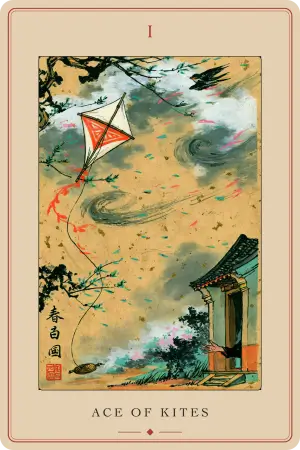
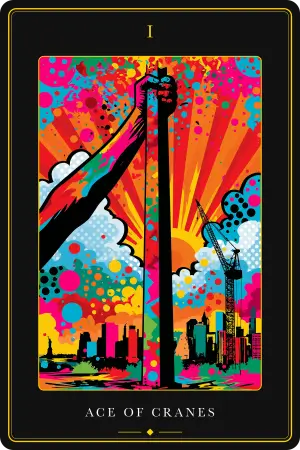
Varje kortlek omtolkar samma arketyp. Jämför bildkonsten och öppna sedan en kortlek för att läsa hela dess tolkning.
Bildspråk och symbolik
I Rider-Waite-Smith-bilden sträcker sig en lysande högerhand ut ur ett grått moln, med handflatan mot betraktaren, och griper om en tjock stav av levande trä. Det gråa molnet är det omanifesterade gudomliga, det neutrala diset som föregår allt som tar form. Att handen kommer från bildens högra sida är avsiktligt: esoteriska tolkare knyter det till det hebreiska gudsnamnets stavning från höger till vänster och till kortets maskulina, utåtriktade ström.
Staven är inget dött virke. Den skjuter färska gröna blad för natur, fruktbarhet och nytt livs plötsliga början. Arton av bladen faller lösa i luften, vart och ett format som den hebreiska bokstaven Yod, tetragrammatons första bokstav vars yttersta spets sägs vila i Kether. Genom gematria stavar talet 18 Chai, som betyder "liv", så de fallande Yod-tecknen läses som livskraft som strömmar in i den fysiska världen snarare än som dekoration. Bakom handen slingrar sig en flod genom böljande kullar mot ett avlägset slott, som står för Malkuth, den materiella världen och det fjärran målet. Solljus, flod, moln och kullar samlar alla fyra element i en enda scen, ett tecken på att denna enda gnista rymmer potentialen för allt som följer.
Kärnbetydelse
Ess i stavar är eldsvitens renaste destillat: kreativ vilja och vital livskraft i ögonblicket innan de tar någon form alls. Golden Dawn gav det titeln "Eldkrafternas rot" och placerade det i Kether, Kronan, i Atziluth, den högsta av de fyra kabbalistiska världarna. Det är orsaken till en början mer än själva början, det gränslösa ljusets första kristallisering.
Eftersom ett ess är potential och inte ett färdigt utfall är elden det erbjuder flyktig och oformad. Den ger den explosiva knuffen för att lämna startlinjen, men bär ingen till mållinjen utan ihållande ansträngning. Gnistan måste matas, annars tonar öppningen bort in i det vanliga.
Upprätt betydelse
I upprätt position är Ess i stavar en dynamisk katalysator och, i rena ja-eller-nej-termer, det yttersta gröna ljuset. Det signalerar inspiration, plötslig framåtrörelse och modet att börja. Frågeställaren kan känna ett uppsving av driv, en bländande våg av entusiasm som skakar loss ur självbelåtenheten. Den enda reservationen som ligger invikt i kortet är att den här energin rinner ut i sanden om den inte underhålls med verkligt, disciplinerat arbete.
I kärlek. Kortet arbetar på en kroppslig, fysisk frekvens. Det markerar gnistan i en ny attraktion, intensiv ömsesidig kemi och en våg av sexuell energi, smekmånadsfasen eller spänningen i en semesterromans. För etablerade par pekar det på ett återuppväckt fysiskt band eller ett modigt första drag för att tända en avstannad relation igen. Det talar om passion och hetta mer än om bägarnas djupare känslomässiga närhet.
I karriären. Ett starkt, offensivt omen för arbetet: ett nytt företag, ett entreprenöriellt språng, den djärva idé som är värd att agera på. Det gynnar pionjären som vågar ta en kalkylerad risk framför den som väntar på visshet, och det kan lyfta en karriär ur tidigare stillastående.
I ekonomin. Mindre om trygga räkenskaper än om en kreativ vinkel på pengar: startkapital, ett passionerat sidoprojekt, ett snilledrag som öppnar en ny inkomstkälla. Tillväxten kan gå snabbt, men bara om frågeställaren kastar sig in i handling i stället för att sitta på idén.
I hälsan. Stigande energi och vitalitet, ofta mindre sömnbehov så länge det euforiska ruset varar. Det läses som förnyad livskraft och lust att sätta igång med något fysiskt, med uthålligheten överlämnad åt frågeställaren.
Omvänd betydelse
I omvänd position är elden vänd och kvävd. Tänk dig ett ljus som vänts upp och ner: lågan brinner upp i sitt eget vax och släcker sig själv. Kortet signalerar då blockerad energi, falska starter och kreativ stagnation, och i rakt förutsägande läsningar läses det ofta som ett bestämt "inte än".
I kärlek. Passionen svalnar, eller ett verkligt avbrott i det fysiska mellan partner. Historiskt har det förknippats med impotens och förlorad biologisk vitalitet. För singlar pekar det på ett stillastående kärleksliv, eller en attraktion som förblir dold och oagerad av brist på självförtroende. På ett djupare plan kan det flagga för uppdämd ilska eller olösta sår kring begär som behöver släppas ut innan ett sunt band kan bildas.
I karriären. Nedslående besked: en avslagen ansökan, eller den gryende insikten att den entusiasm ett område kräver helt enkelt inte finns där. Det varnar för att sprida sig för tunt och för att tvinga fram en ohållbar plan som marknaden inte är redo för.
I ekonomin. Blockerad eld blir hänsynslös impuls utan grund under sig. Frågeställaren är sårbar för bli-rik-snabbt-upplägg och för förluster genom bristfällig granskning och en påstridig säljpitch. Ta det som en varning mot att sätta pengar i oprövad mark.
I hälsan. Den eldiga sviten vänd inåt kan visa sig som inflammatoriska besvär, hudproblem och svåra allergier, en livskraft som retar sig själv i stället för att flöda. Det stående rådet är att börja där du står, att bryta förlamningen i minsta praktiska steg i stället för att vänta på en stor våg av inspiration.
Historisk bakgrund
I den äldre nummerkortstraditionen var kortet betydligt enklare. Tarot de Marseille visar Ess i stavar (Batons) som en enda kraftig träklubba, ibland hållen av en bar hand, utan något av de senare lekarnas sceniska landskap. Marseille-tolkare bedömde det efter tyngd, antal och storlek och behandlade esset som svitens största och mest koncentrerade reserv av råa resurser.
Den skiktade version de flesta tolkare i dag ser framför sig kom ur den ockulta väckelsen vid sekelskiftet 1900. Hermetic Order of the Golden Dawn förankrade tarot i en väv av kabbalistiska och astrologiska korrespondenser, och Pamela Colman Smith, som arbetade under Arthur Edward Waite, omsatte de idéerna i den grönskande staven och de fallande Yod-tecknen som publicerades 1909. Aleister Crowleys Thoth-lek drev senare samma rot längre in i abstraktionen och ersatte det levande träet med en flammande fackla av tio Yod-formade lågor.
Korrespondenser
Tal. Ett, esset, placerat i Kether, Kronan och den ursprungliga källan ur vilken all senare emanation uppstår. Det är svitens rot snarare än ett av dess numrerade stadier.
Astrologi. Som rot styr esset inget enskilt dekanat. Det råder över zodiakens hela eldkvadrant: Väduren, Lejonet och Skytten. I Golden Dawns formulering presiderar det över "rum, inte tid", och sitter som en tron ovanför Prinsessan i stavar.
Element. Eld, i sitt renaste och minst manifesterade tillstånd, motsvarande Atziluth, emanationens värld.
Kabbala. Kether i världen Atziluth, den första sefiran i den högsta världen. Esoteriska texter kallar dess gudomliga andedräkt Eheieh, "JAG ÄR", den skapande utandningen allra först i nedstigningen genom de fyra världarna.
Elementär värdighet. Som eldkort stärks det bredvid luft och möter spänning med vatten, som dämpar dess hetta, så grannkorten avgör om gnistan tar sig eller kvävs.
Psykologiskt perspektiv
Läst psykologiskt är Ess i stavar ett plötsligt uppsving av libido i bred jungiansk mening: primitiv livskraft, driften att existera och att verka på sin omgivning. Den kommer som självförtroende och entusiasm, känslan av att marken är på väg att röra sig och att något måste börja.
Dess svårighet är densamma som dess gåva. Energin är potential, inte prestation, så den kan flamma upp och försvinna om den inte möter någon disciplin. När kortet vänds omvänt slår psykologin över i utbrändhet och apati, utmattningen efter dåligt förvaltad ambition och förlamningen inför den tomma sidan. Utvecklingsuppgiften det ställer är att hålla den råa entusiasmen vid liv och samtidigt ge den tillräckligt med struktur för att överleva förbi det första ruset.
Ess i stavar i olika lekar
Kärnarketypen står stadigt medan bildspråket skiftar. I Tarot de Marseille är det Ess i stavar som en bar, strukturell klubba utan berättande scen, läst för koncentrerad kraft. I Crowleys Thoth-lek blir det en massiv eldfackla med tio Yod-formade lågor för de tio sefirot, beskriven i Book of Thoth som en blixt av otämjd naturkraft innan den har tyglats.
Moderna lekar vänder samma rot inåt. Kim Krans Wild Unknown skalar bort varje mänsklig gestalt och visar en enda brinnande tändsticka mot ett uppslukande mörker, och gör om kortet till en inre skogsbrand och en symbol för personlig egenmakt. Lost Hollow Tarot målar det som universum före Big Bang, en tom duk av oändlig potential, medan Golden Serpent bygger en astrologisk stav av pilar för Skytten, ett lejonhuvud för Lejonet och horn för Väduren, och knyter så urelden till zodiakens eldtecken.
I kombination och kontext
Ess i stavar skiftar kraftigt med sina grannar, eftersom det beskriver en katalysator snarare än ett fast resultat. Med Magikern signalerar det en skicklig lansering av en ny affärsidé. Med Vagnen lyfter projektet i hög fart mot en snabb, avgörande seger. Med Narren läses det som extrem impulsivitet, och om Kejsarinnan sällar sig till dem blir trion en klassisk markör för en oplanerad graviditet. Med Djävulen varnar det för en rent sexuell bindning utan kärlek, och med Tornet pekar det på en omvälvande start som kan kullkasta ett liv eller avsluta ett nytt projekt innan det hunnit sätta sig. Tillsammans med Två i bägare finner den ensamma gnistan ett mottagligt kärl och lust mognar till ömsesidig romantik; bredvid ett annat ess visar det en helt ny anda som träder in i frågeställarens liv.
Positionen i läggningen skärper det ytterligare. Som råd säger det: sluta önska och börja göra. Som hinder kan det vara impulsiv brådska utan grund. I en fertilitetsläggning fungerar det bara som fröet, igångsättaren, och behöver moderliga kort som Kejsarinnan eller Ess i bägare för att bekräfta något på egen hand.
Reflektionsfrågor
- Vilken ny idé eller längtan tänds i mig just nu, och vad skulle krävas för att agera på den den här veckan?
- Var väntar jag på en våg av inspiration när jag kunde börja med ett litet, ofullkomligt steg?
- Är elden jag känner en verklig kallelse, eller en övergående impuls jag skulle ångra att jag matade?
Den generella betydelsen följer tolkningen för Rider-Waite-Smith — referensmodellen som används i hela Tarot Academy. Öppna en specifik kortlek ovan för dess egen tolkning.
Vanliga frågor
Utforska tarot
Senaste Inlägg
Upptäck den uråldriga visdomen hos tarotkort och lås upp mysterierna i din andliga resa. Vår blogg är din portal till att förstå den rika symboliken, betydelserna och praktiska tillämpningarna av tarotläsning.




















































