
 ID (Bahasa Indonesia)



Arkana Minor · Pentakel (Bumi)
Ksatria Pentakel
Sang pembangun yang mantap: kerja yang sabar dan metodis yang mengubah rencana menjadi hasil yang bertahan lama.
Read the complete guide: Knight of Pentacles Kartu Tarot: Panduan Lengkap tentang Simbolisme dan Makna
Sekilas tentang kartu
- Numerologi
- Ksatria
- Elemen
- Bumi
- Astrologi
- Virgo akhir hingga Taurus pertengahan (jembatan dekan)
- Jalur Kabbalah
- Tiphareth (Keindahan)
- Waktu
- Lambat, musim Taurus, hitungan tahun bukan minggu
- Ya / Tidak
- Tegak ya, seiring waktu · Terbalik tidak
Tegak
Kerja keras
Keandalan
Rutinitas
Kegigihan
Tanggung jawab
Kesabaran
Metodis
Kesetiaan
Terbalik
Stagnasi
Keras kepala
Kebosanan
Kemalasan
Perfeksionisme
Kecerobohan
Ketidakandalan
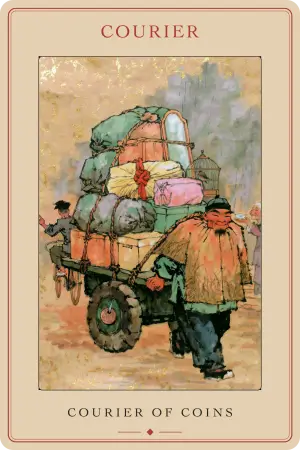
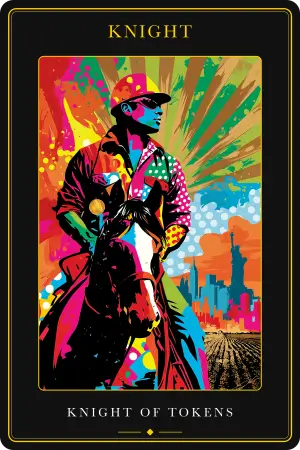
Ksatria Pentakel di setiap dek
Setiap dek menafsirkan ulang arketipe yang sama. Bandingkan seni gambarnya, lalu buka dek untuk membaca penafsiran lengkapnya.
Visual dan simbolisme
Dalam citra Rider-Waite-Smith, seorang ksatria berbaju zirah menunggangi seekor kuda pekerja hitam kekar yang berhenti sepenuhnya. Ia memegang sekeping pentakel emas besar tunggal dengan kedua tangannya dan menatapnya dengan konsentrasi yang mantap. Ia adalah satu-satunya Ksatria dalam dek tarot yang tunggangannya berdiri diam tak bergerak, dan keheningan diam itulah inti utama dari kartu ini.
Detail-detailnya mempertegas hal tersebut. Kuda itu adalah kuda pekerja berotot yang dibiakkan untuk menarik bajak menembus tanah yang padat, bukan untuk melesat menyerbu medan pertempuran, sehingga posisi diamnya terbaca sebagai pendekatan yang terukur dan terencana alih-alih ketergesaan yang membabi buta. Sang Ksatria mempelajari koinnya alih-alih mengacungkannya, pikiran yang menimbang nilai dan menyusun rencana matang sebelum bergerak. Baju zirahnya gelap dan fungsional, tanpa hiasan dekoratif mewah seperti yang dikenakan oleh sesama rekannya, sebuah penanda karakter praktis yang tidak menyukai basa-basi. Hiasan daun hijau pada helm dan tali kekang kudanya berbentuk daun ek, gambaran tentang pohon ek besar yang tumbuh dari biji kecil, lambang pertumbuhan yang lambat dan berlipat ganda. Di bawah kuku-kuku kudanya terhampar ladang yang baru dibajak dengan tanah terakota yang subur, tanah yang telah disiapkan menantikan benih, sebuah pengingat bahwa kerja dasar yang melelahkan selalu mendahului masa panen.
Makna inti
Ksatria Pentakel adalah kekuatan yang mantap, pekerja keras, dan metodis dalam dek tarot. Ia adalah figur aksi yang terikat pada elemen keheningan, dan paradoks itulah karakternya: energi yang terus mendorong maju namun hanya dengan langkah terencana yang diizinkan oleh dunia materi. Ketika para Ksatria lainnya bergegas terburu-buru, ia mempersiapkan segalanya, bersedia bekerja keras melintasi rentang waktu panjang demi memastikan keberhasilan daripada mengejar kecepatan sesaat.
Tugas utamanya adalah manifestasi, mewujudkan rencana abstrak ke dalam wujud fisik bata demi bata. Menarik kartu ini adalah panggilan menuju pendekatan yang disiplin dan sabar, serta peringatan terhadap jalan pintas. Ia meminta penanya untuk mempercayai usaha yang metodis bahkan ketika hasil langsungnya masih belum tampak di permukaan. Dari semua Ksatria, dialah yang memegang kendali paling besar atas dorongan tekadnya sendiri, memanfaatkan ambisi untuk menggerakkan pekerjaan rutin sehari-hari tanpa mengorbankan stamina hingga habis.
Arti kartu tegak
Secara tegak, Ksatria Pentakel adalah pertanda andal akan keamanan jangka panjang yang diraih melalui kegigihan. Ia adalah pahlawan tanpa tanda jasa dalam dunia industri, orang yang menangani kerja keras konsisten di balik layar yang menjaga segalanya tetap berjalan tanpa pernah mencari sorotan panggung. Energinya sangat cocok untuk pekerjaan yang menuntut ketelitian dan kesabaran: teknik, akuntansi, bedah medis, pertukangan terampil, pertanian, dan riset ilmiah.
Dalam cinta. Perasaan yang membumi, mantap, dan lambat diperlihatkan. Ksatria ini berkomitmen dengan hati-hati dan, begitu berkomitmen, ia sangat setia. Ia menimbang sebuah hubungan dalam kerangka praktis, kecocokan jangka panjang, dan fondasi bersama, yang mungkin terkesan kurang romantis namun mengalir sangat dalam dan dapat diandalkan.
Dalam karier. Pengakuan yang diraih murni melalui kualitas dan konsistensi hasil kerja, bukan melalui politik kantor atau promosi diri yang berlebihan. Jika promosi jabatan tengah dinantikan, hal itu akan tiba, berkat keandalan kerja alih-alih sekadar pencitraan yang mencolok.
Dalam keuangan. Nasihat yang konservatif. Kartu ini menyarankan anggaran yang ketat, perencanaan jangka panjang, dan kepercayaan pada imbal hasil majemuk, serta memperingatkan secara tegas agar tidak tergiur taruhan berisiko atau skema cepat kaya.
Dalam kesehatan. Protokol kesehatan yang lambat namun berkelanjutan serta disiplin sabar dari rutinitas yang teratur. Kartu ini mendukung pemeliharaan yang stabil dan peningkatan bertahap daripada jalan pintas dramatis yang tidak bertahan lama.
Arti kartu terbalik
Secara terbalik, keseimbangan sang Ksatria condong ke salah satu dari dua arah. Dengan elemen bumi yang berlebihan, kesabarannya mengeras menjadi kelumpuhan dan sifat keras kepala. Rutinitas membusuk menjadi kebiasaan menjemukan yang hampa, dan ia bertahan dalam pekerjaan tanpa prospek atau situasi yang tidak membahagiakan semata-mata karena penderitaan itu terasa akrab, salah mengira stagnasi sebagai stabilitas. Di sini perfeksionisme berubah menjadi perisai yang membuat sebuah proyek terus-menerus dalam tahap persiapan dan tidak pernah benar-benar diselesaikan.
Dengan elemen bumi yang terlalu sedikit, ia kehilangan pijakannya sama sekali. Tidak sabar dengan proses yang lambat, ia mengambil jalan pintas yang ceroboh, membuat keputusan tergesa-gesa berisiko tinggi, dan mengabaikan detail-detail yang sangat penting. Sisi bayangan ini juga dapat memperlihatkan kemalasan terang-terangan, hasil kerja yang ceroboh, dan ketidakandalan di balik kedok yang tampak bertanggung jawab. Nasihat kartu terbalik ini adalah menyusun kembali strategi, membangun kebiasaan baru yang segar, dan mendobrak zona nyaman yang telah basi.
Dalam cinta. Hubungan yang jalan di tempat, pasangan yang terlalu kaku atau terlalu takut untuk melangkah, atau kemantapan yang perlahan berubah menjadi pengabaian.
Dalam karier. Proyek yang mandek karena terperangkap dalam perencanaan tanpa akhir, atau jalan pintas yang diambil di bawah tekanan yang justru merusak hasil kerja.
Dalam keuangan. Terjebak dalam kelumpuhan takut bertindak, atau spekulasi impulsif yang minim riset dan mengabaikan rincian dokumen.
Dalam kesehatan. Rutinitas yang ditinggalkan karena bosan, atau kelelahan ekstrem akibat kebosanan kerja yang monoton tanpa diselingi waktu istirahat yang memadai.
Catatan sejarah
Waite memberi sang Ksatria kata kunci kegunaan, kesiapan melayani, tanggung jawab, dan integritas, semuanya pada tataran praktis dan eksternal. Pamela Colman Smith menerjemahkan kebajikan-kebajikan sederhana tersebut ke dalam citra paling statis di antara para Ksatria, kuda pekerja yang berdiri diam di ladang yang dibajak, dalam dek Rider-Waite-Smith tahun 1909.
Tradisi Golden Dawn dan Thoth merestrukturisasi istana kartu ini secara menyeluruh. Apa yang oleh dek RWS disebut Ksatria diubah menjadi Pangeran Cakram (Prince of Disks), bergelar Penguasa Tanah Liar dan Subur, mengendarai kereta perang alih-alih menunggang kuda dan terikat pada kecerdasan serta pengorganisasian elemen Udara. Dalam sistem tersebut, para Raja yang menunggang kuda direklasifikasi sebagai Ksatria, dan para Pangeran yang mengendarai kereta perang mewakili kekuatan struktural dan perencanaan yang merancang dunia fisik alih-alih sekadar bekerja di dalamnya.
Korespondensi
Peringkat dan angka. Ksatria, bernomor 12 dalam urutan kartu istana, yang disederhanakan menjadi 3, angka pertumbuhan dan sintesis, yang di sini diwujudkan secara fisik dan lambat, pengakumulasian bunga dan pembangunan aset batu demi bata.
Astrologi. Dalam sistem dekan Golden Dawn, kartu ini menjembatani dua zodiak elemen bumi, menguasai dekan terakhir Virgo (diperintah oleh Matahari, memberikan ketepatan analitis dan kepedulian pada kesehatan) serta dua dekan pertama Taurus (memberikan daya tahan yang sabar, kekuatan fisik, keteguhan hati, dan kecintaan pada kenyamanan materi).
Elemen. Bumi melalui rumpun kartunya, dihidupkan dalam tradisi RWS oleh peringkat Ksatria yang berapi-api dan aktif, menjadikan kartu ini sebagai bagian api dari Bumi. Sistem Thoth membaca figur yang sama sebagai bagian udara dari Bumi, kecerdasan yang mengorganisasi.
Kabalah. Sebagai pangeran pengendara kereta perang dari rumpunnya, sang Ksatria berkedudukan di Tiphareth, sefira Keindahan dan keharmonisan di pusat Pohon Kehidupan.
Martabat elemen. Sebagai kartu istana elemen bumi yang padat, ia mengunci sebaran kartu, membumikan Udara yang bimbang dan Api yang berkobar serta menarik ide-ide melayang ke bawah menuju kenyataan yang dapat dibangun.
Perspektif psikologis
Secara psikologis, Ksatria Pentakel adalah daya tahan sebagai sebuah disiplin, dorongan untuk menuntaskan proyek panjang ketika imbalannya belum tampak di pelupuk mata. Ketegangan batinnya nyata, mesin yang tidak sabar yang terpasang di dalam kerangka yang berat dan bergerak lambat. Jika dikelola dengan baik, ketegangan itulah yang memungkinkannya bermimpi besar sambil tetap tekun menjalankan pekerjaan harian yang membosankan. Jika dikelola dengan buruk, mesin tersebut akan macet menjadi keras kepala atau lepas kendali menjadi kecerobohan.
Ketika ia terus muncul dalam pembacaan seorang penanya, para praktisi memandangnya bukan sebagai ramalan melainkan tuntutan dari alam bawah sadar untuk berhenti melompati tahapan dan berdamai dengan kerja praktis sehari-hari. Nasihatnya adalah berteman dengan sang Ksatria, mengadopsi kegigihannya dan menerima bahwa mempertahankan pendirian serta bertahan melewati kebosanan rutinitas dapat menjadi wujud kekuatan batin yang tenang. Begitu penanya menuntaskan kerja keras yang tidak glamor tersebut, kartu ini biasanya berhenti membayangi mereka.
Ksatria Pentakel di berbagai dek
Dek-dek dasar membingkai figur ini secara berbeda. Tarot de Marseille menampilkan ksatria istana dalam gaya lama yang formal, dengan makna yang ditarik melalui peringkat dan rumpun kartu. Dek Rider-Waite-Smith menghadirkan kuda pekerja yang berdiri diam di ladang yang dibajak, versi yang diikuti oleh halaman ini.
Dek Thoth karya Crowley dan Harris menamai ulangnya sebagai Pangeran Cakram dan mengganti kuda dengan kereta perang yang sarat simbol geometris, agrikultur, dan alkimia, pikiran inventif yang berfokus pada pengorganisasian dan penyempurnaan dunia materi. Ia adalah arsitek yang membajak ladang sekaligus merancang irigasi yang menopangnya. Dibandingkan ketiga Ksatria lainnya, ia adalah yang paling lambat dan paling membumi: ketika Pedang melesat, Tongkat berkobar, dan Cawan bermimpi, Ksatria Pentakel adalah jangkar yang mengubah kecemerlangan, gairah, dan idealisme mereka menjadi sesuatu yang benar-benar bertahan lama.
Kombinasi dan konteks
Energi padat sang Ksatria menarik kartu-kartu di sekitarnya turun ke bumi. Bersama The Empress, ia menjanjikan panen materi atau rumah tangga yang berlimpah, kerja sabar yang bertemu dengan kesuburan alami. Bersama The Tower, ia menandai guncangan traumatis pada rutinitas yang dibangun dengan hati-hati, fondasi yang terpaksa dibangun kembali dari puing-puing. Bersama The Lovers, ia menyiratkan ikatan yang mantap, bahkan cenderung biasa saja, yang dapat menjadi sangat memuaskan jika kedua orang tersebut berkomitmen pada realitas praktis kemitraan. Di samping Lima Pentakel, ia dapat terbaca sebagai keheningan panjang yang membeku, tidak menawarkan kehangatan atau pergerakan dalam waktu dekat.
Posisinya dalam sebaran memperjelas karakternya. Pada posisi masa lalu, ia menunjuk pada kerja dasar yang lambat dan disiplin yang menjadi tumpuan bagi masa kini. Sebagai saran, kartu ini berpesan untuk berkomitmen pada rutinitas dan menolak jalan pintas. Sebagai hasil akhir, ia menjanjikan hasil yang lambat namun kokoh dan bertahan lama. Dalam pembacaan ya-atau-tidak, kartu ini adalah ya yang tiba pada waktunya sendiri secara tegak, dan secara terbalik adalah tidak yang memperingatkan kelumpuhan atau ketergesaan ceroboh yang melompati langkah-langkah yang diperlukan.
Pertanyaan untuk refleksi
- Di bagian mana rutinitas yang sabar dan tidak glamor justru merupakan kekuatan sejati yang saya butuhkan saat ini?
- Apakah saya salah mengira kebiasaan nyaman yang monoton sebagai stabilitas sejati, dan seperti apa kemajuan yang jujur itu?
- Tujuan jangka panjang apa yang sedang menggoda saya untuk mengambil jalan pintas, dan berapa harga yang harus saya bayar jika tidak menempuh proses yang sabar?
Makna umum mengikuti pembacaan Rider-Waite-Smith — acuan yang digunakan di seluruh Akademi Tarot. Buka dek tertentu di atas untuk penafsiran khasnya sendiri.
Pertanyaan yang sering diajukan
Jelajahi Tarot
Pos Terbaru
Temukan kebijaksanaan kuno dari kartu tarot dan buka misteri perjalanan spiritual Anda. Blog kami adalah pintu gerbang Anda untuk memahami simbolisme yang kaya, makna, dan aplikasi praktis dari pembacaan tarot.




















































