
 BE (беларуская)


Малодшыя Арканы · Жазлы (Агонь)
Рыцар Жазлоў
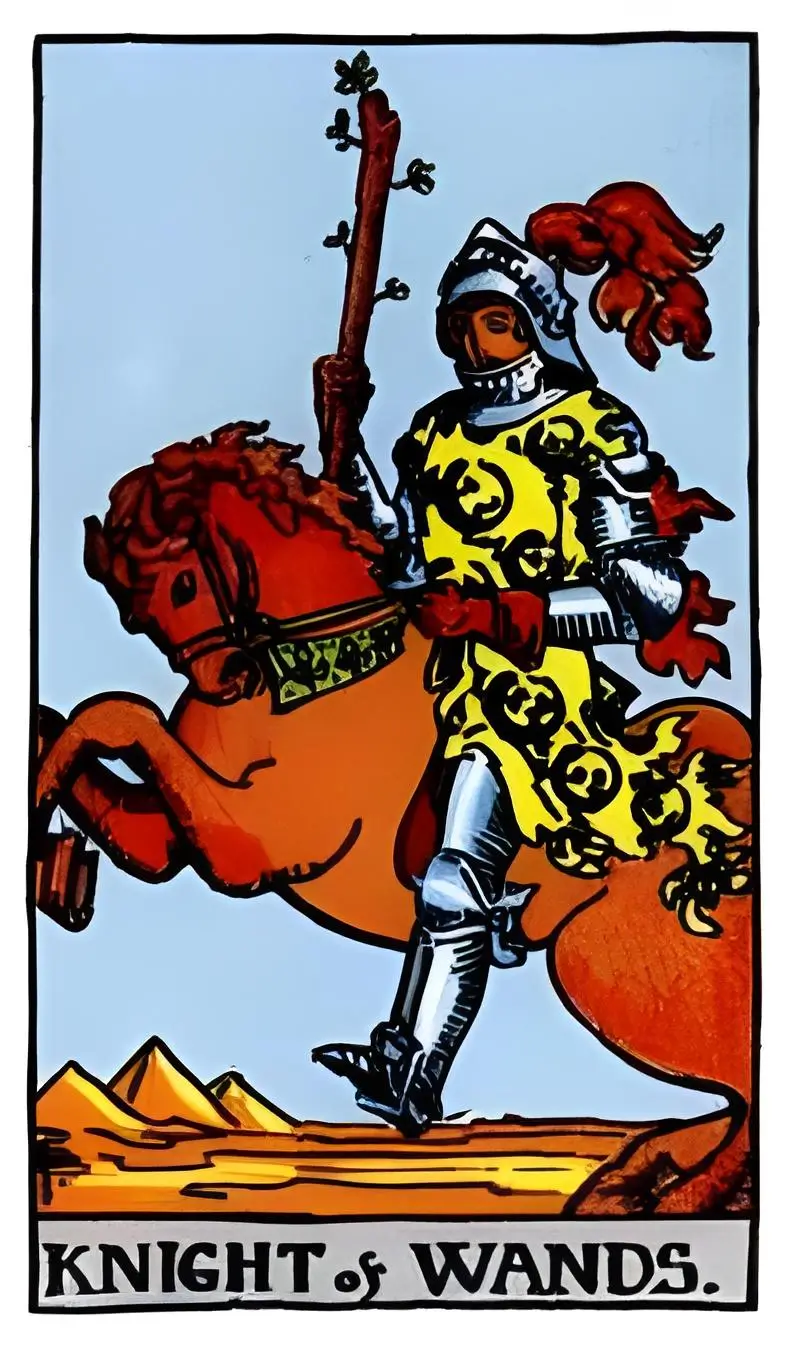
Сміт намалявала адзінага каня ў калодзе, які адарваў абедзве пярэднія нагі ад зямлі, а саламандры на туніцы вершніка яшчэ не замкнулі сваё кола.
Read the complete guide: Ліцар Жазлоў Таро: Поўнае Кіраўніцтва па Сімволіцы і Значэнні
Кароткі агляд карты
- Нумералогія
- Рыцар
- Стыхія
- Агонь
- Астралогія
- Ад 20° Скарпіёна да 20° Стральца, Агонь Агню (прыкладна з 12 лістапада па 12 снежня)
- Кабалістычны шлях
- Хакма (Мудрасць) у Ацылут
- Час
- Неадкладна, самы хуткі тэмп у масці
- Так / Не
- У прамым становішчы ўпэўненае так, у перавернутым не
Прамое становішча
Смелае дзеянне
Запал
Прыгода
Імклівасць
Харызма
Ініцыятыва
Рызыка
Хуткія рашэнні
Перавернутае становішча
Неразважлівасць
Знясіленне
Адсутнасць працягу
Рассеяная энергія
Імпульсіўны гнеў
Страта напрамку
Пустыя словы
Затрымкі
Рыцар Жазлоў ў кожнай калодзе
Кожная калода пераасэнсоўвае адзін і той жа архетып. Параўнайце мастацтва, а затым адкрыйце калоду, каб прачытаць яе поўную інтэрпрэтацыю.
Выявы і сімвалізм
Памэла Колман Сміт пабудавала гэтую карту вакол аднаго анатамічнага рашэння. Гняды жарабец устае дыбкам, цалкам адарваўшы абедзве пярэднія капыты ад зямлі ў скачку. Калі паставіць чатырох Рыцараў побач, выбар здаецца свядомым: Рыцар Пентакляў сядзіць на цяжкім ламавіку, які цвёрда стаіць на зямлі, Рыцар Кубкаў едзе мерным крокам, і толькі гэты конь знаходзіцца ў паветры. Імклівасць ужо ўзяла верх над разважлівасцю.
Сярэднявечная рэальнасць хавае ў сабе папярэджанне. Рыцар у поўных цяжкіх даспехах, скінуты з каня, губляў арыентацыю ад удару і часта не мог падняцца пад вагой уласных латаў. Сміт намалявала надзвычай таленавітага вершніка, які ўвесь час знаходзіцца за крок ад катастрофы.
Даспехі жоўтыя і аранжавыя, колераў Агню, а таксама сакральнай чакры і чакры сонечнага спляцення. З шлема і суставаў рук вырываюцца чырвоныя пёры, якія адлятаюць назад, ствараючы ўражанне, што вершнік ахоплены полымем падчас руху. Ён падымае драўляны жазл са свежым зялёным лісцем, трымаючы яго пад агрэсіўным вуглом, як дзіду. Яго абутак не супадае. Гэтая дэталь з'яўляецца псіхалагічным знакам, а не памылкай: прага прыгод узнікла настолькі раптоўна, што ён сеў на каня без належнай экіпіроўкі, і яго сіла ідзе ад унутранага агню, а не ад рыштунку.
Саламандры ўтвараюць узор на залатой туніцы. У алхіміі саламандра з'яўляецца элементальнай істотай Агню, народжанай ў полымі і непаражальнай для яго, а яе выгінастае цела імітуе языкі полымя. Носячы гэты матыў, Рыцар паказвае, што не баіцца апёкаў, бо сам створаны з таго ж матэрыялу. Праз адну карту Сміт намалявала тую ж істоту інакш: на туніцы Рыцара саламандры выгнутыя, але разамкнёныя, іх раты не дастаюць да хвастоў, у той час як на мантыі і троне Караля Жазлоў яны злучаюцца ва ўраборас. Разамкнёнае кола сімвалізуе нястрымны патэнцыял, які яшчэ не знайшоў сваёй структурнай мяжы. Замкнёнае кола паказвае на дысцыпліну, якая завяршае тое, што пачынае Рыцар.
За ім ляжыць суровая, засушлівая карычневая пустыня, дзе сухасць Агню цалкам дамінуе над Вадой і Зямлёй, а ўдалечыні віднеюцца тры піраміды, што ўвасабляюць экзатычную і манументальную мэту, да якой імкнецца масць. Перспектыва пабудавана так, што пейзаж хутка аддаляецца, і такім чынам Сміт паказвае яго хуткі рух, які не дае разглядаць наваколле. Уласнае прачытанне гэтага фону ў калодзе дадае другі ўзровень: бясплодная зямля папярэджвае, што некантралюемы агонь становіцца разбуральным, а ўзвышшы наперадзе паказваюць на перашкоды, якія ён прагне пераадолець.
Асноўнае значэнне
У лініі Райдэра-Ўэйта-Сміт гэты Рыцар уяўляе сабой чыстую, раптоўную сілу стыхіі, кропку, дзе ўнутраная іскра Туза ператвараецца ў фізічнае дзеянне. Уэйт захаваў элементальную атрыбуцыю Залатога Світання для фігуры вершніка ў атацы, даўшы яму сярэднявечнае імя, таму карта нясе Агонь у поўнай канцэнтрацыі без прымешак іншых прынцыпаў. Вершнік Рыцар Жазлоў Кроўлі чытаецца гэтак жа, пакідаючы інтэлектуалізацыю Агню ў паветры для свайго Прынца на калясніцы, карты, якая адпавядае Каралю Райдэра-Ўэйта.
Тлумачэнні самой калоды ў першую чаргу разглядаюць яго як перыяд інтэнсіўнай дзейнасці і ініцыятывы: новыя крокі для змены абставін, адначасовае з'яўленне энергіі і амбіцый, часам у асобе ўплывовага чалавека, які падзяляе вашы мэты або натхняе на ўжо пачатую працу. Рэкамендацыя тут прамая. Дазвольце энергіі раскрыцца, дзейнічайце рашуча і не бойцеся адказнасці або рызыкі.
Тытул Залатога Світання (Уладар Полымя і Маланкі, Кароль Духаў Агню) называе як небяспеку, так і дар. Агонь Агню з'яўляецца самай інтэнсіўная канцэнтрацыяй стыхіі ў калодзе. Таму адна і тая ж фігура ў адным раскладзе чытаецца як прадпрымальнік з бачаннем, а ў другім ператвараецца ў чараду незавершаных праектаў.
Прамое значэнне
У прамым становішчы калода чытае Рыцара як хуткую рэакцыю і здольнасць дзейнічаць: энергію, прагу да прыгод, смеласць, дапытлівы розум і гатоўнасць да хуткіх змен. Ён прымае рашэнні імгненна і бярэ на сябе ініцыятыву без лішніх просьбаў. Ён агрэсіўна сумленны і не гуляе ў псіхалагічныя гульні, не маючы разліковай хітрасці Мячоў, а яго гнеў успыхвае імгненна і забываецца, як толькі момант праходзіць. Адзіная ўмова для ўсяго гэтага ляжыць у наяўнасці мэты. Праверце, куды паказвае жазл, перш чым паскарацца, бо хуткасць без напрамку з'яўляецца яго галоўнай памылкай.
У каханні. Райдэр-Ўэйт тут азначае хуткасць і запал. Новы раман развіваецца з неверагоднай хуткасцю на аснове ўзаемнага энтузіязму і агульнай прагі да адкрыццяў, з раптоўнымі рамантычнымі прыгодамі і пачуццямі, якія хутка ўзмацняюцца. Калода паказвае нестабільнасць побач з шчодрасцю і прывабнасцю, і раіць браць ініцыятыву ў свае рукі, а не чакаць. Значная сустрэча можа адбыцца падчас падарожжа, або нехта з'явіцца і звядзе вас з розуму.
У адносінах у цэлым. Ініцыятыва, якая стымулюе ажыўленыя дыскусіі, сумесныя праекты з калегамі і пераход да кіравання групавой дынамікай. Энтузіязм і бачная ўпэўненасць у сабе прыцягваюць людзей, таму чакайце новых знаёмстваў і сумесных пачынанняў.
У працы і бізнесе. Вынаходлівасць і высокая матывацыя, хуткі новы этап развіцця праекта і звязанае з гэтым павелічэнне працоўнай нагрузкі. Вы можаце ўкараняць новыя тэхналогіі або ідэі ў штодзённыя задачы і хутка асвойваць новыя навыкі для прасоўвання. У бізнесе гэтая ж энергія адкрывае новыя рынкі, запускае падраздзяленні і заключае буйныя ўгоды. Жазлы выступаюць самай спрыяльнай для кар'еры масцю, а стралецкая палова дэкана гэтага Рыцара таксама звязвае яго з вучобай, даследаваннямі і выкладаннем.
У грашах. Хуткі фінансавы рух, новыя крыніцы даходу і прыбытак ад смелай справы, пры ўмове, што вы застаяцеся актыўнымі. Калода ясна паказвае, што прадуманая рызыка вітаецца, а аднаго толькі аптымізму недастаткова: ацэньвайце свае рэальныя магчымасці. Агонь, што стаіць за інвестыцыямі, можа быць цалкам апраўданым, але ў кашалька ёсць свае межы.
У фізічнай сферы. Патрэба ў большай актыўнасці. Інтэнсіўныя трэніроўкі, спартыўнае мерапрыемства, вельмі актыўнае хобі кшталту танцаў, з рэзкім павелічэннем вынослівасці. Плануйце таксама і адпачынак, бо такая колькасць энергіі вымотвае цела, калі яе не кантраляваць.
Перавернутае значэнне
У перавернутым становішчы агонь альбо становіцца разбуральным, альбо згасае, і калода называе абодва варыянты няўдачы: з аднаго боку расчараванне і знясіленне, з другога неразважлівасць, агрэсія і страта кантролю. Іх аб'ядноўвае разрыў паміж жаданым і магчымым, што праяўляецца ў няспраўных спробах прымусіць падзеі развівацца. Планы адкладаюцца, кірунак губляецца, а намаганні марнуюцца з-за дрэннай ацэнкі сітуацыі. Карысным дыягнастычным крытэрам з'яўляецца вызначэнне, ці з'яўляецца праблемай занадта вялікая хуткасць без напрамку, ці поўная страта мэты.
У каханні. Эмацыйная мітусня і нестабільнасць. Запал, які ўспыхнуў імгненна, гэтак жа хутка і згасае, а цікавасць можа знікнуць гэтак жа раптоўна, як і з'явілася. Калода паказвае на парушаныя абяцанні і адсутнасць адказнасці перад партнёрам, сувязь, пабудаваную на фізічнай прывабнасці без эмацыйнай глыбіні, і дзеянні аднаго з партнёраў выключна ў сваіх інтарэсах. Сучасныя супольнасці таролагаў называюць гэта картай лаўбомбінгу (love bombing), за якім ідзе гастынг (ghosting): той жа самы шаблон пад новай назвай.
У адносінах у цэлым. Канфлікт, які грунтуецца на эгаізме або простай адсутнасці цікавасці, сутыкненне інтарэсаў, якое перарастае ў канфрантацыю, і непаслядоўнасць, якая адштурхоўвае людзей. Ініцыятыва таксама можа стаць бестактоўнай і нахабнай: парушэнне межаў, умяшанне ў справы, якія вас не датычацца.
У працы і бізнесе. Зніжэнне тэмпаў і страта прафесійнай цікавасці, або, наадварот, некантралюемае жаданне прасоўваць ідэі без праверкі рэсурсаў, што прыводзіць да выгарання. У бізнесе гэта чытаецца як шалёная актыўнасць, якая не дае вынікаў, нядбайнае выкананне і адсутнасць стратэгіі за ўсплёскамі энергіі.
У грашах. Затрымкі і змарнаваны капітал, выдаткі на непрадуманыя інвестыцыі, няўдалы запуск або спыненне развіцця. Рост можа быць перагрэтым і патрабаваць кроку назад, перш чым страты стануць яшчэ большымі.
У фізічнай сферы. Знясіленне і незбалансаваная актыўнасць, спартыўныя перагрузкі, траўмы ад няправільна выбраных практыкаванняў і ігнараванне відавочных сігналаў стомленасці. Гэта таксама можа азначаць апантанасць трэніроўкамі або дыетай, якая выцясняе базавы клопат пра сябе.
Гістарычныя нататкі
Да Сміт гэтай фігурай быў Cavalier de Baton з Марсельскага Таро, калоды, якая з'явілася ў паўночнай Італіі ў пятнаццатым стагоддзі і стала папулярнай у Францыі да семнаццатага. Гэтая сістэма выкарыстоўвае лікавыя карты ў стылі піпсаў і традыцыйна чытаецца без перавернутых значэнняў, таму яго імпульсіўнае самавыяўленне выяўлялася праз каляровы сімвалізм і нумералогію, а не праз перавернутую карту. Кавалер з'яўляецца наватарам, укаранёным ў прыродзе і кіруемым жаданнем, дапытлівым і поўным патэнцыялу, але якому не хапае кантролю.
Залатое Світанне перабудавала двор на аснове Кабалы, астралогіі і элементальных вартасцяў у канцы дзевятнаццатага стагоддзя, і Рыцар Райдэра-Ўэйта з'яўляецца прадуктам аднаго канкрэтнага рашэння ў рамках гэтай перабудовы. У "Кнізе Т" Макгрэгар Мазерс вызначыў двор як Караля (верхам), Каралеву (седзячы), Прынца (на калясніцы) і Прынцэсу (стоячы). Уэйт вярнуўся да сярэднявечнай наменклатуры Караля, Каралевы, Рыцара і Пажа, захаваўшы пры гэтым элементальную атрыбуцыю Залатога Світання для фігуры вершніка ў атацы. Кроўлі пайшоў іншым шляхам. У сваёй рэдакцыі Liber T 1912 года, а пазней у "Кнізе Тота", ён фармалізаваў рангі як Рыцар (верхам), Каралева, Прынц (на калясніцы) і Прынцэса, разглядаючы сярэднявечныя назвы як структурную памылку, якую трэба было выправіць.
Гэты раскол рэальны, але дадзеная канкрэтная карта прайшла праз яго некранутай. Вершнік Рыцар Жазлоў Кроўлі з'яўляецца прамым адпаведнікам Рыцара Уэйта: абодва дзейнічаюць ад дваццатага градуса Скарпіёна да першых двух дэканаў Стральца, абодва з'яўляюцца Агнём Агню і абодва адпавядаюць літары Ёд. Дзве сістэмы разыходзяцца хутчэй у рангах, чым у змесце. Рыцар Кроўлі стаіць на чале свайго двара, у той час як Рыцар Уэйта займае трэцяе месца пасля Караля і Каралевы. Картай, якую гэтая перастаноўка сапраўды зрушвае, з'яўляецца Кароль Жазлоў Райдэра-Ўэйта, чыім адпаведнікам з'яўляецца Прынц Жазлоў Тота ад 20 градусаў Рака да 20 градусаў Льва, які чытаецца як Паветра Агню. Параўнальныя даследаванні дзвюх сістэм пастаянна выдаюць супярэчлівыя элементальныя і кабалістычныя адпаведнасці для таго, што здаецца адной картай, і менавіта ў гэтым крыецца прычына. Большасць сучасных практыкаў працуюць з калодамі, створанымі на базе Райдэра-Ўэйта, і чытаюць Рыцара праз прызму Агню Агню і літары Ёд, апісаную ніжэй.
Адпаведнасці
Ранг. Рыцар, які ў сістэме Залатога Світання нясе Агонь як элемент свайго рангу па-над любой масцю, у якой ён знаходзіцца. Гэта дае Агонь Вады для Рыцара Кубкаў, Агонь Паветра для Рыцара Мячоў і Агонь Зямлі для Рыцара Пентакляў.
Стыхія. Агонь Агню, адзіная падвойная атрыбуцыя такога роду і самая інтэнсіўная элементальная канцэнтрацыя ў калодзе. У макракасмічным маштабе гэта раптоўная ўспышка маланкі і фізічнае равучае полымя, стыхія ў яе самым магутным праяўленні.
Астралогія. Ён кіруе ад дваццатага градуса Скарпіёна да першых двух дэканаў Стральца, прыкладна з 12 лістапада па 12 снежня. Трэці дэкан Скарпіёна выступае тэрыторыяй Сямёркі Кубкаў, Уладара Ілюзорнага Поспеху, і ён стварае яго схаваны цень: дакучлівыя фантазіі, рэўнасць і велізарную сілу, якая стрымліваецца за крок ад дэтанацыі. Пераход у мутабельны Стралец вызваляе яе праз Васьмёрку Жазлоў (Меркурый у Стральцы) і Дзявятку Жазлоў (Месяц у Стральцы). Гэтая калода дадае размяшчэнне ў натуральным гараскопе, а менавіта Дзявяты Дом далёкіх падарожжаў, філасофіі і вышэйшай адукацыі, адкуль і бярэцца яго прага да далёкіх краін і новых ідэй.
Кабала. Рыцары належаць да Ацылут, вышэйшага з Чатырох Светаў, сферы чыстай Эманацыі і першаснай інтуіцыі. Агонь Агню звязвае Рыцара Райдэра-Ўэйта з Ёд ад Ёд у Тэтраграматоне, дзе Ёд з'яўляецца першаснай літарай, Першасным Бацькам і Хакмой на Дрэве Жыцця. Ён з'яўляецца зыходнай кропкай актыўнай энергіі, і Рыцар Жазлоў Тота трымае тую ж літару і той жа прамежак. Менавіта Кароль Жазлоў Райдэра-Ўэйта адпавядае Ваў і Прынцу Жазлоў Тота, якія чытаюцца як Паветра Агню і ўвасабляюць інтэлектуальнае прымяненне творчасці.
Элементальная годнасць. Як падвойны Агонь, ён узмацняе кожны Жазл і вогненную карту двара побач з сабой, а таксама пабуджае паветраныя Мячы да дзеяння. Кубкі і Пентаклі працуюць супраць яго. Гэта і ёсць структурная прычына таго, чаму водныя і зямныя справы эмацыйнага падтрымання і стабільных фінансаў выступаюць той сферай, дзе ён часцей за ўсё церпіць няўдачу.
Псіхалагічны погляд
Гэта тая частка псіхікі, якая спыняе планаванне і сядае на каня. Партрэт Райдэра-Ўэйта паслядоўны ў апісанні тыпу асобы: прагрэс, смеласць і незалежнасць, высокая энергія ў спалучэнні з нецярпімасцю да бяздзейнасці, адкрыты і прамы падыход, які пераадольвае перашкоды напралом, а не абыходзіць іх.
Яго надзвычайныя дваістасці ўзыходзяць да астралогіі. Ён нясе ў сабе эмацыйную інтэнсіўнасць, скрытнасць і здольнасць да жорсткасці Скарпіёна і праяўляе іх з неразважлівай філасофскай хуткасцю Стральца, таму ён і чытаецца як раптоўны і люты. Ён з'яўляецца фігурай пасярод пераходу з глыбокай вады ў адкрытае полымя. Уплыў Стральца таксама надае яму адчуванне ўдачы і амаль поўнай неўразлівасці, і калода шчыра паказвае, што менавіта гэтая ўпэўненасць штурхае яго ў небяспеку.
У перавернутым становішчы тыпаж ператвараецца ў чалавека, які не можа выкарыстоўваць уласную энергію: рассеяны, непрадказальны, няздольны ўтрымацца на адной задачы. Ён знішчае ўласны прагрэс паспешлівымі рашэннямі, а эмацыйныя ўсплёскі і нецярплівасць завяршаюць справу. Урок карты заключаецца не ў тым, каб патушыць полымя з-за страху апёку. Ён у тым, каб пабудаваць структуру, дастаткова трывалую, каб утрымаць яго, і менавіта гэтае адрозненне Сміт намалявала паміж разамкнёнымі саламандрамі Рыцара і замкнёнымі саламандрамі Караля.
Рыцар Жазлоў у розных калодах
Марсельскае Таро. Cavalier de Baton з'яўляецца больш простым і менш драматычным вершнікам, чым у Сміт. Ён выступае дапытлівым і поўным сіл юнаком, які збірае рэсурсы для неадкладных мэт, што з'яўляецца фундаментальнай асацыяцыяй масці Жазлоў з дзеяннем, без структураванай дысцыпліны, якая прыходзіць пазней. У традыцыі няма перавернутых карт, таму адсутнасць кантролю чытаецца з кантэксту, а не з арыентацыі.
Тота Кроўлі. Гэта адна з нешматлікіх карт двара, адносна якой дзве сістэмы сыходзяцца. Вершнік Рыцар Жазлоў Кроўлі з'яўляецца адпаведнікам Рыцара Уэйта: ён ахоплівае той жа прамежак ад 20 градусаў Скарпіёна да 20 градусаў Стральца, такі ж Агонь Агню і тую ж літару Ёд. Рознагалоссі тычацца рангу: Рыцар Кроўлі займае вышэйшую пасаду ў сваім двары, а Рыцар Уэйта займае трэцюю. Фігура, якую гэтая перастаноўка сапраўды зрушвае, гэта Кароль, паколькі Прынц Жазлоў Тота, тытулаваны як Прынц Калясніцы Агню, адпавядае Каралю Райдэра-Ўэйта і чытаецца як Паветра Агню, дзе сустрэча паветра і агню стварае пашырэнне і выпарэнне. Таролаг Тота і таролаг Райдэра-Ўэйта, абмяркоўваючы Рыцара Жазлоў, апісваюць адну і тую ж карту на розных прыступках іерархіі.
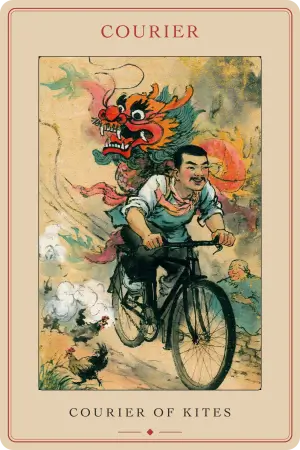
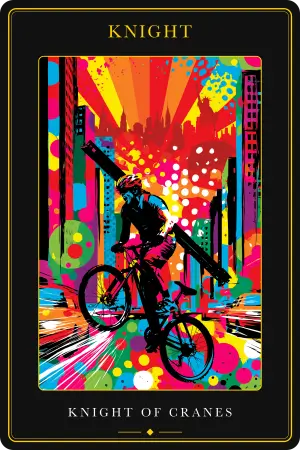
Сучасныя калоды. Сучасныя калоды лініі Райдэра-Ўэйта захоўваюць асноўны жэст Сміт, каня, які ўстае дыбкам, і імклівую атаку, пры гэтым змяняючы стыль сярэднявечнага рыцара пад свае ўласныя светы. Некаторыя пакідаюць літаральнага вершніка, іншыя замяняюць яго любой фігурай у момант скачку ў невядомасць. Саламандра і пёры, што развяваюцца, сустракаюцца дастаткова часта, каб працаваць як візуальны сімвал неўтаймаванага агню ў руху.
У спалучэнні і кантэксце
Параўнайце яго з іншымі Рыцарамі, кожны з якіх перадае сваю стыхію ў руху, але на зусім розных хуткасцях. Ён не аналізуе рызыку, як Рыцар Мячоў, не рамантызуе падарожжа, як Рыцар Кубкаў, і не чакае трывалага падмурка, як вельмі павольны Рыцар Пентакляў. Ён ідзе за сваімі капрызамі і мяняе надзейнасць і эмацыйную глыбіню на непадробную смеласць, што мае рэальную каштоўнасць усюды, дзе сітуацыя патрабуе дзеянняў яшчэ да таго, як з'явіцца ўпэўненасць.
У пытаннях таямніц і здрады яго імпульсіўная пажадалівасць робіць яго частым індыкатарам здрадніка, якім кіруе прага неадкладнага задавальнення, а не злы намер, і пэўныя камбінацыі робяць карціну больш выразнай. З Вежай гэта раптоўнае, выбуховае выкрыццё рамана. З Тройкай, Пяцёркай або Дзясяткай Мячоў гэта разбітае сэрца і злыя наступствы, або сітуацыя, у якой ні адзін з бакоў не можа выйграць. З Пяцёркай або Васьмёркай Кубкаў здрада заканчваецца эмацыйнай пакінутасцю, або тым, што ён сыходзіць насустрач новаму жаданню. З Месяцам або Сямёркай Мячоў здрада актыўна хаваецца.
Пытанні аб прымірэнні атрымліваюць прамыя адказы. У перавернутым становішчы, і асабліва побач з перавернутай Чацвёркай Жазлоў, таролагі чытаюць яго як канчатковае "не": заблакіраваны запал, адсутнасць руху, імпульсіўны канец, які застаецца ў сіле. У прамым становішчы з Закаханымі ён кажа, што чалавек сапраўды вернецца, але хутка і кіруючыся фізічным жаданнем і вострымі адчуваннямі ад паўторнага заваявання, а не якім-небудзь абгрунтаваным жаданнем усё выправіць. Таму праблемы, якія разбурылі адносіны, звычайна перажываюць гэтае вяртанне.
Пытанні для роздуму
- Паглядзіце, куды паказвае ваш жазл, перш чым прышпорваць каня: ці сапраўды гэта той напрамак, які вам патрэбны, ці проста бліжэйшая мэта для атакі?
- Які з вашых праектаў памёр у пустыні, калі прайшоў першы ўсплёск захаплення, і якая структура магла б захаваць гэты агонь?
- Сміт дала Рыцару разамкнёных саламандраў, а Каралю замкнёных. Каго з іх вы носіце на сабе прама цяпер?
Агульнае значэнне прытрымліваецца чытання па сістэме Райдэра-Уэйта-Сміт — эталону, які выкарыстоўваецца ў Tarot Academy. Адкрыйце канкрэтную калоду вышэй для яе ўласнай інтэрпрэтацыі.
Частыя пытанні
Даследуйце Таро
Апошнія Публікацыі
Адкрыйце старажытную мудрасць карт тарот і раскрывайце таямніцы вашага духоўнага падарожжа. Наш блог - гэта ваш шлях да разумення багатай сімволікі, значэнняў і практычнага прымянення чытання тарот.




















































