
 UK (українська)



Молодші Аркани · Пентаклі (Земля)
Двійка Пентаклів
Танцюючий жонглер від Памели Колман Сміт: дві монети з'єднані у вісімку нескінченності, поки кораблі долають хвилі за його спиною.
Read the complete guide: Двійка Пентаклів у Таро: Повний посібник з її символізму та значення
Коротко про карту
- Нумерологія
- 2
- Стихія
- Земля
- Астрологія
- Юпітер у Козорозі (0°–9°)
- Кабалістичний шлях
- Хокма (Мудрість)
- Період
- Кінець грудня, або період постійних коливань і змін
- Так / Ні
- Пряме положення умовне можливо, перевернуте ні
Пряме положення
баланс
адаптивність
жонглювання пріоритетами
тайм-менеджмент
гнучкість
потік
пріоритезація
багатозадачність
Перевернуте положення
перевантаження
дезорганізація
надмірні зобов'язання
дисбаланс
вигорання
втрата контролю
фінансові прорахунки
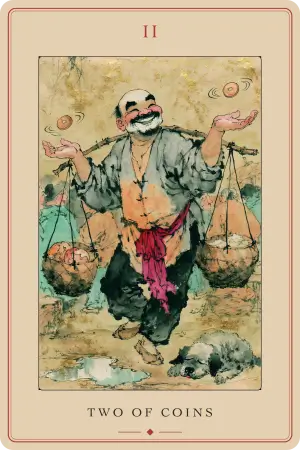
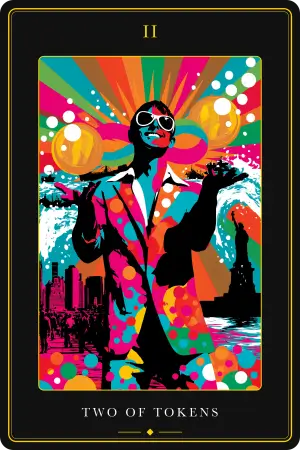
Двійка Пентаклів у кожній колоді
Кожна колода по-своєму переосмислює один і той самий архетип. Порівняйте ілюстрації та відкрийте колоду для повного тлумачення.
Образи та символіка
Памела Колман Сміт створила яскравий театральний сюжет: молодий чоловік у середньовічному костюмі та високому червоному ковпаку граційно балансує на одній нозі, спритно жонглюючи двома великими золотими пентаклями.
Монети огорнуті зеленим шнуром, що утворює знак лемніскати: вісімку нескінченності (той самий символ, що вінчає карти Маг і Сила). Це вказує на безперервний кругообіг ресурсів, вічний рух енергії та нескінченні життєві коливання між прибутками і витратами, злетами і падіннями.
За спиною жонглера бушує бурхливе синє море з високими гребенями хвиль, на яких майстерно тримаються два вітрильники. Хвилі символізують емоційні бурі та нестабільність зовнішнього світу, а стійкі кораблі: вміння людини пристосовуватися до будь-яких штормів завдяки гнучкості та вправності.
Високий червоний капелюх нагадує перо на шапці Дурня, підкреслюючи легкість, грайливість і незворушність, з якою юнак ставиться до складних життєвих завдань.
Основне значення
У колоді Райдера-Вейта Двійка Пентаклів символізує динамічний баланс, адаптивність, вміння жонглювати кількома справами одночасно, гнучкість у фінансах, легкість у спілкуванні та вміння підлаштовуватися під обставини. Орден Золотої Зорі називав цю карту «Володарем Гармонійних Змін».
Стабільність у Двійці Пентаклів: це не статичний спокій, а постійний усвідомлений рух, подібний до їзди на велосипеді чи танцю. Людина успішно поєднує дві роботи, кар'єру та сім'ю, витрати та доходи, отримуючи задоволення від самого процесу багатозадачності.
Карта радить зберігати гнучкість, не сприймати труднощі занадто драматично, розставляти пріоритети, оптимізувати свій графік і сміливо ковзати по хвилях змін.
Значення у прямому положенні
У прямому положенні карта віщує успішне суміщення кількох проєктів, управління фінансовими потоками, легке вирішення повсякденних турбот, поїздки та вдалу адаптацію до нових умов. У розкладах на «так чи ні» це нейтральне, умовне «можливо» (залежить від обставин).
У коханні. Грайливий флірт, легкість у стосунках, спільне подолання побутових клопотів або балансування між романтикою та насиченою роботою.
У кар'єрі. Робота на двох посадах, фріланс із кількома замовниками, гнучкий графік, активне ділове листування, журналістика та видавнича справа.
У фінансах. Швидкий обіг коштів: гроші легко приходять і одразу спрямовуються на рахунки чи покупки. Балансування бюджету без великих накопичень, але й без дефіциту.
У здоров'ї. Добре самопочуття завдяки динамічному способу життя, вміння підтримувати форму, але водночас натяк на необхідність чергувати навантаження з якісним сном.
Значення у перевернутому положенні
У перевернутому положенні рівновага порушується: монети падають із рук, виникає хаос, хронічна втома від багатозадачності, зрив термінів і дезорганізація.
З іншого боку, перевернутий аркан попереджає про фінансові прорахунки, життя не за коштами, борги та невміння відмовитися від зайвих зобов'язань. У розкладах на «так чи ні» це «ні».
У коханні. Брак часу на партнера через завантаженість, відчуття самотності в парі, емоційні гойдалки або нестабільність у почуттях.
У кар'єрі. Стрімке вигорання, зірвані дедлайни, помилки через неуважність, хаос у справах і втрата довіри клієнтів.
У фінансах. Фінансовий дисбаланс: витрати перевищують доходи, неконтрольовані кредити, касовий розрив у бізнесі та штрафи.
У здоров'ї. Фізичне виснаження, розхитана нервова система через життя на адреналіні, синдром хронічної втоми та порушення біоритмів.
Історичні нотатки
У Марсельському Таро Двійка Монет зображувалася у вигляді двох дисків, з'єднаних широкою стрічкою у формі літери S, на якій виробники карт традиційно ставили своє ім'я або тавро.
Вейт і Сміт у 1909 році перетворили стрічку на сакральну лемніскату нескінченності, додавши театрального жонглера на тлі бурхливого моря. У Таро Тота Кроулі назвав її «Зміна» (Change), зобразивши двох коронованих зміїв Уробороса, що кусають свій хвіст навколо символів Інь і Ян під знаком Юпітера в Козорозі.
Езотеричні відповідності
Число. Двійка: взаємодія полярностей, рух первинної енергії, дуальність матеріального світу.
Астрологія. Юпітер у Козорозі (перший декан Козорога, 0°–9°, 22-31 грудня). Юпітер прагне до розширення та оптимізму, але стримується суворим Козорогом, що створює постійну потребу балансувати між бажаннями та можливостями.
Стихія. Земля: практичність, повсякденні ресурси, грошовий обіг і матеріальний світ.
Кабала. Сефіра Хокма (Мудрість) у світі Асія (матеріальний світ): практична мудрість управління ресурсами (титул Золотої Зорі: «Володар Гармонійних Змін»).
Стихійна гідність. Земля в постійному русі, що чудово гармоніює з картами Води (Колісниця, Помірність).
Психологічний вимір
Особистість Двійки Пентаклів: спритна, комунікабельна, гнучка та легка на підйом людина, яка не боїться змін і вміє виходити з будь-яких непередбачених ситуацій.
У психології аркан описує стан «потоку» (flow state) та стресостійкість під час багатозадачності. Тіньовий аспект: використання постійної метушні та зайнятості як способу втекти від серйозних життєвих рішень чи внутрішньої порожнечі.
Двійка Пентаклів в інших колодах
Марсельське Таро. Дві монети, з'єднані вигнутою орнаментальною стрічкою з тавром майстра.
Таро Тота Кроулі. Карта «Зміна» (Change): змій Уроборос, що утворює нескінченний цикл змін.
The Wild Unknown. Метелик, що балансує на двох тонких гілках між світлом і темрявою.
Shadowscapes Tarot. Морська танцівниця-русалка, яка граційно кружляє з двома перлинами у морських вирах.
У поєднанні та контексті
Двійка Пентаклів вказує на необхідність бути гнучкими та вміти підлаштовуватися під обставини розкладу.
Поруч із Помірністю показує ідеальну гармонію та бездоганний баланс усіх сфер життя. З Силою обіцяє легке подолання будь-яких життєвих штормів. З П'ятіркою Жезлів попереджає про метушню та хаос через конфлікти. У позиції поради закликає не панікувати, зберігати почуття гумору та гнучко маневрувати серед подій.
Запитання для роздумів
- Якими справами та обов'язками ви зараз жонглюєте, і чи не тримаєте ви деякі з них у повітрі лише за звичкою або через страх зупинитися?
- Де у своєму житті ви опираєтеся хвилям змін замість того, щоб граційно ковзати по них, подібно до стійких кораблів на горизонті?
- Якби вам довелося свідомо відкласти одну справу заради збереження душевної рівноваги: що саме ви б обрали?
Загальне значення наведено за системою Райдера–Вейта–Сміт — канонічною основою в Академії Таро. Відкрийте конкретну колоду вище для її власного тлумачення.
Часті запитання
Дослідити Таро
Останні публікації
Відкрийте для себе давню мудрість карт Таро та розкрийте таємниці вашої духовної подорожі. Наш блог — це ваш шлях до розуміння багатого символізму, значень і практичного застосування читання карт Таро.




















































