
 LV (latviešu)



Mazie Arkāni · Kausi (Water)
Kausu pāžs
Smita ievietoja kausā zivi un piešķīra jaunekļa sejai izbrīna izteiksmi, novietojot visu ainu jūras krastā zem neitrālām, pelēkām debesīm.
Read the complete guide: Kausu Lapa Taro kārtī: Pilnīgs ceļvedis par simboliku un nozīmi
Kārts īsumā
- Numeroloģija
- Pāžs
- Elements
- Ūdens (Zemes Ūdens daļa)
- Astroloģija
- Ūdens personifikācija: Vēzis, Skorpions un Zivis (Zelta Rītausma: no Svariem līdz Strēlniekam)
- Kabalas ceļš
- Zemes Ūdens daļa, Malkut, Kausu dūža tronis
- Laiks
- Slieksnis starp jaunību un pieaugušo vecumu, kad jūtas iegūst dziļumu
- Jā / Nē
- Taisnā pozīcijā vērīgs jā, apgrieztā pozīcijā nē
Taisni
Atvērtība
Jūtīgums
Intuīcija
Mīlestības rašanās
Radoša pašizpausme
Iekšējā balss
Bērnišķīgs izbrīns
Patīkamas ziņas
Apgriezti
Emocionālā nestabilitāte
Noslēgšanās no jūtām
Bērnišķīgas kaprīzes
Pārmērīgs jūtīgums
Kontakta zudums ar realitāti
Aklas ilūzijas
Nepraktiskums
Noslēgšanās sevī
Kausu pāžs katrā kavā
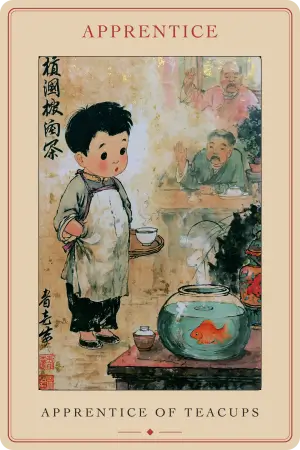
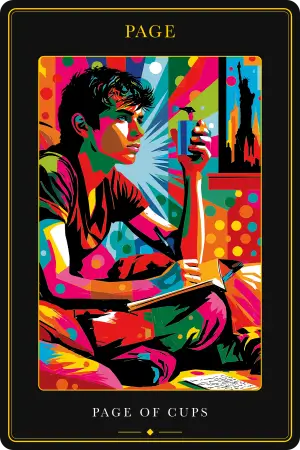
Katra kava to pašu arhetipu interpretē citādi. Salīdziniet mākslas darbus, tad atveriet kavu, lai izlasītu pilnu skaidrojumu.
Vizuālais tēls un simbolika
Pamela Kolmana Smita (Pamela Colman Smith) pārējiem trim pāžiem rokās ielika kaut ko nedzīvu: zobenu, zizli, pentaklu. Šis pāžs tur zelta kausu, no kura izliecas dzīva zivs, un viņi abi lūkojas viens otrā. Šis skatienu dialogs veido kārts būtību. Raidera-Veita kava jaunekļa sejas izteiksmi skaidro kā patiesu izbrīnu, dabisku ziņkāri un atvērtību visam, ko pasaule piedāvā. Zivs iemieso zemapziņas dzīles, kas izlaužas virspusē: pēkšņu atziņu, radošu ideju vai intuitīvu vēstījumu, kas atnāk neaicināts. Zižļu mastā šo lomu pilda uguns radība salamandra, bet šeit, ūdens mastā, to dara zivs.
Pats kauss simbolizē iztēli un mīlestību. Jauneklis, kurš to tur, atrodas uz robežas starp bērnību un pieaugušo vecumu, brīdī, kad emocijas iegūst patiesu dziļumu. Aiz viņa viļņojas jūra, saistot viņu ar zemapziņas instinktiem, nepārtrauktu intuīcijas plūsmu un nefiltrētu jūtu plašumu.
Smita viņu ietērpa ļoti pārdomāti. Tuniku rotā ūdensrozes, kas apliecina emociju skaistumu un vizuāli atgādina Kausu dūzi, ar kuru aizsākas šis masts. Ūdensrozes aug no duļķainas, stāvošas grunts, tāpēc skaistums un radošā iedvesma šeit dzimst negaidītās vietās. Krāsas sadala savus uzdevumus: gaiši zilā pauž dziļumu un uzticību, sarkanā apzīmē kaislību un darbību, savukārt kopā tās savieno prātu ar jūtu pasauli. Lielā berete un garā šalle piešķir boēmisku, viegli ekscentrisku akcentu cilvēkam, kurš sirds loģikai dod priekšroku pār intelekta diktātu.
Gaiši pelēkās debesis virs galvas pilda pieklusinātāku uzdevumu nekā jūra. Šī kava tās skaidro kā objektivitāti un spēju redzēt lietas tādas, kādas tās patiesībā ir. Debesis neļauj kompozīcijai pārvērsties tīrā sapņojumā. Viss tēls saglabājas maigs un harmonisks, atspoguļojot dabisku enerģiju saplūsmi bez jebkādas skarbas iejaukšanās.
Pamata nozīme
Šī kava kārti raksturo kā atvērtu sirdi un intuitīvu jūtīgumu pārejas mirklī. Sākas emocionāls vai garīgs ceļojums: atvērtība, jaunas idejas, attiecību vai jauna jūtu posma sākums, kas bieži saistīts ar jaunību un spontanitāti. Te jūtama gatavība tuvībai un romantiskai saiknei, ko papildina brīvība no veciem aizspriedumiem.
Zem šī skaidrojuma slēpjas ezotēriskā dimensija. Būdams Zemes Ūdens daļa, pāžs iezīmē punktu, kur plūstošas, haotiskas jūtas pirmo reizi iegūst stingru formu, līdzīgi kā ūdens sasalst ledū. Pāži nes vēstījumus, un Kausu mastā šī vēsts ir emocionāla. Tāpēc atbildes šīs kārts ietekmē mēdz atnākt kā sapņi vai intuitīvi mājieni, nevis kā loģiski argumenti. Iztēle un intuīcija darbojas pilnā spēkā, radot svaigus radošos impulsus.
Nozīme taisnā pozīcijā
Taisnā pozīcijā kārts aicina palikt atvērtiem jaunai emocionālajai pieredzei un ļaut intuīcijai un radošumam vadīt jūs pretī jaunām iespējām. Ieklausieties iekšējā balsī. Dodieties uz priekšu ar atvērtu sirdi un esiet pacietīgi pret savām jūtām, kamēr tās vēl tikai veidojas.
Mīlestībā. Jaunas romantiskas intereses tuvošanās: pirmā iemīlēšanās, maigas jūtas un romantikas agrīnā fāze, kas attiecībās ienes iztēli un nevainību. Esošiem pāriem jauns iedvesmas avots padziļina saikni caur savstarpēju sapratni, atjaunojot pieķeršanos un emocionālu komfortu. Kārts iemieso tīras emocijas un patiesu atvērtību, gatavību dot un saņemt mīlestību, kā arī apliecina, ka nodomi ir nesavtīgi.
Karjerā. Paveras jaunas iespējas. Ielūgums pievienoties projektam, sadarbības piedāvājums, negaidīts atbalsts vai prakses un mācību sākums, apgūstot jaunas prasmes. Radošuma pieaugums ienes oriģinālas idejas ikdienas uzdevumos, paverot ceļu uz izaugsmi. Biznesā šī pati enerģija piedāvā netradicionālu stratēģiju, kas veicina reālu progresu, kā arī jaunus partnerus vai darbiniekus ar svaigu skatījumu. Profesionālajos jautājumos pašlaik instinkts ir uzticams ceļvedis.
Finansēs. Interesantu un daudzsološu finanšu ieceru sākums. Pievilcīgs biznesa priekšlikums vai neliela materiāla dāvana, kā arī negaidīti piedāvājumi var veicināt stratēģisku izaugsmi, tāpēc šis ir labvēlīgs laiks ieguldījumiem vai jauna uzņēmuma dibināšanai. Īpaši piemēroti ir projekti ar radošu vai emocionālu pievilcību, piemēram, uzņēmējdarbība mākslas, gastronomijas vai ūdens jomā. Šai kārtij piemīt zināms naivums, tāpēc saglabājiet reālistiskas gaidas. Tā drīzāk sniedz patiesu gandarījumu un svaigu ideju plūsmu, nevis ātru peļņu, tāpēc joprojām būs nepieciešama pacietība un rūpīga izpēte.
Veselībā. Intuīcijas vadīta pašaprūpe un radoša pieeja ķermenim: jauns uztura plāns, citāda treniņu programma vai personīgā stila maiņa. Tas ir izrāviens savu fizisko vajadzību izpratnē un pieaugoša mīlestība pret sevi, jauna ceļa sākums pretim fiziskajai labsajūtai un gatavība pārmaiņām, kas stiprina gan ķermeni, gan dzīvesprieku.
Nozīme apgrieztā pozīcijā
Apgrieztā pozīcijā kārts norāda uz emocionālu nenobriedumu un nepareizu intuīcijas pielietojumu: bēgšanu no realitātes, izvairīšanos no problēmām un nevēlēšanos pārvarēt šķēršļus. Lēmumi tiek pieņemti impulsīvi vai nestabilu emociju iespaidā, un izkropļota pasaules uztvere liek noslēgties sevī. Šajā posmā ir svarīgi tieši paskatīties uz savām emocionālajām piesaistēm un bailēm, līdzsvarojot iztēli ar ikdienas īstenību.
Mīlestībā. Emocionāli pārpratumi, vilšanās un nevēlēšanās dalīties jūtās. Parādās nereālistiskas gaidas un rūgtums, kad idealizētais partneris tās nespēj attaisnot. Kāds no partneriem var noslēgties un atteikties atvērties, vai arī rūpes plūst tikai vienā virzienā, otram tikai ņemot. Lauzti solījumi, nopietnības trūkums un abpusības zudums. Šī pozīcija var iedragāt ticību savai spējai mīlēt.
Karjerā. Iezogas vieglprātība: iesākti un nepabeigti projekti, noplakusi interese un pavirša pieeja. Saziņa ar kolēģiem kļūst sarežģītāka, un uzdevumi netiek pildīti laikā. Biznesā parādās grandiozi plāni, kas nav īstenojami dzīvē, zūd emocionālā saikne ar projektu un līdz ar to arī motivācija. Fantāzijas aizēno patieso situāciju, un bez rūpīgas analīzes pastāv reālu neveiksmju risks.
Finansēs. Impulsīva rīcība, maldināšana un finansiāla vilšanās. Neveiksmīgi ieguldījumi vai zaudējumi radošajos projektos, kā arī sākotnēji pievilcīgs piedāvājums, kas izrādās mānīgs vai daudz mazāk ienesīgs, nekā solīts. Kārts īpaši brīdina par cilvēkiem, kuri varētu izmantot jūsu naivumu, tāpēc pārbaudiet detaļas, pirms uzticaties solījumiem, un nejauciet emocijas ar naudas lietām.
Veselībā. Ķermenis tiek atstāts novārtā, un tā vajadzības paliek nesadzirdētas. Emocionālā pārslodze un iekšējais saspringums sāk atspoguļoties izskatā un pašsajūtā, savukārt bailes atzīt savas patiesās vēlmes ietekmē veselību. Entuziasms par sevis pilnveidošanu noplok, seko neapmierinātība ar savu tēlu, un jaunus ieradumus ir grūti uzturēt, ja trūkst pārliecības.
Vēsturiskās piezīmes
Senākajā Marseļas taro (Tarot de Marseille) šī kārts attēlota kā Valet de Coupes (Kausu pāžs), un tā ne mazākā mērā neatgādina jūras krasta ainu. Jūras tur nav vispār. Tēls stāv abstraktā, nenoteiktā telpā, un viņa galvu beretes vietā rotā ziedu vainags, kas velk paralēles ar sievietes tēlu Mīlētāju kārtī un tās vienotības un izvēles tēmām.
Būtiskākā atšķirība ir pats kauss. Marseļas pāžs vienā rokā tur atvērtu kausu, bet otrā tā vāku, skatoties te uz vienu, te otru un nezinot, ko darīt tālāk. Alehandro Hodorovskis (Alejandro Jodorowsky), kurš Marseļas taro interpretē kā psiholoģisku instrumentu un dvēseles struktūras mandalu, šo vilcināšanos skaidro kā dziļu emocionālu bloku: piesardzīgu cilvēku, kurš baidās mīlēt no jauna un cieši tur vāku aiz bailēm pakļaut sirdi sāpēm.
Veits un Smita savu versiju publicēja 1909. gadā. Tā bija pirmā modernā kava, kurā Mazie Arkāni ieguva pilnībā ilustrētas ainas, pārceļot visu mastu no abstraktas ģeometrijas uz intuitīvu psiholoģisko lasījumu. Pats Veits savā aprakstā jaunekli nosauca par "zināmā mērā sievišķīgu". Tikmēr Zelta Rītausmas Hermētiskais ordenis (Hermetic Order of the Golden Dawn) pārdēvēja kārti par Kausu princesi jeb Ūdens princesi un aprakstīja to ar sieviešu dzimtes vietniekvārdiem. Pateicoties Veita formulējumam un Zelta Rītausmas pieejai, androgīnā daba, ko mūsdienu lasītāji saskata šajā kārtī, tajā ir klātesoša jau no paša sākuma.
Atbilstības
Rangs. Pāžs, jaunākais galma rangs. Pāži nes sākumus, sēklas un vēstījumus, un Zelta Rītausmas sistēmā tie ir sava masta zemiskā, materiālā izpausme.
Astroloģija. Šī kava pāžu uzskata par paša Ūdens personifikāciju un viena dekanāta vietā piešķir viņam visas trīs ūdens zīmes. Vēzis ienes mainīgu, neprognozējamu noskaņojumu, maigumu, ciešu pieķeršanos un vēlmi rūpēties. Skorpions sniedz to, kas parādās iedvesmas brīžos: dziļu uzticību un tieksmi pēc pārmaiņām. Zivis piedāvā smalku intuīciju un empātiju, kas sniedzas tālāk par loģisko sapratni, sapņu vadībā savienojot reālo un iluzoro pasauli. Skatot kopā, Vēzis dod sirds šķīstību, Skorpions emocionālo spēku, bet Zivis intuitīvo uztveri. Zelta Rītausma Kausu princesei piešķir citu loku, no nulles grādiem Svaros līdz trīsdesmit grādiem Strēlniekā, saistot viņu ar Taisnīgumu, Nāvi un Mērenību.
Elements. Ūdens tā iezemētajā Zemes Ūdens daļas formā. Plūstamība, pirmatnējas emocijas un intuīcija, kas satiekas ar struktūru un ietvaru.
Kabala. Princese atrodas Malkut kā Kausu dūža tronis, ko vainago Tetragramatona pēdējais burts Hē, kur dievišķā emocionālā enerģija pilnībā materializējas. Viņa ir pirmā apzinātā šī elementa izpratne, tam satiekoties ar cilvēka ķermeni.
Elementu saderība. Pretstats visspilgtāk iezīmējas attiecībā pret Zižļu pāžu. Abi ir zinātkāri iesācēji, radniecīgi Muļķim, taču Ūdens ir pasīvs, uztverošs un vērsts uz iekšu, kamēr Uguns ir aktīva un projicējoša. Taro lasītāji to formulē vienkārši: Kausu pāžs zīmē attēlu sava prieka pēc, bet Zižļu pāžs zīmē attēlu, lai to publicētu.
Psiholoģiskais skatījums
Kad Junga arhetipi un Hodorovska taroloģija padarīja taro par psiholoģisku instrumentu, šī kārts nostiprinājās iekšējā bērna lomā, iemiesojot to psihes daļu, kas nav zaudējusi spēju brīnīties un apbrīnot. Praktizētāji to izmanto darbam ar iekšējo bērnu, iekšējā dialoga pārkārtošanai un cīņai ar ieilgušu cinismu.
Cilvēkiem, kurus šī kava apraksta taisnā kārtī, piemīt jūtīga, smalka daba un rāms vieglums. Viņi ir vērīgi, radoši, ar bagātu iekšējo pasauli, patiesu empātiju un talantu pārvērst emocijas mākslā. Viņi ir sapņaini, laipni un atsaucīgi, ar spilgtu iztēli un dziļu tieksmi izzināt zemapziņu. Tā kā šie cilvēki saprot citu jūtas, viņi veiksmīgi veido attiecības: seko savai intuīcijai, atvēl telpu savām izjūtām un ciena apkārtējo pārdzīvojumus.
Apgrieztā pozīcijā šis pats temperaments izkropļojas. Parādās naivums un emocionāls nenobriedums, nespēja saprast vai izteikt savas jūtas, kā arī no tā izrietoša impulsivitāte. Emocijas šķiet nekontrolējamas, un uzvedība kļūst neprognozējama. Empātija var zust pavisam, un pārmērīga sapņainība noved pie atkārtotas vilšanās. Attiecībās grūtības rada nespēja sarunāties no sirds, tāpēc cilvēks var noslēgties sevī vai vienkārši nespēt veikt pašanalīzi.
Zem visa tā slēpjas kārts psiholoģiskās attīstības vēstījums. Pirms cilvēks spēj valdīt pār savām jūtām tā, kā to dara Kausu karaliene vai Kausu karalis, tās vispirms ir jāpieņem ar bērna atvērtību, izmantojot zelta kausu kā drošu patvērumu tam, kas bērnībā ticis kaunināts vai apspiests. Kārts aicina uz rotaļu un pašizpausmi bez perfekcionisma, līdzīgi kā bērns krāso Lieldienu olu vai apvelk plaukstu, lai uzzīmētu putnu, rodot vērtību pašā tapšanas procesā. Radošā prāta nodarbināšana ar priekpilnu darbu arī pasargā iztēli no briesmoņu radīšanas tumsā.
Kausu pāžs dažādās kavās
Raidera-Veita-Smita taro. Versija, ko apraksta šis ceļvedis un kas noteica moderno standartu. Tās raksturīgākās iezīmes ir dzīvā zivs, viļņojošā jūra, ūdensrožu tunika un pelēkās debesis. Šī kompozīcija pauž emocionālu uztveramību un negaidītu iedvesmu.
Marseļas taro. Marseļas pāžs (Valet de Coupes) atrodas tukšā telpā, kronēts ar ziedu vainagu, turot atstatus kausu un tā vāku. Šis skaidrojums balstās uz vilcināšanos un aizsardzību, nevis uz atvērtību, un ziedu vainags saista tēlu ar Mīlētājiem, nevis ar jūru.
Kroulija Tots un Zelta Rītausma. Kausu princese, Zemes Ūdens daļa, kur emocijas iegūst stingru formu, ūdenim pārtopot ledū. Šī tradīcija uzskata, ka viņa spēj saskatīt likumsakarības haosā, piemēram, tēlus mākoņos vai lapotnēs, un pārvērst tos vizuālā saziņā. Tās ir tās pašas spējas, kas radīja alu zīmējumus, hieroglifus un pašas taro kārtis. Zelta Rītausmas tekstos viņa tiek pielīdzināta Margaretai Trelonijai no Brema Stokera romāna "Septiņu zvaigžņu dārgakmens": maiga, laipna un sirsnīga, mūžīga romantiķe, kas sapņo par sajūsmu, šķietami atturīga, tomēr klusi spējīga un negaidīti drosmīga. Šī pati literatūra norāda uz risku: šāds tips ir uzņēmīgs pret mēdiju spējām, apsēstību un sevis pazaudēšanu emocionālajās vai garīgajās sfērās.
Modernās kavas un skaidrojumi. Veita "zināmā mērā sievišķīgais" jauneklis un Zelta Rītausmas princese neiekļāvās stingrajās Viktorijas laikmeta dzimumu robežās, un mūsdienu kartomantija to ir pārņēmusi. Kārts bieži tiek skaidrota saistībā ar nebināru un dzimumplūstošu identitāti, raksturojot cilvēku, kura ārējais tēls un iekšējā būtība atšķiras, kā arī sevis meklējumu posmu, pieņemot identitātes plūstamību.
Kombinācijās un kontekstā
Mūsdienu vidē šo mēdz dēvēt par "Atvainošanās kārti". Pāži nes vēstis, bet Kausi pārstāv emocijas, tāpēc kārts bieži iezīmē cilvēku, kurš piesardzīgi sper soli pretim izlīgumam, pasniedzot savādo zivtiņu kā miera žestu. Blakus esošās kārtis parāda, vai atvainošanās ir patiesa. Bez karaļa vai karalienes atbildības tā var būt sirsnīga, taču joprojām nenobriedusi: miera olīvzars bez reāla plāna mainīt savu uzvedību, ko dažkārt vairāk vada vēlme atbrīvoties no vainas apziņas, nevis nodarītā kaitējuma izpratne.
Jautājumos par bijušo partneri šī kārts ir neviennozīmīga. Tā var norādīt uz emocionāli nenobriedušu vai nepieejamu cilvēku, kurš atgriežas, meklējot atzinību, nevis nopietnas saistības, vai arī uz Pītera Pena sindromu, kad vienlīdzīgas partnerības vietā tiek meklētas vecāku rūpes. Līdzās Zižļu piecniekam lasītāji to bieži interpretē kā pusmūža krīzi, kur pāža haotiskā enerģija tiek izmantota, lai bēgtu no dziļāka konflikta mājās.
Auglības un ģimenes jautājumos kārtij ir īpaša loma. Blakus Imperatorei, Saulei vai Kausu dūzim tā nepārprotami norāda uz bērna ieņemšanu un ilgi gaidītu, sirsnīgu bērnu. Līdzās Kausu septītniekam esiet piesardzīgi: šī kombinācija var atspoguļot dziļu vēlmi pēc bērna, nevis fizisku faktu, un taro uzdevums nav noteikt medicīniskas diagnozes.
Ikdienas attiecību izkārtojumos kārts priekšplānā izvirza intuīciju un iekšējās emociju plūsmas, rosinot atklātu reakciju uz notiekošo, kas ievērojami atvieglo savstarpējo sapratni. Pieaug jūtīgums pret citu pārdzīvojumiem, paplašinās kontaktu loks, un saziņa balstās uz laipnību un iecietību. Tā var vēstīt par jauna, emocionāli atvērta cilvēka ienākšanu dzīvē, kurš gatavs sniegt atbalstu. Apgrieztā pozīcijā tajā pašā vietā sagaidāms vai nu emociju pārplūdums, vai pilnīgs empātijas trūkums: citu jūtu pārpratums, nevēlēšanās uzklausīt, distances ieturēšana un bailes atvērties, kas sarunas padara virspusējas.
Jautājumi pārdomām
- Zivs iznirst virspusē neaicināta. Kad jūsu dzīvē negaidīti ienāk kāda ideja vai sajūta, kas šķiet mazliet absurda, vai jūs to sagaidāt ar pāža izbrīnu, vai arī cenšaties to racionāli noliegt?
- Smita šim tēlam virs jūtas viļņiem piešķīra neitrālas, pelēkas debesis. No kuras no šīm divām perspektīvām jūs pašlaik vērtējat savu situāciju?
- Marseļas versijā šis tēls otrā rokā tur vāku. Kurā savas dzīves jomā jūs stāvat ar atvērtu kausu, bet vāku joprojām cieši satverat rokā?
Vispārējā nozīme izriet no Raidera-Veita-Smita skaidrojuma, kas ir pamata atsauce Tarot Academy. Atveriet konkrētu kavu augstāk, lai iepazītos ar tās interpretāciju.
Biežāk uzdotie jautājumi
Izpētīt Taro
Jaunākie raksti
Atklājiet seno Taro kāršu gudrību un atveriet garīgās ceļojuma noslēpumus. Mūsu blogs ir jūsu vārti uz Taro lasīšanas bagātīgās simbolikas, nozīmes un praktiskās pielietošanas izpratni.




















































