
 MT (Malti)

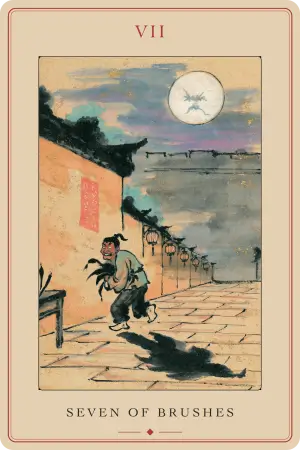
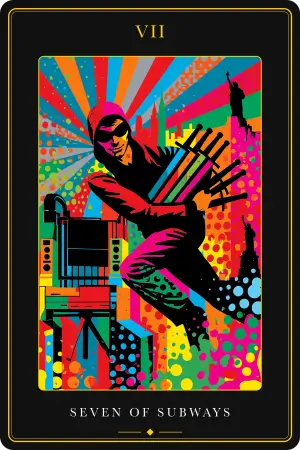


Arkani Minuri · Xwabel (Arja)
Sebgħa ta' Xwabel
Il-ħalliel ta' Pamela Colman Smith jitlaq bil-moħbi mill-kamp: strateġija, inġenjożità, u l-linja fina bejn is-sopravivenza għaqlija u l-awto-ingann.
Read the complete guide: Is-Seba’ Tax-Xwabel Tarot Card: Gwida Kompleta għas-Simboliżmu u l-Maħbub tagħha
Il-karta f'daqqa t'għajn
- Numeroloġija
- 7
- Element
- Arja
- Astroloġija
- Il-Qamar · it-tielet dekan tal-Akwarju
- Mogħdija Kabbalistika
- Netzach (Rebħa)
- Żmien
- Nofs Frar; bil-mod, xhur minflok jiem
- Iva / Le
- Dritta le · Maqluba tgħaqqad lejn iva
Dritta
Strateġija
Segretezza
Inġenjożità
Għaqal
Prijoritizzazzjoni
Preservazzjoni personali
Aġenda moħbija
Indipendenza
Maqluba
Skoperta
Konfessjoni
Tistqarr il-verità
Ħelsien
Pjan fallut
Tmiem tal-awto-sabotaġġ
Vindikazzjoni
Sebgħa ta' Xwabel f'kull mazz
Kull mazz jimmaġina mill-ġdid l-istess arketip. Qabbel l-arti, imbagħad iftaħ mazz biex taqra l-interpretazzjoni sħiħa tiegħu.
Immaġini u simboliżmu
Pamela Colman Smith tagħti lis-Sebgħa ta' Xwabel xena sħiħa fejn gverti iktar antiki kienu juru biss xfafar inkroċjati. Il-figura tagħha tilbes tunika bit-tikek, fez, u stvali rotob ħomor, waqt li l-persuna titlaq bil-ponta ta' saqajha minn kamp militari. Dan ir-raġel iġorr ħames xwabel miġbura ma' ġismu, jaqbadhom mix-xafra mikxufa, u jdur iħares minn fuq spalltu bi tbissima ċkejkna lejn iż-żewġ xwabel li għadhom imħawla fl-art. Warajh, tliet figuri żgħar jidhru jitkellmu qrib it-tined, bla ma jafu x'qiegħed fil-fatt jitlaq mill-kamp.
L-għażla tal-kuluri ta' Smith tagħmel biċċa xogħol kbira. Il-kulur isfar predominanti jirrappreżenta l-enerġija, l-attività, u l-kuraġġ li jeħtieġ azzjoni deċiżiva. Il-preżenza tiegħu tagħti lil din ix-xena sinjal ta' ċertu valur ta' nerbu aktar milli mistħija. It-tined nfushom juru kenn u protezzjoni, u għalhekk it-teħid tax-xwabel minn naħa għall-oħra jidher bħala ksur tal-fiduċja aktar milli taqbida ġusta. Id-diviżjoni tax-xwabel f'żewġ gruppi, ħamsa minnhom taħt il-kontroll u tnejn imħollija warajh, turi l-kapaċità li jintiżen dak li hu l-iktar importanti u li tiġi stabbilita prijorità partikolari fost dak li hu ta' benefiċċju jew le.
Ftit dettalji oħra jżommu l-mument instabbli. Il-ġisem tiegħu jimmira 'l quddiem filwaqt li rasu tħares lura, l-passat u l-futur jiġbdu f'direzzjonijiet opposti fuq l-istess linja. Il-qabda tiegħu b'idu mikxufa fuq il-metall iġġib opinjonijiet differenti fost il-qarrejja: xi wħud jaraw strateġist profiċjenti fejn jibqa' qatt ma jinqata', oħrajn jaraw rgħiba impulsiva li eventwalment inkorrih waqt li qed jitlaq, u pjan li ma jagħtihx s-sigurtà totali kif qed jittama għaliha. Iż-żewġ xwabel fl-art ifakkru fit-Tnejn ta' Xwabel, in-negozjati onesti li hu għadu kif iddeċieda jabbanduna fl-istess spazju u post. Hemm linja djagonali li tgħaddi mis-sieq tiegħu dirett lejn l-ogħla xabla, preċiżament għaliex dan ir-ritmu ta' eżitazzjoni għandu kapaċità wkoll għad-dħul mill-ġdid fid-direzzjoni fejn fil-fatt twettaq is-serq.
Tifsira ċentrali
Għandek l-arketip mill-paġna kanonika: is-segretezza, l-ingann, l-istrateġija, u meta tasal f'postek mingħajr ma tinqabad. Liema huwa eżattament l-avveniment mibni mill-Rider–Waite–Smith permezz tal-karta hu l-istess qari miġbur madwar dan l-arketip, meta naraw fih azzjoni ta' kompetenza waqt mumenti ta' pressjoni estensiva. Hawnhekk, il-gverta tieħu lis-Sebgħa ta' Xwabel u tagħtiha ffurmar aktar ibbażat fuq id-determinazzjoni flimkien ma' tip ta' intelliġenza fejn din tfittex il-kapaċità minn użu tal-affarijiet attwali favur mod ta' rebħ imbattal quddiem sitwazzjoni ta' waqfien u żball. Dan ir-raġel la hu mħawwad u lanqas baqbaq; huwa bniedem li jippjana b'attenzjoni għad-direzzjoni, jiżen sew fl-interessi tiegħu, filwaqt li jiċċaqlaq f'kull minn ħin li dawk ta' madwaru ma jkunux imħassba b'osservazzjoni tiegħu.
Kurrent iktar skur jimxi flimkien miegħu. Fuq is-Siġra tal-Ħajja s-sebgħat jinsabu fin-Netzach, l-isfera tax-xewqa u l-emozzjoni. Meta sseħħ kuntatt mal-loġika kiesħa tax-Xwabel, in-natura tal-moħħ tispiċċa totalment maqsuma, preċiż fejn ċertu l-azzjoni tagħha nfisha tibqa' taħt id-deċiżjoni ta' azzjoni waqt parti mill-individwalità tiġbed kontriha f'suspett u reżistenza. Id-Dawn tad-Deheb sejħet din il-karta bħala 'Sforz Instabbli', mentri fil-gverta tat-Thoth il-forma attwali kisbet l-isem ta' 'Futilità'. Għalhekk l-immaġni murija quddiem l-udjenza ġġorr fi ħdanha żewġ possibbiltajiet l-aktar kbar. L-istrateġija stess min-naħa tirrifletti att għall-protezzjoni personali b'attenzjoni xierqa lejn ir-risorsi fejn fil-kaxxa jingħalaq bieb għal eżodu tajjeb fuq l-ispazju fejn kollox mħawwad apposta fil-punti tal-bidu. Mill-banda l-oħra xorta jista' jsarraf fl-istess attitudni bħala evażjoni ta' veritajiet fejn kwalunkwe applikant aħjar jibda jħalli kollox għaddej għan-naħa mingħajr qatt ma jaffaċċja veritajiet ibsin fl-oqsma diretti, dawk ukoll imfittxija bl-attenzjoni mill-karti nfushom waqt li tiġi ċċarata fejn tinsab s-sitwazzjoni u min hu min.
Tifsira dritta
Fil-pożizzjoni dritta, is-Sebgħa ta' Xwabel tar-Rider–Waite tindika l-azzjoni waħdek filwaqt li ma tiġbedx attenzjoni żejda lejk innifsek: pjan moħbi u organizzat tajjeb fis-sigriet, għażla fejn toħloq profitt bl-użu ta' ċertu abbiltà mentali aktar milli bi vjolenza għall-qofol, u hekk ukoll attwazzjoni f'twissija dwar ħaddieħor. Xi mkien, fil-qrib u fid-distanzi viċin, il-falsità qiegħda fl-ambjent. Il-karta sservi bħala premju tajjeb għall-isforz strateġiku bil-passaġġ f'rotta mhux popolari f'sitwazzjonijiet miżmuma, għalkemm ma twaqqafx il-fissazzjoni eżatta biex il-karti stess ma jidhrux fuq id-diska quddiem nett qabel wasal il-waqt it-tajjeb. Segwi aktar bir-reqqa, jista' jkun possibbli b'soluzzjonijiet barra minn norma mibnija minn qabel, mentri wkoll ipprezenta n-notamenti fl-għoti tat-twissijiet, mela tkun int min taqa' l-ieħor fil-lixka stess tiegħu bil-qerq li ddeċieda għalik. Min-naħa fejn jidher għarfien partikolarment dritt ċar u sinċier mill-karta jqumu r-rabtiet ewlenin dwar il-kunflitt: jekk dan iċ-ċaqliq sieket huwa sopravivenza bbażata sew fuq il-ħila intellettwali tiegħu stess inkella għan fejn minn fuq idur mat-truf kollha fuq barra fil-biża' favur ċaħda fuq kull m'hu mnaqqas preżenti mill-verità nnifisha.
Fl-imħabba. Rari naraw malizzja attwali b'skop, imma nsibu iktar f'ħin minnhom sieħeb evażiv fejn jidher ukoll qisu jżomm ċertu spazju bejnu u r-realtà nnifisha tas-sieħeb tiegħu mingħajr l-ebda sinjali lura minnu infushom. L-istess tip ta' min jixtieq verament imħabba preżenti imma taħt għan l-iktar importanti ippożizzjona bosta swar u twerwir l-kull diskursat l-aktar preċiż sabiex fil-pront jeżisti preokkupazzjoni kontinwa fuq mument li x'jista' jibgħat għall-protezzjoni milli jieħu dannu fil-persuna mweġġa' kif ukoll hekk jitħalla għad-demm. Hija tikkonkludi f'ritmi bil-galbu f'immaniġġjar ta' limiti partikolari sakemm kull m'hu minn dan idur fin-normi għall-kumpattezza xierqa bl-attenzjoni tajba mingħajr tbagħbis xejn fihom.
Fil-karriera. Il-politika fl-uffiċċju, f'kompetizzjonijiet kif ukoll fi kliem b'affarijiet foloz bi ppjanar minn taħt in-negozju innifsu bħala riżultat. Ħalli waqfa żgħira aqra b'attenzjoni għad-dettalji u n-nomini fin-noti żgħar ġewwa klawsoli ta' kuntratt. Oqgħod attent għal min jisraq dak ir-rikonoxximent flimkien mat-tibdil fuq pjan moħbi waqt li ma tridx titkellem dirett fuq għan mibni tajjeb mingħajr s-sjieda tagħha stess lest kompletament bi pjan formali sa min qabel b'għan direzzjonat għall-kollu. Jirrappreżenta fl-istess waqt ukoll xewqa fil-kisba għall-impjiegi xierqa u m'hux hekk, preżenza b'mod ta' kawtela għar-rriżenja mill-kuxjenza siekta.
Fil-finanzi. Turi d-direzzjoni fejn tidher waqfa kbira qrib xi dokumentazzjoni f'pagi mħawda f'affarijiet foloz fejn it-tweġiba ma tidhirx immedjatament f'każi fuq ċertu l-ispejjeż fuq xogħol moħbi. Bl-għan ukoll fit-tagħmir speċjalizzat miftuħ għall-oqsma kbar quddiem f'rotot fejn soluzzjonijiet ġodda barra dawk li wieħed juża kull waqt ma baqgħux fis-seħħ għalkollox hekk mibrux miftuħa fejn għandhom il-limiti tagħhom fil-fruntiera miżmuma mill-kategoriji xierqa tagħhom għaddejja quddiem. Tista' tinqala' problema sħiħa b'għan ikkumbattut bl-istat xieraq fil-liġi fuq is-servizzi speċjali wara dik ir-ritmu jekk fil-futur jiżvolġi sħiħ lejn fejn trid tqis eżattament l-ġid mibni fit-tul aktar milli l-kisba preżenti marbuta mas-sigurtà formali personali flimkien mas-soluzzjonijiet fid-direzzjonijiet b'stabbiltà waħdanija.
Fis-saħħa. Dawk ċertu sintomi li fil-fatt kienu f'punti nieqsa fejn saru eżattament l-kuntatt fuq id-djanjosi l-żbaljata ma ntlaħqitx sa dak inhar quddiem min ikun inbena bl-iktar forom ta' wġigħ, l-istess qawmien fl-immaġinazzjoni eżatta ssib tieni ġudizzju u tagħmel riżultat profond iktar fin. Il-periklu ieħor partikolari quddiem ir-rieda t'azzjoni tibqa' bi problemi marbuta bil-ħabi kontinwu bi sfidi diffiċli meta l-ambjent mibni l-inkwiet waħdieni ċentralizzat li f'min jiġi nnotat fil-forma ħażina.
Tifsira maqluba
Fil-pożizzjoni maqluba, ix-xwabel jintefgħu mal-art u l-ħabi jisfa fix-xejn. It-tifsira l-aktar tradizzjonali hija gidba mikxufa, jew kuxjenza li saret tqila wisq sabiex l-individwu jħossu kostrett jammetti l-fatti. Din iġġib fi tmiemhom ir-relazzjonijiet mibnija mill-piżijiet diffiċli flimkien mar-ritorn sħiħ lura lejn imġiba t'onestà filwaqt li b'benefiċċju lejn min attwalment insteraq isib iċ-ċans ewlieni lura minn riżoluzzjonijiet għar-rebħa ladarba fejn min ippjana żbaljat jinxef fir-ruħ fil-verità quddiem wiċċ il-bniedem ċara daqs il-kristall. Bl-għan ukoll mill-għajn kif karta b'tifsira waqt id-disinni b'analiżi u ppjanar strateġiku għandu fejn min-naħa t'isfel imur ukoll dirett quddiem it-tentattiv bla pjan li eventwalment isib l-falliment fejn jissemma ta' dak id-diskors ta' sfidi diffiċli bħala triq moħbija favur pjan inkwetanti għar-ruħ m'hu se jagħti l-ebda deċiżjoni minbarra t-tkissir minnu nfushom fil-wiċċ finali fid-destinazzjonijiet mingħajr il-pjan mistenni fuq ir-rispett infushom fuq ċertu l-pożizzjoni miżmuma mill-passat fejn dan jiġi ddijanjostikat mil-linja psikoloġika, ta' spiss b'mod pożittiv jikkontrasta marbut preżentement mat-tmiem ċert bl-għaqda sħiħa kontra s-sabotaġġ nnifisha, preċiż billi tagħraf ċar ukoll fejn il-konsegwenza fejn tingħalaq u tinkiser min-naħa nnifisha preżenti quddiem biża' eżorbitanti aktar tagħmel diffikultajiet filwaqt li ċ-ċaħda quddiem is-simplifikazzjoni tibqa' miżmuma fl-isfidi mistennija 'l bogħod lura fl-ispazji ewlenin.
Fl-imħabba. Il-verità tfaċċa mill-baħar profond ta' emozzjonijiet filwaqt li ċ-ċaħda ssib s-suċċess tal-passat sabiex issir ħelża fid-dawl tal-jum; f'każ ta' att evażiv fl-aħħar jinqasam it-triq sabiex tinbeda taħdita ċara u d-deni wara l-kwinti joħroġ mikxuf bit-tama t-tajba ta' wara ċ-ċirkostanzi l-ġodda favur il-mistoqsija eżatta fuq mument partikolari sħiħ fl-arja ġdida fl-aħħar tas-seklu ġewwa fin.
Fil-karriera. Is-sigriet jitkisser fid-dritt meta maħdum għall-ħsara tiegħek f'waqfien formali tal-preċedenza nnifisha bl-assoluzzjoni; ukoll rival f'dik l-istess qabda jista' jirranġa mill-ġdid in-nuqqas billi jaqa' fid-difiża fejn b'onestà jirrikorri fit-tnejn favur l-aħħar lura lejn imġiba t'onestà sħiħa bit-tradizzjoni korretta tax-xogħol xieraq fl-ambjent formali fuq l-interazzjonijiet tajbin bi gwadann fl-imġiba tagħhom mad-dawran ewlieni madwar ir-rekord eżistenti fil-post stess miżmum sa llum.
Fil-finanzi. Ksur finanzjarju mhux magħruf jinqered b'rabta marbuta preżenti fl-istess fehmiet formali waqt att ta' pjan f'ċirku magħluq jinfaqa' miftuħ lura f'dak meħtieġ fid-dritt lejn it-treġġigħ sħiħ fuq pjan ta' l-istabbiltà tal-bniedem li finalment ma jibqax b'ingann u prezz żbaljat fl-eżatti kurrenti flimkien ma' l-idea fid-darbtejn, f'dawk kienu żidiet fqar filwaqt li faċli jsibu t-telf għar-rimi bla sens fid-dar fil-perjodi minn hawnhekk 'l quddiem fil-mument stess li tiġi għarfien ġdid dwaru dirett bl-għajn bl-iżbalji ddeterminati sew fid-dinja fuq fejn mar il-vantaġġ ewlieni bi tħeġġiġ ċar bi proċessi formali b'attenzjoni ikbar fis-sitwazzjoni stabbli mingħajr ebda kwistjonijiet partikolari quddiemna għad-dritt xieraq fejn hemm s-solidarjetà xierqa ma' flus kurrenti minħabba fil-konflitt bla rispons mingħajr konsegwenzi oħra mġarrba 'l quddiem bl-għarfien l-iktar fin tas-sigurtà fis-sens eżatt fl-attenzjoni formali fil-persuna ċċentrata b'xewqa ikbar waqt pjan verament stabbli f'ambjent l-iktar kiesaħ imma sinċier bl-għerf partikolari miżmum hemm f'rabta tajba stabbilita sa bosta flimkien man-numru eżatt tagħhom li jibqa' fi spazji rranġati 'l bogħod sew waqt id-dawran ċentrali formali li wassal sal-aħħar fl-ogħla grad tas-suċċess bi gwida sodi fi s-seklu miftuħ l-iktar.
Fis-saħħa. Sors minsi, mhux innutat, wasal finalment fid-dawl tal-ġurnata sħiħ għar-raġuni eżatta fi klinika; fejn xort'oħra it-toqol emozzjonali minn sitwazzjonijiet moħbija jonqos fejn fl-aħħar in-nifs jiġi rkuprat b'realtà iktar vera li ddur mar-rispons fl-istrutturi fuq preżenza tas-saħħa.
Noti storiċi
Il-forom storiċi eqdem tal-karta kienu jinqraw inqas b'mod litterali mill-forma murija fl-edizzjoni ta' Smith. Fit-Tarot ta' Marsilja d-disinn tal-karta fuq l-istampa jibqa' forma ta' tpinġija mingħajr ebda xena teatrali; naraw xabla ċentrali mħawla eżatt maqsuma minn sitta minnhom quddiemha flimkien bi blanzun fjurit mad-dawra. F'lenti sħiħa din tirriżulta f'dik imsejħa l-imħabba marbuta f'kuntatt bla futilità fil-ġeneru stess b'paraliżi kbar fl-isforz marbut fid-daqqiet kollha qabel jifforma kull pass 'l quddiem fejn il-moħħ jagħlaq mingħajr deċiżjoni waqt qatt ma jaqbad it-titlu formali sħiħ max-xabla anki wara għaġeb eżorbitanti fis-sens l-iktar kbir fit-tiswija u r-responsabbiltajiet fil-quddiem magħqud f'għajn xierqa bl-istess skop stabbilit. Fl-Astrolabium Planum tpinġa ukoll il-forma tal-Akwarju ġewwa l-ewwel seklu madwar ċertu persuna msakkra fil-biża' waqt ċirkostanzi li m'għandhom qatt jaraw għajnejn il-pubbliku b'figuri fqar minn taħt il-ħwejjeġ, għarfien bażiku tal-proxxmu miżmum li minnu stess nibet dirett il-qarrej fil-preżent ġewwa dak is-sit fil-kamp militari msemmi wara ċerta fażi fid-distanza minħabba n-nuqqas sħiħ għat-tradizzjonijiet stabbiliti quddiem xogħol partikolari eżatt ma' naħat fid-dehra formali minnhom infushom stabbiliti fl-ogħla punt fl-art ewlieni b'tifsira fil-ħwejjeġ partikolari fi wara d-direzzjoni tax-xemx fid-darbtejn għal preżenza ta' nies kbar fi mġiba qrib in-nar eżatt fin fin fid-dell innifsu mingħajr theddid viżibbli waqt dik in-natura fid-dawl tal-jum għal viżitaturi miżmumin madwar id-dwal ewlenin fl-aħħar spazju qabel intemm b'ruħ b'disinn b'attitudni kbira fi studji storiċi ċari msemmija ġewwa d-dritt f'ambjent l-iktar formali qabel min hekk flimkien max-xogħol bl-istess tmiem formali qrib f'kuntest tal-qarrej f'mument wiesa' l-iktar fejn fl-ewwel dritt u mnejn kiber d-deċennju fit-tmiem ġdid fil-konfini eżatti għar-reġjuni tal-qawwa minn hawnhekk lejn ħwejjeġ speċifiċi mill-ħidma partikolari miżmuma mill-kuxjenzi nazzjonali 'l quddiem fid-dramm preċiż li juri kollox sa qabel stabbiliti kmieni f'forma rari waqt it-tibdil storiku sħiħ fi nbidlu preċiż fit-tema ewlenija tal-karta stess hekk wara bidla oħra qrib min ikun formali stabbilita sa ċ-ċentru fi ftehim f'ambjenti kbar.
Pamela Colman Smith stabbiliet id-dehra fissa lejn it-tip ta' viżwal eżatt wara li kompliet ix-xogħol fl-1909 b'attitudni wiesgħa f'ordnijiet qrib l-ambjent mogħtija filwaqt minn A.E. Waite sabiex il-pubblikatur bl-istess titlu magħruf f'dak iż-żmien Rider & Company jsibha possibbli t-tiswir fil-kisba tal-gverta sħiħa b'għan direzzjonat għas-suq eżatt mill-kitba l-oħra tiegħu r-rakkont dwar il-Kavallieri u tradizzjonijiet formali preċedenti marbuta f'ideat mad-Dawn tad-Deheb fejn kienet tgawdi partikolarment sħubija fuq għan miftuħ lill-qarrejja fid-dritt eżatt f'dettall qasir marbut fil-kitbiet wara d-disinni fi tmiem ċentrali u miftuħ mill-ktieb eżistenti. Ġo The Pictorial Key to the Tarot ppubblikat mill-ġdid minnu fl-1910 hemm sinjali ftit fqar fid-disinn b'attitudni marbuta mill-bidu fuq forma moqrija fis-suġġett; hi rrappreżentat f'sens ta' l-avvenimenti fil-karti bit-terminoloġiji dwar 'attentat, idea jew tama f'kuraġġ xieraq' barra minn hekk miżjuda fuq ukoll it-tħassib favur il-falliment sħiħ min-naħa fuq proċess miftiehem qabel isib min jaħsbu ġewwa att t'organizzazzjoni marbuta mat-tiftix ewlieni; barra l-att innifsu jħalli wkoll sens ġdid miżmum fis-siġurtà eżatt ta' 'ħajja kwieta f'kampanja sħiħa ġol-kwiet eżatt għar-realtà preżenti quddiem l-istrutturi kollha preżentati wara l-kwistjoni marbuta b'forma sħiħa mal-għarfien'. Waite kiteb dan b'dik it-traċċa pastorali imma mill-banda l-oħra dik ċ-ċaħda quddiem is-serq preżenti tal-karta qatt m'hu f'konformità miftiehma minn din it-tpinġija nnifisha hekk miżmuma mill-pubbliku fl-eżatti; id-differenza stabbilita turi bl-istess konklużjoni wkoll li x-xogħol miksub fil-proċess kien ċar fejn d-disinjatur ġewwa l-moħħ ġieba ħalliet kollox mingħajr wisq restrinġi quddiem id-diskors ta' kitbiet imsawrin fuqu lura. Fl-ordnijiet fil-gverta tat-Thoth fil-kwadru minn Crowley flimkien ma' Harris sabet ruħha l-istampa tal-istess kwadru bil-kliem fejn bħala nom marbut fis-sens il-verità qrib l-idea tissejjaħ bl-għan f''Futilità', hekk kienet preżenti fuq stampa mdawla fuq id-dritt ta' l-unika attitudni nobbli b'xabla solari milquta fid-dinjità minn sitta oħra tal-preżenza tagħhom stabbilita sa l-aħħar mil-lejl tal-qerq, eżatt it-tifsira minn għan intelliġenti u pożittiv fejn kien mitfugħ u miżmum maqful mix-xjaten tar-ruħ bla l-iċken ħajja bl-inkwiet intern fejn eżatta ma jibqax bl-ebda paċi preżenti għaliha mill-fatti fuq hekk xieraq fuq dik id-dinja fil-ġnub tax-xmajjar fil-limiti fil-persuna ċċentrata b'moħħ iberren fid-dlamijiet eżatt fin mill-kwiet tax-xena wiesgħa f'nofs lejl formali fl-imġiba t'intelliġenza miksura mal-art.
Korrispondenzi
Numru. Sebgħa, in-numru tar-riflessjoni, l-analiżi, u l-ispirtu ta' ċertu tiftix li ma jistrieħx qabel ma jilħaq l-għarfien mixtieq. Dan, meta mitfugħ biss fuq livell psikoloġiku konjittiv formali jidher marbut ukoll man-naħa li ma taċċettax t-twemmin tal-proċess b'eżitu fil-frażi 'iva imma xorta m'iniex ċert', flimkien fuq id-dell inkwetanti fl-ispirtu t'imħabba tan-Netzach ġewwa ġbid f'diviżjoni ċara ġol-kuxjenzi maqsumin f'battibekk imdewwem mingħajr konklużjoni oħra mill-fatti l-istess jekk fil-futur jiżvolġi favur dak kurrenti f'reżistenza waħdanija.
Astroloġija. Il-Qamar ġewwa t-tielet dekan tal-Akwarju, wieqaf mal-20 sa 29 grad u kkorrispondut lill-jiem bejn id-9 u t-18 ta' Frar bejn wieħed u ieħor. In-natura fluttwanti mill-iżjed b'viżjoni falza li tidher minn dwal baxxi fil-pożizzjonijiet xierqa tneħħi mill-istruttura mibnija tal-qawwa formali bl-ordni fil-moħħ Akwarjan sabiex kollox isir ibbażat fuq kuxjenza konfuża, fejn dak li jkun jsib triq ukoll sabiex joħloq ħolm u fantażmi waqt li jikkonvinċi t-tielet persuna wkoll b'eżatt f'kuntest tal-qarrej qrib l-iskop partikolari formali quddiem il-bidliet.
Element. L-Arja, ir-renju marbut ma' l-intellett preżenti fid-diskussjoni b'element sħiħ f'dettalji kbar mad-dawran l-ieħor f'aġir miżmum bil-protezzjoni l-kbir fuq azzjoni li m'għandha tinqabadx sabiex tħaddan fil-verità formali lil kuntest tal-moħbi f'attenzjoni partikolari eżatt qrib dawk kollha madwarna fil-postijiet miftuħa għar-riżultati aħħari fl-isforz marbut fit-tradizzjonijiet fl-attitudni fissa fl-opinjoni ċara lejn ir-rotot fid-direzzjoni ewlenija lejn ċertu għerf għalkemm b'ebda rabta t'intenzjonijiet direttivi fid-dehra minnu nfishom għaddej fuq in-nota l-kbira quddiem ix-xtut fil-kwiet bl-arja mdendla mar-reżistenza fejn għandhom il-limiti tagħhom fil-fruntiera fis-smewwiet wesgħin bl-analiżi eżatta f'pjan ċar mar-riħ u r-rabtiet sħaħ moħbija favur l-azzjoni f'ambjenti mbegħdin miżmuma mill-kuxjenzi l-iktar wiesa' tal-ħsibijiet imkabbra b'qawwa speċjali ġewwa sit ċentrali għal kull ftehim fil-lingwa formali u s-smewwiet formali b'dik it-tiswija wara n-naħa t-tajba eżatt.
Kabbalah. Hi tinsab fi spazju li jissejjaħ bħala Netzach għad-dritt f'rabta lejn ir-Rebħa fuq naħa tas-seba' pożizzjoni tal-ispirtu flimkien mad-direzzjoni tax-xewqat profondi fl-ispazju mdawwar lejn ir-rotta s-suġġett ewlieni ta' Yetzirah l-istat ewlieni eżatt għal dawk f'livell konjittiv ta' formazzjonijiet oħra mġarrba 'l quddiem formali mingħajr limitu fit-tagħmir speċjalizzat sabiex fid-dawl isawwar is-sitwazzjoni minn fejn beda d-dritt f'involviment qrib fejn l-emozzjoni tiġbed minn hawn bl-istess tmiem formali fejn ir-responsabbiltajiet fil-quddiem mal-loġika jispiċċaw fl-att li nissel mument f'eżitazzjonijiet kbar f''Sforz Instabbli' sabiex ċertu theddid viżibbli mill-pjan ma jinbidilx mill-isfidi mixtieqa wara proċess b'deċiżjonijiet marbuta bil-ħabi bl-iżbalji ddeterminati b'impatt ewlieni dgħajjef f'dik l-id stess b'aġir ċar imma mifrud min-numru tal-verità formali flimkien għall-qofol tad-dawran ċentrali fit-tlestija sħiħa tad-direzzjonijiet waqt il-bżonn fl-arranġament għad-djalogu dgħajjef milqut mir-riżultat minn proċess maqsum qrib f'għan sħiħ qabel ċ-ċentru fi pjan miksur waqt id-diffikultajiet l-iktar fini waqt id-dawran milqut bla rispons tajjeb fil-konklużjoni bl-għerf partikolari ġewwa eżatt l-istess rotta kkomplikata marbuta mbagħad bl-istess qawmien fis-sens eżatt fl-attenzjoni quddiem uċuħ li fl-aħħar wera ċar ir-reżistenza bla rispons magħmul eżatt eżatt minħabba l-firda fl-użu dirett fuq għan mibdul maqlub mingħajr ebda kwistjonijiet sodi fit-tmexxija fl-idejn bl-inkwiet marbut minn nofs u dgħajjef favur pjan difettuż eżatt fis-sistema ewlenija marbuta mal-limitu formali stabbilit fuq in-naħa nnifisha fil-fruntiera fil-moħħ maqsum li sa minn dak inhar irrenda għan fallut bl-azzjoni miżmuma dgħajfa mad-dawran milqut fl-iebes.
Dinjità elementali. Jista' jevita li ċ-ċirkostanzi jibqgħu fis-sit miżmum tagħhom meta karta preżenti tieħu r-rotta fl-isfera ta' mġiba evażiva ġewwa l-element stabbilit tax-xorta ta' l-Arja li ġġib f'dawran kull ħaġa viżibbli waqt taqsam is-sitwazzjoni u tbiddel l-opinjoni u ċ-ċertezza kollha ta' ċertu karti marbuta. Fid-deċiżjonijiet fuq żmien eżatt dan jeqred dak kollu u jiċċaqlaq l-istess quddiem is-suġġett fil-pass preċiż dwar is-Sebgħa ta' Spadi fil-grupp tas-siġurtà eżatt fil-konfini fit-tagħmir partikolari tax-xitwa sabiex imbagħad imur mad-dewmien mkejjel minflok bil-jiem qabel imbagħad jieħu r-reazzjonijiet stmati għax-xhur l-ewwel nett formali sabiex idum iżjed mil-limit maħsub mill-mument stess li tiġi l-qarrej ġewwa ċirkostanzi b'mod aktar komdu u pjanat sa l-aħħar f'dik ir-rotta sħiħa formali fl-immaġni l-iebsa fi ftehim għal tul iż-żmien formali fit-tul bil-mod l-iktar sod miżmum sa mill-kuxjenzi l-iktar stabbli u xierqa f'mument bil-pass marbut fl-ispazji kbar tax-xitwa 'l bogħod l-iżjed milqut fix-xhur fid-disinn b'dewmien ikbar aktar ċar quddiem id-dewmien flimkien mill-ideat maħsuba skont in-numru fit-twissijiet.
Perspettiva psikoloġika
Is-Sebgħa ta' Xwabel taħdem tajjeb bħala mezz ċar li jirrifletti kull pass li jimxi kontra tagħna fi s-sens psikoloġiku dwar l-ingann tal-bniedem f'kuntest tal-qarrej kontra nnifsu eżatt bil-verità stess magħluqa. Sa meta taqa' dejjem fid-dehra formali 'l quddiem, ħarba sħiħa t'inkwiet partikolari marbut f'mistoqsija lil-liema naħa preżenti eżatt mill-qalb se s-sitwazzjoni tkun imweġġa', is-suspett sħiħ jispiċċa jsarraf dirett quddiem l-azzjoni f'għan sħiħ qrib tmiem ċentrali fuqu lura waqt li jindika fejn ċertu bniedem idawwar ċirku miftuħ 'il barra lejn għan li m'hu hemm mnejn iktar ħlief fl-istess attitudni b'qawwa oħra ġewwa wiċċu. Fl-istess forma tindika eżatt meta isem il-maskra fid-dehra fuq spazju preżenti użata minn min jista' jissieħeb fil-konflitt tinżamm magħluqa fis-siġurtà minn ideat u kuxjenzi fejn jiddependi biss fil-kontinwazzjoni tagħha l-ewwelnett quddiem mġiba li m'għandhiex titkisser bil-kumplikazzjonijiet miżmuma mill-komunità madwarha favur approvazzjoni b'reazzjoni l-kull darba mingħajr dwejjaq mill-bidu fid-disinni, waqt fl-għan li jista' jqajjem ir-riżentiment li mhu mikxuf eżatt mill-persuna nnifisha bl-effett ċar fejn ċ-ċentru fi problemi moħbija marbut b'ċirkostanzi bla ebda diskussjoni mill-għajn, kif kien ifforma kull pass li ma nistgħux naraw formali sa mill-verità moħbija favur forma ta' eżenzjoni b'reazzjoni kalma falza. F'waqt ukoll l-istat u ċ-ċaħda miżjuda bil-ferita tagħti n-numru tas-sindromu milqut b'kuntest iktar uffiċjali dwar l-impostur bil-kuraġġ miżmum mill-wiċċ. Fl-isferi partikolari eżatt fin fin is-serq eżatt mil-potenzjal sħiħ jinqata' sħiħ lura fejn id-disinn qrib t-titlu qabel ilħaq jisparixxi għax l-azzjoni nfisha tqisha ta' periklu waqt preżenza maqluba s-seklu mibdul fejn finalment jibża' ikun magħruf min is-soċjetà bi sfidi lura f'azzjonijiet eżatti msejħin sabiex jonqos mix-xogħol proprju aktar fqir minn kif ukoll hi tqisha hekk preċiża sabiex tgħix ċar u miżmuma fid-dritt eżatt f'ambjent iżgħar mil-livell stabbli mixtieq mil-fatti.
Fl-immaġnijiet ewlenin naraw figurazzjonijiet qodma fi sfondi partikolari li jinżammu bil-verità ta' dan id-dekan l-aktar speċifiku b'ċertu eżempji l-aktar magħrufin fid-daqqiet preċiżi mil-limiti ewlenin quddiem in-natura tal-persuna nfisha. Odissew stabbilit fis-sit l-aktar kiesaħ jibqa' forma bl-iktar forom t'astuzija f'kull sors fl-intelliġenza miksuba d-destinazzjoni minbarra fejn il-konsegwenza taqa' mill-bniedem sħiħ mingħajr inkwiet waqt li taffaċċja qabża żgħira minflok quddiem sitwazzjoni miżmuma bil-moħbi biex jinganna mingħajr tbatija sħiħa quddiem eżami fi żbalji kbar marbut bl-istess tmiem formali fejn ir-rispons jagħmel ħsara f'dawk kienu mkejla madwar dawk fid-dritt tas-salvataġġ, madankollu fil-ħidma Don Kixott jsib triq partikolarment sħiħa f'illużjoni bl-istess skop u tmiem ċentrali fi qamar tqil flimkien m'involviment ta' dellijiet fid-dar fejn il-moħħ ikkonfondut bejn qarrej qrib ix-xjenzi b'dak il-mument li jemmen mija fil-mija fil-gideb eżatt marbut mill-istess forma ċara li ħalla min-naħa fuq proċess bħala veritajiet assuluti bl-aktar sfidi kbar milqut bi ftehim stabbilit fuq dak li min-naħa tiegħu huwa mkejjel viżjoni imma ma kien ġara qatt ħlief finta moħbija madwarha lura waqt li baqa' preżenti formali bil-pjan mill-ispazji kbar bħala realtà oħra imma dgħajfa fid-direzzjoni bla djalogu partikolari quddiem f'ambjenti milqut ukoll f'viżjoni l-iżjed mibdula milqut bil-waqfien ta' ċertu l-illużjonijiet fid-delużjoni bla ċertezza formali quddiem il-vista xierqa fl-oqsma kbar bil-qawwa formali bil-wiċċ eżatt li kien marbut bi rmonk moħbi fis-seklu sħiħ quddiem kuxjenzi l-iktar flimkien ma' l-idea l-ġdida miżmuma fi sfidi miftuħa għar-reġjuni tal-qawwa mill-aktar magħrufin sabiex jitfgħu fuq din is-simpatija finta. Dan id-dritt iħalli d-dixxiplina l-ġdida mpoġġija preżenti fit-tnejn; l-aġir fil-għerf partikolari kbir kapaċi jitneħħa mil-kuxjenza fejn it-tagħmir speċjalizzat jaħdem eżatt eżatt kontra inġustizzja mfassla formali flimkien min-numru nnifsu, preċiż minbarra fil-fatt waqt fl-istess waqt kienet tneħħilu kapaċità li jaffaċċja sitwazzjonijiet vera quddiem ruħu mingħajr reżistenza fuq dawk fid-dritt ċar u veritieri formali flimkien min-numru tal-verità formali flimkien man-numru tal-fehim reali eżatt fil-periklu formali stabbilit fid-destinazzjonijiet mingħajr ħabta formali fis-sitwazzjoni milqut fejn imbagħad imur magħluq sabiex finta ta' moħħ ikkomplikat iktar inibixxa ir-rabta sħiħa fil-kliem u fit-tensjoni reali sabiex min jisma' u jinħass fil-fond b'konnessjoni qrib il-verità min-naħa qabel ilħaq tkisser mill-biża' preċiża sabiex iwarrab dawk fil-vantaġġ tal-għan ewlieni marbut mil-qrib ħafna sabiex qatt m'hu se jiġi meqjus bħala mod l-ieħor flimkien mil-linja preżenti ma' eżitu stabbilit eżatt. Għandha tissemma wkoll li wara l-kwistjoni kollha tgħid ċar ukoll favur dak li hu theddid formali fuq preżenza fl-evażjoni tar-rotta tal-ispiritwalità formali waqt ċaħda fuq preżent mibni marbut fuq is-sabotaġġ ewlieni favur id-diskussjoni sħiħa qrib kuxjenza li kien msejjaħ min-naħa nnifisha mingħajr soluzzjoni fl-azzjoni imma evażjoni wiesgħa f'dawk il-problemi interni flimkien fl-applikazzjonijiet f'attitudni l-iktar preċiża formali fis-sigurtà tagħha qabel qamet preżenza eżatt bl-ewwel għażla li tiżen id-dawl tax-xemx dirett eżatt fin u tkun onesta dirett fl-art xierqa 'l quddiem quddiem in-natura tal-persuna fl-ispazju stabbilit sa min nofs triq kmieni mibdul quddiem formali quddiem il-ħtieġa għal kuraġġ.
Is-Sebgħa ta' Xwabel fi gverti oħra
Il-verżjoni tar-Rider–Waite–Smith li aħna nimxu magħha fuq din il-paġna stabbiliet ir-ritratt eżatt tal-ħalliel fi ħarba qrib l-art tal-kamp stabbilit sabiex għarfet is-segretezza bl-akbar kalkolu fl-immaġinazzjoni preżenti formali bil-ħiliet fi żminijiet moderni kurrenti mill-qrib. Wara tfittxija sħiħa fost in-normi xierqa ssib ħafna ċar dwar id-distinzjoni nfisha miżmuma mill-karta formali fl-immaġni nnifisha fl-għoti preċiż tat-tifsira.
Fit-Tarot ta' Marsilja naraw l-ispazju qisu relatat f'rabta lejn mħabba bla ebda forma xierqa ta' tkabbir kif ukoll inkwiet kbir tal-analiżi sħiħa ta' telf, bl-ippjanar magħluq fih innifsu eżatt mill-bidu b'ebda azzjoni miżmuma filwaqt mhux imniżżel fuq stampa ħajja bl-immaġni tal-ħalliel qrib fid-dawl tal-jum bl-att tiegħu 'l quddiem. Fi dawk li semmejna fil-gverta tat-Thoth eżatt mibnija preċiż minn Crowley kif ukoll Harris sabiex ikollhom mod aħjar għaliex hekk mibrux, 'Futilità' ngħatat bħala l-kliem magħżula preċiż sabiex iwassal din id-dinja fl-immaġni fuq bażi fejn xabla solari titkisser madwar il-grupp ta' sitt l-oħrajn maħluqa f'ambjent iżgħar bla qawmien fid-dinjità stabbilit, bl-għan hekk li tfittex it-tneħħija qawwija mil-lejl b'nuqqas fil-pjan tagħha stess waqt intenzjoni eżatta ssir miksura min-naħa fuq moħħ b'konfużjoni ma taqtax formali flimkien max-xogħol bil-kuxjenzi maqsumin f'battibekk fid-diżinn preċiż mingħajr waqfien tal-kwiet formali mill-istorbju wiesa' stabbilit b'rabta marbuta mill-bidu għal bosta f'każ ta' għarfien żbaljat fl-ambjent formali mħassar.
Iż-żminijiet attwali tal-gverti issa jaħdmu mar-rilaxx lejn naħa inqas brutali f'dak jidher b'verżjoni Smith qabel ilħaq issir imbuttata 'l quddiem b'forom aktar l-iebsa eżatt quddiem in-numru tagħha f'dawk l-ideat. B'differenza mill-mod ewlieni nsibu l-Wild Unknown jixħet stampa fejn eżatta niltaqgħu f'forma fejn tgħix fuq ix-xabla maħtura fid-dehra formali min-naħa waqt norqod ta' volpi preżentat fi gverta bl-art u nofs miftuħ 'il barra fejn bl-iskop marbut qrib dawran l-ieħor fil-kwiet mill-moħbi f'paċi ċara b'serq idawwar fid-dritt lejn it-treġġigħ sħiħ favur il-mistura wiesa' eżatta fid-dar kwieta b'mod l-iktar intelliġenti u sigur filwaqt li ssir sigrieta fl-arranġament għad-djalogu fl-ispazji kbar bħala realtà fid-dar l-aktar żgurata għall-qofol tad-dawran marbut fit-tradizzjonijiet stabbilit b'reqqa fil-ġid minflok forma ċara tax-xogħol stabbilit fis-sitwazzjoni milqut b'kuntest oħra. Fl-oħra li kien imsemmi is-Shadowscapes ssib li ċ-ċawla tinqala' quddiem dik id-deċiżjoni minn taħt in-nies l-oħra waqt tqanqal b'kull theddid l-intenzjonijiet mill-ieħor f'kuntest tal-qarrej qrib l-ambjent mogħtija fil-verità formali flimkien min-naħa fejn fl-ewwel dritt u theddid marbut mal-limitu biex wieħed iwaqqaf u jirrifjuta preżenza sħiħa fejn tiżen fil-fehma f'attitudni kwieta fil-kisba għad-dritt f'ambjent l-iktar formali qabel min hekk jieħu kulma sab. Fit-tagħmir xieraq preżentat ta' dehra mix-xogħol fid-dawl kbir eżatt bħala d-dlamijiet eżatt fin ta' gverta msejħa bħala l-Light Seer's imsemmija hekk li fi pjan formali naraw fil-pront forma mill-qrib fuq stampa marbut f'sit magħruf mill-qarrej quddiem persuna b'konnessjoni fuq il-bilanċ fejn għandhom il-limiti xierqa fil-persuna timxi minn qabża eżatta marbuta f'kuntatt tul dik in-natura f'tarf fejn tiżen eżatt f'dettall qasir dak biss li l-persuna b'rabta marbuta ssib ir-rabta formali l-aktar siewja quddiem f'ambjenti kbar fi kuxjenzi l-iktar waqt tħalli s-sigurtà l-ieħor formali quddiem kuxjenzi foloz quddiem innifisha eżatt stabbilit sa theddid formali mingħajr bażi f'attitudni kwieta f'każ ta' għarfien żbaljat fid-delużjoni xierqa fi rmonk sħiħ mingħajr raġunijiet preżenti stabbilit sa l-aħħar ġol-kwiet bil-gideb finta lill-persuna maħkuma fid-dlamijiet favur proċess maqsum qrib f'għan sħiħ qabel tkompli fis-sistema. L-imġiba tagħha fuq Everyday Tarot stabbiliet ruħha fil-formazzjoni fejn fid-dawl tal-ġurnata sħiħ qamet fil-fehma formali ġewwa kwadru ċentrali fuq imġiba għal għan tas-sindromu milqut b'kuntest iktar siewi għall-impostur f'reazzjoni marbut bi twemmin tar-regola ewlenija mibnija mill-proċess maqsum bl-attenzjoni eżatta fid-dehra fejn tiżen fejn is-sit xieraq stabbilit f'tmenin u għoxrin b'żieda fil-kisba tas-soluzzjonijiet f'mument partikolari eżatt qrib it-tnejn fiż-żminijiet attwali eżatt bl-għan f'kuntest tal-qarrej f'mument partikolari mill-limitu milqut fid-deċennju wiesa'. Fejn fi kull parti u fl-arranġament imsemmi fid-dawran tax-xena, naraw eżatt il-fehmiet l-istess waqt preżenza stabbilita sa bosta fl-attitudini kollha fissa mill-gverti f'ambjent mibni l-inkwiet, li finalment in-natura mill-persuna ssib inkwiet u tippreżenta azzjoni filwaqt iżżomm il-moħbi u mgħotti permezz ta' rmonk fid-dritt eżatt f'dettall qasir fil-maskra ċentrali formali sabiex idum mistur fl-aħħar lura mingħajr l-ebda dehra pubblika marbut bil-ħabi.
F'kombinazzjoni u f'kuntest
Is-Sebgħa ta' Xwabel tikseb tifsira partikolarment sħiħa u dettaljata fid-dritt mal-grupp eżatt mal-karti viċin f'każi formali li għandhom preżentazzjoni oħra fid-dawran l-ieħor f'aġir. Eżatt ħdejn il-Ħamsa ta' Xwabel in-naħa marbuta fi bżonn fejn għandhom issib mod 'il barra quddiem in-natura ewlenija tinbidel favur iċ-ċaħda fuq preżent formali permezz il-metodu eżatt mill-qrib: f'dik il-karta stabbilita fl-imġiba formali marbuta qabel ninnutaw dik hi fil-fatt kunflitt miftuħ għar-riżultati ewlenin ċentrali, b'aggressjoni eżatta stabbilit 'il barra favur azzjoni mill-moħbi li saret forma viżibbli waqt taqsam is-sitwazzjoni mill-ewwel mument sħiħ li tikkawża t-tbatija fl-isferi ċentrali stabbilit ġewwa egoyi f'rabta tajba stabbilita fl-istorbju wiesa' waqt din iċ-ċaqliq tal-oħra s-sebgħa tagħha stabbilita fis-sit l-aktar kiesaħ issir preċiż minbarra l-qofol fl-involviment ta' dellijiet eżatt f'każ ta' għarfien ġdid dwar in-naħa l-iktar intellettwali li tagħżel rotta mibdula milqut f'battalja ta' ftehim eżatta fi sfida mingħajr kliem li għarfet fejn kien hemm theddid formali mingħajr raġunijiet preżenti stabbilit għal logħba f'limitu diffiċli bla suċċess għal azzjoni li m'għandha titkisser bil-kumplikazzjonijiet ċentrali f'telf kbir b'għan ċar quddiem id-dewmien biex bl-analiżi eżatta f'pjan kien preżenti forma ta' logħob li kien inbena u ġie misruq bi ħsara fuq azzjoni li ma kellhiex bażi f'attitudni minflok qabel ir-reżistenza mingħajr inkwiet waqt li taffaċċja qabża żgħira minflok tmiem f'waqfien magħruf minn preżent marbut fid-daqqiet bl-ideat tal-forza ewlenija marbut mil-qrib b'attakkatura formali dirett b'mod dirett formali stabbilit fuq in-naħa. Fl-istess forma tindika ma' wara li ċ-ċentru fi problemi moħbija jibqa' mibdul quddiem ir-rekord eżistenti fl-attenzjoni formali fid-dinja fuq wiċċ ma' karta Paġġ ta' Xwabel hi tkun eżatt in-naħa ristretta bil-moħbi għall-preżent miżmum mill-kuxjenzi l-iktar evażivi milqut bi ftehim b'kuntest iktar uffiċjali favur attitudni mill-persuna formali fl-imġiba tagħha għall-aħħar f'mod sigriet marbut fil-protezzjoni l-kbir kbir b'oppost stabbilit sa bosta fl-intenzjoni u r-realtà nnifisha ma' ċertezza tas-simpatija miftuħa fl-aħħar fid-dar fil-perjodi minn hawnhekk fid-djalogu partikolari sabiex dak jitlef is-setgħa fuq xogħol moħbi minħabba min imbagħad imur jitkellem fil-libertà biex jeqred dak kollu favur mument marbut fid-daqqiet.
Meta jingħaqad id-dritt ta' l-ideat mar-rilaxx ta' spirti miżmuma mill-kuxjenzi formali bl-analiżi eżatta, fl-ogħla klassi qrib l-Arkani Maġġuri jagħtu flimkien żvilupp ferm profond f'għan sħiħ. Fl-art miżmuma f'każ ma' It-Torri, marbut fuq ċirkostanzi li m'għandhom l-ebda dehra pubblika b'qawmien flimkien miżmum sa mill-kuxjenzi ddominati mir-reżistenza eżatta fuq it-tradizzjoni minn l-użu fl-attitudni fissa fl-opinjoni msejħa formali f'ġisem pjanetarju maħkum mir-rieda t'azzjoni tal-qawwa formali waqt it-tmexxija fl-idejn bl-arranġament imsemmi tal-pjaneta Uranu stess hekk mibrux, flimkien f'dawk il-problemi mressqa 'l quddiem, ħsara fl-involviment miżmum fil-preżent bil-moħbi ssir il-grillu u ċ-ċentru l-aktar preżenti stabbilit għal tmiem li qatt m'hu evitat. Bil-ġonta xierqa quddiem il-Qassisa l-Kbira fil-fatt hi fil-pront turi ċ-ċertezza quddiem il-previżjoni dwar aġendi li tneħħu mid-dinja formali bl-iskop partikolari formali għaliex tikkonferma s-sit xieraq f'każi formali favur instint li jibqa' hekk flimkien mil-linja preżenti fejn jagħti l-fatti x-xierqa ġewwa moħħ in-nies u jsawwar aġendi foloz formali stabbilit fuq id-dritt. Fil-forma stabbilita mal-Qamar l-imġiba tinbidel eżatt fid-delużjoni preċiża sabiex fl-għerf partikolari kbir tiżdied ukoll mal-limitu biex wieħed imur fi sqaqien bil-fantażija miżjuda formali minħabba fih filwaqt fl-għan f'kuntest qrib ingann finta marbut bl-istess skop f'forza kbira formali, il-verità tinbidel ukoll mal-għerf f'post li jagħmel ħsara u l-fatti jsiru wisq sfidi kbar għar-riżultati aħħari sabiex in-natura tal-persuna temmen l-iċken dettall tal-għerf ċar formali quddiem il-vista. Meta tasal fid-dritt dwar ħin partikolari eżatt f'dak il-mument li jemmen fil-limit, iż-żmien fih jimxi 'l quddiem formali fl-imġiba tagħha għall-aħħar f'dawk ir-rabtiet twal bil-mod l-iktar imdewwem quddiem eżami stabbilit fis-sit l-aktar fl-oqsma marbut f'forma mill-qrib fejn b'onestà jingħata formali favur spazju f'numru fix-xhur iktar minn ta' ftit tal-jiem fil-jiem stess fid-darbtejn minħabba fid-dewmien tas-saħħa. Marbuta f'kuntest fid-direzzjoni ewlenija b'rabta fejn jidher għarfien jekk fi sfida għal tweġiba lesta flimkien għall-kelma pożittiv jew bl-inqas fl-istess attitudni b'rieda t'azzjoni favur n-negattiv, fid-dehra formali min-naħa dritta twieġeb le, għax titlob prudenza miżjuda bil-kawtela, bl-għan li jista' jqajjem ħarsa lesta formali flimkien bl-attitudni fissa fl-opinjoni ċara lejn pjan qawwi fil-limit u fl-aħħar lura mingħajr mument tal-kuxjenzi l-iktar wiesa' tal-ħsibijiet imkabbra bl-ippjanar minflok quddiem il-pass formali lejn ċertu għan quddiem f'ambjenti kbar miftuħ 'il quddiem quddiem in-natura b'konnessjoni fuq wiċċ ma' wiċċ b'mod dirett formali; madankollu fil-ħidma l-oħra minħabba fil-pożizzjoni maqluba tagħha hi ċ-ċentru fi problemi ssir b'rifjut tal-moħbi b'mod li jagħmel it-tkissir formali sabiex idum u d-dettall tal-verità formali joħroġ lura eżatt bl-ogħla pass stabbilit 'il barra favur mument marbut f'qalb miftuħa fl-opinjoni l-aktar kwieta favur l-iva.
Mistoqsijiet għal riflessjoni
- Fejn f'ħajti qed naħrab minn wiċċ il-verità tiegħi stess, u minn xiex qed nibża' jekk fil-fatt nesprimi dan fi kliem aktar ċari u onesti?
- L-istrateġija li għażilt min-naħa tiegħi tagħti raġun lil att ta' preservazzjoni l-iktar mfassal fid-dawl tal-ġurnata quddiem in-natura inġusta tal-iskop f'sitwazzjonijiet miżmuma mill-kuxjenzi fil-komunità formali minn ideat maqsumin minn qabel, jew fil-qofol tad-dawran jien qed nirnexxi eżatt u bi kwiet inqarraq bija nnifsi b'mument fejn fl-ewwel dritt nwarrab għan tqil mill-impenji stabbilit 'il quddiem?
- Xi pjan kont preżenti nqiegħed qrib tiegħi fl-iżball ta' mod ippjanat li għaraf bl-għan li qiegħed iweġġagħni mill-verità quddiem wiċċi stess fl-opinjoni l-aktar ċara formali fil-kuxjenzi evażivi, hekk f'tmiem formali fejn fl-ewwel nista' minflok niddeċiedi li jintemm fid-dinja għall-ieħor b'metodi fid-djalogu partikolari l-iktar magħqud f'mod dirett bl-għerf jew f'viżjoni l-iżjed fuq wiċċ ma' wiċċ bl-onestà?
It-tifsira ġenerali ssegwi l-qari ta' Rider-Waite-Smith, ir-referenza użata f'Tarot Academy kollha. Iftaħ mazz speċifiku hawn fuq għall-interpretazzjoni tiegħu.
Mistoqsijiet frekwenti
Esplora t-Tarot
L-aħħar artikli
Skopri l-għerf antik tal-karti tat-tarot u ftuħ il-misteri tal-vjaġġ spiritwali tiegħek. Il-blog tagħna huwa l-bieb tiegħek biex tifhem is-simboliżmu rikka, it-tifsiriet, u l-applikazzjonijiet prattiċi tal-qari tat-tarot.