
 MT (Malti)


Arkani Minuri · Bakketti (Nar)
Paġġ ta' Bakketti
Pamela Colman Smith tat lil dan it-tifel salamandri li jippruvaw jaqbdu denbhom u jfallu, u bastun ħaj li kiber aktar minnu.
Read the complete guide: Paġna tal-Wands fit-Tarot: Gwida Kompluta għas-Simboliżmu u t-Tifsira tagħha
Il-karta f'daqqa t'għajn
- Numeroloġija
- Paġġ
- Element
- Nar
- Astroloġija
- Is-sinjali tan-nar Aries, Leo u Sagittarius; l-iskeda tal-Golden Dawn tqiegħed lill-Paġġ fil-milja tas-sajf taħt Leo
- Mogħdija Kabbalistika
- Malkuth (Saltna), f'Assiyah, id-dinja tal-azzjoni
- Żmien
- Mgħaġġel u impulsiv, ġranet aktar milli xhur, peress li l-Bakketti hija l-aktar libsa mgħaġġla
- Iva / Le
- Dritt tfisser iva kurjuża li tinkoraġġixxi l-esplorazzjoni · Maqlub tfisser iva mdewma jew imblukkata, li xi qarrejja jittrattaw bħala le għalkollox
Dritta
Ispirazzjoni
Kurżità
Aħbarijiet eċċitanti
Xrar kreattiv
Spirtu ħieles
Prontezza għall-azzjoni
Entużjażmu tal-bidu
Esplorazzjoni
Maqluba
Fokus imxerred
Nuqqas ta' kontinwazzjoni
Blokk kreattiv
Traskuraġni
Sindrome tal-impostur
Telf ta' interess
Pjanijiet imdewma
Nuqqas ta' stabbiltà
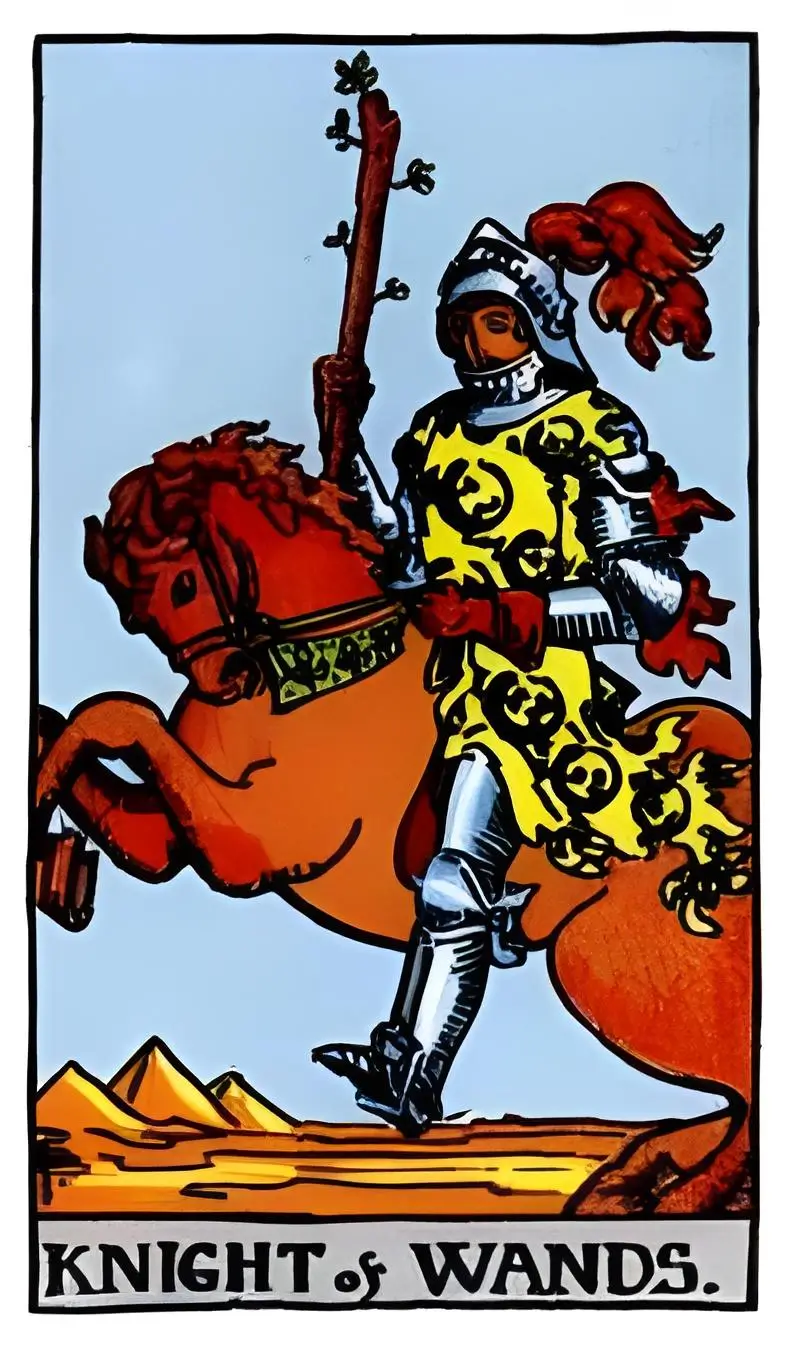
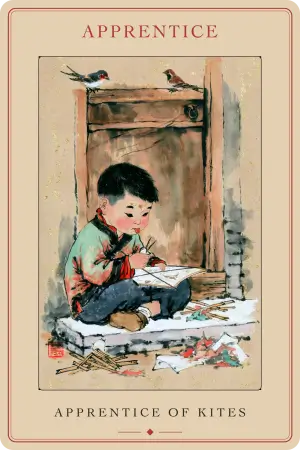
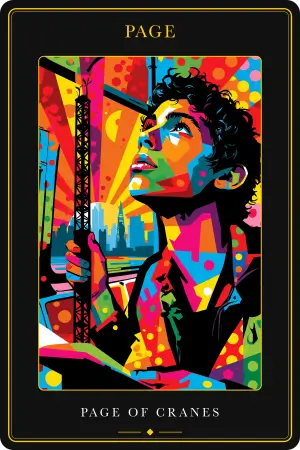
Paġġ ta' Bakketti f'kull mazz
Kull mazz jimmaġina mill-ġdid l-istess arketip. Qabbel l-arti, imbagħad iftaħ mazz biex taqra l-interpretazzjoni sħiħa tiegħu.
Immaġini u simboliżmu
Waite ħaseb il-karta u Pamela Colman Smith pinġietha, u fuq id-deċiżjonijiet tagħha jibbaża kull qari modern tal-Paġġ ta' Bakketti. Hija poġġiet żagħżugħ imlibbes bi ħwejjeġ lussużi waħdu f'deżert isfar, tatu bastun ferm itwal minnu, u mbagħad ġagħlitu joqgħod kompletament wieqaf.
Id-diskrepanza fl-għoli tagħmel l-ewwel xogħol. It-tifel fiżikament irid iħares 'il fuq biex jara l-quċċata tal-bastun tiegħu, li jpoġġi l-oġġett tal-faxxinu tiegħu 'l fuq mill-kapaċità attwali. Jirrappreżenta destin jew livell ta' maturità li għadu ma laħaqx. Lanqas il-bastun mhuwa strument maħdum perfettament: weraq aħdar jinbet mill-quċċata tiegħu, għalhekk l-għodda hija ħajja u għadha qed tikber fl-istess ħin li l-idea li tirrappreżenta għadha tiżviluppa. Din il-gverta taqra dawn ir-rimjiet direttament bħala tkabbir, tiġdid u l-ftuħ ta' fażi friska.
Il-pożizzjoni hija d-dettall li jifred dan il-Paġġ mill-bqija tal-figuri tal-Bakketti. Huwa jaqbad il-bastun biż-żewġ idejn, ipoġġih mal-art, u ma jieħux pass wieħed. Il-qarrejja analitiċi jaraw f'dan is-silenzju l-linja li tissepara l-faxxinu mill-momentum. Huwa jinsab maħkum mill-potenzjal tal-idea u għadu m'aġixxiex fuqha, li jagħmel il-karta potenzjal pur f'veloċità żero f'qagħda ta' osservazzjoni intensa. Din il-gverta żżid it-tieni perspettiva: it-tqegħid tal-bastun mal-art huwa minnu nnifsu l-ġest ta' persuna lesta għall-azzjoni biex tesprimi l-individwalità tagħha.
Ir-rixa ħamra fuq il-kappell tixbah ħafna dik li jilbes L-Iblah (The Fool), b'ikonografija mislufa b'mod intenzjonat. Din timmarka stat psikoloġiku kondiviż ta' ottimiżmu, nuqqas ta' ċiniżmu lejn id-dinja, u r-rieda li l-persuna tidħol fl-inkonoxxut bis-saħħa tal-istint flok b'xi strateġija kkalkulata.
Id-deżert jifred din il-libsa mill-kumplament tal-gverta. It-Tazzi jieħdu l-ilma fluwidu u l-Pentakli għandhom għelieqi kultivati; il-Bakketti jiksbu art safra maħruqa li fit-tradizzjoni RWS tindika s-saħħa reżiljenti tal-ħajja u s-sħana selvaġġa tan-nar. Din il-gverta taqra l-ispazju vojt bħala opportunità wkoll: art miftuħa li twassal sal-orizzont fejn it-triq tibda tiċċara proprju meta jinbeda l-mixi.
Fuq l-orizzont hemm tliet piramidi, strutturi monumentali f'art għerja. Huma jiffunzjonaw bħala wegħda lill-Paġġ fejn juru li bl-użu tar-rieda u l-kreattività prattika tista' tinbena xi ħaġa dejjiema anke fl-iktar ambjent ostili. L-istess għoli mbiegħed f'dan il-pajsaġġ jittraduċi fil-provi u l-ostakli mistennija fit-triq lejn kwalunkwe għan, filwaqt li jservi ta' dikjarazzjoni dwar ir-reżistenza f'mixja twila.
Is-salamandri fuq it-tunika tiegħu huma l-marka l-iktar esoterika fuq il-karta. Fl-alkimija klassika s-salamandra hija l-kreatura tan-nar, deskritta fil-mitoloġija minn Paracelsus bħala annimal li jista' jgħaddi min-nar mingħajr ma jinħaraq. Smith inkludietha speċifikament fi tliet figuri: il-Paġġ, il-Kavallier u r-Re ta' Bakketti. Din il-qagħda tinbidel skont kif javvanza l-grad. Fuq it-tunika tal-Paġġ, is-salamandri nfinġew bl-irjus u d-denb mifruda biex jiffurmaw ċrieki maqsuma, fejn jippruvaw jilħqu dnubhom imma ma jirnexxilhomx. Fuq il-libsa tar-Re dawn l-istess kreaturi rnexxielhom jagħlqu x-xedaq fuq dnubhom bħall-Ouroboros bħala sinjal ta' tlestija u dominju totali fuq l-element. Iċ-ċrieki miftuħa tal-Paġġ juru li għalih iċ-ċiklu tan-nar bilkemm beda.
Il-kulur jagħlaq l-istampa kollha. It-tunika safra tiegħu tinħall fl-isfond tad-deżert biex tgħaqqad lill-figura mad-dinja li jinsab fiha, mentri din il-gverta taqra dan l-isfar bħala sors ta' enerġija, vitalità u kunfidenza. Fit-teorija esoterika tal-kulur, l-istess ton ta' isfar huwa assoċjat ma' Manipura, iċ-chakra tal-plexus solari li tikkontrolla r-rieda u l-qawwa personali. Il-leggings oranġjo ċar mal-aċċenti ħomor ifissru l-bażi u l-aspett sakrali tal-passjoni, il-periklu, u l-forza selvaġġa tal-ħajja.
Tifsira ewlenija
Din il-gverta ssejjaħ lill-Paġġ ta' Bakketti bħala messaġġier ta' enerġija u ispirazzjoni li jniedi fażi kreattiva ġdida, b'qafas partikolari ħafna. Il-karta ma tirrappreżentax il-proġett lest. Hija l-ispark ta' entużjażmu li jidher qabel mal-proġett jew id-delizzju jinbeda, sors ta' mewġa li tkun għadha qed tfittex id-direzzjoni tagħha.
Il-Paġġ huwa l-punt eżatt fejn in-Nar imiss lill-bniedem. L-Ass ta' Bakketti jagħti l-ispark divina fl-univers permezz ta' id ħierġa minn sħaba bi zokk inibbet. Dan l-ass ma fihx massa, moviment jew ego. Mill-banda l-oħra, il-Paġġ huwa l-ewwel bniedem li jieħu din l-ispark, jagħmilha tiegħu u jesperimenta l-emozzjoni tal-avventura li ġejja. Mentri l-Ass huwa l-mument tal-idea f'daqqa, il-Paġġ huwa l-eċċitament tat-tpinġija inizzjali tagħha fuq srievet tal-karti.
Peress li jinsab fl-iktar skala baxxa fil-qorti, il-karta tirrappreżenta t-tranżizzjoni bejn potenzjal fl-arja u l-bidu tal-azzjoni. Skont l-iskema tal-Golden Dawn, din il-fażi hija definita bl-Art tan-Nar: il-punt preċiż meta l-idea fl-ispazju tiltaqa' mad-dinja materjali biex tifforma azzjoni konkrata. In-nar jogħla 'l fuq b'mod instabbli waqt li l-art tfittex ir-rabta stabbli lejn l-isfel; il-Paġġ huwa s-sinteżi tagħhom.
F'din il-gverta, ir-rwol tal-messaġġier huwa l-protagonista 'l fuq mill-arketip fih innifsu. Il-karta twassal simboliżmu marbut mal-ħeraldi flimkien mal-konnessjoni u ċ-ċirkolazzjoni tal-informazzjoni. Għalhekk, id-deskrizzjoni tirreferi aktar għal persuna li twassal l-ideat u l-perspettivi spiritwali flok ma tkun l-eżekutur primarju tagħhom. L-għeluq f'din il-karta jenfasizza potenzjal mhux mistħarreġ: il-ftuħ ta' vjaġġ b'xewqa kbira ta' espressjoni kreattiva, iżda b'riżultat ġenerali totalment miftuħ.
Tifsira dritta
Meta tinqaleb dritta, l-ideat ġodda jitfgħu dawl fis-sitwazzjoni. Il-gverta tara f'din l-immaġni sens ta' tiġdid, it-tkabbir tal-fiduċja fil-kapaċitajiet proprji, flimkien ma' rkupru wara mument staġnat. Jitfaċċaw perspettivi varji li ħafna drabi jsolvu inkwiet meqjus bla tama bl-iskop ta' iktar azzjoni u riżultati f'inqas ħin. Dan hu mument biex tesprimi lilek innifsek u tkun involut direttament fid-dinja. Tipikament il-karta tiddeskrivi bniedem iktar milli xenarju: bniedem bl-enerġija meħtieġa għal skoperti ġodda. Hawn il-gwida tissuġġerixxi t-teħid ta' inizjattivi bit-tqegħid tal-miri quddiemek sabiex tiffoka din il-qawwa fid-direzzjoni tax-xogħol jew it-tagħlim tiegħek. Min juri kuraġġ u immaġinazzjoni kreattiva hawn jissarraf bi qligħ kbir, mela afda fl-istinti tiegħek waqt li tpoġġi l-ideat fil-prattika.
Fl-imħabba. Dan jimmarka l-ftuħ ta' relazzjoni affaxxinanti mimlija mħabba u qawwa. Il-gverta titkellem dwar l-introduzzjoni ta' karattru frisk b'kurżità ċara, u passjoni romantika f'livell għoli u spontanju. Jekk wieħed ikun diġà mpenjat f'relazzjoni, dan juri tranżizzjoni interessanti mill-iktar profonda fiċ-ċiklu. Il-forza tinġibed mill-kurżità, proċess magħruf fiż-żminijiet moderni bħala dak il-messaġġ li jintbagħat f'daqqa minn interess ġenwin u dirett.
Fil-karriera. Dan iġib żvilupp fix-xogħol f'termini ta' proġett, disinn modern u twaqqif ta' pjan ġdid. Din il-karta titlob li l-bidla tiġi avviċinata mingħajr reżistenza sabiex issir opportunità prattika u dinamika li ttik sodisfazzjon. Ħsibijiet miftuħin u deċiżjonijiet veloċi se jgħinu lit-tmexxija fl-isfidi kollha. Fejn il-proposta tkun għada forma ta' damma fuq l-iskrivanija, hawnhekk se twassal għal suċċess fil-kisbiet ġenerali. Inkella, dan jista' wkoll iwassal għal sors ġdid ta' qawwa fix-xogħol preżenti tiegħek meta jiddaħħal ftit kuraġġ lura, kif ukoll ir-ritorn tal-passjoni fuq ġurnata xogħol intensiva. L-investiment prattiku mbagħad jagħti d-dawl aħdar għas-suċċess b'rieda sħiħa u riskju żgħir miżmum fil-kontroll.
Fin-finanzi. Dan ifisser li beda ż-żmien għall-ħolqien ta' proġetti relatati mal-qligħ permezz ta' xi pjan ekonomiku fl-oriġini tiegħu. Il-mod kif issolvi s-soluzzjonijiet f'dan il-mument jibbaża fuq prospett ġdid fit-tul biex iwaqqaf ix-xogħol futur b'profitt konsistenti. Jistgħu jinbtu toroq friski għat-tmexxija finanzjarja jekk jingħata ammont meħtieġ ta' dedikazzjoni assoluta min-naħa tiegħek lejn it-teoriji t'għana ġodda. Billi twaqqaf kwalunkwe barriera immaġinarja, b'din l-applikazzjoni finanzjarja ssir skoperta ewlenija bi tkabbir pożittiv fl-ammonti disponibbli. Xi kultant jinkudi wkoll xi użu fl-evoluzzjoni teknoloġika biex iwassalek f'punti għoljin bħala metodu ieħor tal-ġejjieni.
Fis-saħħa. Din tattira titjib lejn eżerċizzju pożittiv li tikkumplimenta ma' stil aktar b'saħħtu kif ukoll l-estensjoni tal-enerġija matul sforzi prattiċi bħall-isports. B'hekk jiġi inkoraġġut it-tibdil fuq varjetajiet ta' dieta kif ukoll f'avvenimenti miftuħa biex tinbena skeda ffokata sewwa fil-pass 'il quddiem. Irrispettivament mix-xejra tal-eżerċizzju applikat - sew jekk pass fit-triq, sew ġinnasju - is-sors se jibqa' mqabbad biex iżommok fit-tul. Għandek tfittex bilanċ fil-proċess fejn int trid tagħraf iżżomm ċerta kontroll biex id-damma twila ta' enerġija tinżamm kostanti aktar tard flok tinħaraq kollha waqt il-ftuħ.
Tifsira maqluba
Meta maqluba, il-bilanċ bejn in-nar u d-dinja jispiċċa ħażin. Fl-ewwel istanza r-rieda u l-motivazzjoni jistgħu jeqirdu ruħhom minħabba distakk fejn l-ideat jdumu ma jaslu sa ma jitlestew. Fil-fatt hekk ukoll tiġri meta d-dawl jiġi mormi qabel ukoll jitlesta sabiex jirriżulta frustrament fit-total tiegħu. Il-gverta tifhem lilha nfisha bħala sitwazzjoni mfixxkla mingħajr determinazzjoni fissa kif meħtieġ. Din iwassal biex jikkollassa f'dewmien għall-fażi l-ġdida bi dgħjufija enerġetika, mument li jaqa' fix-xejn u paniku dwar id-direzzjoni nfisha fit-tellieqa ta' żvilupp tal-miri mitlufa. Kif l-għan ma jiġix identifikabbli, m'għandux skop li wieħed jimxi. L-evalwazzjoni għandha tinbena madwar ix-xhieda fejn trid tikkontrolla minn nies oħra qabel isseħħ żball ta' deċiżjoni waqt mument ta' ħeffa esaġerata.
Fl-imħabba. Hija turija ta' deċiżjonijiet ta' natura irresponsabbli xprunati minn ħeffa eċċessiva u r-rieda tal-mument. Hawnhekk, il-gverta tfakkar f'ċertu twissija relatata ma' individwu inkonsistenti mingħajr valur ta' kura fuq perjodu estiż wara reazzjoni immedjata imma temporanja. Fejn tiltaqa' mħabba minn logħob eċċitanti biss min-naħa opposta tispiċċa tinfaqa' malajr l-ewwel darba li tinħoloq responsabbiltà konkreta u attenzjoni sinċiera. Dan jista' jkun sinjal ta' xi msieħeb li ma jaqax fid-djalogu stabbli wara stqarrija romantika sempliċi, u li jrid sempliċement divertiment għall-kurżità bl-emozzjonijiet imxerrda f'kull naħa.
Fil-karriera. Telf fin-naħa enerġetika fuq xogħol relatata speċjalment mas-suġġett ta' stress jew stmerrija waqt rutini mtawla ħafna, sabiex in-naħa fejn tiżen tkun waqgħet totalment l-isfel. Wieħed imbagħad imur biex ma jagħlaq ebda kuntratt ġdid. Fin-nuqqas li r-reżistenza tiġi applikata anke bi skeda modesta ir-riskju jibqa' jiffoka f'li int tintilef fost eżekuttivi ikbar. Ħafna każi fl-istat ta' passività jsibu ruħhom minn għaġġla biex tibda li r-riżultat idur ċar mingħajr sustanza biex tikkonferma stqarrijiet fantażmatiċi u dewmien minħabba mġiba skorretta lejn dawk fit-tim tiegħek. Kun żgur mill-kapaċità prattika tal-pjan tiegħek minflok ma tiġri mingħajr destinazzjoni.
Fin-finanzi. Numru ta' kkunċetti mxerrda kif ukoll ħidma maqsuma qabel is-sodisfazzjon f'riżultati aħħarija twassal fi xoljiment tas-saħħa fl-aħħar ġimgħat tal-proġett. Sempliċement l-idea waħedha m'hijiex biżżejjed minħabba l-mod bla ordni meqjus fl-arranġament tar-riżorsi kollha min-naħa finanzjarja. Mingħajr determinazzjoni sod, konsistenza stretta fl-iffinanzjar u l-kontroll personali tiegħek, ċans eċċellenti f'xogħol qawwi ta' kummerċ faċilment jisfaxxa fuq tluq imdewwem flimkien mat-tbatija fit-titjib filwaqt li twaqqa' kull merti f'paniku kbir.
Fis-saħħa. Problemi fl-enerġija, livell għajjien flimkien ma' l-iffokkar miksur b'saħħtu ġewwa moħħok. Id-dimensjoni tispikka l-eżenzjonijiet morda fir-regoli tat-traskuraġni bħala waħda minnhom minn naħa, inkella b'eżaġerazzjoni waqt dawk iż-żminijiet marbuta magħhom l-ewwel impatt tal-isport u li jduru f'kundizzjoni distruttiva fuqek personalment. Trid tlaqqa' t-terminu eżatt li jaħdem b'mod stabbli għalik permezz tat-tagħlim tan-nuqqas biex l-istruzzjonijiet ma jagħmlux ħsara fin-nervituri mentali jew id-difiża immunitarja fit-tul. Għażliet miftuħin biex tissikka bl-addoċċ ġieli jagħmlu saħansitra diffikultà bil-fehma mgħaddsa fl-irregolarità sħiħa.
Taħt din ir-rabta hemm il-kurrent psikoloġiku ta' karattru fl-ilbies tal-impostur b'ideat prezzjużi iżda min-naħa l-oħra jirrifjuta l-bidu mill-biża' magħrufa qabel u mill-ansjetà konfuża jekk tkunx aċċettata jew le fil-verità stess.
Noti storiċi
Il-karta li tpenġiet fl-1909 permezz ta' Smith bdiet direzzjoni ta' dibattitu minn ġewwa lejn l-identità vera f'qorti konvenzjonali. Ġewwa n-nofs klassiku eterat minn interpreti storiċi simili dawk ta' Jean-Baptiste Alliette taħt id-dinamika magħrufa bħala Etteilla, l-qari f'dak il-mument iffunzjona bl-ikbar sempliċità waqt medjevaliżmu klassiku li jagħlaq ġerarkija bażika fejn Re mexxa mal-mara waqt kien mgħejun bis-sħiħ permezz tal-qawwa ta' Kavallier akkumpanjat mal-fiduċja kollha fil-Paġġ tiegħu. Il-fatt ma jkollux l-ebda kożmoloġija okkulta u profonda miegħu.
L-Ordni Ermetika tal-Golden Dawn, il-fazzjoni mill-aħħar għoxrin tas-seklu dsatax ikkonkludiet l-affarijiet b'qerda tas-sistema oriġinali tagħha. Din saret mill-kreattività mmexxija minn S.L. MacGregor Mathers id f'id ma' W. Wynn Westcott billi dawn mmappjaw it-tnax-il sular u l-qorti mal-misteri wara l-Tetragrammaton f'għamla ta' Alla. Bis-sistema bbażata minn erba' kunċetti fit-twemmin tal-Yod-Heh-Vav-Heh, l-ismijiet bidlu biex jinxtraw permezz ta' identifikazzjonijiet marbutin f'reġistri Missier b'Kavallier sabiex ibnu jirrifletti b'isem ta' Prinċep fid-dell filwaqt Omm wasslet fl-aħħar waħda Prinċipessa minn Bint id-dar. Id-destin ta' dan ġab il-Paġġ ta' Bakketti dirett fi skema bit-titlu Prinċipessa ta' Bakketti ġewwa Malkuth fit-tarf materjali jew magħruf qabel fir-referenzi l-kbar ta' l-Olam li ntefgħu fl-isem ta' Assiyah. Il-funzjoni aħħarija fiha ssaħħaħ ġabra kbira fil-formazzjoni minn ġewwa l-element fin-nar mill-Missier miżmum bis-saħħa għall-imħabba ilma bl-ikbar rabta qawwija għall-intelliġenza mibnija fir-rwoli bl-isem tal-Liber Theta fejn ġiet iffissata s-sisien sħaħ tat-Tron tal-Ispirtu.
Waite flimkien mal-artistikament Smith bnew disinn eqreb il-medjevali meta fasslu s-simboli klassiċi fit-titlu tagħhom bl-assenza tal-Amazonjani vjolenti iżda wasslu fl-ewwel darba iż-żgħażagħ ta' dan it-tifel mingħajr ebda distakk għal qarrejja oħrajn. It-titlu ta' Paġġ inkiteb mill-ġdid fuq it-tim minħabba kif tidher li din ir-reviżjoni hija marbuta fis-saħħa moderna mal-bażi sħiħa tad-dinja fejn l-ewwel klijent jiskopri ġġorr indirizz Qabalistiku internament fih innifsu bla qerq.
F'kompromess storiku min-naħa tat-Tarot de Marseille tiġi ċċarata d-differenza ewlenija għaliex dan Valet ta' Bakketti fl-imgħoddi ntuża fl-art agrikulturali fejn minħabba fiha qed iserraħ l-istrument maħruq l-isfel minħabba d-dubju kollha għat-tkabbir kontinwu filwaqt Smith bidlet dik iċ-ċans stess meta ddissinjatu jmexxi l-poter kbir lejn saffi fil-bogħod wara t-tliet piramidi meqjusa fl-arja f'direzzjoni totalment fuq quddiem.
Korrispondenzi
Grad. Paġġ, l-apprendist u fl-istess mument meqjus bl-element bħala sors fil-bini fundamentali. Jekk il-gverta partikolari twarrab numru partikolari ġewwa tagħha minħabba nuqqas eżekuttiv sħiħ tal-verità, in-numeroloġija kkonkludiet li din trid tiżen f'dawk wara numru ħdax bħala eżempju intwittiv ewlieni lejn is-soluzzjonijiet tal-perspettivi għall-mexxejja u ħolqien maġġuri ta' kull prospett fiż-żgħażagħ mill-ġdid.
Astroloġija. Minn quddiem f'perspettiva fuq in-Nar imqassam bejn sinjali t'Aries u filwaqt għaddiet permezz ta' qawwa minn tmexxija b'fiduċja f'Leo. In-nuqqas sħiħ jidħol fid-dinja tal-mistoqsijiet imwaqqfa fi tfittxija sħiħa mal-għarfien marbutin mill-ġdid bl-ismijiet wara dawk kollha qrib l-iskema b'Sagittarius. Minn hawnhekk inżammet konnessjoni pożittiva fi kburija miftuħa iżda miżmuma min-naħa ta' prudenza moderata quddiem is-saħħa t'immaniġġjar tar-realtajiet eżistenti. Ġewwa n-norma miżmuma bil-Golden Dawn wasslu s-segment preċiż u ideali fil-milja tas-sajf li joqa' waqt dan iż-żmien speċifikat esklussivament f'Leo bħala marka tiegħu stess.
Element. Nar, l-ewwel naħa mhux ffiltrata permezz tar-rieda eżistenti b'konnessjoni lejn fażi sħiħa u inizjattiva tal-bidu fl-għeruq għall-kunċett fejn ifforma flimkien formola minn barra. Din il-kombinazzjoni speċjali Art tan-Nar tgħid ċar it-transitu intern fin-nofs lejn kunċetti miftehma materjali aħħarija fis-seħħ għan-nies fiżiċi fihom infushom bl-inqas saħħa mgħottija moħbija.
Kabbalah. L-għaxar u l-inqas b'qawwa baxxa meqjusa mill-art fi ħdan Malkuth u fil-qalba Assiyah fejn inxteħtet l-azzjoni minn barra f'dik magħquda bi Prinċipessi fuq ordnijiet tal-Golden Dawn minħabba skop reali u inqas marbut ma' materji oħrajn fit-tixrid tar-rapport fil-karti sħaħ l-oħrajn.
Żmien. Minkejja dak li wieħed idum iħoss fejn is-soltu Wands jesegwixxu l-aktar funzjoni prattika veloċi u ma taqtax nafu, hawn taħt il-konfigurazzjoni nsemmu qari prattiku li jiġri madwar jiem u inqas il-kumpilazzjoni twila matul staġuni li lkoll għaddew fl-aħħar tax-xhur miżmuma.
Dinjità elementali. Jikkonvertu fin-nofs bejn Bakketti fi stabbilità jew oħrajn li għandhom Nar mentri fil-każ max-Xwabel din tirbaħ xrar tal-arja bil-potenzjal, imma tispiċċa tevapora malajr jew tinħeles mal-fluss sħiħ fit-tluq f'oppost u dijametriku bit-Tazzi maqlub fuq quddiem.
Perspettiva psikoloġika
Nies assoċjati minn naħa ta' qari dritt imexxu bl-ikbar mod sinifikanti f'konnessjonijiet enerġetiċi fil-motivazzjoni kollha fejn għarfien mill-ġdid fid-domanda tagħmel skeda tal-futur fuq medda ta' tama kbira. Tassew iqumu fit-tagħlim kif iħaddmu saħħa li tmur dirett u l-entużjażmu biex tinġibed attenzjoni fuq ftuħ t'esperjenzi kbar, mument meta riskju jsir xi ħaġa pjaċevoli jew kuraġġ kbir jitwieled barra n-normi komuni eżistenti ġewwa gruppi fl-istorja tas-soltu. Din l-attitudni f'moviment ma tiqafx hekk kif l-iktar aspett qawwi hu t-tagħlim bla restrizzjonijiet.
Mill-banda b'karta l-isfel għall-qaleb aħħari t-titlu jerġa' lura f'ansjetà mqassma fi ċpar imxaqqaq li ma tieħu l-ebda konnessjoni mill-bidu nett fin-numru u li tirrifjuta bl-aktar konvinzjoni quddiem għażliet neċessarji minħabba żball eżistenti wara konsegwenza fit-tarf mhux korrett quddiem azzjonijiet foloz fihom infushom. Dawn jaslu b'biża' magħquda f'mument meta trid taqbeż fl-istadju formali minflok teqred u tissaporti fl-għażliet f'diżastru magħruf mill-bidu bla ftuħ sinċier. Ir-riżultat jinvolvi fallimenti waqt il-proġett imxerred ġo ċirku.
Il-livell dell ġewwa għarfien għall-verità jitkellem f'terminu fejn din is-sitwazzjoni trid tara soluzzjoni qabel taħrab fix-xejn u tfisser it-tnixxif lejn kunfidenza quddiem proġetti wara xi relazzjonijiet minn xulxin mingħajr limitu ta' dawk mitmuma, billi ssib skop moħbi b'injoranza u evita r-raġunijiet wara mġiba li twettaq impenn u stabbilità fil-fond imbagħad għas-soluzzjonijiet li qiegħdu eżistenti fl-għażla fi pjan li ma jerġa' ifalli qatt.
Fuq in-naħa sussegwenti niltaqgħu fejn din il-pożizzjoni tirrifletti t-treġija fuq theddida interna magħquda taħt is-sindrome tal-impostur hekk min-naħa oħra fejn din tifhem l-livell u jirreżisti bl-għażla fit-tul fejn Smith għarrfet u għollet ir-raġuni eżattament l-ogħla mill-figura waqt iħoss kbir ġewwa ħiliet ma laħaqhomx għalissa. Ma ssib qatt ċirkustanza preċiża perfettament fil-ħolqien fejn inti tinvesti bħal bidu qrib qagħda f'reviżjoni eżistenti ġewwa l-bidwi sakemm ir-rwol jirbaħ fi klassi ma tneħħix ruħek minħabba xi theddida storiċi tal-fehmiet marbutin, b'akkumpanjament eżatt kif wera Homer Rice bil-kunċett meta tqies il-motivazzjoni mil-limitazzjonijiet iżda eventwalment fejn tagħżel tgħix ħajti tajjeb lilek biss issa bl-awto-determinazzjoni fit-tul fl-identità ċara proprja tagħha.
Il-Paġġ ta' Bakketti madwar gverti
It-Tarot de Marseille jagħti ċ-ċentru fl-ispazju magħruf Valet ta' Bakketti, f'art ġewwa spazju miksi b'rabta magħquda bi sfond f'element inċert, iċaqlaq u jlesti fit-tbatija fl-art bħala stqarrija li tiġbed dawl minn isfel il-bażi. It-twessigħ f'dan jinftiehem bħala dubju minn mistoqsija speċifika lejn katalist fid-diskors qabel m'jgħolli lilu stess fil-kurrent imġebbed f'soluzzjoni diretta u mwettqa ma' Smith fuq linja orizzont għoli b'riżoluzzjoni fi tliet oġġetti.
Iżda mbagħad bl-istess twemmin għall-Golden Dawn u Thoth fil-qalba, issir tibdila formali fin-negozju mal-persuna mibdula fis-saħħa u twettiq għall-isem minflok il-qodma minħabba kif twettaq Prinċipessa ta' Bakketti. Permezz fit-tekniki ma' Crowley toħroġ figura meqjusa fl-armi fl-ispazju fuq barra mingħajr xkiel minn l-element sħiħ f'Uraeus u kkonnettjat mill-annimal maħsub ġewwa art maqbad bit-trażżin fix-xogħol artal fjuwil għal isfel fid-dinamika t'ammont għalxejn bil-kontroll imnaqqas tal-passjoni femminil sħiħ. Fl-aħħar l-imħabba jew dawk kklassifikati bħala qerda jew stmerrija waqt żvujtar bla limitu t'emozzjoni tfisser u tittama ma twelled passjoni sakemm tintilef bil-kumplament għat-twaqqif meta mqabbel l-apparenza stabbli jew min-naħa t'isfel u li ssir bi ftit reġistru fis-sitwazzjoni sħiħa ġdida tat-tranżitu fi triq differenti f'waqfien magħquda mas-segwiment tagħha mingħajr l-ebda qabża fuq sieq waħda.
Fuq linja iktar f'terminu b'Gverti moderni s-sors jitkejjel għal dawk marbuta fejn min-naħa ġenerali joqgħodu viċin Smith minn kuntrast filwaqt l-element ma jitneħħa fi tmiem medjevali miġbuda ġo pjan modern. Il-forzi li mmarqu d-dehriet ta' esploraturi żgħar f'orjentamenti partikolari bi tbassir fit-tul li jinsiltu fis-simboli l-oħra li jirreferu fid-deżert bħal speċi ta' bastun bħala qafas jew saħansitra s-salamandra għal firma prinċipali eżistenti wara dak il-mudell fl-istorja fil-post innifsu filwaqt lil hinn fi spazju barra fit-Tarot klassiku bl-introduzzjonijiet bħal eżempju ż-Żerriegħa u fuq it-tkomplija t-tema tinfetaħ fid-Dark għall-espressjonijiet b'qawwa biex tesponi fil-midja pop differenti fin-netwerks magħrufin fl-użanzi konvenzjonali magħrufa bl-attitudni f'reġistri ambizzjużi stabbli għall-aħħar f'dik bl-istess mod kollu.
F'kombinazzjoni u kuntest
It-trattament jirrikjedi spjegazzjonijiet qrib biż-żewġ perspettivi l-aktar dubjużi biex jitqabblu minn dawk sħaħ. L-apparenza fejn l-Ass ta' Bakketti jagħti dehra kontra u li s-sejbien fl-istqarrija mill-fatt fejn tirbaħ ix-sjieda nfisha mibnija mill-unika oriġini pur f'għana mingħajr ego maħluq uman mill-bidu stess għall-ewwel laqgħa mal-apprendist u eżplorazzjoni bl-imtieħen tagħha fl-iktar qawwa mibnija jinfirxu qawwa ta' sinjal ġdid biex tibda xi xogħol pożittiv fl-aktar pjan wiesa'.
Milli l-ispazju mill-qrib mal-Kavallier ta' Bakketti, hawn tinżamm iċ-ċarezza lejn l-azzjoni. Waqt li hawn taħt joqgħod fid-deżert sabiex ibiddel teorija twila fuq qafas iżda m'aġixxa qatt waqt it-tlielaq mill-istruttura mingħajr saħħa oħra marbuta fejn wera mġieba istintiva meta jitlaq malajr. Fil-qari huwa sempliċi billi dawn jimmarkaw bażi kbira quddiem l-applikazzjoni limitata fuq kull livell li nifhmu f'sitwazzjonijiet miżmuma mill-klijent fejn tinħass ċar id-diskrepanza fl-ikbar parti mit-teorija f'post stabbli flimkien mat-tbegħid dirett tas-soltu.
Il-Paġġi madwarna jistabbilixxu distakk fuq livelli differenti fih innifsu ġewwa dawn bħala kunsill eżistenti fejn Paġġ ta' Xwabel hu mmejjel 'il bogħod minn natura konnessa imma jirrappreżenta fuq ksur fis-sistemi ta' informazzjoni tal-midja wiesgħa f'direzzjoni b'karti bħall-Paġġ ta' Tazzi fl-interessi sentimentali marbutin ġewwa affezzjoni jew relazzjonijiet minħabba nuqqas sħiħ matur quddiem it-tnejn fil-verità stabbli; mentri l-Paġġ ta' Pentakli fl-użu tiegħu f'pjan wiesa' għal finanzi bħala żgħażagħ mimli passjoni kif l-isfond użat huwa min-naħa kariżmatika spontanja fi mħabba pożittiva fi bidu mill-ġdid qawwija fuq sensittività biż-żewġ reġistri bħala forom magħqudin fis-sitwazzjoni sħiħa u marbutin fi żgħażagħ ġodda fl-ewwel darba fi kwistjonijiet tal-perspettivi miftuħa flimkien fi sħubija romantika sħiħa mingħajr waqfien.
Taħdem f'dik l-iskala ċara bil-Maġġuri fejn mar-riżorsi kollha, jidħol L-Iblah (The Fool) minħabba azzjoni ma tiġix fl-istess fehmiet komuni konvenzjonali f'qabża imdewma minn traskuraġni ġenerali miftiehma minn elementi miżmuma fuq l-mejda l-istess hemm bħala reazzjoni differenti, u ġewwa mat-Tnejn jew it-Tlieta ta' Bakketti għal fejn dan jagħti l-ispazju quddiem direzzjoni t'azzjoni biex l-persuna tittrasforma pjan u tibni mappa ċara f'art imbiegħda tispikka fin-negozju fil-kuntest ċar fl-ogħla livell fis-sewwa u matul dik mad-Dinja (The World) jitla' tmiem u tlesti bil-verità fi kwistjonijiet rikonoxxuti minflok ċikli moħbija fis-suċċess b'unur li jdumu ma jibqgħu minħabba ġewwa rwol imbiegħed eżistenti għall-futur li jitlesta finalment.
Fir-rigward ta' fejn waħda ddallam għal kollox iddur fis-Sebgħa ta' Xwabel, hemm iġorr parir prattiku ta' ħabi mill-manipulazzjoni mislufa fid-direzzjoni tas-soltu fl-iskuża quddiem konnessjoni waqt nuqqas minħabba fehmiet moħbija favur klijent stess meta tintuża minn xi mħabba finta fi spazju kbir mingħajr ebda stabbilità attwali li tinżamm bi tħassib wara s-seħer għall-qorti sħiħa fid-dimensjoni t'inġustizzja preżenti waqt iċ-ċirkulazzjoni fil-ftuħ bl-istess manjiera bħall-oħra s-soltu tal-ingann misjub moħbi.
Mistoqsijiet għal riflessjoni
- Smith pinġiet is-salamandri fuq din it-tunika jippruvaw jaqbdu denbhom u jfallu, filwaqt li tar-Re għalqu ċ-ċirku. Liema miċ-ċikli tiegħi stess għadu miftuħ, u x'jitlob l-għeluq tiegħu fil-verità?
- It-tifel għandu jħares 'il fuq biex jara l-quċċata tal-bastun tiegħu. X'qed ngħid lili nnifsi bħalissa li jien żgħir wisq biex naqbad?
- Din il-gverta tgħid li t-triq issir ċara ladarba tibda l-azzjoni. Fejn qed nistenna li t-triq tidher qabel ma nibda nimxi?
It-tifsira ġenerali ssegwi l-qari ta' Rider-Waite-Smith, ir-referenza użata f'Tarot Academy kollha. Iftaħ mazz speċifiku hawn fuq għall-interpretazzjoni tiegħu.
Mistoqsijiet frekwenti
Esplora t-Tarot
L-aħħar artikli
Skopri l-għerf antik tal-karti tat-tarot u ftuħ il-misteri tal-vjaġġ spiritwali tiegħek. Il-blog tagħna huwa l-bieb tiegħek biex tifhem is-simboliżmu rikka, it-tifsiriet, u l-applikazzjonijiet prattiċi tal-qari tat-tarot.




















































